Ashoka Rock Edicts, Junagadh – History, Inscriptions and Travel Guide
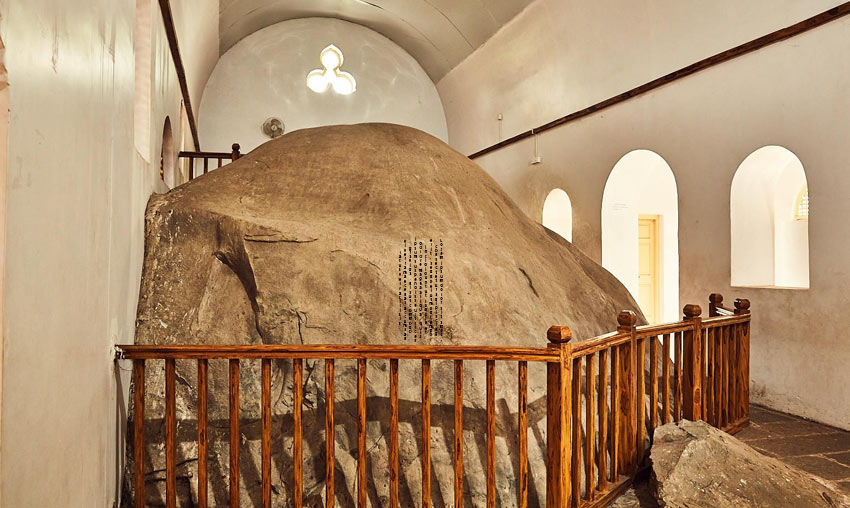
Ashoka Rock Edicts, also known as Ashoka Shilalekh, are among the most important historical attractions in Junagadh, Gujarat. Located on the road towards Girnar Hills, this remarkable ancient monument features fourteen major rock edicts associated with Emperor Ashoka, along with later inscriptions of the Western Kshatrapa ruler Rudradaman I and Gupta emperor Skandagupta.
Carved into a massive natural rock during different periods of Indian history, these inscriptions preserve valuable information about ancient governance, public welfare, religious tolerance, morality and water management. They provide an extraordinary record of three major historical periods: the Mauryan Empire, the Western Kshatrapa dynasty and the Gupta Empire.
For history enthusiasts, archaeology students and travellers interested in India’s ancient heritage, Ashoka Rock Edicts offer a fascinating opportunity to explore the messages of one of India’s most influential emperors. The monument is also an important stop for visitors exploring Girnar Hills and other historical attractions in Junagadh.
Why Are Ashoka Rock Edicts Famous?
Ashoka Rock Edicts are famous for preserving fourteen major edicts of Emperor Ashoka, dating to the 3rd century BCE. These inscriptions communicate messages about moral conduct, compassion, respect for different religious traditions, kindness towards living beings and responsible governance.
The monument is especially significant because the same large rock also carries two later historical inscriptions. One was commissioned by Rudradaman I, a ruler of the Western Kshatrapa dynasty, around 150 CE. The other belongs to the Gupta emperor Skandagupta and dates to the 5th century CE.
Together, these inscriptions make the rock an important source of information about several centuries of Indian political, social and cultural history.
History of Ashoka Rock Edicts
The Ashoka Rock Edicts at Junagadh belong to the Mauryan period and are generally dated to around 250 BCE. They were commissioned by Emperor Ashoka, one of the most prominent rulers of ancient India.
After the Kalinga War, Ashoka is traditionally associated with a major transformation in his approach to governance. He promoted Dhamma, a set of ethical principles that emphasised compassion, respect, non-violence, kindness and the welfare of people and animals.
To communicate these principles across his empire, Ashoka ordered messages to be engraved on rocks and pillars at different locations. The Junagadh inscription is part of this wider network of royal edicts.
The large rock near Girnar later became an important surface for additional royal records. Rudradaman I added a Sanskrit inscription around 150 CE, followed centuries later by an inscription associated with Skandagupta around the 5th century CE.
These later records are particularly important because they describe the history and repair of Sudarshana Lake, an ancient water reservoir associated with the Girnar region.
The Three Major Inscriptions on the Junagadh Rock
The large natural boulder at Junagadh preserves three significant groups of inscriptions. Each belongs to a different ruler and historical period, making the site especially valuable for studying ancient Indian history.
1. Ashoka’s Fourteen Major Rock Edicts
The oldest inscriptions on the rock are the fourteen Major Rock Edicts of Emperor Ashoka. They date to the 3rd century BCE and communicate the emperor’s principles of Dhamma and ethical governance.
The inscriptions are written in Prakrit language using the Brahmi script. They discuss ideas such as respect for elders, kindness towards living beings, religious tolerance, self-control, generosity and the importance of good conduct.
One of the important messages associated with Ashoka’s edicts encourages people not to praise their own religious tradition by unnecessarily criticising others. It promotes mutual respect and understanding between different communities.
These messages reveal Ashoka’s interest in creating a society based on ethical behaviour, compassion and peaceful coexistence.
2. Rudradaman I’s Sanskrit Inscription
The second major inscription on the rock belongs to Rudradaman I, the Western Kshatrapa ruler who governed parts of western India during the 2nd century CE.
Dating to approximately 150 CE, this inscription is particularly important in the history of Sanskrit literature. It is widely recognised as one of the earliest substantial examples of classical Sanskrit prose in a royal inscription.
The inscription records the repair and restoration of Sudarshana Lake after damage caused by heavy rainfall and flooding. It also provides information about the officials and earlier rulers associated with the construction and maintenance of the reservoir.
Its historical value extends beyond Junagadh because it provides evidence of ancient water management, public works and political administration in western India.
3. Skandagupta’s Gupta Period Inscription
The third important inscription belongs to the reign of Skandagupta, a Gupta emperor who ruled during the 5th century CE.
This inscription records another phase of repair work associated with Sudarshana Lake. It provides information about the continuation of public infrastructure projects during the Gupta period.
The inscription is valuable because it connects the history of Junagadh with the wider political and administrative history of the Gupta Empire.
Emperor Ashoka and the Message of Dhamma
Emperor Ashoka was one of the most influential rulers of the Mauryan Empire. His inscriptions are important historical documents because they communicate his ideas about governance, public welfare and ethical living.
The concept of Dhamma promoted through the edicts was based on values that could guide people in everyday life. These included kindness, respect, truthfulness, generosity, compassion and tolerance.
The messages were not limited to a single community. They encouraged people to respect different religious traditions and avoid unnecessary conflict between groups.
Important Principles Mentioned in Ashoka’s Edicts
- Religious Tolerance: Respect different religious traditions and avoid insulting other communities.
- Compassion: Show kindness towards people and living beings.
- Non-Violence: Reduce unnecessary violence and animal killing.
- Respect for Elders: Treat parents, elders and teachers with respect.
- Generosity: Help others and encourage charitable behaviour.
- Good Conduct: Practise honesty, self-control and purity of thought.
- Public Welfare: Support the well-being of people through responsible governance.
These principles make the Junagadh inscriptions an important source for understanding Ashoka’s approach to moral and public life.
What Is the Significance of the Sudarshana Lake Inscription?
One of the most interesting historical details preserved on the Junagadh rock is the story of Sudarshana Lake, an ancient reservoir associated with the Girnar region.
The inscriptions of Rudradaman I and Skandagupta provide information about the construction and repair of this important water reservoir. According to the historical records, the lake was originally constructed during the Mauryan period under Chandragupta Maurya’s administration.
It was later improved during Ashoka’s reign and subsequently repaired under Rudradaman I after damage caused by heavy rainfall and flooding. Another repair was recorded during the Gupta period under Skandagupta.
This historical account demonstrates the importance of water storage and public infrastructure in ancient India. It also shows how successive rulers invested in maintaining important public resources.
Language and Script of the Ashoka Rock Edicts
The Ashoka inscriptions at Junagadh are written in Prakrit using the ancient Brahmi script. Brahmi was one of the most important writing systems of ancient India and played a significant role in the development of several later Indian scripts.
The later inscriptions on the same rock are written in Sanskrit, also using Brahmi script forms of their respective periods.
The use of different languages and historical forms of writing on a single rock makes the monument especially valuable for scholars studying ancient Indian languages, scripts and epigraphy.
Architecture and Physical Features of the Monument
Unlike a conventional temple or palace, Ashoka Rock Edicts are carved directly onto a large natural boulder. The monument’s importance lies in its inscriptions rather than elaborate architectural decoration.
The rounded rock rises above the surrounding ground and provides a broad surface for the three historical records. The inscriptions cover different sections of the stone and reflect the writing and engraving techniques of their respective periods.
1. The Massive Natural Boulder
The monument consists of a large natural rock located near the foothills of Girnar. Its unusual size and prominent position made it suitable for displaying royal inscriptions intended to preserve important messages for future generations.
2. Brahmi Script Inscriptions
The Ashoka and later inscriptions provide examples of the Brahmi writing tradition. Their carved characters allow visitors to observe how ancient messages were recorded on stone surfaces.
3. Multiple Historical Layers
The presence of inscriptions from three different ruling periods makes the rock particularly distinctive. Rather than representing a single historical moment, it preserves records created across several centuries.
4. Protected Heritage Site
Ashoka Rock Edicts are recognised as a protected archaeological monument. The inscriptions are valuable historical evidence and require careful preservation. Visitors should avoid touching, scratching or applying anything to the inscribed surface.
Best Time to Visit Ashoka Rock Edicts
The best time to visit Ashoka Rock Edicts is generally from October to March, when the weather in Junagadh is more comfortable for sightseeing and outdoor exploration.
Winter Season (November to February)
Winter is an ideal period for visiting the monument. The cooler weather makes it comfortable to explore the inscription site and combine the visit with nearby attractions such as Girnar Hills and Damodar Kund.
Monsoon Season (July to September)
During the monsoon, the surrounding Girnar landscape becomes greener and more scenic. However, rain may affect outdoor sightseeing, so visitors should check local weather conditions before travelling.
Summer Season (March to June)
Summer temperatures in Junagadh can become high, especially during the afternoon. Visitors should plan their trip for the morning or late afternoon and carry drinking water.
Ashoka Rock Edicts Timings
Gujarat Tourism lists the Ashoka Rock Edicts site as generally open every day from 8:00 AM to 6:00 PM.
However, visiting hours may change because of local conditions, maintenance or administrative arrangements. Visitors should confirm the latest opening schedule before travelling.
Ashoka Rock Edicts Entry Fee and Ticket Information
The entry fee information published by different official tourism sources is not consistent. The Junagadh District Administration page lists ₹5 for Indian visitors and ₹100 for foreign visitors, while the Gujarat Tourism page lists ₹25 for Indian visitors and ₹250 for foreign visitors.
Because these published rates differ, visitors should confirm the current ticket price at the site or through the relevant ticketing authority before planning their visit.
Official Ticket Information: ASI Online Ticketing Portal.
How to Reach Ashoka Rock Edicts
Ashoka Rock Edicts are located on the road from Junagadh towards Girnar Hills and Girnar Taleti in Gujarat. The site is situated a short distance from the main city area and can be reached using local transport.
By Road
Junagadh is connected to several cities and towns in Gujarat through state and national highways. Visitors can reach the city by state transport buses, private buses, taxis or personal vehicles. From Junagadh, auto-rickshaws and local taxis can take visitors towards Girnar Road and the inscription site.
By Train
Junagadh Railway Station is the nearest convenient railway station. It has rail connections with different destinations in Gujarat. From the station, visitors can hire an auto-rickshaw or taxi to reach Ashoka Rock Edicts.
By Air
Rajkot Airport is one of the regional airport options for visitors travelling to Junagadh. Keshod Airport may also be an option depending on flight availability. The remaining journey can be completed by road.
Monument Location
Address: Ashoka Rock Edicts, Girnar Road, near Girnar Taleti, Junagadh, Gujarat – 362001, India.
Places to Visit Near Ashoka Rock Edicts
Ashoka Rock Edicts are located in an important historical and religious area of Junagadh. Visitors can explore several nearby attractions to discover more about the city’s ancient heritage and spiritual traditions.
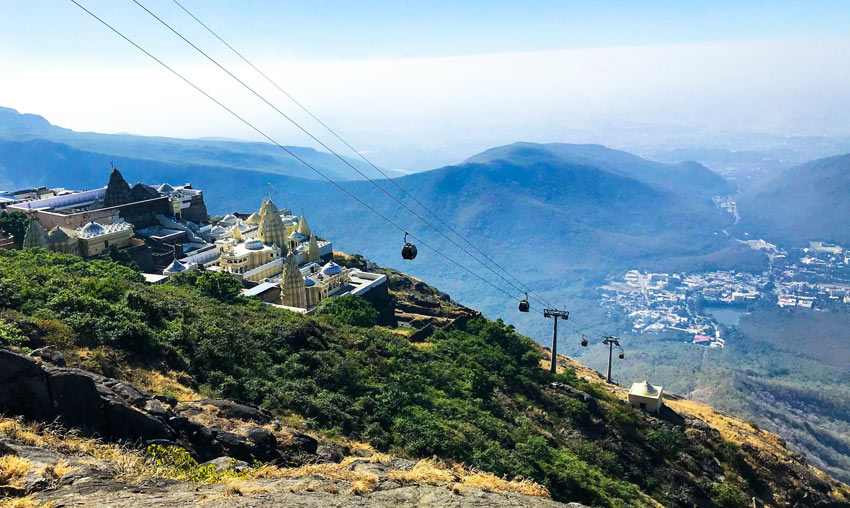
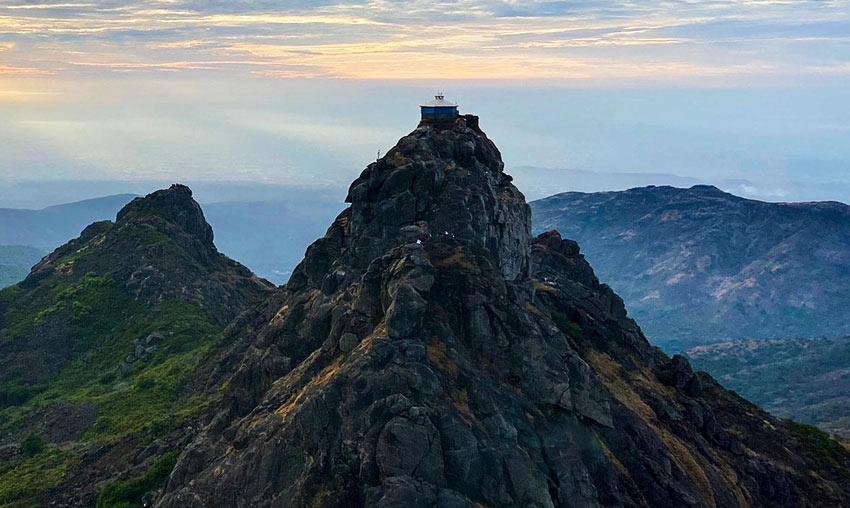
- Girnar Hills – A sacred mountain range known for its ancient Jain and Hindu temples, trekking routes and scenic views.
- Girnar Ropeway – A cable car experience offering access to the area near Amba Mata Temple.
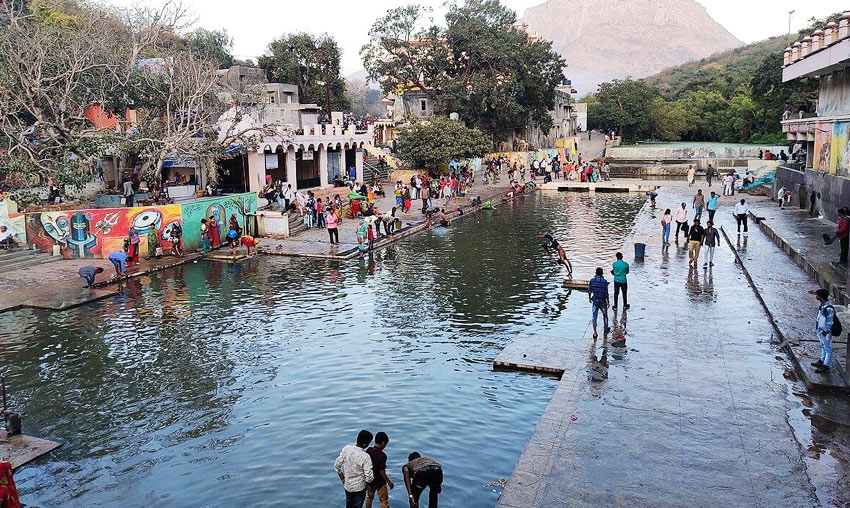
- Damodar Kund – A sacred water tank at the foothills of Girnar, known for its religious significance and traditional rituals.
- Bhavnath Mahadev Temple – An important Shiva temple near Girnar Taleti.
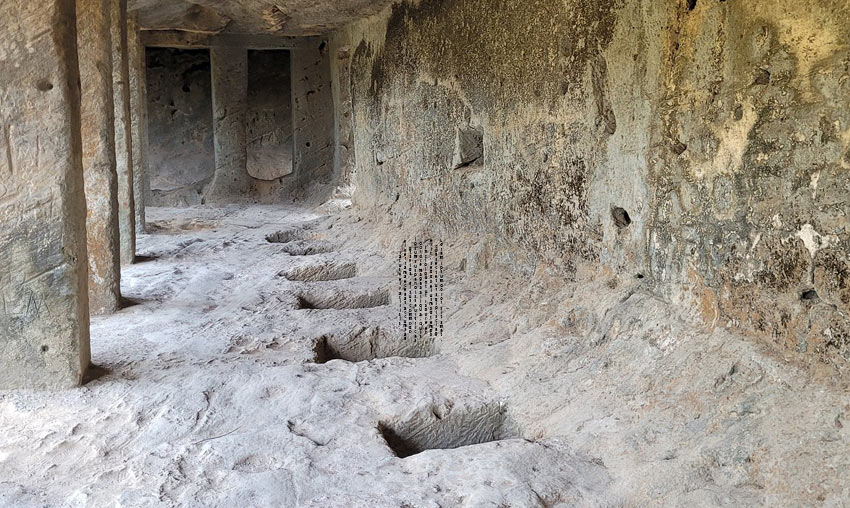
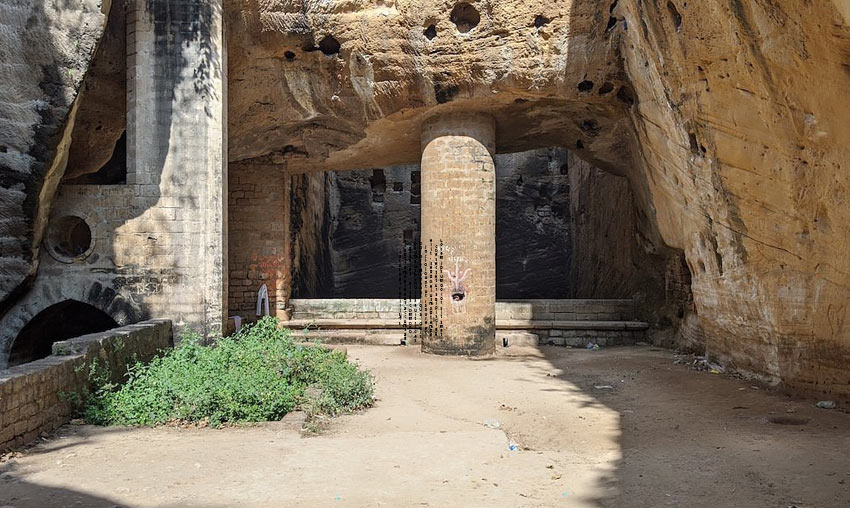
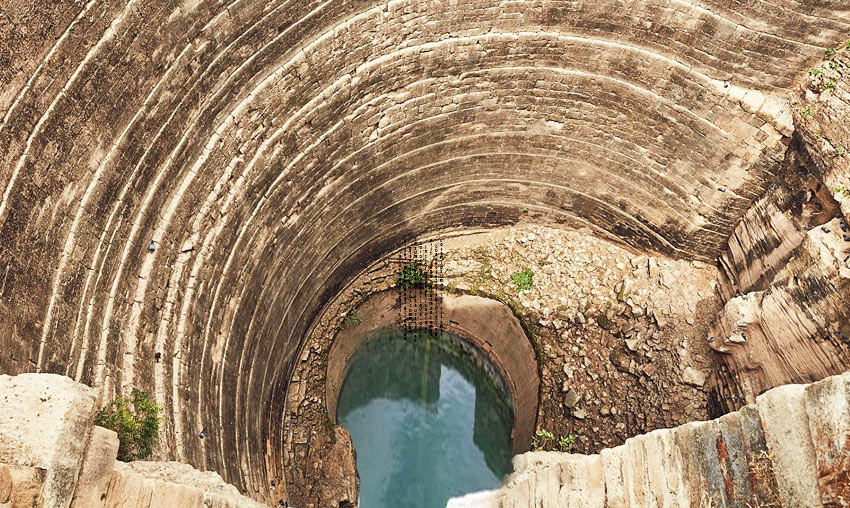
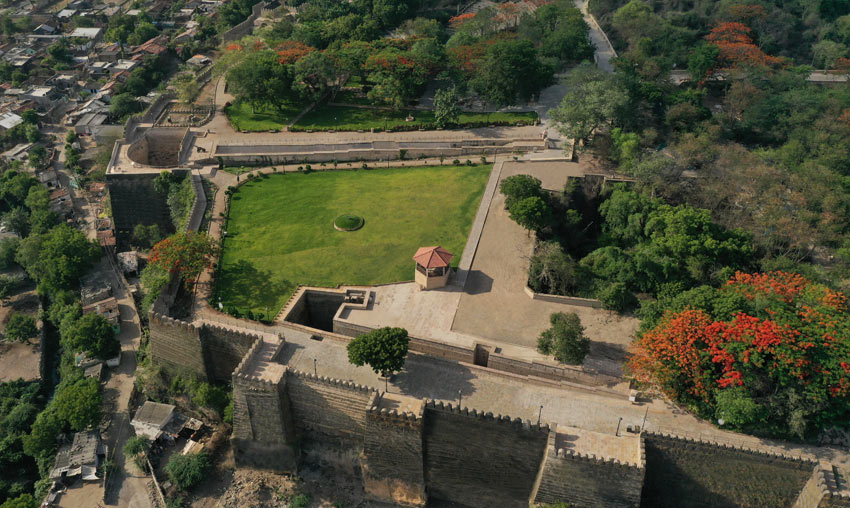
- Uparkot Fort – An ancient fortress known for its massive walls, historic stepwells and Buddhist caves.
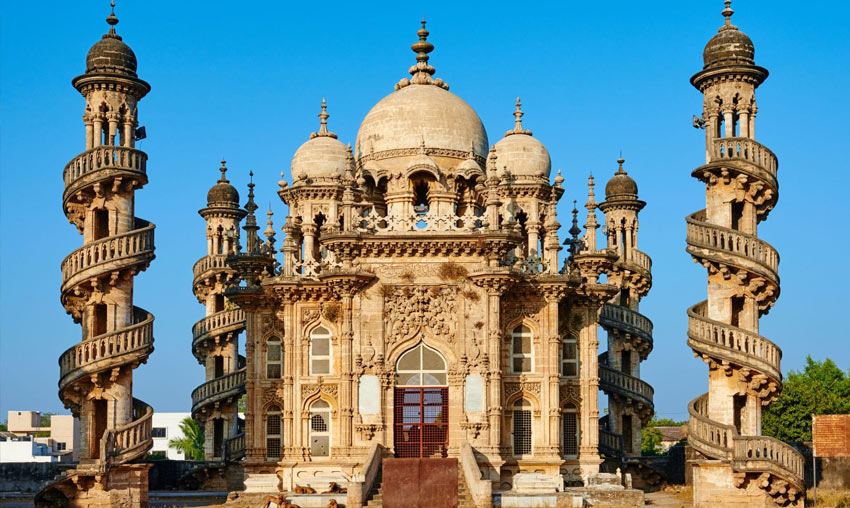
- Mahabat Maqbara – A remarkable mausoleum famous for its distinctive Indo-Islamic and Gothic architectural style.
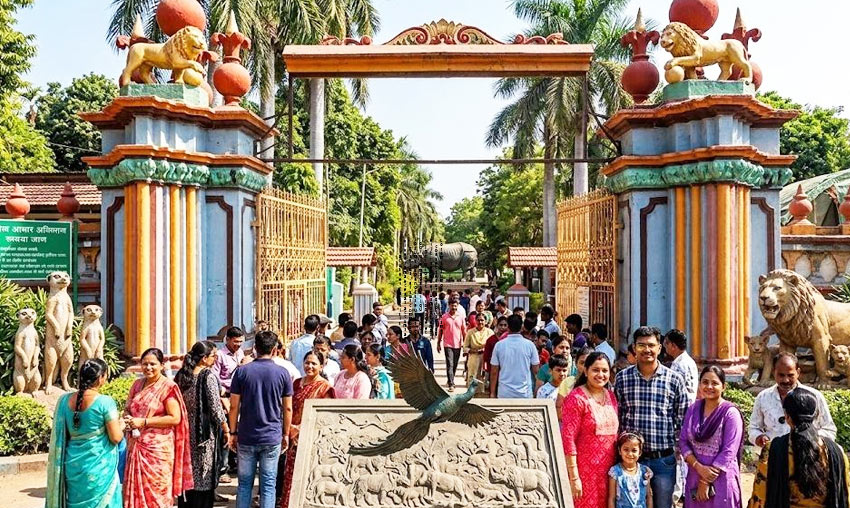
- Sakkarbaug Zoological Garden – A well-known zoological park and wildlife attraction in Junagadh.
For more attractions, sightseeing ideas and travel information, explore our complete Junagadh Travel Guide.
Travel Tips for Visiting Ashoka Rock Edicts
- Visit during the morning or late afternoon for a more comfortable sightseeing experience.
- Allow sufficient time to observe the different inscriptions and understand their historical importance.
- Consider reading about Ashoka’s Major Rock Edicts before visiting to better understand the messages carved on the stone.
- Do not touch, scratch or damage the inscribed surface.
- Follow the instructions of monument authorities and respect the protected heritage site.
- Carry drinking water, particularly during the warmer months.
- Wear comfortable footwear for walking around the monument area.
- Check current opening hours and entry charges before travelling.
- Combine your visit with Girnar Hills, Damodar Kund and Bhavnath Mahadev Temple.
- Photography should follow the rules displayed at the monument.
Frequently Asked Questions About Ashoka Rock Edicts
1. Where are Ashoka Rock Edicts located?
Ashoka Rock Edicts are located on Girnar Road near the foothills of Girnar Hills in Junagadh, Gujarat, India.
2. Who built the Ashoka Rock Edicts?
The fourteen major rock edicts were commissioned by Emperor Ashoka of the Mauryan Empire during the 3rd century BCE.
3. How many Ashoka Rock Edicts are there in Junagadh?
The Junagadh rock contains fourteen major edicts associated with Emperor Ashoka. It also carries later inscriptions of Rudradaman I and Skandagupta.
4. What language is used in the Ashoka Rock Edicts?
The Ashoka inscriptions at Junagadh are written in Prakrit using the Brahmi script. The later inscriptions of Rudradaman and Skandagupta are in Sanskrit.
5. What is written in Ashoka’s inscriptions?
The inscriptions communicate messages about compassion, kindness, respect for elders, religious tolerance, non-violence, good conduct and public welfare.
6. What is the Rudradaman inscription?
The Rudradaman inscription is a Sanskrit record from around 150 CE. It describes the repair of Sudarshana Lake and is an important example of early classical Sanskrit prose.
7. Who was Skandagupta?
Skandagupta was a Gupta emperor of the 5th century CE. His inscription on the Junagadh rock records another repair episode associated with Sudarshana Lake.
8. What are the timings of Ashoka Rock Edicts?
Gujarat Tourism lists the general visiting hours as 8:00 AM to 6:00 PM every day. Visitors should confirm the latest schedule locally before visiting.
9. What is the entry fee for Ashoka Rock Edicts?
Published entry fees differ between the Junagadh District Administration and Gujarat Tourism websites. Visitors should confirm the current rates with the site authorities before travelling.
10. How much time is required to visit Ashoka Rock Edicts?
Gujarat Tourism suggests approximately two hours for exploring the attraction. Visitors making a brief stop to view the inscriptions may need less time, while those combining the visit with nearby attractions should plan accordingly.
11. Can Ashoka Rock Edicts be visited along with Girnar Hills?
Yes. The inscription site is located on the road towards Girnar Hills and can easily be included in a sightseeing plan covering Girnar Taleti, Damodar Kund and Bhavnath Mahadev Temple.
Ashoka Rock Edicts are among the most valuable historical landmarks in Junagadh, preserving messages and records from three important periods of Indian history. The fourteen edicts of Emperor Ashoka reflect principles of compassion, religious tolerance and ethical governance, while the later inscriptions of Rudradaman I and Skandagupta provide valuable information about ancient water management and royal administration.
More than just an ancient stone monument, the site offers a fascinating connection to India’s Mauryan, Western Kshatrapa and Gupta heritage. Whether you are a history enthusiast, archaeology student or traveller exploring Gujarat, Ashoka Rock Edicts deserve a place on your Junagadh travel itinerary.
Nearby Places to Visit