Sakkarbaug Zoological Garden, Junagadh – History, Animals, Safari and Travel Guide
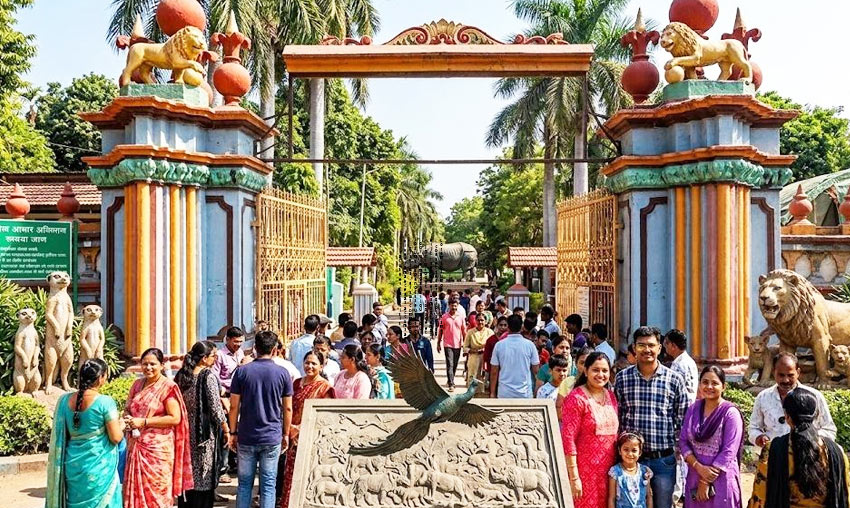
Sakkarbaug Zoological Garden, popularly known as Sakkarbaug Zoo or Junagadh Zoo, is one of the oldest zoological parks in India. Located in Junagadh, Gujarat, near the foothills of Girnar Hills, this historic zoo was established in 1863 and is particularly famous for its role in the conservation and captive breeding of the endangered Asiatic lion.
Spread across approximately 84 hectares, Sakkarbaug Zoological Garden provides visitors with an opportunity to learn about wildlife, observe different animal species and understand the importance of biodiversity conservation. The zoo is home to a variety of mammals, birds and reptiles and also supports wildlife education, research and veterinary care.
For families, nature lovers, students and wildlife enthusiasts, Sakkarbaug Zoo is an interesting place to explore in Junagadh. Its conservation work, animal enclosures, educational facilities and safari experience make it an important wildlife attraction in Gujarat.
Why Is Sakkarbaug Zoological Garden Famous?
Sakkarbaug Zoological Garden is famous for being one of India’s oldest zoos and an important centre for Asiatic lion conservation. The zoo has played a significant role in captive breeding programmes and has supplied genetically valuable Asiatic lions to zoological parks in India and other countries.
The zoo is also known for its collection of mammals, birds and reptiles. Visitors can learn about different wildlife species and understand the importance of protecting natural habitats and endangered animals.
Another important feature is its natural history museum, which provides educational information about wildlife and animal biology. The zoo also organises awareness activities and conservation programmes to encourage public participation in wildlife protection.
History of Sakkarbaug Zoological Garden
The history of Sakkarbaug Zoological Garden dates back to 1863, when it was established by Nawab Mahabat Khan II of Junagadh. It was originally developed as a royal animal collection and later became an important public zoological institution.
The name Sakkarbaug is traditionally associated with the garden’s history. The word is commonly explained through the Gujarati and related local terms for sugar and garden, reflecting the association of the site with a garden that had a sweet-water well.
Over time, the zoo developed from a royal collection into a major wildlife conservation and education centre. Its management and responsibilities gradually evolved, and the Gujarat Forest Department became responsible for its administration.
In 2003, a natural history museum was established within the zoo complex to support wildlife education. The museum has displayed animal skeletons and other natural history exhibits to help visitors understand the diversity of wildlife.
Today, Sakkarbaug Zoological Garden is recognised as a large zoo and continues to contribute to wildlife conservation, veterinary care, research, education and captive breeding programmes.
Asiatic Lion Conservation at Sakkarbaug Zoo
One of the most important contributions of Sakkarbaug Zoological Garden is its work in the conservation of the Asiatic lion. This rare lion subspecies is naturally found in the wild in and around the Gir landscape of Gujarat.
The zoo has supported captive breeding programmes aimed at maintaining healthy populations of Asiatic lions. These programmes are important for conservation planning, genetic management, research and the long-term protection of the species.
According to the zoo’s recent annual report published by the Central Zoo Authority, Sakkarbaug has supplied more than 250 Asiatic lions to zoological parks in India and abroad over the past five decades.
The zoo also contributes to wildlife rescue, veterinary treatment, animal care and conservation awareness. Its work highlights the importance of scientific management and cooperation between zoological institutions.
Animals to See at Sakkarbaug Zoological Garden
Sakkarbaug Zoo houses a diverse collection of wildlife, including mammals, birds and reptiles. Its animal collection provides visitors with an opportunity to observe different species and learn about their behaviour, habitats and conservation needs.
1. Asiatic Lions
Asiatic lions are the most famous animals at Sakkarbaug Zoological Garden. The zoo is closely associated with their conservation and captive breeding, making them one of the main attractions for visitors.
These lions are distinguished by certain physical features, including a relatively smaller body size compared with many African lions and a noticeable fold of skin along the underside of the abdomen. The species is an important symbol of Gujarat’s wildlife heritage.
2. Leopards
Leopards are among the fascinating big cats that visitors may encounter at the zoo. Known for their spotted coats, strength and adaptability, these animals are found in different habitats across India.
Observing leopards provides visitors with an opportunity to understand the behaviour and ecological importance of one of India’s most adaptable wild predators.
3. Tigers
Tigers are among the most recognisable wildlife species in India. Their distinctive orange coats, black stripes and powerful build make them an important attraction at zoological parks.
Visitors can learn about tiger habitats, food requirements and the conservation challenges faced by this iconic species.
4. Deer and Antelopes
The zoo also houses different species of deer and antelopes. These herbivorous animals play an important role in maintaining the ecological balance of natural grasslands and forest habitats.
Depending on the animal collection available, visitors may see species such as spotted deer, sambar, blackbuck and other antelopes.
5. Birds
Sakkarbaug Zoological Garden also provides habitat and care facilities for different bird species. Visitors interested in birdlife can observe a variety of birds and learn about their colours, feeding habits and natural environments.
6. Reptiles
The zoo’s reptile collection provides an opportunity to understand animals such as snakes and other reptiles. These creatures play important roles in natural ecosystems and help maintain ecological balance.
The exact animal collection and availability of individual species may change according to the zoo’s animal management and conservation programmes.
Wildlife Safari at Sakkarbaug Zoological Garden
The safari experience is an additional attraction at Sakkarbaug Zoo. Visitors may be able to explore designated areas of the zoological park using zoo-organised vehicles, depending on the available safari arrangements.
Safari options and vehicle categories may include buses, gypsies and electric golf carts. These options can make the visit more convenient for families, children and visitors who prefer not to walk throughout the entire zoo.
The safari is subject to operational arrangements, vehicle availability and zoo regulations. Visitors should confirm the current safari schedule, route and ticket charges at the official ticket counter before planning their visit.
Natural History Museum at Sakkarbaug Zoo
The natural history museum is an important educational feature of Sakkarbaug Zoological Garden. Established in 2003, it was developed to help visitors understand wildlife through preserved specimens and educational displays.
The museum has featured animal skeletons, including those of Asiatic lions and other mammals, along with displays of bird eggs, feathers and other natural history material.
It offers an educational experience for students, families and wildlife enthusiasts interested in animal anatomy, biodiversity and the natural world.
Visitors should check locally whether the museum is open during their visit, as access and displays may vary.
Wildlife Education and Conservation Activities
Sakkarbaug Zoological Garden is not only a place for wildlife viewing but also an important centre for environmental education. Its activities aim to create awareness about endangered species, biodiversity and the importance of protecting natural habitats.
The zoo organises awareness programmes and participates in important environmental observances such as Wildlife Week, World Environment Day and World Lion Day.
These activities encourage visitors, students and local communities to understand the challenges faced by wildlife and the need for responsible conservation practices.
Best Time to Visit Sakkarbaug Zoological Garden
The best time to visit Sakkarbaug Zoological Garden is generally from October to March, when the weather in Junagadh is more comfortable for outdoor sightseeing.
Winter Season (November to February)
Winter is one of the most comfortable periods for visiting the zoo. The cooler weather makes walking around the animal enclosures easier and allows visitors to spend more time exploring the grounds.
Monsoon Season (July to September)
During the monsoon, the zoo surroundings become greener and the weather can be more pleasant. However, rainfall may affect outdoor activities and some visitor arrangements. Check local conditions before visiting.
Summer Season (March to June)
Summer temperatures in Junagadh can become high, especially during the afternoon. Visitors should consider an early visit, carry drinking water and use sun protection. Animal visibility and activity may also vary with weather conditions.
Sakkarbaug Zoo Timings
The Junagadh District Administration website lists Sakkarbaug Zoo’s general visiting hours as 9:00 AM to 6:30 PM, with Wednesday as the weekly closing day.
However, zoo schedules can change, and some published visitor guides show different session timings or afternoon breaks. Visitors should confirm the latest opening hours and last-entry arrangements with the zoo before travelling.
Weekly Closing Day: Wednesday, according to the district administration listing.
Sakkarbaug Zoo Entry Fee and Ticket Price
Sakkarbaug Zoo has separate ticket categories for regular visits and certain additional activities, including safari services. Ticket charges may depend on visitor age, nationality, vehicle type and photography equipment.
A revised fare schedule was reported in July 2024. It included the following rates for regular walk-through entry and selected safari categories:
| Ticket Category | Reported Fee |
|---|---|
| Children below 3 years | Free |
| Children aged 3 to 12 years – Walk-through | ₹20 |
| Visitors above 12 years – Walk-through | ₹40 |
| Senior citizens aged 60 and above – Walk-through | ₹20 |
| Foreign visitors – Walk-through | ₹500 |
| Children aged 3 to 12 years – Safari by bus or gypsy | ₹50 |
| Visitors above 12 years – Safari by bus or gypsy | ₹75 |
| Children aged 3 to 12 years – Electric golf cart safari | ₹75 |
| Visitors above 12 years – Electric golf cart safari | ₹100 |
Important: These are rates reported in a July 2024 revised fare announcement, not a guarantee of the current 2026 ticket price. Confirm the latest entry fees, safari charges, concessions and camera fees at the zoo ticket counter before your visit.
How to Reach Sakkarbaug Zoological Garden
Sakkarbaug Zoological Garden is located on Rajkot Highway, outside Majevadi Gate, in Junagadh, Gujarat. It is accessible from the main city areas by local transport.
By Road
Junagadh is connected to several cities and towns in Gujarat through state and national highways. Visitors can reach the city by state transport buses, private buses, taxis or personal vehicles. From the city centre, auto-rickshaws and taxis are available to reach Sakkarbaug Zoo.
By Train
Junagadh Railway Station is the nearest convenient railway station. The city has rail connections with different destinations in Gujarat. From the railway station, visitors can hire a taxi or auto-rickshaw to reach the zoo.
By Air
Rajkot Airport is one of the nearest major regional airport options, located approximately 100 km from Junagadh by road. Visitors can continue their journey by taxi or other available road transport.
Zoo Location
Address: Sakkarbaug Zoological Garden, Rajkot Highway, Outside Majevadi Gate, Junagadh, Gujarat – 362001, India.
Facilities Available at Sakkarbaug Zoological Garden
The zoo provides facilities and visitor services to support sightseeing, education and wildlife awareness. Available services may include:
- Ticket booking and visitor assistance.
- Designated animal viewing areas.
- Zoo-organised safari vehicles, subject to availability.
- Educational displays and natural history exhibits.
- Visitor pathways and resting areas.
- Wildlife awareness and educational programmes.
- Veterinary and animal care facilities within the zoo’s operational areas.
Some facilities may have separate charges or restricted access. Visitors should check the availability of specific services at the entrance.
Travel Tips for Visiting Sakkarbaug Zoo
- Plan your visit on a day other than Wednesday, when the zoo is listed as closed.
- Visit during the morning session when the weather is generally more comfortable.
- Confirm current timings and ticket prices before travelling.
- Allow approximately two to three hours to explore the main visitor areas, depending on your pace and activities.
- Wear comfortable walking shoes because the zoo covers a large area.
- Carry drinking water and sun protection during warmer months.
- Follow all zoo rules and maintain a safe distance from animal enclosures.
- Do not feed animals or throw objects into their enclosures.
- Keep the zoo clean and dispose of waste in designated bins.
- Check safari availability and charges separately if you want to experience the vehicle tour.
- Follow the zoo’s photography rules and check whether additional camera fees apply.
- Supervise children carefully throughout the visit.
Places to Visit Near Sakkarbaug Zoological Garden
Junagadh has several historical, religious and natural attractions that visitors can explore along with Sakkarbaug Zoo. Combining these places can make your trip more interesting and help you discover the city’s heritage.
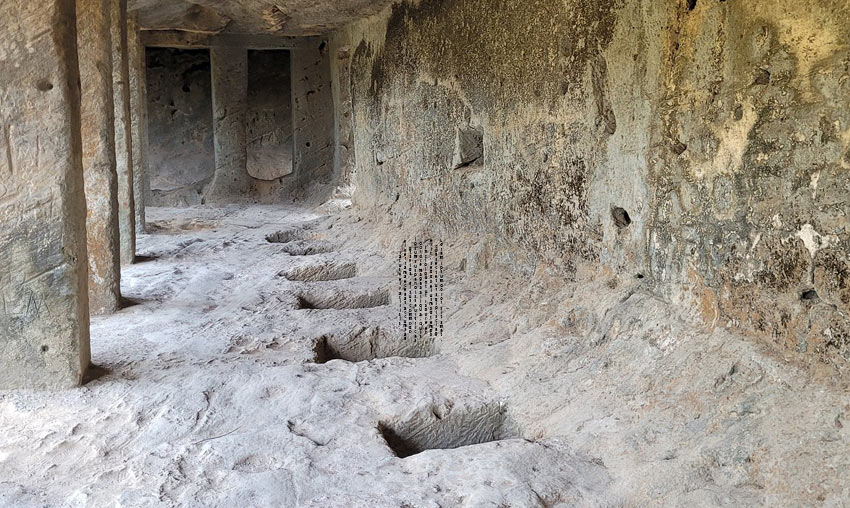
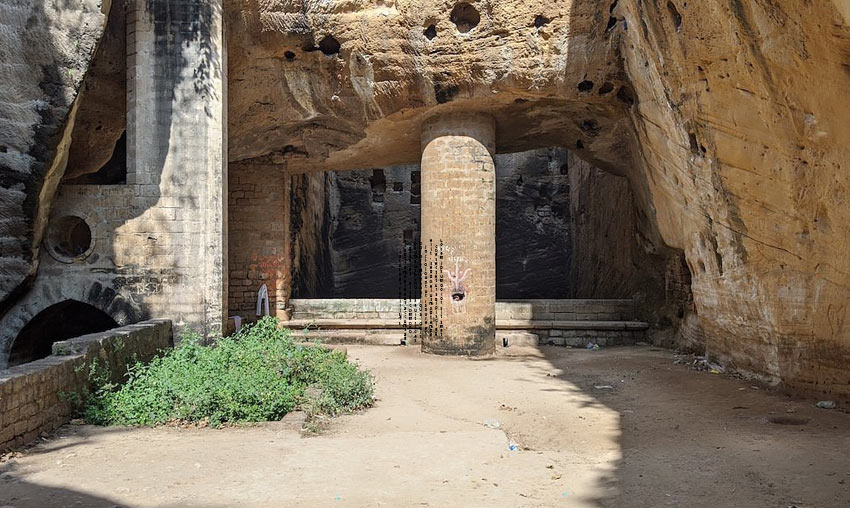
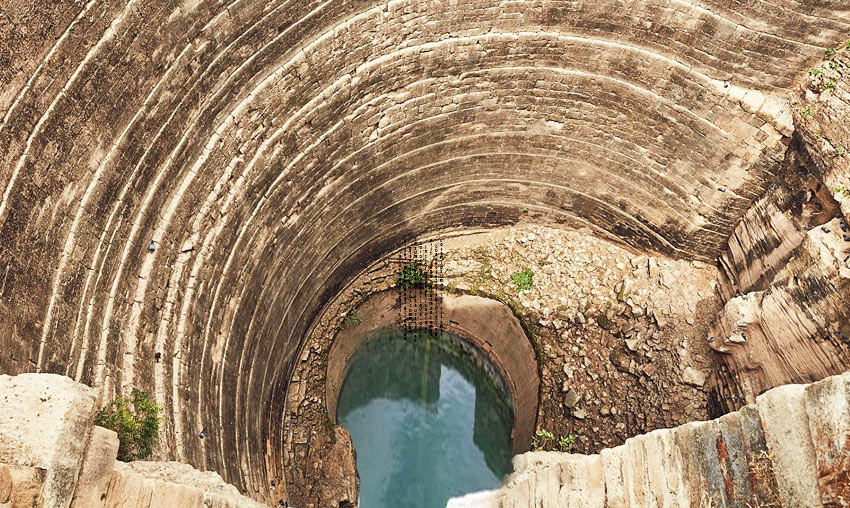
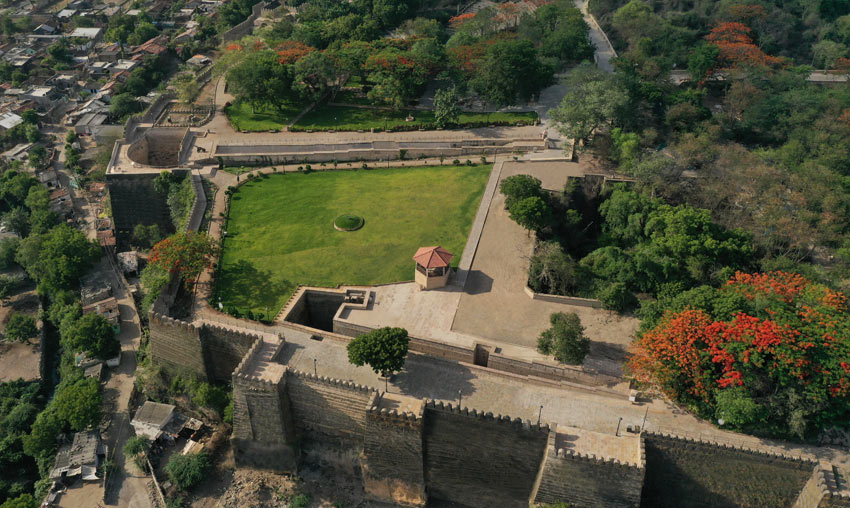
- Uparkot Fort – An ancient fortress known for its historic walls, stepwells, Buddhist caves and architectural landmarks.
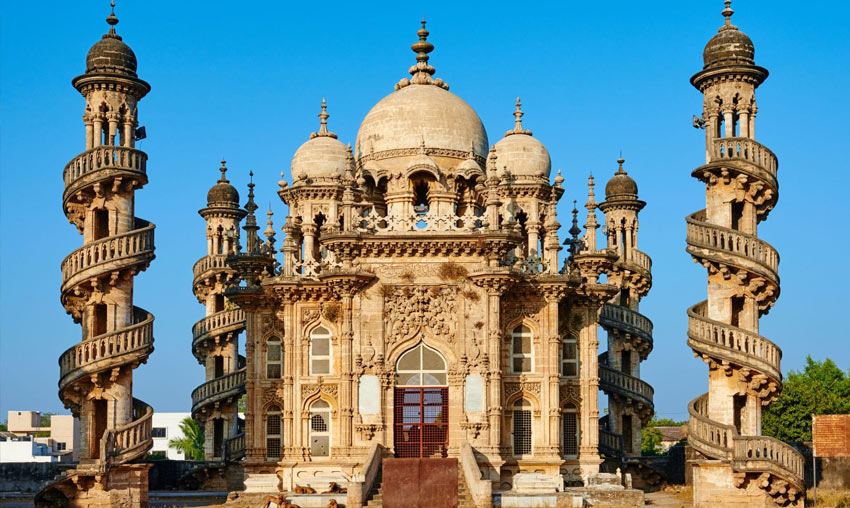
- Mahabat Maqbara – A remarkable mausoleum famous for its Indo-Islamic and Gothic architectural influences.
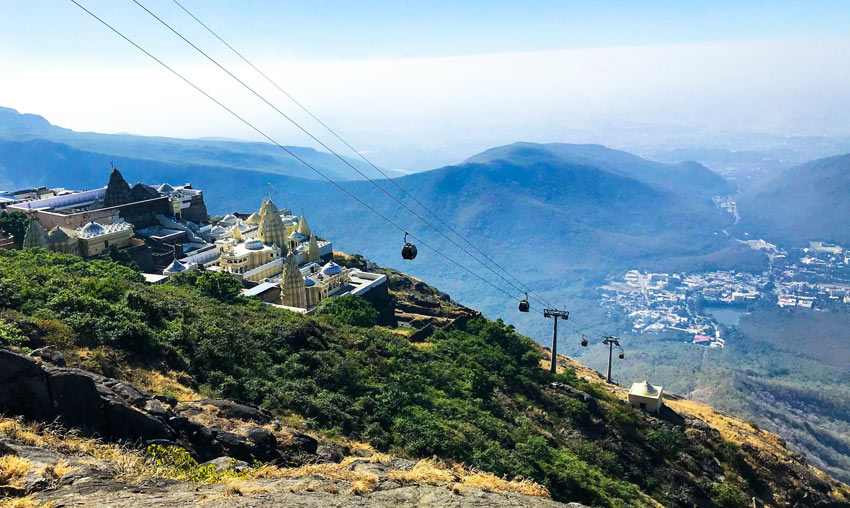
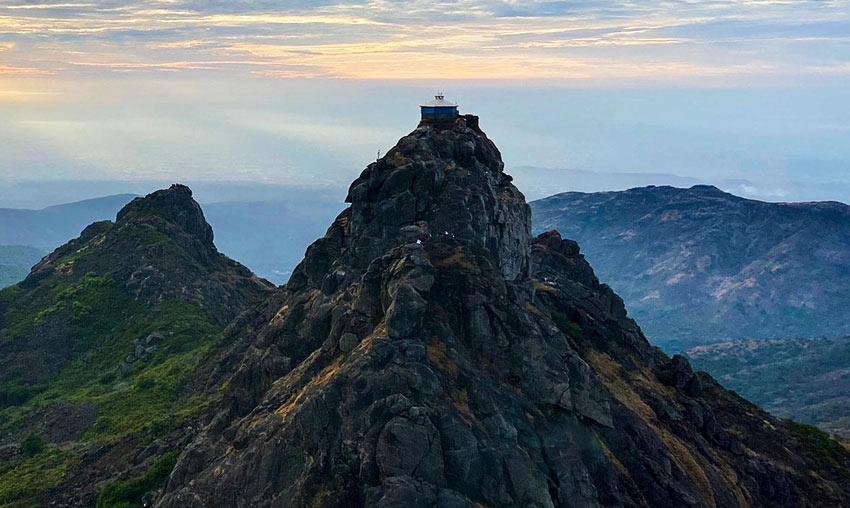
- Girnar Hills – A sacred mountain range known for ancient Jain and Hindu temples, trekking routes and scenic views.
- Girnar Ropeway – A cable car experience offering access to the area near Amba Mata Temple.
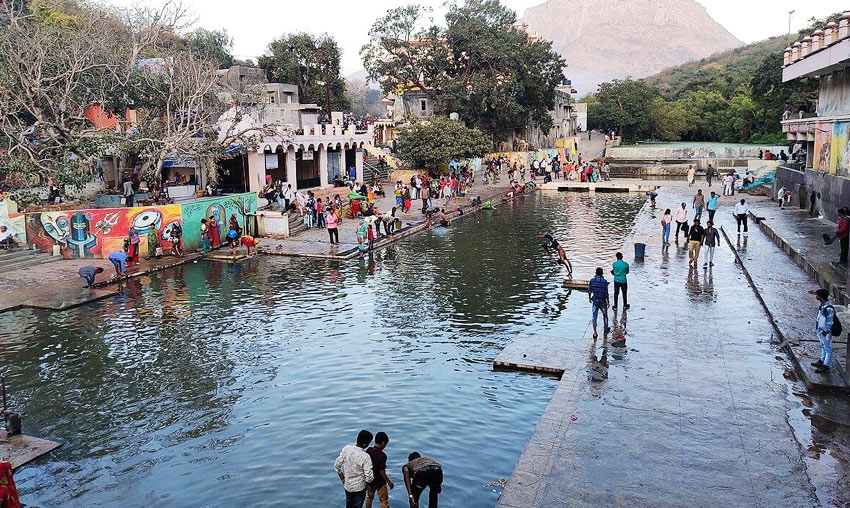
- Damodar Kund – A sacred water body near Girnar Hills, known for its religious significance and traditional rituals.
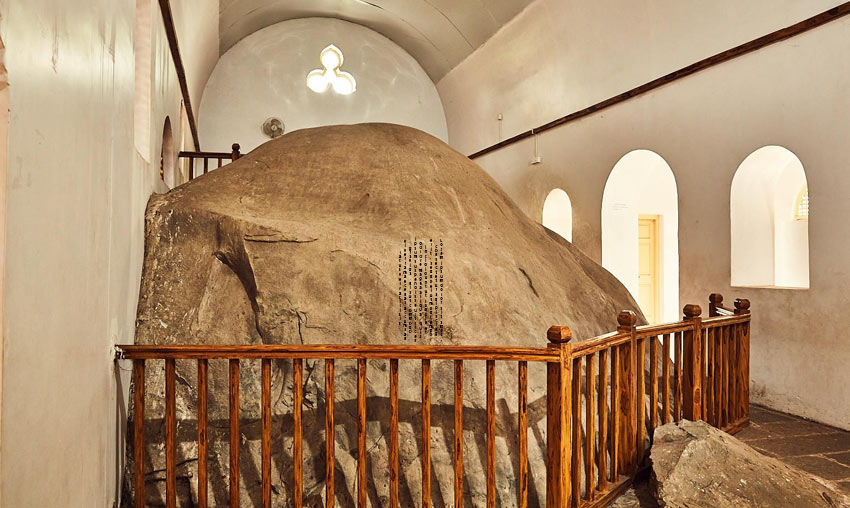
- Ashoka Rock Edicts – Ancient inscriptions associated with Emperor Ashoka and later rulers.
- Bhavnath Mahadev Temple – An important Shiva temple near Girnar Taleti.
For more sightseeing ideas and travel information, explore our complete Junagadh Travel Guide.
Frequently Asked Questions About Sakkarbaug Zoological Garden
1. Where is Sakkarbaug Zoological Garden located?
Sakkarbaug Zoological Garden is located on Rajkot Highway, outside Majevadi Gate, in Junagadh, Gujarat, India.
2. When was Sakkarbaug Zoo established?
Sakkarbaug Zoological Garden was established in 1863 by Nawab Mahabat Khan II of Junagadh.
3. Why is Sakkarbaug Zoo famous?
The zoo is famous for being one of India’s oldest zoological parks and for its important role in the conservation and captive breeding of Asiatic lions.
4. Which animals can visitors see at Sakkarbaug Zoo?
The zoo houses a variety of mammals, birds and reptiles. Its wildlife collection has included Asiatic lions, leopards, tigers, deer and different bird and reptile species. The available animal collection may change over time.
5. What are the timings of Sakkarbaug Zoological Garden?
The Junagadh District Administration lists general visiting hours as 9:00 AM to 6:30 PM, except Wednesday. Confirm the current schedule and last-entry time before visiting.
6. Is Sakkarbaug Zoo closed on Wednesday?
Yes. Wednesday is listed as the weekly closing day by the Junagadh District Administration and the Central Zoo Authority information sheet.
7. What is the entry fee for Sakkarbaug Zoo?
Entry charges vary by visitor category and activity. A revised fare schedule was reported in July 2024, but visitors should confirm the latest rates at the zoo before travelling.
8. Is there a safari at Sakkarbaug Zoo?
The zoo has offered vehicle-based safari options, including zoo-organised buses, gypsies and electric golf carts. Availability and charges should be confirmed at the ticket counter.
9. How much time is needed to explore Sakkarbaug Zoo?
Visitors can generally plan around two to three hours to explore the main zoo areas. Additional time may be needed for safari activities and educational exhibits.
10. Is Sakkarbaug Zoo suitable for children?
Yes. The zoo can be an educational and enjoyable family attraction. Children can learn about wildlife, animal habitats and conservation, but should always be supervised by adults.
11. What is the best time to visit Sakkarbaug Zoo?
October to March is generally a comfortable period for visiting. Morning hours are a good choice for outdoor exploration, especially during warmer months.
12. Is Sakkarbaug Zoo connected with Gir National Park?
Sakkarbaug Zoo is located in Junagadh and supports the conservation of Asiatic lions. Gir National Park and Wildlife Sanctuary is a separate protected natural habitat located elsewhere in the Gir region.
Sakkarbaug Zoological Garden is one of the most important wildlife attractions in Junagadh and an important part of Gujarat’s conservation heritage. Established in 1863, the zoo has developed into a major centre for Asiatic lion conservation, wildlife education, research and animal care.
From observing different wildlife species to learning about endangered animals and exploring educational exhibits, visitors can enjoy a meaningful experience at this historic zoological park.
Whether you are travelling with family, visiting Junagadh for sightseeing or interested in wildlife conservation, Sakkarbaug Zoological Garden deserves a place on your Gujarat travel itinerary.
Nearby Places to Visit