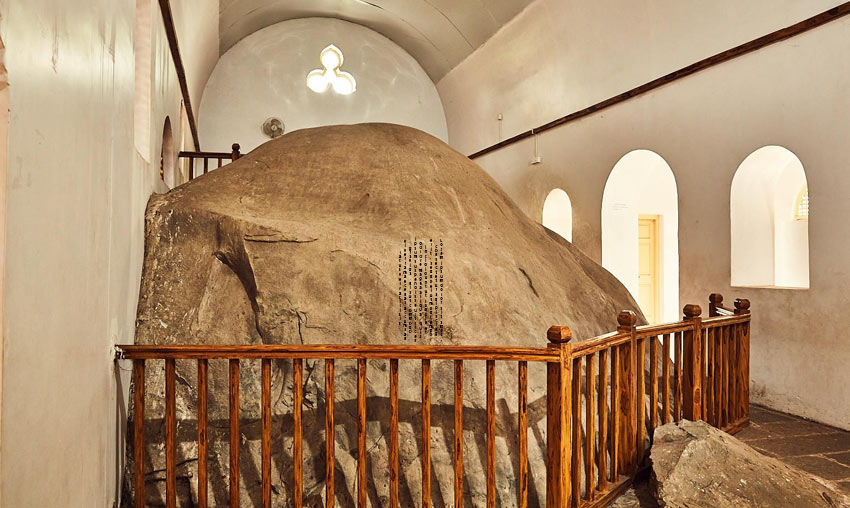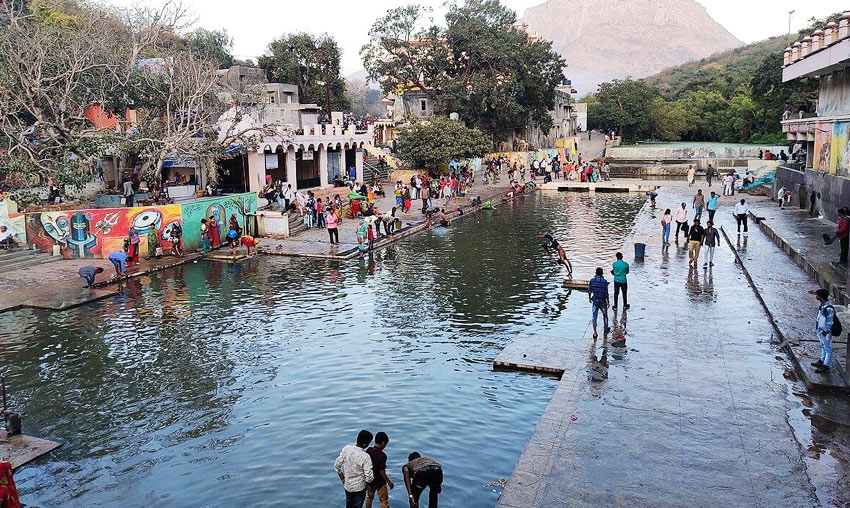
Uparkot Fort, Junagadh – History, Architecture and Famous Attractions
Uparkot Fort is one of the most remarkable historical attractions in Junagadh, Gujarat. Located in the heart of the city, this ancient fortress is known for its massive defensive walls, historic gateways, underground Buddhist caves, impressive stepwells and architectural landmarks. With a history stretching back more than two thousand years, Uparkot Fort offers visitors a fascinating glimpse into the region’s royal, military and cultural heritage.
Believed to have been established during the reign of the Mauryan emperor Chandragupta Maurya around 319 BC, the fort has witnessed the rise and fall of several dynasties. Its strategic location and strong fortifications helped it withstand numerous attacks and sieges throughout history.
Today, Uparkot Fort is one of the most popular places to visit in Junagadh. Visitors can explore its historic structures, admire the ancient engineering of Adi Kadi Vav and Navghan Kuvo, discover the Buddhist caves and enjoy panoramic views of the surrounding city and Girnar Hills.
Why Is Uparkot Fort Famous?
Uparkot Fort is famous for its ancient history, impressive fortifications and remarkable architectural features. It is considered one of the oldest surviving heritage sites in Junagadh and reflects the city’s importance as a strategic centre in different historical periods.
The fort is particularly known for its massive stone walls, historic entrance, Jama Masjid, Adi Kadi Vav, Navghan Kuvo and ancient Buddhist caves. Its stepwells are notable examples of traditional water conservation and rock-cut engineering.
Another interesting feature of Uparkot Fort is its collection of historic cannons, including the famous Neelam and Manek cannons. These structures provide a glimpse into the military history of the region.
History of Uparkot Fort
The history of Uparkot Fort is closely connected with the development of ancient Junagadh. The fort is traditionally believed to have been built around 319 BC by Chandragupta Maurya. Over the centuries, it passed through the control of different rulers and dynasties, each leaving its mark on the city’s heritage.
Uparkot served as an important fortified stronghold because of its elevated position and defensive design. Its high walls, protected gateways and strategic location made it difficult for invading forces to capture. Historical accounts describe the fort as having faced numerous sieges, with local tradition referring to as many as sixteen attacks.
The fort also witnessed the influence of the Chudasama rulers, the Gujarat Sultanate and later political powers. An inscription associated with the Chudasama ruler Mandalika III, dated 1450, is among the historical features connected with the fort.
During the medieval period, the fort became an important centre of regional administration and military activity. Its monuments reflect different architectural traditions and the changing history of Junagadh.
In recent years, Uparkot Fort underwent major restoration and conservation work to improve its heritage structures and visitor facilities. The restored fort complex reopened to tourists in 2023, making it an important destination for heritage tourism in Gujarat.
Major Attractions Inside Uparkot Fort
Uparkot Fort is not just a historic defensive structure. It contains several important monuments, stepwells, caves and architectural landmarks that make it an interesting destination for history enthusiasts and travellers.
1. Adi Kadi Vav
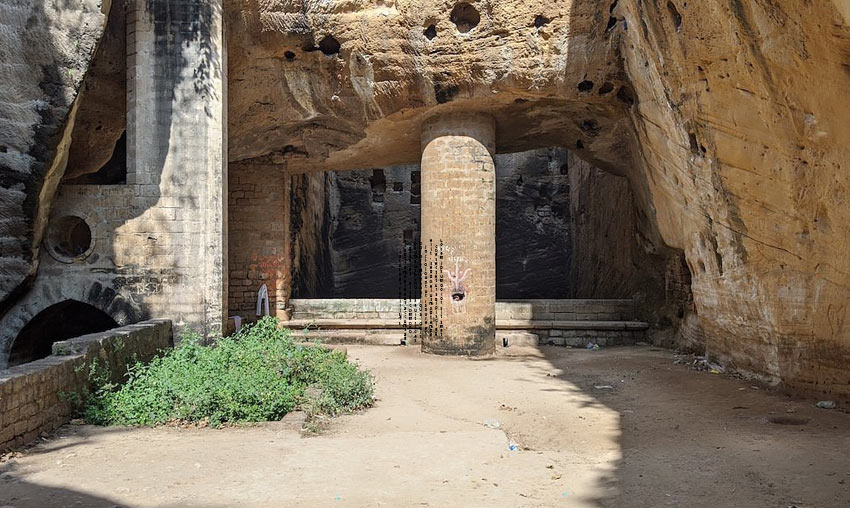
Adi Kadi Vav is one of the most remarkable stepwells inside Uparkot Fort. Unlike many traditional stepwells decorated with elaborate pillars and galleries, this historic structure was carved directly into solid rock.
The stepwell is approximately 41 metres deep and is associated with the 15th century. It features a long flight of steps leading down towards the water level, demonstrating the engineering skills and water management practices of the period.
According to local tradition, the stepwell is named after two women called Adi and Kadi who were associated with fetching water from the well. Its unusual design and historical background make it one of the most interesting places to explore inside the fort.
Read our detailed guide to Adi Kadi Vav to discover more about its history and architecture.
2. Navghan Kuvo
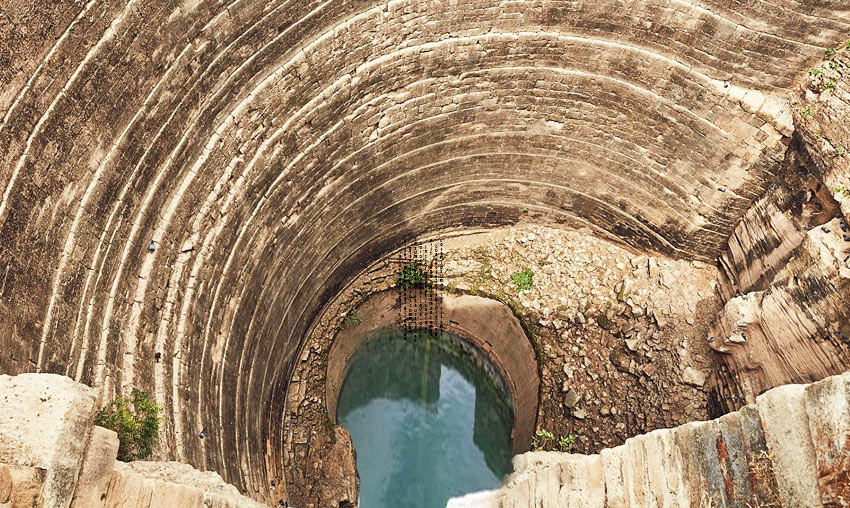
Navghan Kuvo is another extraordinary stepwell located within Uparkot Fort. It is believed to be nearly a thousand years old and is known for its deep circular structure and impressive spiral staircase.
The well is approximately 52 metres deep and was designed to provide a dependable water source during difficult times, including periods of siege. Its staircase winds around the inside of the well, creating a distinctive architectural appearance.
Navghan Kuvo is an excellent example of ancient water conservation and engineering. Visitors can appreciate how traditional builders used the natural rock formations to create a practical and durable water structure.
Explore our dedicated Navghan Kuvo page for more information about this historic stepwell.
3. Jama Masjid
Jama Masjid is one of the most prominent architectural landmarks inside Uparkot Fort. This historic mosque is associated with the Gujarat Sultanate period and is admired for its distinctive Indo-Islamic architectural style.
The mosque features an impressive prayer hall, elegant arches, stone pillars and intricate architectural details. Its spacious interior and historical character make it an important part of the fort’s heritage.
The structure reflects the cultural and architectural influences that shaped Junagadh during the medieval period. Visitors interested in history and architecture should include Jama Masjid in their exploration of Uparkot Fort.
4. Buddhist Caves
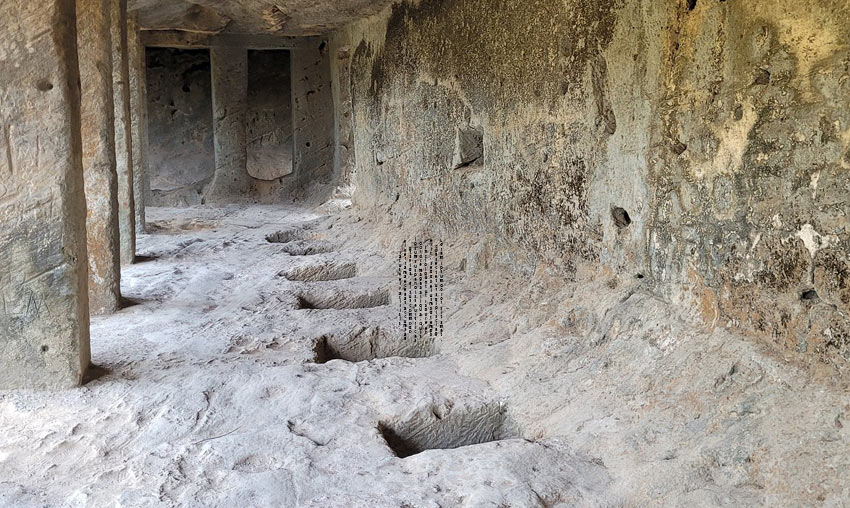
The Buddhist Caves inside Uparkot Fort are among its most fascinating historical features. These rock-cut structures are associated with the early centuries of Buddhist activity in the region and are generally dated to around the 2nd and 3rd centuries AD.
The caves include rock-cut chambers and architectural features believed to have been used by Buddhist monks. Their simple design, carved spaces and historical significance offer an insight into the religious and cultural life of ancient Junagadh.
The Buddhist caves also demonstrate the region’s long history of religious diversity. Visitors interested in archaeology and ancient Indian history will find these structures particularly interesting.
5. Neelam and Manek Cannons
The Neelam and Manek cannons are among the most recognisable military attractions inside Uparkot Fort. These historic artillery pieces represent the fort’s defensive importance and provide a glimpse into the warfare techniques used in earlier centuries.
The cannons are important reminders of the military history of Junagadh. Their presence within the fort highlights how strategically important this stronghold was to the rulers who controlled the region.
6. Anaj Bhandar
Anaj Bhandar, meaning grain storage, is another interesting feature of Uparkot Fort. It reflects the importance of storing food supplies within a fortified settlement, especially during periods of conflict or prolonged sieges.
The structure is associated with the fort’s historical arrangements for storing essential resources. It offers visitors a better understanding of how a large fortress supported its inhabitants during difficult times.
7. Lime Chakki
The Lime Chakki is a historical feature within Uparkot Fort associated with traditional lime processing. Lime was an important material in construction and maintenance, particularly for buildings, walls and other architectural structures.
This site provides a glimpse into the traditional production activities that supported the fort and its surrounding settlement.
8. Historic Fort Gates and Defensive Walls
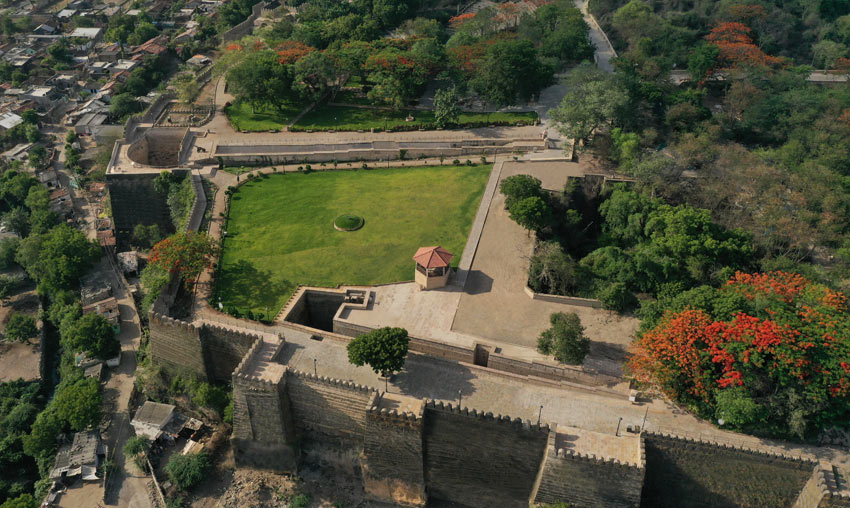
The massive walls and historic gateways are among the most impressive features of Uparkot Fort. Built to protect the settlement from invading forces, the fortifications reflect the strategic planning and defensive engineering of earlier periods.
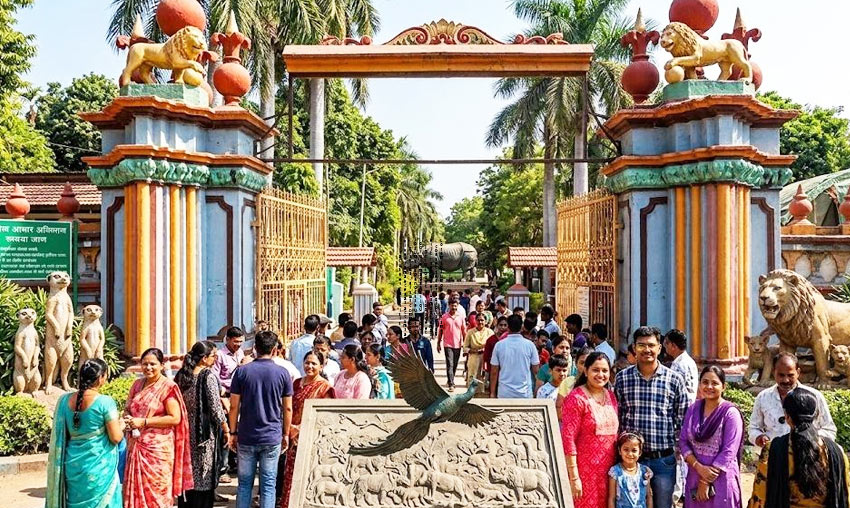
The fort’s entrance includes an old gateway with architectural features associated with traditional Hindu torana-style arches. Visitors can also observe the thick defensive walls, battlements and elevated viewpoints that once helped protect the stronghold.
9. Rani Ranak Devi Mahal
Rani Ranak Devi Mahal is another heritage feature associated with the historic fort complex. It reflects the royal traditions and architectural history connected with the region’s ruling families.
Visitors exploring the fort can discover different historic structures and learn about the stories and traditions associated with Junagadh’s past.
Architecture of Uparkot Fort
The architecture of Uparkot Fort reflects different periods of construction, defence and cultural influence. Its most striking feature is the extensive defensive wall system, which rises significantly above the surrounding terrain in some sections.
The fort combines massive stone fortifications with historic gateways, rock-cut water structures, religious buildings and underground caves. The use of natural rock formations in the construction of Adi Kadi Vav and Navghan Kuvo highlights the advanced engineering knowledge of earlier builders.
The Jama Masjid represents the Indo-Islamic architectural influence of the medieval period, while the Buddhist caves provide evidence of much earlier religious activity in the region.
Together, these monuments make Uparkot Fort an important destination for understanding the architectural and cultural development of Junagadh.
Best Time to Visit Uparkot Fort
The best time to visit Uparkot Fort is generally from November to February, when the weather in Junagadh is more pleasant for sightseeing and outdoor exploration.
Winter Season (November to February)
Winter is considered the most comfortable season to explore Uparkot Fort. The cooler temperatures make it easier to walk around the large fort complex, visit its monuments and enjoy the surrounding views.
Monsoon Season (July to September)
During the monsoon, the surrounding landscape becomes greener and more scenic. However, rain can make some walking surfaces slippery. Visitors should take care while exploring steps and uneven heritage pathways.
Summer Season (March to June)
Summer temperatures in Junagadh can become high, particularly during the afternoon. Visitors planning a trip during this period should consider visiting in the morning, carrying drinking water and avoiding prolonged exposure to direct sunlight.
Uparkot Fort Timings
According to the official Uparkot Fort visitor website, the published visiting hours are generally from 8:00 AM to 4:00 PM.
However, timings may vary depending on the season, maintenance work, special events and local operating conditions. Visitors should confirm the latest schedule before planning their visit.
For current information, check the official Uparkot Fort website or contact the visitor assistance team.
Uparkot Fort Entry Fee and Ticket Price
Uparkot Fort has an entry ticket for visitors. The official visitor website currently publishes the following entry rates:
| Visitor Category | Published Entry Fee |
|---|---|
| Junagadh Resident – Child below 12 years | ₹25 |
| Junagadh Resident – 12 years and above | ₹50 |
| Indian Child – Below 12 years | ₹50 |
| Indian Visitor – 12 years and above | ₹100 |
| Foreign Visitor | ₹500 |
Additional services such as guided tours, the light and sound show, camera access and electric vehicle rides may have separate charges.
Important: These are the rates published on the official visitor website at the time of writing. Entry fees, concessions and service charges may change. Confirm the latest prices with the fort administration before visiting.
Light and Sound Show at Uparkot Fort
The light and sound show is an additional experience that introduces visitors to the history and heritage of Uparkot Fort. Through a combination of lighting, narration and visual presentation, the show helps bring the stories of the ancient fortress to life.
It can be an interesting option for visitors who want to learn more about the fort’s historical background after exploring its monuments.
Show availability, schedule and ticket charges may vary. Check the current programme with the fort administration before making plans.
How to Reach Uparkot Fort
Uparkot Fort is located in the heart of Junagadh city in Gujarat. Its central location makes it accessible by road, rail and local transport.
By Road
Junagadh is connected to major towns and cities across Gujarat through state highways and regional road networks. State transport buses, private buses, taxis and personal vehicles can be used to reach the city. From the main city areas, visitors can take an auto-rickshaw or taxi to the fort entrance.
By Train
Junagadh Railway Station is the nearest railway station for visitors travelling to Uparkot Fort. It connects the city with several destinations in Gujarat. Local taxis and auto-rickshaws are available for reaching the fort.
By Air
Rajkot Airport is one of the convenient regional airport options for reaching Junagadh. It is approximately 100–110 km from the city, depending on the route. Visitors can continue the journey by taxi or road transport.
Fort Location
Address: Uparkot Fort, Mullawada, Junagadh, Gujarat – 362001, India.
Facilities Available at Uparkot Fort
The restored Uparkot Fort complex offers facilities to make the visitor experience more comfortable. Depending on availability, visitors may find:
- Ticket booking and visitor assistance.
- Guided tour services.
- Electric vehicle or hop-on hop-off transport within the complex.
- Locker facilities.
- Food and refreshment options nearby.
- Resting areas and visitor spaces.
- Cycle paths and selected recreational areas.
- Facilities for visitors with mobility requirements.
Availability of specific facilities and services may change. Visitors requiring wheelchair assistance or other special arrangements should contact the administration in advance.
Travel Tips for Visiting Uparkot Fort
- Visit during the morning or cooler hours for a more comfortable sightseeing experience.
- Wear comfortable walking shoes because the fort complex involves walking across historic pathways and steps.
- Carry drinking water, particularly during warmer months.
- Allow enough time to explore the stepwells, caves, mosque and other historic structures.
- Consider a guided tour if you want to understand the fort’s history in greater detail.
- Follow visitor instructions and respect restricted or protected heritage areas.
- Be careful around deep stepwells and uneven stone surfaces.
- Check the latest entry fee and visiting hours before travelling.
- Keep the heritage complex clean and avoid damaging historic structures.
Places to Visit Near Uparkot Fort
Junagadh has several historical, religious and natural attractions that can be explored along with Uparkot Fort. Visitors can combine these places to plan a memorable sightseeing trip.
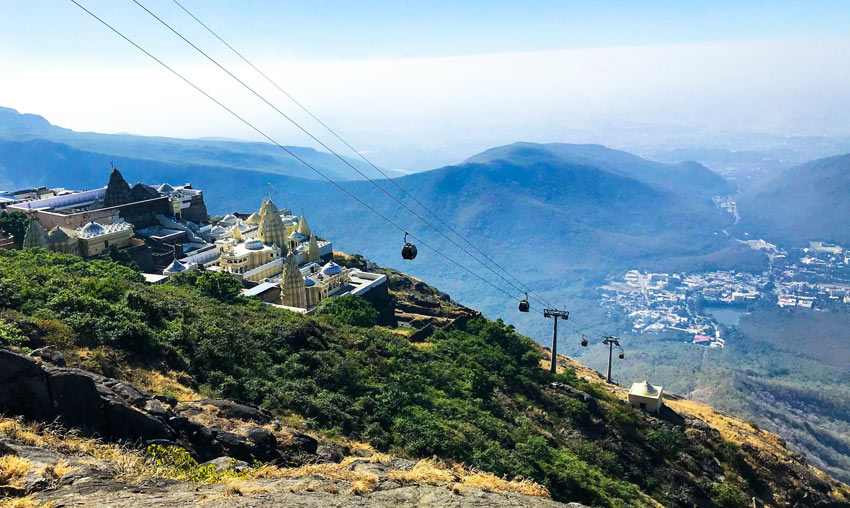
- Girnar Hills – A sacred mountain range known for its ancient temples, pilgrimage routes and scenic landscapes.
- Girnar Ropeway – A scenic cable car journey offering access to the area near Amba Mata Temple.
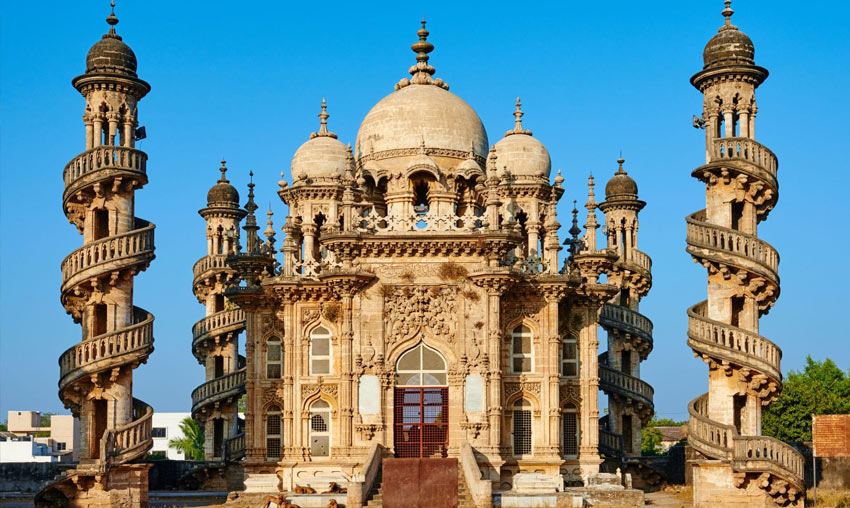
- Mahabat Maqbara – A remarkable mausoleum famous for its elaborate Indo-Islamic architecture.
- Ashoka Rock Edicts – Ancient inscriptions associated with Emperor Ashoka.
- Damodar Kund – A sacred water body located near the foothills of Girnar.
- Sakkarbaug Zoological Garden – A well-known zoological park and wildlife attraction in Junagadh.
- Bhavnath Mahadev Temple – An important Shiva temple located near Girnar Taleti.
Explore our complete Junagadh Travel Guide for more information about sightseeing, attractions and travel planning.
Frequently Asked Questions About Uparkot Fort
1. Where is Uparkot Fort located?
Uparkot Fort is located in Mullawada, in the heart of Junagadh city, Gujarat, India.
2. Who built Uparkot Fort?
Uparkot Fort is traditionally believed to have been built around 319 BC by the Mauryan emperor Chandragupta Maurya. It was developed and modified by different rulers over the centuries.
3. Why is Uparkot Fort famous?
Uparkot Fort is famous for its ancient history, massive defensive walls, historic Jama Masjid, Adi Kadi Vav, Navghan Kuvo, Buddhist caves and historic cannons.
4. What are the timings of Uparkot Fort?
The official visitor website generally lists the opening hours as 8:00 AM to 4:00 PM. Visitors should confirm the latest timings before travelling.
5. What is the entry fee for Uparkot Fort?
The published entry fee is ₹100 for Indian visitors aged 12 years and above, ₹50 for Indian children below 12 years, and ₹500 for foreign visitors. Separate concessions are listed for Junagadh residents. Confirm current rates before your visit.
6. How much time is needed to explore Uparkot Fort?
Most visitors should allow around two to three hours to explore the major attractions. Visitors interested in history, architecture and guided tours may prefer to spend longer.
7. What are the main attractions inside Uparkot Fort?
The main attractions include Adi Kadi Vav, Navghan Kuvo, Jama Masjid, Buddhist caves, Neelam and Manek cannons, Anaj Bhandar and the historic fort gateways.
8. Is Uparkot Fort suitable for families?
Yes. Families interested in history and heritage can explore the fort together. However, some areas have stairs, uneven surfaces and deep stepwells, so visitors should take care with young children and elderly family members.
9. Is there a light and sound show at Uparkot Fort?
The fort’s official visitor website lists a light and sound show as an available attraction. Visitors should check the current schedule and ticket availability before planning to attend.
10. What is the best time to visit Uparkot Fort?
November to February is generally the most comfortable period for visiting Uparkot Fort because of the pleasant winter weather.
Uparkot Fort is one of the most important historical attractions in Junagadh and a must-visit destination for anyone interested in Gujarat’s heritage. Its ancient fortifications, remarkable stepwells, Buddhist caves, historic mosque and military structures reveal the city’s fascinating past.
From exploring the engineering brilliance of Adi Kadi Vav and Navghan Kuvo to admiring the architecture of Jama Masjid and the fort’s massive walls, every part of Uparkot offers something interesting to discover.
Whether you are a history enthusiast, architecture lover or traveller exploring Junagadh, Uparkot Fort deserves a place on your Gujarat travel itinerary.