Kinnaur, Himachal Pradesh – Best Places to Visit & Travel Guide
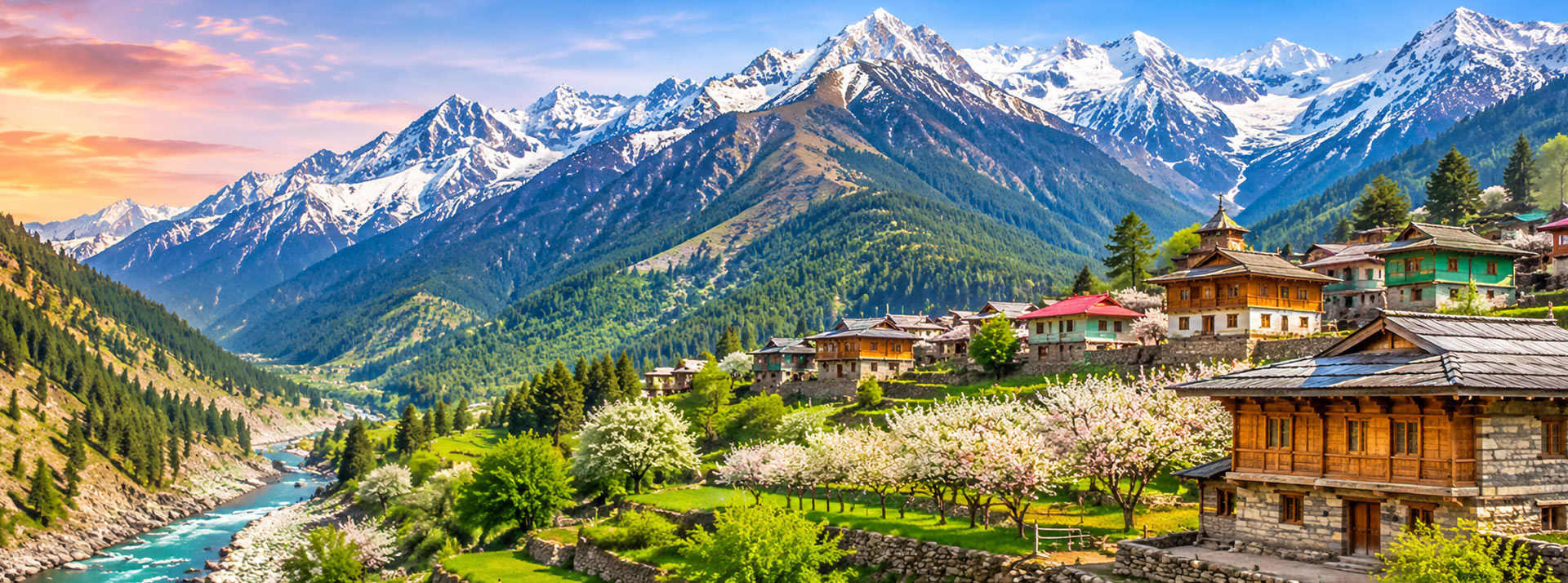
Kinnaur is one of the most beautiful and culturally rich districts of Himachal Pradesh, known for its dramatic Himalayan landscapes, peaceful mountain villages, apple orchards, ancient temples and Buddhist monasteries. Located in the northeastern part of the state, Kinnaur offers an unforgettable combination of natural beauty, adventure and traditional Himalayan culture.
From the scenic Sangla Valley and the picturesque village of Chitkul to the spectacular mountain views of Kalpa and the peaceful surroundings of Nako Lake, Kinnaur has something for every traveller. The region is also famous for its views of the sacred Kinner Kailash mountain, traditional Kinnauri architecture and the beautiful valleys of the Sutlej and Baspa rivers.
Whether you are planning a road trip, a peaceful mountain holiday, a photography tour or an adventure-filled journey, Kinnaur is a destination worth exploring.
Where Is Kinnaur Located?
Kinnaur is a district in the northeastern part of Himachal Pradesh, India. It shares its eastern boundary with Tibet and is surrounded by spectacular Himalayan mountain ranges. The Sutlej River is one of the major rivers flowing through the district, while the Baspa and Spiti rivers add to its varied landscapes.
Reckong Peo is the district headquarters, while Kalpa, Sangla, Chitkul and Nako are among its best-known tourist destinations. Kinnaur is approximately 235 kilometres from Shimla by road, although travel distance and time depend on the selected route and road conditions.
Best Places to Visit in Kinnaur
Kinnaur is home to beautiful valleys, traditional villages, ancient temples, monasteries and high-altitude lakes. Here are some of the most popular places to include in your Kinnaur travel itinerary.
1. Kalpa
Kalpa is a beautiful mountain village famous for its breathtaking views of the Kinner Kailash mountain range. Surrounded by apple orchards, traditional houses and peaceful landscapes, it is one of the most popular places to visit in Kinnaur. Visitors can explore local temples, monasteries and scenic viewpoints while enjoying spectacular Himalayan sunrises.
2. Sangla Valley
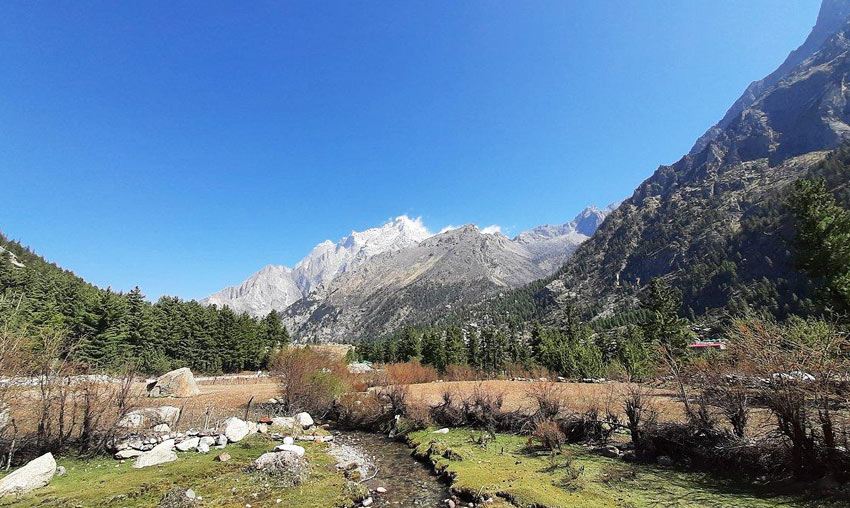
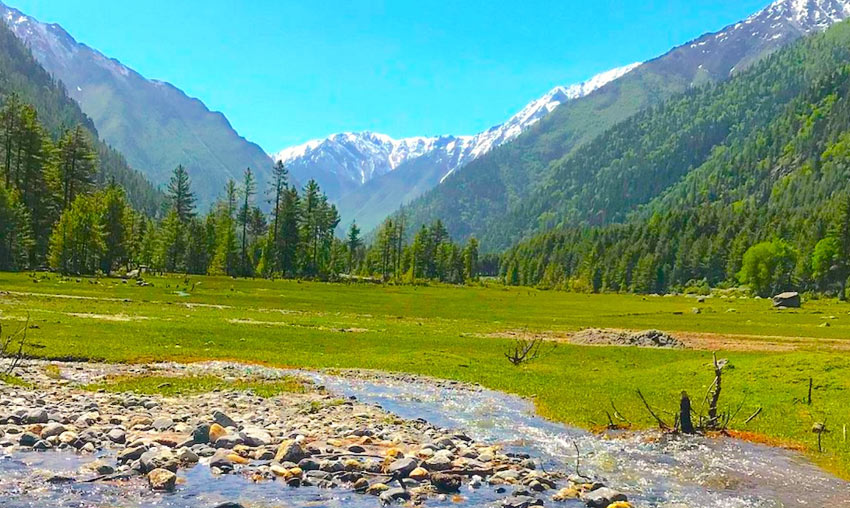
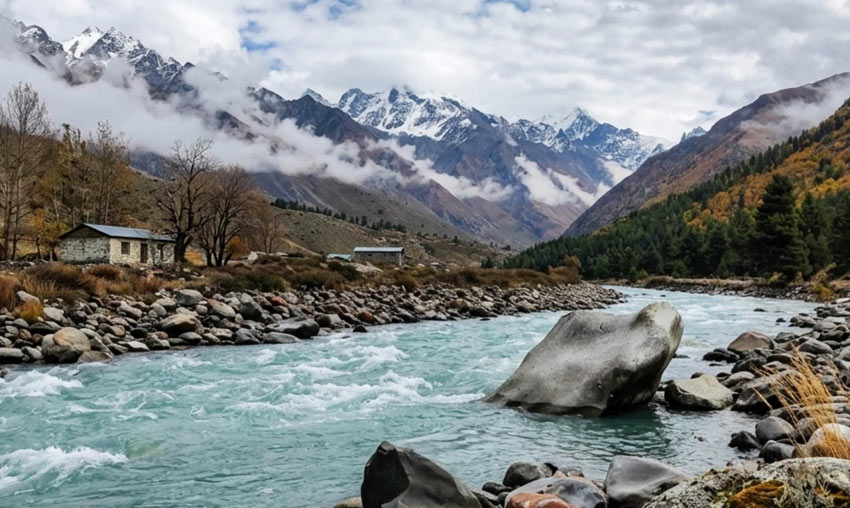
Sangla Valley, also known as the Baspa Valley, is famous for its green landscapes, apple orchards, traditional villages and the beautiful Baspa River. The valley is surrounded by snow-covered mountains and offers opportunities for nature walks, photography and peaceful mountain stays.
3. Chitkul
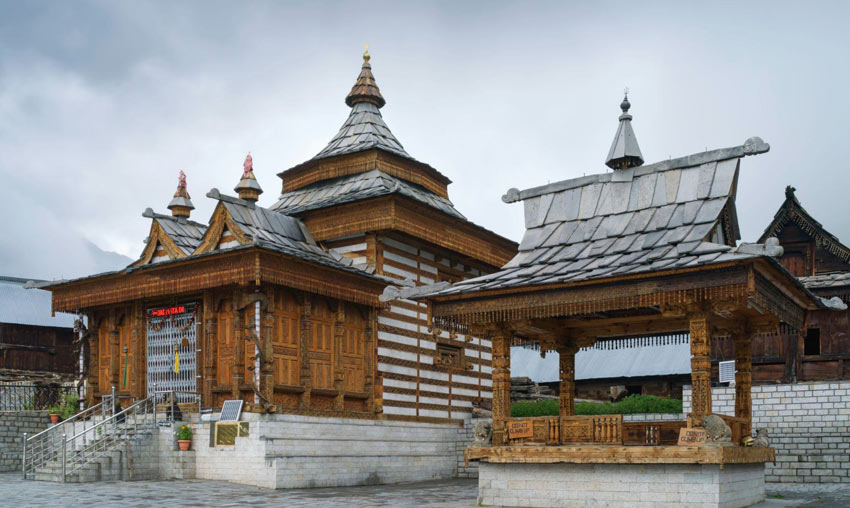
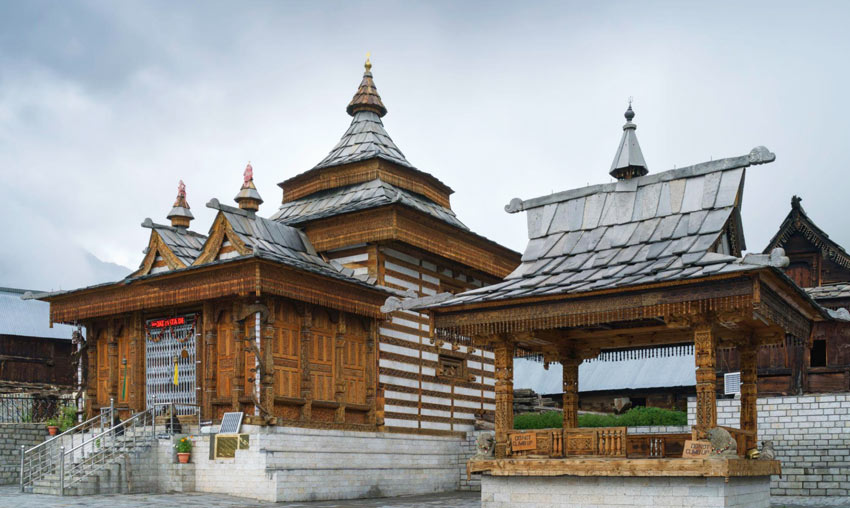
Chitkul is a scenic village in the Baspa Valley, widely known as the last inhabited village in this part of the valley near the Indo-Tibet border. Located at a high altitude, it attracts travellers with its wooden houses, mountain scenery, the Baspa River and the famous Mathi Temple.
4. Reckong Peo
Reckong Peo is the administrative headquarters of Kinnaur and an important base for travellers exploring the district. It offers beautiful views of the Kinner Kailash mountain range and has hotels, markets, restaurants and essential travel facilities.
5. Nako Lake
Nako Lake is a peaceful high-altitude lake located near Nako village. Surrounded by mountain landscapes and traditional houses, it is one of the most beautiful attractions in the Hangrang Valley. Visitors can enjoy lakeside walks, photography and a visit to the nearby Buddhist monastery.
6. Kamru Fort
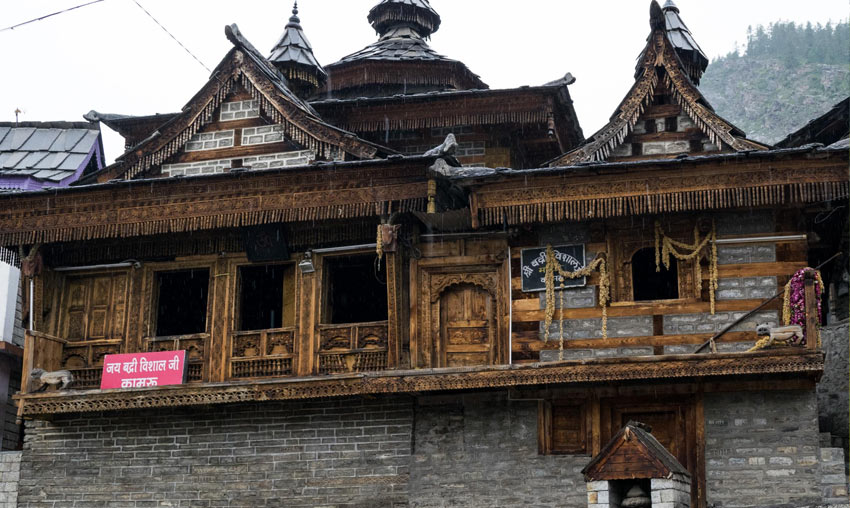
Kamru Fort is a historic wooden and stone structure overlooking Sangla village. It is associated with the traditional rulers of Kinnaur and is an important example of the region's heritage and architecture. The fort complex is also associated with Kamakhya Devi.
7. Rakchham Village
Rakchham is a beautiful village located between Sangla and Chitkul. Known for its traditional Kinnauri houses, mountain views, green surroundings and peaceful atmosphere, it is a wonderful place for travellers who want to experience the natural beauty of the Baspa Valley.
8. Kinner Kailash
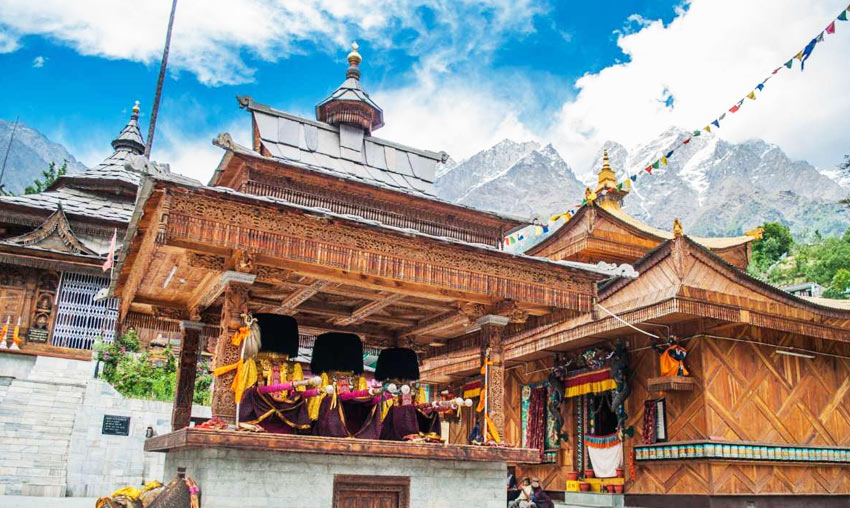
Kinner Kailash is a sacred mountain range deeply associated with Lord Shiva and local religious traditions. The mountain is an important spiritual destination for devotees and trekkers. Its dramatic peaks can be admired from places such as Kalpa and Reckong Peo.
9. Kothi Village
Kothi, also known as Koshtampi, is a traditional village located near Kalpa and Reckong Peo. It is known for its apple and apricot orchards, local temple architecture and impressive views of the surrounding mountains.
10. Nako Village
Nako is a picturesque high-altitude village in the Hangrang Valley. It is known for its traditional Himalayan architecture, Buddhist culture, ancient monastery and beautiful lake. The village offers a peaceful experience away from busy tourist destinations.
11. Bhaba Valley
Bhaba Valley is a scenic and relatively less-explored valley in Kinnaur. Kafnu village serves as an important starting point for exploring this region. The valley is popular among trekking enthusiasts and nature lovers because of its forests, mountain landscapes and remote settlements.
12. Nichar Valley
Nichar is a beautiful green valley located along the Sutlej River region. Surrounded by forests, hills and traditional villages, it offers a different landscape from the higher and more rugged areas of Kinnaur.
13. Moorang
Moorang is a traditional village situated near the Sutlej River. It is known for its historic fort, local religious traditions, traditional houses and scenic surroundings. It is an interesting stop for travellers exploring the cultural heritage of Kinnaur.
14. Ribba Village
Ribba is a traditional Kinnauri village known for its orchards, pine nuts locally called chilgoza, and beautiful mountain surroundings. It offers a glimpse into the agricultural lifestyle and local culture of the region.
15. Pooh
Pooh is a settlement in the eastern part of Kinnaur, known for its Buddhist heritage, orchards and traditional Himalayan surroundings. It is an interesting place to explore while travelling towards the higher valleys of the district.
Top Things to Do in Kinnaur
Kinnaur offers a variety of experiences for travellers, from relaxing in peaceful mountain villages to exploring remote valleys and discovering local traditions.
- Enjoy spectacular views of the Kinner Kailash mountain range from Kalpa.
- Explore the beautiful landscapes of Sangla Valley.
- Visit Chitkul and walk along the scenic Baspa River.
- Discover traditional Kinnauri architecture and village life.
- Visit ancient temples and Buddhist monasteries.
- Enjoy photography in the mountain valleys and apple orchards.
- Explore the peaceful surroundings of Nako Lake.
- Experience local food and traditional Kinnauri culture.
- Go trekking in suitable areas with proper preparation and local guidance.
- Enjoy a scenic road trip along the historic Hindustan-Tibet Road.
Best Time to Visit Kinnaur
The best time to visit Kinnaur generally depends on the type of experience you are looking for. April to October is a popular travel period, while winter brings snowfall and very cold weather to several parts of the district.
Summer (April to June)
Summer is a pleasant time to explore Kinnaur. The weather is generally suitable for sightseeing, village visits and road trips. Apple orchards and mountain landscapes make this season particularly attractive.
Monsoon (July to September)
The monsoon season can bring beautiful greenery, but heavy rain, landslides and road disruptions may affect travel. Check local weather and road conditions before planning a journey during this period.
Autumn (October to November)
Autumn offers clear mountain views and beautiful seasonal colours. Temperatures begin to drop, particularly at higher altitudes, so warm clothing is essential.
Winter (December to March)
Winter transforms parts of Kinnaur into a snowy mountain landscape. However, extremely low temperatures, snowfall and road closures can make travel difficult. Visit only after checking current conditions and arranging suitable transport and accommodation.
How to Reach Kinnaur
By Road
Road travel is the most common way to reach Kinnaur. The route generally follows the Hindustan-Tibet Road from Shimla through Narkanda, Rampur and the Sutlej Valley towards Reckong Peo. Buses and taxis are available from Shimla and other towns, depending on the season and road conditions.
By Train
Shimla is the nearest major rail-connected destination commonly used by travellers heading towards Kinnaur. From Shimla, visitors can continue their journey by road.
By Air
Shimla Airport is one of the nearest airports listed by Himachal Tourism for reaching Kinnaur. Flight availability may be limited, so travellers should check schedules before planning their journey. Chandigarh Airport is another option for travellers willing to continue by road.
Suggested Kinnaur Travel Itinerary
5-Day Kinnaur Trip
Day 1: Shimla to Sangla
Begin your road journey from Shimla towards Sangla through the scenic mountain route. Enjoy the landscapes along the Sutlej River and spend the evening exploring Sangla village.
Day 2: Sangla, Kamru Fort and Rakchham
Explore Sangla Valley, visit Kamru Fort and enjoy the natural beauty of Rakchham. Spend time near the Baspa River and experience local village life.
Day 3: Chitkul
Travel to Chitkul and explore the beautiful village, Mathi Temple and surrounding mountain landscapes. Return to Sangla or stay locally, depending on accommodation and road conditions.
Day 4: Sangla to Kalpa
Travel towards Kalpa via Reckong Peo. Explore the village, local temples and monasteries. Enjoy views of the Kinner Kailash mountain range.
Day 5: Kalpa to Shimla
Enjoy the morning mountain views before beginning the return journey towards Shimla.
Note: This is a suggested itinerary, not a fixed travel schedule. Driving times can change significantly due to road conditions, weather, traffic and seasonal restrictions. Add extra days if you plan to visit Nako or other eastern parts of Kinnaur.
Local Culture, Food and Festivals of Kinnaur
Kinnaur is known for its distinctive culture, traditional clothing, wooden architecture and a unique blend of Hindu and Buddhist traditions. The people of the region have preserved their customs, festivals, music and local religious practices over generations.
Local food reflects the region's mountain lifestyle. Visitors may find traditional dishes, local breads, seasonal vegetables, fruits and preparations made using locally grown ingredients. Apples, apricots and chilgoza are among the well-known produce of Kinnaur.
Fulaich, also known as the Phulaich festival, is an important traditional celebration in parts of Kinnaur. Festival dates and celebrations vary by village and local calendar.
Travel Tips for Visiting Kinnaur
- Carry warm clothes, even when travelling during summer.
- Check weather forecasts and road conditions before starting your journey.
- Keep essential medicines and personal documents with you.
- Book accommodation in advance during busy travel periods.
- Carry sufficient cash, as digital connectivity may be limited in remote areas.
- Drive carefully on mountain roads and avoid unnecessary night driving.
- Respect local traditions, religious places and village customs.
- Do not litter in valleys, rivers, forests or mountain villages.
- Check the latest permit requirements for any restricted or protected areas on your route, especially if you are a foreign national.
- Allow extra travel time because mountain road conditions can change quickly.
Frequently Asked Questions About Kinnaur
1. What is Kinnaur famous for?
Kinnaur is famous for its Himalayan landscapes, Kinner Kailash mountain range, Sangla Valley, Chitkul village, Kalpa, Nako Lake, apple orchards, ancient temples and Buddhist monasteries.
2. Which are the best places to visit in Kinnaur?
Some of the best places to visit in Kinnaur include Kalpa, Sangla Valley, Chitkul, Reckong Peo, Nako Lake, Kamru Fort, Rakchham and Bhaba Valley.
3. How many days are enough to explore Kinnaur?
Around five to seven days can be suitable for exploring popular destinations such as Sangla, Chitkul, Kalpa and Nako. The ideal duration depends on your route, road conditions and travel preferences.
4. What is the best time to visit Kinnaur?
April to October is generally a popular period to visit Kinnaur. Winter travel is also possible in suitable conditions, but snowfall, freezing temperatures and road closures should be considered.
5. Is Chitkul worth visiting?
Yes. Chitkul is one of the most scenic villages in Kinnaur and is known for its traditional houses, Mathi Temple, mountain views and the beautiful Baspa River.
6. Is a permit required to visit Kinnaur?
Permit requirements depend on the traveller's nationality and the specific protected or restricted area being visited. Foreign nationals may require permits for designated protected areas. Always check the latest official guidelines before travelling.
7. How far is Kinnaur from Shimla?
Kinnaur is approximately 235 kilometres from Shimla by road to the district region, although the distance varies depending on the destination within Kinnaur.
8. Is Kinnaur suitable for a family trip?
Yes. Kinnaur can be a wonderful family destination for travellers who enjoy mountain scenery and village experiences. However, high altitudes, long road journeys and changing weather should be considered while planning with children or older travellers.
Explore the Beauty of Kinnaur
Kinnaur is a destination where majestic mountains, peaceful villages, ancient traditions and beautiful valleys come together. From the scenic landscapes of Sangla and Chitkul to the spiritual atmosphere of Kalpa and Nako, every part of the district offers a memorable Himalayan experience.
Whether you are planning a short mountain holiday or a longer road trip through Himachal Pradesh, Kinnaur deserves a place on your travel list.