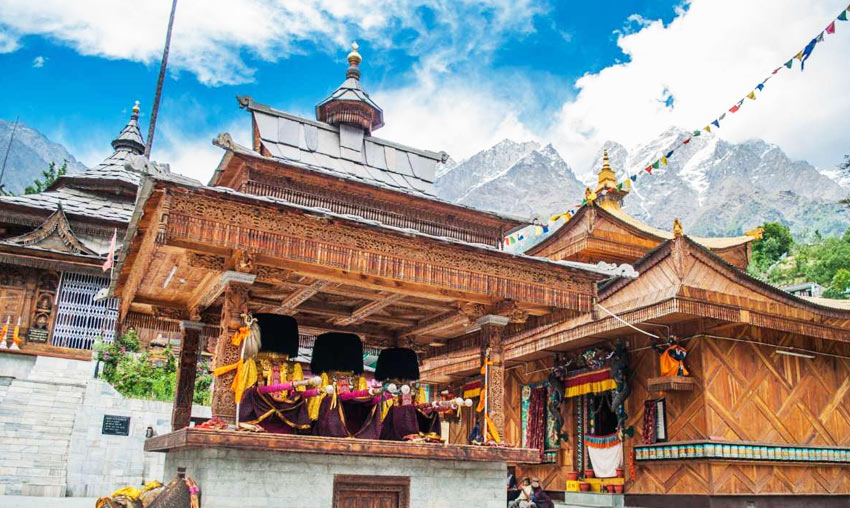
Bering Nag Temple, Sangla – A Sacred Shrine in Kinnaur
Located in the beautiful Sangla Valley of Himachal Pradesh, Bering Nag Temple is one of the most important religious and cultural landmarks of Kinnaur. Surrounded by traditional Himalayan settlements and the magnificent mountains of the Baspa Valley, this temple holds a special place in the lives of the local people.
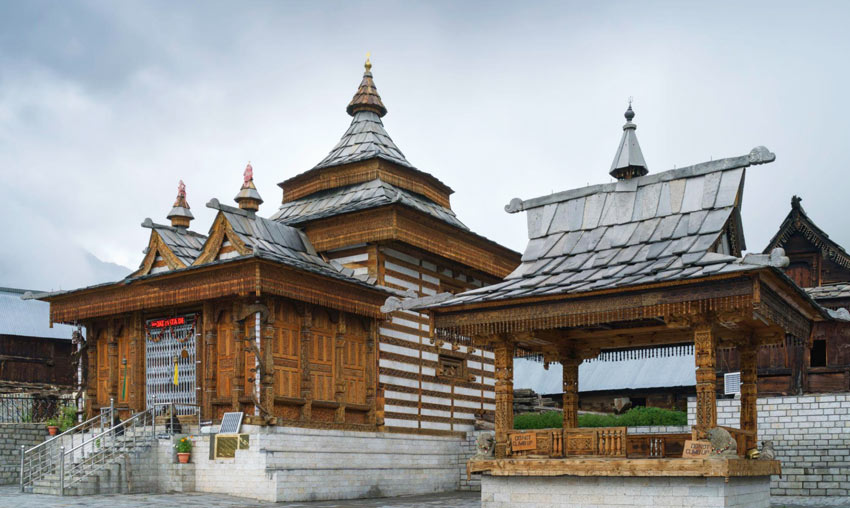
Dedicated to Lord Jagas, who is regarded as an incarnation of Lord Shiva, Bering Nag Temple is known for its traditional wood-and-stone construction and distinctive pagoda-style architecture. The temple is also closely associated with the famous Fulaich Fair, a colourful celebration that brings together the people of the region.
For travellers exploring Sangla, a visit to Bering Nag Temple offers an opportunity to understand the spiritual traditions, architecture and community life of Kinnaur beyond its scenic landscapes.
Where is Bering Nag Temple Located?
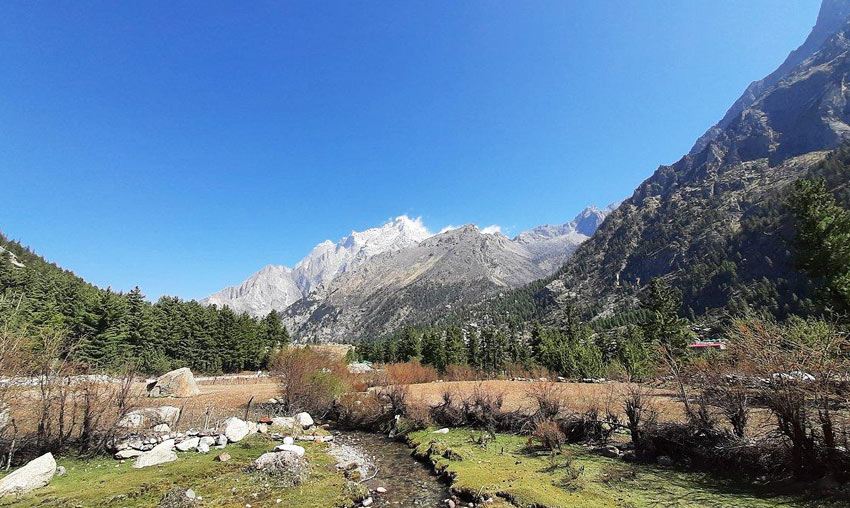
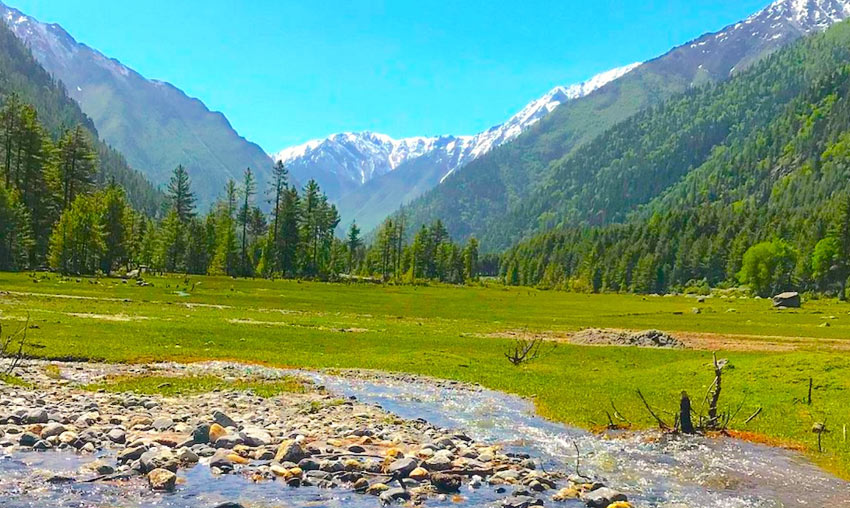
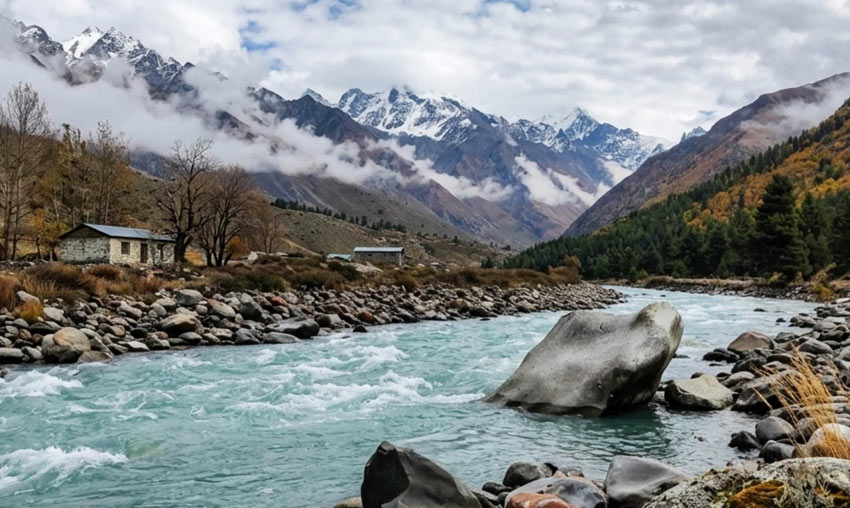
Bering Nag Temple is situated in Sangla, a picturesque settlement in the Kinnaur district of Himachal Pradesh. Sangla lies along the Baspa River and is surrounded by forested slopes, apple orchards and high Himalayan peaks.
The temple is an important part of the religious heritage of Sangla. Visitors exploring the village can include it in a local sightseeing walk along with traditional houses, village lanes and other cultural attractions.
Sangla is approximately 18 kilometres from Karcham and around 38 kilometres from Reckong Peo by road. The route follows the scenic Baspa Valley and offers beautiful views throughout the journey.
History and Religious Significance of Bering Nag Temple
Bering Nag Temple is deeply connected with the traditional beliefs and religious life of Sangla. The temple is dedicated to Lord Jagas, who is identified with Lord Shiva in the local religious tradition.
For generations, the local community has regarded the deity as an important spiritual presence associated with the wellbeing and protection of the village. Religious gatherings, traditional ceremonies and festivals connected with the temple continue to reflect the strong relationship between the people and their local deity.
The temple is not simply a place of worship; it is also an important centre of community identity. Local customs and celebrations associated with the deity offer visitors a glimpse into the living cultural traditions of Kinnaur.
Traditional Architecture of Bering Nag Temple
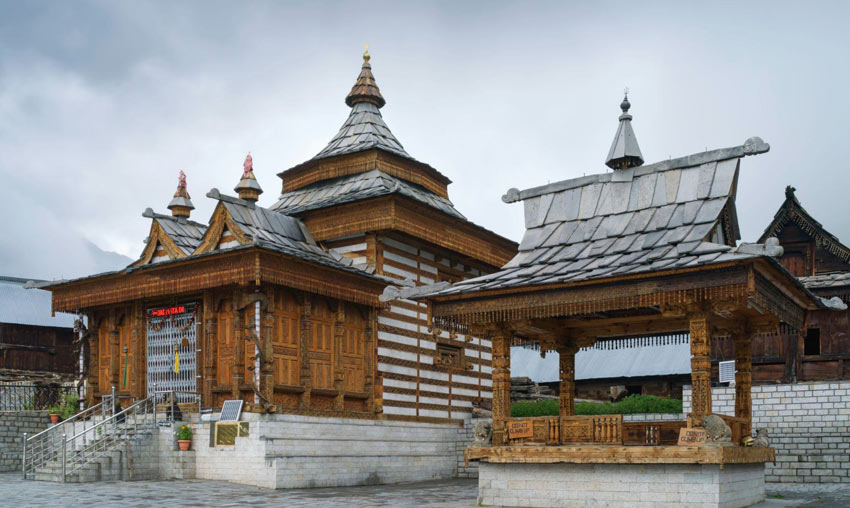
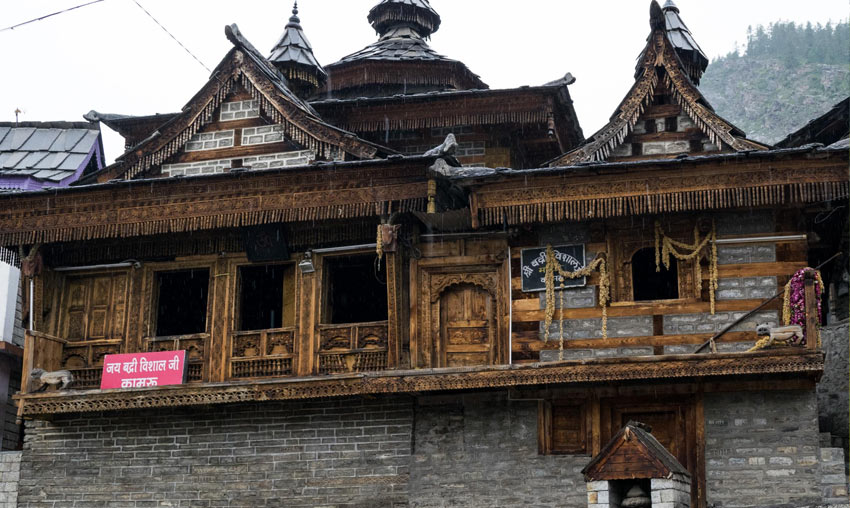
One of the most striking features of Bering Nag Temple is its traditional Himalayan architecture. Built using wood and stone, the temple reflects the distinctive craftsmanship found in the religious buildings of Kinnaur.
The structure is known for its pagoda-style roof and multi-storey design. Its wooden elements and traditional construction techniques make it an interesting example of the region’s architectural heritage.
Unlike many modern religious buildings, traditional Kinnauri temples often combine practical mountain construction with decorative wooden craftsmanship. These structures reflect the local environment, cultural beliefs and skills passed down through generations.
Fulaich Fair at Bering Nag Temple
The Fulaich Fair, also known as Phulaich or the Flower Festival, is one of the most celebrated cultural events of Kinnaur. The festival is associated with the arrival of autumn and the changing seasons in the high Himalayan region.
In Sangla, celebrations connected with Fulaich bring the local community together through traditional rituals, music, dances and religious activities. The festival is an important expression of the relationship between the people, their local deities and the natural surroundings.
The festival is generally celebrated around September, although dates and programmes can vary between villages and years. Visitors planning a trip specifically for Fulaich should confirm the local schedule before travelling.
Experiencing this festival can provide a deeper understanding of Kinnauri culture than an ordinary sightseeing visit.
Things to See at Bering Nag Temple
- Traditional Temple Structure: Observe the distinctive wood-and-stone construction and pagoda-style roof.
- Wooden Craftsmanship: Notice the traditional wooden elements that reflect the architectural heritage of Kinnaur.
- Religious Traditions: Learn about the local beliefs and the importance of Lord Jagas in Sangla.
- Festival Celebrations: If your visit coincides with Fulaich, experience the region’s traditional music, rituals and community celebrations.
- Village Exploration: Explore the surrounding lanes and traditional settlements to experience everyday life in Sangla.
Best Time to Visit Bering Nag Temple
The best time to visit Bering Nag Temple is generally from April to October, when road conditions and weather are more suitable for exploring Sangla Valley.
- April to June: Pleasant weather, green landscapes and comfortable conditions for sightseeing.
- July to August: The valley becomes greener, although monsoon rainfall may affect road conditions.
- September: A particularly interesting time for visitors who want to experience the Fulaich celebrations.
- October: Autumn colours and cooler temperatures create a beautiful atmosphere around Sangla.
- November to March: Winter brings cold temperatures and possible snowfall. Visitors should check road and weather conditions before travelling.
How to Reach Bering Nag Temple
By Road
Sangla is connected by road through Karcham in Kinnaur. Travellers can reach Sangla by private car, taxi or available bus services from nearby towns. Once in Sangla, the temple can be visited as part of a local village sightseeing walk.
By Train
The nearest major railway connections are at Shimla and Kalka. From there, travellers can continue towards Kinnaur by road. The onward journey involves mountain roads and takes several hours.
By Air
Shimla Airport is one of the regional airport options, although flight availability is limited. Chandigarh Airport is another practical option for many travellers. From either location, Sangla must be reached by road.
Places to Visit Near Bering Nag Temple
After visiting Bering Nag Temple, travellers can explore several attractions in and around Sangla Valley. These places offer a combination of mountain scenery, traditional villages and historical heritage.
- Sangla Valley: Explore the beautiful Baspa Valley, its mountain landscapes, orchards and traditional settlements.
- Kamru Fort: Visit the historic fort associated with the former rulers of Bushahr and admire its traditional architecture.
- Rakchham Village: Discover a peaceful Himalayan village known for its traditional houses and beautiful surroundings.
- Chitkul Village: Continue towards the upper Baspa Valley to explore the famous village known for its mountain scenery and traditional culture.
Suggested One-Day Sightseeing Plan
If you are staying in Sangla, Bering Nag Temple can be included in a relaxed local sightseeing plan.
- Begin your day by exploring the traditional village lanes of Sangla.
- Visit Bering Nag Temple and learn about its religious and architectural significance.
- Explore the nearby market and local surroundings.
- Visit Kamru Fort to discover the historical heritage of the valley.
- Spend the remaining time enjoying the scenery and views of the Baspa Valley.
Travel Tips for Visitors
- Dress modestly when visiting the temple.
- Follow local customs and instructions given by temple authorities or residents.
- Remove footwear before entering areas where required.
- Always ask permission before photographing religious ceremonies, people or the inner shrine.
- Respect local traditions and avoid disturbing worshippers.
- Check road and weather conditions before travelling to Sangla, especially during winter and the monsoon season.
- Confirm Fulaich Fair dates locally if you are planning your trip around the festival.
Frequently Asked Questions About Bering Nag Temple
1. Where is Bering Nag Temple located?
Bering Nag Temple is located in Sangla village in the Kinnaur district of Himachal Pradesh, India.
2. Which deity is worshipped at Bering Nag Temple?
The Himachal Tourism website identifies the temple as dedicated to Lord Jagas, who is considered an incarnation of Lord Shiva.
3. What is Bering Nag Temple famous for?
The temple is known for its religious importance, traditional wood-and-stone construction, pagoda-style architecture and association with the Fulaich Fair.
4. What is the Fulaich Fair?
Fulaich is a traditional flower festival celebrated in Kinnaur around the changing of seasons. It includes local rituals, music, dances and community gatherings.
5. When is the best time to visit Bering Nag Temple?
April to October is generally suitable for visiting Sangla. September is especially interesting for travellers who want to experience Fulaich celebrations, subject to the local festival schedule.
6. Can Bering Nag Temple be visited along with Kamru Fort?
Yes. Both attractions can be included in a Sangla sightseeing plan, making it easier to explore the religious and historical heritage of the valley.
Bering Nag Temple is an important part of the cultural and spiritual identity of Sangla Valley. Its traditional architecture, association with Lord Jagas and connection with the Fulaich Fair make it a meaningful place to explore while travelling through Kinnaur.
For visitors interested in local traditions and Himalayan heritage, this temple offers an experience that goes beyond the scenic beauty of the mountains. Add Bering Nag Temple to your Sangla itinerary and discover another side of the beautiful Baspa Valley.
Nearby Places to Visit