Sangla Valley, Kinnaur – A Complete Travel Guide to Baspa Valley
There are mountain destinations that impress you with their height, and then there are valleys that make you want to slow down and experience every little detail. Sangla Valley in Himachal Pradesh belongs to the second category. Located in the picturesque Baspa Valley of Kinnaur, this Himalayan destination is known for its flowing river, traditional wooden houses, fruit orchards, historic temples and beautiful mountain landscapes.
Unlike crowded hill stations, Sangla offers a more peaceful mountain experience. Small settlements sit along the valley slopes, apple orchards cover the surrounding fields, and the Baspa River adds a constant rhythm to the landscape. The villages of Sangla, Batseri and Rakchham preserve the region’s distinctive architecture and traditional way of life.
Sangla is also an excellent starting point for exploring the upper Baspa Valley towards Chitkul. From heritage walks and village exploration to riverside experiences and mountain photography, the destination offers plenty of reasons to spend more than just a few hours here.
Discover the Baspa Valley Around Sangla
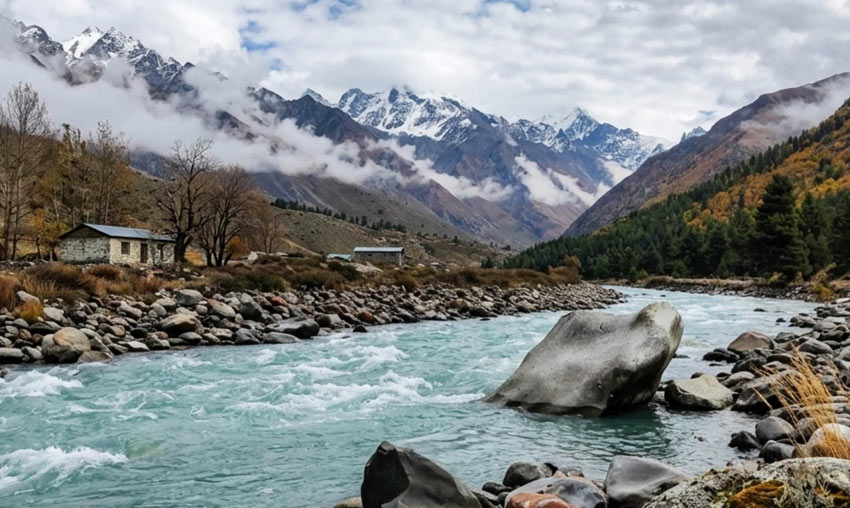
Sangla Valley is formed by the Baspa River, which flows through this beautiful part of Kinnaur before joining the Sutlej River near Karcham. The valley is commonly known as Baspa Valley because of the river that shapes its landscape and settlements.
The road towards Sangla branches away from the main highway near Karcham. As the route climbs into the valley, the scenery gradually changes from the deep Sutlej gorge to a more open landscape of forests, villages, cultivated fields and mountain slopes.
Sangla village is situated on the right bank of the Baspa River, approximately 18 kilometres from Karcham and 38 kilometres from Reckong Peo. Its location makes it one of the most convenient bases for exploring the surrounding villages.
What Makes Sangla Valley Special?
A Landscape Shaped by the Baspa River
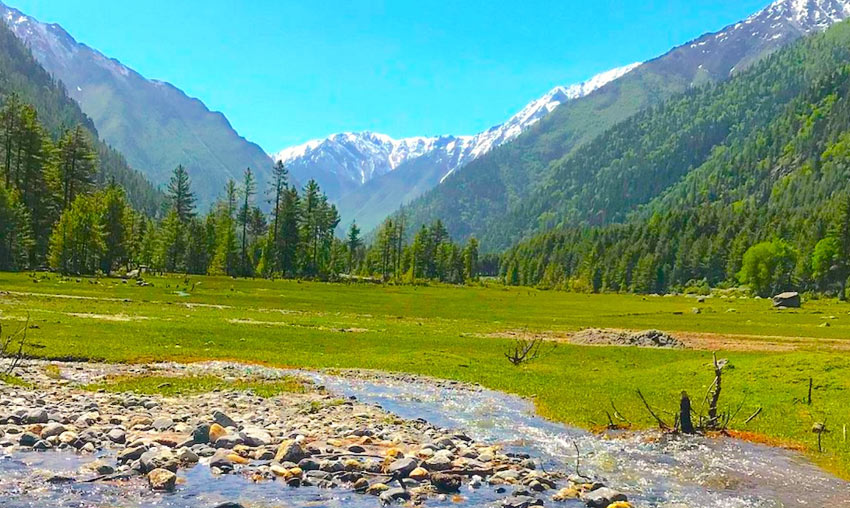
The Baspa River is one of the defining features of the valley. Its water flows through a landscape of rocky banks, green slopes and mountain forests. The river corridor provides beautiful opportunities for photography, nature observation and peaceful walks in suitable areas.
Traditional Kinnauri Architecture
Sangla and its neighbouring settlements are known for traditional Himalayan homes built using timber and stone. Carved wooden balconies, sloping roofs and compact village lanes reflect the architectural traditions of the region.
Apple Orchards and Mountain Agriculture
Fruit cultivation is an important part of life in the Baspa Valley. Apple orchards occupy many of the cultivated slopes around Sangla. Depending on the season, visitors may see flowering trees in spring or fruit-laden orchards during the harvest period.
A Blend of Hindu and Buddhist Traditions
The cultural identity of Sangla Valley reflects the meeting of Hindu and Buddhist beliefs. Temples, monasteries, local deities and community celebrations are important parts of everyday life. This cultural blend is one of the most interesting aspects of travelling through Kinnaur.
Best Places and Experiences in Sangla Valley
1. Kamru Fort – A Historic Landmark Above Sangla
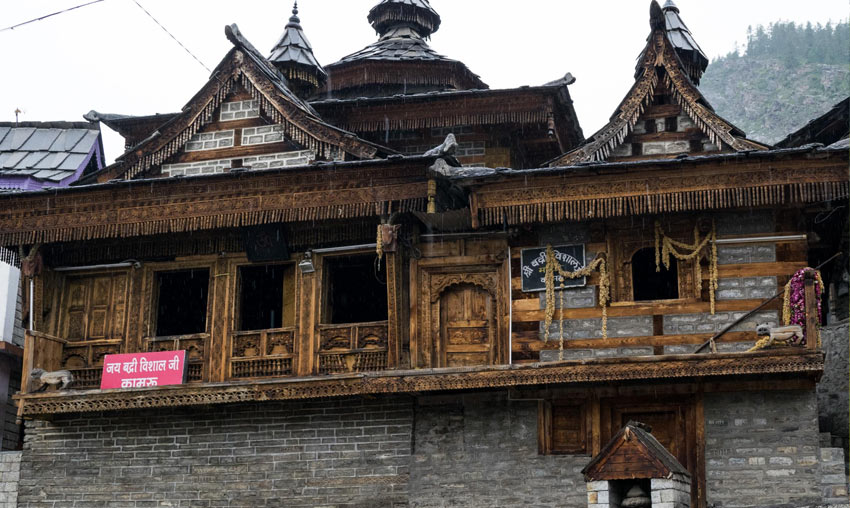
Kamru Fort is among the most important heritage attractions in Sangla Valley. Located above Kamru village, the historic wooden and stone structure was the original seat of power of the rulers of Kinnaur and the former Bushahr region.
The fort is notable for its traditional multi-storey construction, wooden entrance and religious significance. A Buddha image is associated with its entrance, while the upper part of the fort houses the shrine of Goddess Kamakhya, also known locally as Kamakshi.
The surrounding settlement of Kamru is equally interesting, with traditional houses, cultivated fields and orchards. Visitors interested in local history and architecture should make time to explore this area.
2. Bering Nag Temple – The Cultural Heart of Sangla
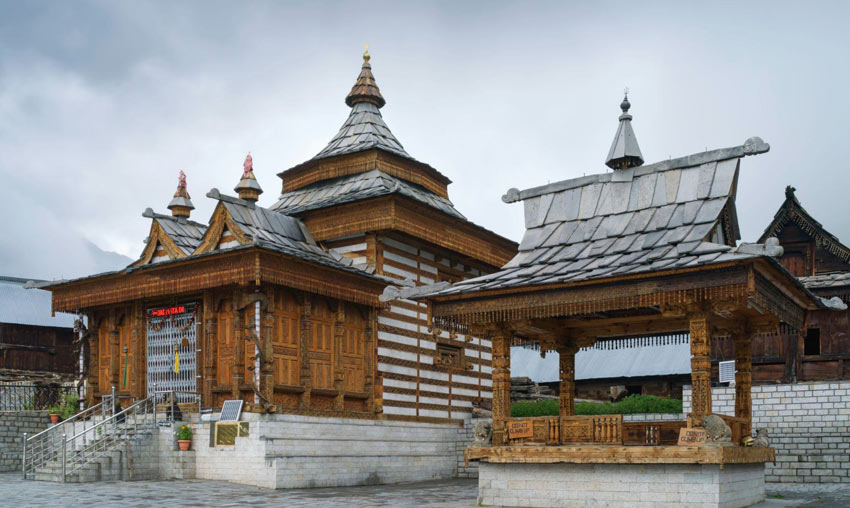
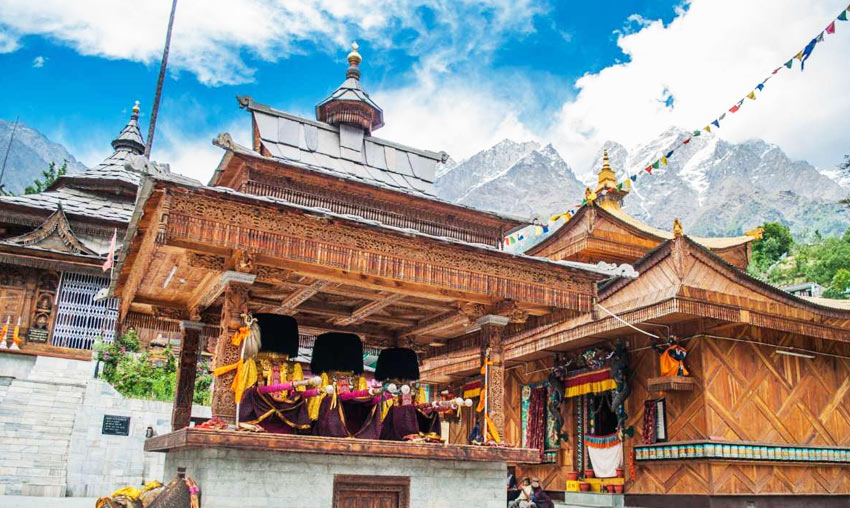
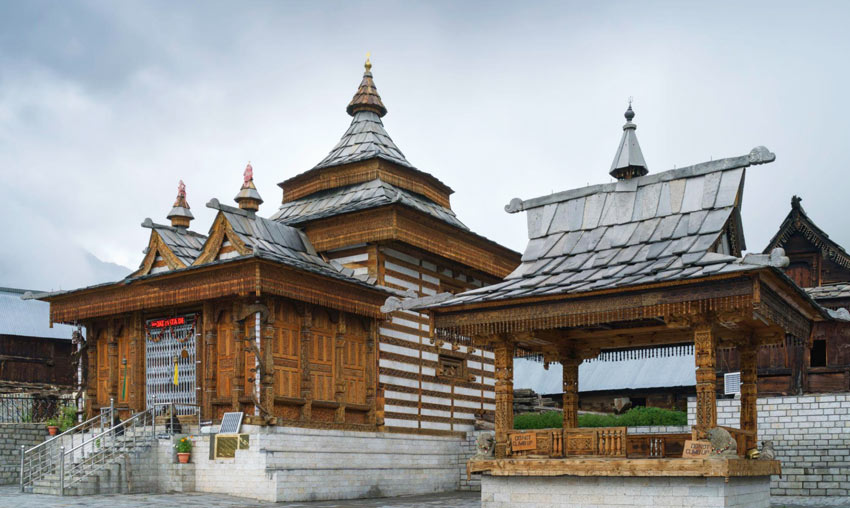
Bering Nag Temple is one of the most revered religious places in Sangla. Dedicated to Lord Jagas, who is regarded locally as an incarnation of Lord Shiva, the temple is an important centre of village traditions and religious celebrations.
Its wood-and-stone construction and traditional pagoda-style appearance make it an interesting example of Kinnauri temple architecture. The temple is also closely associated with the famous Fulaich fair, which brings together people from different villages of the region.
Visitors should respect temple customs and check locally for opening hours and photography restrictions.
3. Batseri Village – Experience Traditional Kinnauri Life
Batseri is one of the traditional settlements of the Baspa Valley. The village is known for its wooden houses, stone pathways, cultivated land and beautiful mountain surroundings.
Walking through Batseri offers a closer look at the everyday life of the local community. Its architecture, village lanes and surrounding orchards make it a worthwhile stop for travellers interested in culture and photography.
4. Rakchham Village – A Peaceful Himalayan Settlement
Rakchham lies further up the Baspa Valley between Sangla and Chitkul. It is particularly attractive for its open mountain scenery, traditional houses, forests and the natural landscape around the Baspa River.
The village is a good place to spend time away from busy tourist areas. Visitors can enjoy scenic walks, photography and the peaceful atmosphere of a smaller Himalayan settlement.
5. Chitkul – Explore the Upper Baspa Valley
Chitkul is the best-known village at the upper end of the Baspa Valley. Located approximately 25 kilometres from Sangla, it is famous for its traditional homes, mountain views, Mathi Temple and the beautiful surroundings of the Baspa River.
The village is often described as the last inhabited village on this road towards the Indo-Tibetan border. Its high-altitude setting makes it an especially memorable stop on a Sangla Valley road trip.
6. Baspa River – Enjoy the Natural Beauty of the Valley
The Baspa River is not simply a geographical feature; it is central to the identity of the entire valley. Its flowing water, rocky banks and surrounding mountain scenery create some of the most attractive natural views in the region.
Travellers can enjoy nature observation and photography from safe, accessible locations. Avoid entering fast-flowing water, especially during periods of rain or changing river levels.
7. Sangla Meadows and Mountain Trails
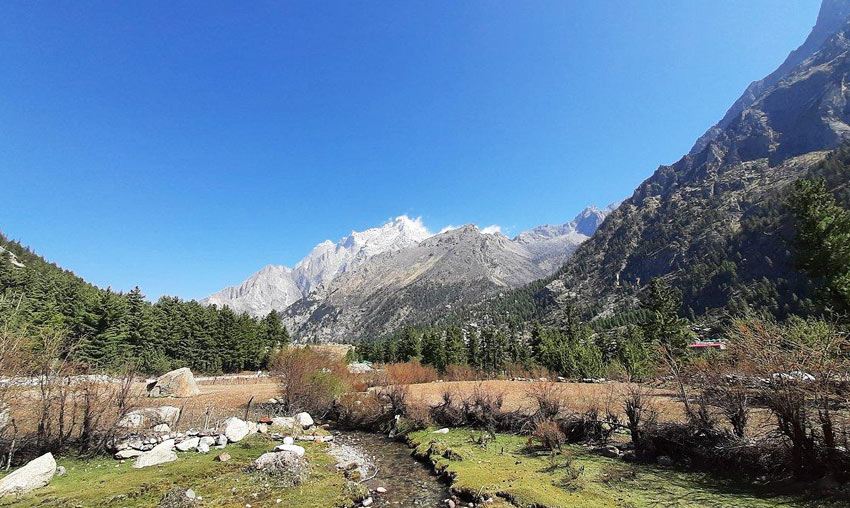
The higher slopes and open areas around Sangla offer opportunities to explore the valley on foot. Depending on the season and local access conditions, visitors can experience forest trails, open meadows and viewpoints overlooking the Baspa Valley.
Some routes require local guidance and proper preparation. Travellers should not attempt high-altitude walks without checking the trail conditions and weather.
Apple Orchards of Sangla – A Seasonal Attraction
Apple cultivation is one of the most recognisable features of the Sangla landscape. Orchards spread across the surrounding slopes and form an important part of the local agricultural economy.
During spring, apple trees develop delicate blossoms that add colour to the countryside. Later in the year, the orchards gradually fill with fruit, and the harvest season brings activity to the villages.
September and October are generally associated with apple harvesting in many parts of Kinnaur, although the exact timing depends on the variety, altitude and weather conditions.
Travellers interested in orchard visits should seek permission from local owners rather than entering private agricultural land without asking.
Fulaich Festival – A Unique Cultural Experience
Fulaich, also known as the flower festival, is one of the most distinctive traditional celebrations of Kinnaur. The festival is associated with the arrival of autumn and the local tradition of collecting flowers from the surrounding hills.
In Sangla, the celebrations are closely associated with Bering Nag Temple. Community gatherings, traditional music, dances and religious customs make the festival an important expression of local identity.
The festival is generally celebrated around September, but dates and village-level programmes can vary. Travellers hoping to attend should confirm the schedule with local authorities or residents before planning their visit.
Adventure and Outdoor Activities in Sangla Valley
Sangla Valley is a rewarding destination for travellers who enjoy outdoor experiences. Its combination of river landscapes, forested slopes and mountain trails offers several ways to explore the region.
- Nature walks: Explore accessible paths around Sangla and neighbouring villages.
- Village exploration: Discover traditional homes, local temples and the agricultural landscape.
- Trekking: Explore suitable local trails such as the routes towards Sangla Kanda and other surrounding mountain areas with proper guidance.
- Birdwatching: Observe Himalayan birds in the forests and natural surroundings.
- Photography: Capture the Baspa River, mountain scenery, orchards and traditional architecture.
- Angling: The Baspa region is known for trout fishing. Fishing is subject to applicable licences, seasons and local regulations.
- Road trips: Enjoy the scenic drive through Batseri and Rakchham towards Chitkul.
Local Food and Village Life
Food is another way to understand the culture of Sangla Valley. Local households and small eateries may serve traditional Himachali and Kinnauri preparations using seasonal vegetables, grains and locally available ingredients.
Travellers can look for dishes such as siddu, traditional breads, lentil preparations and seasonal vegetable dishes. Availability varies between homestays and restaurants.
Staying in a local homestay can also provide an opportunity to experience the hospitality, food habits and daily routines of the people of the Baspa Valley.
Best Time to Visit Sangla Valley
April to May – Apple Blossom Season
Spring brings fresh colours to the valley. Apple blossoms, pleasant daytime conditions and the changing mountain landscape make this a lovely time for village walks and photography.
June – Green Mountain Landscapes
Early summer is generally suitable for sightseeing and exploring nearby villages. Days can be pleasant, while nights remain cool.
July to August – Monsoon Caution
The monsoon can make the landscape greener, but rain may cause landslides, falling rocks and road disruptions. Travel should be planned carefully after checking local conditions.
September to October – Autumn and Apple Harvest
Autumn is a popular time to experience the valley. Apple orchards enter their harvest period in many locations, and the Fulaich festival is celebrated around this season.
November to March – Winter Conditions
Winter brings very cold weather and snowfall to the higher parts of the valley. Road access can be affected, so visitors should confirm current conditions before travelling.
How to Reach Sangla Valley
By Road
Sangla is connected by road through Karcham in Kinnaur. Travellers coming from Shimla generally follow the National Highway route through Narkanda and Rampur towards Karcham, then take the road branching into the Baspa Valley.
Sangla is approximately 18 kilometres from Karcham and 38 kilometres from Reckong Peo. The final stretch is a mountain road with bends and narrow sections, so careful driving is important.
By Train
Shimla is a commonly used rail-connected starting point for the journey towards Kinnaur. From there, travellers can continue by road to Sangla.
By Air
Shimla Airport and Chandigarh Airport are possible air travel options for visitors planning a road journey to Sangla. Flight availability and road travel time should be checked before booking.
Suggested 3-Day Sangla Valley Itinerary
Day 1 – Sangla Village and Local Heritage
Arrive in Sangla and settle into your accommodation. Spend the afternoon exploring the village, visiting Bering Nag Temple and enjoying the surrounding views. If time and access permit, explore the historic Kamru Fort.
Day 2 – Batseri and Rakchham
Begin the day with a visit to Batseri to explore its traditional architecture and village surroundings. Continue towards Rakchham for mountain views, nature walks and time beside the Baspa Valley landscape.
Day 3 – Chitkul Excursion
Take a scenic drive to Chitkul. Explore the village, visit Mathi Temple and enjoy the surrounding mountain scenery. Return to Sangla while allowing enough time for the mountain road journey.
Travel note: This itinerary is flexible. Weather, road conditions, local restrictions and seasonal accessibility can affect the order of visits and journey times.
Travel Tips for Sangla Valley
- Carry warm clothing even during the summer months.
- Check the latest road and weather updates before travelling.
- Prefer driving through the mountain roads during daylight.
- Keep enough cash for small shops and remote settlements.
- Book accommodation in advance during popular travel periods.
- Respect local religious customs when visiting temples and monasteries.
- Ask permission before photographing residents or entering private orchards.
- Do not litter near the river, forests or village trails.
- Use local guides for unfamiliar trekking routes.
- Follow applicable fishing and outdoor activity regulations.
Frequently Asked Questions About Sangla Valley
1. Why is Sangla Valley also called Baspa Valley?
Sangla Valley is commonly called Baspa Valley because the Baspa River flows through the region and shapes its landscape and settlements.
2. What is Sangla Valley famous for?
Sangla Valley is known for the Baspa River, traditional Kinnauri villages, apple orchards, Kamru Fort, Bering Nag Temple, Fulaich festival and scenic mountain landscapes.
3. What are the best attractions in Sangla Valley?
Kamru Fort, Bering Nag Temple, Batseri village, Rakchham, Chitkul and the Baspa River are among the major attractions in and around Sangla Valley.
4. How far is Sangla from Karcham?
Sangla is approximately 18 kilometres from Karcham by road.
5. How far is Chitkul from Sangla?
Chitkul is approximately 25 kilometres from Sangla by road, making it a popular day excursion from the village.
6. When can visitors see apple orchards in Sangla?
Apple trees generally blossom in spring, while many orchards enter their harvest period around September and October. Exact timings vary with altitude, variety and weather.
7. What is the Fulaich festival?
Fulaich is a traditional flower festival celebrated in Kinnaur, generally around September. It is associated with local customs, flowers, community gatherings, music and dance.
8. How many days should I spend in Sangla Valley?
Two to three days are suitable for exploring Sangla, Kamru Fort, Batseri, Rakchham and Chitkul. A longer stay is recommended for trekking and a relaxed village experience.
9. Is Sangla Valley suitable for a road trip?
Yes. Sangla is a popular road-trip destination in Kinnaur. However, the route includes narrow mountain roads, so travellers should check road conditions and avoid unnecessary night driving.
10. Can tourists go trout fishing in Sangla Valley?
The Baspa region is known for trout fishing. However, angling is regulated and travellers must check the applicable licence, seasonal and local requirements before fishing.
Experience the Natural and Cultural Beauty of Sangla Valley
Sangla Valley offers a different kind of Himalayan holiday. Its appeal lies not only in the mountains but also in the river that flows through it, the orchards that change with the seasons, the temples that preserve local traditions and the villages that retain their traditional character.
From exploring the heritage of Kamru and Bering Nag Temple to discovering Batseri, Rakchham and Chitkul, every journey through the Baspa Valley reveals another side of Kinnaur.
If you want to experience the quieter side of Himachal Pradesh, Sangla Valley is a destination worth adding to your travel plans.
Explore Kinnaur – More Places to Visit
Official Travel Resources
Nearby Places to Visit