Navghan Kuvo, Junagadh – History, Architecture & Travel Guide
Located inside the historic Uparkot Fort in Junagadh, Gujarat, Navghan Kuvo is an extraordinary example of ancient Indian water architecture. This historic stepwell is famous for its remarkable depth and unusual spiral staircase that descends around the central well shaft. Partly carved into soft rock and partly constructed using traditional building techniques, Navghan Kuvo reflects the engineering knowledge and water management practices of earlier centuries.
Often associated with the Chudasama rulers of Junagadh, this ancient well is believed to have played an important role in supplying water to the fort during prolonged sieges. Today, it is one of the most interesting heritage attractions in Junagadh and an important stop for visitors exploring the architectural wonders of Uparkot Fort.
About Navghan Kuvo
Navghan Kuvo is an ancient stepwell situated within Uparkot Fort, one of the most historically significant sites in Junagadh. The structure is known for its deep well shaft and a distinctive staircase that spirals down around the well, allowing people to reach the water level.
According to the Junagadh District Administration and Gujarat Tourism, the well reaches approximately 52 metres (170 feet) in depth. Its construction is particularly interesting because parts of the structure were carved out of soft rock, while other sections were built using conventional construction methods.
Unlike an ordinary well, Navghan Kuvo was designed with a staircase that provided access to water at different levels. This was especially useful when water levels changed with the seasons. The structure also demonstrates how communities in Gujarat developed practical solutions to manage water in areas that experienced dry weather.
History of Navghan Kuvo
The history of Navghan Kuvo is closely connected with the Chudasama dynasty and the historic development of Junagadh. The well is traditionally associated with Ra Navghan, a ruler of the Chudasama dynasty, and is generally dated to around the 11th century.
Some historical descriptions suggest that the well was built around 1026 AD, while other accounts indicate that it may be older. Historical records also associate its completion or later development with Ra Khengar, the son of Ra Navghan. The precise construction history is not fully settled, so the early medieval period is a safer general description of its origin.
Navghan Kuvo was an important water source within Uparkot Fort. The fort experienced several attacks and prolonged sieges over the centuries. Access to a dependable water supply inside the fortified settlement would have been essential for its residents and defenders.
According to local historical accounts and tourism descriptions, the water from Navghan Kuvo helped Uparkot Fort withstand long sieges. Its depth and unusual staircase design demonstrate the importance given to water security in the planning of historic forts.
Why Is Navghan Kuvo Famous?
Navghan Kuvo is famous for its distinctive architecture and historical importance. Unlike conventional wells, it features a spiral staircase that follows the circular shape of the central well shaft.
- It is an ancient stepwell located inside Uparkot Fort, Junagadh.
- It is approximately 52 metres (170 feet) deep.
- Its staircase spirals around the central well shaft.
- Parts of the structure are carved directly into soft rock.
- It is traditionally associated with the Chudasama ruler Ra Navghan.
- It played an important role in the water supply of Uparkot Fort.
- It is considered a remarkable example of traditional water conservation and engineering.
Architecture of Navghan Kuvo
The architecture of Navghan Kuvo is its most remarkable feature. The stepwell combines rock-cut construction with structural masonry, creating a unique design that differs from many other traditional wells and stepwells in Gujarat.
1. Spiral Staircase
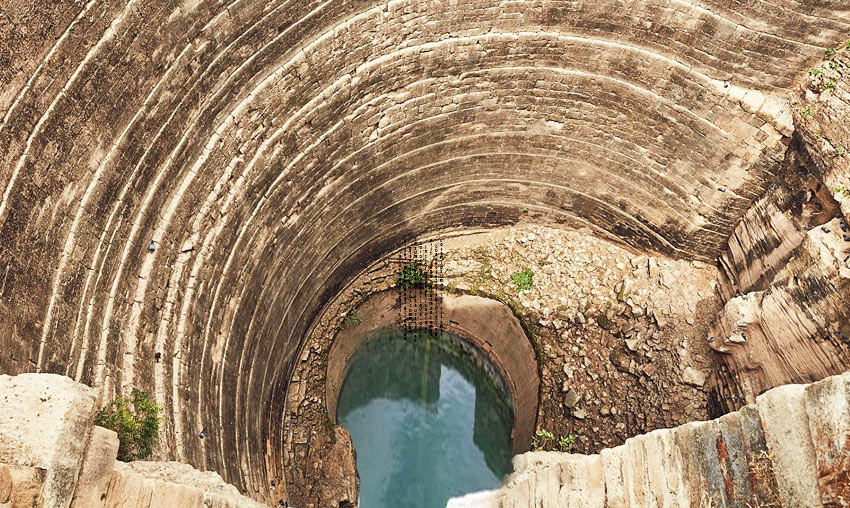
The most distinctive feature of Navghan Kuvo is its spiral staircase. Instead of a straight flight of steps, the staircase winds around the central well shaft. This arrangement allows visitors to descend gradually towards the water level while following the circular form of the well.
2. Deep Well Shaft
The well reaches approximately 52 metres (170 feet) in depth, making it an impressive example of historic water engineering. Its considerable depth provided access to groundwater and helped maintain a dependable water source within the fort.
3. Rock-Cut Construction
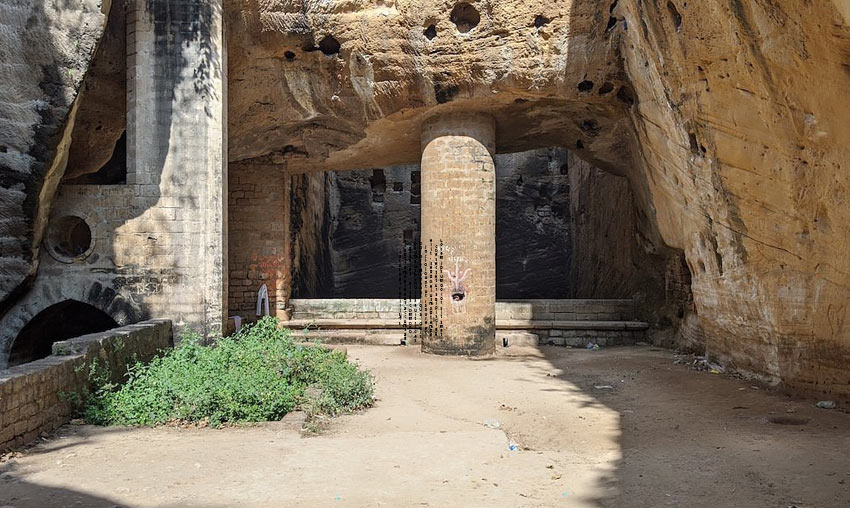
Parts of Navghan Kuvo were excavated directly into soft rock. The builders shaped the surrounding rock to create the well passage and staircase, while other portions were constructed using traditional structural techniques. This combination gives the monument its distinctive architectural character.
4. Circular Staircase Design
The staircase follows the circular form of the well shaft, making the descent visually striking. As visitors look down into the structure, they can observe how the steps follow the curve of the well and provide access to different levels.
5. Practical Water Management
Navghan Kuvo was not simply an architectural monument. Its design served an important practical purpose by allowing people inside Uparkot Fort to reach groundwater. The structure reflects the importance of reliable water systems in historic settlements, especially during dry seasons and military conflicts.
Navghan Kuvo and the History of Uparkot Fort
Uparkot Fort is one of the most important historical landmarks in Junagadh. Its origins are traditionally linked with the Mauryan period, and it has been occupied, modified and developed by different rulers over many centuries.
Navghan Kuvo was an important part of the fort’s internal water management system. In a fortified settlement, access to water was essential for daily life, particularly when outside supplies were interrupted during attacks or sieges.
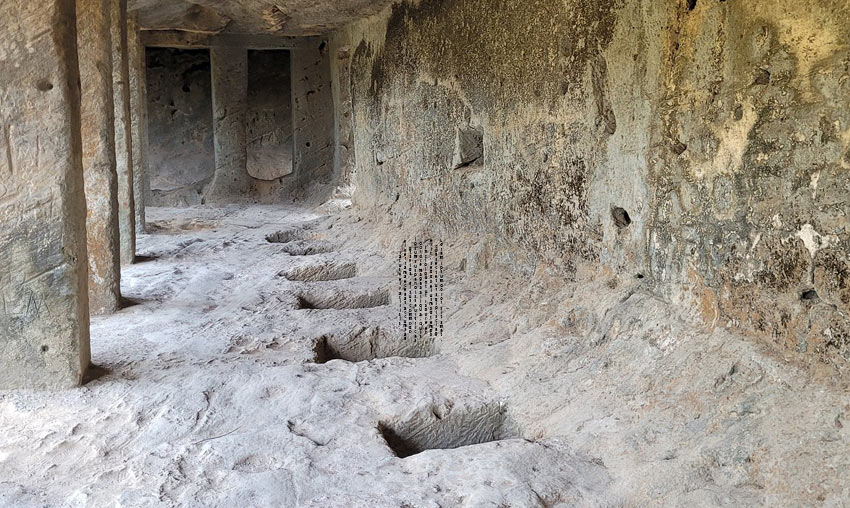
The stepwell is also located near other historic attractions within the fort, including Adi Kadi Vav and the Buddhist caves. Together, these monuments help visitors understand the architectural, cultural and engineering heritage of ancient Junagadh.
Things to See at Navghan Kuvo
1. The Spiral Staircase
The spiral staircase is the main highlight of Navghan Kuvo. Its circular arrangement around the well shaft makes the structure different from ordinary stepwells. Visitors can observe the craftsmanship and planning involved in creating such a passage through rock.
2. The Deep Central Well
The central well shaft provides a dramatic view of the depth of the structure. Its design reflects the importance of groundwater access in the history of Uparkot Fort.
3. Rock-Cut Walls and Passages
The surrounding rock surfaces and passages offer an opportunity to appreciate the construction techniques used by earlier builders. The combination of natural rock and structural elements is an important architectural feature.
4. Historic Surroundings of Uparkot Fort
Navghan Kuvo can be explored along with several other attractions inside Uparkot Fort. Visitors can also discover Adi Kadi Vav, the Buddhist caves, historic gateways and other heritage structures.
Difference Between Navghan Kuvo and Adi Kadi Vav
Navghan Kuvo and Adi Kadi Vav are two different historic water structures located inside Uparkot Fort. Both are important examples of traditional water architecture, but their construction methods and staircase designs are quite different.
| Feature | Navghan Kuvo | Adi Kadi Vav |
|---|---|---|
| Location | Uparkot Fort, Junagadh | Uparkot Fort, Junagadh |
| Approximate period | Early medieval period, commonly associated with the 11th century | 15th century |
| Depth | Approximately 52 metres | Approximately 41 metres |
| Staircase design | Spiral staircase around the well shaft | Long, narrow staircase descending through rock |
| Construction | Partly rock-cut and partly structurally built | Carved directly into hard rock |
| Main attraction | Deep well and circular staircase | Long rock-cut staircase |
Both attractions are worth visiting together because they showcase two different approaches to traditional water architecture in Gujarat.
Best Time to Visit Navghan Kuvo
The best time to visit Navghan Kuvo is between October and March, when the weather in Junagadh is generally more comfortable for outdoor sightseeing. These months are suitable for exploring Uparkot Fort, its stepwells and other historic monuments.
Morning and late afternoon are generally preferable for exploring the fort, especially during warmer months. Visitors should allow enough time to explore the structure carefully and avoid rushing on the steps.
Navghan Kuvo Timings and Entry Fee
Navghan Kuvo is located inside Uparkot Fort, and visitor access is generally connected with the fort’s entry arrangements. Opening hours, ticket prices and access conditions may change depending on administrative decisions, maintenance work and visitor arrangements.
Visitors should confirm the latest Uparkot Fort timings and entry fee before travelling. It is advisable to check the official tourism information or enquire at the fort entrance rather than relying on outdated ticket prices published on third-party websites.
How to Reach Navghan Kuvo
Navghan Kuvo is situated inside Uparkot Fort in Junagadh, Gujarat. Visitors need to reach Junagadh first and then travel to the fort entrance. The stepwell can be explored on foot after entering the heritage complex.
By Road
Junagadh is connected to several cities and towns in Gujarat through state highways and other road routes. State transport buses, private buses, taxis and personal vehicles are convenient ways to reach the city. Local auto-rickshaws and taxis can take visitors to Uparkot Fort.
By Train
Junagadh Railway Station connects the city with several destinations in Gujarat and other parts of India. From the railway station, visitors can hire an auto-rickshaw or taxi to reach Uparkot Fort.
By Air
Rajkot Airport is one of the commonly used airport options for reaching Junagadh. Visitors can continue their journey to Junagadh by road. Check current flight schedules and road transport options before planning the trip.
Travel Tips for Visiting Navghan Kuvo
- Wear comfortable footwear with a good grip while exploring Uparkot Fort.
- Be careful while walking near the staircase and well shaft.
- Follow all safety barriers and do not enter restricted sections.
- Visitors with mobility difficulties, knee problems or balance concerns should assess the steps before attempting to descend.
- Carry drinking water, particularly during the summer season.
- Avoid littering and help protect the historic monument.
- Follow instructions from local staff and heritage authorities.
- Combine the visit with Adi Kadi Vav and the other attractions inside Uparkot Fort.
- Allow sufficient time to explore the fort instead of rushing between monuments.
Nearby Places to Visit in Junagadh
After visiting Navghan Kuvo, travellers can explore several other historical, religious and architectural attractions in Junagadh. Many of these destinations can be included in the same sightseeing itinerary.
1. Uparkot Fort
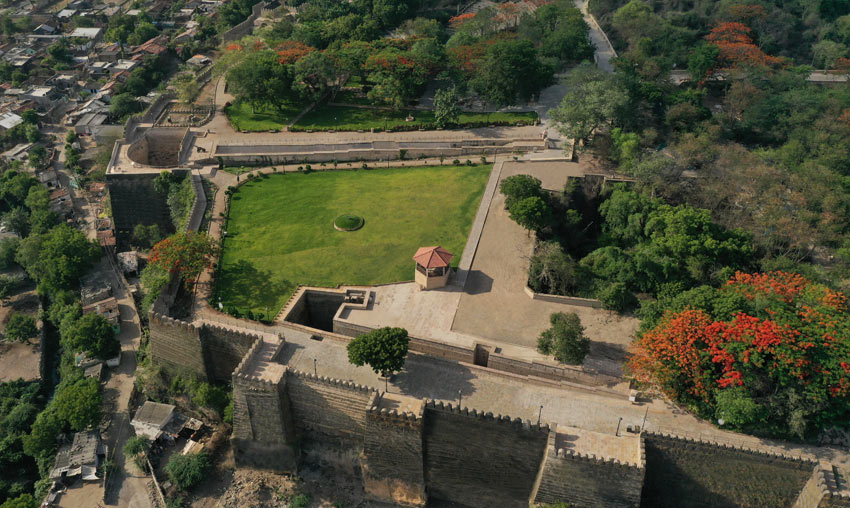
Uparkot Fort is an ancient citadel known for its historic walls, gateways, stepwells and rock-cut caves. It is one of the most important heritage attractions in Junagadh.
2. Adi Kadi Vav
Adi Kadi Vav is another remarkable stepwell inside Uparkot Fort. It is famous for its long staircase carved directly into hard rock and its association with local legends.
3. Buddhist Caves
The Buddhist caves of Junagadh are important examples of ancient rock-cut architecture. They provide insight into the region’s early Buddhist heritage and historical connections.
4. Girnar Hills
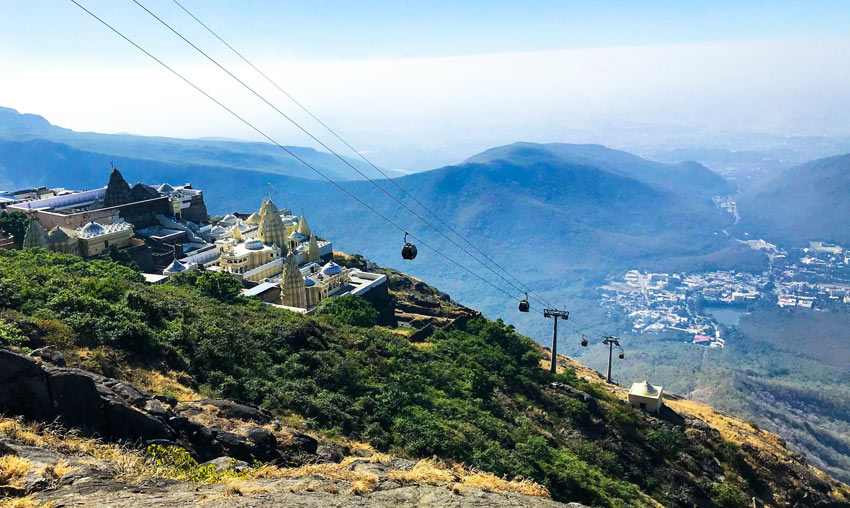
Girnar Hills is a major pilgrimage and nature destination near Junagadh. The mountain is known for its temples, trekking routes, scenic surroundings and religious importance.
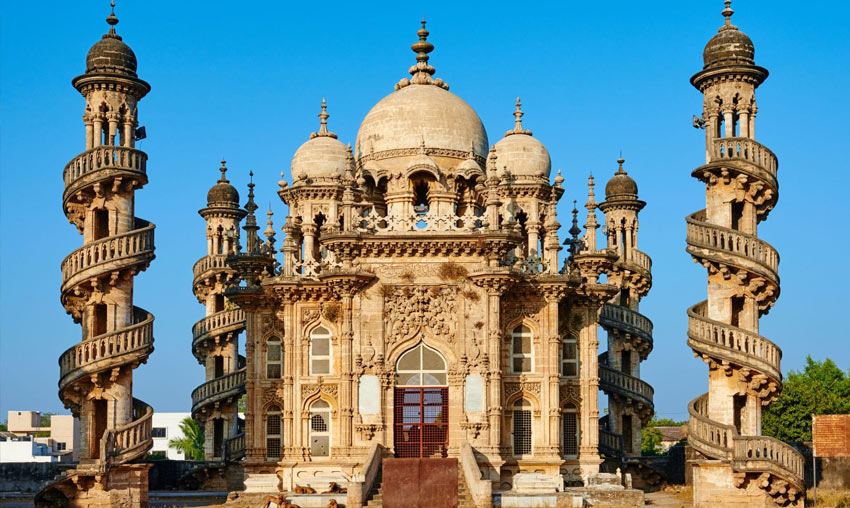
5. Mahabat Maqbara
Mahabat Maqbara is one of the most distinctive architectural landmarks in Junagadh. Its elaborate stonework, domes, minarets and European architectural influences make it a popular heritage attraction.
6. Ashoka Rock Edicts
The Ashoka Rock Edicts are important historical inscriptions associated with Emperor Ashoka. They offer valuable information about ancient Indian history and the spread of Buddhist principles.
Suggested Junagadh Sightseeing Itinerary
Visitors interested in history and architecture can plan a heritage-focused sightseeing trip around Uparkot Fort and other attractions in Junagadh.
- Begin your visit at Uparkot Fort and explore its historic entrance and fort walls.
- Visit Navghan Kuvo and observe its deep well shaft and spiral staircase.
- Continue to Adi Kadi Vav and explore its rock-cut staircase.
- Discover the Buddhist caves and other historic structures within the fort.
- Visit Mahabat Maqbara and the Ashoka Rock Edicts if time permits.
- Plan a separate visit to Girnar Hills for its temples, viewpoints and trekking experience.
Frequently Asked Questions About Navghan Kuvo
1. Where is Navghan Kuvo located?
Navghan Kuvo is located inside Uparkot Fort in Junagadh, Gujarat, India.
2. How deep is Navghan Kuvo?
Navghan Kuvo is approximately 52 metres or 170 feet deep, according to the Junagadh District Administration and Gujarat Tourism.
3. When was Navghan Kuvo built?
Navghan Kuvo is generally associated with the early medieval period and is commonly dated to around the 11th century. Some accounts suggest that it may have been constructed earlier.
4. Who built Navghan Kuvo?
The stepwell is traditionally associated with Ra Navghan of the Chudasama dynasty. Historical accounts also connect its later completion or development with his son Ra Khengar.
5. Why is Navghan Kuvo famous?
Navghan Kuvo is famous for its approximately 52-metre-deep well shaft and its unusual spiral staircase that descends around the central well.
6. What is special about the staircase of Navghan Kuvo?
The staircase follows a circular route around the well shaft instead of descending in a straight line. This unusual design is one of the most recognisable features of the monument.
7. What is the difference between Navghan Kuvo and Adi Kadi Vav?
Navghan Kuvo is known for its deep well and spiral staircase, while Adi Kadi Vav is famous for its long staircase carved directly into hard rock. Both are located inside Uparkot Fort.
8. Why was Navghan Kuvo important to Uparkot Fort?
Navghan Kuvo provided access to groundwater within the fortified settlement. This water source was particularly important during periods when the fort faced prolonged sieges.
9. What is the best time to visit Navghan Kuvo?
October to March is generally a comfortable period to explore Navghan Kuvo and other outdoor attractions in Junagadh.
10. Can visitors explore Navghan Kuvo and Adi Kadi Vav together?
Yes. Both historic water structures are located inside Uparkot Fort and can be included in the same heritage sightseeing visit.
Navghan Kuvo is one of the most remarkable examples of ancient water architecture in Junagadh. Its deep well shaft, unusual spiral staircase and combination of rock-cut and structural construction make it an important heritage monument in Gujarat.
Traditionally associated with the Chudasama rulers, the stepwell also reflects the importance of water conservation and water security in historic fortified settlements. Its location inside Uparkot Fort makes it easy to explore along with Adi Kadi Vav, the Buddhist caves and other historical attractions.
Whether you are interested in history, architecture or traditional engineering, Navghan Kuvo offers a fascinating glimpse into the heritage of Junagadh. To discover more historical landmarks, religious destinations and travel experiences, explore our complete Junagadh Travel Guide.