Damodar Kund, Junagadh – History, Religious Significance and Travel Guide
Damodar Kund is one of the most sacred pilgrimage sites in Junagadh, Gujarat. Located at the foothills of the famous Girnar Hills, this historic water tank holds great religious importance among Hindu devotees. Surrounded by stone ghats and a peaceful natural setting, Damodar Kund is known for its traditional bathing rituals, asthi visarjan ceremonies and association with Hindu religious beliefs.
Situated along the route leading towards Girnar Mountain, Damodar Kund attracts pilgrims, devotees and travellers throughout the year. Many Hindu families visit this sacred water body to perform religious ceremonies and immerse the ashes and remains of their departed loved ones, believing that the rituals help the souls attain moksha.
With its spiritual atmosphere, traditional stone steps and proximity to important temples, Damodar Kund is an important part of Junagadh’s religious and cultural heritage. It is also a meaningful stop for visitors exploring Girnar Hills and nearby attractions.
Why Is Damodar Kund Famous?
Damodar Kund is famous for its religious significance and its association with Hindu funeral and pilgrimage traditions. According to Hindu beliefs, the water of this sacred kund is considered holy, and devotees visit the site to perform bathing rituals, prayers and asthi visarjan.
The kund is particularly associated with the belief that immersing the ashes and bones of deceased family members at this sacred place helps their departed souls attain moksha. It is regarded as an important destination for asthi visarjan, similar in religious significance to other traditional pilgrimage locations such as Haridwar and Triveni Sangam.
Another notable feature of Damodar Kund is its location at the foothills of Girnar. The traditional steps leading towards Girnar Hills begin near the kund, making it an important starting point for pilgrims undertaking the mountain journey.
Religious and Spiritual Significance of Damodar Kund
Damodar Kund holds a special place in Hindu religious traditions. The water body is considered sacred, and devotees believe that bathing in its waters and performing religious rituals here can bring spiritual purification.
One of the most important ceremonies performed at Damodar Kund is asthi visarjan. After the cremation of a loved one, Hindu families traditionally bring the ashes and remaining bone fragments to sacred rivers or pilgrimage water bodies for immersion. Damodar Kund is one such revered location in Gujarat.
According to local religious beliefs, performing asthi visarjan at Damodar Kund helps the departed soul attain moksha, or liberation from the cycle of birth and death. Families also visit the kund to offer prayers and perform rituals in memory of their ancestors.
The spiritual importance of the site makes it an important destination for devotees visiting Junagadh and the Girnar region.
History and Traditional Beliefs Associated with Damodar Kund
Damodar Kund has been an important religious destination in the Girnar region for generations. Its traditional importance is connected with Hindu mythology, pilgrimage practices and the sacred landscape surrounding Girnar Mountain.
According to traditional accounts, the kund is associated with Lord Krishna, who is worshipped in the form of Damodar. The name Damodar is commonly understood through the story of Krishna being tied around the waist by his mother Yashoda during his childhood.
Local religious traditions also associate the kund with sacred rivers and pilgrimage waters. It is believed that the water body possesses spiritual qualities that make it suitable for religious bathing and ancestral rites.
The site has also been associated with the religious and devotional traditions of Junagadh. Its location near the Girnar pilgrimage route has helped maintain its importance among pilgrims travelling to the region over many generations.
Damodar Kund – Structure and Architecture
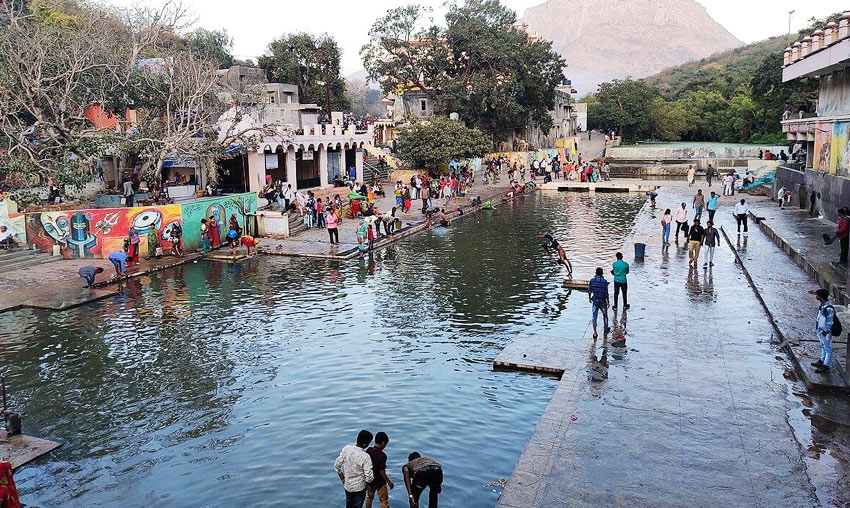
Damodar Kund is a traditional stone-lined water tank surrounded by a well-built ghat. Its simple yet functional design reflects the importance of water bodies in religious life and pilgrimage traditions.
According to the Junagadh District Administration, the kund measures approximately 257 feet in length and 50 feet in width, with a depth of around 5 feet. Stone steps and ghats provide access to the water and support the religious activities performed at the site.
1. Sacred Water Tank
The main attraction is the rectangular water tank, which is considered sacred by Hindu devotees. Its traditional design and religious importance make it a significant pilgrimage location in Junagadh.
The water body is used for religious bathing and traditional ceremonies. Visitors should follow local instructions and respect the customs associated with the site.
2. Stone Ghats and Steps
The kund is surrounded by a well-built ghat with stone steps leading towards the water. These steps allow devotees to access the kund for bathing and performing religious rituals.
The ghats also give the water body its traditional pilgrimage appearance and provide space for families and priests to conduct ceremonies.
3. Damodarji Temple
The Damodarji Temple is associated with the sacred kund and adds to the religious atmosphere of the area. Damodarji is a form of Lord Krishna worshipped by devotees in Hindu tradition.
The temple and the surrounding pilgrimage area are visited by devotees who come to offer prayers and participate in religious activities. Visitors should check local arrangements for darshan and temple access.
Damodar Kund and Asthi Visarjan Rituals
One of the most significant religious practices associated with Damodar Kund is asthi visarjan. In Hindu tradition, the ashes and remaining bone fragments of a deceased person are immersed in sacred water after cremation as part of the final rites.
Families from Junagadh and other parts of Gujarat visit Damodar Kund to perform this important ceremony. The ritual is traditionally accompanied by prayers and religious observances, often with the assistance of a priest.
Many devotees believe that performing asthi visarjan at this sacred location helps the departed soul attain peace and moksha. This belief is an important reason for the kund’s spiritual importance.
Visitors who are not participating in religious ceremonies should be respectful of families performing last rites and avoid disturbing their rituals or taking photographs without permission.
Damodar Kund and Narsinh Mehta
Damodar Kund is located in a region closely connected with the devotional heritage of Junagadh. The city is associated with Narsinh Mehta, the celebrated 15th-century Gujarati poet-saint known for his devotional compositions dedicated to Lord Krishna.
Local devotional traditions associate Narsinh Mehta with Damodar Kund and its surrounding pilgrimage landscape. His legacy remains an important part of Junagadh’s religious and cultural identity.
Visitors interested in Gujarati devotional history can combine their visit to Damodar Kund with other heritage locations associated with the poet-saint and the religious traditions of the city.
Girnar Hills – The Sacred Mountain Near Damodar Kund
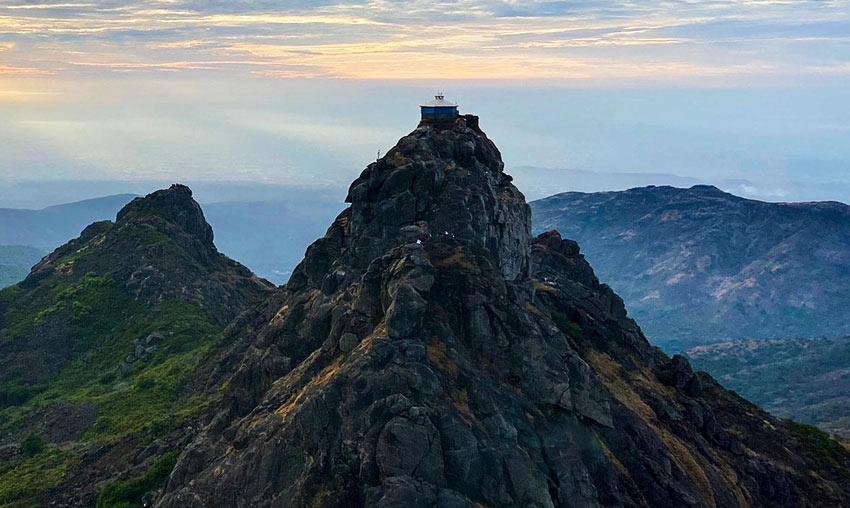
One of the most important features of Damodar Kund is its proximity to Girnar Hills. The mountain range is among Gujarat’s most significant religious destinations and is known for its ancient Jain and Hindu temples, pilgrimage routes and scenic mountain landscape.
The traditional steps leading towards Girnar begin near Damodar Kund. Pilgrims and trekkers often pass through this area before starting their journey towards the mountain’s temples and upper peaks.
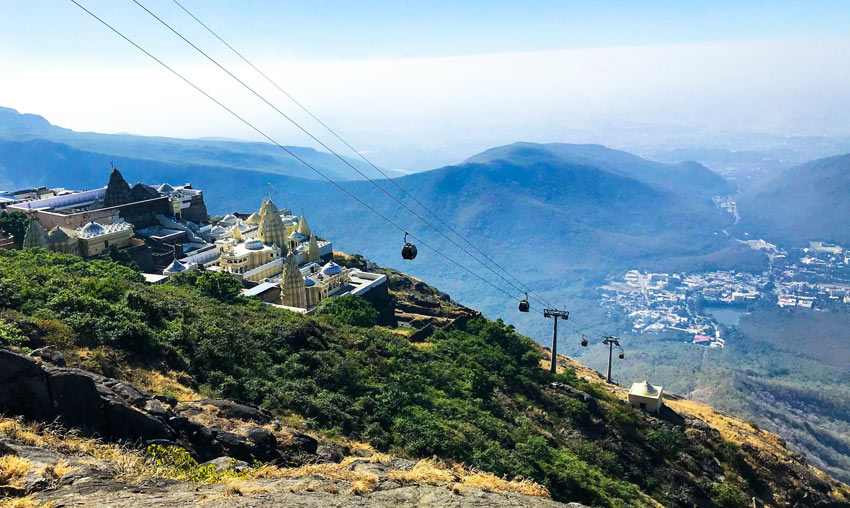
Visitors can explore the sacred Girnar Hills and learn about its historic temples, trekking routes and religious significance. The Girnar Ropeway is another option for reaching the area near Amba Mata Temple.
Best Time to Visit Damodar Kund
The best time to visit Damodar Kund is generally from October to March, when the weather in Junagadh is more comfortable for sightseeing and religious visits.
Winter Season (November to February)
Winter is a pleasant period for visiting Damodar Kund. The cooler weather makes it comfortable to explore the ghats, visit nearby temples and continue towards Girnar Hills.
Monsoon Season (July to September)
During the monsoon, the surrounding landscape becomes greener and the Girnar foothills look particularly scenic. However, visitors should take care around wet stone steps and check local conditions before travelling.
Summer Season (March to June)
Summer temperatures in Junagadh can become high, especially during the afternoon. Visitors planning a trip during this season should prefer early morning or late afternoon and carry drinking water.
Festivals and Religious Occasions at Damodar Kund
Damodar Kund is connected with several religious occasions and pilgrimage activities in the Girnar region. The surrounding temples and sacred landscape attract devotees during important Hindu festivals and traditional pilgrimage periods.
Janmashtami
Janmashtami celebrates the birth of Lord Krishna and is an important occasion for devotees associated with Krishna temples. The Damodarji tradition makes this festival particularly relevant to the religious atmosphere of the area.
Girnar Lili Parikrama
Girnar Lili Parikrama is a traditional pilgrimage in which devotees walk around the sacred Girnar mountain. It generally takes place during the Hindu month of Kartik, around November. The pilgrimage route passes through the wider Girnar foothills region, making Damodar Kund an important nearby religious landmark.
Bhavnath Fair and Maha Shivratri
The Bhavnath Mahadev Temple near Girnar Taleti hosts an important religious gathering around Maha Shivratri. Devotees and visitors travel to the area for prayers, traditional activities and the festival atmosphere.
Damodar Kund Timings and Entry Information
Damodar Kund is a religious water body located in the Girnar foothills. Visitors should check local conditions and temple arrangements before planning a visit, particularly if they intend to participate in religious ceremonies.
There is no single verified official visitor timetable available for the kund. Temple darshan hours and ritual arrangements may differ from general access to the surrounding area.
Visitors planning asthi visarjan or other religious ceremonies should enquire locally about the appropriate arrangements, priests and customary practices.
How to Reach Damodar Kund
Damodar Kund is located at the foothills of Girnar Hills near Junagadh city in Gujarat. It lies along the route towards Bhavnath and the Girnar pilgrimage area.
By Road
Junagadh is connected to several cities and towns in Gujarat through a network of state and national highways. Visitors can reach the city by state transport buses, private buses, taxis or personal vehicles. From Junagadh city, local auto-rickshaws and taxis are available to reach Damodar Kund.
By Train
Junagadh Railway Station is the nearest convenient railway station. The city is connected to different destinations across Gujarat through the railway network. From the station, visitors can hire an auto-rickshaw or taxi for the journey towards Girnar foothills.
By Air
Rajkot Airport is the nearest major regional airport option, located approximately 100 km from Junagadh. Visitors can continue the journey by road using taxis or other available transport services.
Damodar Kund Location
Address: Damodar Kund, Girnar Taleti Road, near Girnar Hills, Junagadh, Gujarat – 362001, India.
Places to Visit Near Damodar Kund
Damodar Kund is situated in an important religious and heritage area of Junagadh. Visitors can explore several nearby attractions to make their trip more interesting and memorable.
- Girnar Hills – A sacred mountain range famous for ancient Jain and Hindu temples, trekking routes and scenic views.
- Girnar Ropeway – A cable car journey offering access to the area near Amba Mata Temple.
- Bhavnath Mahadev Temple – An important Shiva temple near Girnar Taleti and a major pilgrimage destination.
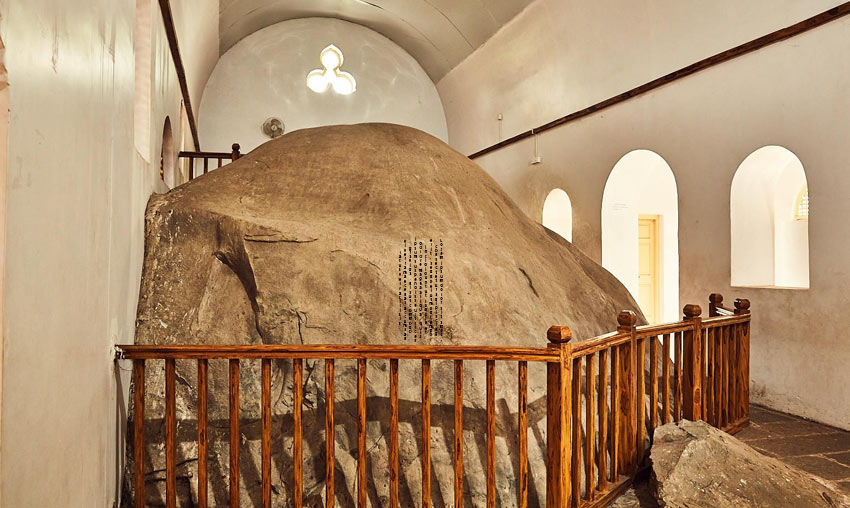
- Ashoka Rock Edicts – Historic inscriptions associated with Emperor Ashoka and ancient Junagadh.
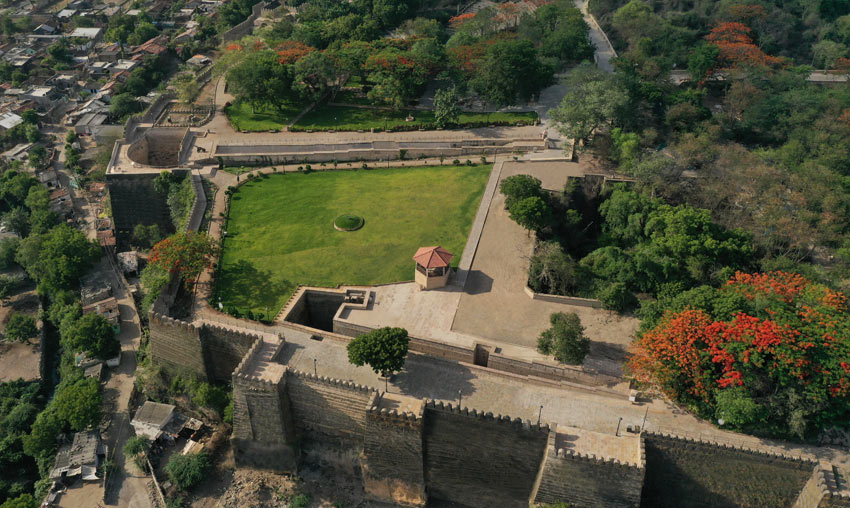
- Uparkot Fort – An ancient fortress known for its historic walls, stepwells and Buddhist caves.
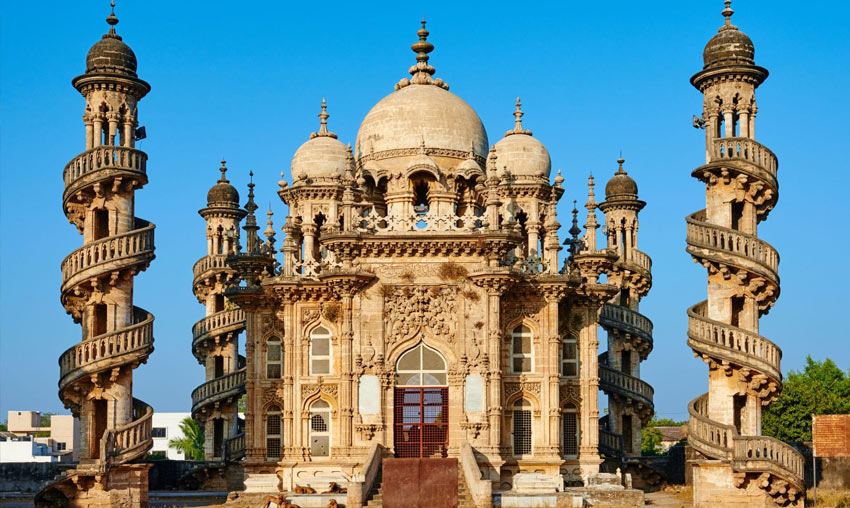
- Mahabat Maqbara – A remarkable mausoleum famous for its distinctive Indo-Islamic and Gothic architectural features.
- Sakkarbaug Zoological Garden – A well-known zoological park and wildlife attraction in Junagadh.
For a wider sightseeing plan, explore our complete Junagadh Travel Guide.
Travel Tips for Visiting Damodar Kund
- Visit during the cooler hours of the morning or late afternoon.
- Wear comfortable footwear suitable for walking around stone ghats and steps.
- Respect the religious significance of the kund and follow local customs.
- Dress modestly when visiting nearby temples and religious spaces.
- Do not disturb families performing asthi visarjan or other ceremonies.
- Ask permission before photographing religious rituals or people.
- Keep the water body and surrounding area clean.
- Take care around wet or uneven stone steps, especially during the monsoon.
- If planning a religious ceremony, enquire locally about the appropriate arrangements in advance.
- Combine your visit with Girnar Hills and Bhavnath Mahadev Temple for a wider pilgrimage experience.
Frequently Asked Questions About Damodar Kund
1. Where is Damodar Kund located?
Damodar Kund is located at the foothills of Girnar Hills near Junagadh city in Gujarat, India.
2. Why is Damodar Kund famous?
Damodar Kund is famous for its religious significance, sacred bathing traditions and asthi visarjan ceremonies performed by Hindu families.
3. What is the religious significance of Damodar Kund?
According to Hindu beliefs, Damodar Kund is a sacred water body where devotees perform religious bathing and ancestral rites. Many families believe that immersing the ashes of departed loved ones here helps their souls attain moksha.
4. What is the size of Damodar Kund?
According to the Junagadh District Administration, Damodar Kund is approximately 257 feet long, 50 feet wide and 5 feet deep. It is surrounded by a well-built ghat.
5. What is asthi visarjan at Damodar Kund?
Asthi visarjan is a Hindu funeral ritual in which the ashes and remaining bone fragments of a deceased person are immersed in sacred water. Damodar Kund is an important location for this ceremony in Gujarat.
6. Is Damodar Kund near Girnar Hills?
Yes. Damodar Kund is situated at the foothills of Girnar Hills. The traditional steps leading towards the mountain begin near the kund.
7. Is there an entry fee for Damodar Kund?
Visitors should confirm any applicable charges locally. Religious access and arrangements for ceremonies may be different from general sightseeing access.
8. What is the best time to visit Damodar Kund?
October to March is generally a comfortable period for visiting Damodar Kund because of the pleasant weather in Junagadh.
9. How much time is needed to visit Damodar Kund?
Gujarat Tourism suggests approximately one hour for exploring Damodar Kund. Visitors participating in religious ceremonies may need additional time.
10. Can Damodar Kund be visited along with Girnar Hills?
Yes. Damodar Kund is located near the Girnar foothills and is a natural addition to a sightseeing or pilgrimage trip covering Girnar Hills, Bhavnath Mahadev Temple and the Girnar Ropeway.
Damodar Kund is one of the most significant religious attractions in Junagadh, offering visitors a glimpse into the spiritual traditions and pilgrimage heritage of Gujarat. Its sacred water tank, traditional stone ghats and association with asthi visarjan make it an important destination for Hindu devotees.
Located at the foothills of Girnar Hills, the kund also serves as an important landmark for pilgrims beginning their journey towards the sacred mountain. Whether you are visiting for religious purposes or exploring the cultural heritage of Junagadh, Damodar Kund deserves a place on your travel itinerary.