Mahabat Maqbara, Junagadh – History, Architecture and Travel Guide
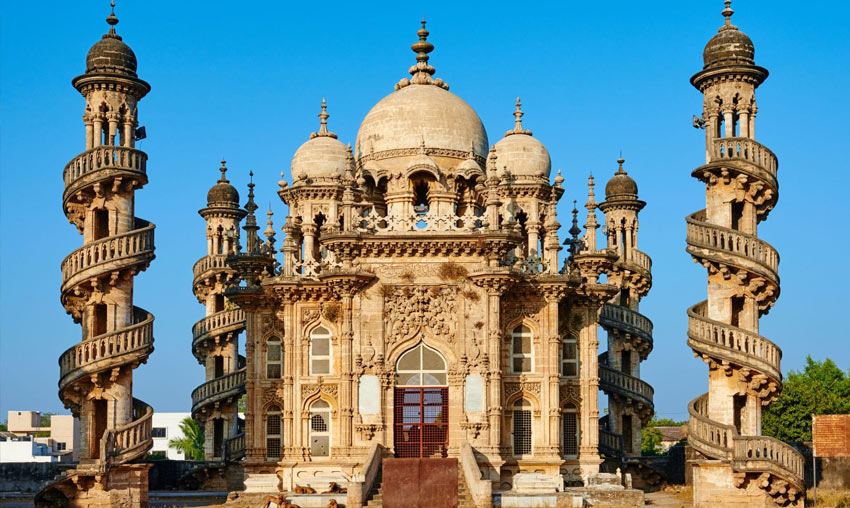
Mahabat Maqbara is one of the most beautiful and architecturally distinctive historical monuments in Junagadh, Gujarat. Located in the old part of the city, this remarkable 19th-century mausoleum is admired for its ornate domes, intricately carved stonework, elegant arches, French-style windows and striking minarets. Its unusual combination of Indo-Islamic, Gothic and European architectural influences makes it one of the most fascinating heritage attractions in the region.
Built during the Nawabi era of Junagadh, Mahabat Maqbara reflects the artistic taste and architectural ambitions of the former rulers of the princely state. The complex also includes the nearby Bahauddin Maqbara, another impressive mausoleum known for its distinctive spiral staircases winding around its minarets.
For travellers interested in history, architecture and photography, Mahabat Maqbara offers a memorable experience. Its detailed façades, decorative pillars and beautifully designed domes make it an important stop on a heritage tour of Junagadh.
Why Is Mahabat Maqbara Famous?
Mahabat Maqbara is famous for its unusual blend of Indian, Islamic, Gothic and European architectural elements. Unlike many traditional mausoleums, its design features elaborate stone carvings, decorative arches, onion-shaped domes, French-style windows and tall minarets.
The monument is particularly admired for its detailed exterior decoration and silver inner doors. Its neighbouring Bahauddin Maqbara is equally distinctive, featuring minarets with spiral staircases that wind around their exterior.
The two mausoleums together form one of Junagadh’s most recognisable architectural landmarks. Their design reflects the cultural influences and craftsmanship that flourished under the Nawabs of Junagadh during the late 19th century.
History of Mahabat Maqbara
The history of Mahabat Maqbara is closely connected with the Babi dynasty, which ruled the former princely state of Junagadh. Nawab Mahabat Khan II, who ruled Junagadh from 1851 to 1882, initiated the construction of the mausoleum in 1878.
The monument was completed in 1892 during the reign of his successor, Nawab Bahadur Khan III. It was built as the final resting place of Nawab Mahabat Khan II and became one of the most distinctive examples of royal architecture in Junagadh.
Beside Mahabat Maqbara stands another impressive mausoleum known as Bahauddin Maqbara or Wazir’s Maqbara. It was commissioned by Sheikh Bahauddin Hussain Bhar, the wazir or minister of the Nawab, and constructed between 1891 and 1896.
Both structures reflect the architectural creativity of the Nawabi period. Their unusual combination of Indo-Islamic design and European influences makes the complex an important part of Gujarat’s heritage.
Architecture of Mahabat Maqbara
The architecture of Mahabat Maqbara is its most striking feature. The monument combines traditional Islamic and Indian architectural elements with European Gothic influences, creating a distinctive visual appearance rarely seen in other historic buildings in Gujarat.
The yellowish-brown exterior is decorated with elaborate carvings, arches, columns, marble details and ornamental patterns. Its onion-shaped domes and tall vertical elements give the structure an impressive appearance.
1. Ornate Domes and Decorative Minarets
One of the first things visitors notice about Mahabat Maqbara is its impressive arrangement of domes and minarets. The structure features a prominent central dome surrounded by smaller domes and decorative architectural elements.
The minarets add height and elegance to the building, while their detailed decoration reflects the craftsmanship of the period. The combination of curved domes and tall vertical structures creates a distinctive skyline.
2. Gothic Architectural Influences
Mahabat Maqbara incorporates several European Gothic architectural features, including tall columns, elaborate arches and French-style windows. These elements give the monument a different character from conventional Islamic mausoleums.
The fusion of Gothic and Indo-Islamic styles demonstrates how architectural ideas from different traditions came together during the Nawabi period of Junagadh.
3. Intricate Stone Carvings
The exterior walls and arches are decorated with intricate stone carvings and ornamental patterns. Floral designs, decorative borders and carefully crafted details can be seen across different sections of the structure.
These carvings demonstrate the skill of the craftsmen who worked on the monument. Visitors interested in architectural photography will find plenty of details worth observing.
4. French-Style Windows and Arches
The French-style windows are among the most distinctive features of Mahabat Maqbara. Their tall proportions and decorative frames create an elegant appearance, while the arches add to the monument’s architectural character.
These European-inspired elements blend with traditional Indian and Islamic details to create the building’s unique identity.
5. Silver Doors and Marble Details
The monument is also known for its decorative silver inner doors and fine marble details. Marble columns, latticework, tracery and decorative panels contribute to the rich appearance of the mausoleum.
These details reflect the attention given to both the exterior and interior decoration of the structure.
Bahauddin Maqbara – The Neighbouring Mausoleum
Located next to Mahabat Maqbara, Bahauddin Maqbara is another important heritage structure in Junagadh. Also known as Wazir’s Maqbara, it was built for Sheikh Bahauddin Hussain Bhar, who served as a minister in the court of the Nawabs.
Construction of Bahauddin Maqbara took place between 1891 and 1896. Its architecture complements the neighbouring Mahabat Maqbara, but it has several distinctive features of its own.
The most striking feature is its four decorative minarets, which have spiral staircases winding around their exterior. These unusual staircases give the monument a remarkable appearance and make it one of the most photographed heritage structures in Junagadh.
The mausoleum also features ornate domes, carved stone façades, arches and decorative details. Together, Mahabat Maqbara and Bahauddin Maqbara form an outstanding example of the city’s late 19th-century architectural heritage.
Jama Masjid Near Mahabat Maqbara
Jama Masjid is located close to the Mahabat Maqbara complex and is another interesting architectural landmark in this part of Junagadh. The mosque features traditional Islamic architectural elements and decorative details that complement the surrounding historic buildings.
Its proximity makes it a worthwhile addition to a heritage walk around Mahabat Maqbara. Visitors should respect the religious character of the mosque and follow local guidelines when entering its premises.
Photography at Mahabat Maqbara
Mahabat Maqbara is one of the most photogenic historical monuments in Junagadh. Its decorative domes, carved façades, arches and spiral minarets provide excellent subjects for architectural photography.
The changing natural light throughout the day highlights different details of the building. Late afternoon is particularly attractive for exterior photography, when warm sunlight brings out the textures and colours of the stonework.
Best Photography Spots
- Front View: Capture the overall composition of the mausoleum, including its domes and decorative façade.
- Minaret Details: Focus on the unusual spiral staircases around the Bahauddin Maqbara minarets.
- Architectural Close-ups: Photograph the intricate stone carvings, arches, columns and window designs.
- Wide-angle View: Include both mausoleums in a single composition to show the scale of the complex.
- Golden-hour Photography: Visit during late afternoon for warm natural light and attractive exterior photographs.
Visitors should respect the religious and historical character of the site and follow any photography restrictions imposed by the authorities.
Best Time to Visit Mahabat Maqbara
The best time to visit Mahabat Maqbara is generally from October to March, when the weather in Junagadh is more comfortable for sightseeing and exploring the city’s historical attractions.
Winter Season (November to February)
Winter is an ideal period for visiting Mahabat Maqbara. Pleasant temperatures make it comfortable to walk around the complex, admire its architecture and explore nearby heritage attractions.
Monsoon Season (July to September)
During the monsoon, the surrounding landscape becomes greener and the weather may feel more pleasant. However, rain can affect outdoor sightseeing and photography conditions.
Summer Season (March to June)
Summer temperatures in Junagadh can become high, especially during the afternoon. Visitors planning a trip during this season should consider visiting in the morning or late afternoon.
Mahabat Maqbara Timings and Entry Information
Mahabat Maqbara is a heritage monument in the centre of Junagadh. Visitors can admire its exterior architecture, but access to the interiors may be restricted and can depend on local arrangements and permission from the authorities.
Some tourism information sources list general visiting hours of 6:00 AM to 8:00 PM. However, these hours should not be treated as a guarantee of interior access. Visitors should confirm the current arrangements locally before planning their visit.
The adjoining Jama Masjid may be relevant for enquiries about access to the mausoleum’s interior. Visitors should ask respectfully and follow the instructions of the mosque authorities.
Entry arrangements and any applicable charges should be confirmed locally. Do not assume that interior access is available throughout the day.
How to Reach Mahabat Maqbara
Mahabat Maqbara is located in the old city area of Junagadh, Gujarat. Its central location makes it convenient to reach from the railway station, bus stand and other parts of the city.
By Road
Junagadh is connected to several cities and towns in Gujarat through state highways and regional road networks. Visitors can reach the city by state transport buses, private buses, taxis or personal vehicles. From the city centre, auto-rickshaws and local taxis can take visitors to Mahabat Maqbara.
By Train
Junagadh Railway Station is the nearest convenient railway station. The monument is located approximately 1 km from the station, making it accessible by auto-rickshaw, taxi or a short walk, depending on your starting point.
By Air
Rajkot Airport is one of the regional airport options for visitors travelling to Junagadh. It is approximately 100–105 km away by road, depending on the route. Keshod Airport may also be an option depending on flight availability.
Monument Location
Address: Mahabat Maqbara, Mullawada, Junagadh, Gujarat – 362001, India.
Places to Visit Near Mahabat Maqbara
Junagadh has several historical, religious and natural attractions that can be explored along with Mahabat Maqbara. Visitors can plan a heritage-focused sightseeing trip to discover more of the city’s cultural history.
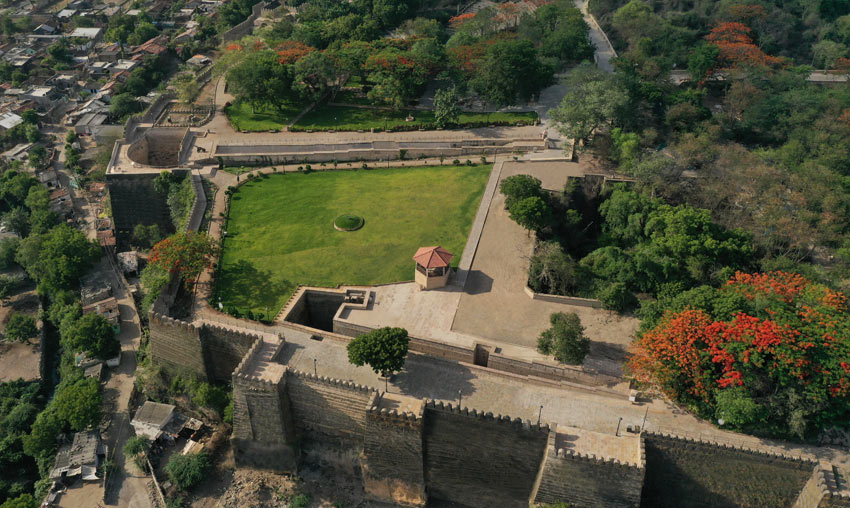
- Uparkot Fort – An ancient fortress known for its massive walls, historic gateways, stepwells and Buddhist caves.
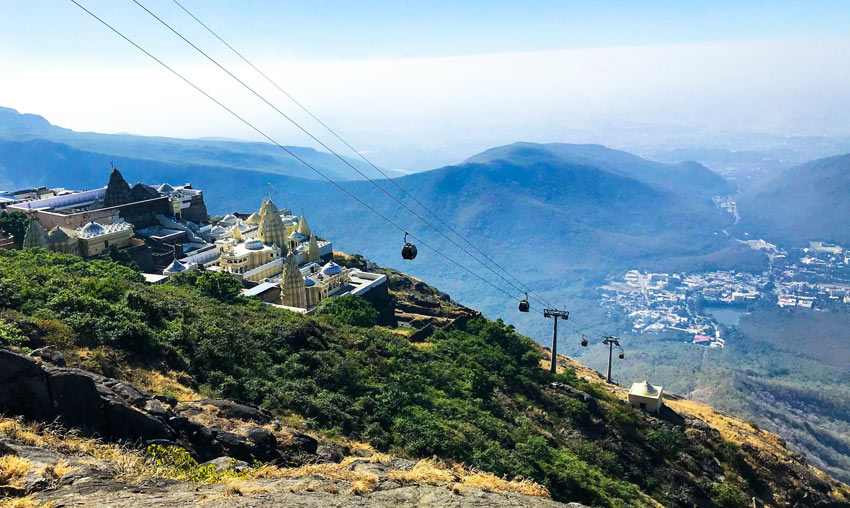
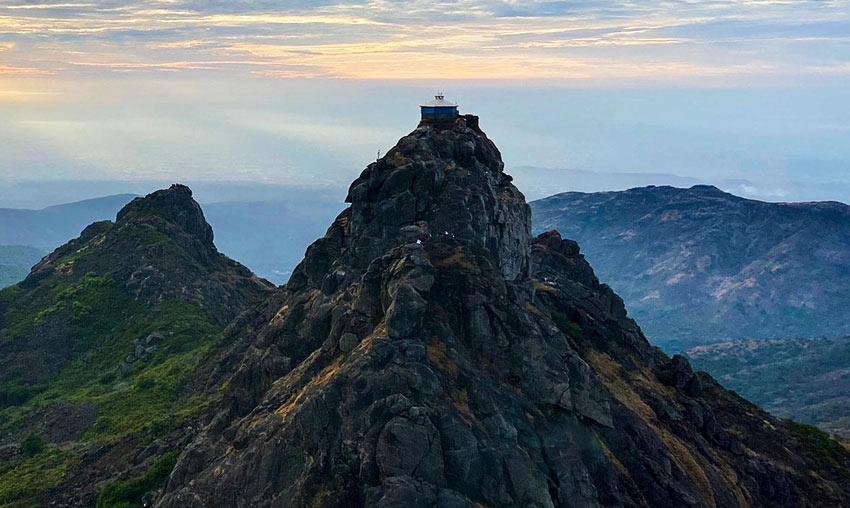
- Girnar Hills – A sacred mountain range famous for its temples, pilgrimage routes and scenic landscapes.
- Girnar Ropeway – A scenic cable car journey offering access to the area near Amba Mata Temple.
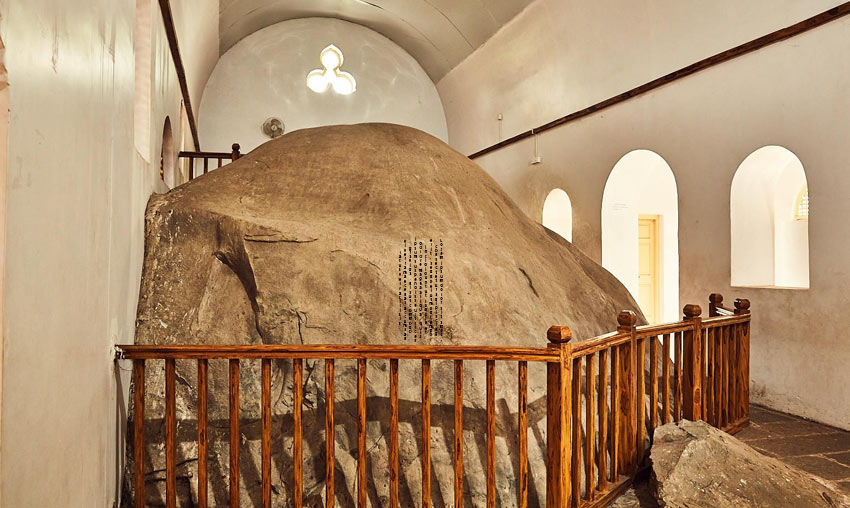
- Ashoka Rock Edicts – Ancient inscriptions associated with Emperor Ashoka.
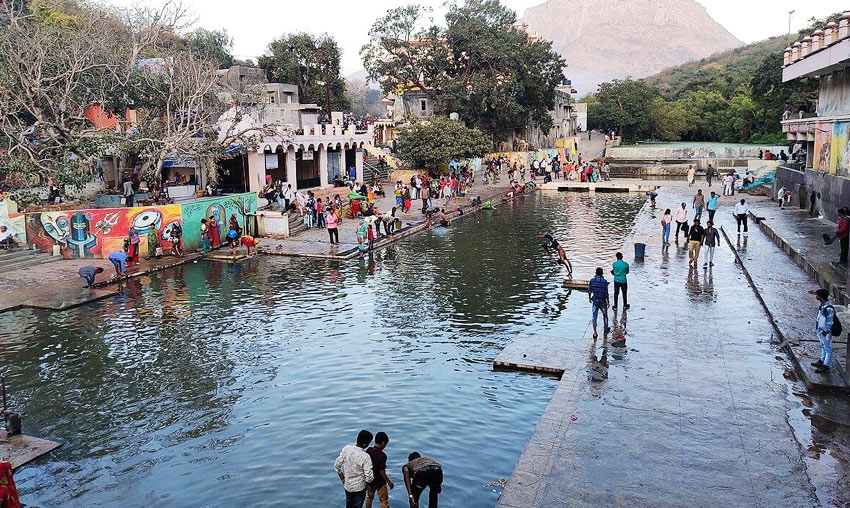
- Damodar Kund – A sacred water body near the foothills of Girnar.
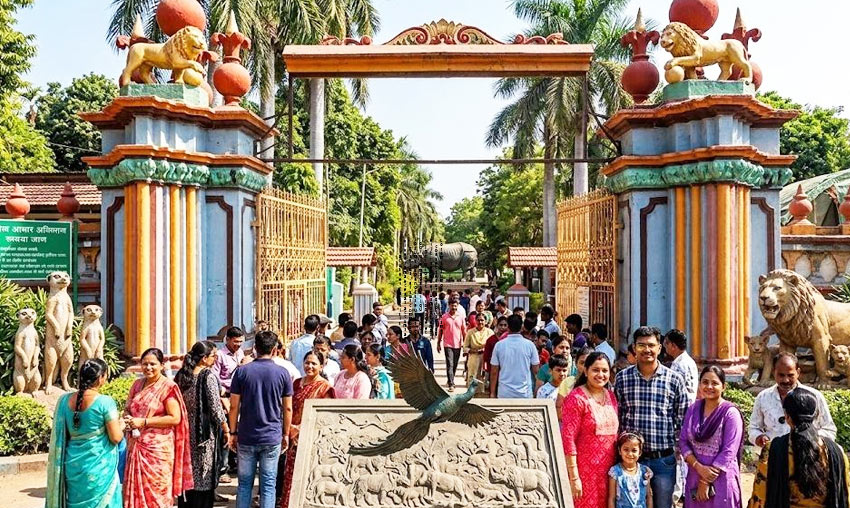
- Sakkarbaug Zoological Garden – A well-known zoological park and wildlife attraction in Junagadh.
- Bhavnath Mahadev Temple – An important Shiva temple near Girnar Taleti.
For a complete sightseeing plan, explore our Junagadh Travel Guide.
Travel Tips for Visiting Mahabat Maqbara
- Visit during the morning or late afternoon for comfortable sightseeing and attractive natural light.
- Allow around 30 to 60 minutes to admire the exterior and explore the surrounding heritage area.
- Check local access arrangements if you want to see the interior of the mausoleum.
- Dress respectfully because the complex is a religious and funerary site.
- Wear comfortable footwear for walking around the monument.
- Carry drinking water, especially during the warmer months.
- Ask permission before entering restricted areas or photographing people.
- Respect the adjoining mosque and avoid disturbing prayers or religious activities.
- Combine your visit with Uparkot Fort and other historical attractions in Junagadh.
- Do not touch or damage the decorative carvings and historic architectural features.
Frequently Asked Questions About Mahabat Maqbara
1. Where is Mahabat Maqbara located?
Mahabat Maqbara is located in Mullawada in the old city area of Junagadh, Gujarat, India.
2. Who built Mahabat Maqbara?
Nawab Mahabat Khan II initiated its construction in 1878. The monument was completed in 1892 during the reign of Nawab Bahadur Khan III.
3. When was Mahabat Maqbara completed?
Mahabat Maqbara was completed in 1892 after construction began in 1878.
4. Who is buried in Mahabat Maqbara?
The mausoleum houses the grave of Nawab Mahabat Khan II of Junagadh.
5. What is Mahabat Maqbara famous for?
Mahabat Maqbara is famous for its unusual blend of Indo-Islamic, Gothic and European architectural styles, ornate domes, French-style windows, intricate carvings and decorative doors.
6. What is Bahauddin Maqbara?
Bahauddin Maqbara, also known as Wazir’s Maqbara, is the neighbouring mausoleum built for Sheikh Bahauddin Hussain Bhar. It is particularly famous for its minarets with exterior spiral staircases.
7. What is the best time to visit Mahabat Maqbara?
October to March is generally the most comfortable period for visiting. Late afternoon is also a good time for viewing and photographing the exterior architecture.
8. Is there an entry fee for Mahabat Maqbara?
Entry arrangements and charges should be confirmed locally. Visitors may be able to view the exterior without entering the mausoleum, while interior access can require permission.
9. Can visitors enter the interior of Mahabat Maqbara?
Interior access may be restricted. Visitors should enquire with the relevant local authorities or the adjoining Jama Masjid authorities and follow their instructions.
10. How much time is required to visit Mahabat Maqbara?
Approximately 30 to 60 minutes is usually sufficient to admire the exterior architecture and explore the surrounding complex. Visitors with a special interest in photography and architectural details may spend longer.
11. Is Mahabat Maqbara suitable for photography?
Yes. The monument is one of Junagadh’s most photogenic heritage landmarks, with detailed carvings, domes, arches and distinctive minarets. Visitors should follow any local photography restrictions.
Conclusion
Mahabat Maqbara is one of the most extraordinary architectural landmarks in Junagadh. Built during the Nawabi period, this historic mausoleum showcases a fascinating combination of Indo-Islamic, Gothic and European influences through its elaborate domes, carved stone façades, decorative arches and distinctive minarets.
The neighbouring Bahauddin Maqbara adds further architectural interest, making the complex an important destination for heritage lovers, photographers and history enthusiasts.
Whether you are exploring the royal history of Junagadh or discovering the city’s remarkable monuments, Mahabat Maqbara deserves a place on your Gujarat travel itinerary.
Nearby Places to Visit