Adi Kadi Vav, Junagadh – History, Architecture & Travel Guide
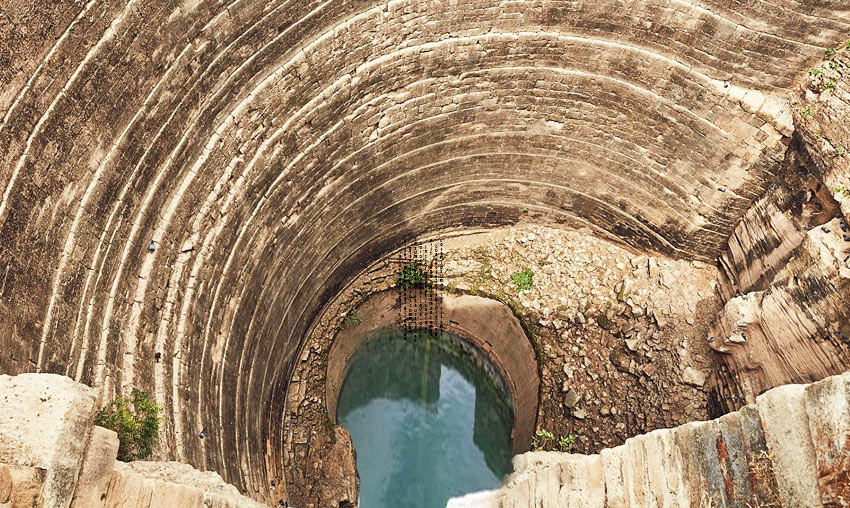
Located inside the historic Uparkot Fort in Junagadh, Gujarat, Adi Kadi Vav is one of the region’s most fascinating examples of ancient water architecture. Unlike conventional stepwells built using stone blocks and masonry, this remarkable structure was carved directly into solid rock. A long, narrow staircase descends deep into the ground, leading visitors towards the well shaft.
Known for its unusual construction, historical importance and local legends, Adi Kadi Vav is an important heritage attraction for visitors exploring Junagadh. Its impressive rock-cut design also makes it a distinctive example of traditional water conservation architecture in Gujarat.
About Adi Kadi Vav
Adi Kadi Vav is a historic stepwell situated within the boundaries of Uparkot Fort, one of the oldest heritage sites in Junagadh. It is believed to have been constructed in the 15th century and is carved entirely out of hard rock.
The most striking feature of the stepwell is its long flight of narrow stone steps, which descends through the rock towards the well shaft. The structure was created by removing rock from the natural formation rather than assembling separate architectural elements. This makes it quite different from many other traditional stepwells found across Gujarat.
Adi Kadi Vav reflects the importance of water storage in earlier times, particularly in regions where communities needed reliable sources of water during dry seasons and prolonged periods without rainfall.
History of Adi Kadi Vav
The history of Adi Kadi Vav is closely connected with the historical development of Uparkot Fort and Junagadh. The Gujarat Tourism Department and Junagadh District Administration describe the stepwell as a 15th-century structure. It was created by cutting through hard rock to reach a water source deep below the ground.
Stepwells played an important role in the daily lives of people in Gujarat. They were designed to provide access to groundwater while also serving as practical community spaces. Their construction required considerable planning, engineering knowledge and an understanding of the local landscape.
Adi Kadi Vav is particularly notable because its staircase and well structure were carved directly into the natural rock. The design demonstrates how earlier builders adapted architecture to the geological conditions of the region.
The Legend Behind the Name Adi Kadi Vav
One of the most interesting aspects of Adi Kadi Vav is the local legend associated with its name. According to a popular story, when workers were digging the well, they struggled to find water despite excavating deep into the hard rock. A royal priest reportedly suggested that water would appear only after the sacrifice of two unmarried girls named Adi and Kadi.
Another version of the story suggests that Adi and Kadi were two royal maidservants who regularly collected water from the stepwell. The well is said to have been named in their memory.
These stories are part of local folklore and should be understood as legends rather than established historical facts. A tree near the stepwell is traditionally associated with the memory of the two girls, and visitors may notice cloth and bangles hanging from it.
Architecture of Adi Kadi Vav
The architecture of Adi Kadi Vav is its greatest attraction. Most traditional stepwells in Gujarat were constructed using stone blocks, pillars, platforms and decorative architectural elements. Adi Kadi Vav follows a different approach, as the structure was excavated directly into a large formation of hard rock.
1. Rock-Cut Construction
The entire stepwell is carved out of solid rock. Instead of constructing walls and supporting columns separately, the builders removed sections of rock to create the staircase and the well passage. This method gives the structure its distinctive appearance.
2. Long Flight of Stone Steps
A narrow staircase descends through the rock towards the well shaft. The Junagadh District Administration and Gujarat Tourism describe approximately 120 steps leading down into the structure. The staircase creates a dramatic view and allows visitors to experience the depth of the ancient stepwell.
3. Deep Well Shaft
The staircase leads towards a deep well shaft that was designed to provide access to groundwater. The depth and rock-cut construction highlight the practical engineering knowledge used by builders in earlier centuries.
4. Simple Yet Remarkable Design
Unlike highly decorated stepwells with elaborate carvings, balconies and ornamental pillars, Adi Kadi Vav is admired for its relatively simple appearance and unusual construction technique. Its beauty lies in the scale of excavation and the way the staircase follows the natural rock formation.
Why Is Adi Kadi Vav Famous?
Adi Kadi Vav is famous for several reasons:
- It is a historic stepwell located inside Uparkot Fort in Junagadh.
- The structure is carved directly into solid rock.
- It features a long and narrow staircase descending towards the well shaft.
- It is associated with the local legends of Adi and Kadi.
- It represents the traditional water conservation practices of Gujarat.
- It offers an interesting example of ancient rock-cut engineering.
Things to See at Adi Kadi Vav
1. The Rock-Cut Staircase
The staircase is the most recognisable feature of Adi Kadi Vav. Visitors can observe how the steps have been carved into the hard rock, creating a narrow passage that gradually descends towards the well.
2. The Deep Well Passage
The descending passage offers a closer look at the scale of the excavation. The rock walls and enclosed setting make the stepwell architecturally different from many other historic water structures.
3. The Traditional Memory Tree
A tree near the stepwell is traditionally connected with the story of Adi and Kadi. Local customs associated with the legend have made this spot an interesting part of the site’s cultural identity.
4. Heritage Surroundings of Uparkot Fort
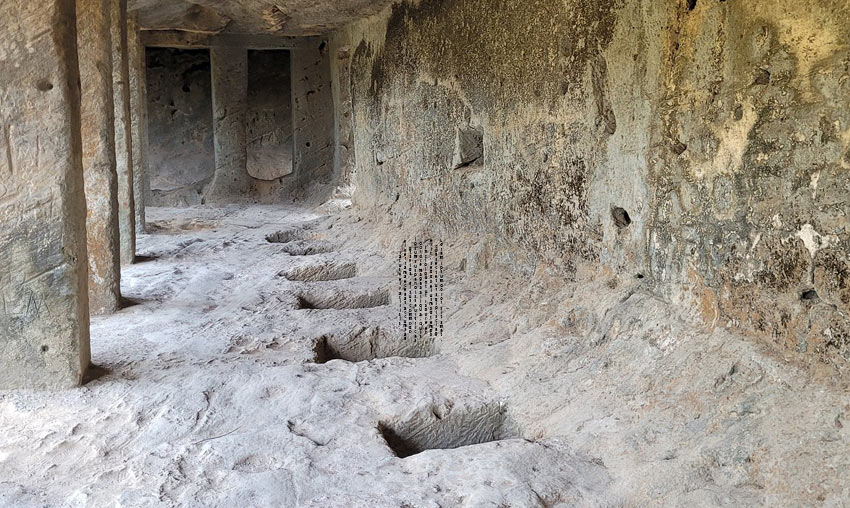
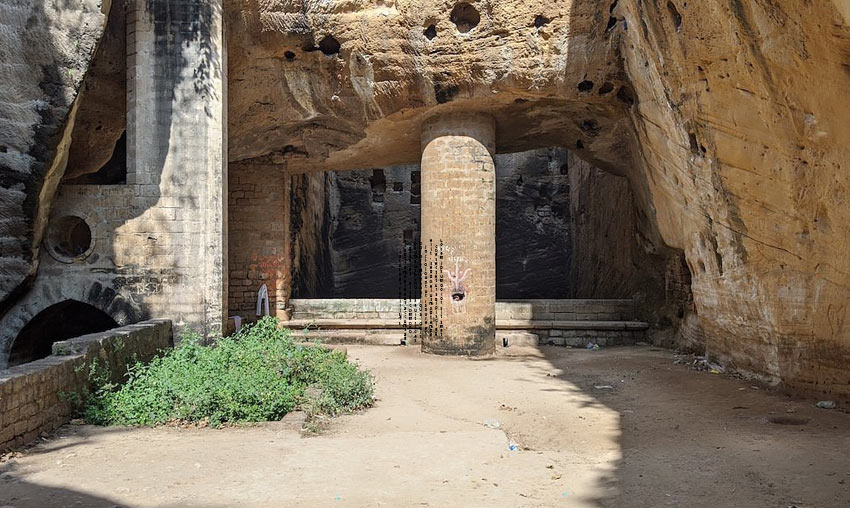
Adi Kadi Vav is located within Uparkot Fort, which contains several other historic attractions. Visitors can explore the fort’s old walls, gateways, Navghan Kuvo, Buddhist caves and other heritage structures during the same visit.
Best Time to Visit Adi Kadi Vav
The best time to visit Adi Kadi Vav is between October and March, when the weather in Junagadh is generally more comfortable for sightseeing. During these months, visitors can explore Uparkot Fort and its historic monuments without the intense heat of summer.
Morning and late afternoon are generally preferable for exploring the fort. Visitors planning to explore the staircase should allow enough time and avoid rushing through the narrow passage.
Adi Kadi Vav Timings and Entry Fee
Adi Kadi Vav is situated inside Uparkot Fort, so access is generally linked to the fort’s visitor arrangements. Opening hours, ticket prices and access restrictions may change due to maintenance, restoration work or administrative decisions.
Visitors should confirm the latest timings and entry fee at the Uparkot Fort entrance or through the official tourism information before planning their visit. Do not rely on old online ticket prices or timings as guaranteed current information.
How to Reach Adi Kadi Vav
Adi Kadi Vav is located inside Uparkot Fort in Junagadh, Gujarat. Visitors first need to reach Junagadh and then travel to the fort entrance. From there, the stepwell can be explored on foot.
By Road
Junagadh is connected to several major towns and cities in Gujarat through state highways and other road routes. State transport buses, private buses, taxis and personal vehicles can be used to reach the city. Local auto-rickshaws and taxis are convenient options for travelling to Uparkot Fort.
By Train
Junagadh Railway Station connects the city with railway destinations in Gujarat and other parts of India. From the railway station, visitors can hire an auto-rickshaw or taxi to reach Uparkot Fort.
By Air
Rajkot Airport is one of the commonly used airport options for reaching Junagadh. Visitors can continue their journey by road from the airport. Check current flight availability and road travel arrangements before departure.
Travel Tips for Visiting Adi Kadi Vav
- Wear comfortable footwear with a good grip while exploring the fort.
- The staircase is narrow and involves a descent and climb, so take your time.
- Be careful on the steps, particularly if the stone surface is damp or slippery.
- Visitors with mobility difficulties, knee problems or balance concerns should assess the staircase before attempting to descend.
- Carry drinking water, especially during warmer months.
- Avoid littering and help preserve the historic monument.
- Follow local instructions and respect any restricted areas.
- Combine the visit with Navghan Kuvo and other attractions inside Uparkot Fort.
Nearby Places to Visit in Junagadh
After exploring Adi Kadi Vav, visitors can discover several other historical, cultural and religious attractions in Junagadh. Many of these places can be included in the same sightseeing itinerary.
1. Uparkot Fort
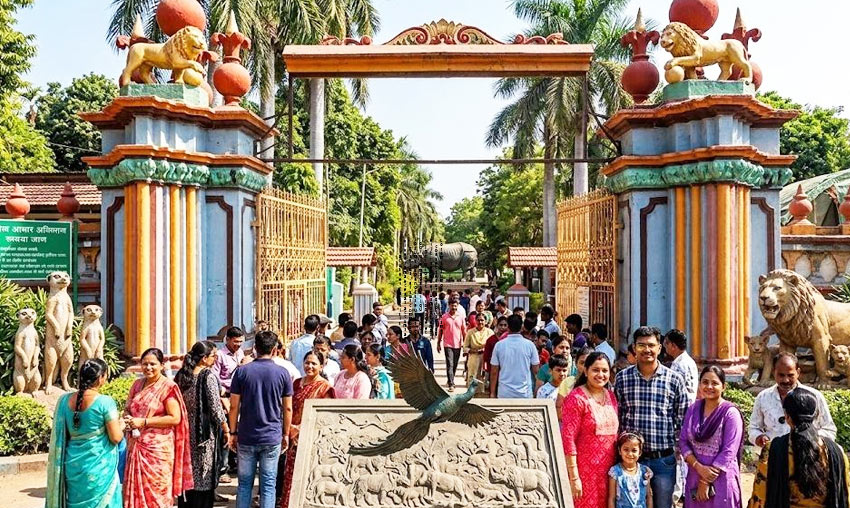
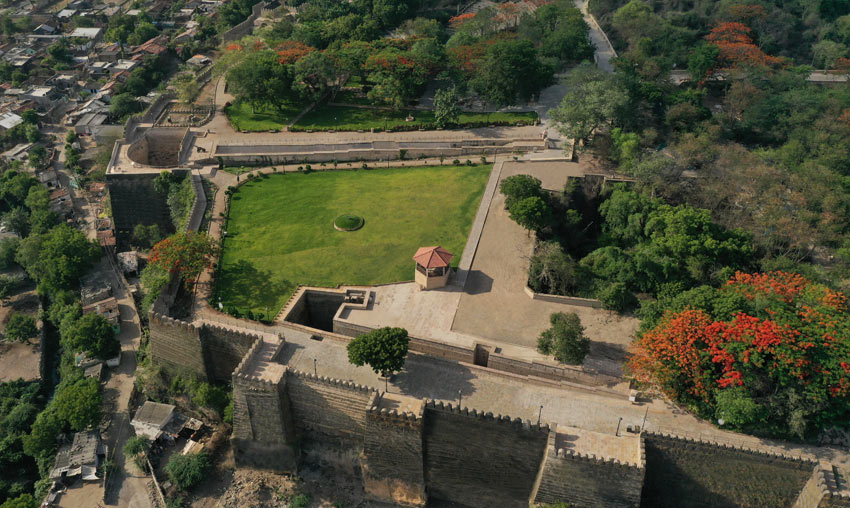
Uparkot Fort is an ancient citadel known for its historic walls, gateways, stepwells, caves and remarkable heritage structures. Adi Kadi Vav is one of its most interesting attractions.
2. Navghan Kuvo
Navghan Kuvo is another remarkable ancient well inside Uparkot Fort. It is known for its deep structure and distinctive spiral staircase carved around the well shaft.
3. Buddhist Caves
The Buddhist caves of Junagadh are important rock-cut heritage sites that provide insight into the region’s ancient religious and architectural history.
4. Girnar Hills
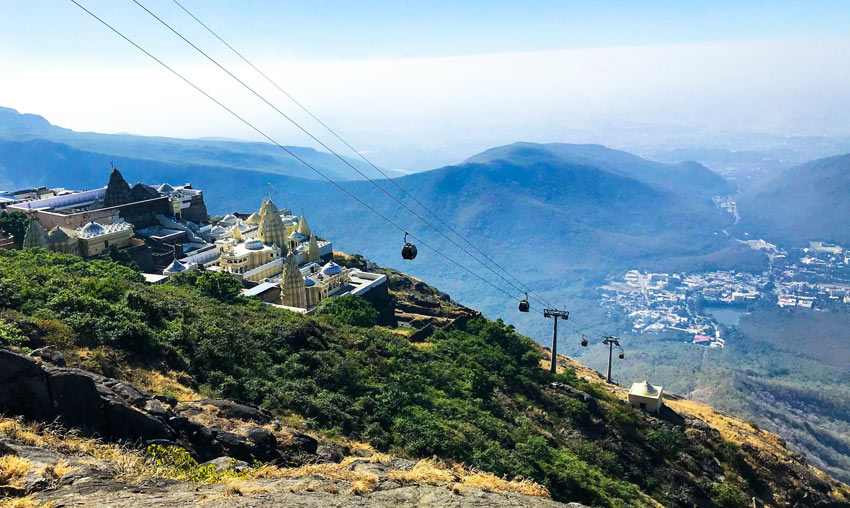
Girnar Hills is a major pilgrimage and nature destination near Junagadh. The mountain is known for its temples, trekking routes, scenic surroundings and religious significance.
5. Mahabat Maqbara
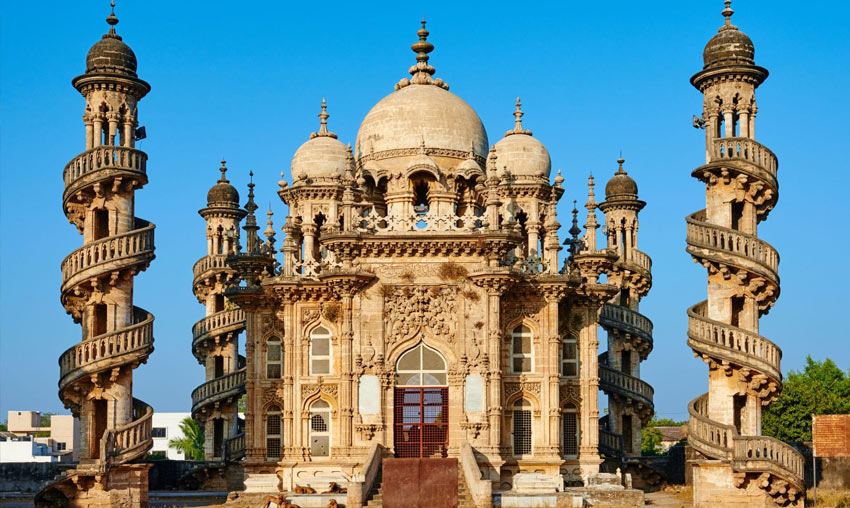
Mahabat Maqbara is one of Junagadh’s most distinctive architectural landmarks, recognised for its elaborate stonework, domes, minarets and Indo-Islamic and European architectural influences.
6. Ashoka Rock Edicts
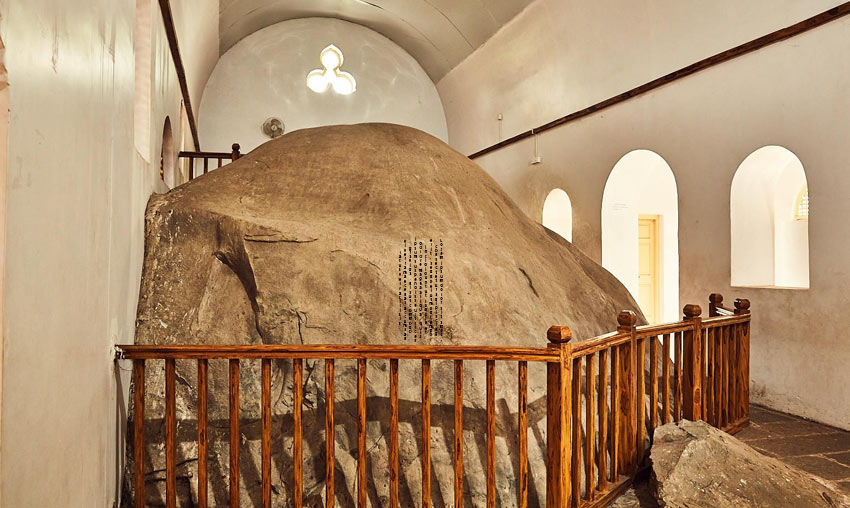
The Ashoka Rock Edicts are important historical inscriptions associated with Emperor Ashoka. They offer valuable insight into ancient Indian history and the spread of Buddhist principles.
Suggested Junagadh Sightseeing Itinerary
Visitors interested in history and architecture can plan a heritage-focused sightseeing trip around Uparkot Fort and other nearby attractions.
- Start with Uparkot Fort and explore its historic entrance and fort walls.
- Visit Adi Kadi Vav and observe its impressive rock-cut staircase.
- Explore the nearby Navghan Kuvo.
- Discover the Buddhist caves and other heritage structures within the fort.
- Continue towards Mahabat Maqbara and the Ashoka Rock Edicts if time permits.
- Plan a separate visit to Girnar Hills for its temples, viewpoints and trekking experience.
Frequently Asked Questions About Adi Kadi Vav
1. Where is Adi Kadi Vav located?
Adi Kadi Vav is located inside Uparkot Fort in Junagadh, Gujarat, India.
2. Why is Adi Kadi Vav famous?
Adi Kadi Vav is famous for its unusual construction. It is carved directly into solid rock and features a long staircase descending towards a deep well shaft.
3. When was Adi Kadi Vav built?
The Junagadh District Administration and Gujarat Tourism describe Adi Kadi Vav as a 15th-century stepwell.
4. How many steps are there in Adi Kadi Vav?
Official tourism descriptions commonly mention approximately 120 steps leading down through the rock. Figures may differ across other sources and descriptions.
5. Who were Adi and Kadi?
Local legends connect the name of the stepwell with two girls named Adi and Kadi. One version describes them as royal maidservants, while another tells a story of sacrifice. These accounts are local legends rather than verified historical records.
6. What makes Adi Kadi Vav different from other stepwells?
Unlike many stepwells constructed using separate stone blocks and pillars, Adi Kadi Vav was carved directly into hard rock. Its staircase and well passage are part of the natural rock formation.
7. Can Adi Kadi Vav be visited along with Uparkot Fort?
Yes. Adi Kadi Vav is located within Uparkot Fort, making it convenient to explore the stepwell along with Navghan Kuvo, the Buddhist caves and other fort attractions.
8. What is the best time to visit Adi Kadi Vav?
October to March is generally a comfortable period for exploring Adi Kadi Vav and other outdoor attractions in Junagadh.
9. Is Adi Kadi Vav suitable for elderly visitors?
The stepwell has a long, narrow staircase. Elderly visitors and people with mobility or balance difficulties should be cautious and may prefer viewing the structure without descending.
10. How much time is needed to visit Adi Kadi Vav?
The time required depends on how much of the stepwell and surrounding fort visitors wish to explore. Allow additional time if you plan to visit Navghan Kuvo and the other attractions inside Uparkot Fort.
Adi Kadi Vav is a remarkable historical attraction that showcases the engineering skills and water conservation practices of earlier times. Its rock-cut staircase, deep well passage and fascinating local legends make it a memorable destination for history enthusiasts, architecture lovers and travellers exploring Junagadh.
Located within Uparkot Fort, the stepwell can easily be included in a heritage sightseeing itinerary along with Navghan Kuvo, the Buddhist caves and other historic landmarks. A visit to Adi Kadi Vav offers an opportunity to appreciate the architectural ingenuity and cultural heritage of Gujarat.
To discover more attractions, historical landmarks and travel experiences in the region, explore our complete Junagadh Travel Guide.