Buddhist Caves, Junagadh – History, Architecture & Travel Guide
The Buddhist Caves of Junagadh are among the most fascinating examples of ancient rock-cut architecture in Gujarat. Located around the historic Uparkot area, these archaeological sites reflect the region’s connection with Buddhism and the monastic traditions that flourished in western India centuries ago.
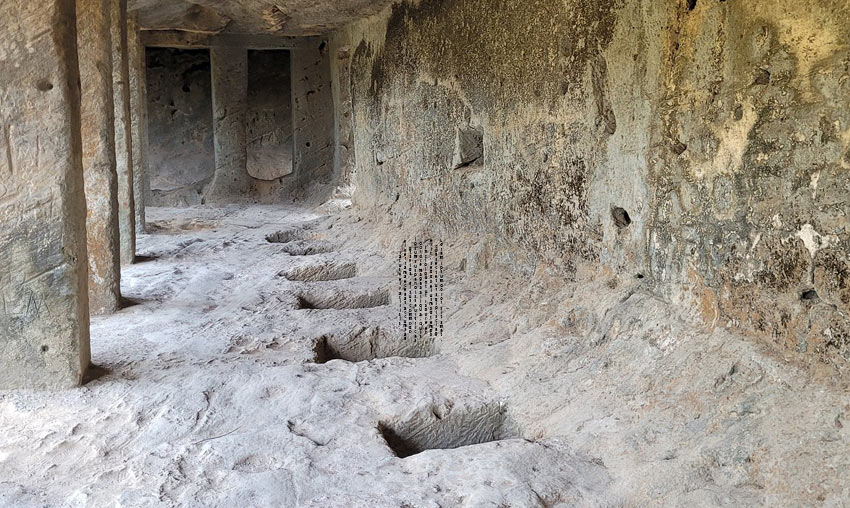
Rather than natural caves, these structures are groups of rooms, halls and living quarters carved directly into rock. They were used by Buddhist monks for accommodation, meditation and other monastic activities. The cave groups are admired for their rock-cut chambers, carved pillars, water facilities and architectural details.
The major Buddhist cave groups associated with Junagadh include Khapra Kodiya Caves, Baba Pyare Caves and the Uparkot Buddhist Caves. Together, they form an important part of the city’s ancient heritage and make Junagadh an interesting destination for history lovers, archaeology enthusiasts and travellers exploring Gujarat.
About Buddhist Caves in Junagadh
The Buddhist Caves of Junagadh are ancient monastic complexes carved into rocky hillsides and formations around the city. These structures provide evidence of the presence of Buddhist communities in the Saurashtra region during the early centuries of the Common Era and possibly earlier periods.
The caves were designed as practical living spaces for monks. Depending on the cave group, they contain small chambers, larger halls, rock-cut pillars, passages and water storage facilities. Their simple yet functional architecture reflects the requirements of monastic life.
Gujarat has several important Buddhist archaeological sites, and Junagadh is one of the significant centres within the state’s Buddhist heritage circuit. The city’s ancient rock-cut monuments also demonstrate the development of early architectural and stone-carving traditions in western India.
History of Buddhist Caves in Junagadh
The Buddhist cave complexes of Junagadh are generally associated with the early centuries of the Common Era, although individual groups have different dates and historical interpretations. Their development reflects the spread of Buddhism and the growth of monastic communities in the Saurashtra region.
The region’s Buddhist history is also connected with Emperor Ashoka, whose famous rock edicts are located near Girnar in Junagadh. These inscriptions provide important evidence of Ashoka’s association with the region and his promotion of Dhamma.
The Khapra Kodiya Caves are traditionally associated with the Mauryan period and the time of Ashoka, although some official tourism descriptions place their surviving remains in the 3rd–4th century AD. Other cave groups, including Baba Pyare and Uparkot, have their own architectural and chronological characteristics.
These caves were used as monastic spaces where Buddhist monks could live, meditate and spend the rainy season. Over time, changes in living conditions, structural deterioration and environmental factors affected some of the complexes.
Major Buddhist Cave Groups in Junagadh
Junagadh is associated with three important groups of Buddhist rock-cut monuments. Each group has its own architectural character and historical importance.
1. Khapra Kodiya Caves
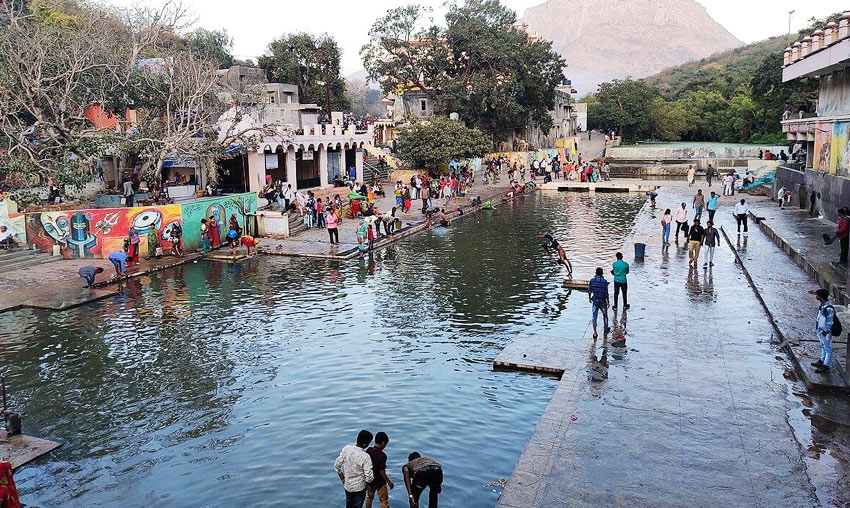
The Khapra Kodiya Caves are among the oldest and most historically significant Buddhist cave groups in Junagadh. They are located near the northern side of Uparkot Fort, close to the area historically associated with Sudarshan Lake.
These caves are relatively simple compared with other rock-cut Buddhist monuments in the region. Their layout includes a rectangular western section and an L-shaped wing, which is believed to have served as shelter for monks during the rainy season.
The chambers were carved directly into living rock. The complex is traditionally associated with the early Buddhist monastic settlement of Junagadh and the period of Emperor Ashoka.
Over the centuries, cracks developed in the rock above the living quarters, allowing rainwater to seep into the chambers. This made the accommodation difficult to use, and the caves were eventually abandoned. Later quarrying also damaged parts of the site, leaving only sections of the original complex visible today.
2. Baba Pyare Caves
The Baba Pyare Caves are another important group of Buddhist rock-cut monuments in Junagadh. Located in the Uparkot area, these caves are known for their more elaborate architectural features compared with the relatively plain Khapra Kodiya complex.
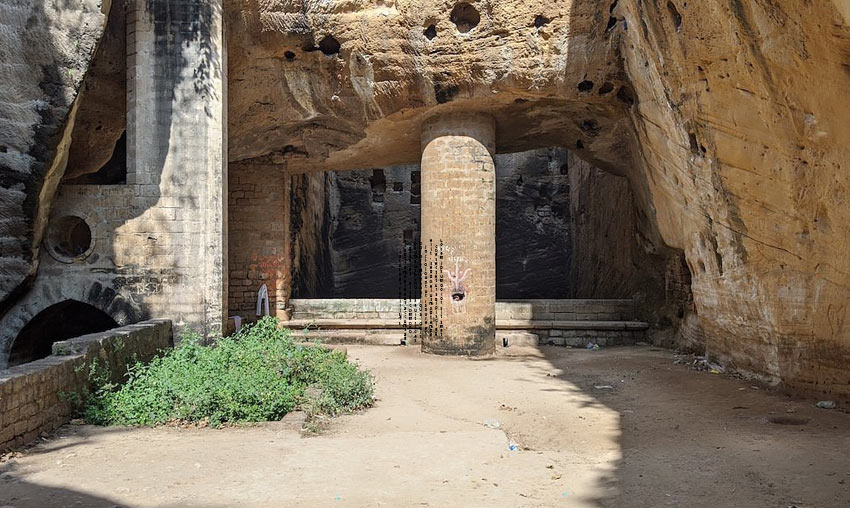
The cave group includes chambers arranged across different levels. The southern section is particularly notable for its spacious court, chaitya-style hall, carved pillars and decorative door jambs.
The complex is described as having approximately 13 rooms spread across three levels. Some of the chambers display Buddhist symbols and architectural details that provide insight into the religious and artistic traditions of the period.
Baba Pyare Caves are an important destination for visitors interested in ancient Buddhist architecture, rock-cut construction and the archaeological heritage of Gujarat.
3. Uparkot Buddhist Caves
The Uparkot Buddhist Caves are located within the historic Uparkot Fort complex. These ancient rock-cut chambers are known for their halls, pillars and interconnected spaces.
One of the notable architectural features is a large hall connected to an upper chamber through a winding staircase. The arrangement suggests that the complex was designed for organised monastic activities rather than simply serving as a collection of isolated shelters.
Historical descriptions of Uparkot refer to a Buddhist cave monastery dating to approximately the 3rd century AD. The surviving remains offer a glimpse into the architectural planning and daily life of Buddhist monastic communities in ancient Junagadh.
Architecture of Buddhist Caves in Junagadh
The Buddhist Caves of Junagadh demonstrate the skill of ancient craftsmen who transformed natural rock formations into functional monastic spaces. Their architecture is relatively simple in comparison with some later Buddhist cave complexes, but the design reflects careful planning and practical requirements.
1. Rock-Cut Chambers
The chambers were excavated directly into the natural rock. These spaces provided shelter and accommodation for Buddhist monks. Their compact design reflects the simple lifestyle associated with monastic communities.
2. Pillared Halls
Some cave groups contain halls supported by carved stone pillars. These halls may have been used for gatherings, teaching, meditation or other community activities. The pillars also demonstrate the stone-carving techniques used by ancient craftsmen.
3. Winding Staircases and Connected Rooms
Some sections of the Uparkot cave complex feature interconnected chambers and a winding staircase leading towards an upper room. This arrangement gives visitors an idea of how the different spaces were organised within the monastery.
4. Water Storage Facilities
Water was essential for monastic communities, especially during the dry season. Certain rock-cut complexes include cisterns or water storage features carved into the stone. These facilities reflect the practical planning involved in creating long-term living spaces.
5. Decorative Carvings and Buddhist Symbols
Some of the cave chambers feature carved pillars, decorative doorways and Buddhist symbols. These details provide clues about the artistic traditions and religious identity of the communities that used the caves.
Importance of Buddhist Caves in Junagadh
The Buddhist Caves are important not only as architectural monuments but also as historical evidence of the spread of Buddhism in western India.
- They represent the ancient Buddhist heritage of the Saurashtra region.
- They provide evidence of monastic settlements and religious activities in Junagadh.
- They demonstrate early rock-cut architecture and stone-carving techniques.
- They help historians understand the development of Buddhist communities in Gujarat.
- They form an important part of Junagadh’s archaeological and cultural heritage.
- They complement the historical importance of the nearby Ashoka Rock Edicts.
Connection Between Buddhist Caves and Ashoka Rock Edicts
Junagadh has an important connection with Emperor Ashoka, whose famous rock edicts are located near Girnar. These inscriptions are among the significant historical records of ancient India and reflect Ashoka’s messages concerning Dhamma, moral conduct and public welfare.
The Buddhist Caves and Ashoka Rock Edicts together highlight the importance of Junagadh in understanding the history of Buddhism in Gujarat. While the inscriptions provide written historical evidence, the caves offer an architectural glimpse into monastic life and the development of Buddhist religious spaces.
Visitors interested in the Buddhist history of Junagadh can include both attractions in a heritage-focused sightseeing itinerary.
Best Time to Visit Buddhist Caves, Junagadh
The best time to visit the Buddhist Caves of Junagadh is between October and March, when the weather is generally pleasant for exploring outdoor archaeological sites and historical monuments.
Morning and late afternoon are usually suitable for sightseeing, especially during warmer months. Visitors should allow sufficient time to explore the cave complexes and their surroundings without rushing.
Buddhist Caves Timings and Entry Fee
The Buddhist cave groups are located at different archaeological sites around Junagadh, and visitor arrangements may vary between locations. Some sites are associated with the Uparkot Fort visitor complex, while others have separate access arrangements.
Opening hours, ticket prices and access conditions may change due to maintenance, conservation work and local administrative arrangements. Visitors should confirm the latest entry information through the official tourism authorities or at the relevant site before travelling.
For Khapra Kodiya Caves, Gujarat Tourism provides an online ticket-booking reference. Visitors can check the current booking information through the official tourism listing before planning their visit.
How to Reach Buddhist Caves in Junagadh
The Buddhist Caves are located around the Uparkot area of Junagadh in Gujarat. Visitors can reach the city by road, rail or air and then use local transport to visit the different cave groups.
By Road
Junagadh is connected with several major towns and cities in Gujarat through road networks. State transport buses, private buses, taxis and personal vehicles are available for reaching the city. Local auto-rickshaws and taxis can be used to travel between the railway station, bus stand and the cave sites.
By Train
Junagadh Railway Station is connected with various destinations in Gujarat. Visitors can hire an auto-rickshaw or taxi from the station to reach Uparkot Fort and other Buddhist cave locations.
By Air
Keshod Airport, Porbandar Airport and Rajkot Airport are among the airport options for reaching the Junagadh region. Availability of flights and onward transport should be checked before making travel arrangements.
Travel Tips for Visiting Buddhist Caves
- Wear comfortable footwear suitable for uneven stone surfaces and steps.
- Carry drinking water, particularly during warmer months.
- Explore the caves carefully and avoid climbing on fragile rock-cut structures.
- Do not touch, scratch or damage ancient carvings and archaeological remains.
- Follow the instructions displayed by site authorities and security staff.
- Check access arrangements for each cave group before planning your route.
- Carry a camera if photography is permitted at the site.
- Combine your visit with Uparkot Fort, Ashoka Rock Edicts and other historical attractions in Junagadh.
- Allow enough time to explore the different cave groups rather than treating them as one single location.
Nearby Places to Visit in Junagadh
Junagadh has several historical, religious and architectural attractions that can be explored along with its Buddhist caves. Visitors can plan a heritage tour covering the following destinations.
1. Uparkot Fort
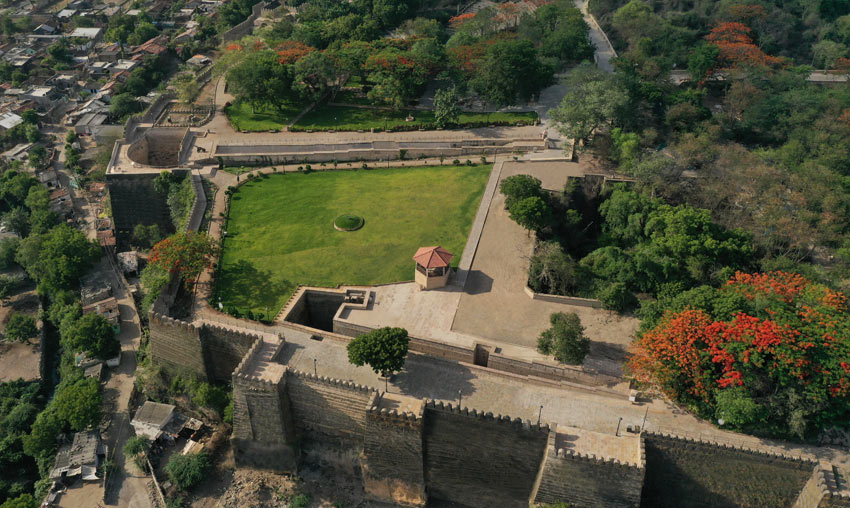
Uparkot Fort is an ancient citadel known for its historic walls, gateways, stepwells and archaeological remains. It is one of the most important heritage attractions in Junagadh and contains several notable monuments.
2. Ashoka Rock Edicts
The Ashoka Rock Edicts are important inscriptions associated with Emperor Ashoka. They provide valuable information about ancient Indian history and the spread of Buddhist principles.
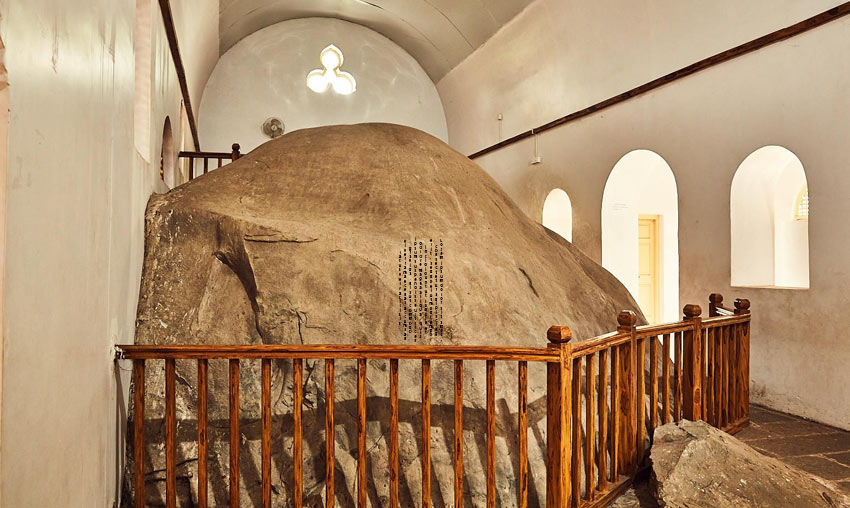
3. Adi Kadi Vav
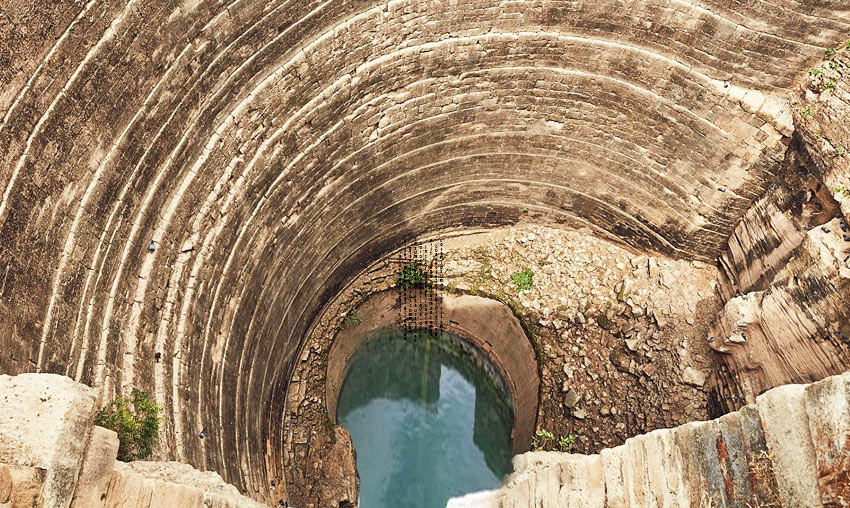
Adi Kadi Vav is a historic rock-cut stepwell inside Uparkot Fort. It is famous for its long staircase carved directly into solid rock and its traditional local legends.
4. Navghan Kuvo
Navghan Kuvo is another remarkable ancient water structure within Uparkot Fort. Its deep well shaft and spiral staircase make it a distinctive example of traditional water architecture.
5. Girnar Hills
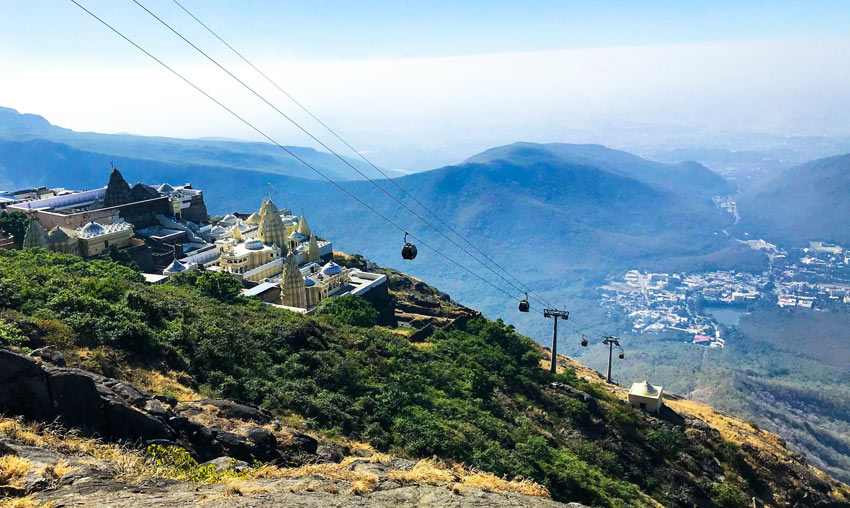
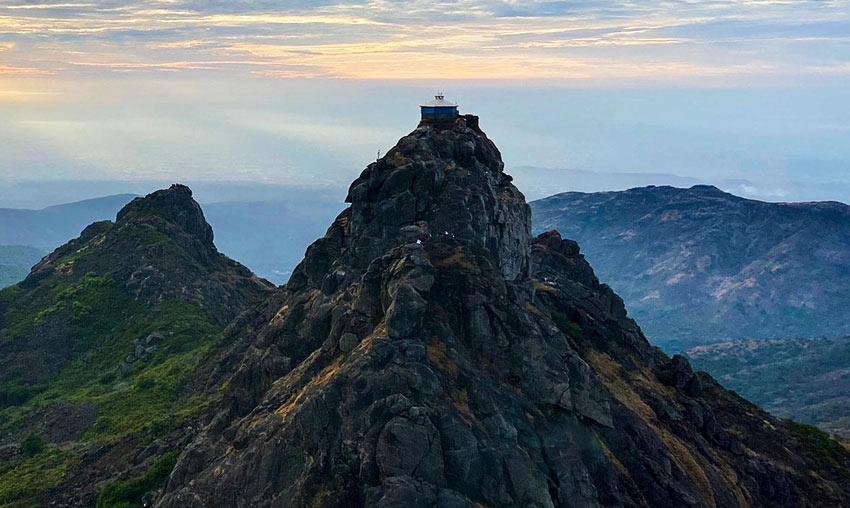
Girnar Hills is a major pilgrimage and nature destination near Junagadh. It is known for its temples, trekking routes, mountain views and religious significance.
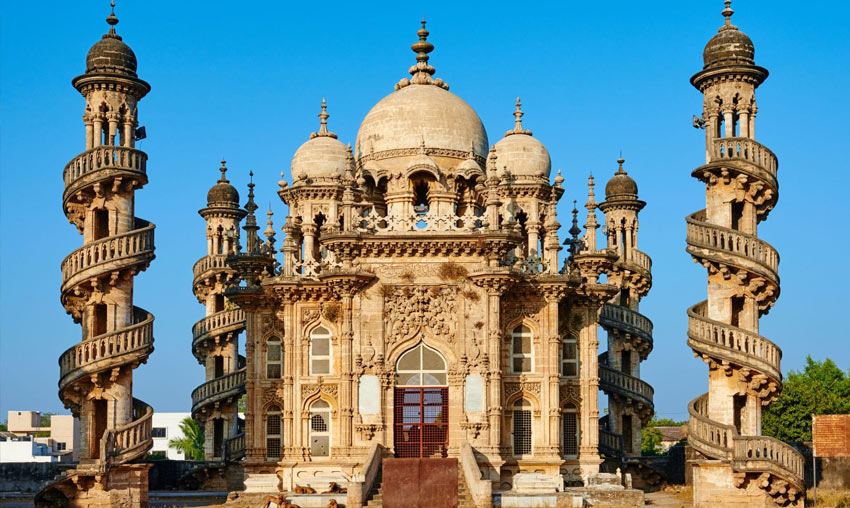
6. Mahabat Maqbara
Mahabat Maqbara is one of Junagadh’s most distinctive architectural landmarks. Its elaborate stonework, domes, minarets and European architectural influences make it a popular attraction.
Suggested Junagadh Heritage Sightseeing Itinerary
Visitors interested in archaeology and ancient history can plan a heritage-focused trip around Junagadh’s historic monuments.
- Start with Uparkot Fort and explore its historic walls and gateways.
- Visit the Uparkot Buddhist Caves and observe their rock-cut halls and chambers.
- Explore Adi Kadi Vav and Navghan Kuvo inside the fort.
- Continue towards the Khapra Kodiya Caves and explore their ancient monastic remains.
- Visit the Baba Pyare Caves to discover their distinctive cave architecture.
- Complete the historical tour with the Ashoka Rock Edicts and Mahabat Maqbara, subject to available time and opening arrangements.
Frequently Asked Questions About Buddhist Caves in Junagadh
1. Where are the Buddhist Caves located in Junagadh?
The Buddhist Caves are located around the Uparkot area of Junagadh, Gujarat. Important cave groups include Khapra Kodiya, Baba Pyare and Uparkot Buddhist Caves.
2. Are the Buddhist Caves in Junagadh natural caves?
No. They are primarily man-made rock-cut structures. The chambers and halls were carved directly into natural rock to create monastic living and activity spaces.
3. How old are the Buddhist Caves of Junagadh?
The cave groups belong to different historical periods. They are generally associated with the early centuries of the Common Era, while Khapra Kodiya is traditionally linked with the Mauryan period and the time of Emperor Ashoka. Exact dates vary between individual sites and historical accounts.
4. Which are the main Buddhist cave groups in Junagadh?
The major groups associated with Junagadh are Khapra Kodiya Caves, Baba Pyare Caves and Uparkot Buddhist Caves.
5. Who built the Buddhist Caves in Junagadh?
The caves were created by ancient craftsmen for Buddhist monastic communities. Their construction took place over different periods, and the exact builders of each individual cave group are not conclusively identified.
6. What were the Buddhist Caves used for?
The caves were used as monastic spaces where Buddhist monks could live, meditate, gather and take shelter during the rainy season.
7. What is special about Khapra Kodiya Caves?
Khapra Kodiya Caves are among the oldest and simplest Buddhist cave groups in Junagadh. They feature a rectangular section and an L-shaped wing traditionally associated with monsoon shelter for monks.
8. What is special about Baba Pyare Caves?
Baba Pyare Caves are known for their chambers arranged across different levels, carved pillars, decorative doorways and a chaitya-style hall.
9. Are Buddhist Caves located inside Uparkot Fort?
The Uparkot Buddhist Caves are located within the fort complex. Other cave groups, such as Khapra Kodiya and Baba Pyare, are separate archaeological sites around the Uparkot area.
10. What is the best time to visit Buddhist Caves in Junagadh?
October to March is generally a comfortable period for exploring the Buddhist Caves and other outdoor heritage attractions in Junagadh.
11. Can Buddhist Caves and Ashoka Rock Edicts be visited together?
Yes. Both attractions are important parts of Junagadh’s ancient Buddhist and archaeological heritage. Visitors interested in history can include them in the same sightseeing plan, depending on available time and site access.
Conclusion
The Buddhist Caves of Junagadh are an important part of Gujarat’s ancient archaeological heritage. Their rock-cut chambers, pillared halls, monastic spaces and water facilities provide valuable insight into the religious and architectural traditions of early Buddhist communities in the region.
From the simple and ancient Khapra Kodiya Caves to the more elaborate Baba Pyare Caves and the historic Uparkot Buddhist Caves, each group has its own distinctive character. Together, they reveal the historical importance of Junagadh as a centre of cultural and religious activity.
For travellers interested in history, archaeology and ancient architecture, the Buddhist Caves offer a rewarding experience. Combine the visit with Uparkot Fort, Adi Kadi Vav, Navghan Kuvo and the Ashoka Rock Edicts to explore more of Junagadh’s fascinating heritage.
To discover more historical landmarks, religious destinations and travel experiences, explore our complete Junagadh Travel Guide.
Nearby Places to Visit