Cherrapunji (Sohra), Meghalaya – Travel Guide
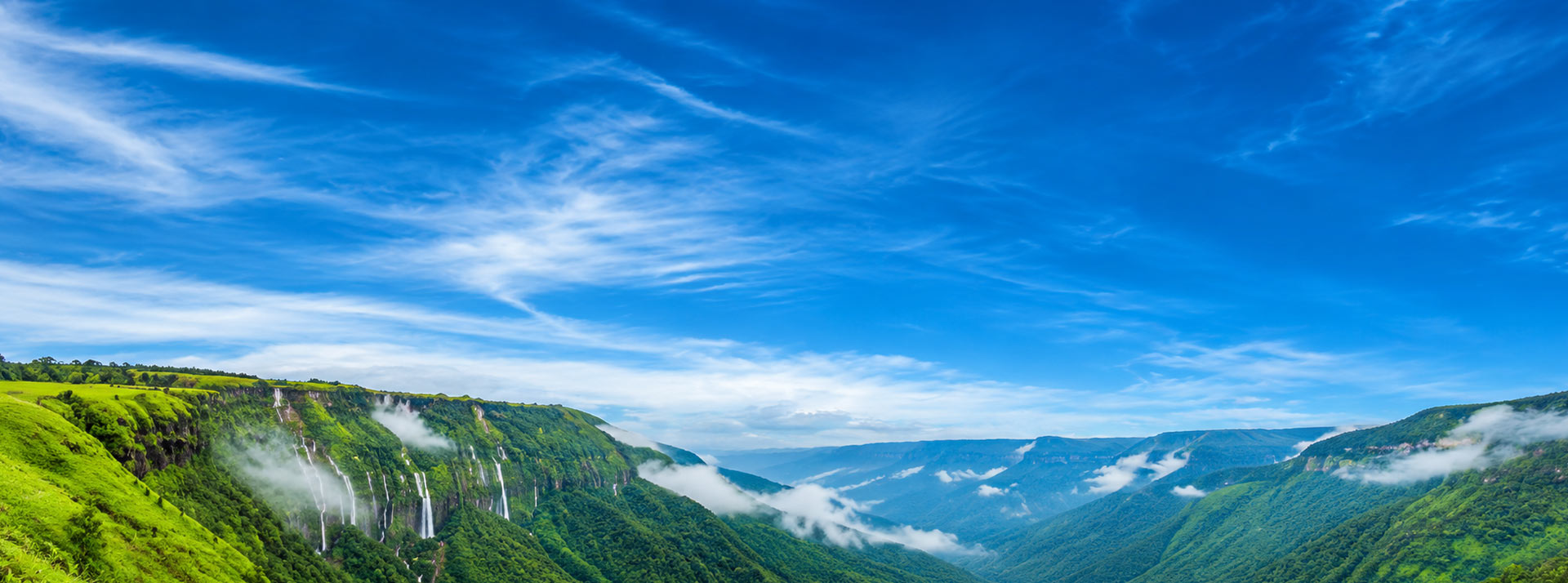
Cherrapunji, locally known as Sohra, is one of the most beautiful travel destinations in Meghalaya, India. Famous for its heavy rainfall, dramatic waterfalls, limestone caves, deep green valleys and remarkable living root bridges, this hill destination attracts nature lovers, photographers, adventure seekers and cultural explorers.
Situated in the East Khasi Hills district, Sohra offers a unique combination of natural beauty and Khasi heritage. From the spectacular Nohkalikai Falls and Seven Sisters Falls to the fascinating Mawsmai Cave and the famous Double Decker Living Root Bridge at Nongriat, the region has plenty of experiences for travellers.
Whether you are planning a weekend trip from Shillong or a longer Meghalaya holiday, Cherrapunji is an excellent destination for discovering the landscapes, traditions and natural wonders of Northeast India.
About Cherrapunji (Sohra)
Cherrapunji is widely recognised for its extraordinary rainfall and lush natural surroundings. The destination is officially and locally known as Sohra, and it lies on the southern edge of the Shillong Plateau in Meghalaya's East Khasi Hills.
The landscape around Sohra is shaped by deep valleys, limestone formations, forested hills and seasonal streams. During the rainy season, waterfalls become powerful and the hills are often covered in mist. In the drier months, clearer skies and more manageable trails make sightseeing and trekking easier.
Sohra is also an important centre of Khasi culture and history. Its villages, traditional landscapes and living root bridges offer visitors a glimpse into the relationship between local communities and the natural environment.
Why Visit Cherrapunji?
- Beautiful waterfalls: Discover Nohkalikai Falls, Seven Sisters Falls, Dainthlen Falls and other scenic cascades.
- Living root bridges: Experience the remarkable natural bridges created by guiding the roots of living rubber fig trees.
- Natural caves: Explore limestone caves such as Mawsmai Cave and Arwah Cave.
- Scenic viewpoints: Enjoy dramatic views of valleys, cliffs and the surrounding hills.
- Adventure activities: Take part in trekking, cave exploration and selected outdoor activities with appropriate local guidance.
- Khasi culture: Learn about the traditions, stories and natural heritage of the local communities.
12 Best Places to Visit in Cherrapunji
Cherrapunji and the surrounding Sohra region are home to some of Meghalaya's most memorable natural attractions. Here are 12 places and experiences to consider when planning your trip.
1. Nohkalikai Falls
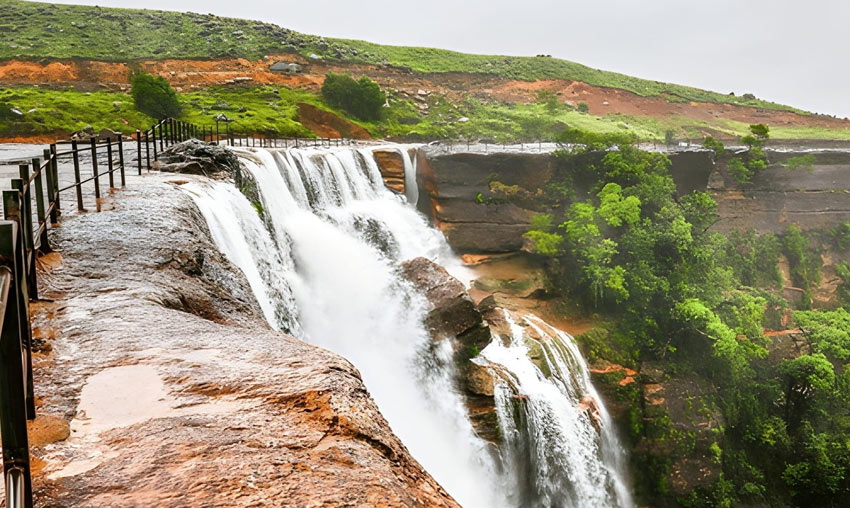
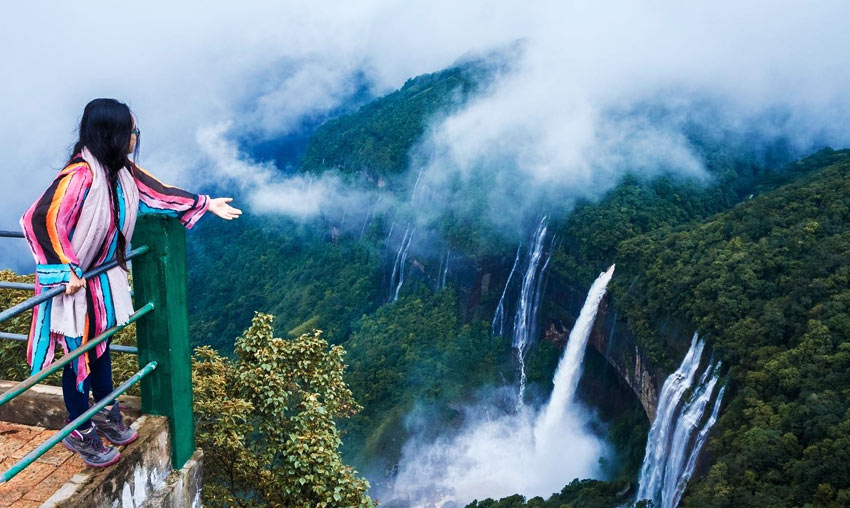
Nohkalikai Falls is one of the most famous attractions near Sohra and is celebrated for its dramatic plunge from a high rocky cliff into a pool below. Surrounded by green hills and rugged cliffs, the waterfall is particularly impressive during and after the monsoon season.
The viewpoint offers visitors a memorable perspective of the waterfall and the surrounding landscape. Weather and visibility can affect the experience, so check local conditions before visiting.
2. Seven Sisters Falls (Nohsngithiang Falls)
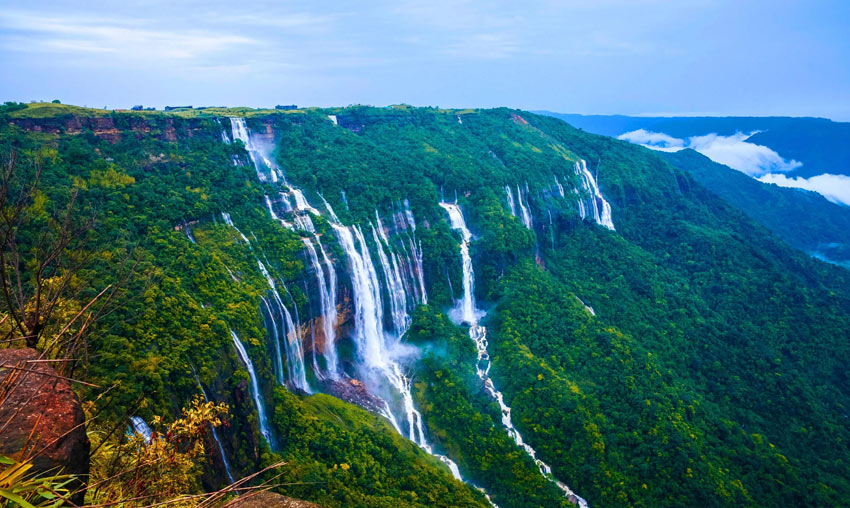
Seven Sisters Falls, also known as Nohsngithiang Falls, is a spectacular waterfall near Mawsmai village. The water flows down a tall limestone cliff in several distinct streams, creating one of the most recognisable landscapes in the Sohra region.
The waterfall is especially striking during the rainy season, when the streams become fuller. On clear days, the viewpoint also offers beautiful views across the surrounding valley.
3. Mawsmai Cave
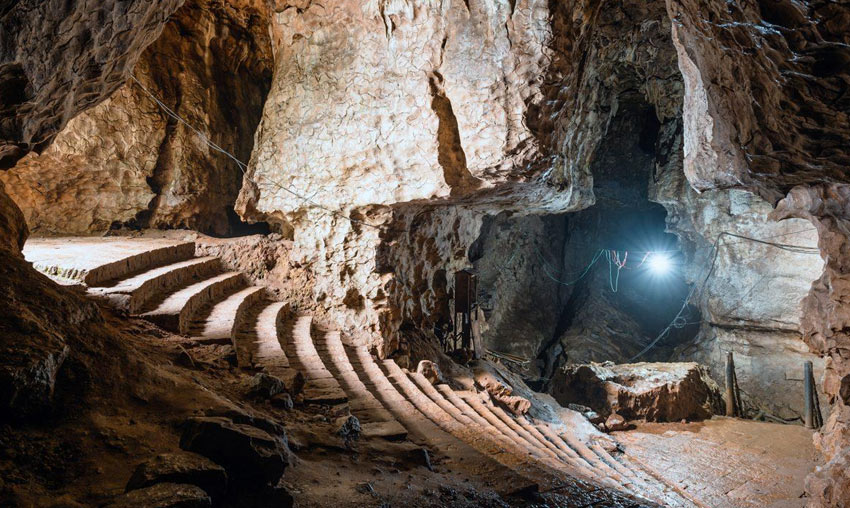
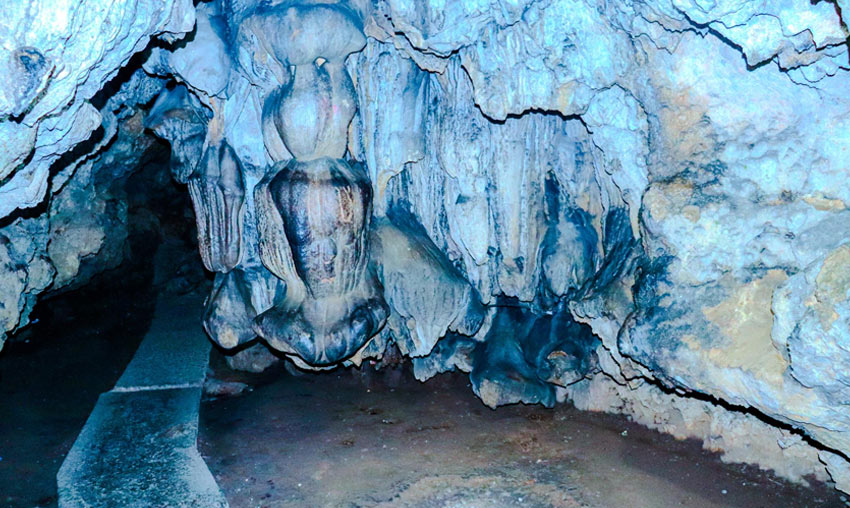
Mawsmai Cave is one of the best-known limestone caves in Meghalaya. Its natural rock formations, narrow passages and underground chambers make it an interesting destination for visitors who want to experience the region's underground landscape.
Some sections can be wet or slippery, particularly during rainy weather. Wear suitable footwear and follow local instructions while exploring the cave.
4. Arwah Cave
Arwah Cave is another fascinating limestone cave in the Sohra region. It is known for its geological formations and fossil-bearing limestone walls. The cave provides an opportunity to observe features that developed over long periods of geological time.
Visitors should follow the marked route and avoid touching or damaging natural formations and fossil surfaces.
5. Double Decker Living Root Bridge
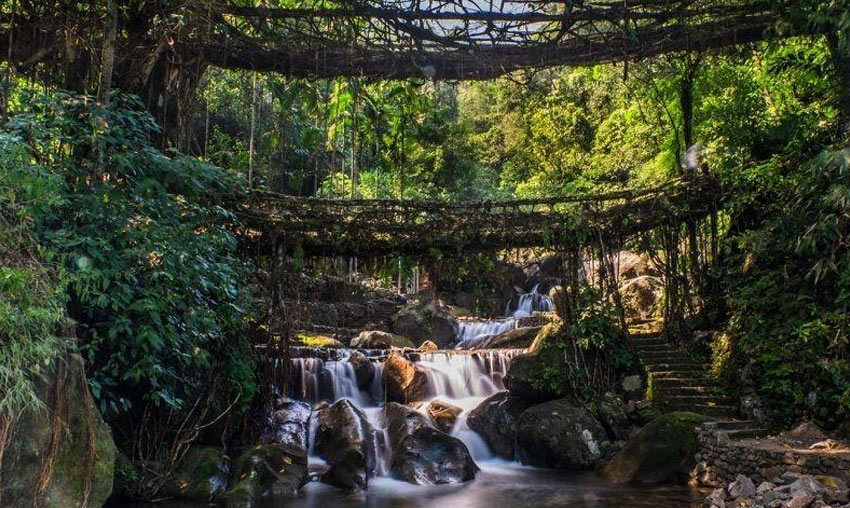
The Double Decker Living Root Bridge is one of Meghalaya's most extraordinary natural attractions. Located in Nongriat village, this remarkable structure has been created by guiding the aerial roots of living rubber fig trees across a stream.
Unlike conventional bridges, living root bridges are living structures that grow and strengthen over time through traditional knowledge and care. The Double Decker Bridge is especially famous for its two levels of interconnected roots.
Reaching Nongriat involves a demanding trek with a large number of steps. Visitors should allow sufficient time, carry drinking water and assess their fitness before starting. The trek may be difficult during heavy rain.
6. Dainthlen Falls
Dainthlen Falls is a scenic waterfall near Sohra associated with a popular Khasi legend about a giant serpent. The surrounding rocky landscape and flowing water make it an interesting stop for nature lovers and visitors interested in local folklore.
The area offers a different atmosphere from the high cliff viewpoints around Nohkalikai and Seven Sisters Falls.
7. Thangkharang Park
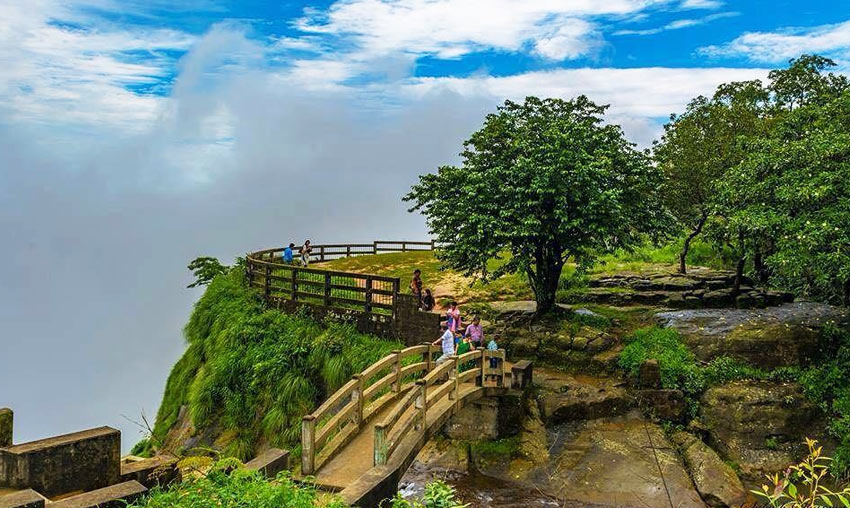
Thangkharang Park is a scenic viewpoint destination in the Sohra region. It is known for its landscaped surroundings and views towards the deep valleys and plains beyond the Meghalaya plateau.
The park is a good place to enjoy the natural scenery and take photographs when the weather is clear. Visibility may be limited by clouds and mist.
8. Eco Park, Sohra
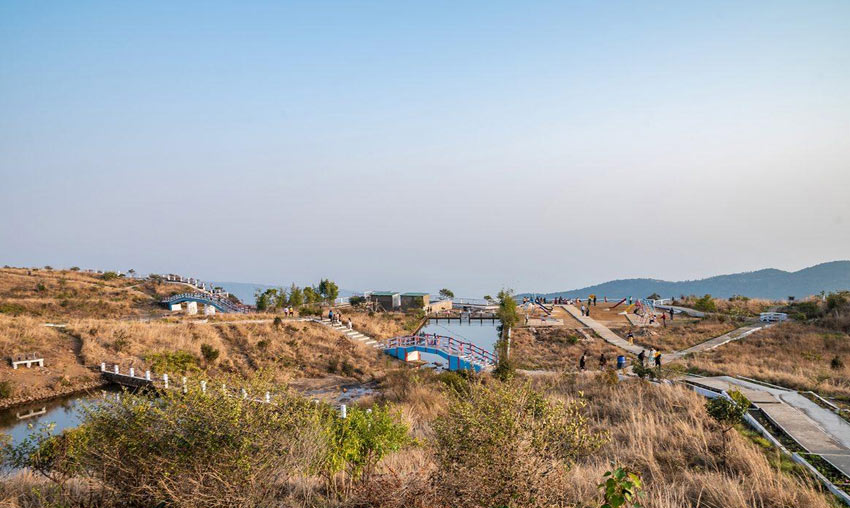
Eco Park is a popular sightseeing stop in the Cherrapunji area. It is known for its green surroundings and viewpoints overlooking the landscape and waterfalls of the region.
It can be included in a local sightseeing circuit along with other attractions around Sohra. Check current access arrangements and facilities before visiting.
9. Mawmluh Cave
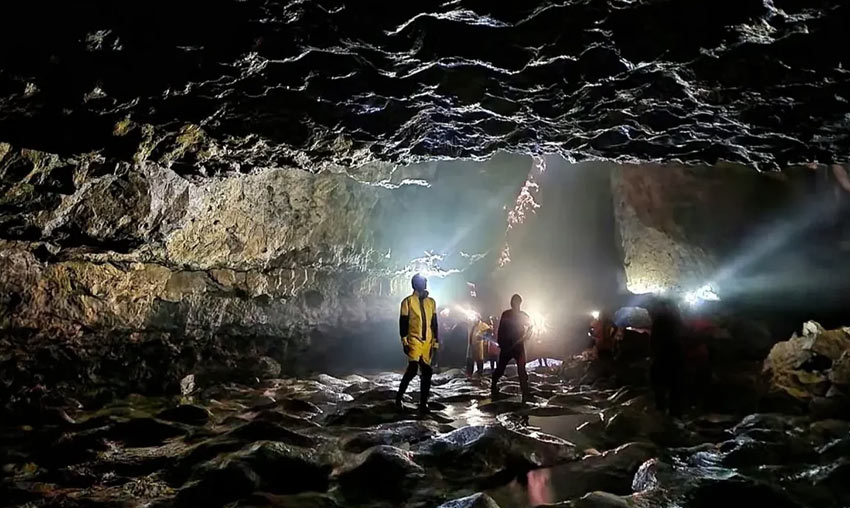
Mawmluh Cave is an important limestone cave system near Sohra. It is also known for its geological significance, including research connected with the geological boundary associated with the beginning of the Meghalayan Age.
Cave exploration can involve uneven surfaces, water and low passages. Visitors should arrange suitable local guidance and use appropriate equipment rather than entering unfamiliar sections independently.
10. Kynrem Falls
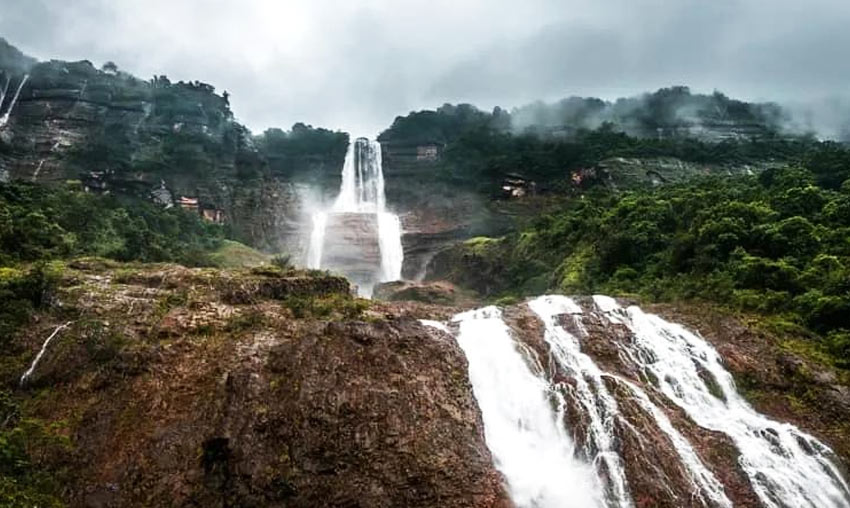
Kynrem Falls is a beautiful multi-tiered waterfall in the Sohra region. Water descends over a high rocky landscape surrounded by greenery, creating a striking natural scene during the rainy season.
The waterfall is a good addition to a sightseeing itinerary for travellers interested in Meghalaya's many cascades and valley landscapes.
11. Mawkdok Dympep Valley Viewpoint
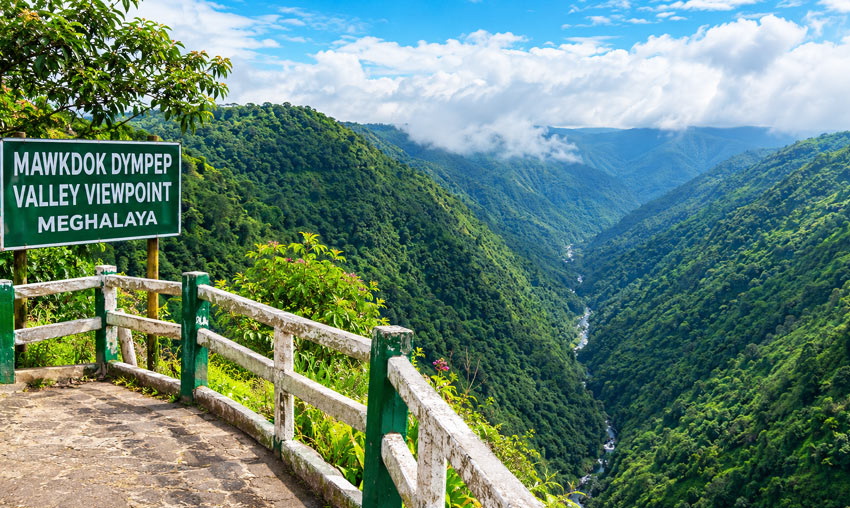
Mawkdok Dympep Valley Viewpoint is a popular stop on the road between Shillong and Sohra. It offers impressive views of a deep green valley surrounded by steep hills.
The viewpoint is also associated with adventure activities in the area. Availability, safety requirements and operating arrangements should be checked with authorised local operators.
12. Garden of Caves
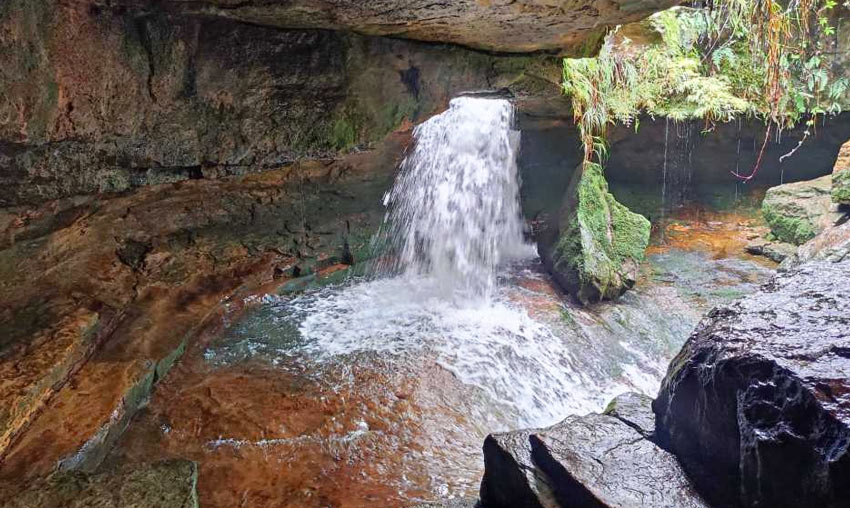
Garden of Caves, located in the Laitmawsiang area, is a natural attraction featuring rock formations, small waterfalls, streams and forested surroundings. It offers a quieter experience for visitors interested in exploring Meghalaya's natural landscape.
This attraction is outside the immediate Sohra town area, so check the route and allow additional travel time when including it in your itinerary.
Best Time to Visit Cherrapunji
The best time to visit Cherrapunji depends on the kind of experience you want. The region receives heavy rainfall, so the weather can significantly affect road journeys, waterfall viewpoints and trekking conditions.
October to November
This period is often suitable for sightseeing, outdoor exploration and enjoying clearer views after the monsoon. Waterfalls may still have good water flow, depending on recent rainfall.
December to February
Winter is generally a relatively dry period and is popular for exploring caves, viewpoints and living root bridge trails. Mornings and evenings can be cool, so carry warm clothing.
March to May
Spring and early summer can offer pleasant conditions for sightseeing and outdoor activities. The landscape remains attractive, although waterfall flow may vary as the season progresses.
June to September
The monsoon transforms Sohra into a lush landscape with powerful waterfalls and mist-covered hills. However, heavy rain can cause slippery paths, poor visibility, road delays and landslide risks. Trekking routes and cave access may also be affected.
For easier sightseeing and trekking, the drier months are generally more convenient. Always check the local weather forecast before travelling.
How to Reach Cherrapunji
By Air
The nearest major airport commonly used by travellers is Lokpriya Gopinath Bordoloi International Airport in Guwahati, Assam. Shillong Airport at Umroi is geographically closer, but flight availability is limited and should be checked before planning a journey.
From Guwahati, visitors can continue towards Shillong and then travel by road to Sohra.
By Train
Guwahati Railway Station is the main railway gateway commonly used by travellers visiting Meghalaya. From Guwahati, taxis and other road transport options are available towards Shillong and Cherrapunji.
By Road
Cherrapunji is connected to Shillong by road through the scenic SH-5 route. The distance is approximately 53–54 kilometres, depending on the starting point and route.
Travellers can hire a private taxi, arrange a local sightseeing vehicle or check the Meghalaya Tourism Development Corporation's guided bus services from Shillong to Sohra.
Getting Around Cherrapunji
Many attractions around Sohra are spread across different villages and road sections. A private taxi or locally arranged sightseeing vehicle is often a convenient option for visiting multiple waterfalls, caves and viewpoints in one day.
For Nongriat and the Double Decker Living Root Bridge, road transport only takes you to the trekking access area. The remaining journey is on foot and requires a separate time and fitness plan.
Local guides can be useful for cave exploration, village trails and living root bridge treks. Confirm guide availability and route conditions before setting out.
Suggested Cherrapunji Itinerary
One-Day Cherrapunji Sightseeing Plan
- Start from Shillong early in the morning.
- Stop at Mawkdok Dympep Valley Viewpoint.
- Explore Nohkalikai Falls.
- Visit Mawsmai Cave.
- See Seven Sisters Falls and nearby viewpoints.
- Explore Dainthlen Falls or another attraction depending on available time.
- Return to Shillong or stay overnight in Sohra.
This itinerary is a suggested sightseeing sequence. Actual stops depend on weather, road conditions, opening arrangements and the time available.
Two-Day Cherrapunji Itinerary
- Day 1: Explore Nohkalikai Falls, Seven Sisters Falls, Mawsmai Cave, Arwah Cave and selected viewpoints.
- Day 2: Plan the Nongriat trek to the Double Decker Living Root Bridge, provided the trail is open and weather conditions are safe.
The Nongriat trek can be physically demanding. Avoid combining it with a rushed sightseeing schedule, and consider staying overnight in Sohra or arranging the trip with a local guide.
Where to Stay in Cherrapunji
Sohra offers a range of accommodation options, including hotels, resorts, guesthouses and homestays. Travellers can choose accommodation based on their budget, preferred location and sightseeing plans.
Staying in Sohra is useful for visitors who want to explore the waterfalls and caves early in the day or plan a trek to Nongriat. Book in advance during busy travel periods and confirm the exact location, road access, meals and available facilities directly with the property.
Local Food and Culture
Cherrapunji is part of the Khasi cultural region of Meghalaya. Visitors can explore local food and traditions through restaurants, homestays and village experiences.
Khasi cuisine commonly features rice, seasonal vegetables, local herbs and meat-based dishes. Food preferences and availability vary between establishments. Travellers interested in local cuisine can ask hosts or local guides for recommendations.
Respect village customs, private property and community spaces. When visiting living root bridges and other natural heritage sites, avoid littering and follow local guidance.
Travel Tips for Cherrapunji
- Carry a waterproof jacket, umbrella and a protective cover for your phone and camera.
- Wear anti-slip footwear, especially during the rainy season.
- Check the weather forecast and local advisories before travelling.
- Allow extra time for road journeys during heavy rain or fog.
- Carry drinking water and basic snacks for longer sightseeing trips.
- Use local guidance for cave exploration and unfamiliar trekking routes.
- Assess your fitness before attempting the Double Decker Living Root Bridge trek.
- Do not enter caves or trek during unsafe weather conditions.
- Respect local communities and do not litter around waterfalls, caves or villages.
- Carry some cash, as digital payment availability may vary in remote areas.
Places to Visit Near Cherrapunji
If you have additional time, you can explore other destinations in Meghalaya from Sohra. Shillong, Mawlynnong, Dawki and Mawsynram are popular options for travellers planning a wider Meghalaya trip. These destinations are separate excursions and should be planned according to road distance and available days.
- Shillong: Meghalaya's capital, known for its markets, viewpoints, cafes and cultural attractions.
- Mawlynnong: A village known for community cleanliness initiatives and living root bridge heritage.
- Dawki and the Umngot River: Known for river scenery and boating experiences, subject to local conditions.
- Mawsynram: A destination known for exceptionally high rainfall and cave landscapes.
Frequently Asked Questions About Cherrapunji
1. What is Cherrapunji famous for?
Cherrapunji, also known as Sohra, is famous for its heavy rainfall, dramatic waterfalls, limestone caves, green valleys and living root bridges.
2. Is Cherrapunji and Sohra the same place?
Yes. Sohra is the local name commonly used for the destination widely known as Cherrapunji.
3. How many days are enough for Cherrapunji?
One day can cover selected waterfalls, caves and viewpoints. Two or more days are recommended if you also want to explore Nongriat and trek to the Double Decker Living Root Bridge.
4. What is the best time to visit Cherrapunji?
October to March is generally more convenient for sightseeing and trekking because conditions are usually drier. The monsoon months offer dramatic waterfalls and lush scenery but can bring difficult travel conditions.
5. How far is Cherrapunji from Shillong?
Cherrapunji is approximately 53–54 kilometres from Shillong by road, depending on the starting point and route.
6. Can I visit Cherrapunji on a day trip from Shillong?
Yes. Selected waterfalls, caves and viewpoints can be covered on a day trip from Shillong. However, the Double Decker Living Root Bridge trek requires considerably more time and is better planned separately.
7. Is the Double Decker Living Root Bridge in Cherrapunji?
The famous Double Decker Living Root Bridge is located in Nongriat village in the wider Sohra region. Reaching it involves a demanding trek with many steps.
8. Is Cherrapunji suitable for families?
Many road-accessible waterfalls, viewpoints and selected cave attractions can be suitable for families. However, some cave sections and the Nongriat trek may be challenging for young children, elderly visitors or people with mobility limitations.
9. Does it rain throughout the year in Cherrapunji?
Rainfall patterns vary by season. The monsoon period generally brings much heavier rain, while the drier months are more convenient for outdoor sightseeing. Sudden showers can still occur.
10. Is a local guide required in Cherrapunji?
A guide may be useful for cave exploration, village trails and the Nongriat trek. Follow local access rules and use experienced guides where recommended.
Cherrapunji, or Sohra, is one of Meghalaya's most rewarding destinations for travellers who love nature, adventure and cultural experiences. Its waterfalls, limestone caves, living root bridges and dramatic valley landscapes make every part of the journey memorable.
From the spectacular Nohkalikai Falls to the Double Decker Living Root Bridge at Nongriat, the region offers experiences that are difficult to find elsewhere in India. Plan your visit according to the weather, allow enough time for trekking and explore the local Khasi heritage respectfully.
If you are planning a Meghalaya holiday, make Cherrapunji an essential part of your itinerary and discover the natural beauty of the land of waterfalls.
Explore the Best Places to Visit in Cherrapunji
Planning a trip to Cherrapunji? Explore these beautiful attractions, waterfalls, caves, viewpoints and natural wonders in Sohra, Meghalaya. Read our detailed travel guides to discover the best places to visit in the region.