Arwah Cave, Cherrapunji – Explore Meghalaya’s Fossil-Rich Limestone Cave
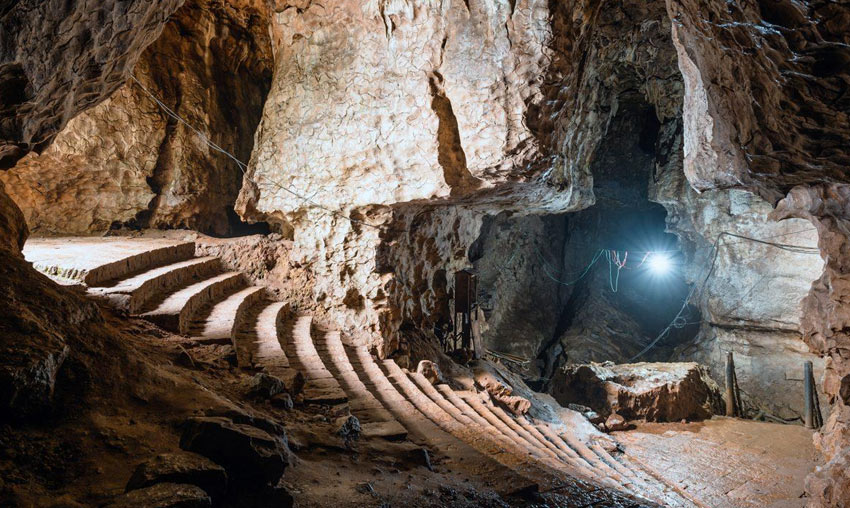
Located in the beautiful hills of Sohra (Cherrapunji) in Meghalaya, Arwah Cave is one of the region’s fascinating natural attractions. Also known as Krem Arwah, this limestone cave is famous for its ancient marine fossils, naturally formed rock structures and winding underground passages. The cave offers visitors an opportunity to discover the geological history of the Khasi Hills while enjoying a scenic walk through lush green vegetation.
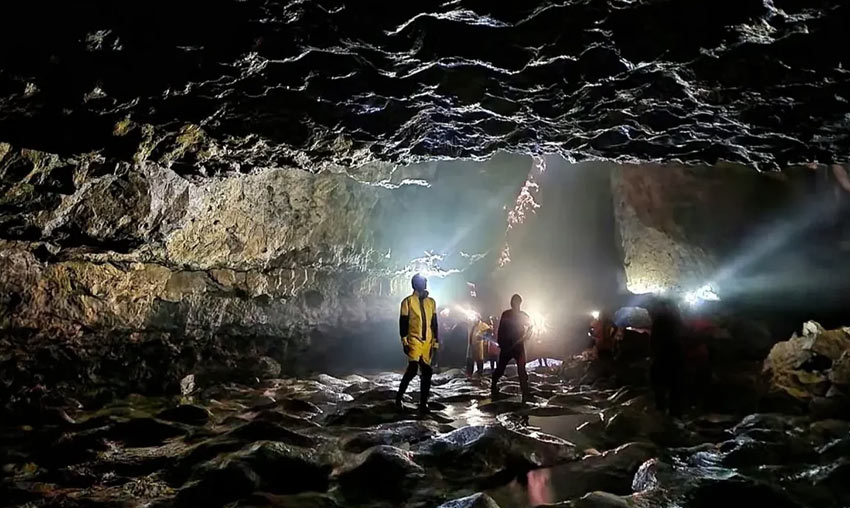
Unlike a conventional sightseeing viewpoint, Arwah Cave takes visitors into an underground world shaped by water and geological processes over thousands of years. Its fossil-bearing limestone walls, chambers and narrow passages make it an interesting destination for nature lovers, photographers and travellers interested in geology.
Where Is Arwah Cave Located?
Arwah Cave is situated near Sohra, popularly known as Cherrapunji, in the East Khasi Hills district of Meghalaya, India. The cave lies along the Shillong–Sohra route and can be reached by road from Cherrapunji town. The approach includes a picturesque walk through thick vegetation, with views of the surrounding valley and the Lawshynna Hill area.
According to Meghalaya Tourism, Arwah Cave is approximately 3.5 km from the Cherrapunji bus station and around 58 km from Shillong. Actual travel distance and time may vary depending on your starting point and road conditions.
Why Is Arwah Cave Famous?
Arwah Cave is particularly known for fossils embedded in its limestone walls. Visitors may be able to observe fossilised crustacean shells and fish remains, especially in sections towards the end of the accessible cave route. These fossils provide a glimpse into the ancient natural history of the region.
The cave is also admired for its maze-like passages, underground chambers and naturally created limestone features. The combination of geological interest and a scenic forest approach makes it different from many other sightseeing attractions in Sohra.
Major Attractions Inside Arwah Cave
1. Ancient Marine Fossils
One of the most distinctive features of Arwah Cave is the presence of fossils in its limestone walls. Fossilised crustacean shells and fish remains are among the discoveries described by Meghalaya Tourism. Take your time to observe the rock surfaces rather than rushing through the cave.
2. Limestone Formations
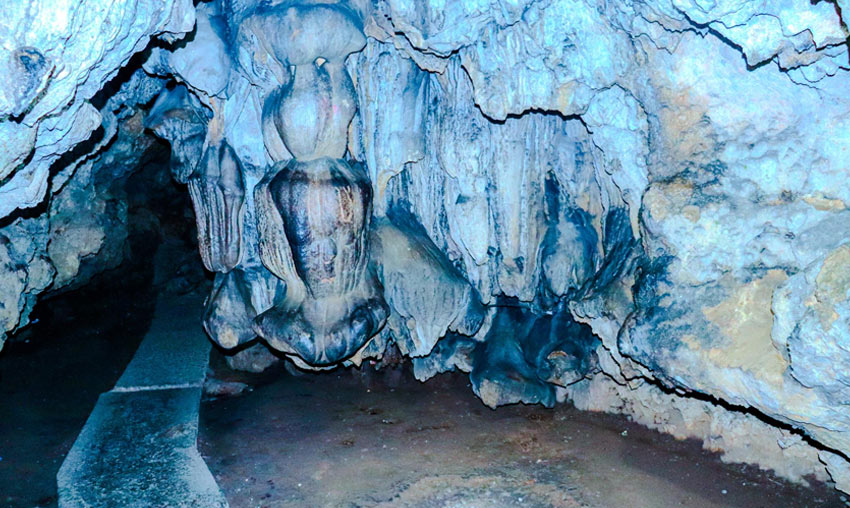
Inside the cave, visitors can see naturally formed limestone structures, including stalactites and stalagmites. These formations develop gradually as mineral-rich water moves through limestone and deposits minerals over long periods.
3. Winding Cave Passages
Arwah Cave has a network of turns, chambers and passages. Some sections have high ceilings, while others become narrow and require visitors to move carefully. The changing shape of the cave makes the exploration interesting, but visitors should always follow the designated route.
4. Underground Water Flow
Water has played an important role in shaping the cave landscape. Meghalaya Tourism describes the continuing flow of underground water through these ancient formations. Damp surfaces and wet sections may be present, so suitable footwear is important.
5. Scenic Forest Walk
The walk towards the cave is an attraction in itself. The pathway passes through lush vegetation along the hillside and offers views of the surrounding valley and waterfall landscape. Seating areas along the route provide places to pause and enjoy the scenery.
Best Time to Visit Arwah Cave
The period from October to May is generally recommended for visiting Arwah Cave. These months usually offer more comfortable conditions for walking and exploring the cave. October and November can be especially pleasant after the monsoon, while the winter months provide cooler weather.
Meghalaya receives heavy rainfall during the monsoon season. Rain can make the approach path and cave surfaces slippery, and visibility around the surrounding hills may be reduced. If you plan to visit during or soon after the rainy season, check local weather and access conditions before travelling.
Arwah Cave Timings
Incredible India lists the opening hours of Arwah Cave as 8:00 AM to 5:00 PM. Timings may change due to local arrangements, weather or maintenance. Confirm the latest visiting hours with local authorities or the site staff before starting your journey.
Arwah Cave Entry Fee
Entry charges and additional fees, if applicable, may be revised by the local site management. A reliable, current official fee schedule could not be confirmed while preparing this guide. Visitors should check the latest ticket prices at the entrance and carry some cash for local payments.
How to Reach Arwah Cave
By Road
Arwah Cave is accessible by road from Shillong and Sohra (Cherrapunji). Shared taxis and private tourist vehicles operate between Shillong and Sohra. From Cherrapunji town, visitors can hire a local taxi or arrange transport to the cave access point.
By Air
The nearest major airport for most travellers is Lokpriya Gopinath Bordoloi International Airport in Guwahati. From the airport, continue by road towards Shillong and then Sohra. Shillong Airport is another option, but flight availability may be limited.
By Train
Guwahati Railway Station is the main railhead commonly used by visitors travelling to Meghalaya. From Guwahati, you can continue by road to Shillong and then Cherrapunji.
Travel Tips for Visiting Arwah Cave
- Wear comfortable shoes with a good grip, as cave floors and outdoor paths may be damp or slippery.
- Choose comfortable clothing suitable for a humid underground environment.
- Carry a light jacket, as the cave interior may feel cool and damp.
- Follow the marked visitor route and instructions given by site staff or local guides.
- Some passages may be narrow or low, so move carefully and avoid rushing.
- Do not touch, scratch or remove fossils and limestone formations.
- Avoid littering and help protect the cave’s fragile natural environment.
- Use your camera responsibly and avoid unnecessary flash photography around cave wildlife.
- Check weather conditions before travelling, especially during the rainy season.
Places to Visit Near Arwah Cave
You can combine Arwah Cave with other popular attractions in Sohra to make a memorable Cherrapunji sightseeing trip.
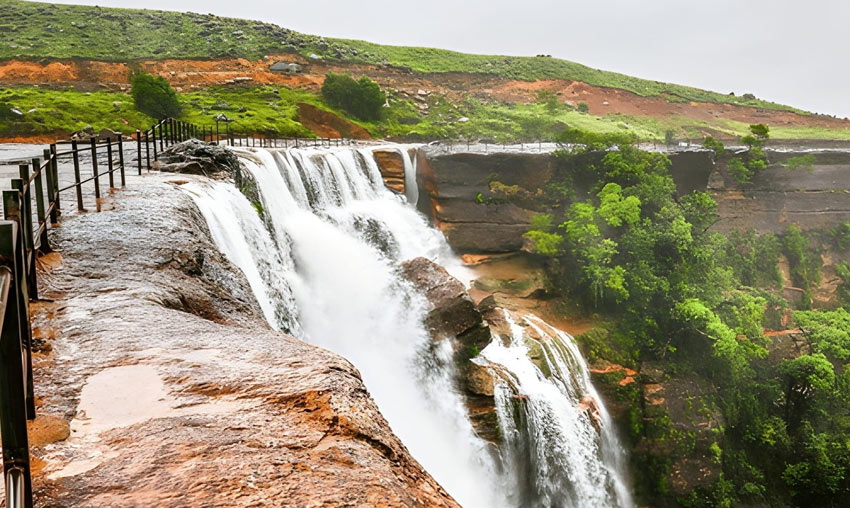
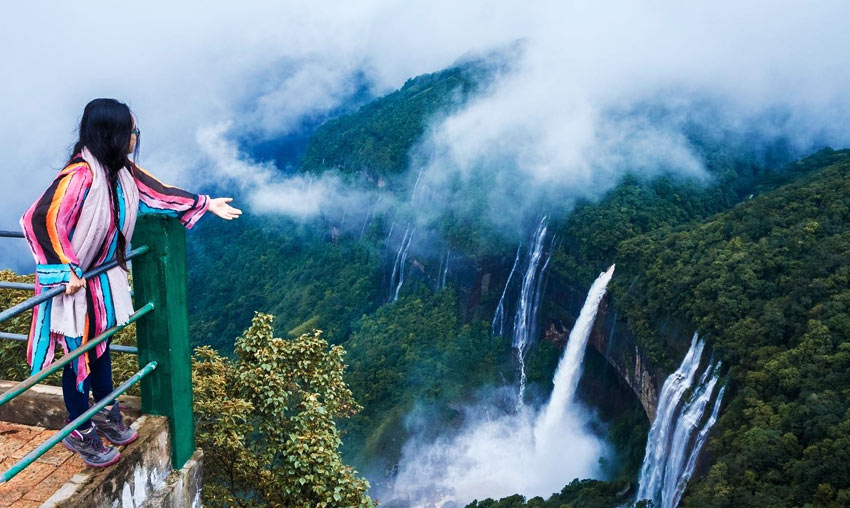
- Nohkalikai Falls – One of the most famous waterfalls in Meghalaya, known for its dramatic height and scenic viewpoint.
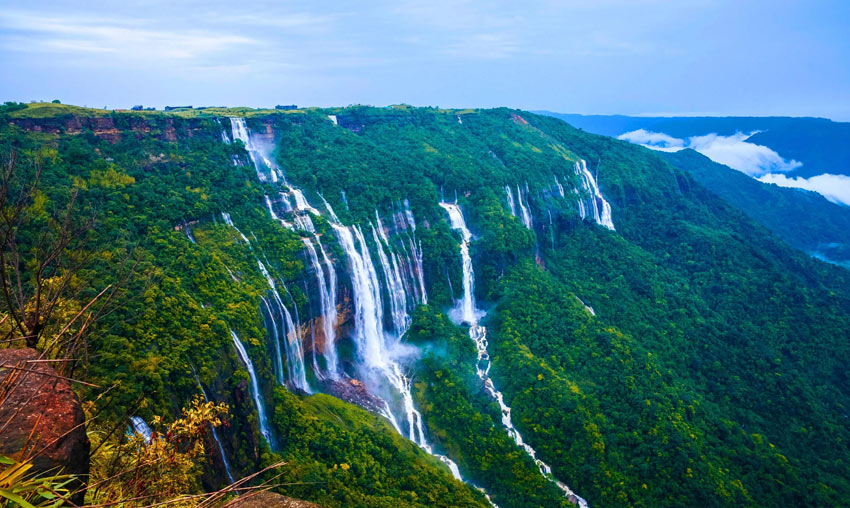
- Seven Sisters Falls – Also known as Nohsngithiang Falls, this spectacular waterfall is famous for its multiple streams cascading over a cliff.
- Mawsmai Cave – Another popular limestone cave near Sohra, known for its rock formations and visitor-friendly cave route.
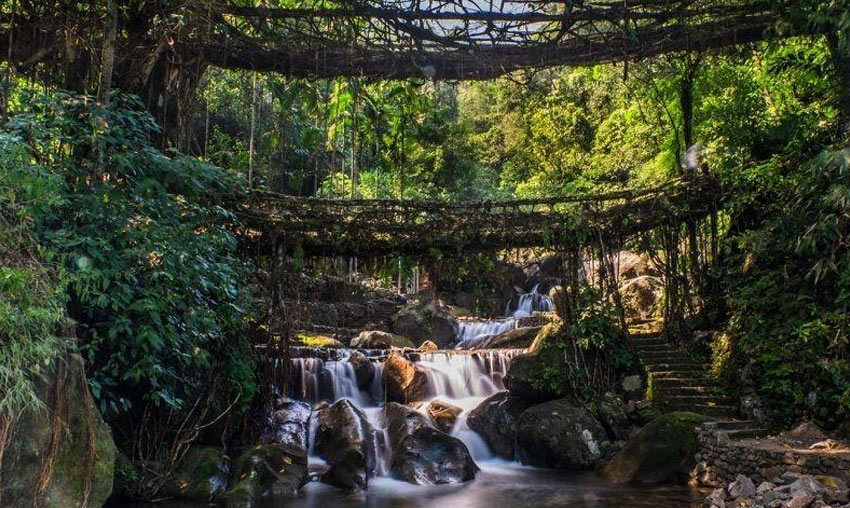
- Double Decker Living Root Bridge – A remarkable living root bridge in Nongriat, reached by a demanding trek.
- Dainthlen Falls – A scenic waterfall associated with local Khasi folklore and natural rock formations.
Explore our complete Cherrapunji Travel Guide for more attractions, travel information and sightseeing ideas in Sohra.
Suggested One-Day Cherrapunji Sightseeing Plan
If you are planning a day trip around Sohra, you can include Arwah Cave along with other nearby attractions. A possible route is:
- Start your day with a visit to Nohkalikai Falls.
- Explore Arwah Cave and its fossil-rich limestone passages.
- Visit Mawsmai Cave, subject to available time and local conditions.
- Stop at the Seven Sisters Falls viewpoint.
- Enjoy the surrounding landscapes before returning to your accommodation.
This is a suggested sequence, not a fixed itinerary. Travel time between attractions and access conditions can vary, so plan the day according to weather and local advice.
Frequently Asked Questions About Arwah Cave
1. Where is Arwah Cave located?
Arwah Cave is located near Sohra (Cherrapunji) in the East Khasi Hills district of Meghalaya, India.
2. What is Arwah Cave famous for?
Arwah Cave is famous for fossilised marine remains, including crustacean shells and fish fossils, found in its limestone walls. It is also known for its winding passages and natural limestone formations.
3. How far is Arwah Cave from Shillong?
Meghalaya Tourism lists the distance from Shillong to Arwah Cave at approximately 58 km. The actual distance and journey time may vary with the route and starting point.
4. How far is Arwah Cave from Cherrapunji town?
According to Meghalaya Tourism, the cave is approximately 3.5 km from the Cherrapunji bus station. Local road and walking conditions may affect the total journey.
5. What are the opening timings of Arwah Cave?
Incredible India lists the opening hours as 8:00 AM to 5:00 PM. Visitors should confirm the current schedule locally before travelling.
6. What is the entry fee for Arwah Cave?
The latest official entry fee could not be verified for this guide. Check the current charges at the entrance before entering.
7. Is Arwah Cave suitable for families?
Arwah Cave is visited by regular tourists, but some passages may be narrow, low or slippery. Families should assess the comfort and mobility of each visitor and follow the site’s safety instructions.
8. What should I wear when visiting Arwah Cave?
Wear comfortable clothes and sturdy footwear with good grip. A light jacket can also be useful inside the cool and humid cave.
9. What is the best time to visit Arwah Cave?
October to May is generally recommended for a more comfortable visit. Always check the local weather and access conditions before travelling.
10. Can Arwah Cave and Mawsmai Cave be visited on the same day?
Yes. Both caves are in the Sohra region and can be included in the same sightseeing plan, depending on your schedule, transport and local conditions.
Discover the Natural Wonders of Cherrapunji
Arwah Cave offers a memorable experience for travellers who want to explore more than the waterfalls and viewpoints of Meghalaya. Its fossil-bearing limestone walls, winding passages and scenic forest approach reveal a fascinating side of Sohra’s natural heritage. Whether you are interested in geology, photography or nature exploration, Arwah Cave deserves a place in your Cherrapunji travel itinerary.
Plan your visit responsibly, respect the cave environment and explore more destinations with our Cherrapunji Travel Guide.
Nearby Places to Visit
Nearby Places to Visit