Mawsmai Cave, Cherrapunji – Complete Travel Guide
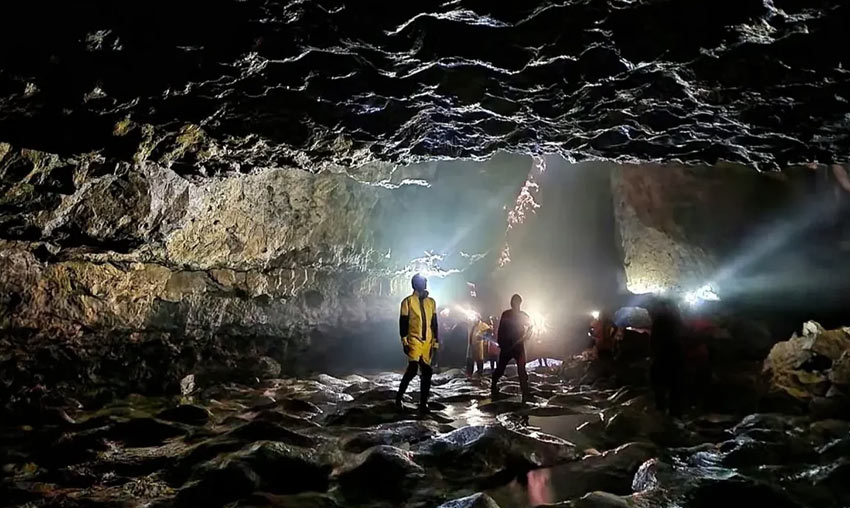
Mawsmai Cave is one of the most popular natural attractions near Sohra, popularly known as Cherrapunji, in Meghalaya. Located near Mawsmai village in the East Khasi Hills, this fascinating limestone cave offers visitors an opportunity to explore an underground world of natural rock formations, narrow passages, chambers and ancient geological features.
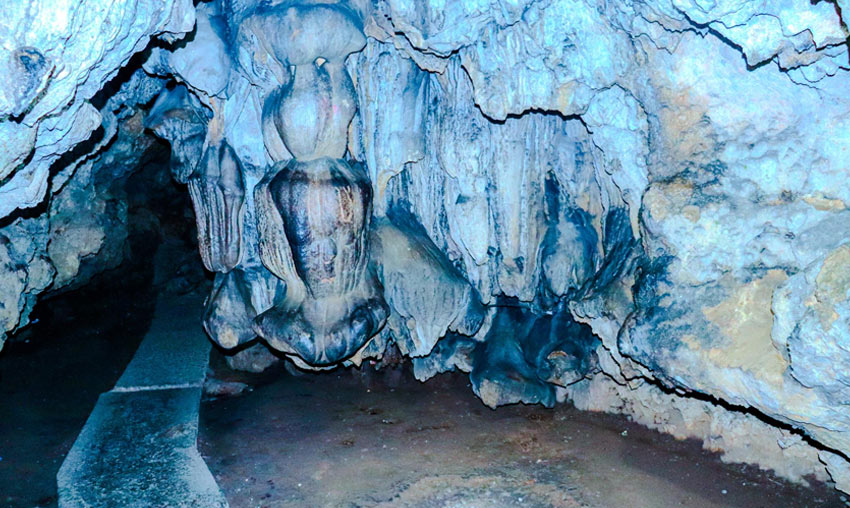
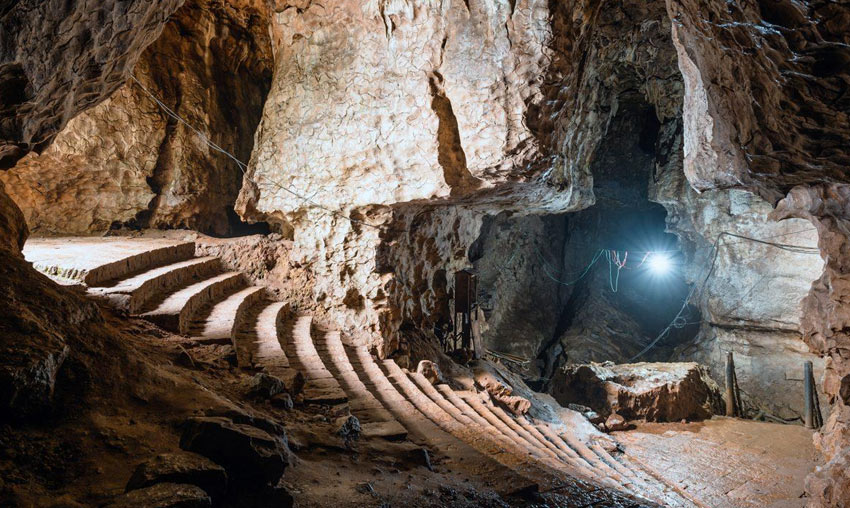
The cave is known for its stalactites hanging from the ceiling, stalagmites rising from the floor and interesting limestone structures shaped gradually by water over thousands of years. Its relatively short, illuminated tourist route makes it one of the more accessible cave experiences in Meghalaya.
Surrounded by greenery and a peaceful forest landscape, Mawsmai Cave is an excellent attraction for travellers interested in nature, geology and adventure. It can easily be included in a sightseeing trip covering the famous waterfalls and viewpoints of Sohra.
Overview of Mawsmai Cave
Mawsmai Cave is a natural limestone cave formed through the gradual action of water on soluble rock. Over long periods, rainwater moving through cracks and passages dissolves limestone and creates underground chambers, tunnels and distinctive formations.
The tourist-accessible section of the cave extends approximately 150 metres, according to Meghalaya Tourism. Although the route is relatively short, visitors encounter narrow passages, low ceilings and sections where bending or squeezing through the rock is necessary.
- Location: Mawsmai Village, Sohra, East Khasi Hills, Meghalaya, India
- Type: Natural limestone cave
- Accessible tourist section: Approximately 150 metres
- Nearest town: Sohra (Cherrapunji)
- Distance from Sohra: Approximately 6 km, depending on the starting point
- Distance from Shillong: Approximately 58 km by road
- Known for: Stalactites, stalagmites, limestone formations, narrow passages and underground chambers
- Experience: Short cave exploration and nature sightseeing
Why Is Mawsmai Cave Famous?
Natural Limestone Formations
Mawsmai Cave is famous for its impressive limestone formations. Water dripping through the cave ceiling carries dissolved minerals that gradually accumulate and create different shapes and structures inside the cave.
Stalactites and Stalagmites
One of the most interesting features of Mawsmai Cave is the presence of stalactites and stalagmites. Stalactites hang down from cave ceilings, while stalagmites grow upwards from the floor as mineral-rich water deposits calcium carbonate over time.
Narrow Passages and Underground Chambers
The cave has a combination of relatively open sections and narrow passages. Some stretches require visitors to bend, crouch or carefully squeeze through smaller spaces. These changing passage sizes make the short cave walk an interesting experience.
Fossils and Geological Features
Some cave walls contain fossil-bearing limestone and other geological features. Visitors who look carefully at the rock surfaces may notice natural patterns and formations that reveal the area’s geological past. Avoid touching or damaging these features.
Accessible Cave Exploration
Unlike many extensive cave systems in Meghalaya, the tourist-accessible route at Mawsmai Cave is comparatively short and illuminated. It provides a first introduction to limestone cave exploration without requiring visitors to undertake a long underground expedition.
How Was Mawsmai Cave Formed?
Mawsmai Cave is part of the limestone-rich geological landscape of Meghalaya. The region contains extensive underground cave systems that have developed through the interaction of water, rock and time.
Rainwater absorbs carbon dioxide from the atmosphere and soil, becoming mildly acidic. As it moves through cracks in limestone, it slowly dissolves the rock and enlarges underground openings. Over thousands of years, these openings can develop into passages and chambers.
When mineral-rich water drips inside the cave, it may leave behind calcium carbonate deposits. These deposits gradually form stalactites on ceilings and stalagmites on floors. If the two formations eventually meet, they can create a natural column.
The formations inside Mawsmai Cave are part of this slow geological process and reflect the natural development of Meghalaya’s underground landscape.
What Can You See Inside Mawsmai Cave?
Stalactite Formations
Look towards the cave ceiling to observe stalactites formed by mineral deposits from dripping water. These structures can vary in size and shape, creating an unusual underground landscape.
Stalagmite Formations
Stalagmites rise from the cave floor where mineral-rich water repeatedly drips and leaves deposits. Some formations appear as small mounds, while others develop into larger structures over long periods.
Natural Rock Columns
In some places, ceiling and floor formations may grow towards one another. Where stalactites and stalagmites meet, they can form natural limestone columns.
Narrow Limestone Passages
Some parts of the tourist route become narrow and low. Visitors may need to bend their heads, crouch or move carefully through these sections. The changing shape of the passages is one of the memorable parts of the cave experience.
Underground Chambers
The cave contains sections that open into wider spaces after narrow passages. These chambers provide a chance to observe the rock surfaces, mineral deposits and natural shapes formed inside the limestone.
Best Time to Visit Mawsmai Cave
Mawsmai Cave can be included in a Sohra sightseeing trip throughout the year, subject to local access and weather conditions. However, the drier months are generally more convenient for road travel and exploring the cave surroundings.
October to April – Generally Suitable for Exploration
This period is recommended by Meghalaya Tourism for visiting the cave. Comparatively drier weather can make the approach and surrounding walk more comfortable. Visitors should still expect damp and uneven surfaces inside the cave.
May – Pre-Monsoon Period
The weather can become warmer and occasional rainfall may occur. Check local conditions before travelling, especially if you are planning to visit several outdoor attractions on the same day.
June to September – Monsoon Season
Heavy rainfall can affect roads, walking paths and access to cave attractions in the Sohra region. The surrounding landscape becomes very green, but slippery surfaces and water conditions require additional care. Confirm whether the cave is open before visiting.
For a more convenient sightseeing experience, October to April is a useful period to consider. Always follow local instructions regarding cave access and safety.
How to Reach Mawsmai Cave
By Road from Sohra (Cherrapunji)
Mawsmai Cave is approximately 6 kilometres from the main town of Sohra, depending on the starting point. The journey is generally short and can be completed by local taxi or private sightseeing vehicle.
The cave is located near Mawsmai village and is accessible from the Shillong-Sohra road through the local approach road towards Mawsmai Cave.
By Road from Shillong
Shillong is approximately 58 kilometres from Mawsmai Cave by road. Travellers can hire a taxi or arrange a sightseeing vehicle from Shillong to Sohra. The route passes through the scenic Khasi Hills and offers opportunities to stop at viewpoints along the way.
By Air
Lokpriya Gopinath Bordoloi International Airport in Guwahati, Assam, is a commonly used airport for travellers visiting Meghalaya. From Guwahati, visitors can continue by road towards Shillong and then Sohra.
Shillong Airport at Umroi is another possible option, although flight availability is limited. Check current schedules before planning your journey.
By Train
Guwahati Railway Station is the main railway gateway commonly used by visitors travelling to Meghalaya. From Guwahati, taxis and other road transport services are available towards Shillong and Sohra.
Timings and Entry Information
Incredible India lists Mawsmai Cave’s opening hours as 9:00 AM to 5:00 PM. However, operating arrangements can change according to local conditions and management decisions.
- Published opening time: 9:00 AM
- Published closing time: 5:00 PM
- Recommended visit: Daytime
- Entry fee: Confirm the latest charges at the ticket counter
- Photography: Follow local photography rules and instructions
Some online listings show different operating hours. Confirm the current schedule and ticket charges locally before travelling.
How Difficult Is Mawsmai Cave Exploration?
The tourist-accessible section of Mawsmai Cave is relatively short, but the route is not completely flat or spacious. Visitors may encounter low ceilings, narrow gaps, uneven rocks and damp surfaces.
Some sections require bending, crouching or carefully squeezing through tight passages. This makes the cave more adventurous than an ordinary walking attraction, even though the accessible tourist route is considered suitable for beginners.
People with mobility limitations, severe claustrophobia or difficulty bending and balancing should assess the route carefully before entering. Follow the local staff’s guidance and do not attempt sections beyond the authorised visitor route.
Travel Tips for Visitors
- Wear comfortable footwear with good grip because the cave floor can be wet and slippery.
- Move slowly through narrow passages and watch your head near low ceilings.
- Carry only essential belongings so that you can move comfortably inside the cave.
- Follow the marked tourist route and local staff instructions.
- Do not touch, break or remove stalactites, stalagmites or other natural formations.
- Avoid littering and do not leave plastic or food waste inside the cave.
- Respect the cave environment and avoid unnecessary noise.
- Check current opening hours before leaving Sohra.
- People who are uncomfortable in confined spaces should consider the narrow sections before entering.
- Do not enter closed or restricted passages.
Photography Inside Mawsmai Cave
Mawsmai Cave offers interesting photography opportunities because of its limestone formations, narrow passages and illuminated interior. The artificial lighting helps visitors observe different rock structures along the tourist route.
- Formation photography: Capture the natural shapes of stalactites and stalagmites where photography is permitted.
- Passage photography: The narrow limestone corridors create interesting underground compositions.
- Low-light photography: Use suitable camera settings in the dimly lit sections.
- Photography etiquette: Avoid disturbing other visitors and follow any restrictions on flash or photography.
Nearby Attractions to Explore
Mawsmai Cave is located in one of the most popular sightseeing areas of Sohra. Visitors can combine it with nearby waterfalls, viewpoints and other natural attractions.
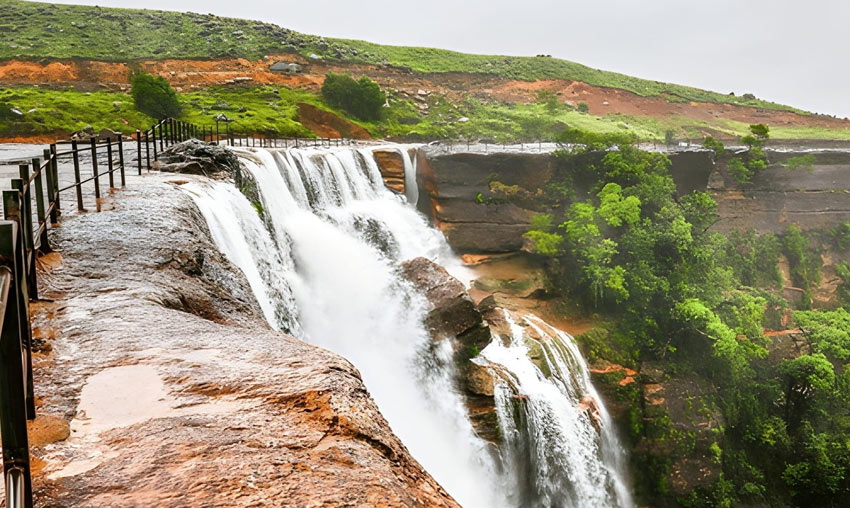
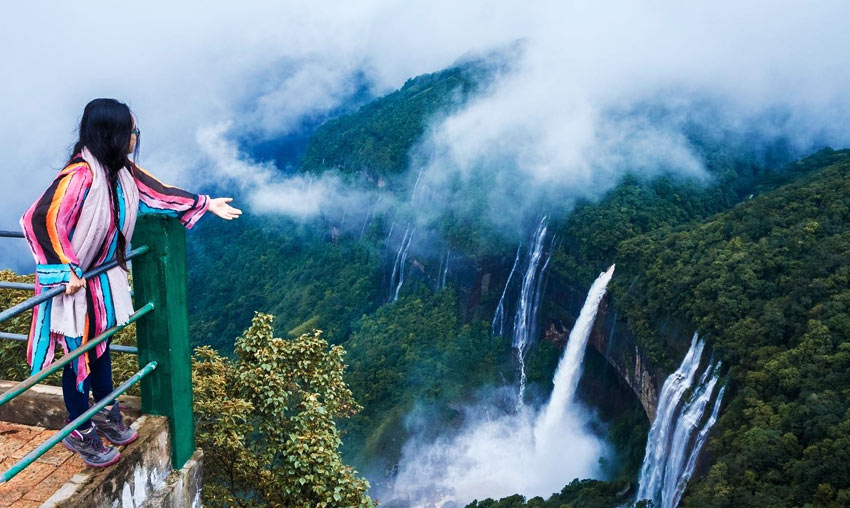
- Nohkalikai Falls – A spectacular plunge waterfall known for its dramatic height and blue-green pool.
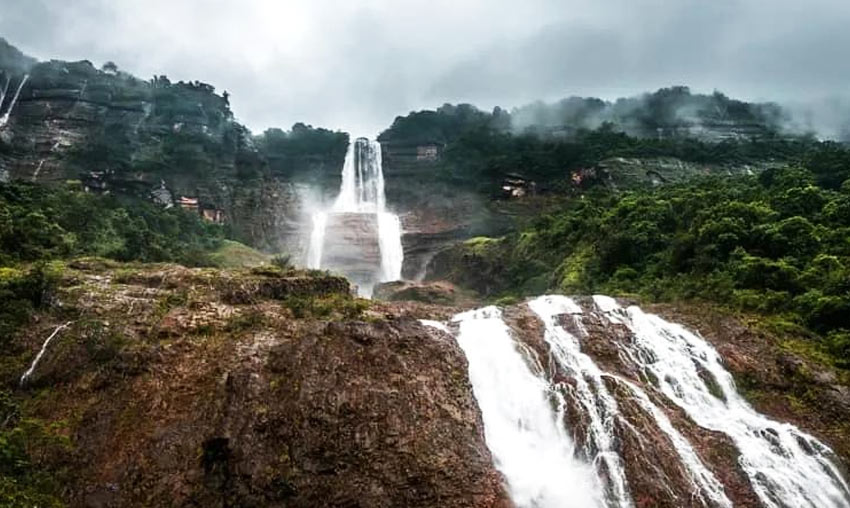
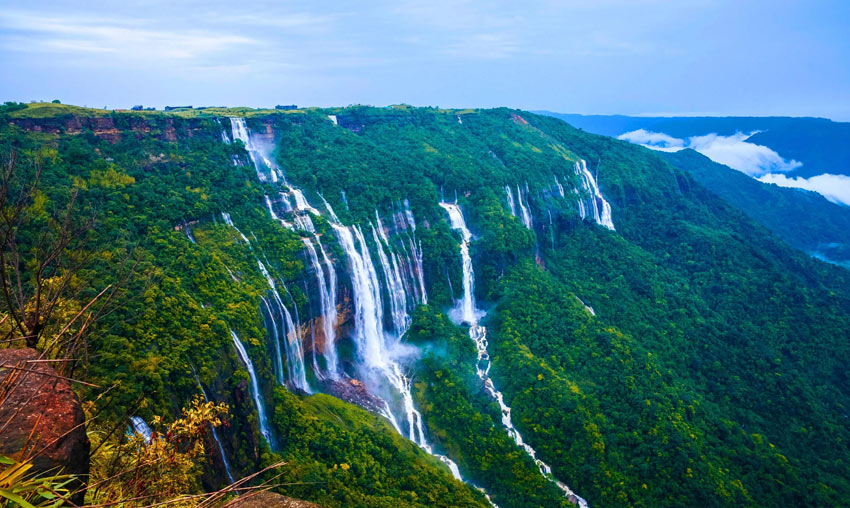
- Seven Sisters Falls (Nohsngithiang Falls) – A famous multi-stream waterfall cascading down a tall limestone cliff.
- Arwah Cave – Another limestone cave known for geological formations and fossil-bearing walls.
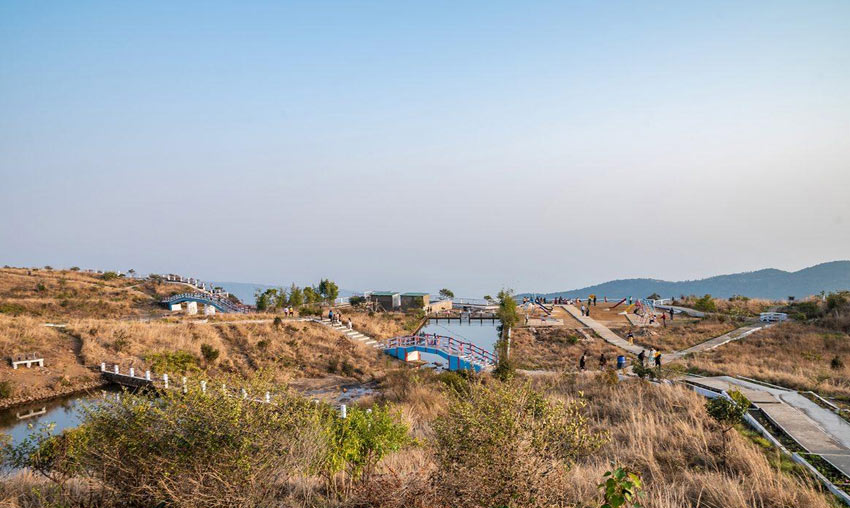
- Sohra Eco Park – A scenic park offering views of valleys, waterfalls and surrounding hills.
- Dainthlen Falls – A waterfall associated with a popular Khasi folk legend.
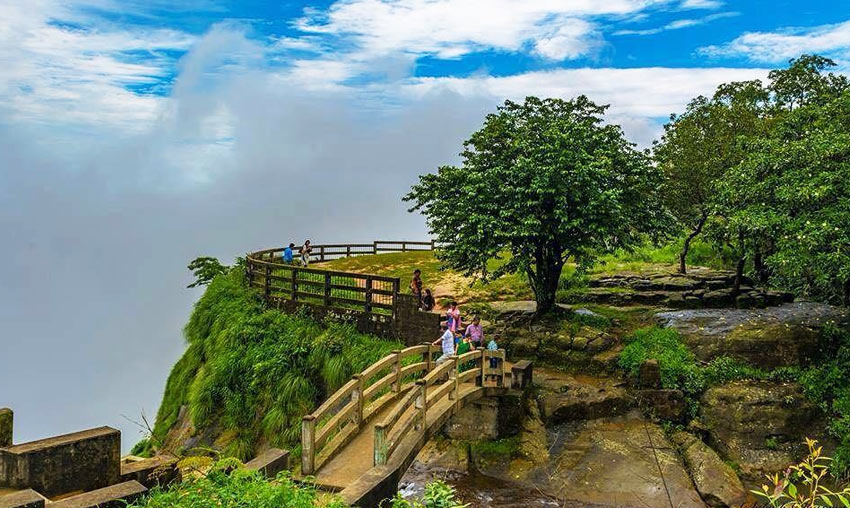
- Thangkharang Park – A viewpoint destination overlooking the surrounding landscape.
Suggested Mawsmai Cave Sightseeing Plan
Mawsmai Cave can be included in a half-day or full-day sightseeing trip around Sohra. One suggested sequence is:
- Start from Sohra town in the morning.
- Visit Mawsmai Cave and explore the accessible underground route.
- Continue to Seven Sisters Falls for the waterfall viewpoint.
- Visit Nohkalikai Falls and enjoy the surrounding valley scenery.
- Explore another nearby attraction such as Dainthlen Falls or Sohra Eco Park, depending on available time.
- Return to your accommodation in Sohra.
This is a suggested sightseeing sequence, not a fixed route. Confirm local access, weather and opening arrangements before setting out.
Frequently Asked Questions About Mawsmai Cave
1. Where is Mawsmai Cave located?
Mawsmai Cave is located in Mawsmai village near Sohra, popularly known as Cherrapunji, in the East Khasi Hills district of Meghalaya, India.
2. How far is Mawsmai Cave from Cherrapunji?
The cave is approximately 6 kilometres from the main town of Sohra, depending on the starting point and route.
3. What is Mawsmai Cave famous for?
Mawsmai Cave is famous for its limestone formations, stalactites, stalagmites, narrow passages, underground chambers and relatively accessible tourist route.
4. How long is the tourist section of Mawsmai Cave?
Meghalaya Tourism describes the accessible tourist section as approximately 150 metres long.
5. Is Mawsmai Cave suitable for beginners?
Yes, the accessible tourist section is relatively short and illuminated, making it suitable for many first-time cave visitors. However, some passages are narrow and require bending or crouching.
6. What are the opening hours of Mawsmai Cave?
Incredible India lists the opening hours as 9:00 AM to 5:00 PM. Visitors should confirm the current schedule locally before travelling.
7. What is the best time to visit Mawsmai Cave?
October to April is generally recommended for a more convenient visit because of comparatively drier weather. Always check local conditions before entering.
8. Are stalactites and stalagmites found inside Mawsmai Cave?
Yes. The cave contains natural limestone formations, including stalactites hanging from the ceiling and stalagmites rising from the floor.
9. Can children visit Mawsmai Cave?
Children may visit the accessible tourist section under adult supervision. Parents should consider the narrow passages, uneven surfaces and low ceilings before entering.
10. Can Mawsmai Cave be visited with Seven Sisters Falls?
Yes. Mawsmai Cave and Seven Sisters Falls are both in the Sohra sightseeing area and can be included in the same trip, subject to available time and local conditions.
Explore More Places in Cherrapunji
Planning a trip to Sohra? Explore our detailed destination guide and discover more natural attractions around Cherrapunji.
- Cherrapunji (Sohra) Travel Guide – Explore the destination, travel information and major attractions of Meghalaya.
- Nohkalikai Falls – Discover one of India’s most spectacular plunge waterfalls.
- Seven Sisters Falls – Explore the famous seven-stream Nohsngithiang waterfall.
Nearby Places to Visit
Nearby Places to Visit