Girnar Hills, Junagadh – A Sacred Mountain of Temples, Trekking and Natural Beauty
Rising above the historic city of Junagadh in Gujarat, Girnar Hills is one of the region’s most remarkable natural and spiritual landmarks. Also known as Girinagar and Revatak Parvata, this ancient mountain range is famous for its sacred Jain and Hindu temples, challenging stone stairways, peaceful surroundings and breathtaking views of the Saurashtra landscape.
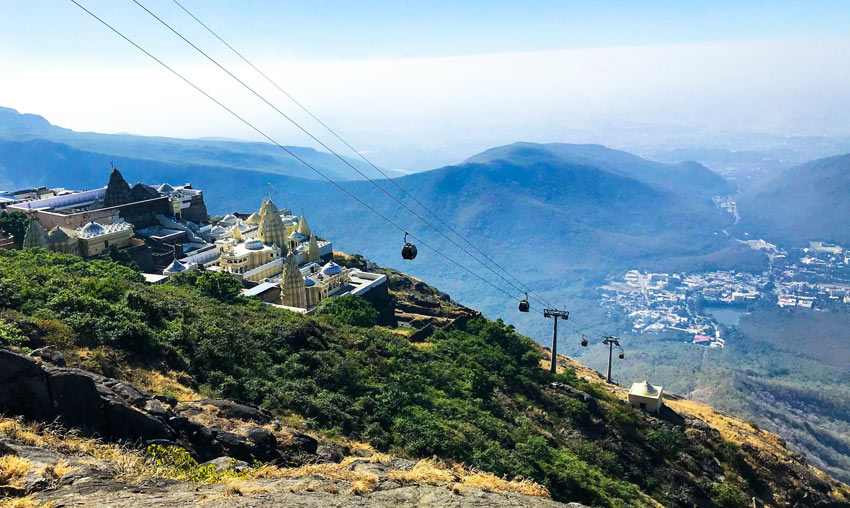
Girnar is an important pilgrimage destination for devotees as well as a popular attraction for travellers who enjoy trekking, heritage and nature. The mountain features several peaks connected by long stairways, with temples and shrines located at different elevations. Visitors can explore the traditional pilgrimage route on foot or use the Girnar Ropeway to reach the area near the Amba Mata Temple.
Whether you are visiting for religious reasons, interested in ancient architecture or looking for a memorable outdoor experience, Girnar Hills offers a unique way to discover the cultural and natural heritage of Junagadh.
Why Are Girnar Hills Famous?
Girnar Hills is famous for its religious importance, historic temples, mountain trekking route and scenic surroundings. The mountain is revered by both Jain and Hindu communities and has been an important centre of pilgrimage for centuries.
For Jain devotees, Girnar is closely associated with Lord Neminath, the 22nd Jain Tirthankara. The mountain is home to an impressive group of Jain temples, including the renowned Neminath Temple. Hindu pilgrims visit several shrines dedicated to deities and spiritual figures, including Amba Mata and Guru Dattatreya.
The mountain is also known for its extensive stone staircase, which takes pilgrims and trekkers towards the upper temples and peaks. The combination of spiritual heritage, historic architecture and panoramic mountain scenery makes Girnar one of the most distinctive attractions in Gujarat.
Religious and Historical Significance of Girnar Hills
Girnar has a long-standing place in the religious traditions of Gujarat. Its ancient name, Revatak Parvata, appears in traditional accounts, and the mountain has attracted pilgrims, monks, ascetics and spiritual seekers over many generations.
In Jain tradition, Girnar is especially significant because of its association with Lord Neminath. The mountain’s Jain temple complex is an important pilgrimage site, featuring historic shrines and intricate architectural details.
Hindu devotees also consider Girnar sacred. Several temples located along the mountain route are associated with Goddess Amba, Guru Dattatreya, Gorakhnath and other religious traditions. The presence of different places of worship across the mountain gives Girnar a distinctive multi-faith character.
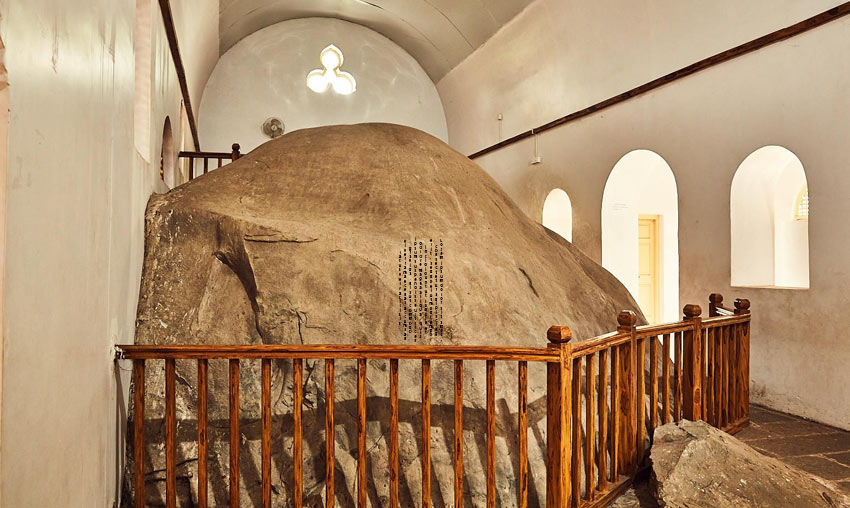
At the foothills, visitors can also explore the historic Ashoka Rock Edicts, which preserve inscriptions associated with Emperor Ashoka and later rulers. These inscriptions add another important historical dimension to the Girnar region.
Major Temples and Places to Explore on Girnar Hills
1. Neminath Jain Temple
The Neminath Jain Temple is one of the most important religious landmarks on Girnar Hills. Dedicated to Lord Neminath, the 22nd Jain Tirthankara, the temple is a major destination for Jain pilgrims.
The temple complex is admired for its traditional architecture, carved pillars, decorative details and peaceful atmosphere. It forms part of a larger group of Jain shrines situated along the mountain route. Its historic significance and architectural beauty make it one of the highlights of a Girnar visit.
2. Amba Mata Temple
Located on one of Girnar’s prominent elevations, the Amba Mata Temple is an important Hindu pilgrimage site. Devotees visit the shrine to seek the blessings of Goddess Amba and offer prayers.
The temple is also a popular destination for visitors using the Girnar Ropeway. The ropeway provides access to the area near the shrine, making this part of the mountain more accessible to pilgrims who may not wish to climb the entire staircase.
3. Guru Dattatreya Temple
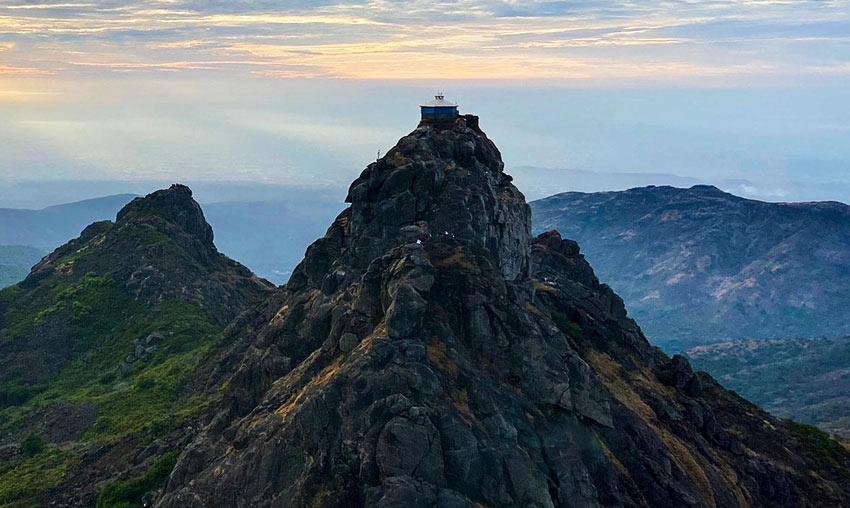
The Guru Dattatreya Temple is located on one of the higher peaks of Girnar and is among the most revered shrines on the mountain. It attracts devotees who undertake the demanding uphill journey to reach the sacred site.
The climb towards the temple involves a long series of steps and steep sections. Pilgrims who reach the upper area are rewarded with a spiritually meaningful experience and impressive views of the surrounding landscape.
4. Gorakhnath Temple
The Gorakhnath Temple is another notable religious destination on Girnar Hills. It is associated with Guru Gorakhnath and the Nath tradition. Located at a high elevation, the shrine is visited by devotees and trekkers exploring the upper mountain route.
The surrounding mountain scenery adds to the experience, although reaching this area requires considerable physical effort.
5. Kalika Temple
The Kalika Temple is among the shrines associated with the upper peaks of Girnar. Dedicated to Goddess Kali, it holds religious significance for devotees who visit the mountain’s different sacred locations.
Exploring these upper shrines can involve additional uphill and downhill sections. Visitors should plan their route according to their fitness level, available time and local guidance.
Girnar Trek – Climbing the Famous Stone Steps
The Girnar trek is one of the most memorable experiences for visitors to Junagadh. The traditional route begins near Girnar Taleti and follows a long stone staircase towards the mountain’s temples and upper peaks.
The climb is commonly described as involving more than 10,000 steps, although the total number depends on the route and destination being considered. Along the way, visitors pass religious shrines, temple complexes, resting points and viewpoints overlooking the surrounding hills.
The trek can be physically demanding, particularly for visitors planning to reach the higher peaks. Many pilgrims begin their climb early in the morning to make the most of the cooler hours and allow sufficient time for the journey.
What to Expect During the Trek
- Long stone stairways with sections of continuous uphill climbing.
- Historic Jain and Hindu temples along the route.
- Views of Junagadh and the surrounding Saurashtra landscape.
- Resting points and places to pause during the climb.
- A spiritual atmosphere created by pilgrims and visitors.
- Steep uphill and downhill sections on routes towards the higher peaks.
Visitors who plan to explore only selected temples can choose a shorter route rather than attempting the complete mountain climb. Always consider your fitness level before deciding how far to climb.
Girnar Ropeway
The Girnar Ropeway is an important attraction for visitors who want to experience the mountain without completing the entire traditional staircase. It connects the foothills with the area near the Amba Mata Temple and offers impressive views of the surrounding landscape during the journey.
The ropeway is particularly useful for pilgrims and tourists who may find the long staircase challenging. However, it does not provide access to every temple or upper peak of Girnar. Visitors wishing to reach other shrines, including the higher mountain destinations, may still need to walk and climb additional steps.
For a detailed guide to the cable car experience, ticket information and visitor planning, explore our dedicated Girnar Ropeway page.
Girnar Parikrama and Major Festivals
Girnar is an important centre for religious gatherings and pilgrimage events. One of the best-known events is the Girnar Lili Parikrama, a traditional circumambulation of the sacred mountain.
The parikrama generally takes place during the Hindu month of Kartik, around November, and attracts devotees and spiritual travellers from different parts of Gujarat and India. The pilgrimage route, religious activities and festive atmosphere make this an important period in the region’s annual calendar.
Another major event is the Maha Shivratri fair around Bhavnath Mahadev Temple at the foothills of Girnar. The occasion draws devotees, sadhus and visitors to Junagadh for religious ceremonies and celebrations.
If you plan to visit during a festival, expect larger crowds and make suitable arrangements for transport and accommodation.
Best Time to Visit Girnar Hills
The best time to visit Girnar Hills is generally from October to March, when the weather is more suitable for sightseeing and outdoor activities. The cooler months are especially comfortable for visitors planning to climb the mountain.
Winter Season (November to February)
Winter is a popular period for visiting Girnar. The relatively pleasant weather makes it more comfortable to explore the temple route and enjoy the mountain scenery. This season also coincides with important pilgrimage activities and festivals.
Monsoon Season (July to September)
During the monsoon, the hills and surrounding landscape become greener and more scenic. However, rain can make the stone steps slippery and climbing conditions more difficult. Visitors should check local weather and route conditions before planning a trek.
Summer Season (March to June)
Summer temperatures in the region can become high, making a long climb more challenging. If visiting during this season, begin outdoor activities early and take adequate drinking water.
How to Reach Girnar Hills
Girnar Hills is located near Junagadh city in Gujarat. The main starting point for the traditional mountain climb is Girnar Taleti, which can be reached from the city by local transport.
By Road
Junagadh is connected to several cities and towns in Gujarat by road. State transport buses and private vehicles can be used to reach Junagadh. From the city, visitors can hire an auto-rickshaw, taxi or other local transport to reach Girnar Taleti.
By Train
Junagadh Railway Station is the nearest convenient railway station for visitors travelling to Girnar Hills. The city has rail connections with other parts of Gujarat. From the railway station, local transport is available for reaching the foothills.
By Air
Visitors travelling by air can use Rajkot Airport as one of the regional airport options. The remaining journey to Junagadh can be completed by road. Check current flight availability and onward transport before travelling.
Travel Tips for Visiting Girnar Hills
- Start your climb early in the morning, especially if you plan to visit the upper temples.
- Wear comfortable walking or trekking shoes with a good grip.
- Carry sufficient drinking water and light snacks for the journey.
- Keep your belongings light, particularly when climbing the longer routes.
- Take breaks whenever required and avoid rushing on steep stairways.
- Check weather conditions before starting, especially during the monsoon.
- Follow temple rules and respect the religious practices of pilgrims.
- Keep the mountain clean and avoid littering along the steps.
- Check current ropeway operations, timings and ticket availability through the official operator before travelling.
- Do not attempt the full climb if you are not physically prepared for a long and demanding route.
Places to Visit Near Girnar Hills
Junagadh has several historic, religious and natural attractions that can be explored along with Girnar Hills. Visitors can plan a wider sightseeing trip to discover the city’s cultural heritage.
- Girnar Ropeway – A cable car experience offering access to the area near Amba Mata Temple.
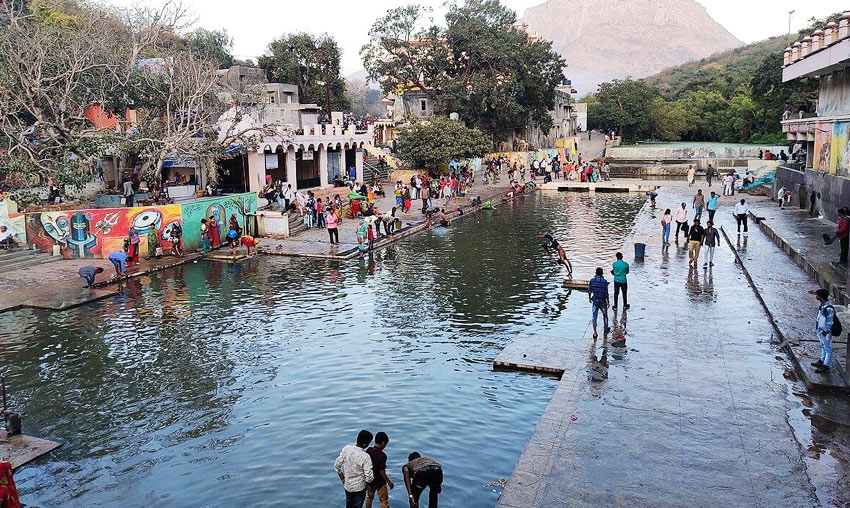
- Damodar Kund – A sacred water body situated near the foothills of Girnar.
- Ashoka Rock Edicts – Historic inscriptions associated with Emperor Ashoka.
- Bhavnath Mahadev Temple – An important Shiva temple near Girnar Taleti.
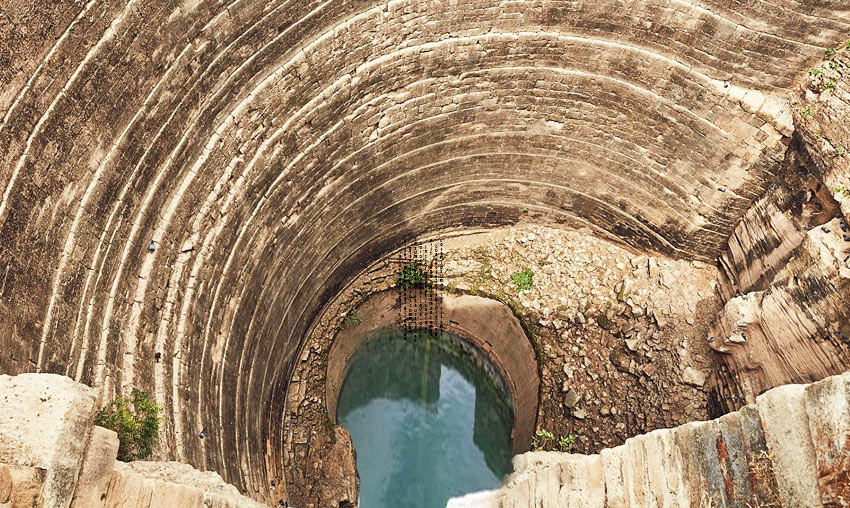
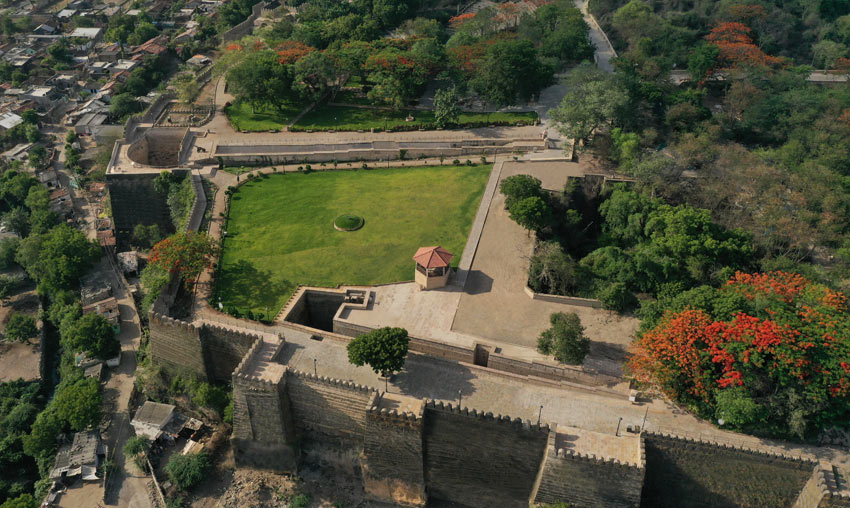
- Uparkot Fort – A historic fort known for its heritage structures and ancient stepwells.
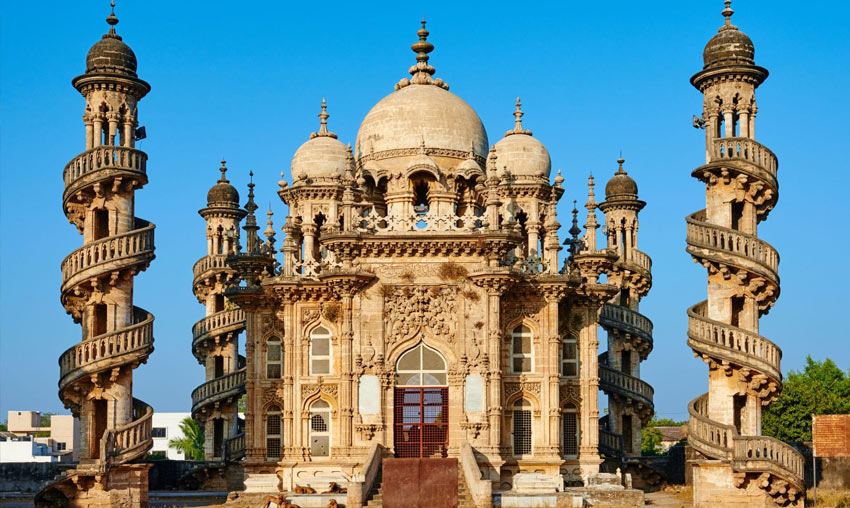
- Mahabat Maqbara – A remarkable mausoleum known for its distinctive architecture.
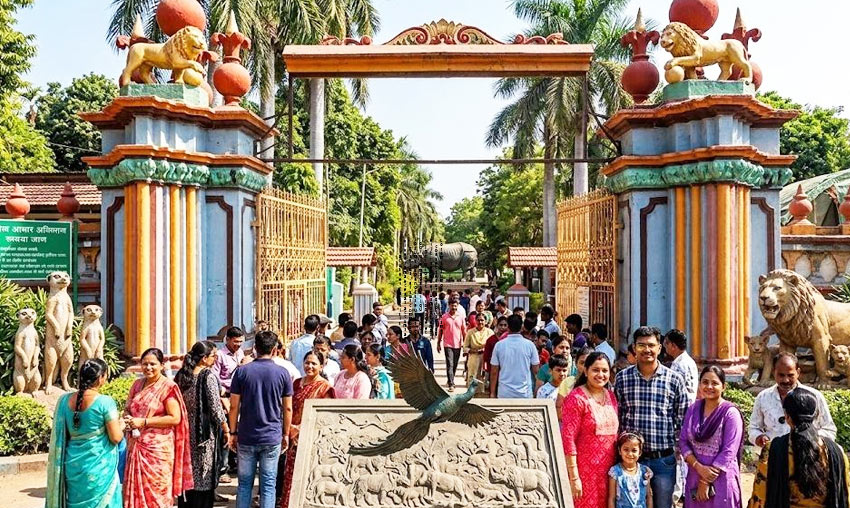
- Sakkarbaug Zoological Garden – A well-known zoological park in Junagadh.
For a wider travel plan, explore our complete Junagadh Travel Guide.
Frequently Asked Questions About Girnar Hills
1. Where are Girnar Hills located?
Girnar Hills is located near Junagadh city in the Saurashtra region of Gujarat, India. Girnar Taleti is the main starting point for the traditional climb.
2. Why are Girnar Hills famous?
Girnar Hills is famous for its ancient Jain and Hindu temples, religious importance, long stone stairways, trekking opportunities and scenic mountain views.
3. How many steps are there on Girnar Hills?
The traditional climb is commonly described as having more than 10,000 steps. The actual number depends on the route and the temple or peak you plan to visit.
4. Which temples are located on Girnar Hills?
Important shrines include the Neminath Jain Temple, Amba Mata Temple, Guru Dattatreya Temple, Gorakhnath Temple and Kalika Temple.
5. Is there a ropeway at Girnar Hills?
Yes. The Girnar Ropeway connects the foothills with the area near Amba Mata Temple. Visitors should note that it does not reach every temple or upper peak.
6. How difficult is the Girnar trek?
The trek can be challenging because of its long staircase, steep sections and high elevation. Visitors should assess their fitness and choose a suitable route.
7. What is the best time to visit Girnar Hills?
October to March is generally a comfortable period for visiting. Winter is particularly suitable for trekking and temple visits.
8. How much time is needed to explore Girnar Hills?
A visit to selected temples may take a few hours, while exploring the upper mountain route can require most of the day. The time depends on your route, pace and use of the ropeway.
9. Is Girnar Hills suitable for families?
Families can visit the foothills and selected accessible areas. However, the complete staircase climb may be difficult for young children, elderly visitors and people who are not comfortable with strenuous walking.
10. What is Girnar Lili Parikrama?
Girnar Lili Parikrama is a traditional pilgrimage in which devotees walk around the sacred Girnar mountain. It is generally held during the Hindu month of Kartik, around November.
Girnar Hills is one of the most significant attractions in Junagadh, bringing together spirituality, history, architecture and natural beauty. From the historic Jain temples and sacred Hindu shrines to the challenging stone staircase and modern ropeway, the mountain offers different experiences for pilgrims and travellers.
Whether you wish to seek blessings at the temples, enjoy a memorable trek or admire the panoramic views of Gujarat’s Saurashtra region, Girnar Hills deserves a place on your Junagadh travel itinerary.