Ahmedabad Travel Guide – Best Places to Visit, History, Famous Attractions and Things to Do
Ahmedabad, also known as Amdavad, is one of the most fascinating destinations in Gujarat, India. Located on the banks of the Sabarmati River, the city is famous for its rich history, magnificent architecture, vibrant culture, traditional markets, delicious Gujarati food and modern urban lifestyle.
Known as India's first UNESCO World Heritage City, Ahmedabad offers a unique combination of historical monuments, ancient temples, mosques, traditional residential neighbourhoods and contemporary attractions. The historic walled city, with its narrow streets, traditional pols, beautifully carved wooden houses and centuries-old monuments, reflects the architectural and cultural heritage of Gujarat.
Ahmedabad is also closely associated with Mahatma Gandhi and India's freedom movement. Sabarmati Gandhi Ashram, located along the Sabarmati River, is one of the city's most important historical landmarks. Other popular attractions include Kankaria Lake, Sabarmati Riverfront, Sidi Saiyyed Mosque, Jama Masjid, Sarkhej Roza and Hutheesing Jain Temple.
Whether you are interested in history, architecture, spirituality, shopping, local cuisine or family sightseeing, Ahmedabad offers something for every traveller. This Ahmedabad travel guide covers the city's history, famous tourist attractions, best things to do, travel routes, local food, festivals and useful travel information to help you plan your visit.
About Ahmedabad
Ahmedabad is the largest city in Gujarat and an important centre of business, education, culture and tourism. It is situated on the eastern and western banks of the Sabarmati River and is known for its historic old city as well as its expanding modern neighbourhoods.
The city has a fascinating architectural identity shaped by different historical periods. Its old neighbourhoods feature traditional pol houses, wooden havelis, community courtyards, historic gates, mosques, temples and Jain religious structures. These heritage areas offer visitors a glimpse into the traditional lifestyle and community culture of Ahmedabad.
Beyond its historic character, Ahmedabad is a modern metropolitan city with educational institutions, business districts, shopping centres, museums, recreational parks and a well-developed transport network. It is also an important gateway for exploring other destinations in Gujarat.
Ahmedabad is particularly popular among travellers interested in heritage tourism, Gandhi's life, Gujarati culture, traditional architecture and food experiences.
History of Ahmedabad
The history of Ahmedabad goes back several centuries and is closely connected with the development of Gujarat as an important political, commercial and cultural region.
Before the foundation of Ahmedabad, the region was associated with the historic settlement of Ashaval and the city of Karnavati, which is traditionally linked with the Solanki ruler Karandev I. The region later became part of the Gujarat Sultanate.
In 1411, Sultan Ahmad Shah I founded Ahmedabad on the eastern bank of the Sabarmati River and established it as his new capital. The city gradually developed into an important centre of administration, trade, craftsmanship and architecture.
During the rule of the Gujarat Sultanate, Ahmedabad witnessed the construction of impressive mosques, tombs, forts and gateways. The architectural style of this period reflects a distinctive combination of local craftsmanship and Islamic design traditions.
In the later centuries, Ahmedabad came under Mughal rule and subsequently experienced changes under the Marathas and the British. During British rule, the city developed into an important textile and industrial centre.
Ahmedabad also played a significant role in India's freedom movement. Mahatma Gandhi established Kochrab Ashram in 1915 and later moved his ashram to the banks of the Sabarmati River in 1917. From here, he organised important activities connected with India's struggle for independence, including the historic Dandi March in 1930.
After India became independent and Gujarat was formed as a separate state in 1960, Ahmedabad continued to develop as a major commercial, educational and industrial centre. Gandhinagar subsequently became the capital of Gujarat.
In 2017, the historic walled city of Ahmedabad was inscribed on the UNESCO World Heritage List, becoming India's first UNESCO World Heritage City.
Why Is Ahmedabad Famous?
Ahmedabad is famous for its historic architecture, cultural traditions, freedom movement heritage, textile industry and vibrant lifestyle. The city offers a variety of experiences for domestic and international tourists.
- UNESCO World Heritage City: Ahmedabad's historic walled city is recognised for its traditional pols, historic monuments, architectural heritage and cultural character.
- Sabarmati Gandhi Ashram: The city is closely associated with Mahatma Gandhi and India's independence movement.
- Historic Architecture: Ahmedabad is home to impressive mosques, temples, stepwells, forts, gateways and traditional houses.
- Gujarati Food: The city is popular for dhokla, khaman, fafda, jalebi, khakhra, Gujarati thali and many other local dishes.
- Traditional Markets: Markets such as Manek Chowk, Lal Darwaja and Law Garden are popular for shopping and local experiences.
- Festivals: Navratri, Uttarayan and the Rath Yatra are among the major cultural and religious celebrations.
- Modern Attractions: Sabarmati Riverfront and Kankaria Lake offer recreational activities and family-friendly experiences.
UNESCO World Heritage City of Ahmedabad
Ahmedabad received international recognition in 2017 when its historic walled city was inscribed on the UNESCO World Heritage List. This recognition highlights the city's architectural heritage, traditional urban planning and living cultural traditions.
The historic city is especially known for its pols, which are traditional residential neighbourhoods with closely connected houses, narrow lanes, community spaces and distinctive wooden architecture.
Many of these neighbourhoods also contain bird-feeding structures known as chabutras, community wells, temples and other traditional features that reflect the social and cultural life of the city.
The walled city also contains important historical landmarks, including Bhadra Fort, Teen Darwaza, Jama Masjid and Sidi Saiyyed Mosque. These monuments showcase the architectural traditions that developed during the Gujarat Sultanate and later periods.
Exploring Ahmedabad's heritage areas is one of the best ways to understand the city's history and traditional lifestyle. Visitors can also experience guided heritage walks to discover the hidden architectural details and stories of the old city.
16 Famous Places to Visit in Ahmedabad
Ahmedabad has a wide range of tourist attractions, including historical monuments, religious sites, museums, gardens and recreational destinations. The following places are a useful starting point for planning an Ahmedabad sightseeing trip.
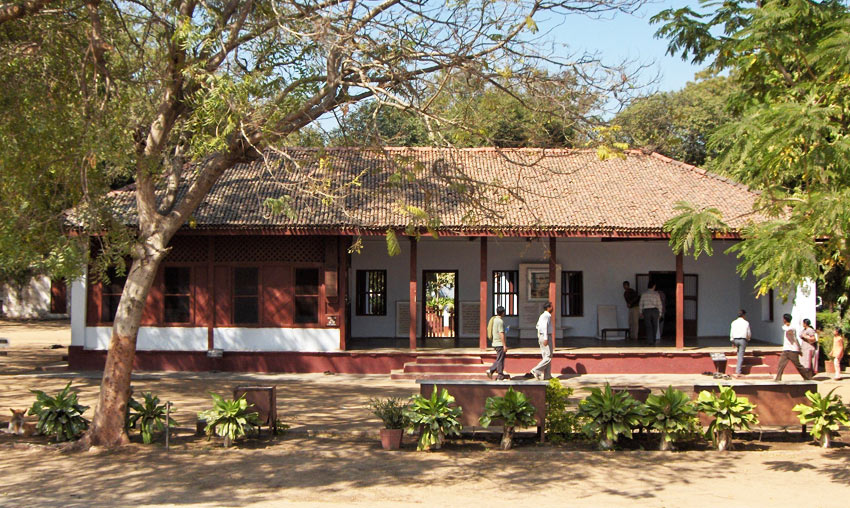
1. Sabarmati Gandhi Ashram
Sabarmati Gandhi Ashram is one of the most important historical landmarks in Ahmedabad. Located on the banks of the Sabarmati River, the ashram was Mahatma Gandhi's residence and a major centre of his activities during India's freedom movement.
Gandhiji established the ashram at this location in 1917. It became an important place for his experiments with truth, non-violence, self-reliance and community living.
The ashram is also closely associated with the historic Dandi March, which began on 12 March 1930. Today, visitors can explore the Gandhi Memorial Museum, historical photographs, personal belongings and exhibits related to Gandhiji's life and philosophy.
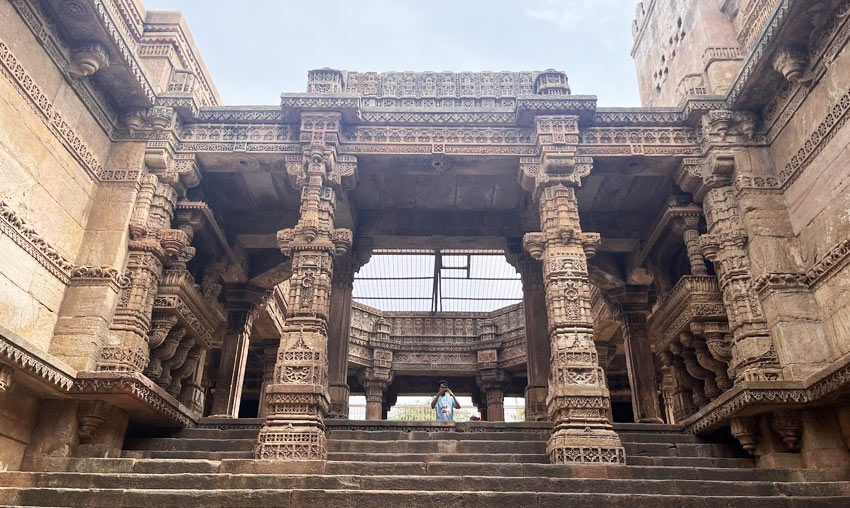
2. Adalaj Stepwell
Adalaj Stepwell, also known as Adalaj Vav or Rudabai Stepwell, is a remarkable example of traditional stepwell architecture in Gujarat.
Located in Adalaj village near Ahmedabad and Gandhinagar, this five-storey stepwell was constructed in 1499. It was designed to provide water and shelter to travellers while also serving as a place for social and religious activities.
The stepwell is known for its intricate stone carvings, beautifully decorated pillars, galleries and architectural details that combine Hindu and Islamic influences. Its underground levels create a cooler environment compared with the surrounding landscape.
Although it is outside Ahmedabad city, Adalaj Stepwell is one of the most popular nearby attractions included in Ahmedabad sightseeing tours.
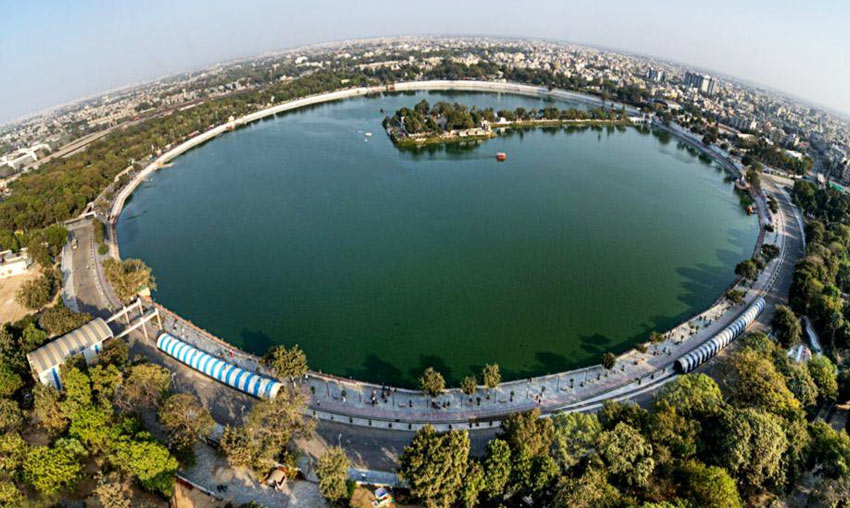
3. Kankaria Lake
Kankaria Lake is one of the most popular recreational attractions in Ahmedabad. Originally developed during the fifteenth century, the lake was historically known as Hauz-e-Qutb.
The lake has a large circular waterfront promenade and a central island garden known as Naginawadi. Today, it is a major family entertainment destination with attractions and recreational facilities in the surrounding area.
Visitors can enjoy the lakefront atmosphere, walking paths, gardens, boating facilities when operational, toy train rides and other family activities. Kankaria Lake is also associated with the annual Kankaria Carnival.
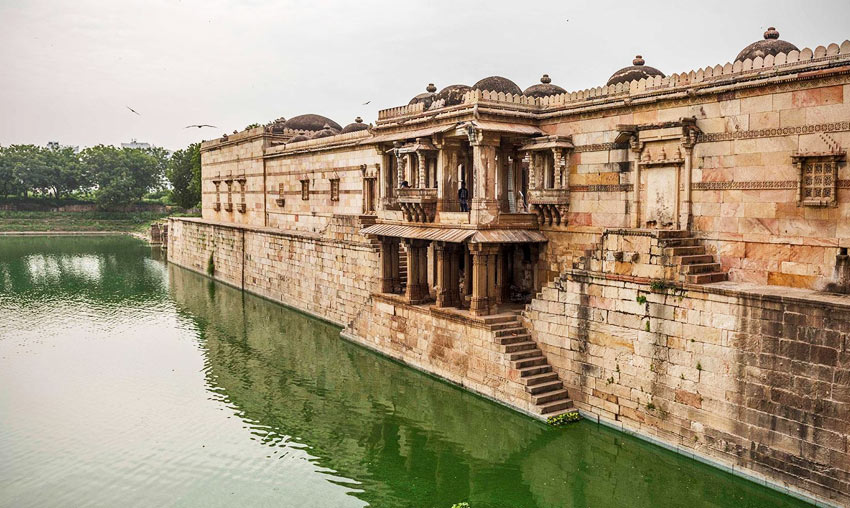
4. Sarkhej Roza
Sarkhej Roza is a historic architectural complex located in the Sarkhej area of Ahmedabad. It is known for its combination of Islamic architecture and regional craftsmanship.
The complex includes a mosque, tombs, pavilions and a large water tank. It is particularly associated with the spiritual traditions surrounding Shaikh Ahmed Khattu Ganj Baksh, a revered Sufi saint.
Sarkhej Roza is an important destination for visitors interested in medieval architecture, religious history and the cultural heritage of Ahmedabad.
5. Sidi Saiyyed Mosque
Sidi Saiyyed Mosque is one of Ahmedabad's most recognised historical monuments. Built in 1573, the mosque is especially famous for its beautifully carved stone lattice windows, popularly known as jalis.
The most celebrated design is the Tree of Life jali, which features an intricate pattern of branches, leaves and intertwined forms carved into stone.
The mosque represents the high level of craftsmanship achieved by artisans during the Gujarat Sultanate period. It is a must-visit destination for architecture enthusiasts and heritage travellers.
6. Jama Masjid
Jama Masjid is one of the most important historical mosques in Ahmedabad. It was commissioned by Sultan Ahmad Shah I and completed in 1424.
Located in the historic walled city, the mosque is known for its large courtyard, impressive pillars, arches and traditional architectural details.
The structure reflects the distinctive architectural style of the Gujarat Sultanate, combining Islamic design elements with local craftsmanship. Its location also makes it convenient to explore nearby heritage landmarks.
7. Hutheesing Jain Temple
Hutheesing Jain Temple is a beautiful Jain temple known for its white marble architecture and detailed carvings.
The temple was constructed in the nineteenth century and is dedicated to Lord Dharmanatha, the fifteenth Jain Tirthankara.
Its finely carved pillars, decorative arches, marble sculptures and peaceful surroundings make it an important religious and architectural attraction in Ahmedabad.
8. Sabarmati Riverfront
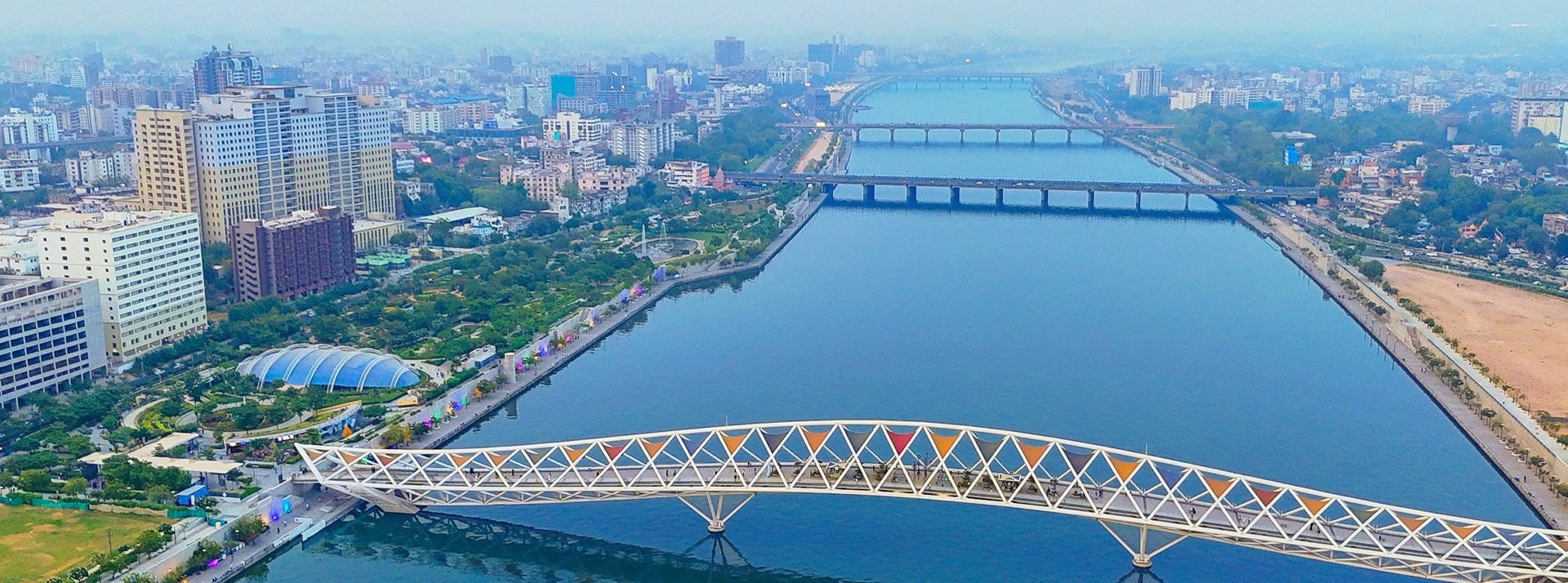
Sabarmati Riverfront is one of the city's most popular modern attractions. Developed along the banks of the Sabarmati River, the riverfront has transformed the urban landscape and created a public space for recreation and leisure.
The riverfront features walking paths, cycling areas, gardens, promenades and public spaces. Visitors can enjoy riverside views, take photographs, relax with family and explore activities organised along the waterfront.
The Atal Foot Over Bridge is another notable feature of the riverfront and offers a distinctive pedestrian crossing experience.
9. Bhadra Fort
Bhadra Fort is a historic fort complex associated with the foundation of Ahmedabad by Sultan Ahmad Shah I in 1411.
The fort was an important administrative and royal centre during the Gujarat Sultanate period. Its historic structures, gates and surrounding heritage precinct reflect the early development of the walled city.
Bhadra Fort is an important stop for travellers interested in Ahmedabad's medieval history and heritage architecture.
10. Teen Darwaza
Teen Darwaza is one of the most famous historical gateways in Ahmedabad. Located near Bhadra Fort, the gateway was constructed during the reign of Sultan Ahmad Shah I.
The structure is known for its three arched entrances and distinctive architectural design. It historically served as an important ceremonial gateway and remains a recognised landmark of the old city.
11. Manek Chowk
Manek Chowk is one of Ahmedabad's most popular traditional marketplaces. Located in the historic city, it is known for jewellery shops, local trading activities and its famous evening street-food scene.
During the day, the area functions as a busy commercial market. In the evening, food stalls serve a variety of local snacks, sandwiches, sweets and traditional Gujarati favourites.
Manek Chowk offers visitors a lively experience of Ahmedabad's food culture and traditional market life.
12. Law Garden
Law Garden is a popular public garden and shopping area in Ahmedabad. The surrounding market is well known for traditional Gujarati clothing, handicrafts, embroidered garments, jewellery and accessories.
Visitors can shop for colourful chaniya cholis, mirror-work fabrics, traditional bags and local handicrafts. The area is especially lively in the evening and during festival shopping seasons.
13. Calico Museum of Textiles
Calico Museum of Textiles is one of India's important museums dedicated to the history and heritage of textiles.
The museum showcases a remarkable collection of Indian fabrics, traditional weaving techniques, embroidery, garments and textile craftsmanship.
It is an interesting destination for visitors who want to understand Gujarat's textile traditions and India's long history of fabric production.
Visitors should check advance booking requirements, visiting arrangements and current entry rules before planning a visit.
14. Sanskar Kendra
Sanskar Kendra is a cultural museum complex designed by the renowned architect Le Corbusier.
The museum focuses on Ahmedabad's cultural identity, history, art and local traditions. It provides an opportunity to understand the city's development through photographs, exhibits and historical collections.
Its architectural design also makes the building interesting for visitors who appreciate modern architecture and urban heritage.
15. Jhulta Minara
Jhulta Minara, also known as the Shaking Minarets, is one of Ahmedabad's most intriguing architectural landmarks.
The minarets are famous for the historical observation that movement in one tower may produce vibrations in the other, while the connecting structure behaves differently.
The exact engineering explanation and present accessibility should be checked locally. The site remains a fascinating subject for visitors interested in historic architecture and engineering.
16. ISKCON Temple Ahmedabad
ISKCON Temple Ahmedabad is a well-known religious destination dedicated to Lord Krishna and Radha.
The temple is visited by devotees for daily worship, devotional programmes, spiritual gatherings and festivals such as Janmashtami.
Its peaceful atmosphere and religious activities make it a popular destination for families and visitors interested in Krishna devotion.
Best Things to Do in Ahmedabad
Ahmedabad offers a wide variety of experiences beyond visiting its historical monuments. From exploring traditional neighbourhoods to tasting local food and enjoying riverside activities, travellers can experience different aspects of the city.
- Explore the Old City: Walk through the historic pols, traditional houses, heritage streets and old gateways.
- Visit Sabarmati Ashram: Learn about Mahatma Gandhi's life, philosophy and contribution to India's independence movement.
- Enjoy a Heritage Walk: Discover the architectural details, community spaces and stories of the walled city.
- Relax at Sabarmati Riverfront: Enjoy walking, cycling and riverside views.
- Spend Time at Kankaria Lake: Explore the lakefront and family entertainment facilities.
- Explore Historic Mosques and Temples: Visit Jama Masjid, Sidi Saiyyed Mosque, Sarkhej Roza and Hutheesing Jain Temple.
- Enjoy Gujarati Street Food: Taste dhokla, khaman, fafda, jalebi, khakhra and local snacks.
- Shop for Traditional Handicrafts: Explore Law Garden, Manek Chowk and other traditional markets.
- Visit Museums: Discover the city's textile, cultural and historical collections.
- Experience Local Festivals: Enjoy the colourful celebrations of Navratri, Uttarayan and Rath Yatra.
Ahmedabad Heritage Walk
One of the best ways to explore the historical side of Ahmedabad is through a heritage walk in the old city. The walk introduces visitors to the traditional neighbourhoods, historic houses, religious structures and community spaces that make Ahmedabad a unique heritage destination.
The historic pols are among the most interesting features of the walk. These traditional residential clusters have narrow lanes, intricately carved wooden houses, internal courtyards and community facilities.
Visitors may also explore important landmarks such as Swaminarayan Temple, traditional markets, old city gates and heritage streets depending on the selected walking route.
A guided heritage walk can provide a better understanding of Ahmedabad's architectural development, community traditions and cultural history.
Famous Food to Try in Ahmedabad
Ahmedabad is a paradise for food lovers, especially those interested in Gujarati cuisine and vegetarian street food. The city has a strong food culture, with traditional snacks, sweets, farsan and complete Gujarati meals available across markets and restaurants.
1. Dhokla
Dhokla is one of Gujarat's most popular snacks, made using fermented batter and steamed until soft and spongy. It is commonly served with chutney and seasoning.
2. Khaman
Khaman is a soft and savoury Gujarati snack prepared mainly from gram flour. It is usually topped with mustard seeds, coriander and green chillies.
3. Fafda and Jalebi
Fafda and jalebi are a popular combination in Ahmedabad. The crispy savoury snack is commonly enjoyed with sweet jalebi, especially during breakfast and festival occasions.
4. Gujarati Thali
A traditional Gujarati thali offers a variety of dishes such as rotli, dal, kadhi, seasonal vegetables, rice, farsan, pickles and sweets.
5. Thepla
Thepla is a popular Gujarati flatbread made using wheat flour, spices and sometimes fenugreek leaves. It is often enjoyed with curd, pickle or chutney.
6. Khakhra
Khakhra is a thin and crispy roasted snack that is available in different flavours. It is commonly enjoyed with tea or as a light snack.
7. Undhiyu
Undhiyu is a traditional Gujarati mixed vegetable preparation, particularly popular during the winter season.
8. Street Food at Manek Chowk
Manek Chowk is famous for its evening food stalls offering a variety of local snacks, sandwiches, sweets and other street-food specialities.
Shopping in Ahmedabad
Shopping is an enjoyable part of visiting Ahmedabad. The city has traditional markets, handicraft stores, textile shops and modern shopping centres where visitors can explore Gujarati products and souvenirs.
- Law Garden Market: Famous for traditional Gujarati clothing, mirror-work garments, jewellery and handicrafts.
- Manek Chowk: Known for jewellery shops and its evening food market.
- Lal Darwaja Market: A busy shopping area offering clothing, accessories and everyday products.
- Rani no Hajiro: A traditional market known for textiles, clothing and local shopping.
- Dhalgarwad: Popular for fabrics, dress materials and traditional textiles.
- CG Road: Known for branded stores, retail outlets and modern shopping experiences.
Visitors looking for traditional souvenirs can shop for bandhani fabrics, embroidered garments, handicrafts, wooden items and locally made textiles.
Famous Festivals Celebrated in Ahmedabad
Ahmedabad has a vibrant cultural calendar, with several religious and traditional festivals celebrated throughout the year. These celebrations offer visitors an opportunity to experience Gujarati music, dance, food and community traditions.
1. Uttarayan – International Kite Festival
Uttarayan, celebrated around 14 January, is one of Ahmedabad's most popular festivals. The skies fill with colourful kites as residents and visitors participate in kite flying and related celebrations.
2. Navratri
Navratri is celebrated with great enthusiasm across Ahmedabad. The festival is known for traditional Garba and Dandiya Raas performances, colourful clothing, music and devotional celebrations dedicated to Goddess Durga.
3. Rath Yatra
Ahmedabad hosts a major Rath Yatra dedicated to Lord Jagannath. The procession features decorated chariots, devotional singing and large public participation.
4. Diwali
Diwali is celebrated with illuminated homes, decorative lights, traditional sweets, shopping and religious rituals throughout the city.
5. Kankaria Carnival
The Kankaria Carnival is a cultural event associated with Kankaria Lake. It features entertainment, performances and activities for visitors, subject to the annual programme.
Best Time to Visit Ahmedabad
The best time to visit Ahmedabad is generally from October to March, when the weather is more comfortable for sightseeing, heritage walks, shopping and outdoor activities.
Winter Season (October to February)
Winter is one of the best seasons to explore Ahmedabad. The pleasant daytime weather makes it suitable for visiting monuments, museums, markets and riverfront attractions.
January is particularly interesting for visitors who want to experience Uttarayan and the International Kite Festival.
Summer Season (March to June)
Summer temperatures in Ahmedabad can become very high. Visitors planning a trip during these months should prefer early morning and evening sightseeing and avoid extended outdoor activities during peak afternoon heat.
Monsoon Season (July to September)
Monsoon brings rainfall and comparatively cooler conditions to parts of the region. Visitors can explore museums, religious sites and indoor attractions, but should check local weather and travel conditions before planning outdoor activities.
Best Time Based on Travel Interest
- For Heritage Sightseeing: October to February.
- For Kite Festival: January, around Uttarayan.
- For Garba and Navratri: September or October, depending on the Hindu calendar.
- For Family Sightseeing: November to February.
- For Shopping and Food: October to March.
How to Reach Ahmedabad
Ahmedabad is well connected to major Indian cities by air, rail and road. Its transport infrastructure makes it one of the most accessible destinations in Gujarat.
By Air
Sardar Vallabhbhai Patel International Airport is the main airport serving Ahmedabad and Gandhinagar. It is located in Hansol, approximately 9 kilometres north of central Ahmedabad.
The airport offers domestic and international flight connectivity. After arriving, visitors can reach the city centre by taxi, app-based cab or other available local transport.
By Train
Ahmedabad Junction, also known as Kalupur Railway Station, is the city's main railway station. It is an important railway hub connected to several major Indian cities.
Other railway stations in the city and surrounding areas include Sabarmati Junction, Maninagar, Gandhigram and Asarva.
Visitors can check current train schedules and availability through official railway booking platforms before planning their journey.
By Road
Ahmedabad is connected by national and state highways to major cities in Gujarat and neighbouring states. Visitors can reach the city by private car, taxi or intercity bus.
The GSRTC Bus Port at Gita Mandir is one of the important bus terminals serving intercity and regional bus services.
Distance to Ahmedabad from Major Cities
The following are approximate road distances. Actual distances and journey times may vary depending on the route, traffic and starting point.
- Vadodara to Ahmedabad: Approximately 110–115 km.
- Surat to Ahmedabad: Approximately 265–275 km.
- Rajkot to Ahmedabad: Approximately 215–225 km.
- Gandhinagar to Ahmedabad: Approximately 25–30 km.
- Udaipur to Ahmedabad: Approximately 250–270 km.
- Mumbai to Ahmedabad: Approximately 525–550 km.
- Jaipur to Ahmedabad: Approximately 650–680 km.
- Delhi to Ahmedabad: Approximately 900–950 km.
Check a current navigation map for the best route and estimated journey time before departure.
Local Transport in Ahmedabad
Ahmedabad offers several local transport options that make sightseeing and travelling around the city convenient.
- Ahmedabad Metro: Useful for travelling between selected parts of the city. Check current routes and operating schedules.
- AMTS Buses: City bus services connect several neighbourhoods and important locations.
- BRTS: Ahmedabad's bus rapid transit system provides services along designated corridors.
- Auto Rickshaws: A convenient option for shorter local journeys.
- App-Based Cabs: Useful for airport transfers, family travel and sightseeing.
- Rental Cars: A suitable option for travellers planning to explore Ahmedabad and nearby destinations.
For the old city, walking is often a good way to explore heritage streets and traditional markets, as some lanes are narrow and busy.
Where to Stay in Ahmedabad
Ahmedabad offers a wide range of accommodation options, including luxury hotels, business hotels, boutique properties, budget hotels, guest houses and serviced apartments.
Choosing the right area depends on your travel purpose, sightseeing plans and budget.
1. Ashram Road
Ashram Road is a convenient area for visitors interested in business travel, riverfront attractions and access to several central parts of the city.
2. CG Road
CG Road is a popular area with shopping centres, restaurants, hotels and commercial establishments. It is suitable for travellers who want to stay near retail and dining options.
3. Navrangpura
Navrangpura offers hotels, restaurants, educational institutions and convenient access to several parts of Ahmedabad. It can be a practical option for families and business travellers.
4. Satellite and Prahlad Nagar
These areas have modern hotels, restaurants, commercial spaces and shopping facilities. They are suitable for travellers who prefer newer parts of the city.
5. Near Airport and Motera
Visitors with early flights or short business stays may prefer accommodation near the airport or Motera area for convenient transport access.
Before booking, compare hotel location, parking, breakfast, transport access and cancellation policies. During Navratri, Uttarayan and major events, it is advisable to book accommodation in advance.
Suggested Ahmedabad One-Day Travel Itinerary
If you have only one day in Ahmedabad, you can explore some of the city's most important historical and recreational attractions with an early start.
Morning – Heritage and History
- Begin with a visit to Sabarmati Gandhi Ashram.
- Explore the historic old city and its traditional pol neighbourhoods.
- Visit Sidi Saiyyed Mosque and Jama Masjid.
- Explore Bhadra Fort and Teen Darwaza from the heritage area.
Afternoon – Architecture and Culture
- Visit Hutheesing Jain Temple.
- Explore the Calico Museum of Textiles if you have confirmed its visiting arrangements.
- Enjoy a traditional Gujarati lunch.
Evening – Riverfront and Local Food
- Spend time at Sabarmati Riverfront.
- Enjoy the evening atmosphere at Kankaria Lake, subject to operating hours.
- Explore Manek Chowk for its famous evening food scene.
Travel Note: This itinerary is indicative. Some attractions have specific visiting hours or booking requirements. Adalaj Stepwell is outside Ahmedabad city and is better included in a separate half-day or full-day excursion.
Suggested Two-Day Ahmedabad Travel Itinerary
Day 1 – Historic Ahmedabad
Start your day at Sabarmati Gandhi Ashram and learn about Mahatma Gandhi's life and contribution to India's freedom movement. Continue towards the old city to explore Sidi Saiyyed Mosque, Jama Masjid, Bhadra Fort and Teen Darwaza.
Spend time walking through traditional pol neighbourhoods and exploring the historic markets. Visit Hutheesing Jain Temple and enjoy the local food culture at Manek Chowk in the evening.
Day 2 – Modern Ahmedabad and Nearby Attractions
Begin your second day with Sabarmati Riverfront and explore its public spaces. Visit Kankaria Lake for recreational activities and family sightseeing.
In the afternoon, you can explore Sarkhej Roza, Sanskar Kendra or other museums depending on your interests. If you prefer architecture and stepwells, plan a separate trip to Adalaj Stepwell near Gandhinagar.
Nearby Places to Visit from Ahmedabad
Ahmedabad is also a convenient base for exploring several interesting destinations in Gujarat. Visitors with additional time can plan day trips or short excursions to nearby heritage, religious and nature destinations.
- Adalaj Stepwell: A historic stepwell near Gandhinagar known for its elaborate stone carvings.
- Gandhinagar: The capital city of Gujarat, known for Akshardham Temple and planned urban spaces.
- Nalsarovar Bird Sanctuary: A wetland destination known for birdwatching and seasonal migratory birds.
- Thol Lake: A popular birdwatching destination near Ahmedabad.
- Lothal: An important archaeological site associated with the Indus Valley Civilisation, located outside Ahmedabad city.
- Vadodara: A major cultural city of Gujarat with palaces, museums and historical attractions.
- Statue of Unity – Ekta Nagar: A separate tourism destination in Narmada district, famous for the monumental statue of Sardar Vallabhbhai Patel.
These destinations are not all part of Ahmedabad city. Visitors should plan separate travel arrangements according to their distance and available time.
Travel Tips for Visiting Ahmedabad
- Plan outdoor sightseeing during the morning and evening, especially in summer.
- Wear comfortable footwear for walking through heritage streets and old city markets.
- Check museum timings and advance booking requirements before visiting.
- Respect religious customs and dress appropriately at temples and mosques.
- Keep some cash for local markets, small shops and street food.
- Use authorised local guides for a more informative heritage walk.
- Book hotels in advance during Navratri, Uttarayan and major festivals.
- Use trusted transport services for airport transfers and longer city journeys.
- Stay hydrated and carry drinking water during sightseeing.
- Keep the historic streets, monuments and public spaces clean.
Frequently Asked Questions About Ahmedabad
1. Where is Ahmedabad located?
Ahmedabad is located in the state of Gujarat, India, on the banks of the Sabarmati River. It is the largest city in Gujarat.
2. Why is Ahmedabad famous?
Ahmedabad is famous for its UNESCO World Heritage status, historic monuments, Sabarmati Gandhi Ashram, Gujarati food, traditional markets, textile heritage and vibrant festivals.
3. Is Ahmedabad a UNESCO World Heritage City?
Yes. The historic walled city of Ahmedabad was inscribed on the UNESCO World Heritage List in 2017. It became India's first UNESCO World Heritage City.
4. What are the best places to visit in Ahmedabad?
Some of the popular attractions include Sabarmati Gandhi Ashram, Kankaria Lake, Sabarmati Riverfront, Sidi Saiyyed Mosque, Jama Masjid, Sarkhej Roza, Hutheesing Jain Temple and Bhadra Fort.
5. How many days are enough to explore Ahmedabad?
One day is suitable for exploring selected major attractions. Two days are recommended for a more relaxed trip covering heritage sites, museums, markets and recreational destinations.
6. What is the best time to visit Ahmedabad?
October to March is generally the best time to visit Ahmedabad because the weather is more comfortable for sightseeing and outdoor activities.
7. How far is Ahmedabad from the airport?
Sardar Vallabhbhai Patel International Airport is approximately 9 kilometres north of central Ahmedabad. The actual travel time depends on traffic and the destination within the city.
8. How can I reach Ahmedabad by train?
Ahmedabad Junction, also known as Kalupur Railway Station, is the city's main railway station. It is connected to several major cities across India.
9. What is Ahmedabad famous for in food?
Ahmedabad is known for Gujarati snacks and dishes such as dhokla, khaman, fafda-jalebi, thepla, khakhra, undhiyu and traditional Gujarati thali.
10. Which markets are famous in Ahmedabad?
Law Garden Market, Manek Chowk, Lal Darwaja, Rani no Hajiro and Dhalgarwad are among the popular shopping destinations in Ahmedabad.
11. Is Adalaj Stepwell located in Ahmedabad?
Adalaj Stepwell is located in Adalaj village near Ahmedabad and Gandhinagar. It is a popular nearby attraction and can be included in an Ahmedabad sightseeing itinerary.
12. Is Statue of Unity located in Ahmedabad?
No. The Statue of Unity is located at Ekta Nagar in Narmada district, Gujarat. It is a separate destination and should be planned as a different trip from Ahmedabad.
13. Is Ahmedabad suitable for a family trip?
Yes. Ahmedabad offers historical attractions, museums, temples, gardens, riverfront spaces, shopping areas and family entertainment destinations such as Kankaria Lake.
14. Which festivals are popular in Ahmedabad?
Uttarayan, Navratri, Rath Yatra, Diwali and Kankaria Carnival are among the popular festivals and cultural events associated with Ahmedabad.
15. Where should tourists stay in Ahmedabad?
Ashram Road, CG Road, Navrangpura, Satellite and Prahlad Nagar are some of the areas where visitors can find different accommodation options.
Ahmedabad is a destination where history, culture, architecture and modern city life come together. From the historic streets of the walled city to the peaceful surroundings of Sabarmati Gandhi Ashram, the city offers a memorable experience for every traveller.
Its magnificent mosques, Jain temples, historic stepwells, museums, traditional markets and vibrant food culture make Ahmedabad one of the most interesting destinations to explore in Gujarat.
Whether you are planning a weekend getaway, a family holiday, a heritage tour or a cultural journey, Ahmedabad has plenty to offer. Explore its famous attractions, experience traditional Gujarati hospitality and discover the stories that make this historic city special.
Plan your journey with VisitPlacesIndia and explore the best tourist places, historical landmarks and cultural attractions in Ahmedabad, Gujarat.