Jama Masjid Ahmedabad – History, Architecture and Complete Travel Guide
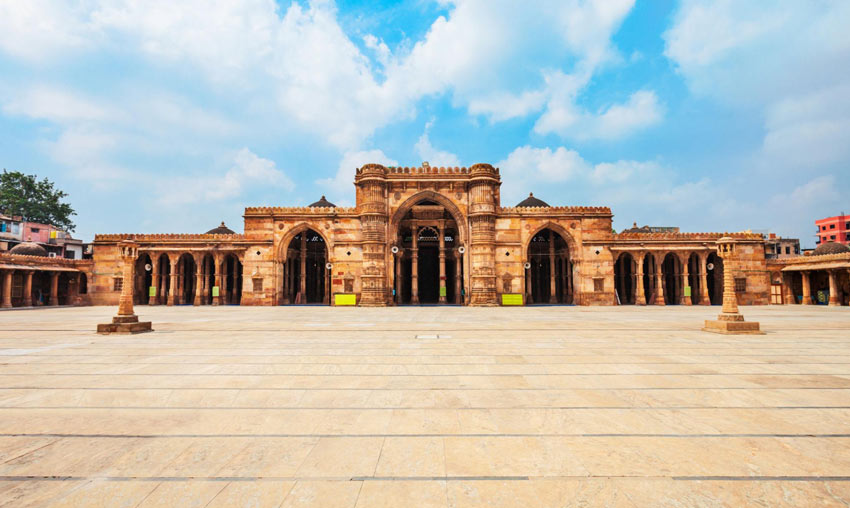
Jama Masjid Ahmedabad, also known as Jumma Masjid or Jami Masjid, is one of the most magnificent historical monuments in Gujarat. Located in the heart of Ahmedabad’s old walled city, this grand mosque is admired for its beautiful yellow sandstone architecture, enormous courtyard, intricately carved pillars and impressive domes.
Built during the 15th century by Sultan Ahmad Shah I, the founder of Ahmedabad, Jama Masjid is an important landmark in the city’s architectural and religious history. Its design reflects a distinctive combination of Islamic architecture and local Hindu and Jain craftsmanship.
The mosque’s peaceful courtyard, elegant prayer hall and detailed stonework make it an important destination for visitors interested in history, architecture and the cultural heritage of Ahmedabad.
About Jama Masjid Ahmedabad
Jama Masjid is a historic Friday mosque situated near Manek Chowk and Teen Darwaza in the old city of Ahmedabad. It was constructed as the principal congregational mosque of the newly established city during the reign of Sultan Ahmad Shah I.
The mosque is built primarily from yellow sandstone and features a large rectangular courtyard with a water tank at its centre. The courtyard is surrounded by covered galleries, while the main prayer hall occupies the western side of the complex.
The prayer hall is supported by hundreds of intricately carved stone pillars and features multiple domes at different elevations. Its architectural details demonstrate the remarkable skills of the craftsmen who worked during the Gujarat Sultanate period.
Jama Masjid is not only an important religious site but also a significant part of Ahmedabad’s historic urban landscape. It stands close to other important monuments, including Bhadra Fort, Teen Darwaza and the royal tomb complex of Badshah no Hajiro.
History of Jama Masjid Ahmedabad
The history of Jama Masjid dates back to the early years of Ahmedabad. Sultan Ahmad Shah I founded the city in 1411 and developed it as the capital of the Gujarat Sultanate. As part of his urban development plan, he commissioned a grand congregational mosque for the city.
The construction of Jama Masjid began in 1423 and was completed in 1424. It became the principal Friday mosque of Ahmedabad, where large congregations gathered for prayers.
The mosque was an important part of the city’s planned royal and religious landscape. It was located near the royal square known as Maidan-i-Shah and the ceremonial gateway of Teen Darwaza.
Sultan Ahmad Shah I – The Founder of Ahmedabad
Sultan Ahmad Shah I was the ruler of the Gujarat Sultanate who founded Ahmedabad in 1411. He established the city as a major political, commercial and cultural centre in western India.
His contribution to Ahmedabad’s architectural heritage can be seen in several historic structures, including Bhadra Fort, Ahmed Shah Mosque and Jama Masjid. These monuments reflect the early development of the city’s distinctive Sultanate architecture.
Construction and Completion in 1424
Jama Masjid was constructed between 1423 and 1424. It was designed as a grand congregational mosque that could accommodate worshippers from different parts of the city.
The monument’s scale and architectural details made it one of the most impressive mosques of its time. Its spacious courtyard, extensive pillared prayer hall and carefully planned layout demonstrate the importance given to religious architecture during Ahmad Shah’s reign.
Damage to the Historic Minarets
The mosque originally featured two prominent minarets near the central entrance of the prayer hall. These minarets were damaged by a major earthquake in 1819, and only their lower portions remain today.
Despite this loss, the mosque retains much of its architectural character. Its courtyard, pillars, domes and carved stone details continue to make it one of Ahmedabad’s most admired heritage monuments.
Architecture of Jama Masjid Ahmedabad
Jama Masjid is an outstanding example of the Gujarat Sultanate architectural style. Its design combines Islamic planning and religious features with local stone-carving traditions influenced by Hindu and Jain architecture.
The use of yellow sandstone, carved pillars, lotus-inspired domes and decorative details gives the mosque a distinctive appearance. Its large courtyard and symmetrical arrangement also contribute to its architectural beauty.
1. Grand Courtyard
The large rectangular courtyard is one of the most impressive features of Jama Masjid. It is paved with stone and provides an open gathering space for worshippers and visitors.
A water tank is situated at the centre of the courtyard for ritual ablutions before prayers. Covered galleries surround three sides, creating a balanced architectural arrangement.
2. Prayer Hall with 260 Pillars
The main prayer hall is supported by approximately 260 intricately carved stone pillars. These pillars create a fascinating arrangement of columns and passages, giving the interior a spacious yet detailed appearance.
The craftsmanship of the pillars reflects the influence of local artisans who incorporated traditional decorative motifs into the mosque’s architectural design.
3. Fifteen Beautiful Domes
The prayer hall features 15 principal domes supported by the stone pillars. These domes are arranged at different elevations, creating an attractive architectural composition.
Some of the domes feature lotus-inspired carvings that reflect the influence of local Hindu and Jain artistic traditions. This combination of architectural elements is one of the distinctive features of Jama Masjid.
4. Yellow Sandstone Construction
The mosque is primarily constructed from yellow sandstone, which gives the monument its warm appearance. The stone was carefully shaped and carved to create pillars, arches, domes and decorative details.
The use of sandstone also reflects the building traditions and material preferences of historic Gujarat architecture.
5. Marble Courtyard and Ablution Tank
The central courtyard is an important part of the mosque’s layout. It features a water tank used for ritual purification before prayer.
The open courtyard also creates a peaceful atmosphere and provides a beautiful contrast to the covered prayer hall and its detailed stone architecture.
6. Indo-Islamic Architectural Fusion
One of the most interesting aspects of Jama Masjid is the fusion of different architectural traditions. Although its overall layout follows Islamic mosque architecture, several decorative features reflect local Hindu and Jain influences.
Lotus-like carvings on some domes and bell-shaped motifs on certain pillars demonstrate how local craftsmanship was incorporated into the design. This combination makes the mosque an important example of the regional architectural style that developed in Ahmedabad.
Major Attractions Inside Jama Masjid
1. Main Prayer Hall
The main prayer hall is the central architectural feature of the mosque. Its carved pillars, domed ceiling and spacious arrangement create an impressive interior. Visitors can appreciate the craftsmanship and architectural planning of the Sultanate period.
2. Central Ablution Tank
The water tank in the middle of the courtyard is used for ritual ablutions. Its central position is an important element of the mosque’s traditional design.
3. Carved Stone Pillars
The hundreds of stone pillars are among the most remarkable features of the monument. Their decorative details, patterns and arrangements demonstrate the skill of the artisans who worked on the mosque.
4. Domed Roof
The 15 principal domes above the prayer hall form an impressive architectural feature. Their different elevations and decorative designs add depth and character to the structure.
5. Main Entrance and Arches
The mosque’s entrance and arched façade create a grand introduction to the monument. The stonework and architectural proportions reflect the design traditions of the Gujarat Sultanate.
6. Badshah no Hajiro
Located near the mosque is Badshah no Hajiro, the historic tomb complex associated with Sultan Ahmad Shah I and members of his royal family. It is an important nearby heritage site that can be included in the same visit.
Why Visit Jama Masjid Ahmedabad?
- Explore one of the finest historic mosques of the Gujarat Sultanate.
- Discover a monument built during the reign of Sultan Ahmad Shah I.
- Admire the impressive prayer hall with approximately 260 pillars.
- See the architectural beauty of the 15 principal domes.
- Explore the large courtyard and central ablution tank.
- Understand the blend of Islamic, Hindu and Jain architectural influences.
- Discover the historic surroundings of Manek Chowk and Teen Darwaza.
- Learn about the early development of Ahmedabad as a historic city.
Best Time to Visit Jama Masjid Ahmedabad
The best time to visit Jama Masjid is between October and March, when Ahmedabad generally experiences pleasant weather for sightseeing.
Morning hours are suitable for exploring the mosque and its architectural details, provided the visit does not coincide with prayer times. Visitors should avoid disturbing worshippers and follow the instructions of mosque authorities.
Friday is an important day for congregational prayers, so the mosque can be particularly busy around midday. Visitors planning a heritage sightseeing trip may prefer a weekday morning outside prayer hours.
Jama Masjid Ahmedabad Timings and Entry Fee
According to the Ahmedabad Municipal Corporation Heritage Portal, Jama Masjid is generally listed as open from 6:00 AM to 9:00 PM, with free entry. Visitors are welcome, but access to the prayer hall and other areas may be restricted during prayer times.
As an active place of worship, visitors should check local arrangements before entering. The mosque’s religious activities take priority over sightseeing.
- Location: Gandhi Road, near Manek Chowk and Teen Darwaza, Ahmedabad, Gujarat
- Published visiting hours: 6:00 AM to 9:00 PM
- Entry fee: Free, according to the Ahmedabad Municipal Corporation Heritage Portal
- Suggested visit duration: Around 30–60 minutes
- Best visiting period: Morning hours outside prayer times
How to Reach Jama Masjid Ahmedabad
Jama Masjid is situated in the heart of Ahmedabad’s old city, making it convenient to reach from major parts of the city.
By Air
The nearest airport is Sardar Vallabhbhai Patel International Airport in Ahmedabad. Visitors can hire a taxi or use local transport to reach the old city and Jama Masjid.
By Train
Ahmedabad Junction, also known as Kalupur Railway Station, is the main railway station serving the city. From the station, visitors can reach Jama Masjid by taxi, auto-rickshaw or local public transport.
By Road
Jama Masjid is located on Gandhi Road near Manek Chowk and Teen Darwaza. It is accessible by taxi, auto-rickshaw, city buses and other local transport services. The roads in the old city can be crowded, so visitors should allow extra time for travel.
Places to Visit Near Jama Masjid Ahmedabad
Jama Masjid is surrounded by several important historical landmarks and traditional markets. Visitors can explore these attractions together as part of an Ahmedabad old-city heritage tour.
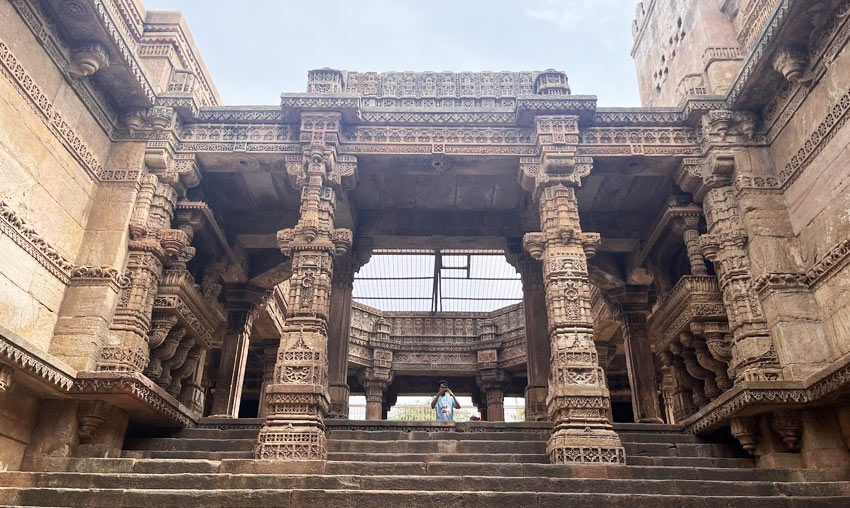
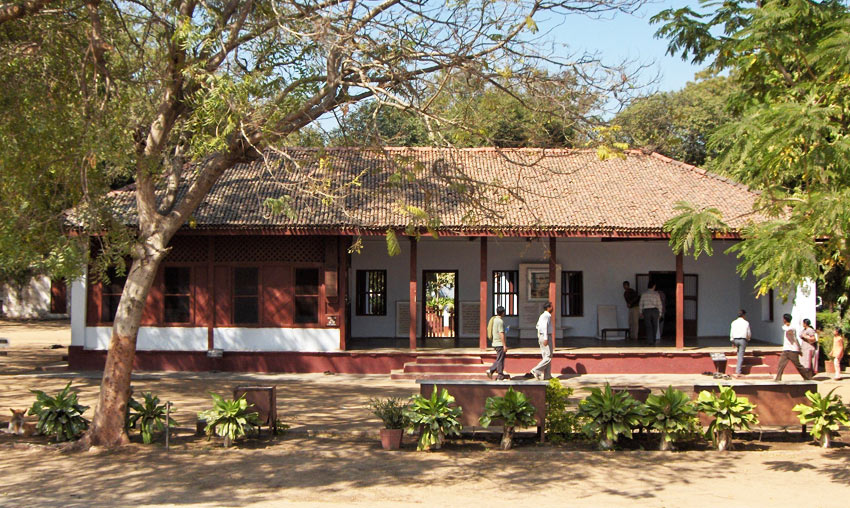
- Ahmedabad – Explore the historic city, heritage buildings, temples, museums and traditional markets.
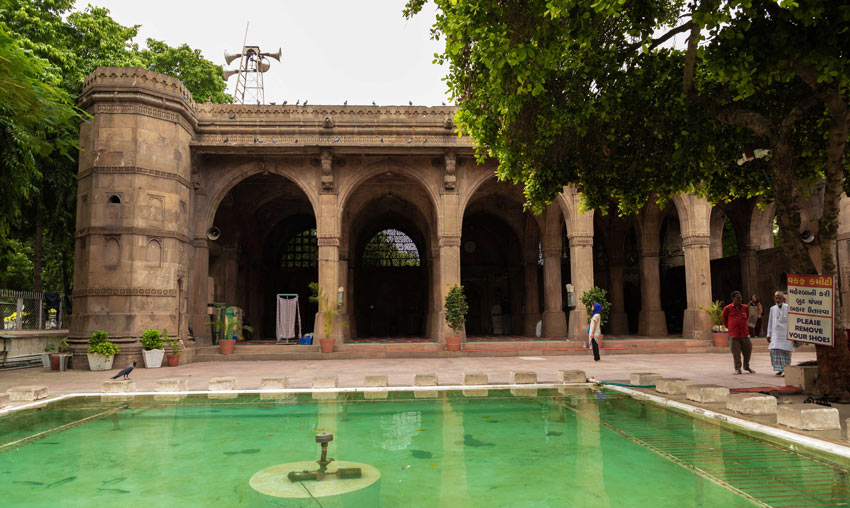
- Sidi Saiyyed Mosque – Admire the famous Tree of Life stone jali and historic mosque architecture.
- Bhadra Fort – Discover an important fort and palace complex associated with the foundation of Ahmedabad.
- Teen Darwaza – Visit the historic triple gateway of the old city.
- Manek Chowk – Explore a traditional market known for jewellery, shopping and local street food.
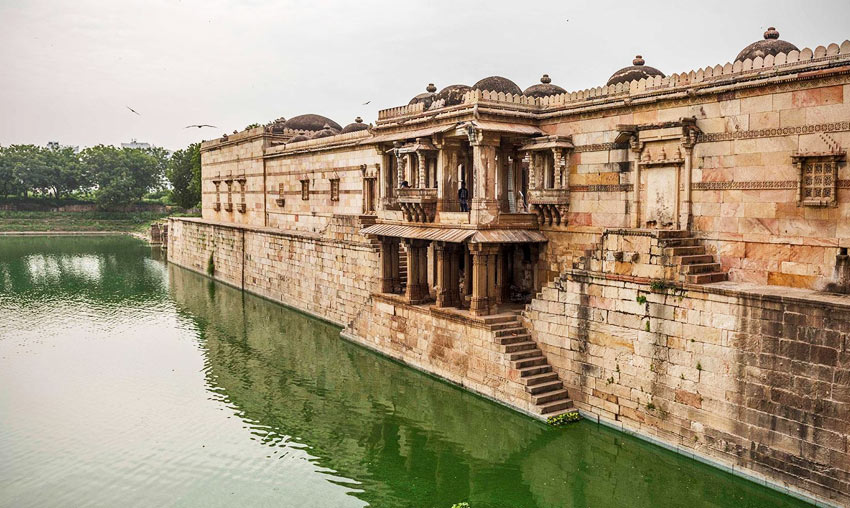
- Sarkhej Roza – Discover a remarkable heritage complex of mosques, tombs, palaces and a historic lake.
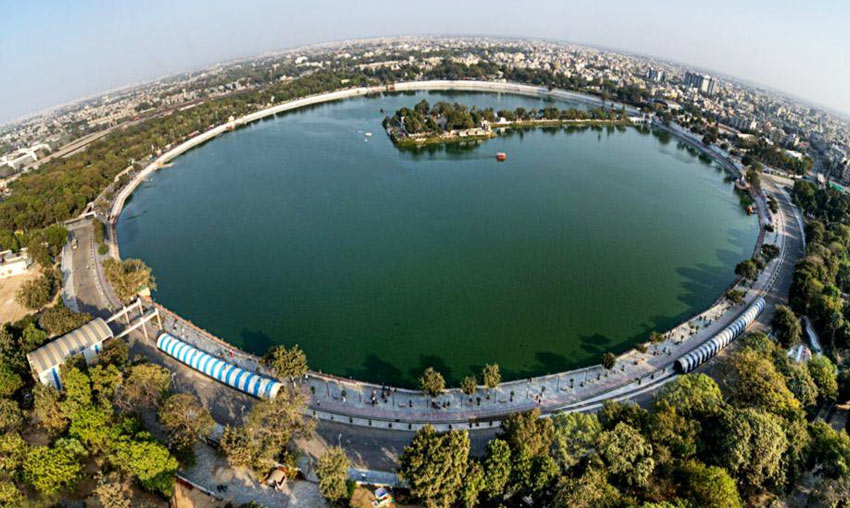
- Kankaria Lake – Enjoy a popular recreational destination with gardens and family attractions.
Travel Tips for Visiting Jama Masjid
- Wear modest clothing that covers the shoulders and knees.
- Remove footwear before entering areas where required.
- Respect worshippers and maintain silence inside the mosque.
- Avoid sightseeing during prayer times, especially Friday midday prayers.
- Follow the instructions of mosque authorities regarding access and photography.
- Women visitors should follow the mosque’s current rules regarding access to the main prayer hall.
- Do not touch or damage the historic stone carvings.
- Combine the visit with Teen Darwaza, Manek Chowk and Bhadra Fort for a convenient heritage walk.
Frequently Asked Questions About Jama Masjid Ahmedabad
1. Where is Jama Masjid located in Ahmedabad?
Jama Masjid is located on Gandhi Road in the old city of Ahmedabad, near Manek Chowk and Teen Darwaza.
2. Who built Jama Masjid Ahmedabad?
Jama Masjid was built by Sultan Ahmad Shah I, the founder of Ahmedabad, during the Gujarat Sultanate period.
3. When was Jama Masjid Ahmedabad built?
The mosque was constructed between 1423 and 1424 and completed in 1424.
4. How many pillars are there in Jama Masjid?
The main prayer hall is supported by approximately 260 intricately carved pillars.
5. How many domes does Jama Masjid have?
The main prayer hall features 15 principal domes arranged at different elevations.
6. What is the architectural style of Jama Masjid?
Jama Masjid represents the Gujarat Sultanate style of Indo-Islamic architecture, combining Islamic design with local Hindu and Jain craftsmanship.
7. Is there an entry fee for Jama Masjid Ahmedabad?
According to the Ahmedabad Municipal Corporation Heritage Portal, entry is free. Visitors should follow the current access rules of the mosque.
8. How much time is required to explore Jama Masjid?
Around 30 to 60 minutes is generally sufficient to explore the courtyard, prayer hall and major architectural features, subject to visitor access.
9. Can tourists visit Jama Masjid?
Yes. Visitors are welcome outside prayer times, provided they follow the mosque’s dress code, footwear rules and instructions regarding access to religious areas.
Jama Masjid Ahmedabad is one of the city’s most remarkable historical and architectural landmarks. Built by Sultan Ahmad Shah I in the 15th century, the mosque represents the artistic excellence and architectural traditions of the Gujarat Sultanate.
Its enormous courtyard, 260 carved pillars, 15 principal domes and beautiful sandstone details make it an unforgettable destination for anyone interested in history and architecture.
Located close to Manek Chowk, Teen Darwaza and Bhadra Fort, Jama Masjid is also an ideal starting point for exploring Ahmedabad’s historic old city. Add this magnificent monument to your Ahmedabad travel itinerary and discover an important part of Gujarat’s cultural heritage.
Nearby Places to Visit