Ziro Valley, Arunachal Pradesh – 12 Best Places to Visit and Complete Travel Guide
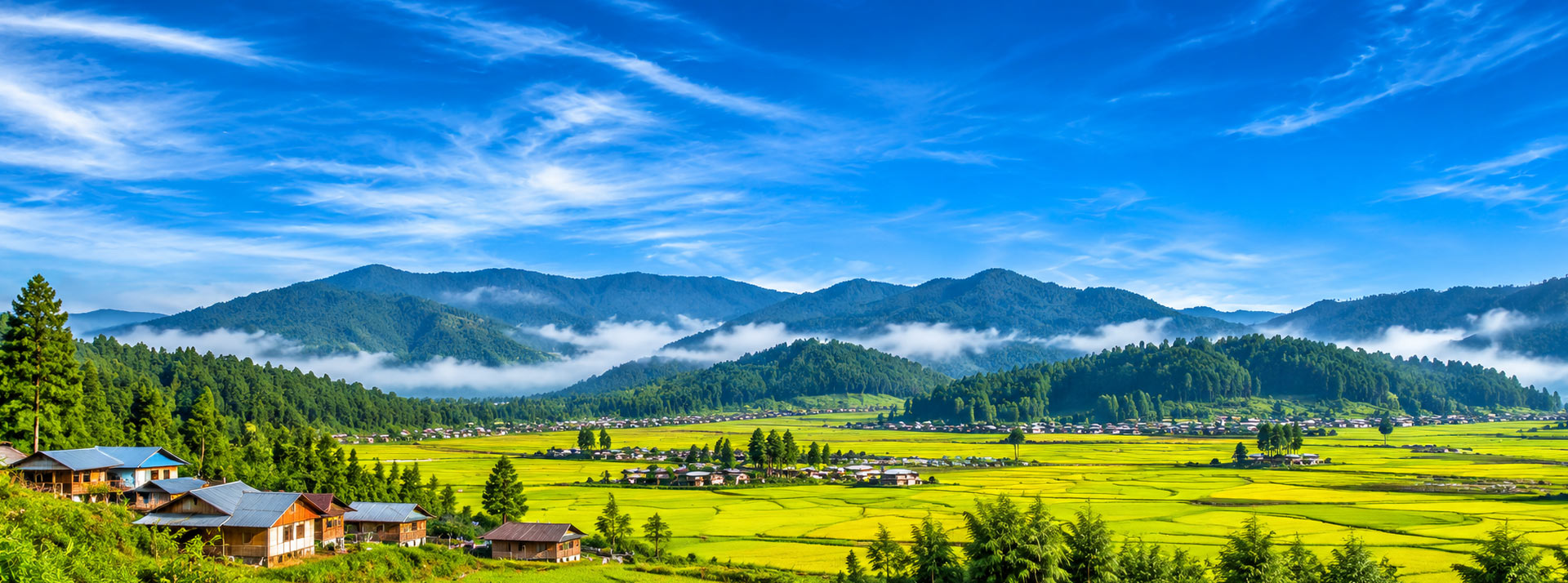
Nestled in the beautiful hills of Arunachal Pradesh, Ziro Valley is one of Northeast India's most fascinating travel destinations. Known for its green rice fields, pine-covered hills, traditional Apatani villages and peaceful natural surroundings, Ziro offers a refreshing experience for travellers looking to explore nature, culture and local heritage.
Located in the Lower Subansiri district, Ziro Valley is especially known for the unique lifestyle and agricultural traditions of the Apatani community. The valley's traditional wet-rice cultivation and fish farming system, village settlements, handloom traditions and community practices make it a remarkable cultural landscape.
From scenic viewpoints and forest trails to ancient temples, village walks and the popular Ziro Festival of Music, there are plenty of experiences to enjoy here. Whether you are planning a relaxing holiday, a photography trip or a cultural journey through Arunachal Pradesh, Ziro Valley deserves a place on your Northeast India itinerary.
About Ziro Valley
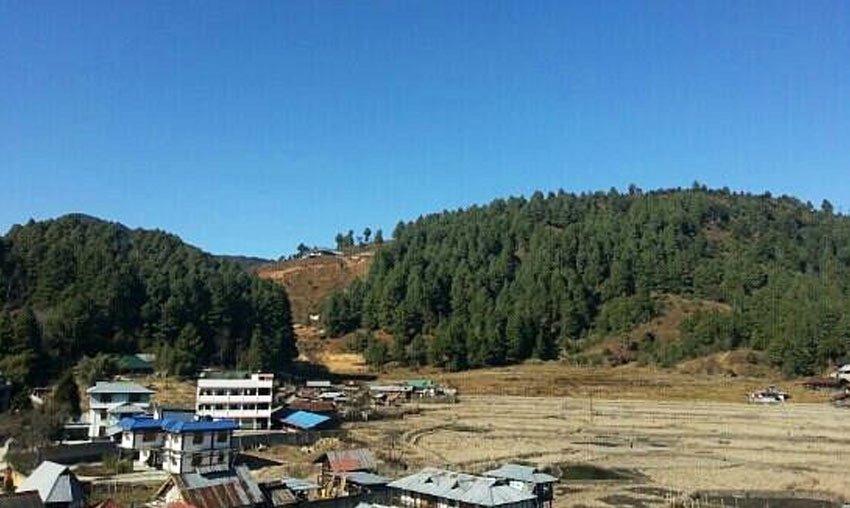
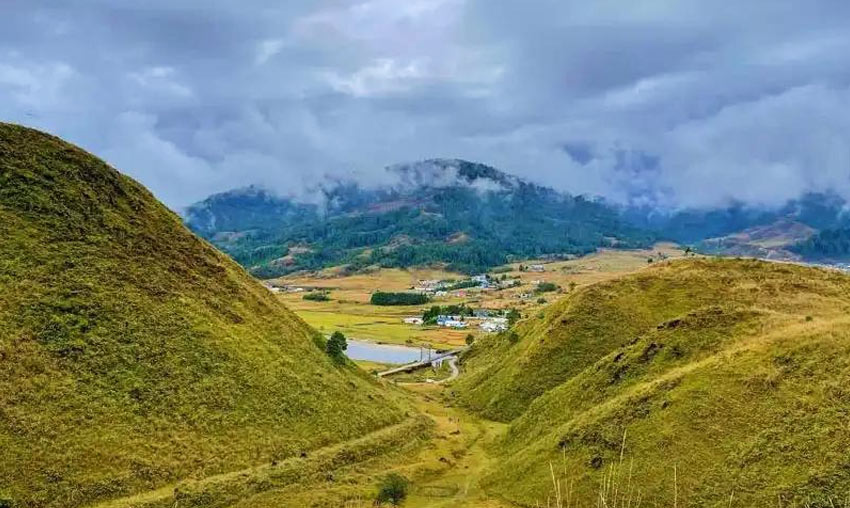
Ziro Valley is a picturesque plateau in the Lower Subansiri district of Arunachal Pradesh. The valley is surrounded by forested hills and is characterised by expansive agricultural fields, bamboo groves, pine forests and traditional settlements.
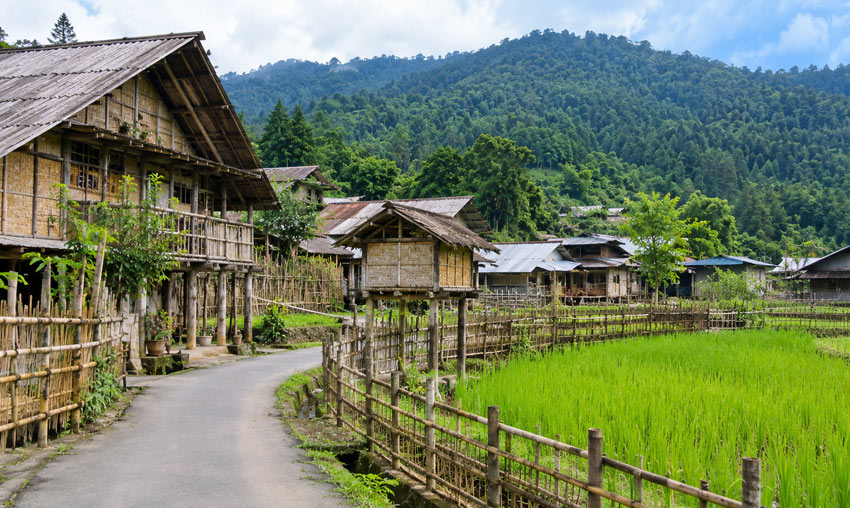
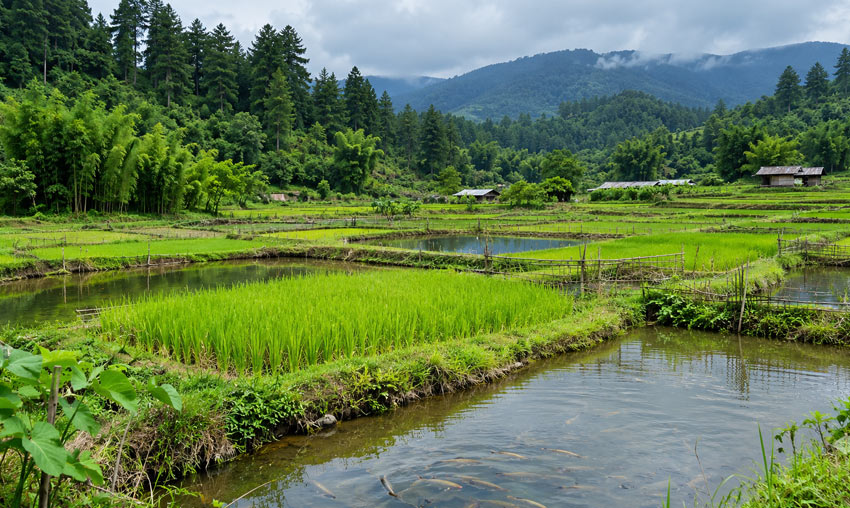
The region is home to the Apatani people, an indigenous community known for its distinctive cultural traditions and sustainable agricultural practices. One of the most remarkable features of the valley is its traditional paddy-cum-fish cultivation system, in which rice and fish are cultivated together in carefully managed wet fields.
The Apatani Cultural Landscape was included in India's UNESCO World Heritage Tentative List in 2014. This recognition highlights the importance of the community's traditional land-use practices, cultural heritage and relationship with the natural environment. It is important to note that the area is on the Tentative List and is not currently an inscribed UNESCO World Heritage Site.
Ziro is also known for its annual Ziro Festival of Music, which brings independent musicians, visitors and music enthusiasts to the valley. The festival adds a contemporary cultural experience to this otherwise peaceful destination.
Why Visit Ziro Valley?
- Explore the beautiful rice fields and green landscapes of Arunachal Pradesh.
- Experience the traditional lifestyle and heritage of the Apatani community.
- Visit scenic viewpoints surrounded by pine-covered hills.
- Discover forest trails, wildlife habitats and natural attractions.
- Explore traditional villages and local handloom and handicraft traditions.
- Attend the Ziro Festival of Music, subject to its annual schedule.
- Enjoy peaceful homestays, local food and slow travel experiences.
- Discover ancient temples and culturally significant places around the valley.
12 Best Places to Visit in Ziro Valley
Ziro Valley and its surrounding region offer a variety of attractions for nature lovers, cultural travellers, photographers and adventure enthusiasts. Here are some places to include in your sightseeing plan.
1. Kile Pakho Viewpoint
Kile Pakho is one of the best-known viewpoints around Ziro. Located on an elevated ridge, it offers panoramic views of the Ziro plateau on one side and distant Himalayan mountain ranges on the other. The landscape is particularly beautiful during clear weather, when visitors can see the surrounding valleys, fields and hills.
It is a popular location for photography, sunrise views and enjoying the natural beauty of the region.
2. Talley Valley Wildlife Sanctuary
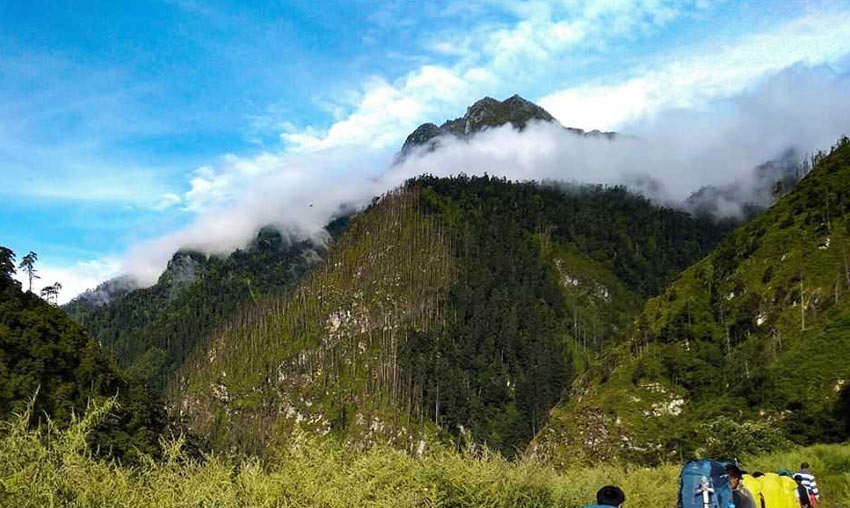
Talley Valley Wildlife Sanctuary is an important biodiversity area near Ziro, known for its dense forests, mountain landscapes and rich flora and fauna. The sanctuary includes forest types such as silver fir, pine and bamboo, and is home to wildlife including the clouded leopard.
It is a rewarding destination for nature enthusiasts, wildlife lovers and experienced trekkers. Access to deeper sections may require trekking and local arrangements, so visitors should check current access conditions before planning a visit.
3. Meghna Cave Temple
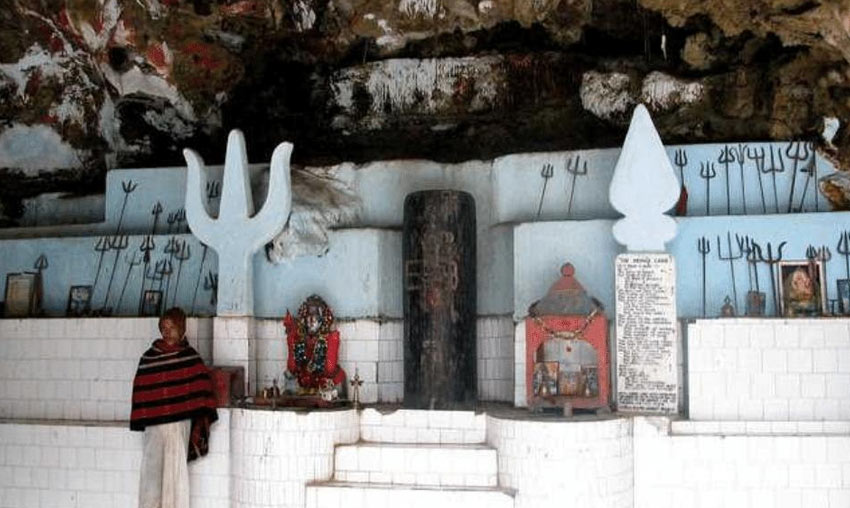
Meghna Cave Temple is a popular spiritual attraction in the Ziro region. Dedicated to Lord Shiva, the temple is located in a scenic natural setting and is visited by devotees as well as travellers interested in religious and cultural sites.
The surrounding landscape adds to the peaceful atmosphere of the temple. Visitors can include it in a sightseeing itinerary while exploring the cultural attractions around Ziro.
4. Pine Grove, Myolyang
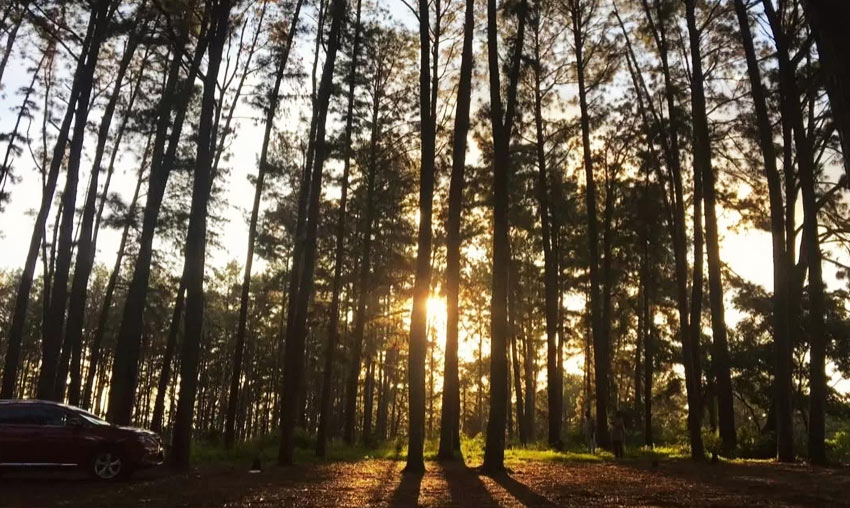
Pine Grove at Myolyang is a peaceful natural area known for its tall pine trees and relaxing forest atmosphere. It is a pleasant place for nature walks, photography, picnics and spending time away from busy town areas.
The tall trees and calm surroundings make it a favourite stop for visitors who enjoy quiet outdoor experiences.
5. Dilopolyang Maniipolyang
Dilopolyang Maniipolyang is a scenic twin-hill area near the Talley Valley region. Surrounded by greenery and forested slopes, it is known as a peaceful place for short hikes, picnics and enjoying nature.
Visitors interested in exploring less crowded natural locations around Ziro can consider adding this area to their itinerary, subject to local access and trail conditions.
6. Siikhe Lake
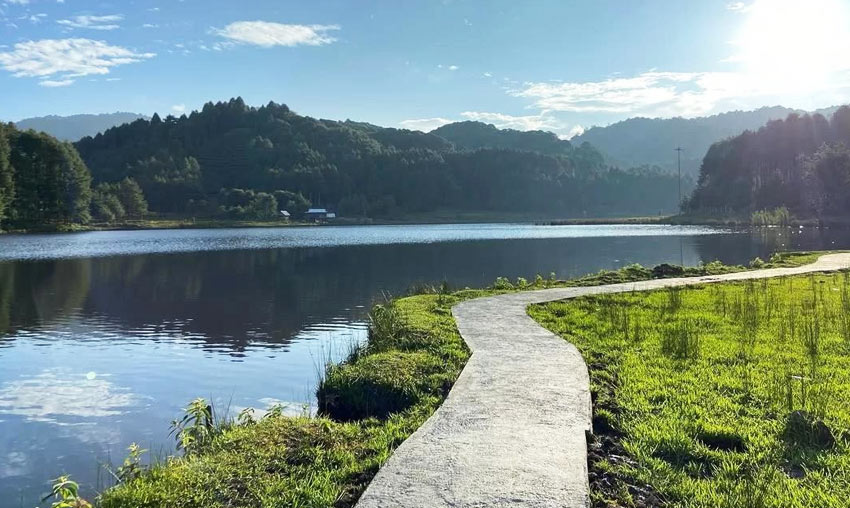
Siikhe Lake is an artificial lake near Hapoli town and is a pleasant place for a relaxed outing. Surrounded by greenery and hills, the lake offers a peaceful atmosphere for photography, short walks and enjoying the natural surroundings.
Facilities and recreational activities may vary, so visitors should confirm local availability before planning boating or other activities.
7. Dolo Mando
Dolo Mando is a scenic hilltop destination on the western side of Ziro. The location is known for its panoramic views of Hapoli town, Old Ziro and the surrounding valley landscape.
Reaching the viewpoint involves an uphill walk or trek, depending on the route and current access. It is a good option for travellers who enjoy outdoor activities and elevated viewpoints.
8. Midey
Midey is a forest destination known for its blue pine trees, bamboo groves and natural surroundings. The area is popular among trekking enthusiasts who want to explore the quieter forest landscapes around Ziro.
The journey involves walking through natural terrain, so suitable footwear, local guidance and preparation are recommended.
9. Tarin Fish Farm
Tarin Fish Farm is an interesting place to understand the traditional agricultural practices of the Apatani community. The farm showcases the paddy-cum-fish cultivation system, in which rice and fish are cultivated together in integrated wet fields.
This traditional farming method reflects the community's knowledge of water management and sustainable land use. A visit offers insight into the agricultural heritage that makes Ziro Valley culturally distinctive.
10. Hong Village
Hong is one of the traditional Apatani villages in the Ziro Valley region. The village provides an opportunity to understand local settlement patterns, traditional architecture, community life and cultural practices.
Visitors can explore the village respectfully, learn about local traditions and, where available, experience community-run homestays. Always seek permission before entering private homes or photographing residents.
11. Hari and Hija Villages
Hari and Hija are traditional villages in the Ziro region where visitors can experience the rural landscape and cultural heritage of the Apatani community.
Walking through village lanes and nearby agricultural fields can be a rewarding way to understand the relationship between local settlements, farming practices and the surrounding environment.
12. Ziro Festival of Music
The Ziro Festival of Music is one of the best-known cultural events associated with the valley. It is an outdoor music festival that brings together independent musicians, artists and visitors in a scenic natural setting.
The festival is generally organised around September, but dates, venue arrangements, tickets and entry rules can change each year. Visitors should check the official festival website before making travel plans.
Experience the Unique Apatani Culture
One of the most special reasons to visit Ziro Valley is its living Apatani cultural heritage. The Apatani community has developed distinctive traditions, village institutions, agricultural practices, handloom skills and cultural festivals over generations.
Traditional Paddy-cum-Fish Cultivation
The valley is widely recognised for its integrated wet-rice and fish cultivation system. Rice fields are carefully managed with water channels that support both agricultural production and fish rearing. This practice demonstrates the community's traditional knowledge of land and water management.
Traditional Villages and Community Life
The villages around Ziro reflect the traditional settlement patterns of the Apatani people. Local homes, community spaces, agricultural fields and village institutions are important parts of the cultural landscape.
Handloom and Bamboo Crafts
Traditional handloom weaving, textile designs and cane and bamboo craftsmanship are important aspects of Apatani cultural heritage. Visitors may find locally made products and handicrafts through community and local markets.
Local Festivals
Festivals such as Myoko and Dree are important occasions in Apatani community life. Their dates and celebrations follow local traditions and calendars. Visitors interested in attending should check with local hosts or tourism authorities for current arrangements and respectful visitor participation.
Best Time to Visit Ziro Valley
Ziro Valley can be visited in different seasons, but spring and autumn are generally popular for comfortable sightseeing and outdoor experiences.
March to May – Spring Season
Spring brings pleasant weather and fresh greenery to the valley. It is a good time for village walks, photography and exploring the surrounding hills and forests. The Myoko festival is also associated with the spring season.
June to August – Monsoon Season
The monsoon transforms the valley into a lush green landscape. Rice fields and surrounding hills become especially scenic, but heavy rainfall can affect road conditions, trekking routes and outdoor activities. Travellers should check weather and road updates before departure.
September to November – Autumn Season
Autumn is a popular period to visit Ziro, particularly for the Ziro Festival of Music, which is generally held in September. The agricultural landscape changes as the rice fields mature, creating beautiful scenery for photography and village walks.
December to February – Winter Season
Winter is colder and generally quieter. Travellers visiting during this period should carry warm clothing and confirm accommodation arrangements, especially if staying in village homestays.
How to Reach Ziro Valley
By Air
The nearest practical airports for reaching Ziro include Donyi Polo Airport near Itanagar and Lilabari Airport in Assam. From either airport, visitors need to continue by road. Travel distance and journey time depend on the airport, road conditions and selected route.
By Train
Naharlagun Railway Station is a commonly used railhead for travellers visiting Ziro. From the station, visitors can arrange taxis or other local road transport to reach the valley.
By Road
Ziro is connected by road with Itanagar, Naharlagun and parts of Assam. Visitors can travel by private taxi, shared vehicle or available bus services, depending on the route and operating schedule.
Road travel in Arunachal Pradesh can take longer than expected because of hilly terrain, weather and road conditions. It is advisable to start early and confirm the latest route information before travelling.
Inner Line Permit for Visiting Ziro Valley
Arunachal Pradesh has an Inner Line Permit system for domestic Indian visitors. Indian citizens travelling to Ziro should obtain the required Inner Line Permit before entering the state, subject to the latest government rules.
Foreign nationals generally require a Protected Area Permit or other applicable authorisation. Permit requirements, validity, application procedures and exemptions can change, so travellers should check the official Arunachal Pradesh Tourism or government permit portal before departure.
Official permit information: Arunachal Pradesh eILP Portal.
Where to Stay in Ziro Valley
Ziro offers accommodation options ranging from hotels and guesthouses in Hapoli to homestays in traditional villages. The best option depends on your travel style and the kind of experience you want.
Hotels and Guesthouses
Hapoli is a convenient base for visitors who prefer access to shops, transport and basic town facilities. Hotels and guesthouses in the area can be suitable for families and travellers planning day trips around the valley.
Village Homestays
Staying in a local homestay can provide a closer understanding of Apatani food, daily life and village culture. Availability, facilities and amenities vary, so confirm room arrangements, meals, heating and transport with the host before booking.
Festival Accommodation
During the Ziro Festival of Music, accommodation demand can increase significantly. Visitors planning a festival trip should check the official festival website and arrange accommodation well in advance.
Local Food to Try in Ziro Valley
Food is an important part of the travel experience in Ziro. Local meals often feature rice, seasonal vegetables, herbs, bamboo shoot preparations and traditional dishes associated with the Apatani community.
- Rice-based meals: Rice is a staple part of local food culture.
- Bamboo shoot dishes: Bamboo shoots are used in several regional preparations.
- Local vegetables: Seasonal greens and locally grown vegetables are common in traditional meals.
- Fish preparations: Fish is part of the local food culture and is associated with the valley's agricultural landscape.
- Traditional local dishes: Ask your homestay host about seasonal and community-specific food preparations.
Food availability and preparation vary between households and eateries. Visitors should communicate dietary preferences and restrictions to their hosts in advance.
Suggested 3-Day Ziro Valley Travel Itinerary
Day 1 – Explore Ziro Town and Apatani Villages
- Arrive in Ziro and check into your hotel or homestay.
- Explore Hapoli and nearby traditional village areas.
- Visit Tarin Fish Farm to learn about paddy-cum-fish cultivation.
- Enjoy a relaxed evening with local food and village surroundings.
Day 2 – Viewpoints and Natural Attractions
- Visit Kile Pakho Viewpoint for panoramic valley views.
- Explore Pine Grove at Myolyang.
- Visit Dolo Mando, subject to trail and access conditions.
- Spend time photographing the valley and surrounding hills.
Day 3 – Culture, Temples and Local Experiences
- Explore Hong, Hari or Hija village with local guidance.
- Visit Meghna Cave Temple.
- Explore local handloom and handicraft options.
- Enjoy a traditional meal and depart according to your onward travel plan.
Talley Valley Wildlife Sanctuary and other trekking locations may require additional time, local arrangements and suitable weather. Consider extending your stay if you want to explore these areas in greater detail.
Essential Travel Tips for Ziro Valley
- Obtain the required travel permit before entering Arunachal Pradesh.
- Carry a valid government identity document and permit details during travel.
- Check road and weather conditions before starting your journey.
- Carry warm clothing, as temperatures can drop, especially in the evenings and winter.
- Book accommodation early during the Ziro Festival of Music.
- Keep cash available for smaller local purchases and places where digital payments may not work reliably.
- Respect local customs and seek permission before photographing people, homes or cultural activities.
- Use local guides for forest trails and trekking routes where required.
- Do not litter in agricultural fields, forests, streams or village areas.
- Follow local instructions at temples, community spaces and other culturally significant locations.
Frequently Asked Questions About Ziro Valley
1. Where is Ziro Valley located?
Ziro Valley is located in the Lower Subansiri district of Arunachal Pradesh in Northeast India. Hapoli is the main town and an important base for exploring the valley.
2. What is Ziro Valley famous for?
Ziro Valley is famous for its Apatani culture, traditional rice fields, paddy-cum-fish cultivation system, pine forests, scenic viewpoints and the Ziro Festival of Music.
3. How many days are enough for Ziro Valley?
A stay of three days is a good starting point for exploring the main valley attractions and traditional villages. Visitors interested in longer treks and Talley Valley may need additional days.
4. What is the best time to visit Ziro Valley?
March to May and September to November are popular periods for visiting Ziro. September is particularly popular with visitors attending the Ziro Festival of Music. Weather and road conditions should always be checked before travelling.
5. Is an Inner Line Permit required for Ziro Valley?
Indian citizens generally need an Inner Line Permit to enter Arunachal Pradesh. Foreign nationals generally require a Protected Area Permit or other applicable authorisation. Always verify the current rules through official government portals.
6. What is the nearest airport to Ziro Valley?
Donyi Polo Airport near Itanagar and Lilabari Airport in Assam are commonly used air gateways for reaching Ziro. Road travel is required from either airport.
7. Which is the nearest railway station to Ziro?
Naharlagun Railway Station is a commonly used railhead for travelling to Ziro. Visitors can arrange onward road transport from the station.
8. Is Ziro Valley a UNESCO World Heritage Site?
The Apatani Cultural Landscape of Ziro was included in India's UNESCO World Heritage Tentative List in 2014. It is not currently an inscribed UNESCO World Heritage Site.
9. What is the Ziro Festival of Music?
The Ziro Festival of Music is an outdoor music festival held in the valley, generally around September. It features independent musicians and artists. Visitors should check the official festival website for the latest dates, tickets and arrangements.
10. Is Ziro Valley suitable for family trips?
Yes, Ziro can be suitable for families interested in nature, village experiences and cultural sightseeing. Choose accommodation and activities according to the needs of children and older travellers, and plan road journeys with sufficient time.
11. Can visitors stay in Apatani village homestays?
Yes, homestays are available in and around the valley, subject to local availability. Visitors should confirm facilities, meals, transport and booking details directly with the host.
12. Is Ziro Valley good for trekking?
Ziro has forest trails and trekking opportunities around locations such as Talley Valley, Dolo Mando and Midey. Trail difficulty and access vary, so local guidance and current conditions should be checked before setting out.
Explore the Natural and Cultural Beauty of Arunachal Pradesh
Ziro Valley offers a memorable combination of natural beauty, traditional agriculture, indigenous culture and peaceful village experiences. From the green paddy fields and pine-covered hills to the scenic viewpoints and cultural festivals, the valley provides a different perspective on travel in Northeast India.
Whether you are interested in exploring Apatani villages, discovering forest landscapes or attending the Ziro Festival of Music, this beautiful destination is worth including in your Arunachal Pradesh travel plans.