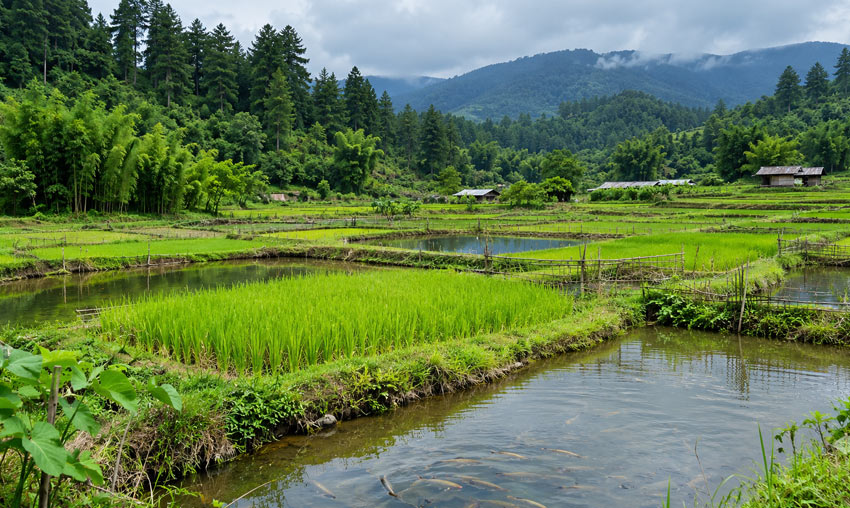
Tarin Fish Farm – Discover the Unique Rice-Fish Farming of Ziro
Located in the beautiful Apatani landscape of Ziro Valley, Tarin Fish Farm is one of the most interesting places to visit in Lower Subansiri district, Arunachal Pradesh. Situated in Bulla village near Hapoli, this high-altitude fish seed farm is known for fish breeding and its connection with the distinctive agricultural traditions of the Apatani community.
The farm offers visitors an opportunity to learn about high-altitude fish breeding and the wider Apatani tradition of growing rice and raising fish in the same agricultural landscape. Surrounded by natural greenery and the countryside of Ziro, Tarin Fish Farm is a worthwhile stop for travellers interested in rural life, traditional farming, fisheries and local culture.
Where Is Tarin Fish Farm Located?
Tarin Fish Farm is located in Bulla village, near Hapoli in Ziro, Lower Subansiri district, Arunachal Pradesh, India. The Lower Subansiri district administration places it approximately 3.5 km from Hapoli town.
The farm is situated in the high-altitude landscape of the Apatani Valley. Visitors can plan a trip from Hapoli using local transport and should confirm the current access arrangements and final approach with the farm staff or local residents.
History of Tarin Fish Farm
The High Altitude Fish Seed Farm at Tarin was established in 1985–86 under the North Eastern Council (NEC). It was developed to support fish breeding and the availability of fish seed in the high-altitude conditions of the Ziro region.
According to Arunachal Tourism, the farm covers approximately 7.4 hectares. It has an important role in fish breeding, with fingerlings made available to farmers during the paddy cultivation season.
The facility is not simply a scenic pond area. It is connected with fisheries development and the agricultural livelihoods of the surrounding Apatani community.
What Makes Tarin Fish Farm Special?
1. High-Altitude Fish Breeding
Tarin is known as a high-altitude fish seed farm where fish breeding is carried out under the conditions of the Ziro region. The farm supports the production of fingerlings, which are supplied to farmers for further rearing.
This makes Tarin an interesting place for visitors who want to understand how fisheries can be developed in a mountainous region.
2. The Apatani Rice-Fish Farming Tradition
One of the most remarkable agricultural traditions of Ziro is the Apatani paddy-cum-fish cultivation system. In this method, rice and fish are raised together in carefully managed wet paddy fields.
Arunachal Tourism describes a traditional system in which two rice crops, Mipya and Emoh, are cultivated alongside one fish crop known locally as Ngihi. This integrated approach makes efficient use of agricultural land and water.
It is important to understand that this rice-fish cultivation is a wider Apatani farming tradition across the valley. Tarin itself is a dedicated high-altitude fish seed farm that supports fish breeding and the local farming system.
3. A 7.4-Hectare Fish Farm
The farm covers approximately 7.4 hectares of land. Government and fisheries-related reports describe its pond infrastructure, including nursery, rearing and stocking ponds.
A government water-resource report records 74 ponds at the facility: 46 nursery ponds, 16 rearing ponds and 12 stocking ponds. These facilities support different stages of fish seed development.
4. A Glimpse of Apatani Rural Life
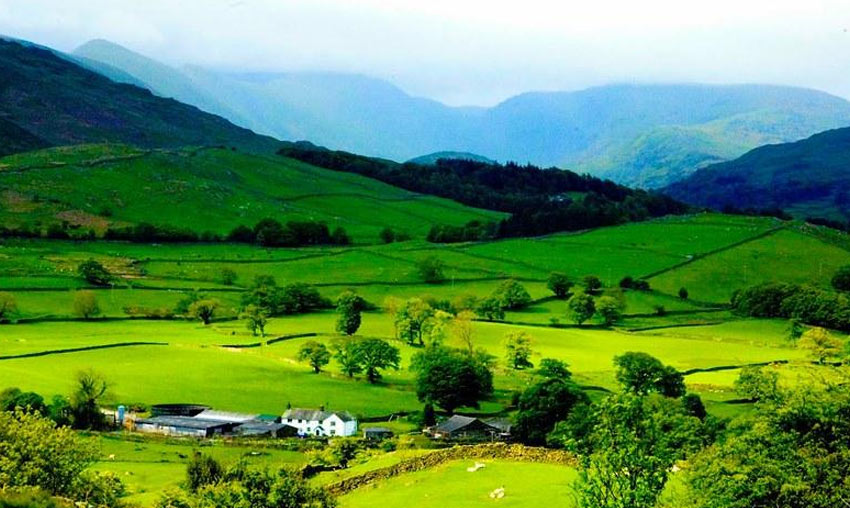
Tarin Fish Farm is located in the Bulla village area, within the wider Apatani cultural landscape. A visit can help travellers understand the close relationship between agriculture, water management, fisheries and community life in Ziro.
Understanding the Apatani Paddy-Cum-Fish Cultivation System
The Apatani farming system is one of the most distinctive traditional agricultural practices of Northeast India. It combines wet-rice cultivation with fish rearing in the same landscape and reflects generations of local knowledge about water, soil and land management.
How Does the System Work?
- Managed paddy plots: Rice is cultivated in wet fields divided by raised earthen bunds.
- Water management: Channels, inlets and outlets help regulate the flow and level of water between fields.
- Fish rearing: Fish are raised in the water-filled paddy fields alongside rice cultivation.
- Multiple harvests: The integrated system allows farmers to obtain both rice and fish from the same agricultural landscape.
- Traditional knowledge: The farming method is maintained through community knowledge and practices passed between generations.
The system is valued for making efficient use of available land and water while supporting local food production and livelihoods. UNESCO’s Tentative List description of the Apatani Cultural Landscape recognises the importance of this distinctive rice-fish cultivation practice.
Things to See and Learn at Tarin Fish Farm
- Fish breeding ponds: Understand the role of nursery, rearing and stocking ponds in fish seed production.
- High-altitude fisheries: Learn about fish breeding and fisheries development in the Ziro region.
- Traditional farming: Discover the connection between Tarin’s fish seed production and the Apatani rice-fish farming tradition.
- Rural landscape: Enjoy the peaceful surroundings of Bulla village and the wider Apatani Valley.
- Educational visit: The farm can be an interesting stop for students, researchers and travellers interested in agriculture and fisheries.
Access to operational areas may be restricted. Visitors should ask the farm staff before entering ponds, breeding areas or other working sections.
Best Time to Visit Tarin Fish Farm
February and March are suggested by some travel guides as suitable months for visiting Tarin Fish Farm. Spring can offer pleasant conditions for exploring the Ziro region and its rural landscape.
The farm’s fish breeding and fingerling distribution activities are connected with the local paddy cultivation cycle. The exact activities visible during a visit can therefore vary by season.
If you want to understand the rice-fish farming process, it is best to contact the local fisheries staff or arrange a visit with someone familiar with the agricultural calendar. Do not assume that every stage of rice cultivation or fish rearing will be visible throughout the year.
How to Reach Tarin Fish Farm
By Road
Tarin Fish Farm is approximately 3.5 km from Hapoli town, according to the Lower Subansiri district administration. Visitors can enquire about local taxis or other available transport from Hapoli to Bulla village.
By Air
The Lower Subansiri district administration lists Lilabari Airport as the nearest airport for reaching Ziro. From the airport, visitors need to arrange onward road transport to Ziro. Check current flight operations and transport availability before travelling.
By Train
Naharlagun Railway Station is listed by the district administration as the nearest railway station for reaching Ziro. From Naharlagun, visitors can continue by road using available shared vehicles or hired transport.
Travel Tips for Visitors
- Confirm visiting permission and current access arrangements before travelling.
- Ask the farm staff whether guided explanations or visits to operational areas are permitted.
- Wear comfortable shoes suitable for walking around a rural farm environment.
- Respect fish breeding ponds and do not feed or disturb the fish.
- Avoid entering restricted working areas without permission.
- Do not litter around the ponds or surrounding fields.
- Carry drinking water and personal essentials.
- Respect the traditions and privacy of the local Apatani community.
Places to Visit Near Tarin Fish Farm
You can combine Tarin Fish Farm with other attractions around Ziro Valley. These places offer a mix of natural landscapes, viewpoints, forests and local experiences.
- Ziro Valley – Discover the Apatani cultural landscape, traditional villages and beautiful paddy fields.
- Kile Pakho Viewpoint – Enjoy panoramic views of the Ziro Plateau and surrounding mountain ranges.
- Pine Grove, Myolyang – Explore a peaceful pine-covered woodland near Old Ziro.
- Midey – Discover the giant blue pine trees and bamboo groves near Old Ziro.
- Dolo Mando – Visit a scenic hilltop viewpoint overlooking parts of Ziro.
- Siikhe Lake – Explore an artificial lake known for its seasonal birdlife.
- Dilopolyang Maniipolyang – Enjoy the scenic twin hillocks and grassland surroundings.
- Talley Valley Wildlife Sanctuary – Explore the forest ecosystems and biodiversity of the wider Ziro region.
Frequently Asked Questions About Tarin Fish Farm
1. Where is Tarin Fish Farm located?
Tarin Fish Farm is located in Bulla village near Hapoli, in Ziro, Lower Subansiri district, Arunachal Pradesh.
2. How far is Tarin Fish Farm from Hapoli?
The Lower Subansiri district administration lists the farm at approximately 3.5 km from Hapoli town.
3. When was Tarin Fish Farm established?
The High Altitude Fish Seed Farm at Tarin was established in 1985–86 under the North Eastern Council.
4. What is Tarin Fish Farm famous for?
It is known for high-altitude fish breeding, fish seed production and its connection with the traditional Apatani rice-fish farming system.
5. How large is Tarin Fish Farm?
Arunachal Tourism reports that the farm covers approximately 7.4 hectares.
6. What is Apatani paddy-cum-fish cultivation?
It is a traditional integrated farming method in which rice and fish are cultivated together in managed wet paddy fields. The practice is an important part of the Apatani agricultural heritage of Ziro Valley.
7. What are Mipya, Emoh and Ngihi?
Arunachal Tourism identifies Mipya and Emoh as rice crops and Ngihi as the fish crop associated with the traditional rice-fish cultivation system.
8. Is Tarin Fish Farm open to tourists?
It is listed as a tourist place by the Lower Subansiri district administration. However, access to working areas and visitor arrangements should be confirmed with the farm staff before visiting.
9. Is there an entry fee at Tarin Fish Farm?
Reliable current information about a visitor entry fee was not available when this page was prepared. Confirm any applicable charges and permission requirements locally.
Explore More of Ziro Valley
Tarin Fish Farm offers a valuable insight into the relationship between fisheries, agriculture and traditional knowledge in the Apatani Valley. Its high-altitude fish breeding work and connection with rice-fish cultivation make it a distinctive destination for travellers interested in the rural heritage of Arunachal Pradesh.
Explore our complete Ziro Valley travel guide to discover more attractions, cultural experiences and natural places across this beautiful region.





Nearby Places to Visit