Harsil Valley – Explore the Hidden Himalayan Paradise of Uttarakhand
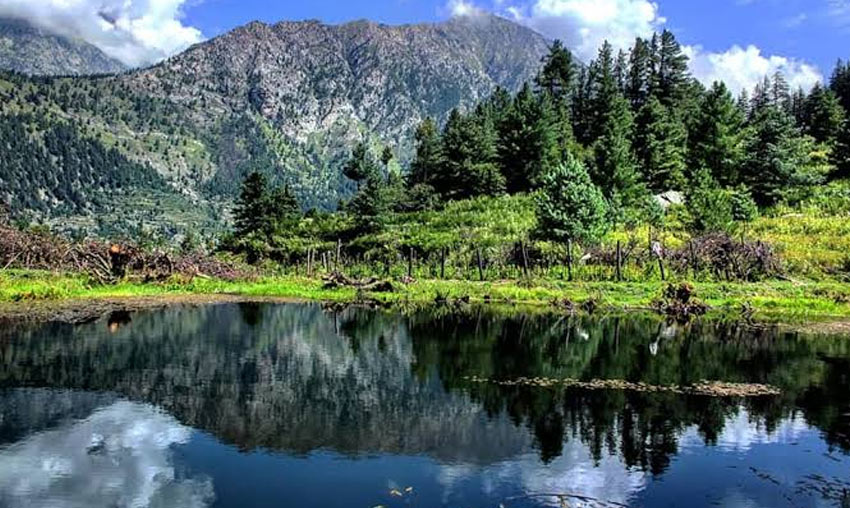
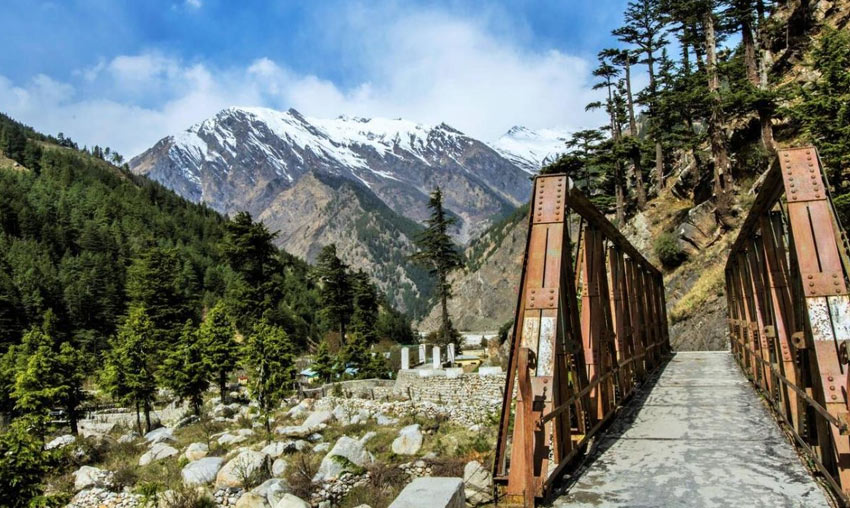
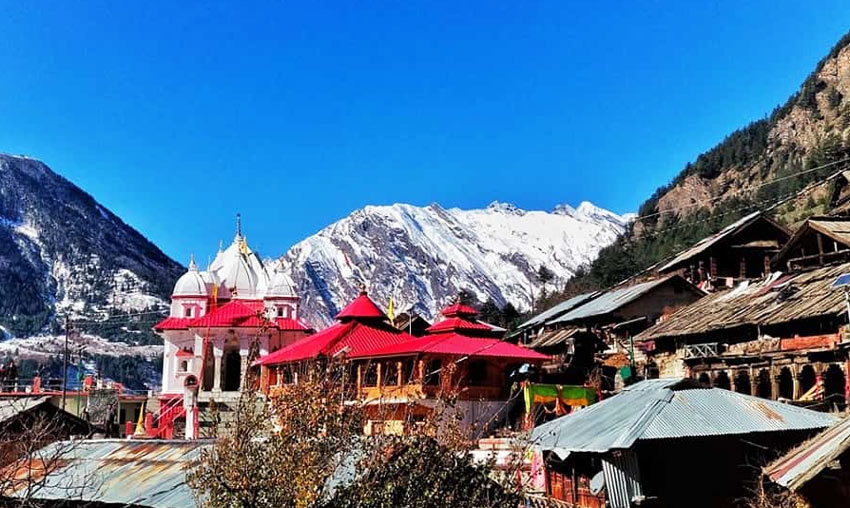
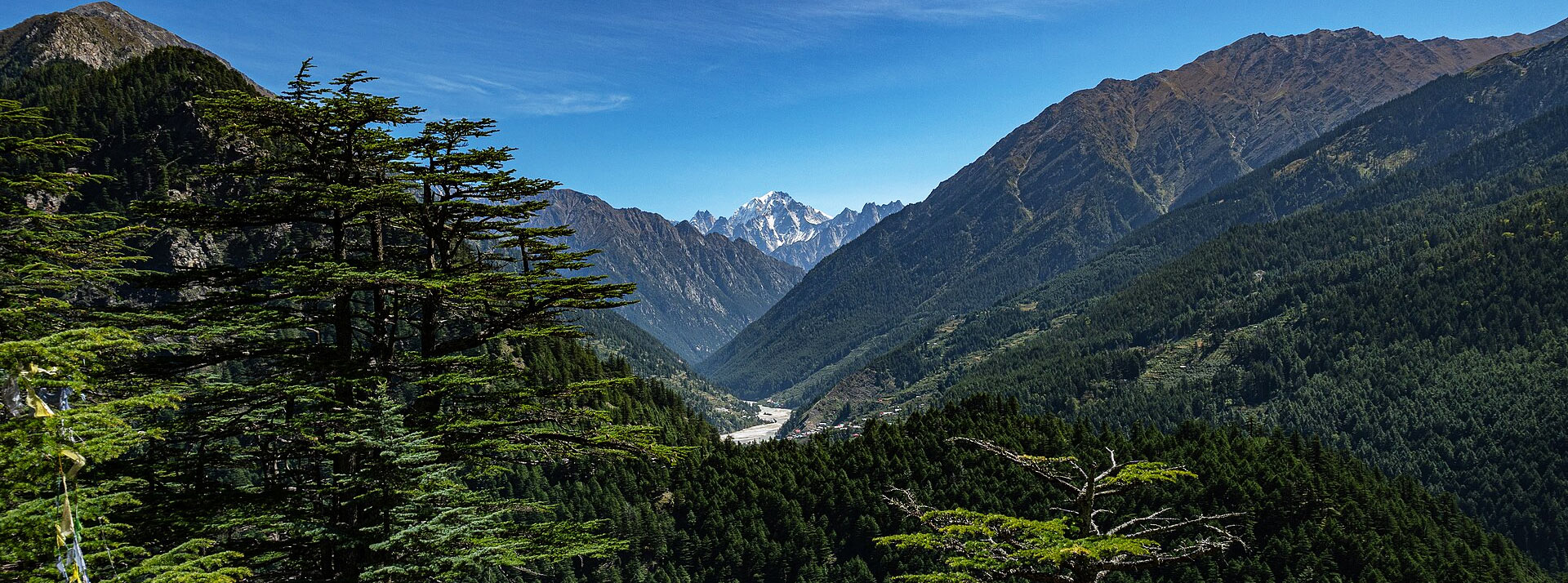
Harsil Valley is one of the most beautiful and peaceful destinations in Uttarakhand, nestled in the Garhwal Himalayas along the banks of the Bhagirathi River. Surrounded by snow-covered mountain peaks, dense deodar forests, flowing streams and picturesque apple orchards, this charming Himalayan valley offers an unforgettable experience for nature lovers, photographers and travellers seeking tranquillity away from crowded hill stations.
Located in the Uttarkashi district, Harsil Valley lies on the scenic route to Gangotri Dham and is known for its pristine natural beauty, traditional Garhwali villages and breathtaking mountain landscapes. The destination is also famous for its delicious apples and the cultural heritage of nearby villages such as Mukhba and Dharali.
Whether you want to enjoy peaceful riverside walks, explore traditional Himalayan settlements, discover ancient temples, experience local culture or admire magnificent mountain views, Harsil Valley offers something special for every traveller. Its beautiful surroundings and relatively peaceful atmosphere make it an ideal destination for a relaxing Himalayan holiday.
Where is Harsil Valley Located?
Harsil Valley is situated in the Uttarkashi district of Uttarakhand, in the Garhwal Himalayan region of northern India. It is located along the Bhagirathi River on the route connecting Uttarkashi with Gangotri Dham.
The valley is surrounded by forest-covered mountains, alpine landscapes and traditional Himalayan settlements. Its location makes it an excellent base for exploring nearby destinations, including Gangotri, Mukhba Village and Dharali.
Harsil is located at an approximate elevation of 2,600 metres above sea level. Its cool mountain climate, natural surroundings and beautiful river landscapes attract visitors throughout the main tourist seasons.
Why Visit Harsil Valley?
Harsil Valley is an excellent destination for travellers looking for natural beauty, peaceful surroundings and authentic Himalayan experiences. Unlike many commercial hill stations, it offers a quieter atmosphere where visitors can enjoy the mountains, forests and traditional village life.
- Beautiful Himalayan Landscapes: Enjoy spectacular views of mountain peaks, green valleys and forest-covered slopes.
- Bhagirathi River: Experience the beauty of the crystal-clear river flowing through the valley.
- Apple Orchards: Explore the famous apple-growing region and discover locally grown apples during the harvest season.
- Traditional Villages: Visit nearby Himalayan settlements and experience Garhwali culture and hospitality.
- Spiritual Heritage: Explore ancient temples and visit Mukhba, the winter abode of Goddess Ganga.
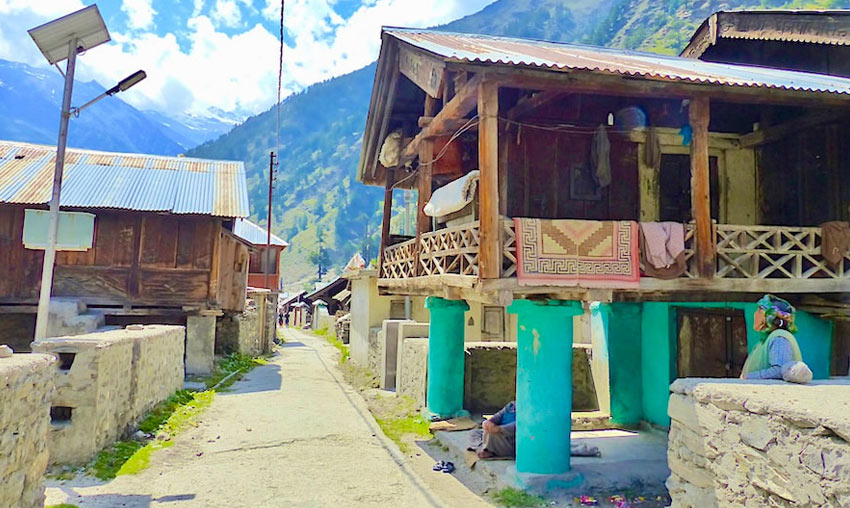
- Nature and Photography: Capture beautiful mountain scenery, riverside landscapes, forests and traditional wooden houses.
- Peaceful Mountain Holiday: Enjoy a relaxing getaway away from crowded tourist destinations.
Best Places to Visit in Harsil Valley
Harsil Valley is surrounded by beautiful villages, religious sites and natural attractions that make the destination worth exploring. Visitors can discover the region through short excursions, scenic drives and leisurely village walks.
1. Harsil Village
Harsil Village is the heart of the valley and one of its most attractive settlements. Located beside the Bhagirathi River, the village is known for its traditional houses, beautiful mountain surroundings, deodar forests and peaceful atmosphere.
Visitors can enjoy riverside walks, explore the village lanes, admire the surrounding Himalayan scenery and experience the simple lifestyle of the local community.
Read more: Harsil Village
2. Mukhba Village
Mukhba Village is one of the most important spiritual destinations near Harsil Valley. It is traditionally known as the winter abode of Goddess Ganga. After the Gangotri Temple closes for the winter season, the idol of Goddess Ganga is brought to Mukhba, where it is worshipped during the colder months.
The village is also admired for its traditional wooden houses, beautiful mountain scenery and peaceful Himalayan atmosphere. Its religious importance and cultural heritage make it a must-visit destination for visitors exploring Harsil.
Read more: Mukhba Village
3. Dharali Village
Dharali is a picturesque village near Harsil, known for its apple orchards, traditional Garhwali culture and beautiful mountain surroundings. Situated along the Gangotri route, the village has long been associated with apple cultivation and local agricultural traditions.
Travellers visiting this region can learn about village life, admire the Himalayan landscapes and explore the local cultural heritage. Always check local access and safety conditions before planning a visit.
Read more: Dharali Village
4. Sattal, Harsil
Sattal is a beautiful natural attraction near Harsil, known for its cluster of seven small lakes surrounded by forests and mountain landscapes. The peaceful surroundings make it an attractive place for nature lovers and photography enthusiasts.
Visitors can enjoy the scenic environment, explore the surrounding natural trails and admire the beauty of the Himalayan landscape.
Read more: Sattal, Harsil
5. Gangotri Temple
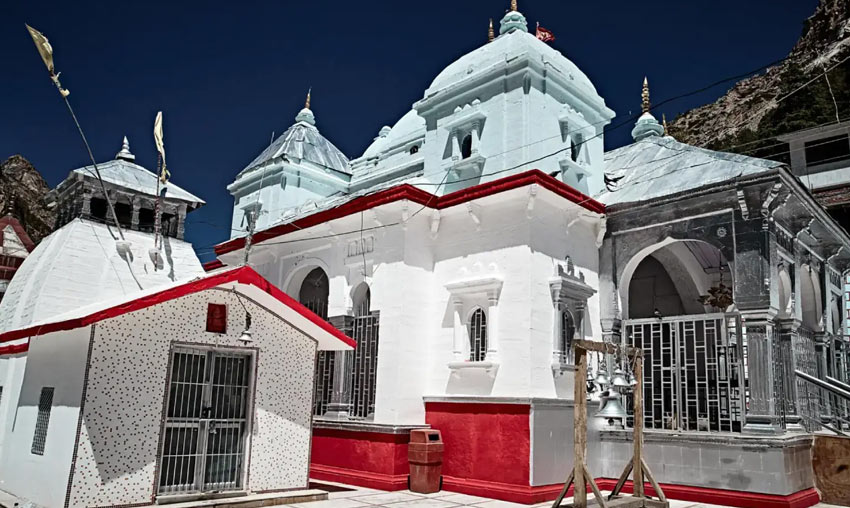
Gangotri Temple is one of the most sacred pilgrimage destinations in Uttarakhand and an important part of the Char Dham Yatra. Dedicated to Goddess Ganga, the temple is situated beside the Bhagirathi River and is surrounded by magnificent Himalayan mountains.
Located approximately 25 kilometres from Harsil, Gangotri makes an excellent excursion for visitors staying in the valley. The temple attracts thousands of devotees during its annual pilgrimage season.
Read more: Gangotri Temple
Things to Do in Harsil Valley
Harsil Valley offers several memorable experiences for visitors who want to explore the natural beauty and cultural heritage of the Garhwal Himalayas.
1. Enjoy Riverside Walks
Take a peaceful walk along the Bhagirathi River and enjoy the beautiful mountain views, fresh air and soothing sound of flowing water. The riverside surroundings are ideal for relaxation and photography. Always maintain a safe distance from the river, especially during periods of high water flow.
2. Explore Traditional Himalayan Villages
Visit nearby settlements such as Mukhba and Dharali to discover traditional architecture, local customs and the lifestyle of the Garhwali community.
3. Explore Apple Orchards
Harsil is famous for its apple cultivation. During the harvest season, visitors can discover the region's orchards and enjoy locally grown apples, subject to availability and permission from orchard owners.
4. Photography and Nature Exploration
The valley offers beautiful opportunities for landscape photography. Capture snow-covered peaks, flowing rivers, dense forests, traditional houses and scenic mountain roads.
5. Experience Local Culture
Interact with local communities, explore traditional settlements and experience the food, hospitality and cultural traditions of the Himalayan region.
6. Enjoy Scenic Mountain Drives
The road journey through the Bhagirathi Valley offers spectacular mountain views, forest landscapes and beautiful riverside scenery. Travellers can enjoy the journey while exploring nearby destinations along the Gangotri route.
Best Time to Visit Harsil Valley
The best time to visit Harsil Valley is generally from April to June and September to November. During these months, the weather is relatively pleasant, making it suitable for sightseeing, village exploration and enjoying the surrounding Himalayan landscapes.
Summer (April to June)
Summer is one of the most popular seasons to visit Harsil. The weather is generally pleasant, the surrounding forests become greener and the mountain scenery looks beautiful. It is an ideal period for sightseeing, photography and exploring nearby villages.
Monsoon (July to August)
During the monsoon season, Harsil receives rainfall and the surrounding mountains become lush green. However, heavy rainfall can trigger landslides, road blockages and river-related hazards. Travellers should avoid unnecessary journeys during severe weather and check official weather and road advisories before travelling.
Autumn (September to November)
Autumn is another excellent season to explore Harsil Valley. The skies are often clearer, the mountain views are spectacular and the apple harvest season adds to the charm of the region. It is a wonderful time for photography and peaceful mountain holidays.
Winter (December to March)
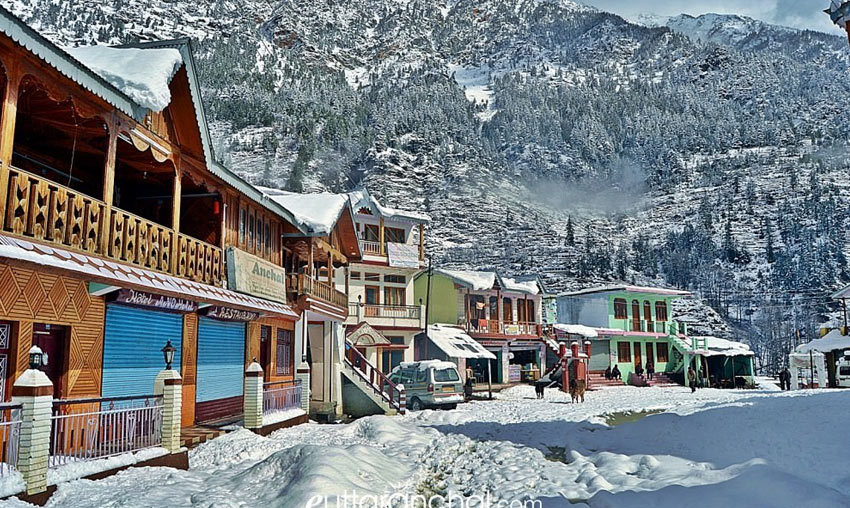
Winter transforms Harsil into a beautiful snow-covered Himalayan destination. Visitors may experience snowfall, frozen streams and spectacular winter scenery. However, temperatures can drop significantly, and heavy snowfall may affect road connectivity and accommodation availability. Proper winter clothing and advance travel planning are essential.
How to Reach Harsil Valley
Harsil Valley is accessible by road from major towns in Uttarakhand. The road journey follows the beautiful Bhagirathi River valley and passes through several scenic Himalayan settlements.
By Air
The nearest major airport is Jolly Grant Airport in Dehradun. It is approximately 230 kilometres from Harsil, depending on the route. From the airport, visitors can hire a taxi or travel towards Uttarkashi before continuing to Harsil.
By Train
The nearest convenient railway stations include Rishikesh and Dehradun. From the railway station, travellers can hire a taxi or use available bus services towards Uttarkashi and continue to Harsil by road.
By Road
Harsil is connected by road through the Uttarkashi-Gangotri route. Visitors can reach the destination from Rishikesh, Haridwar and Dehradun using buses, shared taxis or private vehicles.
The approximate road distance from Uttarkashi to Harsil is 70–75 kilometres. The road journey offers beautiful views of the Bhagirathi River, Himalayan forests and mountain villages.
Road conditions can change because of snowfall, landslides, heavy rainfall and other natural events. Travellers should confirm the latest road status with the local administration before starting their journey.
Distance to Harsil Valley from Major Cities
- Uttarkashi to Harsil: Approximately 70–75 km
- Gangotri to Harsil: Approximately 25 km
- Rishikesh to Harsil: Approximately 230–250 km
- Haridwar to Harsil: Approximately 250–270 km
- Dehradun to Harsil: Approximately 220–240 km
- Delhi to Harsil: Approximately 450–500 km, depending on the route
Distances and travel times are approximate and may vary according to the selected route, traffic and road conditions.
Where to Stay in Harsil Valley
Harsil Valley offers a selection of accommodation options for travellers, including guesthouses, homestays, government tourist accommodation and small hotels. Visitors can choose their stay according to their budget and travel preferences.
Homestays are a good option for those who want to experience local hospitality and understand the culture of the region. Some accommodations offer beautiful views of the mountains and surrounding landscapes.
It is advisable to book accommodation in advance during the summer tourist season and Char Dham Yatra period. Always confirm that your selected property is operational and accessible before travelling.
Local Food in Harsil Valley
Food in Harsil Valley reflects the traditional cuisine of the Garhwal Himalayan region. Visitors can enjoy simple, freshly prepared meals at local restaurants, guesthouses and homestays.
Some popular regional dishes and food experiences include:
- Mandua Roti – Traditional flatbread prepared using finger millet flour.
- Chainsoo – A traditional Garhwali dish made using roasted black gram.
- Kafuli – A popular regional preparation made with green leafy vegetables.
- Jhangora Kheer – A traditional dessert prepared using barnyard millet.
- Local Himalayan Apples – Fresh apples and locally prepared apple products during the season.
Travel Tips for Visiting Harsil Valley
- Carry warm clothes throughout the year because temperatures can drop, particularly during evenings and nights.
- Check the latest road conditions before travelling, especially during monsoon and winter.
- Carry sufficient cash because ATM and digital payment facilities may be limited.
- Book accommodation in advance during peak tourist and pilgrimage seasons.
- Respect local traditions, religious places and the privacy of village residents.
- Avoid littering and help maintain the cleanliness of the valley.
- Carry essential medicines, a power bank and basic travel supplies.
- Follow local administration instructions and avoid travelling near rivers during heavy rainfall or high water flow.
- Allow extra travel time because mountain roads can be affected by weather and traffic conditions.
Frequently Asked Questions About Harsil Valley
1. Where is Harsil Valley located?
Harsil Valley is located in the Uttarkashi district of Uttarakhand, in the Garhwal Himalayan region of northern India. It is situated along the Bhagirathi River on the route to Gangotri Dham.
2. What is Harsil Valley famous for?
Harsil Valley is famous for its beautiful Himalayan landscapes, apple orchards, deodar forests, Bhagirathi River, traditional villages and proximity to Gangotri Dham.
3. What is the best time to visit Harsil Valley?
The best time to visit Harsil Valley is from April to June and September to November. These periods generally offer pleasant weather and suitable conditions for sightseeing and exploring the valley.
4. Does Harsil Valley receive snowfall?
Yes, Harsil Valley receives snowfall during winter, generally between December and March. Snowfall intensity varies from year to year and may affect road connectivity.
5. How far is Gangotri from Harsil Valley?
Gangotri is approximately 25 kilometres from Harsil Valley by road. Visitors can plan a day excursion to Gangotri, depending on temple access and road conditions.
6. How many days are enough to explore Harsil Valley?
A stay of two to three days is generally suitable for exploring Harsil, visiting nearby villages, enjoying the natural surroundings and taking excursions to nearby attractions.
7. Is Harsil Valley suitable for a family trip?
Yes, Harsil Valley can be a wonderful destination for families who enjoy peaceful mountain holidays, nature and village experiences. Families should consider weather conditions, road accessibility and accommodation facilities before planning their visit.
8. Is Harsil Valley worth visiting?
Yes, Harsil Valley is worth visiting for its beautiful Himalayan scenery, apple orchards, traditional villages, peaceful surroundings and spiritual attractions. It is an excellent destination for travellers looking to experience the natural beauty of Uttarakhand.
9. Can Harsil Valley be visited in winter?
Yes, Harsil can be visited during winter, when the region may receive beautiful snowfall. However, heavy snow can affect road connectivity and accommodation services, so visitors should check local conditions before travelling.
10. Which are the best places to visit near Harsil Valley?
Some popular attractions near Harsil Valley include Mukhba Village, Dharali Village, Sattal and Gangotri Temple. These destinations offer a combination of natural beauty, cultural experiences and spiritual significance.
Explore More Destinations in Uttarakhand
Harsil Valley is an excellent starting point for discovering the natural beauty and spiritual heritage of Uttarakhand. Travellers can also explore nearby Himalayan destinations and pilgrimage sites to make their journey more memorable.
From peaceful mountain villages and apple orchards to sacred temples and spectacular river landscapes, Harsil Valley offers a memorable Himalayan experience. Whether you are planning a relaxing holiday, a spiritual journey or a nature-filled getaway, this beautiful destination in Uttarakhand deserves a place on your travel itinerary.