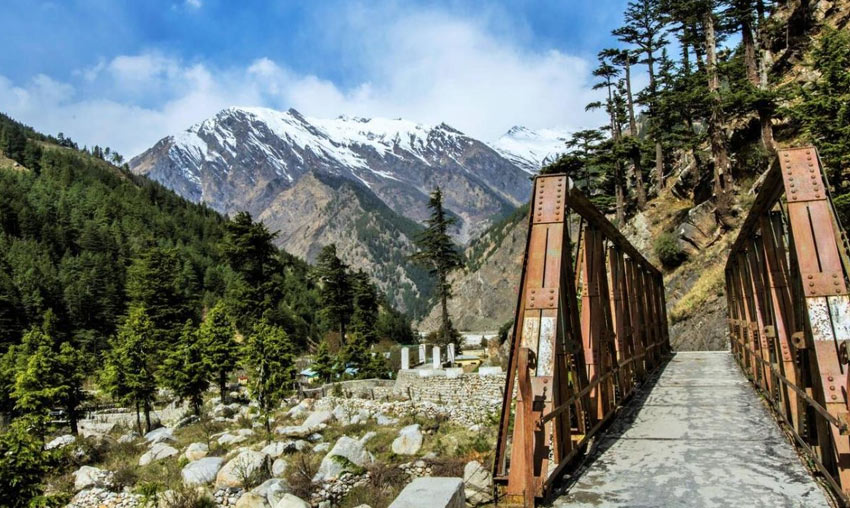
Bagori Village – Discover the Traditional Himalayan Heritage of Harsil, Uttarakhand
Bagori Village is a beautiful and culturally significant Himalayan settlement located near Harsil in the Uttarkashi district of Uttarakhand. Situated along the Bhagirathi River and surrounded by magnificent mountain landscapes, this traditional village is particularly famous for its Jadh Bhotiya community, distinctive wooden and stone houses, Buddhist heritage and traditional wool weaving.
Unlike many popular tourist destinations in Uttarakhand, Bagori offers visitors an opportunity to experience the authentic lifestyle and cultural heritage of the upper Himalayan region. The village has a fascinating history connected with the Indo-Tibetan trade routes and the traditional migration patterns of the Jadh Bhotiya community.
Bagori is also known for its traditional architecture, where houses are arranged along narrow village lanes using locally available stone and timber. Its cultural landscape reflects the history, occupations and environmental adaptations of a community that once lived in the high-altitude Nelang and Jadung valleys near the Indo-Tibetan border.
Whether you are interested in Himalayan history, traditional architecture, local handicrafts, village tourism or photography, Bagori Village offers a distinctive experience for travellers exploring Harsil Valley.
Where is Bagori Village Located?
Bagori Village is located in the Uttarkashi district of Uttarakhand, near Harsil in the upper Bhagirathi River valley. It is situated close to the Gangotri highway and lies along the beautiful Himalayan landscape surrounding Harsil.
The village is located approximately one kilometre from Harsil, although the exact distance depends on the starting point and approach route. It is traditionally accessible through a short walk from Harsil, making it a convenient cultural excursion for visitors staying in the valley.
Bagori lies near the Bhagirathi River and is surrounded by forest-covered mountain slopes and traditional Himalayan settlements. Its location makes it an interesting destination for travellers exploring the cultural and natural attractions of the Gangotri region.
Explore the complete destination guide: Harsil Valley, Uttarakhand.
History of Bagori Village
Bagori has a fascinating history associated with the Jadh Bhotiya community, a traditional Himalayan community originally connected with the high-altitude Nelang and Jadung valleys of Uttarakhand, near the Indo-Tibetan border.
Historically, the Jadh Bhotiyas were involved in trans-Himalayan trade, pastoralism and animal husbandry. Their lives were closely connected with seasonal movement between high-altitude settlements and lower Himalayan regions.
Before the closure of the traditional border trade routes, the community travelled through mountain passes to trade goods between the Indian Himalayan region and Tibet. Wool, livestock products and other commodities formed an important part of their traditional economy.
Following the Indo-China War of 1962 and the closure of traditional border trade routes, many families from the Nelang and Jadung valleys were relocated to settlements such as Bagori and Dunda in Uttarkashi district.
Bagori subsequently developed into an important settlement of the Jadh Bhotiya community. The village preserved several aspects of its traditional architecture, social organisation and cultural practices despite the significant changes in occupation and lifestyle.
Today, Bagori represents an important part of the cultural history of the Garhwal Himalayas and offers insights into the historical connections between mountain communities, border trade and traditional migration.
Who Are the Jadh Bhotiya People?
The Jadh Bhotiya community is an indigenous Himalayan community traditionally associated with the Nelang and Jadung valleys of Uttarakhand. Their history is closely connected with trans-Himalayan trade, pastoralism, wool production and seasonal migration.
Traditionally, families moved between high-altitude areas during warmer months and lower settlements during winter. This seasonal lifestyle was influenced by harsh climatic conditions, snowfall and the availability of grazing land for livestock.
After the closure of traditional trade routes in 1962, the community gradually adapted to new economic and social conditions. Agriculture, apple cultivation, wool weaving, education and other occupations became increasingly important.
Bagori continues to reflect the cultural identity of the Jadh Bhotiya community through its traditional houses, local customs, religious practices and handicraft traditions.
Traditional Architecture of Bagori Village
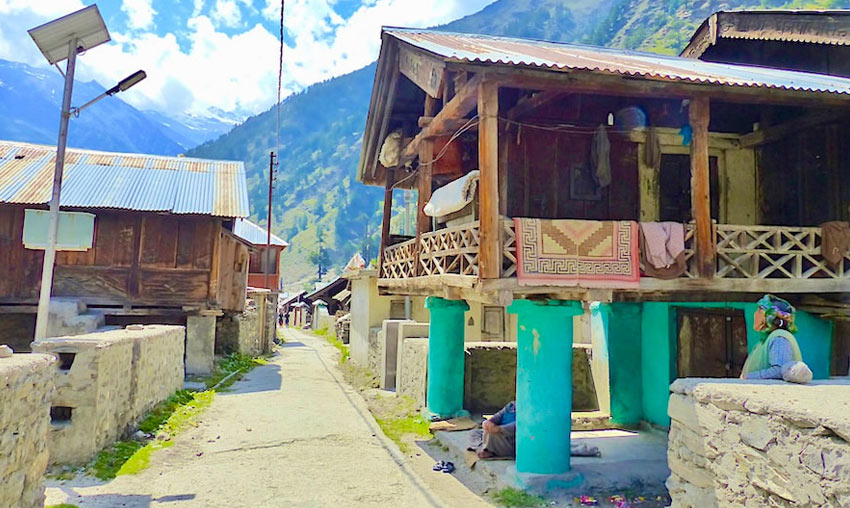
One of the most distinctive features of Bagori Village is its traditional Himalayan architecture. The settlement is characterised by a relatively linear arrangement of houses along a village street, unlike the scattered or terraced settlement patterns commonly found in many other Himalayan villages.
Many traditional houses were constructed using locally available stone and timber. The combination of these materials helped residents adapt their buildings to the cold mountain climate and environmental conditions of the region.
The construction technique is associated with timber-reinforced stone masonry and shares similarities with traditional Koti Banal architecture found in Uttarakhand.
These houses reflect generations of local knowledge about building materials, structural arrangements, seasonal weather and the geographical conditions of the Himalayan environment.
Walking through Bagori offers visitors an opportunity to observe its traditional lanes, old houses, wooden elements and architectural details that represent the region’s cultural heritage.
Why is Bagori Village Famous?
Bagori Village is known for its distinctive cultural identity, traditional architecture and historical association with the Jadh Bhotiya community. It offers a different experience from conventional hill stations and popular pilgrimage destinations.
- Jadh Bhotiya Culture: Bagori is an important settlement associated with the traditional heritage and lifestyle of the Jadh Bhotiya community.
- Traditional Wooden Houses: The village is known for its distinctive stone-and-timber houses and traditional Himalayan construction techniques.
- Indo-Tibetan Trade History: Its history is connected with the traditional trade routes between the Indian Himalayas and Tibet.
- Woollen Handicrafts: The community has a long association with sheep rearing, wool processing, spinning and weaving.
- Buddhist and Hindu Traditions: The village reflects the coexistence of different religious and cultural traditions.
- Apple Cultivation: Agriculture and apple growing have become important activities in the wider Harsil-Bagori region.
- Himalayan Landscapes: The village offers beautiful views of the Bhagirathi Valley and surrounding mountains.
Best Places to Visit in Bagori Village
Bagori is a relatively small settlement, but its traditional architecture, religious landmarks and cultural heritage make it an interesting place to explore. Visitors can discover the village through a leisurely walk and observe its historic surroundings.
1. Traditional Jadh Bhotiya Houses
The traditional houses of Bagori are among its most interesting architectural attractions. Built using a combination of timber and stone, these structures reflect the building knowledge developed by Himalayan communities to withstand cold weather and challenging environmental conditions.
The houses are arranged along narrow village lanes, creating a distinctive settlement pattern. Visitors interested in architecture and heritage tourism can observe the construction details, wooden elements and traditional layouts.
These buildings are an important part of Bagori’s cultural identity and represent the architectural traditions of the upper Bhagirathi Valley.
2. Bagori Buddhist Monastery
Bagori reflects the cultural diversity of the Himalayan region, including the Buddhist traditions associated with the Jadh Bhotiya community. The village has a Buddhist religious space that represents the spiritual heritage of the community.
Visitors interested in Himalayan religious traditions can learn about the connection between Buddhist practices, local customs and the historical cultural influences of the Indo-Tibetan region.
Visitors should respect religious customs, follow local instructions and seek permission before photographing religious interiors or ceremonies.
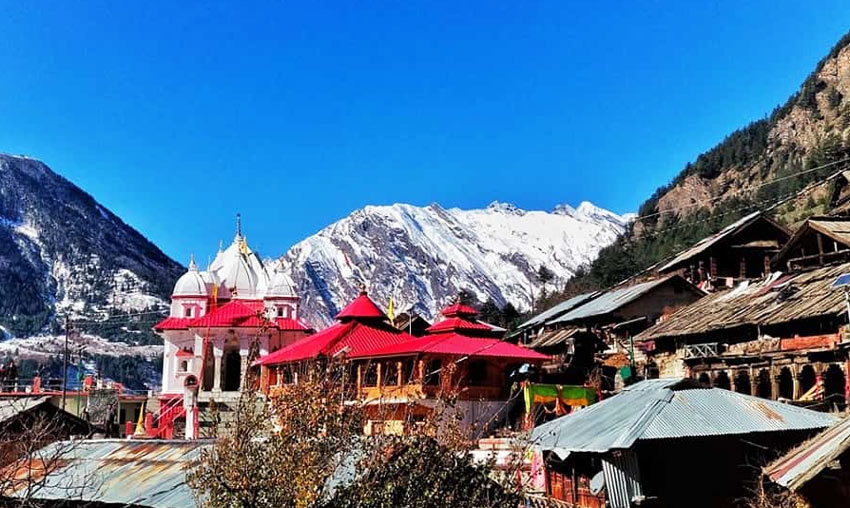
3. Lal Devta Temple
Lal Devta Temple is a local religious landmark associated with the traditional beliefs and worship practices of the village community.
The temple reflects the Hindu religious traditions of the region and demonstrates how different cultural and spiritual influences coexist within Bagori.
Visitors can explore the temple surroundings and learn about local religious practices while respecting the customs of the residents.
4. Traditional Village Street
The main village street is an interesting place to explore the traditional settlement pattern of Bagori. Its linear arrangement of houses reflects the historical planning and architectural character of the community.
Walking through the street offers an opportunity to observe old houses, wooden balconies, stone walls and the everyday environment of a Himalayan village.
5. Bhagirathi River Surroundings
The Bhagirathi River is an important natural feature of Bagori and the wider Harsil region. Its presence contributes to the scenic beauty of the valley and has historically influenced settlement patterns and local livelihoods.
Visitors can enjoy the surrounding mountain and river landscapes from safe and accessible viewpoints. Avoid approaching unstable riverbanks or entering the water, especially during rainfall and periods of high water flow.
Things to Do in Bagori Village
Bagori offers a relaxed and culturally rich experience for travellers interested in exploring traditional Himalayan settlements. Some of the best experiences include:
1. Explore Traditional Himalayan Architecture
Walk through the village and admire its traditional timber-and-stone houses. Observe the building techniques, wooden details and distinctive arrangement of the settlement.
2. Learn About Jadh Bhotiya Culture
Discover the history and traditions of the Jadh Bhotiya community, including its historical connections with the Nelang and Jadung valleys, trans-Himalayan trade and seasonal migration.
3. Discover Traditional Woollen Handicrafts
The Jadh Bhotiya community has a long history of sheep rearing and wool processing. Traditional activities include shearing, carding, spinning and weaving wool into useful household products and garments.
Visitors may find locally produced woollen products depending on seasonal availability and the participation of local artisans.
4. Visit Local Religious Places
Explore the village’s religious landmarks and learn about the Hindu and Buddhist traditions that form part of its cultural identity.
5. Enjoy Village Photography
Bagori provides interesting photography opportunities through its traditional houses, mountain surroundings, narrow lanes and cultural details.
Always ask residents for permission before photographing people, private homes or religious activities.
6. Experience Local Himalayan Lifestyle
Observe the traditional agricultural activities and seasonal lifestyle of the village. Interacting respectfully with local residents can provide a deeper understanding of the community’s heritage and changing way of life.
Traditional Occupations and Handicrafts of Bagori
The traditional economy of Bagori was historically connected with pastoralism, animal husbandry and trans-Himalayan trade. Sheep and goat rearing played an important role in the livelihoods of many families.
Wool processing was another important traditional occupation. Activities such as sheep shearing, carding, spinning and weaving were used to produce woollen garments and household textiles.
Following the closure of the traditional border trade routes, the community adapted to changing economic conditions. Agriculture, apple cultivation and other livelihood activities became increasingly important.
The wider Harsil-Bagori region is also known for apple production and Himalayan Rajma. These agricultural products contribute to the local identity and economy of the valley.
Best Time to Visit Bagori Village
The best time to visit Bagori Village is generally from April to June and September to November. These periods usually offer more comfortable daytime weather and suitable conditions for exploring the traditional village and surrounding Harsil region.
Spring (March to April)
Spring brings fresh greenery and changing mountain landscapes to the Harsil region. Visitors may experience pleasant daytime weather and enjoy the surroundings as the village community gradually returns from its winter settlements.
Summer (May to June)
Summer is a favourable season for exploring Bagori. The weather is generally pleasant during the daytime, and the village is more active as families return to their seasonal homes.
This is a suitable period for exploring traditional houses, local culture and nearby attractions in Harsil Valley.
Monsoon (July to August)
During monsoon, the region receives rainfall and the surrounding mountains become lush green. However, heavy rainfall can cause landslides, flash floods and road blockages in the Himalayan region.
The devastating flash flood in nearby Dharali on 5 August 2025 highlights the importance of checking weather forecasts and official travel advisories before visiting this region during monsoon.
Autumn (September to November)
Autumn is another excellent season for exploring Bagori. The mountain views are often clearer after the monsoon, and the wider Harsil region is associated with the apple harvesting season.
Visitors can enjoy pleasant daytime conditions and discover the agricultural and cultural heritage of the region.
Winter (December to February)
Winter brings very cold temperatures and snowfall to the Harsil region. Traditionally, many Jadh Bhotiya families move to lower-altitude settlements during the colder months, including Dunda and other towns, because of severe weather conditions.
As a result, Bagori may become quieter during winter, and some houses and local facilities may remain closed. Visitors should confirm accommodation, road accessibility and local services before planning a winter visit.
How to Reach Bagori Village
Bagori Village is situated near Harsil and is traditionally accessible through a short approach from the main settlement. Visitors generally reach Harsil first and then continue towards Bagori on foot or by locally permitted two-wheeler access.
By Air
The nearest major airport is Jolly Grant Airport in Dehradun. From the airport, visitors can hire a taxi or travel towards Uttarkashi before continuing to Harsil and Bagori by road.
By Train
Rishikesh and Dehradun are convenient railway access points for travellers visiting Bagori. From either railway station, visitors can arrange road transportation towards Uttarkashi and continue along the Gangotri highway.
By Road
Harsil is connected by road through the Uttarkashi-Gangotri highway corridor. Visitors can reach Harsil from Uttarkashi by private vehicle, taxi or available public transport services.
After reaching Harsil, Bagori can traditionally be explored through a short walk or locally permitted two-wheeler access. The village approach is relatively narrow, so visitors should follow local parking and access instructions.
Road conditions can change because of landslides, rainfall, snowfall and restoration work. Check current local conditions before starting the journey.
Distance from Major Cities to Bagori Village
- Harsil to Bagori: Approximately 1 km.
- Dharali to Bagori: Approximately 20 km by the traditional road route.
- Uttarkashi to Bagori: Approximately 75–80 km by road.
- Gangotri to Bagori: Approximately 35–40 km by road.
- Rishikesh to Bagori: Approximately 230–250 km by road.
- Haridwar to Bagori: Approximately 250–270 km by road.
- Dehradun to Bagori: Approximately 220–245 km by road.
- Delhi to Bagori: Approximately 450–500 km by road.
All distances are approximate and depend on the selected route, road conditions and the exact starting point.
Where to Stay Near Bagori Village
Bagori is a small traditional settlement, and accommodation choices within the village may be limited. Visitors can explore nearby Harsil for guesthouses, homestays and small hotels.
Homestays are a suitable option for travellers interested in experiencing local hospitality, traditional food and the cultural heritage of the region.
During the summer tourist season and Char Dham Yatra period, accommodation availability may become limited. Advance booking and confirmation of current operating status are recommended.
Local Food in Bagori Village
The food culture of Bagori reflects the traditional cuisine of the Garhwal Himalayan region. Visitors can discover simple regional meals prepared using locally available ingredients and agricultural produce.
Some regional dishes and food products worth exploring include:
- Himalayan Rajma: Locally grown kidney beans known for their distinctive taste and texture.
- Mandua Roti: A traditional flatbread prepared using finger millet flour.
- Chainsoo: A Garhwali dish made using roasted black gram.
- Kafuli: A traditional preparation made with green leafy vegetables.
- Jhangora Kheer: A regional dessert prepared using barnyard millet.
- Harsil Apples: Fresh Himalayan apples and locally prepared apple products during the harvest season.
Travel Tips for Visiting Bagori Village
- Carry warm clothes because mountain temperatures can drop significantly, particularly during evenings and winter.
- Check the latest road and weather conditions before travelling.
- Respect the cultural traditions and privacy of the Jadh Bhotiya community.
- Ask permission before photographing residents or private houses.
- Follow local customs when visiting Buddhist and Hindu religious places.
- Avoid entering private courtyards or homes without permission.
- Carry sufficient cash because banking facilities may be limited.
- Confirm accommodation availability in advance, especially during peak tourist seasons.
- Keep the village clean and avoid disturbing the peaceful surroundings.
- During winter, confirm whether local residents, homestays and shops are available.
Frequently Asked Questions About Bagori Village
1. Where is Bagori Village located?
Bagori Village is located near Harsil in the Uttarkashi district of Uttarakhand, along the upper Bhagirathi River valley.
2. What is Bagori Village famous for?
Bagori is famous for its Jadh Bhotiya community, traditional wooden and stone houses, woollen handicrafts, Indo-Tibetan trade history and Himalayan village culture.
3. Who lives in Bagori Village?
Bagori is an important settlement of the Jadh Bhotiya community, whose historical homeland includes the Nelang and Jadung valleys near the Indo-Tibetan border.
4. Why were the Jadh Bhotiya people relocated to Bagori?
Following the Indo-China War of 1962 and the closure of traditional border trade routes, many Jadh Bhotiya families from the Nelang and Jadung valleys were relocated to settlements including Bagori and Dunda in Uttarkashi district.
5. How far is Bagori Village from Harsil?
Bagori is approximately one kilometre from Harsil and can traditionally be reached through a short walk or locally permitted two-wheeler access.
6. What is the traditional architecture of Bagori Village?
Bagori is known for its timber-reinforced stone houses, traditional wooden elements and linear village settlement pattern. Its architecture reflects the environmental and cultural adaptations of Himalayan communities.
7. What is the best time to visit Bagori Village?
April to June and September to November are generally favourable periods for exploring Bagori. Winter visits require additional planning because of cold temperatures and seasonal migration.
8. Does Bagori Village receive snowfall?
Yes, the Harsil region experiences snowfall during winter, and Bagori can also experience very cold conditions and snow depending on the weather.
9. What handicrafts are associated with Bagori Village?
The Jadh Bhotiya community has a traditional association with sheep rearing, wool processing, spinning and weaving. Woollen garments and other handmade textiles are part of its cultural heritage.
10. Can Bagori Village be explored on foot?
Yes, Bagori can traditionally be explored on foot from nearby Harsil. Walking through the village is a good way to observe its architecture and cultural surroundings.
11. Which places can be visited near Bagori Village?
Popular nearby attractions include Harsil Village, Mukhba Village, Dharali, Sattal and Gangotri Temple. Current access conditions should be checked before planning excursions.
12. Is Bagori Village suitable for cultural tourism?
Yes, Bagori is an interesting destination for cultural tourism because of its traditional architecture, Jadh Bhotiya heritage, historical trade connections and local handicraft traditions.
Explore More Places in Harsil Valley
Bagori Village is an important cultural attraction in the Harsil region. Visitors can explore other nearby destinations to discover the natural beauty and heritage of the upper Bhagirathi Valley.
- Harsil Valley – Complete Travel Guide
- Harsil Village
- Mukhba Village
- Dharali Village
- Sattal, Harsil
- Gangotri Temple
Explore More Destinations in Uttarakhand
Travellers exploring Bagori and Harsil Valley can also discover other beautiful destinations in Uttarakhand:
Bagori Village is a remarkable destination for travellers interested in the cultural heritage and traditional lifestyle of the Garhwal Himalayas. From its distinctive Jadh Bhotiya architecture and historical Indo-Tibetan trade connections to its woollen handicraft traditions and beautiful mountain surroundings, the village offers a unique perspective on Himalayan life. A visit to Bagori adds a valuable cultural experience to any journey through Harsil Valley and the upper Bhagirathi region.
Nearby Places to Visit
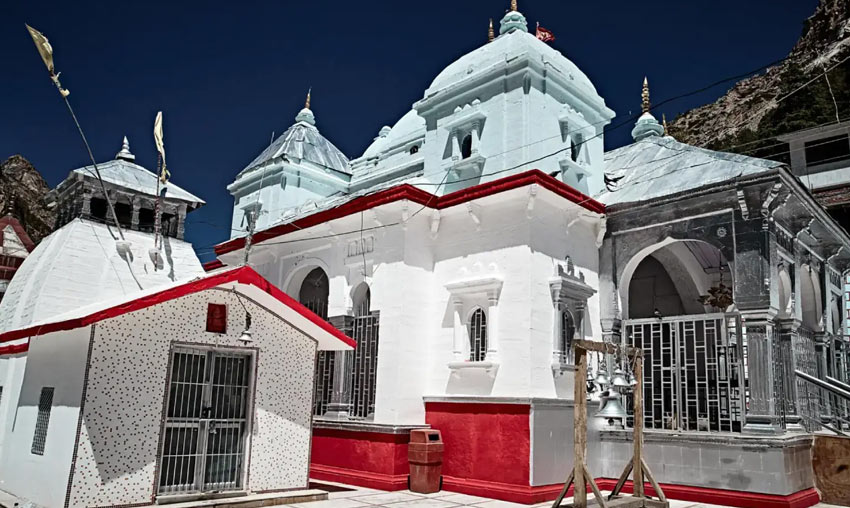
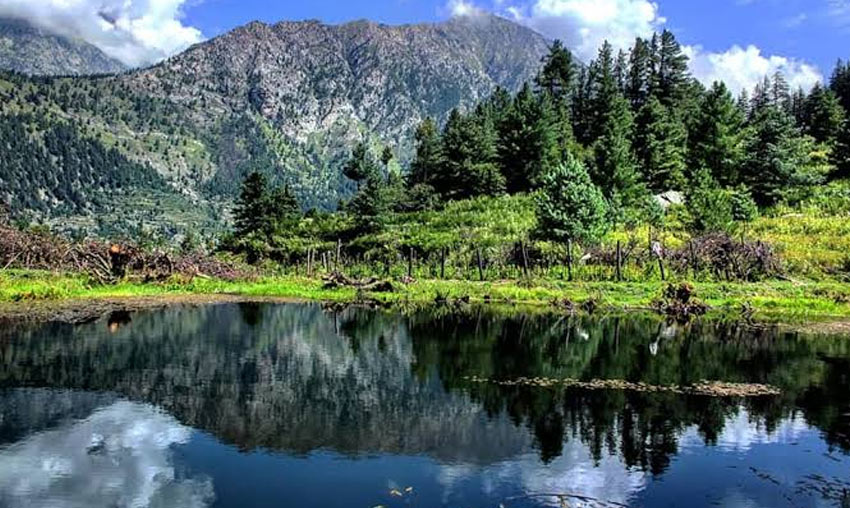
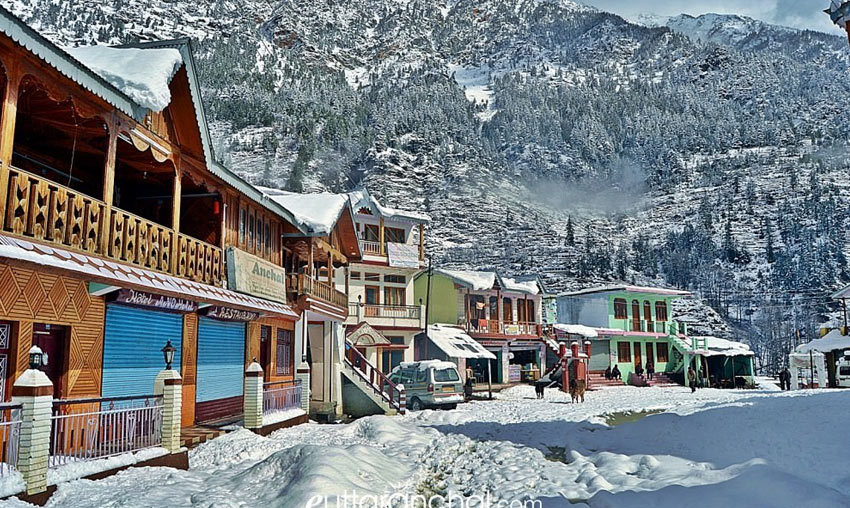
Nearby Places to Visit