Sattal, Harsil – Explore the Seven Beautiful Himalayan Lakes of Uttarakhand
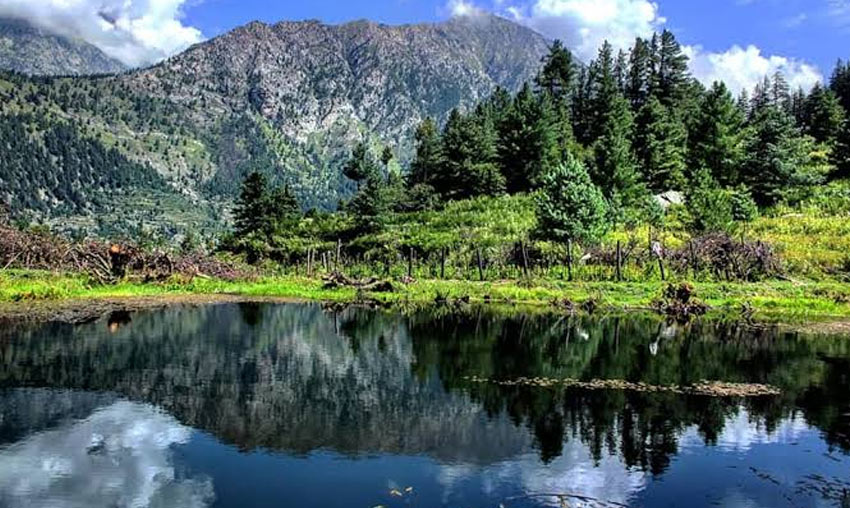
Sattal, Harsil is a beautiful group of high-altitude Himalayan lakes located near Harsil and Dharali in the Uttarkashi district of Uttarakhand. Surrounded by dense deodar forests, mountain landscapes and pristine natural surroundings, this lesser-known destination is one of the most fascinating natural attractions in the upper Bhagirathi Valley.
The name Sattal comes from two Hindi words, Sat meaning seven and Tal meaning lake. The region is traditionally known for a cluster of seven small freshwater lakes situated in a beautiful Himalayan landscape. These lakes are surrounded by forests of deodar, pine and other mountain trees, creating a peaceful environment for nature lovers and trekking enthusiasts.
Located above Dharali Village and a short distance from Harsil, Sattal offers an opportunity to explore the lesser-known natural beauty of Uttarakhand. Unlike the popular Sattal near Nainital, this Himalayan destination is relatively remote and requires a trek through mountain terrain to reach the lake area.
The surrounding landscape, high-altitude wetlands, forest trails and mountain views make Sattal an interesting destination for adventure lovers, photographers and travellers interested in exploring offbeat places in Uttarakhand.
Whether you want to enjoy a scenic mountain trek, discover high-altitude lakes, observe Himalayan biodiversity or experience the peaceful surroundings of Harsil Valley, Sattal offers a unique natural experience.
Where is Sattal, Harsil Located?
Sattal is located in the Uttarkashi district of Uttarakhand, in the upper Bhagirathi Valley near Harsil and Dharali. The lakes are situated above Dharali Village and can traditionally be reached through a trekking route passing through forested slopes and mountain terrain.
The Sattal wetland region is located at elevations of approximately 2,842 to 3,039 metres above sea level. It forms part of the Garhwal Lesser Himalayan region and is surrounded by forest ecosystems and high-altitude mountain landscapes.
Harsil is approximately 3 kilometres from the Sattal area according to Uttarakhand Tourism, although the actual journey involves trekking and may vary depending on the starting point and route.
Sattal should not be confused with the famous Sattal near Bhimtal in Nainital district, which is a separate group of lakes in the Kumaon region.
Explore the complete destination guide: Harsil Valley, Uttarakhand.
Why is Sattal, Harsil Famous?
Sattal is famous for its collection of high-altitude lakes, peaceful forest surroundings and beautiful Himalayan landscapes. Its relatively remote location makes it an attractive destination for travellers looking for offbeat natural attractions away from crowded tourist destinations.
- Seven Himalayan Lakes: Sattal is traditionally known for its cluster of seven small high-altitude lakes.
- High-Altitude Wetlands: The lakes form an important part of the local Himalayan wetland ecosystem.
- Deodar and Pine Forests: The surrounding landscape features beautiful forest vegetation.
- Mountain Trekking: The route from Dharali offers an opportunity to explore the Himalayan forest landscape.
- Natural Biodiversity: The region provides habitat for several Himalayan plant and animal species.
- Peaceful Surroundings: Its remote location makes it an attractive destination for nature lovers.
- Photography: The lakes, forests and surrounding mountain scenery offer beautiful photography opportunities.
Seven Lakes of Sattal, Harsil
Sattal is traditionally associated with seven small high-altitude lakes situated in the mountain landscape above Dharali. These wetlands are surrounded by Himalayan vegetation and form an interesting part of the natural geography of the Harsil region.
Scientific studies of the Sattal wetland region identify the following seven lakes:
1. Sankhghata Tal
Sankhghata Tal is one of the high-altitude wetlands associated with the Sattal region. Situated within the forested mountain landscape, it forms part of the natural lake ecosystem above Dharali.
The surrounding vegetation and high-altitude environment make it an interesting part of the region’s ecological landscape.
2. Ghandoliya Tal
Ghandoliya Tal is another small mountain wetland included in the Sattal lake group. Its surroundings reflect the natural character of the upper Bhagirathi Valley, where forests, mountain slopes and freshwater wetlands form a distinctive landscape.
3. Rikh Tal
Rikh Tal is one of the seven identified wetlands in the Sattal region. The lake forms part of the high-altitude freshwater ecosystem and contributes to the ecological diversity of the surrounding landscape.
4. Bamniya Tal
Bamniya Tal is a small high-altitude lake surrounded by the natural vegetation of the Himalayan region. Its location within the Sattal wetland system makes it an important feature of the area’s geographical and ecological character.
5. Dawariya Tal
Dawariya Tal is another wetland identified within the Sattal lake cluster. Like the other lakes, it is associated with the mountain slopes and forest ecosystems of the upper Bhagirathi Valley.
6. Chadgiya Tal
Chadgiya Tal forms part of the seven-lake wetland system of Sattal. It contributes to the region’s natural water resources and high-altitude wetland biodiversity.
7. Mirdunga Tal
Mirdunga Tal is one of the identified lakes of the Sattal region and is situated at a comparatively lower elevation within the group. It is an important part of the wetland landscape and has also been documented in regional ecological studies.
Note: The seven names represent the lakes identified in scientific studies of the Sattal region. Historical documentation also reports that some lakes have experienced ecological pressure and encroachment. Therefore, visitors should not assume that all seven lakes currently have the same water levels or are independently accessible.
Natural Beauty and Geography of Sattal
Sattal is situated in the Garhwal Lesser Himalayan region, where high mountain slopes, small freshwater wetlands and forest ecosystems create a distinctive natural environment.
The lakes are surrounded by several tree species, including deodar, blue pine and maple. These forests contribute to the ecological character of the region and provide habitat for a variety of Himalayan wildlife.
The area’s high elevation and mountain climate influence the seasonal water conditions of the wetlands. Rainfall, snowfall, snowmelt and changes in surrounding land use can affect the water levels and ecological health of the lakes.
The landscape is particularly attractive for visitors interested in Himalayan ecology, mountain photography and nature exploration.
Flora and Fauna Around Sattal, Harsil
The Sattal region supports a variety of Himalayan plant and animal species. Its forest cover and freshwater wetlands provide important habitats for wildlife in the upper Bhagirathi Valley.
Flora
The surrounding vegetation includes several species of Himalayan trees and plants. Some of the tree species recorded in the region include:
- Deodar (Cedrus deodara)
- Blue Pine (Pinus wallichiana)
- Maple (Acer species)
- Indian Horse Chestnut (Aesculus indica)
Fauna
The wider region provides habitat for several Himalayan wildlife species. Wildlife recorded in the broader landscape includes:
- Himalayan Monal
- Himalayan Goral
- Brown Bear
- Various Himalayan birds and other mountain wildlife
Wildlife sightings are not guaranteed. Visitors should observe animals from a safe distance and avoid disturbing their natural habitat.
Best Places to Explore Near Sattal, Harsil
Sattal is located in a beautiful part of Uttarakhand and is surrounded by several cultural, religious and natural attractions. Travellers can explore nearby villages and pilgrimage sites as part of their Harsil Valley itinerary.
1. Dharali Village
Dharali is a traditional Himalayan settlement located below the Sattal region. It has historically been known for its apple orchards, Himalayan Rajma and local agricultural traditions.
The village is also an important settlement along the Gangotri route. It was severely affected by the flash flood and debris flow of 5 August 2025, so visitors must verify current road access and local safety conditions before planning a visit.
Read more: Dharali Village.
2. Harsil Village
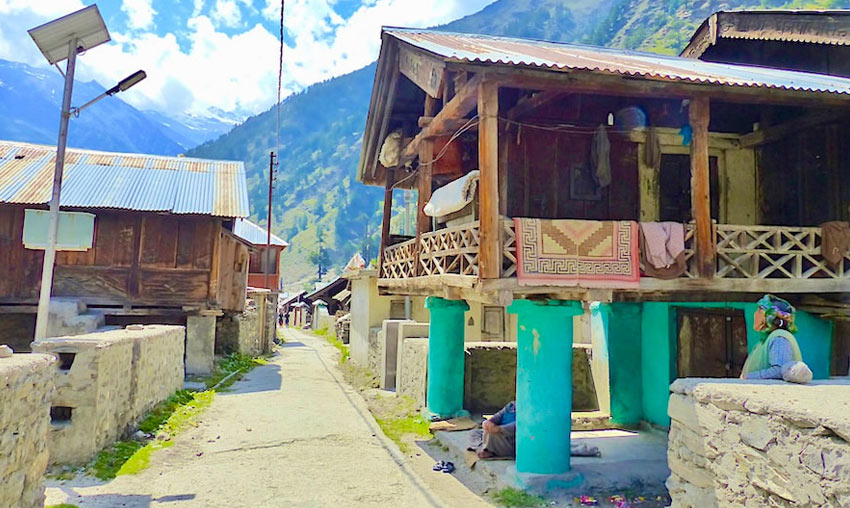
Harsil Village is a beautiful Himalayan settlement located along the Bhagirathi River. The village is famous for its apple-growing traditions, deodar forests, traditional houses and peaceful mountain surroundings.
Visitors can explore the village, enjoy scenic mountain views and discover the cultural heritage of the upper Bhagirathi Valley.
Read more: Harsil Village.
3. Mukhba Village
Mukhba Village is an important religious destination near Harsil. It is traditionally known as the winter abode of Goddess Ganga, where the ceremonial idol is worshipped when Gangotri Temple closes during winter.
The village is also known for its traditional houses, local customs and spiritual significance.
Read more: Mukhba Village.
4. Bagori Village
Bagori is a traditional Himalayan village near Harsil, known for its Jadh Bhotiya community, distinctive architecture and cultural heritage.
Visitors interested in Himalayan history and traditional village life can explore its narrow lanes, old houses and local cultural traditions.
Read more: Bagori Village.
5. Gangotri Temple
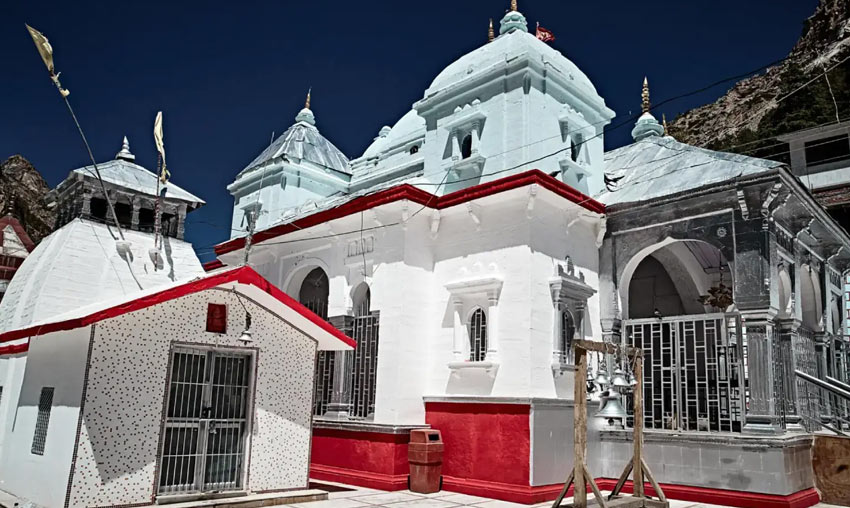
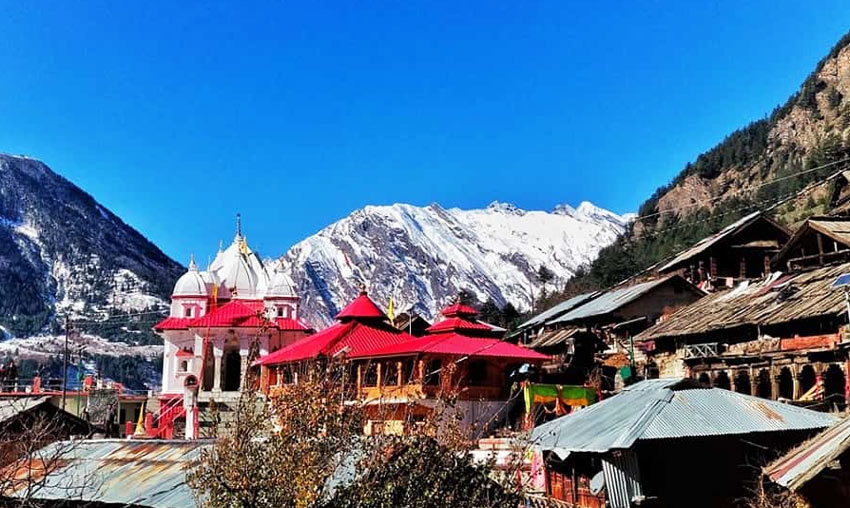
Gangotri Temple is one of the most sacred pilgrimage destinations in Uttarakhand and an important part of the Char Dham Yatra. Dedicated to Goddess Ganga, the temple is situated beside the Bhagirathi River and surrounded by spectacular Himalayan mountains.
It is an important destination for devotees travelling through the Harsil region.
Read more: Gangotri Temple.
Things to Do at Sattal, Harsil
Sattal offers several nature-oriented experiences for visitors who enjoy mountain trekking and exploring lesser-known Himalayan destinations.
1. Enjoy the Sattal Trek
The trek to Sattal is one of the main attractions of this region. The traditional trekking route begins near Dharali and passes through forested slopes, mountain terrain and natural landscapes.
The approximately three-kilometre uphill trek is a rewarding experience for visitors who enjoy exploring offbeat Himalayan trails. The actual distance and trekking conditions may vary depending on the selected route and access point.
2. Explore High-Altitude Lakes
Discover the small lakes that form part of the Sattal wetland system. Visitors can observe their natural surroundings, vegetation and mountain setting while exploring the area through permitted trails.
3. Nature Photography
Sattal offers beautiful opportunities for landscape photography. The forested slopes, high-altitude wetlands, mountain scenery and natural vegetation create attractive settings for photographers.
4. Birdwatching
The forest ecosystems around Sattal provide habitat for several Himalayan bird species. Visitors interested in birdwatching can observe local birds while walking through the surrounding forest areas.
5. Enjoy the Himalayan Forest Environment
Spend time exploring the natural environment around the lakes. The peaceful surroundings, fresh mountain air and forest landscapes make Sattal an attractive destination for nature enthusiasts.
6. Discover Himalayan Biodiversity
Visitors interested in ecology can learn about high-altitude wetlands, native vegetation and the importance of freshwater ecosystems in the Himalayan region.
Sattal Trek – Route, Distance and Difficulty
The Sattal trek is one of the most interesting short trekking experiences in the Harsil region. The traditional approach starts from the Dharali area and climbs through forested mountain slopes towards the lakes.
- Starting Point: Dharali Village region.
- Destination: Sattal, Harsil.
- Trek Distance: Approximately 3 km uphill, depending on the starting point and route.
- Terrain: Mountain trails, forest paths and uneven natural surfaces.
- Experience: Suitable for visitors interested in nature walks and short Himalayan treks, subject to fitness and trail conditions.
The trail may become slippery during and after rainfall, while snow can make the route difficult during winter. Visitors should use proper trekking shoes, carry drinking water and avoid trekking without local guidance when conditions are uncertain.
Forest access restrictions and permits may apply. Confirm the current requirements with the local forest department before starting the trek.
Best Time to Visit Sattal, Harsil
The best time to visit Sattal is generally from May to June and September to October, when weather conditions are comparatively suitable for exploring the surrounding mountain landscape and undertaking short treks.
Spring (March to April)
Spring brings fresh greenery to the surrounding mountain landscape. The weather gradually becomes warmer, although high-altitude conditions can remain cold. Visitors should check the condition of the trekking route before planning an excursion.
Summer (May to June)
Summer is generally one of the favourable seasons for visiting Sattal. The weather is relatively pleasant during the daytime, making it suitable for trekking and exploring the high-altitude wetlands.
Monsoon (July to August)
Monsoon brings rainfall to the upper Bhagirathi Valley. The surrounding forests become greener, but heavy rainfall can cause landslides, flash floods, stream overflow and slippery trekking trails.
The nearby Dharali region experienced a devastating flash flood on 5 August 2025. Travellers should be particularly cautious and avoid entering restricted or unsafe areas during periods of adverse weather.
Autumn (September to October)
Autumn is another favourable period for exploring Sattal. The mountain views are often clearer after the monsoon, and the weather can be suitable for nature walks and photography.
Winter (November to February)
Winter brings very cold temperatures and snowfall to the higher Himalayan region. The lakes and surrounding trails may experience snow and freezing conditions.
Winter trekking requires proper equipment, local guidance and confirmation of trail accessibility. Visitors should not attempt the route during heavy snowfall or unsafe weather conditions.
How to Reach Sattal, Harsil
Sattal is located above Dharali in the Uttarkashi district of Uttarakhand. Visitors traditionally reach the area through Harsil and Dharali before continuing on foot along the uphill trekking route.
By Air
The nearest major airport is Jolly Grant Airport in Dehradun. From the airport, visitors can travel towards Uttarkashi and continue along the Gangotri route to Harsil and Dharali.
From the accessible roadhead, the remaining journey to Sattal is traditionally completed on foot through the mountain trail.
By Train
Rishikesh and Dehradun are convenient railway access points for travellers visiting the Harsil region. From the railway station, visitors can arrange a taxi or other available road transportation towards Uttarkashi and Harsil.
By Road
Harsil is connected by road through the Uttarkashi-Gangotri highway. Travellers can reach the Harsil and Dharali region from Uttarkashi by private vehicle or available local transport.
The traditional trekking route to Sattal begins from the Dharali side and climbs uphill through the forest landscape.
Because of the August 2025 flash flood in Dharali, visitors must confirm the current road condition, trail accessibility and permitted access with the local administration and forest department before starting their journey.
Distance from Major Cities to Sattal, Harsil
- Harsil to Sattal: Approximately 3 km, depending on the route and starting point.
- Dharali to Sattal: Approximately 3 km uphill trek.
- Uttarkashi to Sattal: Approximately 75–80 km by the traditional road route to the Dharali region, followed by trekking.
- Gangotri to Sattal: Approximately 35–40 km by the traditional road route towards Dharali, followed by trekking.
- Rishikesh to Sattal: Approximately 230–250 km by road towards the Harsil region, followed by trekking.
- Dehradun to Sattal: Approximately 220–245 km by road towards the Harsil region, followed by trekking.
- Delhi to Sattal: Approximately 450–500 km by road towards the Harsil region, followed by trekking.
These distances are approximate. The final trekking distance depends on the available roadhead and the route permitted by local authorities.
Where to Stay Near Sattal, Harsil
There are limited accommodation options directly around the high-altitude lakes because Sattal is primarily a natural trekking destination.
Visitors generally arrange accommodation in Harsil and other accessible settlements in the surrounding valley. Homestays, guesthouses and small hotels may be available depending on the season and local operating conditions.
It is advisable to arrange accommodation before travelling, especially during the summer tourist season and the Char Dham Yatra period.
Visitors should avoid camping near sensitive wetlands unless camping is specifically permitted by the forest department and local authorities.
Travel Tips for Visiting Sattal, Harsil
- Confirm current trekking trail accessibility before planning your visit.
- Check whether a forest permit or local permission is required.
- Wear proper trekking shoes with a good grip.
- Carry sufficient drinking water, snacks and essential medicines.
- Carry warm clothing because temperatures can drop even during summer.
- Avoid trekking during heavy rainfall, snowfall or poor visibility.
- Do not enter restricted forest areas or approach unstable wetland edges.
- Avoid swimming or disturbing the natural lake environment.
- Do not litter or leave plastic waste along the trekking trail.
- Respect local communities and follow instructions issued by forest officials.
- Consider hiring a local guide if you are unfamiliar with the trekking route.
Frequently Asked Questions About Sattal, Harsil
1. Where is Sattal, Harsil located?
Sattal is located near Harsil and Dharali in the Uttarkashi district of Uttarakhand. It is a group of high-altitude lakes situated above Dharali in the upper Bhagirathi Valley.
2. Why is Sattal, Harsil famous?
Sattal is famous for its seven high-altitude lakes, beautiful forest surroundings, Himalayan landscapes, trekking trails and natural biodiversity.
3. How many lakes are there in Sattal, Harsil?
Sattal is traditionally known as a group of seven lakes. Scientific studies identify seven wetlands in the region, although historical documentation reports that some have experienced ecological degradation and encroachment.
4. Is Sattal, Harsil the same as Sattal near Nainital?
No. Sattal near Harsil is a group of high-altitude lakes in Uttarkashi district, Garhwal. The famous Sattal near Bhimtal is a separate group of lakes in Nainital district, Kumaon.
5. How far is Sattal from Harsil?
Sattal is approximately 3 kilometres from Harsil according to Uttarakhand Tourism. The final approach involves a mountain trek, and the actual distance depends on the starting point.
6. How difficult is the Sattal trek?
The traditional trek from Dharali is approximately 3 kilometres uphill. It involves mountain trails and forest terrain. Difficulty depends on weather, trail conditions and individual fitness.
7. What is the altitude of Sattal, Harsil?
The Sattal wetland region lies at approximately 2,842 to 3,039 metres above sea level, according to regional ecological studies.
8. What is the best time to visit Sattal, Harsil?
May to June and September to October are generally favourable periods for exploring Sattal, subject to weather conditions and trail accessibility.
9. Does Sattal, Harsil receive snowfall?
Yes, the high-altitude Sattal region can receive snowfall during winter. Snow and freezing conditions may make the trekking route difficult or inaccessible.
10. Is Sattal suitable for family visits?
Sattal is primarily a trekking and nature destination. Families with older children and members comfortable with uphill walking may enjoy the experience, provided the trail is open and safe.
11. Can visitors camp near Sattal?
Camping may be subject to forest regulations and local permissions. Visitors should confirm the rules with the forest department and avoid setting up camps in sensitive wetland areas.
12. Is a permit required to visit Sattal, Harsil?
Forest access permissions may be required depending on the route and current regulations. Confirm the latest permit requirements with the Uttarkashi forest department before starting the trek.
Explore More Places in Harsil Valley
Sattal is one of the natural attractions of the beautiful Harsil region. Visitors can explore nearby villages and religious destinations to experience the natural beauty and cultural heritage of Uttarakhand.
- Harsil Valley – Complete Travel Guide
- Harsil Village
- Mukhba Village
- Dharali Village
- Bagori Village
- Gangotri Temple
Explore More Destinations in Uttarakhand
Travellers exploring Sattal and Harsil Valley can also discover other beautiful destinations in Uttarakhand:
Sattal, Harsil is a fascinating destination for travellers interested in exploring the hidden natural beauty of the Garhwal Himalayas. Its high-altitude wetlands, forested mountain slopes, scenic trekking routes and rich biodiversity make it an important natural attraction in the upper Bhagirathi Valley. For nature lovers and adventure enthusiasts, a visit to Sattal offers an opportunity to discover a quieter and lesser-known side of Uttarakhand.
Nearby Places to Visit
Nearby Places to Visit