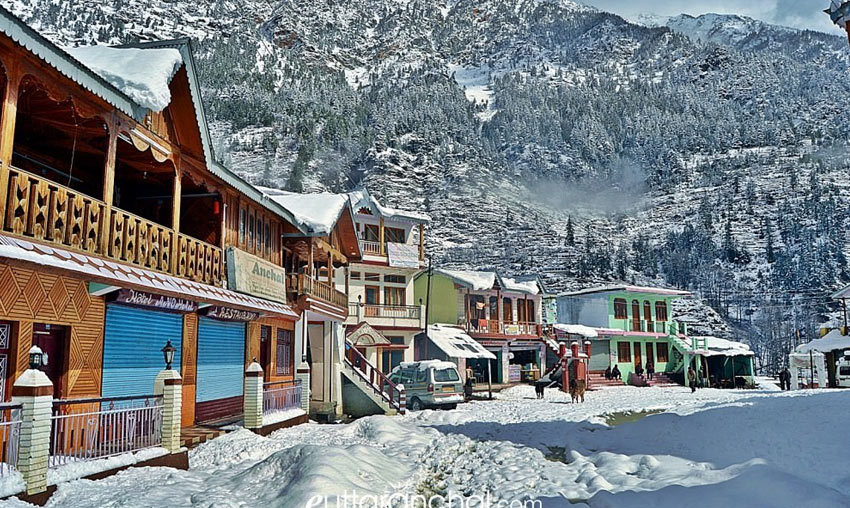
Dharali Village – Explore the Himalayan Village Near Harsil, Uttarakhand
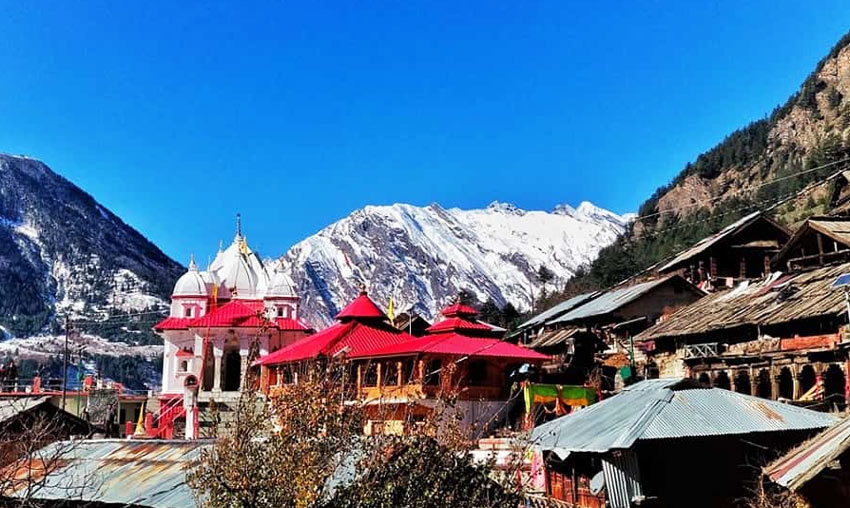
Dharali Village is a picturesque Himalayan settlement located in the Uttarkashi district of Uttarakhand, near the beautiful Harsil Valley. Situated along the Bhagirathi River and surrounded by magnificent mountain landscapes, the village has traditionally been known for its apple orchards, Himalayan Rajma, traditional culture and proximity to important pilgrimage destinations such as Gangotri and Mukhba.
Located on the Gangotri route, Dharali has long served as an important settlement and stopover for pilgrims and travellers exploring the upper Bhagirathi Valley. Its agricultural traditions, particularly apple cultivation and the production of locally grown Rajma, have contributed to the region’s identity and livelihood.
The village is also closely connected with the spiritual heritage of the region. Mukhba Village, situated across the Bhagirathi River, is the winter abode of Goddess Ganga and an important pilgrimage destination for devotees visiting the Gangotri region.
Dharali experienced a devastating flash flood and debris flow on 5 August 2025, which severely damaged its settlement, infrastructure and surrounding landscape. The disaster significantly changed the village and its tourism environment. Travellers researching Dharali should therefore distinguish its historical attractions from the areas currently accessible to visitors.
Where is Dharali Village Located?
Dharali Village is located in the Uttarkashi district of Uttarakhand, in the upper Bhagirathi River valley. It lies along the Gangotri highway in the Harsil region and is surrounded by beautiful Himalayan mountains and traditional settlements.
The village is situated on the left bank of the Bhagirathi River, near the confluence of the Kheer Gad stream and the Bhagirathi. Mukhba Village lies across the river, while Harsil is located a short distance away.
Dharali is approximately 2,600 metres above sea level, although elevation figures vary depending on the exact location within the village and surrounding area.
The settlement historically served as a local centre for pilgrims, tourists and residents travelling along the Gangotri route.
Explore the complete destination guide: Harsil Valley, Uttarakhand.
Why is Dharali Village Famous?
Dharali has traditionally been known for its agricultural produce, scenic Himalayan surroundings and cultural heritage. Before the devastating 2025 disaster, it was a popular stop for travellers exploring Harsil Valley and the Gangotri pilgrimage route.
- Apple Cultivation: Dharali and the surrounding Harsil region were known for their Himalayan apple orchards and seasonal apple production.
- Himalayan Rajma: The region is associated with locally grown Rajma, valued for its distinctive taste.
- Bhagirathi River: The village is located near the Bhagirathi River, one of the most important rivers of the Garhwal Himalayas.
- Traditional Culture: Dharali reflects the agricultural traditions and cultural heritage of Himalayan communities.
- Proximity to Mukhba: The village is situated opposite Mukhba, the winter abode of Goddess Ganga.
- Gangotri Pilgrimage Route: Dharali has historically served as an important stop for pilgrims travelling towards Gangotri Dham.
- Mountain Landscapes: The surrounding region is known for its forests, river valleys and spectacular Himalayan scenery.
History and Cultural Heritage of Dharali Village
Dharali has traditionally been an agricultural settlement in the upper Bhagirathi Valley. Its location along the route to Gangotri made it an important place for local trade, farming and services for pilgrims travelling through the Himalayan region.
Apple cultivation became an important agricultural activity in the Harsil region during the nineteenth century. Frederick Wilson, a British settler associated with Harsil, is credited with introducing apple cultivation to the area, helping transform its agricultural economy.
Over the years, Dharali developed a reputation for its apples, Rajma and other locally produced agricultural goods. The surrounding communities maintained traditional farming practices suited to the Himalayan climate and geographical conditions.
The village also shares a close cultural and religious connection with Mukhba, where the ceremonial idol of Goddess Ganga is worshipped during the winter closure of Gangotri Temple.
Its traditional lifestyle, agricultural identity and connection with the Gangotri pilgrimage route made Dharali an important part of the cultural landscape of Uttarkashi.
Natural Beauty and Geography of Dharali
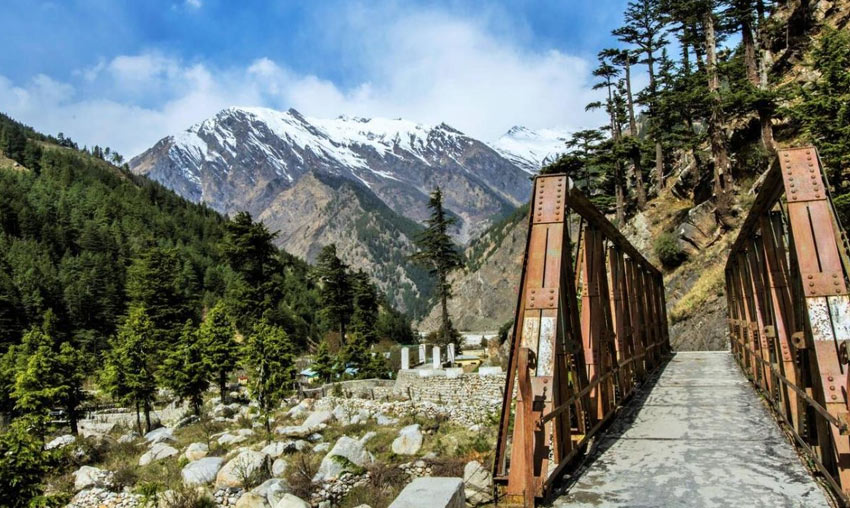
Dharali is situated in the upper Bhagirathi Valley, a region characterised by steep Himalayan slopes, mountain streams, river landscapes and forest-covered hills.
The Bhagirathi River flows through the region, while the Kheer Gad stream passes through the Dharali area before joining the river. This geographical setting has shaped the landscape and settlement patterns of the village.
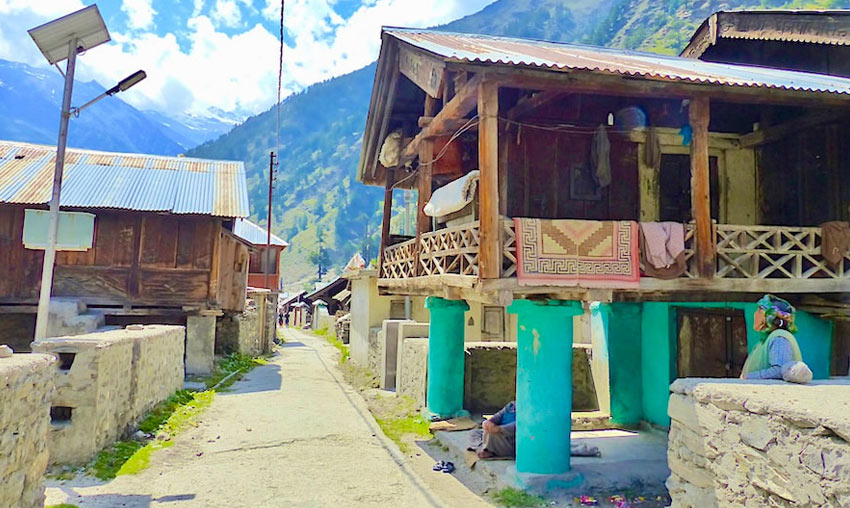
Historically, the surrounding landscape featured agricultural fields, apple orchards, traditional houses and beautiful mountain scenery. The natural environment made Dharali an attractive stop for visitors exploring Harsil and the Gangotri region.
However, the flash flood and debris flow of August 2025 significantly altered the landscape, including the river channels and settlement area. Visitors should consult recent official information before planning any nature or sightseeing activities in the affected zone.
The Dharali Flash Flood of 5 August 2025
On 5 August 2025, a devastating flash flood and debris flow struck Dharali Village in Uttarkashi district following intense rainfall in the Kheer Gad catchment area. The sudden flow of water, mud, rocks and debris caused widespread destruction in the village.
The disaster severely affected residential buildings, hotels, shops, roads and other infrastructure. Several structures in the affected settlement were swept away or buried under thick deposits of debris. The disaster also disrupted transportation and communication in the surrounding Harsil region.
According to satellite-based assessments by the Indian Space Research Organisation (ISRO), the event significantly changed the local landscape, widened stream channels and deposited a large volume of sediment near the confluence of Kheer Gad and the Bhagirathi River.
Government agencies, including the Geological Survey of India, undertook scientific assessments to understand the causes and impact of the disaster. Rescue and relief operations involved the Indian Army, NDRF, SDRF, ITBP and other agencies.
The disaster remains an important part of Dharali’s recent history and highlights the vulnerability of Himalayan settlements to extreme rainfall, flash floods and debris flows.
For travellers, it is important to understand that historical descriptions of Dharali’s hotels, markets, orchards and sightseeing areas may no longer reflect the present situation. Check with the Uttarkashi district administration before visiting the affected settlement.
Places to Visit Near Dharali Village
The Dharali region is surrounded by several important cultural, religious and natural destinations in the upper Bhagirathi Valley. The following attractions are historically associated with the area. Their current accessibility should be verified before including them in a travel itinerary.
1. Mukhba Village
Mukhba Village is an important religious destination located across the Bhagirathi River from Dharali. It is traditionally known as the winter abode of Goddess Ganga.
When Gangotri Temple closes for winter, the ceremonial idol of Goddess Ganga is brought to Mukhba, where devotees continue their worship during the colder months.
The village is known for its religious traditions, traditional Himalayan houses and cultural heritage. Its spiritual connection with Gangotri makes it one of the most significant destinations in the region.
Read more: Mukhba Village.
2. Harsil Village
Harsil Village is a beautiful Himalayan settlement situated along the Bhagirathi River. It has traditionally been known for its apple orchards, deodar forests, mountain scenery and peaceful village atmosphere.
The village is an important destination for travellers exploring the upper Bhagirathi Valley and Gangotri pilgrimage route.
Read more: Harsil Village.
3. Sattal, Harsil
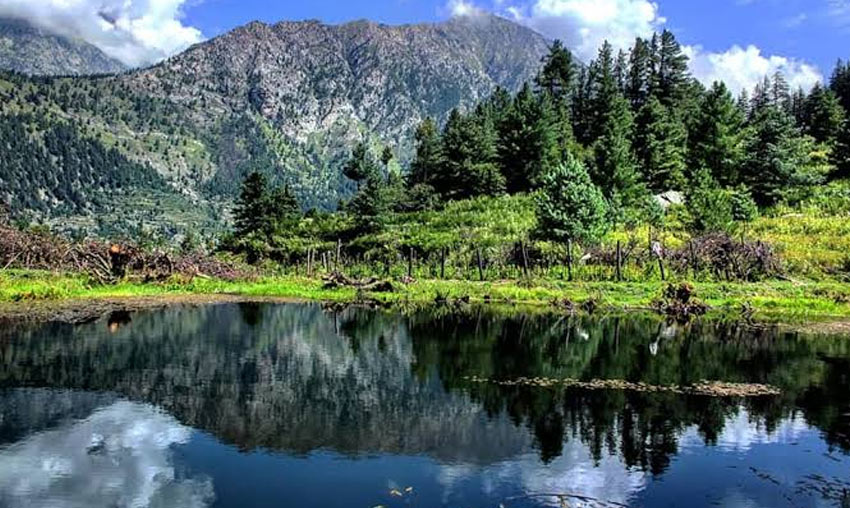
Sattal is a scenic natural attraction near Harsil, traditionally known for its cluster of seven small lakes surrounded by forests and mountain landscapes.
The area has attracted nature lovers and photographers interested in exploring the beautiful natural environment of the Harsil region. Check local access conditions before planning an excursion.
Read more: Sattal, Harsil.
4. Gangotri Temple
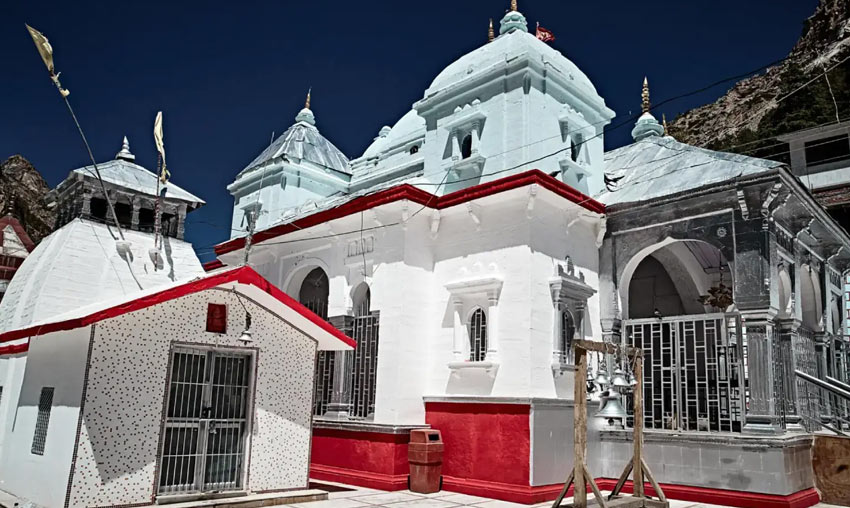
Gangotri Temple is one of the most sacred pilgrimage destinations in Uttarakhand and an important part of the Char Dham Yatra. Dedicated to Goddess Ganga, the temple is situated beside the Bhagirathi River and surrounded by magnificent Himalayan mountains.
It is also closely connected with Dharali and Mukhba through the traditional seasonal movement of Goddess Ganga between Gangotri and her winter abode at Mukhba.
Read more: Gangotri Temple.
5. Harsil Valley
Harsil Valley is one of the most beautiful Himalayan regions of Uttarakhand. It is known for its river landscapes, mountain forests, traditional settlements and historical apple-growing traditions.
The valley offers a broader travel experience for visitors interested in exploring the natural and cultural attractions of the upper Bhagirathi region.
Read more: Harsil Valley Travel Guide.
Things to Do in and Around Dharali
Before the 2025 disaster, Dharali was known for its agricultural and village experiences, along with its location on the Gangotri route. Some of the traditional experiences associated with the region include:
1. Explore Himalayan Village Culture
Dharali and the surrounding villages have traditionally reflected the lifestyle, agricultural practices and cultural heritage of the upper Bhagirathi Valley. Visitors interested in local history can learn about traditional farming, regional customs and the heritage of Himalayan communities.
2. Discover the Apple-Growing Tradition
The Harsil-Dharali region has historically been famous for its apple cultivation. Apple farming became an important part of the local economy and contributed to the identity of the valley.
However, the August 2025 disaster significantly affected the orchard and agricultural landscape in the impacted area. Do not assume that historical orchards or farm visits are currently available.
3. Explore Nearby Religious Destinations
The region has a strong religious connection with Goddess Ganga and Gangotri Dham. Mukhba Village and Gangotri Temple are important places for pilgrims exploring the spiritual heritage of Uttarakhand.
4. Learn About the Himalayan Environment
The upper Bhagirathi Valley offers an opportunity to understand the natural geography of the Himalayas, including mountain streams, river systems, steep slopes and forest ecosystems.
The 2025 disaster also demonstrates the importance of responsible tourism and understanding natural hazards in mountain environments.
Best Time to Visit Dharali Village
Historically, April to June and September to October were considered favourable periods for exploring Dharali and the surrounding Harsil region. However, following the August 2025 disaster, the suitability of visiting Dharali depends on current restoration work, access restrictions, road conditions and local safety advisories.
Summer (April to June)
Summer traditionally offered pleasant daytime weather and suitable conditions for exploring the Harsil-Dharali region. It was a popular period for pilgrims travelling towards Gangotri and visitors interested in Himalayan landscapes.
Travellers should confirm whether the affected areas are open and safe before planning a visit.
Monsoon (July to August)
The monsoon season brings rainfall to the upper Bhagirathi Valley. Heavy rain can trigger landslides, flash floods, road damage and debris flows.
The devastating Dharali disaster of 5 August 2025 highlights the serious risks associated with monsoon travel in this region. Avoid entering restricted or disaster-affected areas and follow official weather and travel advisories.
Autumn (September to November)
Autumn traditionally offered relatively clear mountain views and comfortable daytime conditions. September and October were also associated with the apple harvesting season in the Harsil region.
Current agricultural conditions and access to affected parts of Dharali should be confirmed locally.
Winter (December to March)
Winter brings cold temperatures and possible snowfall to the upper Himalayan region. The nearby Mukhba Village becomes particularly significant during this season because Goddess Ganga is worshipped there after the closure of Gangotri Temple.
Road connectivity may be affected by snowfall and extreme weather, so travellers should check official updates before travelling.
How to Reach Dharali Village
Dharali is located on the Gangotri road corridor in Uttarkashi district. Historically, the village was accessible by road from Uttarkashi through Harsil.
However, the August 2025 disaster caused significant damage to the local road network and infrastructure. The route and access arrangements can change depending on restoration work and local administration instructions.
By Air
The nearest major airport is Jolly Grant Airport in Dehradun. Travellers can traditionally continue towards Uttarkashi and Harsil by road before reaching the Dharali region.
Confirm the current road connectivity and permitted access before beginning the journey.
By Train
Rishikesh and Dehradun are convenient railway access points for travellers visiting Uttarkashi district. From these stations, road transportation is traditionally available towards Uttarkashi and the Gangotri region.
Check current transportation services and road conditions before planning onward travel.
By Road
Dharali is located along the Gangotri highway corridor, which connects Uttarkashi with Harsil and Gangotri. The traditional road route passes through mountain settlements and follows the Bhagirathi River valley.
Because of the extensive damage caused by the August 2025 disaster, travellers must obtain updated information from the Uttarkashi district administration, police or road authorities before attempting to reach Dharali.
Distance from Major Cities to Dharali Village
- Harsil to Dharali: Historically approximately 3–6 km, depending on the route and starting point.
- Mukhba to Dharali: Located across the Bhagirathi River, with access depending on available roads and crossings.
- Uttarkashi to Dharali: Approximately 75–80 km by the traditional road route.
- Gangotri to Dharali: Approximately 20–25 km by the traditional road route.
- Rishikesh to Dharali: Approximately 230–250 km, depending on the route.
- Dehradun to Dharali: Approximately 220–245 km, depending on the route.
- Delhi to Dharali: Approximately 450–500 km, depending on the route.
These are indicative historical route distances, not confirmation of currently usable roads. Actual distances and journey times may change because of diversions, damaged infrastructure and restoration work.
Where to Stay Near Dharali Village
Before the 2025 disaster, Dharali offered hotels, guesthouses, homestays and small accommodation facilities for pilgrims and tourists travelling towards Gangotri.
However, several accommodation properties in the affected settlement were severely damaged or destroyed during the flash flood and debris flow. Historical hotel and homestay listings should therefore not be treated as confirmation of present availability.
Travellers should contact the local administration and verify the current operating status of accommodation properties in Harsil and nearby areas before making reservations.
Local Food and Agricultural Products of Dharali
Dharali and the surrounding Harsil region have traditionally been known for their agricultural produce and Garhwali food culture. Local farming has played an important role in the livelihoods of the communities in the upper Bhagirathi Valley.
Some regional food products and traditional dishes associated with the area include:
- Harsil Apples: The region has historically been famous for its delicious Himalayan apples and apple-based products.
- Himalayan Rajma: Locally grown kidney beans are valued for their flavour and texture.
- Mandua Roti: A traditional flatbread prepared using finger millet flour.
- Chainsoo: A traditional Garhwali preparation made with roasted black gram.
- Kafuli: A regional dish prepared using green leafy vegetables.
- Jhangora Kheer: A traditional Himalayan dessert made with barnyard millet.
The availability of local produce and food services may vary following the 2025 disaster and subsequent restoration activities.
Travel Tips for Visiting Dharali Village
- Check current access restrictions with the Uttarkashi district administration before travelling.
- Do not enter the 2025 disaster-affected zone without official permission.
- Confirm the operational status of roads, bridges, hotels and homestays.
- Avoid travelling during heavy rainfall and severe weather warnings.
- Follow instructions issued by local authorities and disaster-management agencies.
- Carry warm clothing because temperatures can drop considerably in the Himalayan region.
- Keep sufficient cash and essential travel supplies.
- Respect local residents and communities affected by the disaster.
- Avoid approaching riverbanks and streams during periods of high water flow.
- Allow additional travel time because mountain roads may be affected by restoration work and weather conditions.
Frequently Asked Questions About Dharali Village
1. Where is Dharali Village located?
Dharali Village is located in Uttarkashi district of Uttarakhand, near Harsil Valley along the Bhagirathi River and the Gangotri highway corridor.
2. What is Dharali Village famous for?
Dharali has traditionally been famous for its apple orchards, Himalayan Rajma, agricultural traditions, mountain landscapes and proximity to Mukhba and Gangotri.
3. How far is Dharali from Harsil?
Dharali is approximately 3–6 kilometres from Harsil by the traditional local road route, depending on the starting point and route.
4. What happened in Dharali on 5 August 2025?
A devastating flash flood and debris flow struck Dharali on 5 August 2025 following intense rainfall in the Kheer Gad catchment area. The event destroyed or damaged several buildings, roads and other infrastructure and significantly altered the surrounding landscape.
5. Is Dharali Village open for tourists?
Tourist access depends on current road conditions, restoration work and restrictions imposed by the local administration. Visitors should obtain official confirmation before travelling to the affected settlement.
6. Is Dharali famous for apples?
Yes, Dharali and the surrounding Harsil region have historically been known for Himalayan apple cultivation. The 2025 disaster significantly affected the agricultural landscape in the impacted area.
7. What is Dharali Rajma famous for?
The upper Bhagirathi Valley is associated with locally grown Rajma, which is valued for its distinctive taste and traditional use in regional cuisine.
8. Which river flows near Dharali Village?
The Bhagirathi River flows near Dharali. The Kheer Gad stream also passes through the area before joining the Bhagirathi River.
9. Which places can be visited near Dharali?
Nearby destinations historically associated with the region include Harsil Village, Mukhba Village, Sattal and Gangotri Temple. Current access should be checked before planning excursions.
10. What is the best time to visit Dharali?
April to June and September to October were traditionally considered favourable seasons. However, following the 2025 disaster, travellers should prioritise current safety and accessibility information over seasonal recommendations.
11. Is accommodation available in Dharali?
Dharali previously had several hotels, guesthouses and homestays. Many properties in the affected settlement were damaged or destroyed in the 2025 disaster. Confirm current accommodation availability before travelling.
12. How far is Dharali from Gangotri?
Gangotri is approximately 20–25 kilometres from Dharali by the traditional road route. Actual travel distances and road access may vary.
Explore More Places in Harsil Valley
Dharali is part of the beautiful upper Bhagirathi Valley, which includes several important religious, cultural and natural destinations. Explore the following pages to learn more about the region:
- Harsil Valley – Complete Travel Guide
- Harsil Village
- Mukhba Village
- Bagori Village
- Sattal, Harsil
- Gangotri Temple
Explore More Destinations in Uttarakhand
Visitors exploring the upper Bhagirathi Valley can also discover other beautiful destinations in Uttarakhand:
Dharali Village holds an important place in the cultural, agricultural and tourism history of Uttarakhand. Known for its apple-growing traditions, Himalayan Rajma, proximity to Mukhba and location along the Gangotri route, it has long been an important settlement in the upper Bhagirathi Valley. The devastating events of August 2025 have changed the village and its surrounding landscape, making responsible travel planning and awareness of local conditions essential for anyone wishing to explore this region.
Nearby Places to Visit
Nearby Places to Visit