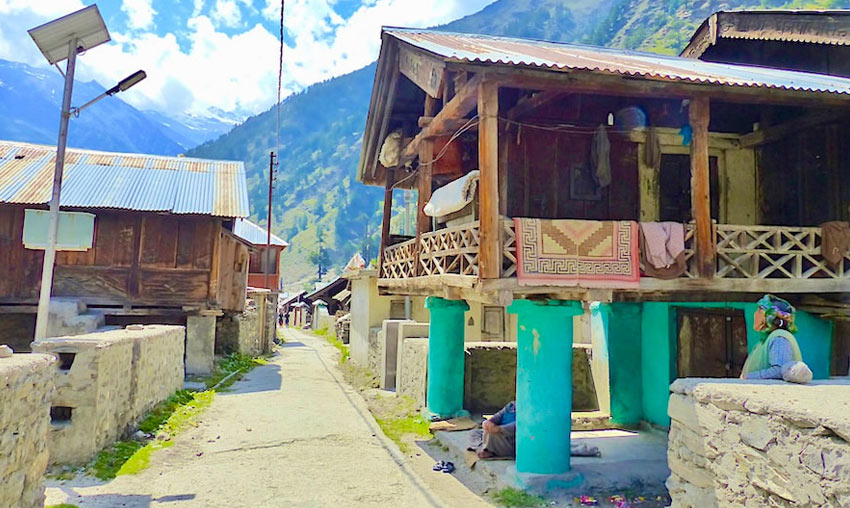
Harsil Village – Explore the Beautiful Himalayan Village of Uttarakhand
Harsil Village is one of the most beautiful and peaceful Himalayan settlements in Uttarakhand, located in the Uttarkashi district along the banks of the Bhagirathi River. Surrounded by dense deodar forests, lush green landscapes, snow-covered mountain peaks and famous apple orchards, this charming village offers a perfect escape for travellers seeking natural beauty and tranquillity.
Situated on the scenic route to Gangotri Dham, Harsil is known for its traditional mountain houses, breathtaking riverside views and rich cultural heritage. The village has retained much of its traditional Himalayan charm and attracts nature lovers, photographers, adventure enthusiasts and pilgrims travelling towards Gangotri.
Harsil is particularly famous for its delicious apples, which have played an important role in the local economy. The region is also associated with Frederick Wilson, a British settler who introduced commercial apple cultivation to the area during the nineteenth century.
Whether you want to enjoy a peaceful walk beside the Bhagirathi River, explore traditional village lanes, admire beautiful apple orchards or discover the surrounding Himalayan landscapes, Harsil Village promises a memorable travel experience.
Where is Harsil Village Located?
Harsil Village is situated in the Bhatwari block of Uttarkashi district in Uttarakhand, India. It lies along the Bhagirathi River on the Uttarkashi-Gangotri highway and is approximately 70–75 kilometres from Uttarkashi town.
The village is located at an elevation of approximately 2,600 metres above sea level. Its geographical location makes it an important stopover for pilgrims visiting Gangotri Temple and travellers exploring the beautiful Harsil Valley.
Harsil is surrounded by forest-covered mountains, apple orchards and traditional Himalayan settlements. Nearby villages such as Mukhba, Bagori and Dharali offer visitors opportunities to explore the local culture and natural beauty of the region.
Explore the complete destination guide: Harsil Valley, Uttarakhand.
History of Harsil Village
Harsil has a fascinating history connected with traditional Himalayan trade, local communities and the development of apple cultivation in the region. Historically, the area formed part of an important trade route connecting the Indian Himalayan region with Tibet.
One of the most interesting personalities associated with Harsil is Frederick Wilson, a British settler who arrived in the region during the nineteenth century. He became closely associated with the local landscape and is credited with introducing apple and potato cultivation to the area.
His influence helped transform the agricultural activities of the region. Over time, Harsil became particularly famous for its high-quality Himalayan apples, which continue to be an important part of its identity.
The village also preserves traditional wooden houses, local customs and the cultural heritage of Himalayan communities. Its historical importance and scenic beauty make Harsil an interesting destination for cultural and nature tourism.
Why is Harsil Village Famous?
Harsil Village is famous for its natural landscapes, apple orchards, traditional architecture and peaceful Himalayan atmosphere. Unlike crowded hill stations, it offers visitors an opportunity to experience the slower pace of mountain village life.
- Apple Orchards: Harsil is widely known for its delicious Himalayan apples and beautiful orchards.
- Bhagirathi River: The village is situated beside the beautiful Bhagirathi River, offering scenic riverside landscapes.
- Deodar Forests: Dense deodar trees surrounding the village create a refreshing natural environment.
- Himalayan Mountain Views: Visitors can enjoy spectacular views of the surrounding mountain ranges.
- Traditional Architecture: The region is known for its traditional wooden houses and distinctive Himalayan village character.
- Frederick Wilson’s Legacy: The history of apple cultivation in Harsil is closely associated with Frederick Wilson.
- Proximity to Gangotri: Harsil is an important stopover for pilgrims travelling towards Gangotri Dham.
Best Places to Visit Near Harsil Village
Harsil Village is surrounded by several beautiful destinations offering a combination of natural beauty, spirituality and cultural experiences. Visitors can explore these nearby attractions during their stay in the region.
1. Mukhba Village
Mukhba Village is one of the most important religious and cultural destinations near Harsil. It is traditionally recognised as the winter abode of Goddess Ganga. When Gangotri Temple closes during winter because of heavy snowfall, the idol of Goddess Ganga is brought to Mukhba for worship.
The village is also famous for its traditional wooden houses, beautiful Himalayan surroundings and peaceful atmosphere. Visitors can explore its temples and learn about the religious traditions of the region.
Read more: Mukhba Village.
2. Dharali Village
Dharali is a picturesque Himalayan settlement located close to Harsil. The village is known for its traditional culture, apple orchards and beautiful mountain surroundings. It offers visitors an opportunity to understand the agricultural lifestyle and traditions of the local community.
Dharali is also an important stop along the Gangotri route. Travellers should check local access and safety conditions before planning a visit.
Read more: Dharali Village.
3. Bagori Village
Bagori is a traditional Himalayan village near Harsil, known for its distinctive cultural heritage and traditional houses. It is associated with the Bhotiya community and offers a glimpse into the traditional lifestyle of the upper Bhagirathi Valley.
Visitors interested in local architecture, village culture and Himalayan traditions can explore Bagori and experience its peaceful surroundings.
Read more: Bagori Village.
4. Sattal, Harsil
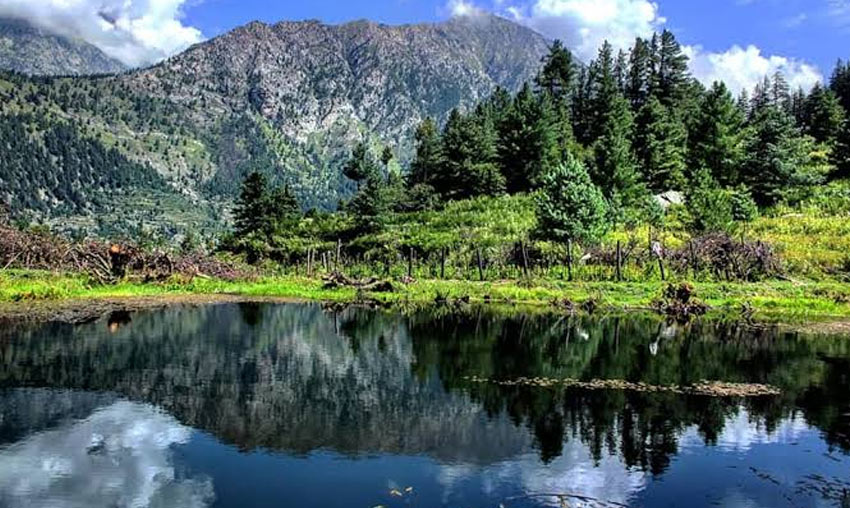
Sattal is a scenic natural attraction near Harsil, known for its cluster of seven small lakes surrounded by beautiful mountain landscapes. The peaceful surroundings and forest scenery make it an attractive destination for nature lovers and photographers.
Visitors can explore the natural surroundings and enjoy the beauty of the Himalayan environment.
Read more: Sattal, Harsil.
5. Gangotri Temple
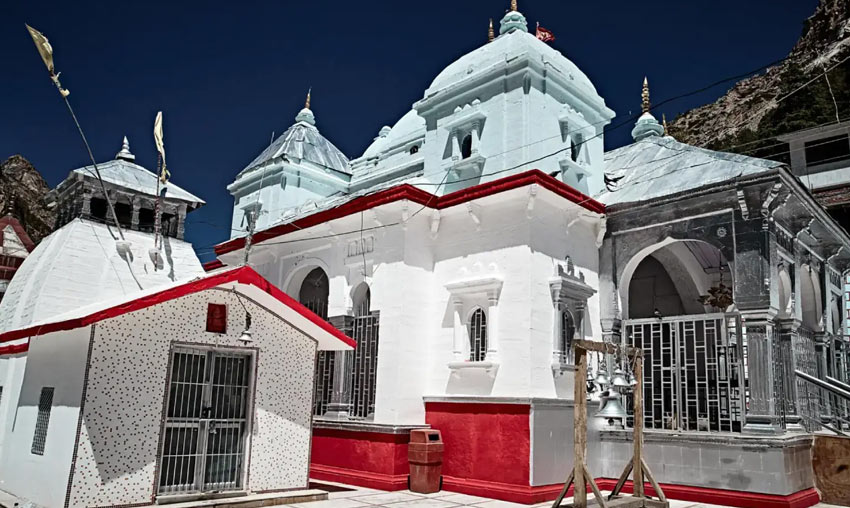
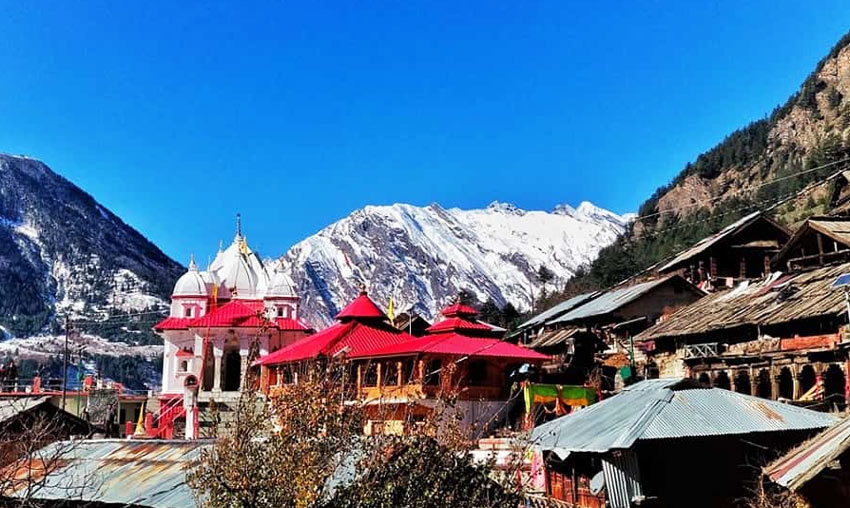
Gangotri Temple is one of the most sacred Hindu pilgrimage destinations in Uttarakhand and an important part of the Char Dham Yatra. Dedicated to Goddess Ganga, the temple is located beside the Bhagirathi River and surrounded by spectacular Himalayan mountains.
Situated approximately 25 kilometres from Harsil, Gangotri is an important excursion for travellers staying in the village. The temple attracts devotees from different parts of India during its annual pilgrimage season.
Read more: Gangotri Temple.
Things to Do in Harsil Village
Harsil Village offers a variety of relaxing and nature-oriented experiences. Visitors can spend their time exploring the village, enjoying the riverside scenery and discovering the surrounding Himalayan landscapes.
1. Enjoy a Riverside Walk Along the Bhagirathi
One of the most enjoyable experiences in Harsil is walking along the banks of the Bhagirathi River. The sound of flowing water, fresh mountain air and beautiful forest-covered slopes create a peaceful atmosphere. Visitors can spend time enjoying the scenery and capturing memorable photographs while maintaining a safe distance from the river.
2. Explore the Famous Apple Orchards
Harsil is famous for its Himalayan apples. Exploring the surrounding orchards is a wonderful experience, particularly during the flowering and harvesting seasons. Visitors can admire the beautiful apple trees and purchase locally grown apples when available, with permission from orchard owners.
3. Discover Traditional Himalayan Architecture
The traditional wooden houses and narrow village lanes reflect the architectural heritage of the Himalayan region. Visitors can explore the settlement and observe the distinctive construction styles and lifestyle of local residents.
4. Enjoy Mountain Photography
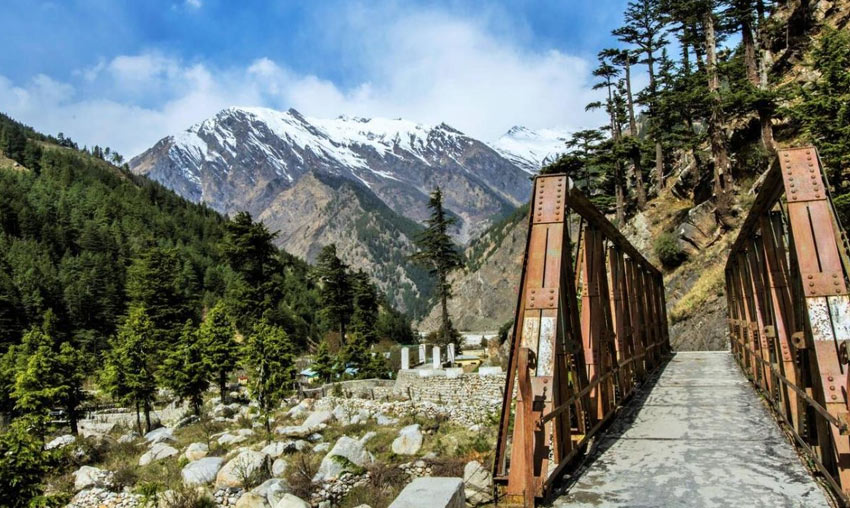
Harsil offers beautiful opportunities for landscape photography. From flowing rivers and deodar forests to apple orchards and snow-covered mountain peaks, the village provides plenty of scenic locations for photography enthusiasts.
5. Experience Local Culture and Traditions
Visitors can interact respectfully with local residents, learn about traditional customs and discover the cultural heritage of the upper Bhagirathi Valley. Staying in a local homestay can provide a more authentic experience of Himalayan village life.
6. Explore Nearby Himalayan Villages
Take time to explore nearby villages such as Mukhba, Bagori and Dharali. These settlements offer beautiful landscapes and insights into the traditional communities of the region.
Best Time to Visit Harsil Village
The best time to visit Harsil Village is generally from April to June and September to November. These seasons offer relatively pleasant weather and suitable conditions for exploring the village, enjoying the apple orchards and visiting nearby attractions.
Summer (April to June)
Summer is one of the most popular seasons to visit Harsil. The weather is generally pleasant during the daytime, and the surrounding landscapes become greener. Apple trees begin their seasonal growth, making this a beautiful period for nature lovers and photographers.
Monsoon (July to August)
During monsoon, Harsil receives rainfall and the surrounding mountains become lush green. However, heavy rain can cause landslides, flash floods and road blockages in the Himalayan region. Travellers should exercise caution and avoid unnecessary travel during severe weather.
Autumn (September to November)
Autumn is another excellent time to explore Harsil. The apple harvesting season generally adds to the charm of the region, while the mountain scenery and surrounding forests create beautiful photographic opportunities.
Winter (December to March)
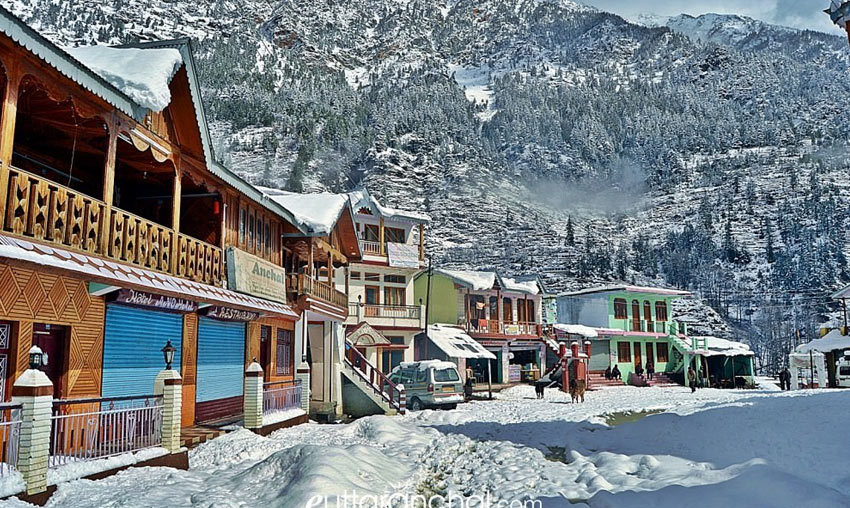
Winter transforms Harsil into a beautiful snow-covered destination. Visitors may experience snowfall, cold temperatures and spectacular mountain views. However, heavy snow can affect road connectivity and accommodation availability, so travellers should check local conditions before planning a winter visit.
How to Reach Harsil Village
Harsil Village is accessible by road from major towns and cities in Uttarakhand. The journey passes through beautiful Himalayan landscapes and follows the Bhagirathi River for much of the route.
By Air
The nearest major airport is Jolly Grant Airport in Dehradun. From the airport, visitors can hire a private taxi or travel towards Uttarkashi before continuing to Harsil Village by road. The total road distance is approximately 220–245 kilometres, depending on the route.
By Train
Rishikesh and Dehradun are convenient railway access points for travellers visiting Harsil. From either railway station, visitors can arrange road transportation towards Uttarkashi and continue along the Gangotri highway.
By Road
Harsil is connected by road through the Uttarkashi-Gangotri route. Visitors can reach the village from Uttarkashi by private vehicle, taxi or available public transport services.
The approximate distance from Uttarkashi to Harsil is 70–75 kilometres. The journey takes visitors through beautiful mountain roads, riverside landscapes and traditional Himalayan settlements.
Distance from Major Cities to Harsil Village
- Uttarkashi to Harsil: Approximately 70–75 km.
- Gangotri to Harsil: Approximately 25 km.
- Rishikesh to Harsil: Approximately 230–250 km.
- Haridwar to Harsil: Approximately 250–270 km.
- Dehradun to Harsil: Approximately 220–245 km.
- Delhi to Harsil: Approximately 450–500 km, depending on the route.
All distances are approximate and can vary depending on the selected route and current road conditions.
Where to Stay in Harsil Village
Harsil offers a selection of accommodation options, including homestays, guesthouses, small hotels and government tourist accommodation. Visitors can choose their stay according to their budget and travel requirements.
Homestays are a good option for travellers who want to experience local hospitality and traditional Himalayan food. Some accommodations also provide beautiful views of the surrounding mountains and river landscapes.
Since accommodation options in the region are relatively limited, advance booking is recommended during the summer tourist season and Char Dham Yatra period. Always confirm the current operating status of your accommodation before travelling.
Local Food in Harsil Village
The food culture of Harsil reflects the traditional cuisine of the Garhwal Himalayan region. Visitors can enjoy simple and freshly prepared meals at local guesthouses, homestays and small eateries.
Some regional food items worth exploring include:
- Mandua Roti: A traditional flatbread prepared using finger millet flour.
- Chainsoo: A popular Garhwali dish made from roasted black gram.
- Kafuli: A traditional preparation made using green leafy vegetables.
- Jhangora Kheer: A regional dessert prepared using barnyard millet.
- Harsil Apples: Fresh Himalayan apples and locally prepared apple products during the harvest season.
- Harsil Rajma: Locally grown kidney beans known for their distinctive taste.
Travel Tips for Visiting Harsil Village
- Carry warm clothes because mountain temperatures can drop considerably, particularly during evenings and winter.
- Check the latest weather and road conditions before starting your journey.
- Carry sufficient cash because banking and digital payment facilities may be limited.
- Book accommodation in advance during peak tourist seasons.
- Respect local customs, religious traditions and village residents.
- Avoid littering and help preserve the natural beauty of the region.
- Carry essential medicines, a power bank and basic travel supplies.
- Do not enter restricted or military areas without permission.
- Avoid approaching the river during heavy rainfall or high water flow.
- Keep additional travel time because mountain roads may be affected by weather conditions.
Frequently Asked Questions About Harsil Village
1. Where is Harsil Village located?
Harsil Village is located in Uttarkashi district of Uttarakhand, India. It is situated along the Bhagirathi River on the road leading to Gangotri Dham.
2. What is Harsil Village famous for?
Harsil Village is famous for its apple orchards, Bhagirathi River, dense deodar forests, beautiful Himalayan landscapes and traditional village culture.
3. What is the altitude of Harsil Village?
Harsil Village is situated at an approximate elevation of 2,600 metres above sea level, although published altitude figures vary slightly.
4. What is the best time to visit Harsil Village?
The best time to visit Harsil is generally April to June and September to November. These periods are suitable for sightseeing, exploring apple orchards and enjoying the mountain scenery.
5. Does Harsil Village receive snowfall?
Yes, Harsil experiences snowfall during winter, generally between December and March. Snowfall varies each year and may affect road connectivity.
6. How far is Harsil Village from Gangotri?
Gangotri is approximately 25 kilometres from Harsil Village by road. It is a popular excursion for pilgrims and travellers staying in the region.
7. Is Harsil Village suitable for a family trip?
Yes, Harsil is suitable for families who enjoy nature, peaceful surroundings and mountain holidays. Families should consider road conditions, weather and accommodation availability before travelling.
8. How many days are enough to explore Harsil Village?
One to two days are generally sufficient to explore Harsil Village and its immediate surroundings. Visitors can spend additional days exploring nearby villages and attractions in Harsil Valley.
9. Are apple orchards found in Harsil Village?
Yes, Harsil is well known for its apple orchards. The region produces famous Himalayan apples, and the harvest season generally falls around autumn.
10. Who introduced apple cultivation in Harsil?
Frederick Wilson, a British settler associated with Harsil during the nineteenth century, is credited with introducing apple cultivation to the region.
11. Which places can be visited near Harsil Village?
Popular nearby destinations include Mukhba Village, Bagori Village, Dharali Village, Sattal and Gangotri Temple. These places offer a combination of natural beauty, cultural heritage and religious significance.
Explore More Places in Harsil Valley
Harsil Village is an important attraction within the beautiful Harsil Valley. Travellers exploring this Himalayan destination can also visit nearby villages, natural attractions and religious sites.
- Harsil Valley – Complete Travel Guide
- Mukhba Village
- Dharali Village
- Bagori Village
- Sattal, Harsil
- Gangotri Temple
Explore More Destinations in Uttarakhand
After exploring Harsil Village, travellers can discover other beautiful destinations in Uttarakhand, including:
Harsil Village is a beautiful destination where the charm of traditional Himalayan life meets the breathtaking beauty of nature. From its famous apple orchards and peaceful riverside landscapes to its traditional wooden houses and spectacular mountain views, the village offers a memorable experience for every traveller. Whether you are visiting during summer, autumn or winter, Harsil deserves a place on your Uttarakhand travel itinerary.
Nearby Places to Visit
Nearby Places to Visit