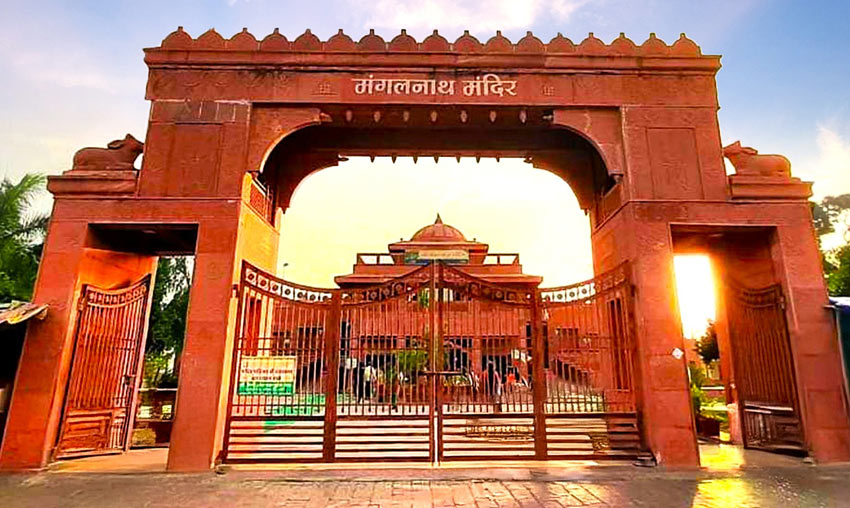
Mangalnath Temple Ujjain – History, Mangal Dosh Puja, Timings and Travel Guide
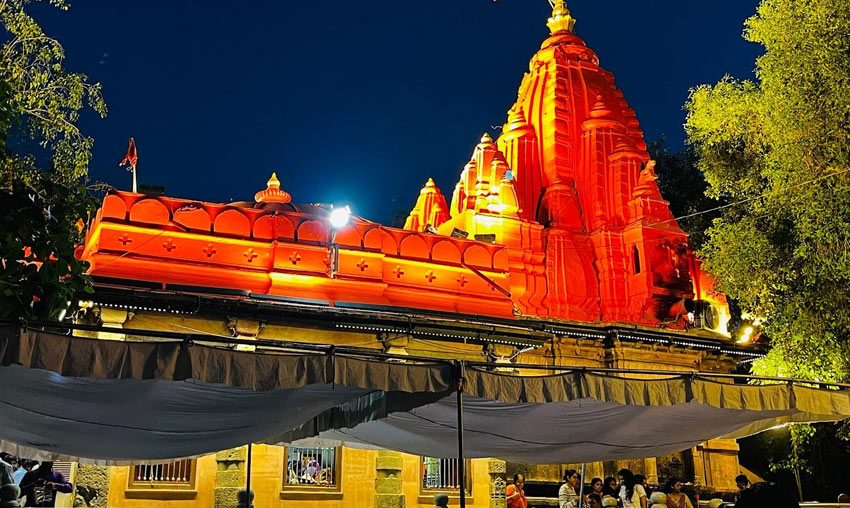
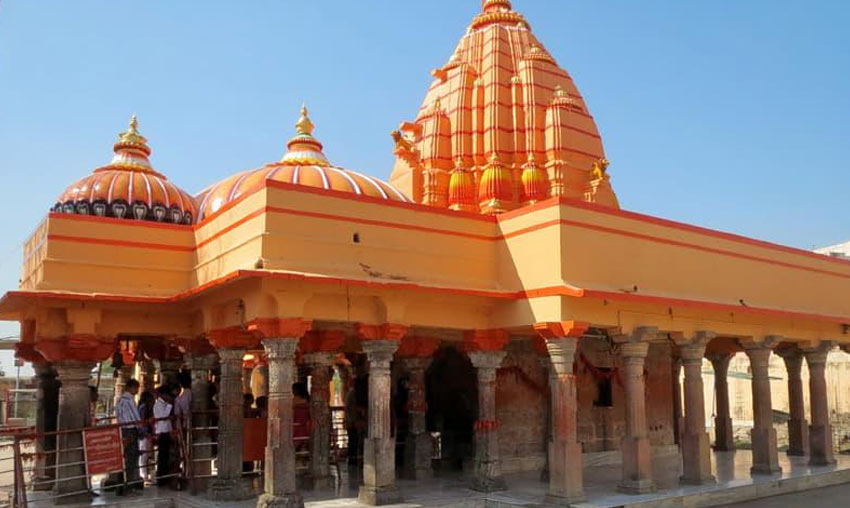
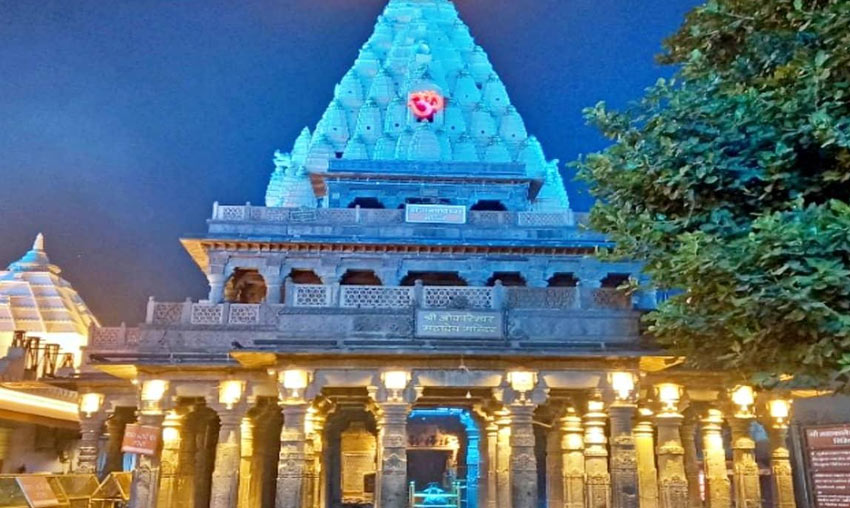
Mangalnath Temple Ujjain is one of the most important religious destinations in Madhya Pradesh. Situated on the banks of the sacred Shipra River, this ancient temple is dedicated to Lord Shiva and is traditionally regarded as the birthplace of Planet Mars, known as Mangal in Hindu astrology. The temple is mentioned in the Matsya Purana and attracts devotees who come to worship Lord Mangal and perform traditional planetary rituals.
Unlike many other temples dedicated primarily to Lord Shiva, Mangalnath Temple has a special connection with Vedic astrology and the worship of the planet Mars. It is particularly famous for Mangal Dosh Nivaran Puja, Bhat Puja and other traditional religious ceremonies. Tuesdays are considered especially auspicious for worshipping Mangal Dev.
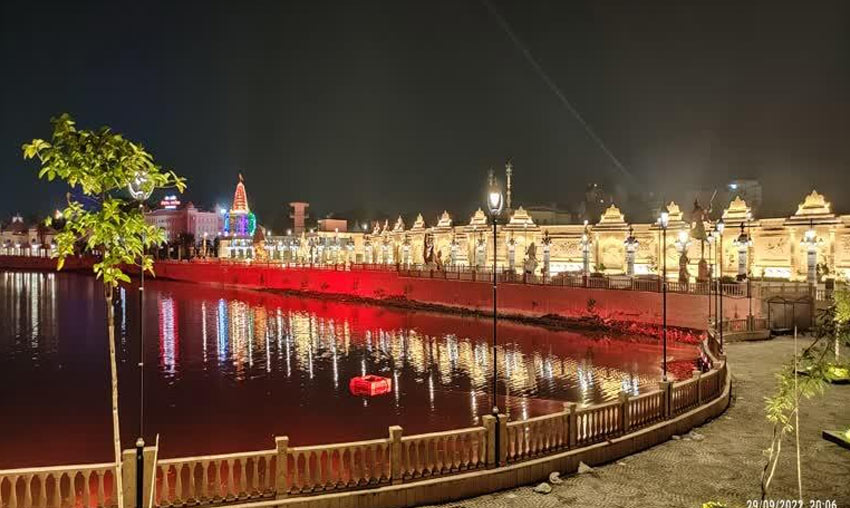
The temple also offers a peaceful setting overlooking the Shipra River. Away from the busy streets of central Ujjain, its surroundings provide a calm atmosphere for prayer, meditation and spiritual reflection.
Whether you are visiting Ujjain for religious reasons, exploring its ancient temples or learning about its association with Indian astronomy and astrology, Mangalnath Temple is an important attraction to include in your travel itinerary.
Explore our Ujjain Travel Guide to discover more temples, attractions and travel information.
Mangalnath Temple – Quick Information
| Travel Information | Details |
|---|---|
| Temple Name | Shri Mangalnath Temple |
| Location | Mangalnath Marg, Ujjain, Madhya Pradesh, India |
| Presiding Deity | Lord Shiva, worshipped as Mangalnath |
| Associated Planet | Mangal (Mars) |
| River | Shipra River |
| Religious Significance | Traditionally regarded as the birthplace of Mars |
| Famous For | Mangal Dosh Nivaran Puja, Bhat Puja and planetary worship |
| Most Auspicious Day | Tuesday (Mangalvar), according to tradition |
| Entry Fee | No general entry ticket is normally required for temple darshan |
| Darshan Timings | Confirm current timings with the temple administration |
| Special Puja Timings | Depend on the ritual, muhurat and temple arrangements |
| Best Time to Visit | October to March |
| Nearest Railway Station | Ujjain Junction |
| Nearest Airport | Devi Ahilya Bai Holkar Airport, Indore |
| Ideal Visit Duration | 1–2 Hours; longer for special rituals |
Note: Exact darshan, aarti and puja schedules can change. Check the temple’s official website or contact the temple administration before travelling.
History of Mangalnath Temple Ujjain
Mangalnath Temple has a long association with the religious and astronomical heritage of Ujjain. The temple is situated near the Shipra River and is traditionally considered one of the most sacred places connected with the worship of Planet Mars.
According to the Matsya Purana, Mangal, or Mars, is associated with this sacred location as his birthplace. This belief gives the temple a special place in Hindu religious traditions and makes it an important destination for devotees interested in planetary worship.
According to Hindu mythology, Mangal is associated with Lord Shiva and Goddess Earth. One popular legend describes Mangal’s birth from a drop of Lord Shiva’s perspiration that fell upon the earth. The story connects the temple with the divine origin of Planet Mars.
The exact date of the temple’s original construction is not firmly established in the available official historical information. The shrine has continued to be an important centre of worship and has undergone changes and renovations over time.
The Ujjain district administration also highlights the temple’s traditional association with ancient astronomical studies. The location was considered suitable for observing celestial bodies because of its clear view of the sky.
Why Is Mangalnath Temple Considered the Birthplace of Mars?
According to Hindu mythology and the Matsya Purana tradition, Mangal Dev is associated with the sacred land of Ujjain. The temple is traditionally regarded as the birthplace of Planet Mars, which is known as Mangal Graha in Hindu astrology.
In Vedic astrology, Mangal represents courage, strength, energy, determination and action. It is also associated with land, property, siblings and marital compatibility in traditional astrological interpretations.
Because of this association, devotees visit Mangalnath Temple to worship Lord Mangal and seek blessings for harmony, confidence and peace in life.
Religious Significance of Mangalnath
- The temple is traditionally regarded as the birthplace of Planet Mars.
- It is associated with the Matsya Purana and Hindu mythology.
- Lord Shiva is worshipped as the presiding deity.
- The shrine is an important destination for traditional Mangal-related rituals.
- Devotees visit to perform Mangal Dosh Nivaran Puja and Bhat Puja.
- Tuesday is considered an especially auspicious day for worshipping Mangal Dev.
Mangalnath Temple and Its Connection with Astronomy
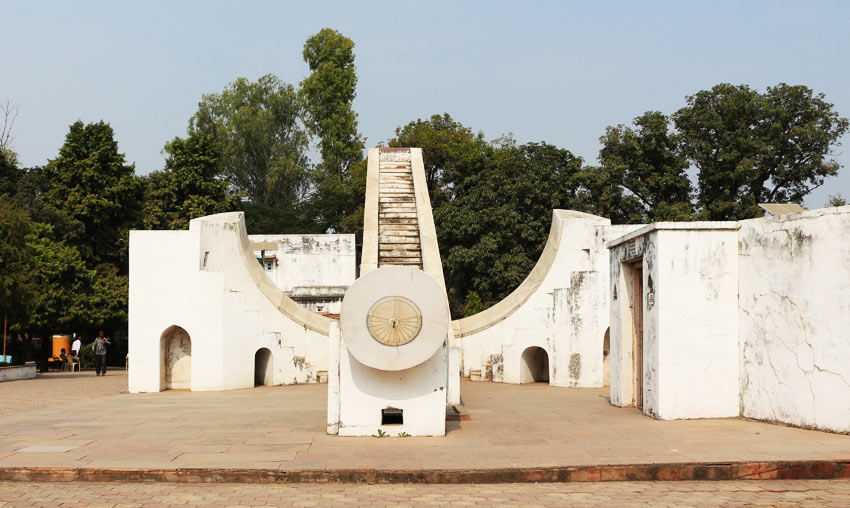
Ujjain has historically been an important centre of Indian astronomy, mathematics and timekeeping. Its geographical location and cultural history have contributed to its reputation as a centre of astronomical learning.
Mangalnath Temple is traditionally associated with the observation of celestial bodies. According to the Ujjain district administration, the location was known in ancient times for offering a clear view of the planet Mars and was considered suitable for astronomical studies.
The temple’s association with Mangal Graha connects religious belief with the city’s wider astronomical heritage. Visitors interested in the history of Indian astronomy can also explore the Ujjain Travel Guide for information about Vedh Shala and other historical attractions.
Important Pujas Performed at Mangalnath Temple
Mangalnath Temple is especially known for traditional religious ceremonies associated with Planet Mars. Devotees visit the temple to perform different pujas according to family traditions, personal beliefs and astrological advice.
1. Mangal Dosh Nivaran Puja
Mangal Dosh Nivaran Puja is a traditional Hindu ritual performed by devotees who believe that an unfavourable placement of Mars in their birth chart is associated with Mangal Dosh or Manglik Dosha.
In Vedic astrology, Mangal Dosh is commonly discussed in relation to marriage and marital compatibility. Devotees visit Mangalnath Temple to perform prayers and seek the blessings of Mangal Dev.
The ceremony may include a sankalp, mantra chanting, offerings, worship of the deity and other rituals performed by a priest according to the prescribed tradition.
2. Bhat Puja
Bhat Puja, also known as Bhaat Puja, is one of the distinctive traditional ceremonies associated with Mangalnath Temple. In this ritual, cooked rice is offered to the deity as part of the worship.
The puja is traditionally performed by devotees seeking blessings related to Mangal Graha. Some families also perform Bhat Puja before marriage as part of their religious customs.
3. Kaal Sarp Dosh Puja
Kaal Sarp Dosh Puja is another traditional astrological ritual performed by some devotees at religious centres in Ujjain. It is associated with the belief that certain planetary positions involving Rahu and Ketu create a Kaal Sarp Yoga in a birth chart.
Devotees who follow this tradition may arrange special prayers and rituals with the guidance of a priest. Confirm the availability and procedure of this puja directly with the temple administration.
4. Navgraha Shanti Puja
Navgraha Shanti Puja is performed in Hindu traditions to worship the nine planetary deities. The ritual generally involves prayers, mantra chanting and offerings intended to seek harmony and divine blessings.
5. Rudrabhishek
Rudrabhishek is a traditional form of worship dedicated to Lord Shiva. During this ceremony, the Shiva Lingam is worshipped with sacred offerings and Vedic mantras. Devotees perform this ritual to seek the blessings of Mahadev.
Important: The availability, duration, booking procedure and charges for special rituals should be confirmed directly with the temple office. Religious pujas are matters of faith and should not be treated as guaranteed solutions to personal, marital or financial difficulties.
Why Is Tuesday Important at Mangalnath Temple?
Tuesday is known as Mangalvar in Hindi and is traditionally associated with Planet Mars. In Hindu religious traditions, Mangal Dev is worshipped on this day, making Tuesday especially significant for devotees visiting Mangalnath Temple.
Many visitors come to the shrine on Tuesdays to offer prayers, perform special pujas and seek blessings. The temple can be busier than usual on this day, particularly during auspicious planetary periods and special religious occasions.
Bhaumvati Amavasya
Bhaumvati Amavasya refers to an Amavasya, or new moon day, that falls on a Tuesday. It is considered particularly significant in traditional Mangal worship.
Devotees may visit Mangalnath Temple for special prayers and rituals on this occasion. As large crowds may gather, visitors should check the temple’s schedule and local arrangements in advance.
Mangalnath Temple Darshan Timings and Aarti
Mangalnath Temple is visited by devotees throughout the week. Its schedule may include regular darshan, daily aarti and special puja ceremonies. The timing of individual rituals can vary according to the season, religious calendar and temple administration.
Some online visitor and puja information pages publish different aarti schedules. As these schedules are not consistently confirmed across the official information available, it is best to check directly with the temple before planning a visit around a particular aarti.
| Temple Activity | Visitor Information |
|---|---|
| General Darshan | Confirm the current daily schedule with the temple |
| Morning Aarti | As per the temple’s daily schedule |
| Bhog Aarti | As per the temple’s daily schedule |
| Evening Aarti | As per the temple’s daily schedule |
| Special Mangal Puja | Subject to the priest’s availability and muhurat |
| Tuesday Rituals | Special day for Mangal-related worship |
Best Time for Darshan
Early morning is a good option for visitors who prefer a quieter temple experience. Tuesday is traditionally considered especially auspicious, but it may also be busier than ordinary weekdays.
If you are planning Mangal Dosh Nivaran Puja or Bhat Puja, contact the temple administration in advance to understand the procedure, availability and suitable muhurat.
Best Time to Visit Mangalnath Temple Ujjain
The best time to visit Mangalnath Temple is generally from October to March, when the weather in Ujjain is more comfortable for temple visits and sightseeing.
Winter Season (October to March)
Winter is a pleasant period for exploring Mangalnath Temple and other attractions in Ujjain. The cooler weather makes it comfortable to spend time near the Shipra River and visit nearby religious sites.
Summer Season (April to June)
Temperatures can become high during summer. Plan your visit early in the morning or later in the evening and carry drinking water.
Monsoon Season (July to September)
The monsoon brings rainfall to the region and enhances the surroundings of the Shipra River. Visitors should take care on wet surfaces and follow local safety instructions near the river.
During Shravan Month
Shravan is an important month dedicated to Lord Shiva. Devotees visit Shiva temples throughout the month, and Mangalnath Temple may also receive increased numbers of pilgrims.
How to Reach Mangalnath Temple Ujjain
Mangalnath Temple is situated on the banks of the Shipra River, approximately 5 kilometres from the main city area according to the Ujjain district administration. It can be reached by local transport, taxi or private vehicle.
By Train
Ujjain Junction is the nearest major railway station. It is connected with several important cities in India. From the railway station, visitors can hire an auto-rickshaw, e-rickshaw or taxi to reach Mangalnath Temple.
By Air
The nearest major airport is Devi Ahilya Bai Holkar Airport in Indore, approximately 53 kilometres from Ujjain according to the district administration. From the airport, visitors can travel to Ujjain by taxi or other road transport.
By Road
Ujjain is connected by road with Indore, Bhopal, Dewas, Ratlam and other cities in Madhya Pradesh. Regular bus services and private taxis are available for reaching Ujjain.
By Local Transport
Auto-rickshaws, e-rickshaws and local taxis are convenient options for travelling from central Ujjain to Mangalnath Temple. Visitors can also hire a vehicle for a combined sightseeing trip covering Mangalnath, Kal Bhairav Temple, Siddhavat and Bhartrihari Caves.
Places to Visit Near Mangalnath Temple
Mangalnath Temple is surrounded by several religious and historical attractions. Visitors can combine their temple visit with other important places in Ujjain.
1. Kal Bhairav Temple
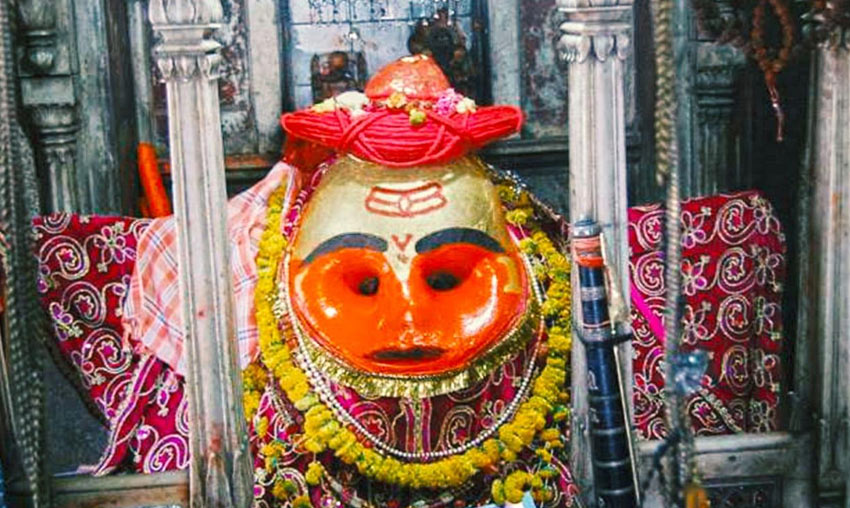
Kal Bhairav Temple is one of the most distinctive temples in Ujjain. Dedicated to Lord Kal Bhairav, it is traditionally regarded as the shrine of the city’s guardian deity and is famous for its unique liquor offering ritual.
2. Siddhavat
Siddhavat is a sacred banyan tree located on the banks of the Shipra River. It is an important religious destination associated with traditional ancestral rites, including Shradh, Pind Daan and Tarpan.
3. Bhartrihari Caves
Bhartrihari Caves are traditionally associated with the sage and poet-king Bhartrihari. The caves are believed to be a place where he practised meditation and spiritual discipline after renouncing worldly life.
4. Sandipani Ashram
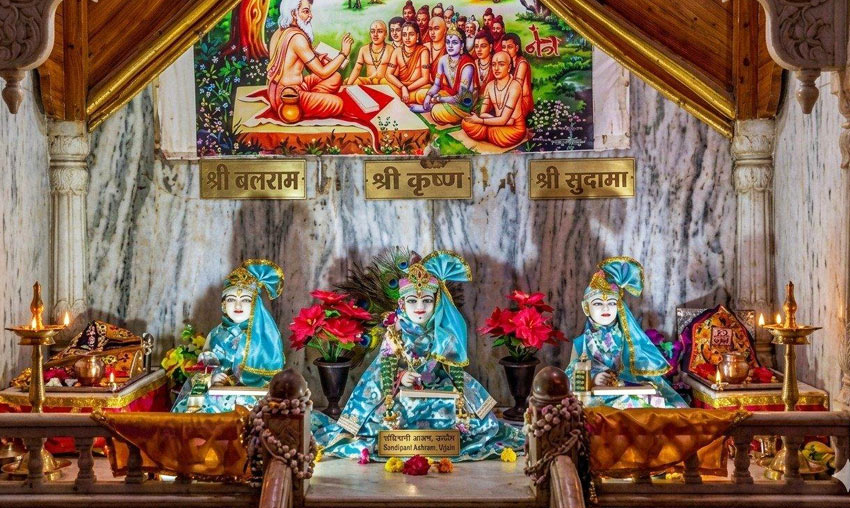
Sandipani Ashram is traditionally believed to be the place where Lord Krishna, Lord Balarama and Sudama studied under Guru Sandipani. It is an important destination for devotees interested in Krishna’s childhood stories.
5. Mahakaleshwar Jyotirlinga Temple
Mahakaleshwar Temple is one of the twelve Jyotirlingas of Lord Shiva and the most famous pilgrimage destination in Ujjain. It is known for its Bhasma Aarti and distinctive religious traditions.
6. Mahakal Lok
Mahakal Lok is a beautifully developed temple corridor featuring sculptures, pillars, murals and landscaped spaces inspired by stories associated with Lord Shiva.
7. Ram Ghat
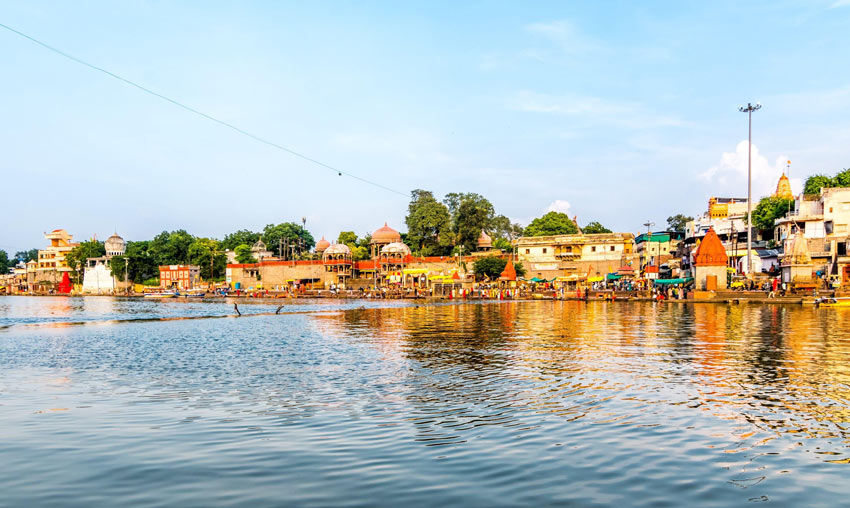
Ram Ghat is a historic bathing ghat on the Shipra River. It is famous for religious bathing traditions, evening river aarti and its importance during Simhastha Kumbh Mela.
8. Harsiddhi Mata Temple
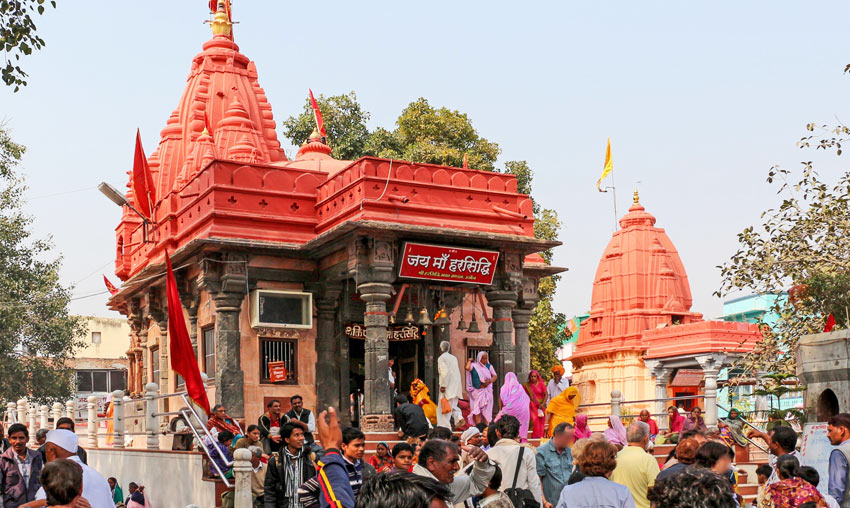
Harsiddhi Mata Temple is an important Shakti shrine in Ujjain. It is famous for its two tall deep-stambhs, which are illuminated with oil lamps during special evening ceremonies.
For a complete list of temples, attractions and travel information, explore our Ujjain Travel Guide.
Suggested One-Day Ujjain Temple Tour
If you are planning a one-day religious tour of Ujjain, you can combine Mangalnath Temple with other famous shrines and spiritual attractions.
| Time | Activity |
|---|---|
| Early Morning | Darshan at Mahakaleshwar Jyotirlinga Temple |
| Morning | Explore Mahakal Lok |
| Late Morning | Visit Harsiddhi Mata Temple |
| Afternoon | Lunch and travel towards Mangalnath Temple |
| Afternoon | Visit Mangalnath Temple and perform darshan |
| Late Afternoon | Explore Siddhavat or Bhartrihari Caves |
| Evening | Visit Ram Ghat and experience the Shipra River Aarti |
This is a suggested itinerary. Actual travel times depend on temple queues, traffic and the time required for special rituals.
Travel Tips for Visiting Mangalnath Temple
- Check the current darshan and aarti schedule before travelling.
- Visit early in the morning if you prefer a relatively peaceful darshan.
- Tuesday is considered auspicious for Mangal worship, but expect larger crowds.
- If you want to perform a special puja, confirm the procedure and availability with the temple administration.
- Ask about the ritual charges and required puja materials before making any payment.
- Remove your footwear in the designated area before entering the temple.
- Wear modest clothing suitable for a religious place.
- Carry drinking water, especially during summer.
- Follow safety instructions near the Shipra River.
- Maintain cleanliness and respect the temple’s religious customs.
- During Shravan, special occasions and Simhastha, allow extra time for travel and darshan.
Frequently Asked Questions About Mangalnath Temple Ujjain
1. Where is Mangalnath Temple located?
Mangalnath Temple is located on the banks of the Shipra River in Ujjain, Madhya Pradesh, India. It is approximately 5 kilometres from the main city area according to the Ujjain district administration.
2. Why is Mangalnath Temple famous?
The temple is famous for its traditional association with the birthplace of Planet Mars, its mention in the Matsya Purana and special religious rituals such as Mangal Dosh Nivaran Puja and Bhat Puja.
3. Which God is worshipped at Mangalnath Temple?
Lord Shiva is worshipped as the presiding deity of Mangalnath Temple. The shrine also has a special association with Mangal Dev, or Planet Mars.
4. Why is Mangalnath Temple considered the birthplace of Mars?
According to the Matsya Purana and Hindu religious traditions, the sacred location is associated with the origin of Mangal, or Mars. This belief gives the temple its special religious significance.
5. What is Mangal Dosh Nivaran Puja?
Mangal Dosh Nivaran Puja is a traditional Hindu ritual performed by devotees who believe that Mars has an unfavourable placement in their birth chart. The ceremony includes prayers and offerings to seek the blessings of Mangal Dev.
6. What is Bhat Puja at Mangalnath Temple?
Bhat Puja, also called Bhaat Puja, is a traditional ritual in which cooked rice is offered to the deity as part of worship. It is associated with the religious traditions of Mangalnath Temple.
7. Which day is best to visit Mangalnath Temple?
Tuesday, or Mangalvar, is traditionally considered the most auspicious day for worshipping Mangal Dev. However, it can also be a busy day at the temple.
8. What is Bhaumvati Amavasya?
Bhaumvati Amavasya is an Amavasya that falls on a Tuesday. It is considered particularly significant in traditional Mangal worship, and devotees may visit the temple for special prayers.
9. What are the darshan timings of Mangalnath Temple?
Temple timings may vary according to the day, season and special religious occasions. Visitors should check the current schedule directly with the temple administration before visiting.
10. Is there an entry fee for Mangalnath Temple?
General temple darshan normally does not require an entry ticket. Special pujas and religious services may have separate charges.
11. How far is Mangalnath Temple from Ujjain Junction?
The temple is approximately 6 kilometres from Ujjain Junction by road, depending on the route and traffic conditions.
12. How much time is required to visit Mangalnath Temple?
Approximately one to two hours is suitable for a regular visit. If you plan to perform a special ritual, allow additional time depending on the puja procedure.
13. Which temples can be visited near Mangalnath Temple?
Popular nearby religious attractions include Kal Bhairav Temple, Sandipani Ashram and other sacred sites along the Shipra River. Mahakaleshwar Temple and Harsiddhi Mata Temple can also be included in a wider Ujjain sightseeing plan.
14. Can visitors perform Mangal Dosh Puja at Mangalnath Temple?
Traditional Mangal-related pujas are associated with the temple. Visitors should contact the temple administration to confirm the current arrangements, availability, procedure and charges.
Explore More Places in Ujjain
Ujjain is one of India’s most important spiritual destinations, known for its ancient temples, sacred riverfronts, religious traditions and historical landmarks. Explore more attractions and plan your journey with our destination guide.
- Ujjain – Complete Travel Guide
- Mahakaleshwar Jyotirlinga Temple
- Mahakal Lok Ujjain
- Ram Ghat Ujjain
- Harsiddhi Mata Temple Ujjain
- Kal Bhairav Temple Ujjain
- Mangalnath Temple Ujjain
Visit Mangalnath Temple to experience the spiritual heritage of Ujjain and learn about its unique association with Planet Mars. From ancient Puranic traditions and Mangal Dosh Puja to its peaceful location overlooking the Shipra River, this temple offers a memorable experience for pilgrims and travellers.
Nearby Places to Visit