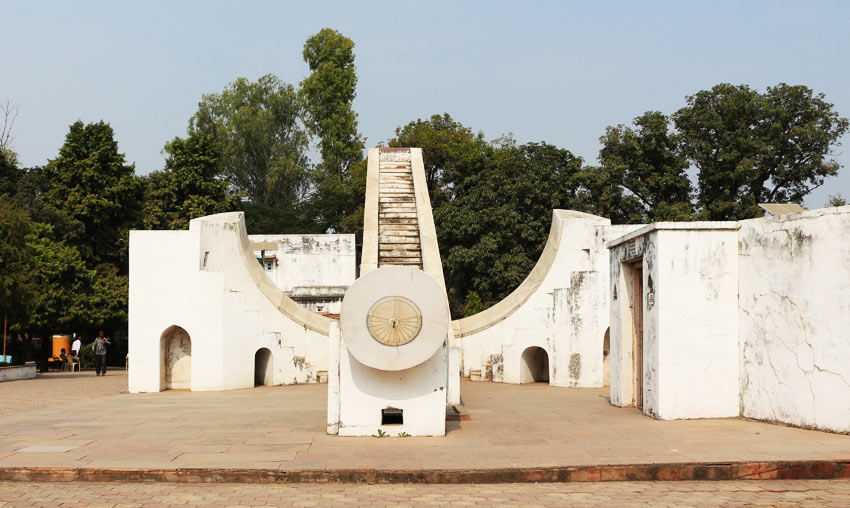
Vedh Shala Ujjain (Jantar Mantar) – History, Timings, Astronomical Instruments and Travel Guide
Vedh Shala, also known as Jantar Mantar or Yantra Mahal, is one of the most fascinating historical attractions in Ujjain, Madhya Pradesh. Built under the patronage of Maharaja Sawai Jai Singh II, this historic astronomical observatory reflects India’s remarkable contribution to astronomy, mathematics and timekeeping.
Situated near the banks of the sacred River Shipra, Vedh Shala was designed to study the movement of the Sun, Moon, planets and other celestial bodies. Its large masonry instruments were created to make astronomical observations, calculate local solar time and understand the positions of celestial objects.
Ujjain has been an important centre of Indian astronomy since ancient times. The city is traditionally associated with classical astronomical works such as the Surya Siddhanta and Panch Siddhantika. Vedh Shala represents a later chapter in this scientific heritage and remains an important destination for history enthusiasts, students and travellers.
Visitors exploring the city’s heritage can include Vedh Shala in their Ujjain travel itinerary along with its famous temples, ghats and historical attractions.
About Vedh Shala Ujjain
Vedh Shala is an astronomical observatory established during the eighteenth century by Maharaja Sawai Jai Singh II. It is one of the five major observatories commissioned by him in India. The other observatories were built in Delhi, Jaipur, Mathura and Varanasi.
The observatory was developed to improve astronomical calculations and observations. Its instruments were constructed using masonry and carefully planned geometric designs. They helped astronomers study the apparent movement of celestial bodies, determine local time and make astronomical calculations.
The name Vedh Shala refers to an observatory or a place for astronomical observation. It is also popularly called Jantar Mantar and Yantra Mahal.
History of Vedh Shala Ujjain
Ujjain has enjoyed a significant position in the history of Indian astronomy. Ancient Indian scholars used the city as an important reference point for astronomical calculations, and traditional Indian astronomical geography associated its longitude with the prime meridian used in historical calculations.
Maharaja Sawai Jai Singh II, the ruler of Amber and founder of Jaipur, took a keen interest in astronomy and mathematics. He commissioned a series of observatories across northern India to improve the accuracy of astronomical observations and calculations.
The construction date of the Ujjain observatory is reported differently by official sources. The Ujjain District Administration records its construction in 1719, while Ujjain Smart City and Madhya Pradesh Tourism describe the observatory as being built between 1725 and 1730 or around 1725. The different dates may reflect different stages of its establishment and development.
The observatory originally included four principal instruments: Samrat Yantra, Nadi Valaya Yantra, Bhitti Yantra and Digansh Yantra. The Shanku Yantra was added later under the direction of G.S. Apte. Some instruments were reconstructed or renovated during the twentieth century.
The observatory was renovated during the period of Maharaja Madhav Rao Scindia. Further restoration and beautification work was carried out in 2003. An automatic telescope was also installed during the preparations for Simhastha 2004.
Why Is Ujjain Important in Indian Astronomy?
Ujjain has been recognised as an important centre of astronomy, mathematics and time calculation for centuries. Ancient Indian astronomical traditions used Ujjain as a reference location for calculating planetary positions and time.
The city’s association with the Surya Siddhanta and other classical astronomical works reflects its long intellectual heritage. Ujjain was traditionally regarded as an important geographical reference point in Indian astronomy, often compared with Greenwich in discussions of historical longitude calculations.
The observatory built by Jai Singh II continued this tradition through practical observations using large astronomical instruments. These instruments helped scholars study the movement of celestial bodies and understand astronomical phenomena.
Astronomical Instruments at Vedh Shala
The most interesting feature of Vedh Shala is its collection of large astronomical instruments. Each instrument was designed for a particular purpose and demonstrates the combination of mathematics, geometry and architectural skill used by traditional Indian astronomers.
1. Samrat Yantra
Samrat Yantra is a large sundial used to calculate local solar time. It works through the movement of the Sun and the shadow cast by its central structure. By observing the position of the shadow against the marked scale, visitors can understand how time was measured before modern clocks became widely available.
It is one of the most prominent instruments at the observatory and demonstrates the precision of traditional astronomical construction.
2. Nadi Valaya Yantra
Nadi Valaya Yantra consists of two circular instruments aligned with the celestial equator. One represents the northern celestial hemisphere and the other the southern hemisphere.
The instrument helps determine the position of the Sun in relation to the celestial equator and indicates whether a celestial body lies in the northern or southern half of the celestial sphere.
3. Digansh Yantra
Digansh Yantra is used to determine the direction or azimuth of celestial bodies. It helps astronomers understand the horizontal position of the Sun, planets and other objects in the sky.
The instrument demonstrates how ancient observers used geometric principles to study the positions of celestial bodies.
4. Bhitti Yantra
Bhitti Yantra is a wall-based astronomical instrument used for observing celestial positions. Its design makes use of carefully aligned surfaces and graduated markings to support astronomical measurements.
It is an example of how architectural structures were adapted for scientific observation.
5. Shanku Yantra
Shanku Yantra, also known as the Gnomon, is used for observing shadows and studying the position of the Sun. It helps in understanding solar movement and related time calculations.
The Shanku Yantra at Ujjain was prepared under the direction of G.S. Apte, according to the Ujjain District Administration.
Scientific Activities at Vedh Shala
Vedh Shala is not only a historical monument but also an important part of Ujjain’s continuing astronomical tradition.
According to the Ujjain District Administration, the observatory carries out activities related to astronomical observations and weather measurements. These include recording rainfall, temperature, humidity, cloud conditions, wind speed, wind direction and air pressure.
The observatory has also been associated with the preparation and publication of an annual ephemeris, commonly known as a Panchang. The district administration records that the institution has been publishing its Panchang since 1942.
These activities make Vedh Shala an interesting destination for visitors who want to understand the relationship between traditional Indian astronomy and scientific observation.
Vedh Shala Ujjain Timings
Published visitor information from Incredible India lists the following opening hours. Timings may change due to maintenance, special activities or administrative arrangements, so visitors should confirm before planning their visit.
| Visitor Information | Details |
|---|---|
| Opening Time | 10:00 AM |
| Closing Time | 5:30 PM |
| Days of Visit | Confirm current weekly schedule |
| Entry Fee | Check at the ticket counter |
| Recommended Visit Duration | Approximately 45 minutes to 1 hour |
| Best Time to Visit | October to March |
For a better experience, consider visiting during daylight hours when the astronomical instruments and their shadows can be observed more clearly. Actual demonstrations may depend on weather and staff availability.
Architecture of Vedh Shala
Vedh Shala is a remarkable example of scientific architecture. Unlike conventional buildings, its structures were designed around astronomical calculations, geometric principles and the movement of celestial bodies.
The large masonry instruments are carefully positioned to support observations of the Sun and other celestial objects. Their shapes, scales and alignments demonstrate how architecture and mathematics were combined to create practical scientific equipment.
Information boards in Hindi and English explain the working principles of several instruments, making the observatory useful for students and visitors interested in astronomy.
Best Time to Visit Vedh Shala Ujjain
The period from October to March is generally comfortable for exploring Ujjain because the weather is comparatively pleasant.
- October to November: Pleasant weather for sightseeing and exploring historical attractions.
- December to February: Cooler temperatures make outdoor visits comfortable, although mornings can be chilly.
- March: A suitable time for sightseeing before the summer heat becomes stronger.
- April to June: Afternoon temperatures can be high, so plan your visit during cooler hours.
- July to September: The monsoon season brings occasional rain, which may affect outdoor observation.
How to Reach Vedh Shala Ujjain
By Road
Ujjain is connected by road to Indore, Bhopal, Dewas, Ratlam and other major cities of Madhya Pradesh. Visitors can use local taxis, auto-rickshaws or other city transport to reach Vedh Shala.
By Train
Ujjain Junction is the nearest major railway station. It has rail connections with several important cities across India. From the railway station, visitors can hire a taxi or auto-rickshaw to reach the observatory.
By Air
The nearest major airport is Devi Ahilya Bai Holkar Airport in Indore. The airport is approximately 55 km from Ujjain by road, depending on the route. Visitors can continue their journey by taxi or other road transport.
Location
Vedh Shala is situated near the River Shipra, approximately 1 km from the main city area, according to the Ujjain District Administration. It is also accessible from other important attractions in the city.
Places to Visit Near Vedh Shala
After exploring Vedh Shala, visitors can discover several famous temples, ghats and historical attractions in Ujjain. These places can be combined into a one-day or two-day sightseeing plan.
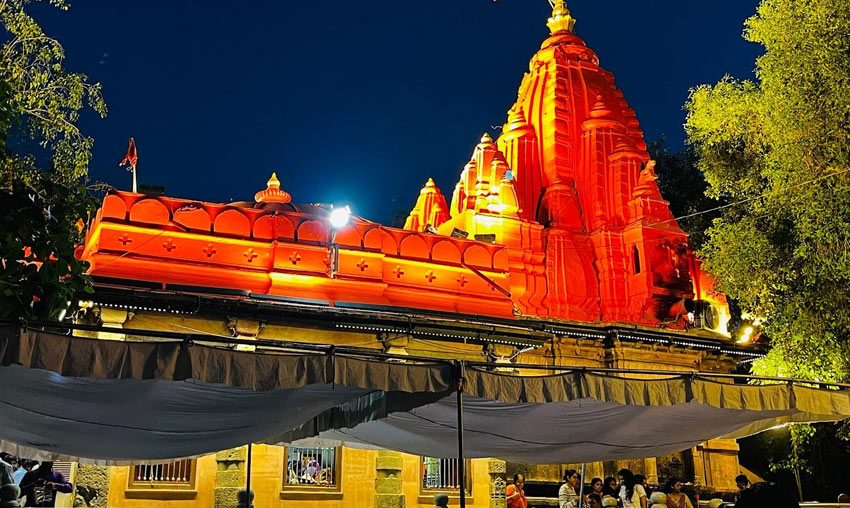
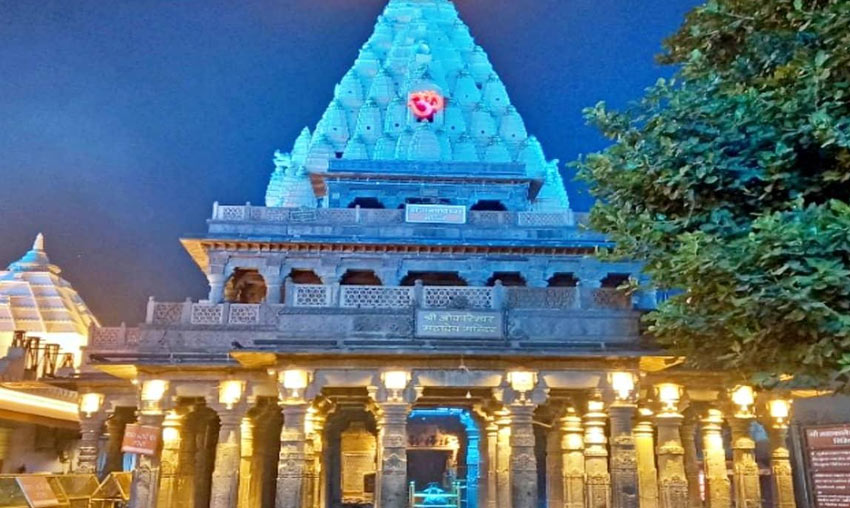
- Mahakaleshwar Jyotirlinga Temple – One of the twelve sacred Jyotirlingas of Lord Shiva and the most famous religious attraction in Ujjain.
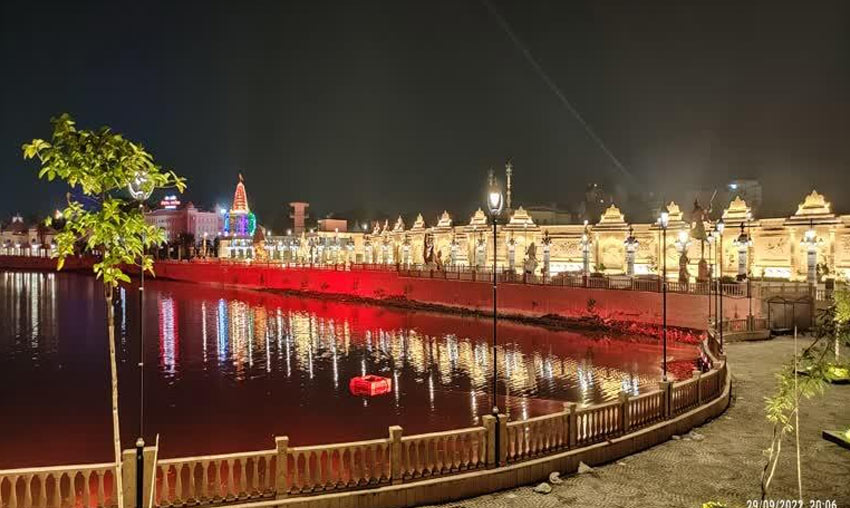
- Mahakal Lok – A beautifully developed spiritual corridor featuring sculptures, gateways and landscaped areas.
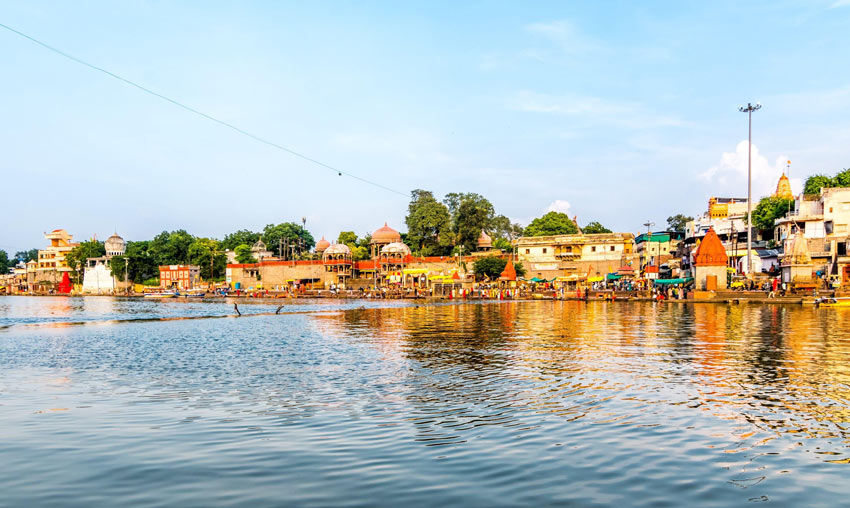
- Ram Ghat – A historic bathing ghat on the sacred River Shipra.
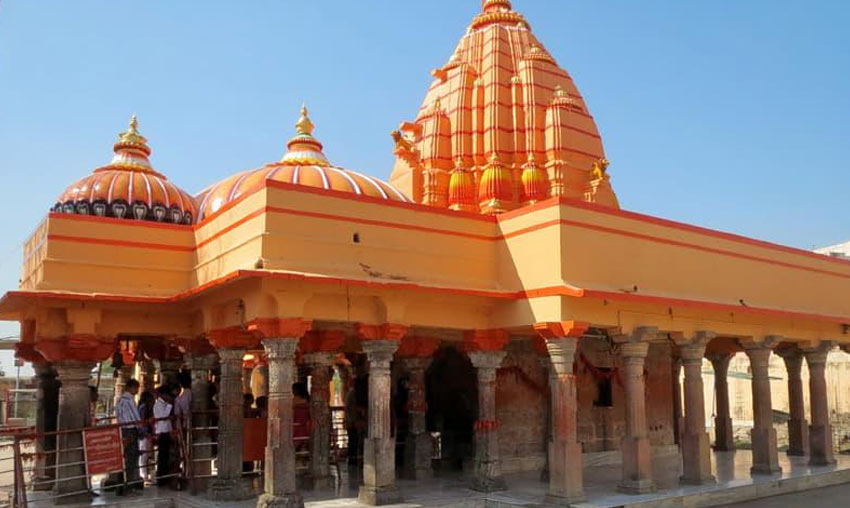
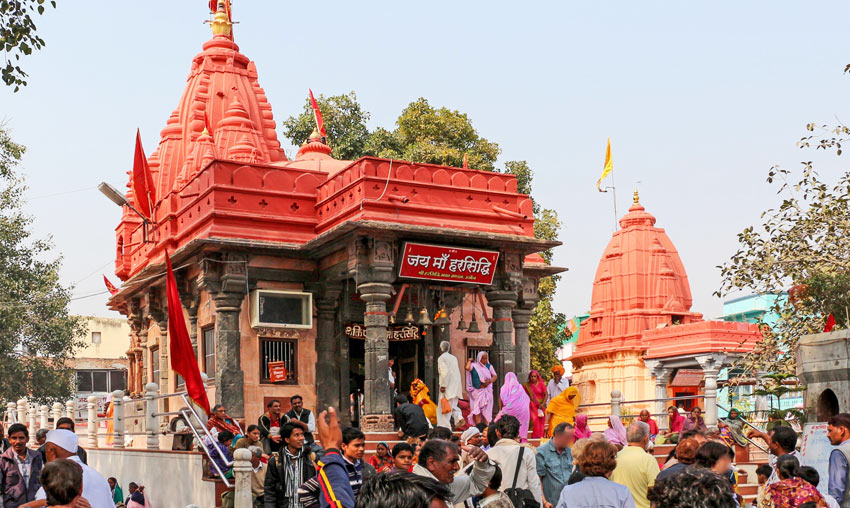
- Harsiddhi Mata Temple – A prominent Shakti shrine known for its traditional religious importance and deep-stambhs.
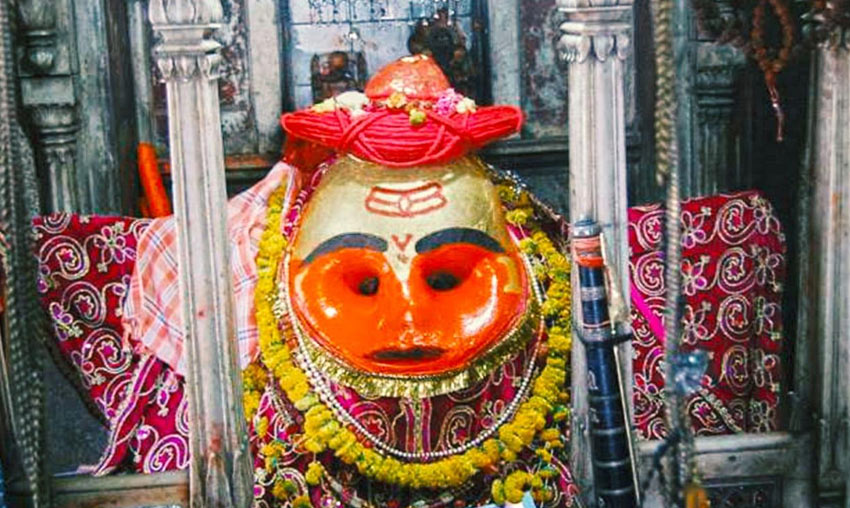
- Kal Bhairav Temple – A famous temple dedicated to Kal Bhairav, traditionally regarded as the guardian deity of Ujjain.
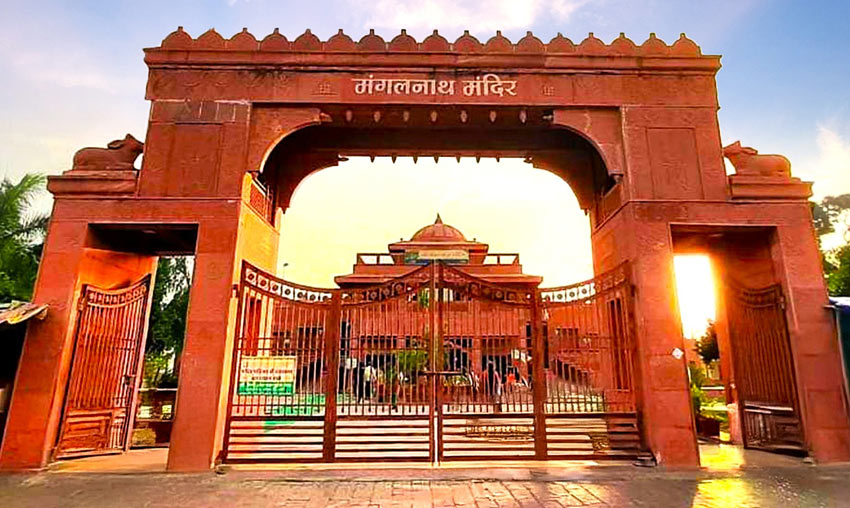
- Mangalnath Temple – A sacred temple traditionally associated with the planet Mars.
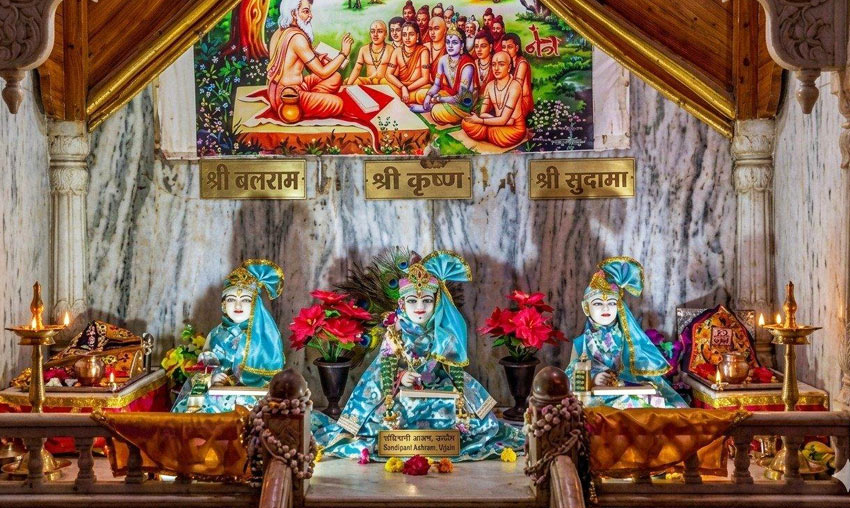
- Sandipani Ashram – A religious site traditionally associated with the education of Lord Krishna, Balarama and Sudama.
- Chintaman Ganesh Temple – A revered temple dedicated to Lord Ganesha.
- Gadkalika Mata Temple – An ancient shrine dedicated to Goddess Kalika and associated with the traditional story of poet Kalidasa.
Suggested One-Day Ujjain Sightseeing Itinerary
If you are planning a one-day trip to Ujjain, you can include Vedh Shala along with the city’s major spiritual and historical attractions.
- Early Morning: Visit Mahakaleshwar Jyotirlinga Temple for darshan.
- Morning: Explore Mahakal Lok and visit Harsiddhi Mata Temple.
- Late Morning: Visit Vedh Shala and explore its astronomical instruments.
- Afternoon: Explore Sandipani Ashram or Chintaman Ganesh Temple.
- Evening: Visit Ram Ghat and enjoy the spiritual atmosphere along the Shipra River.
Keep some flexibility in your schedule because temple queues, traffic and observatory opening hours can affect the time required at each attraction.
Travel Tips for Visitors
- Check the latest opening hours before visiting the observatory.
- Visit during daylight hours to understand the working principles of the solar instruments.
- Read the information boards displayed near the instruments for a better understanding of their functions.
- Carry drinking water, especially during the summer months.
- Follow the instructions of observatory staff and avoid touching or climbing on the instruments.
- Ask the staff whether a telescope demonstration or guided explanation is available on the day of your visit.
- Combine Vedh Shala with nearby attractions to make the most of your Ujjain trip.
Frequently Asked Questions About Vedh Shala Ujjain
1. What is Vedh Shala in Ujjain?
Vedh Shala is a historic astronomical observatory in Ujjain, also known as Jantar Mantar or Yantra Mahal. It was built under the patronage of Maharaja Sawai Jai Singh II to study celestial movements and astronomical calculations.
2. Who built Vedh Shala Ujjain?
Vedh Shala was commissioned by Maharaja Sawai Jai Singh II, the ruler of Amber and founder of Jaipur, who established five major observatories in India.
3. When was Vedh Shala built?
Official sources give different dates. The Ujjain District Administration records 1719, while Ujjain Smart City and Madhya Pradesh Tourism describe its construction as taking place around 1725–1730.
4. Why is Vedh Shala famous?
Vedh Shala is famous for its large masonry astronomical instruments, which were designed to study the Sun, planets, celestial positions and local solar time.
5. What are the main instruments at Vedh Shala?
The main instruments include Samrat Yantra, Nadi Valaya Yantra, Digansh Yantra, Bhitti Yantra and Shanku Yantra.
6. What are the timings of Vedh Shala Ujjain?
Incredible India’s published visitor information lists opening hours from 10:00 AM to 5:30 PM. Visitors should confirm the latest schedule before travelling.
7. How much time is required to explore Vedh Shala?
Approximately 45 minutes to one hour is a useful estimate for exploring the observatory. Visitors interested in astronomy may wish to spend more time understanding the instruments.
8. Is Vedh Shala suitable for students?
Yes. Vedh Shala is an interesting destination for students studying history, mathematics, physics, astronomy and traditional Indian scientific knowledge.
9. Is Vedh Shala still used for astronomical activities?
The Ujjain District Administration reports that the observatory continues activities related to astronomical observations, weather measurements and Panchang publication.
10. What other places can I visit near Vedh Shala?
Visitors can explore Mahakaleshwar Temple, Mahakal Lok, Ram Ghat, Harsiddhi Mata Temple and other famous attractions in Ujjain.
Conclusion
Vedh Shala Ujjain is a remarkable destination that showcases India’s historical achievements in astronomy, mathematics and scientific architecture. Built under the patronage of Maharaja Sawai Jai Singh II, the observatory offers visitors an opportunity to understand how astronomical observations were carried out using carefully designed masonry instruments.
Its connection with Ujjain’s ancient astronomical traditions makes it more than just a historical monument. It is an important reminder of the city’s contribution to the study of time, celestial movements and traditional Indian knowledge.
Whether you are a history enthusiast, student, astronomy lover or traveller exploring Madhya Pradesh, Vedh Shala deserves a place in your Ujjain itinerary.
Explore more temples, heritage attractions and travel destinations through our complete Ujjain Travel Guide on VisitPlacesIndia.com.

Nearby Places to Visit