Balighai Beach Puri – Timings, Things to Do, Turtle Habitat & Travel Guide
Balighai Beach is a peaceful coastal destination located near Puri in Odisha. Situated along the Puri-Konark Marine Drive, this relatively quiet beach is known for its golden sandy shoreline, beautiful Casuarina groves, coastal scenery and natural surroundings. Unlike the busier beaches of Puri, Balighai offers a more relaxed atmosphere for visitors looking to enjoy the sea and nature.
The beach is located near the mouth of the Nuanai River, where the river meets the Bay of Bengal. Its coastal ecosystem is associated with seasonal Olive Ridley sea turtle activity and migratory birds. The nearby Balihirana Deer Sanctuary adds another nature-related attraction to the area. Balighai Beach is an excellent choice for travellers interested in peaceful beach walks, photography and exploring the natural side of Puri.
Balighai Beach – Overview
- Location: Puri-Konark Marine Drive, Puri district, Odisha, India
- Distance from Puri: Approximately 8 km, according to Incredible India
- Coastline: Bay of Bengal
- Nearby River: Nuanai River
- Famous For: Casuarina forests, sandy shoreline, peaceful surroundings and coastal wildlife
- Nearby Nature Attraction: Balihirana Deer Sanctuary
- Best Time to Visit: October to March
- Ideal Visit Duration: 1–2 hours
- Entry Fee: No general beach entry fee confirmed in the official visitor information consulted; check locally
Where Is Balighai Beach Located?
Balighai Beach is situated approximately 8 km from Puri, along the scenic Puri-Konark Marine Drive in Odisha. It lies near the mouth of the Nuanai River, where the river flows towards the Bay of Bengal.
The beach is surrounded by Casuarina trees and coastal vegetation, creating a natural landscape that feels different from the busy tourist areas of Puri. Its location makes it a convenient short trip for visitors staying in Puri.
Travellers can reach Balighai by taxi, private car or other local road transport. The beach can also be included in a longer sightseeing drive towards Konark.
Natural Beauty of Balighai Beach
Balighai is known for its peaceful coastal environment and relatively less commercialised surroundings. The combination of sandy shores, coastal trees, sea breeze and the nearby river estuary makes it a beautiful destination for nature lovers.
1. Golden Sandy Shoreline
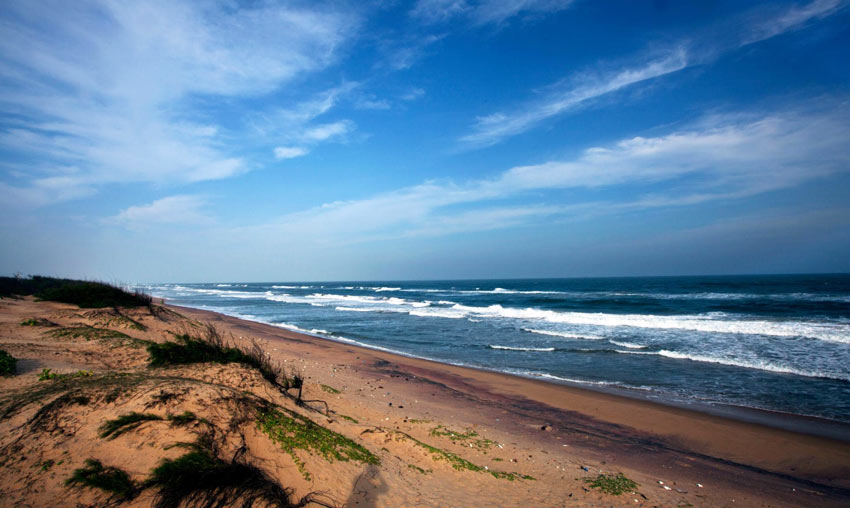
The beach features a broad sandy shoreline along the Bay of Bengal. Visitors can enjoy a relaxed walk, watch the waves and take photographs of the natural coastal landscape.
2. Casuarina Forests
One of the most recognisable features of Balighai is the presence of Casuarina trees along the coast. These trees create a green backdrop to the sandy beach and provide a refreshing natural setting.
3. Nuanai River Estuary
Balighai is situated near the mouth of the Nuanai River, where river water meets the Bay of Bengal. This estuarine environment is an important part of the local coastal landscape and contributes to the area’s natural character.
4. Peaceful Coastal Atmosphere
Compared with the popular bathing and sightseeing stretches of Puri Beach, Balighai is known for a quieter atmosphere. It is a suitable place for visitors who want to spend some time close to nature without the same level of tourist activity.
Olive Ridley Turtles and Coastal Conservation
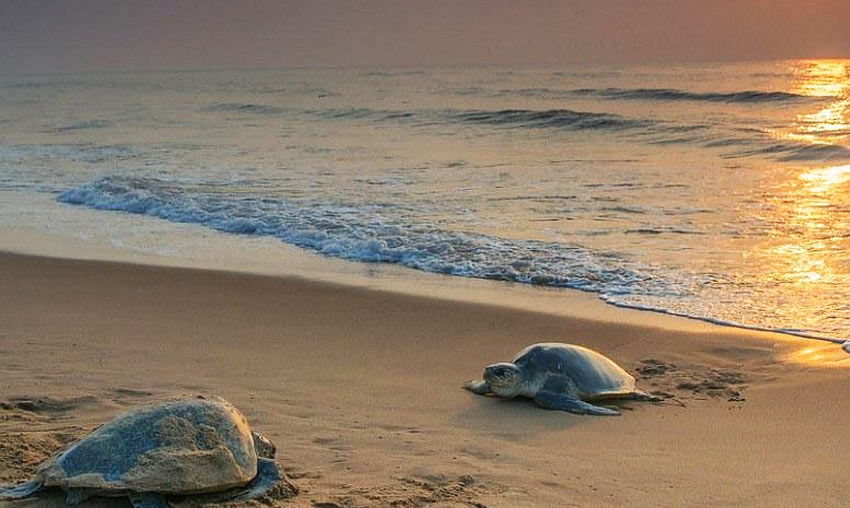
Balighai’s coastal environment is associated with Olive Ridley sea turtles, one of the world’s well-known marine turtle species. Incredible India identifies the beach as a seasonal nesting site, with turtle activity traditionally associated with the December-to-January period.
Olive Ridley turtles are protected wildlife. Their nesting beaches are sensitive habitats, and human disturbance can affect nesting and hatchling survival. Visitors should never approach, touch, feed or shine lights directly at turtles.
Responsible Turtle Conservation Tourism
- Maintain a safe distance from turtles and nesting areas.
- Never touch turtle eggs, nests or hatchlings.
- Avoid flash photography and bright artificial lights near nesting stretches.
- Do not drive vehicles on the sandy beach.
- Never leave plastic, food waste or other litter behind.
- Follow Forest Department instructions and temporary beach restrictions.
- Do not enter protected nesting areas without official permission.
Important: Turtle nesting is a seasonal natural event, not a guaranteed tourist activity. Visitors should not plan to watch nesting or hatching without checking official conservation arrangements. Some stretches may be restricted to protect wildlife.
Birdwatching Around Balighai Beach
The coastal vegetation, river mouth and nearby wetland habitats make the wider Balighai area interesting for bird lovers. Migratory birds may be seen in the region during the cooler months, depending on seasonal conditions.
Visitors interested in birdwatching should carry binoculars, keep a respectful distance and avoid disturbing birds or their feeding and resting areas.
Balihirana Deer Sanctuary Near Balighai Beach
One of the notable nature attractions associated with Balighai is the nearby Balihirana Deer Sanctuary. The area is known for its wildlife habitat and is associated with animals such as the Balihirana antelope and Indian blackbuck.
Wildlife sightings are not guaranteed. Visitors should follow local forest rules and check whether public access or guided visits are available before planning a visit.
The nearby forest landscape adds to the natural appeal of Balighai and makes the area interesting for visitors who want to explore more than just the beach.
Best Things to Do at Balighai Beach
1. Enjoy a Peaceful Beach Walk
A walk along the sandy shoreline is one of the simplest ways to enjoy Balighai. The sea breeze, Casuarina trees and relatively quiet surroundings make it a pleasant place to spend time outdoors.
2. Watch the Sunrise
The open coastal horizon offers an attractive setting for early-morning photography. Visit around sunrise to enjoy the changing colours of the sky and the peaceful atmosphere of the beach.
3. Enjoy Coastal Photography
Balighai provides several photography opportunities, including the sandy shoreline, Casuarina groves, coastal vegetation and river-estuary landscape. Always photograph wildlife from a safe distance.
4. Explore the Natural Surroundings
Visitors can enjoy the coastal scenery and explore the surroundings from designated public access areas. The nearby river mouth and forested landscape offer a different experience from the crowded parts of Puri.
5. Birdwatching
During the winter months, visitors may find opportunities for birdwatching in the wider coastal and wetland environment. Carry binoculars and avoid disturbing birds.
6. Visit Nearby Attractions
Balighai can be combined with a visit to Puri Beach, Shree Jagannath Temple, Ramachandi Beach or Konark, depending on the time available.
Balighai Beach Timings and Entry Fee
Balighai Beach is a natural coastal destination rather than a ticketed monument. No general beach entry fee has been confirmed in the official visitor information consulted.
Visitors should check local access arrangements before travelling. Beach access may be affected by weather, conservation activity, safety restrictions or local administration instructions.
- General Entry Fee: No confirmed general ticket charge
- Suggested Visit Time: Early morning or late afternoon
- Ideal Duration: 1–2 hours
- Best Season: October to March
- Wildlife Access: Subject to Forest Department and conservation rules
There is no reliable confirmed official fixed timetable for all visitor activities at the beach. Avoid late-night visits, as lighting and visitor facilities may be limited.
Best Time to Visit Balighai Beach
October to March is generally the most comfortable period for visiting Balighai Beach. The weather is usually more pleasant for beach walks, nature photography and sightseeing.
Winter Season: October to February
Winter is a favourable season for enjoying the beach and exploring the coastal surroundings. Migratory bird activity may also be seen in the wider region during suitable seasonal conditions.
Olive Ridley turtle nesting is associated with the winter season, but actual nesting activity depends on natural conditions and official conservation arrangements.
Summer Season: March to June
Summer temperatures can be high and humidity may make outdoor activities uncomfortable. If visiting during this period, plan your beach walk in the early morning or late afternoon and carry drinking water.
Monsoon Season: July to September
Monsoon brings rainfall and changing sea conditions. Rough waves, strong currents and wet surfaces may affect beach visits. Follow local weather and safety advisories before travelling.
How to Reach Balighai Beach
By Road
Balighai Beach is accessible from Puri by road through the Puri-Konark Marine Drive. Visitors can hire a taxi, use a private car or arrange local transport to reach the beach.
By Train
Puri Railway Station is the most convenient major railway station for visitors travelling to Balighai. From the station, continue by taxi or local road transport.
By Air
Biju Patnaik International Airport in Bhubaneswar is the nearest major airport. Visitors can travel from the airport to Puri by road and continue towards Balighai Beach.
Approximate Distances
- Puri to Balighai Beach: Approximately 8 km, according to Incredible India
- Puri Railway Station to Balighai Beach: Approximately 8–12 km, depending on the route
- Bhubaneswar to Balighai Beach: Approximately 60–70 km by road, depending on the route
- Konark to Balighai Beach: Travel via the Puri-Konark Marine Drive; distance depends on the selected route
All distances are approximate. Check a current navigation service for the exact route and travel time from your starting point.
Places to Visit Near Balighai Beach
1. Shree Jagannath Temple, Puri
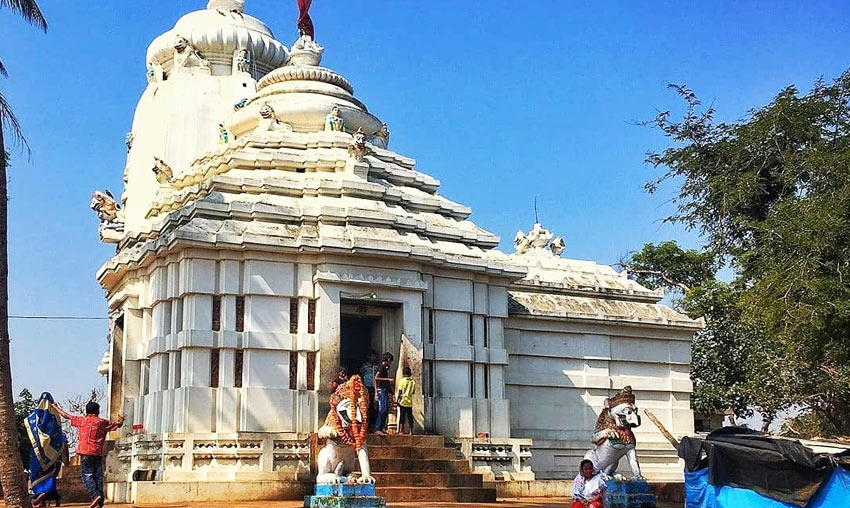
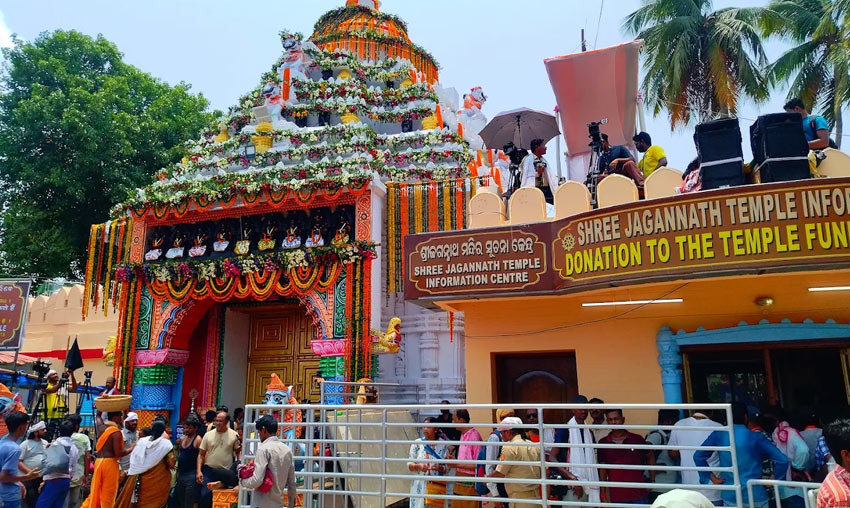
Shree Jagannath Temple is one of India’s most important Hindu pilgrimage destinations. Dedicated to Lord Jagannath, Balabhadra and Subhadra, the temple is famous for its annual Rath Yatra, Mahaprasad and traditional rituals.
2. Puri Beach and Golden Beach
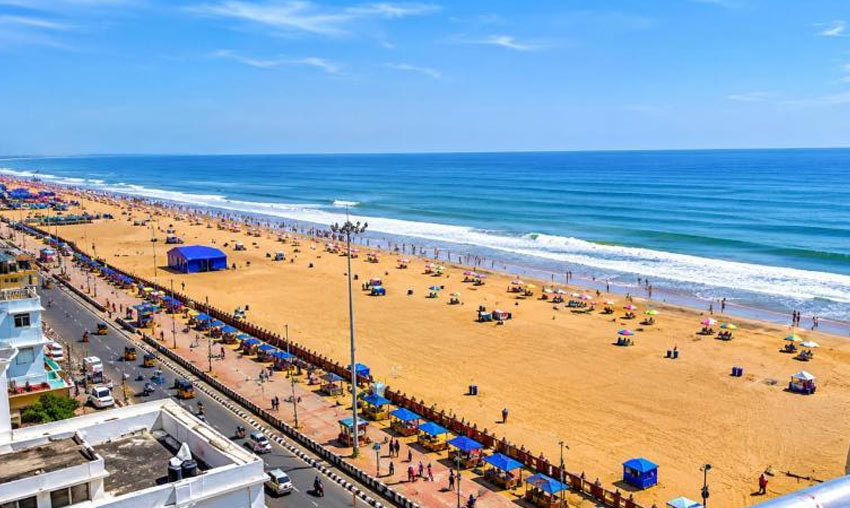
Puri Beach and Golden Beach are popular seaside attractions in the city. Visitors can enjoy coastal walks, sea views and the designated Blue Flag-certified beach stretch at Golden Beach.
3. Narendra Sarovar
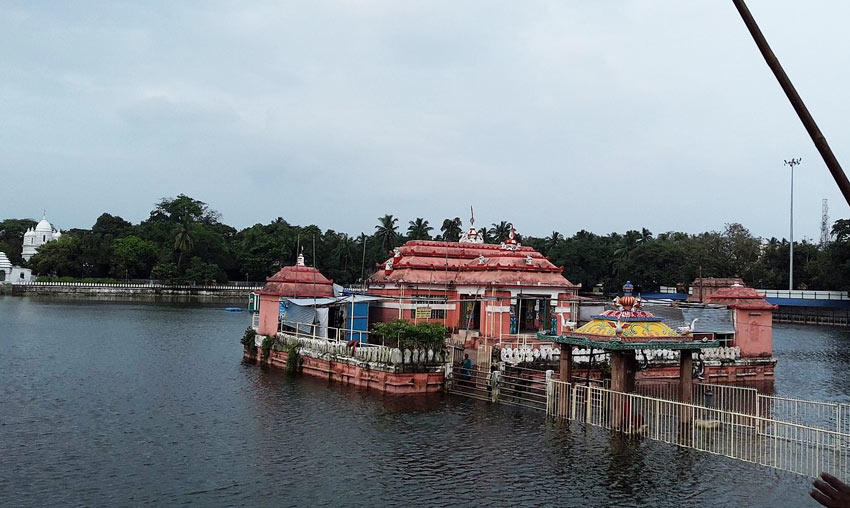
Narendra Sarovar is a sacred water tank associated with Lord Jagannath and the Chandan Yatra festival. It is an important religious and cultural landmark in Puri.
4. Ramachandi Temple and Beach
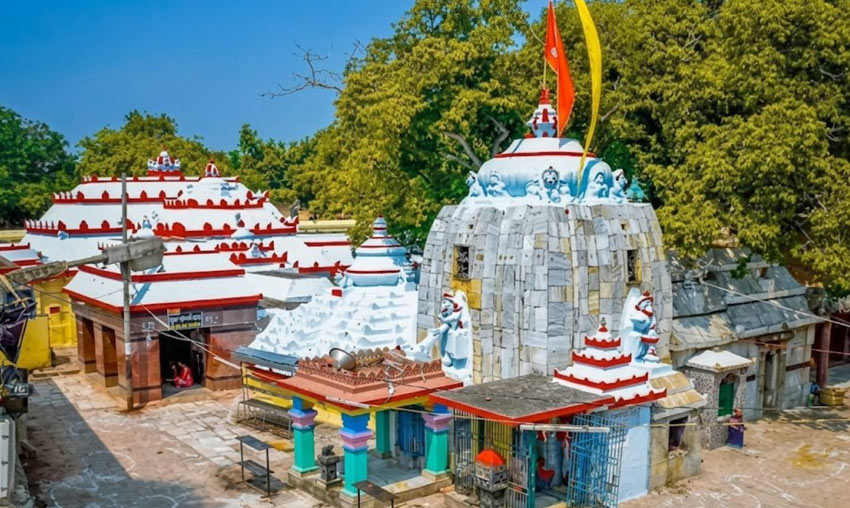
Ramachandi Temple and Beach is a scenic coastal attraction near Konark, associated with Goddess Ramachandi. The area is known for its river-sea landscape, temple and natural surroundings.
5. Konark Sun Temple
Konark Sun Temple is a UNESCO World Heritage Site famous for its monumental stone chariot design, intricate sculptures and 13th-century architecture.
Suggested One-Day Puri Coastal Itinerary
- Early Morning: Start from Puri and visit Balighai Beach for a peaceful coastal walk and photography.
- Morning: Explore the surrounding Casuarina landscape and enjoy the natural setting.
- Late Morning: Return towards Puri and visit Shree Jagannath Temple, subject to current entry and darshan arrangements.
- Afternoon: Explore Narendra Sarovar or other local attractions.
- Evening: Spend time at Puri Beach or Golden Beach.
If you wish to visit Konark and Ramachandi as well, consider extending the trip or planning a separate coastal drive. Avoid trying to cover too many locations in a single day.
Travel Tips for Visiting Balighai Beach
- Visit early in the morning or during late afternoon for comfortable weather.
- Carry drinking water, sunscreen, sunglasses and a hat.
- Check sea conditions before approaching the water.
- Do not assume swimming is safe; follow local safety instructions.
- Keep a safe distance from the river mouth and areas with strong currents.
- Do not disturb turtles, birds or other wildlife.
- Avoid bright lights, flash photography and loud noise near turtle nesting areas.
- Do not leave plastic waste or food packaging on the beach.
- Check local access restrictions before visiting wildlife or conservation areas.
- Carry essential supplies because facilities may be limited compared with Puri’s main beach.
Frequently Asked Questions About Balighai Beach
1. Where is Balighai Beach located?
Balighai Beach is located along the Puri-Konark Marine Drive in Puri district, Odisha, near the mouth of the Nuanai River.
2. How far is Balighai Beach from Puri?
Incredible India lists Balighai Beach at approximately 8 km from Puri. The actual road distance depends on your starting point and route.
3. What is Balighai Beach famous for?
Balighai is known for its quiet shoreline, Casuarina trees, natural coastal landscape, seasonal Olive Ridley turtle activity and nearby Balihirana Deer Sanctuary.
4. Is there an entry fee for Balighai Beach?
No general beach entry fee has been confirmed in the official visitor information consulted. Check local arrangements for any parking or activity charges.
5. What is the best time to visit Balighai Beach?
October to March is generally a comfortable period for visiting. Early morning and late afternoon are good times for beach walks and photography.
6. Can Olive Ridley turtles be seen at Balighai Beach?
The beach is identified as a seasonal Olive Ridley turtle nesting site. However, sightings are not guaranteed, and nesting areas may be restricted for conservation. Visitors must follow Forest Department instructions.
7. Is swimming safe at Balighai Beach?
Sea and estuary conditions can change, and strong currents may occur. Do not enter the water unless local authorities or lifeguards confirm that it is safe.
8. What is the Nuanai River connection with Balighai Beach?
Balighai is located near the mouth of the Nuanai River, where the river flows towards the Bay of Bengal. This estuarine setting is an important part of the local coastal landscape.
9. What wildlife attraction is near Balighai Beach?
Balihirana Deer Sanctuary is a nearby nature attraction associated with Balihirana antelope and Indian blackbuck. Wildlife sightings and public access are subject to local conditions and rules.
10. Can Balighai Beach be visited along with Konark?
Yes. Balighai is connected to the Puri-Konark Marine Drive, so visitors can combine it with a coastal road trip towards Ramachandi and Konark, depending on their available time.
Official Travel Information
For destination details and current visitor guidance, refer to the following sources:
Nearby Places to Visit


Nearby Places to Visit