Konark Sun Temple – History, Architecture, Timings, Entry Fee & Travel Guide
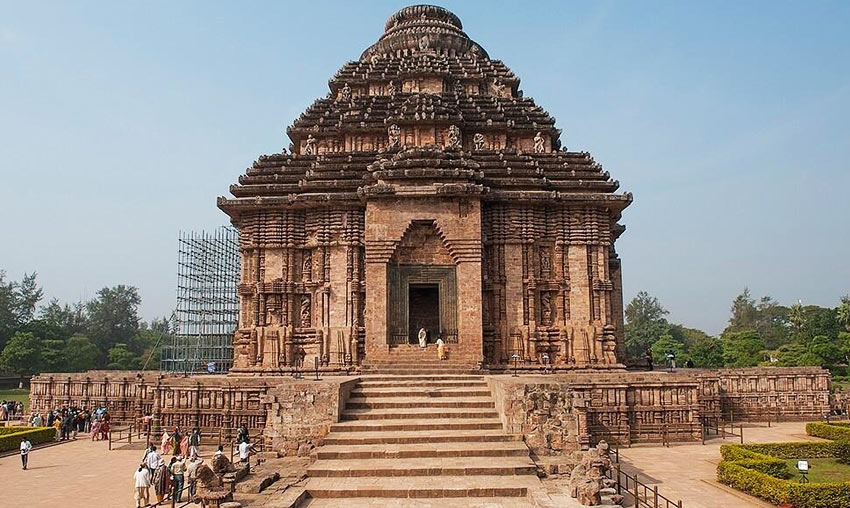
The Konark Sun Temple is one of India’s most magnificent historical monuments and a masterpiece of ancient Indian temple architecture. Located in Konark, in the Puri district of Odisha, this 13th-century monument is dedicated to Surya, the Hindu Sun God.
Designed in the form of a gigantic stone chariot, the temple represents the celestial journey of the Sun God across the sky. Its magnificent structure features 24 intricately carved stone wheels and sculptures of horses, along with thousands of detailed carvings depicting mythology, religious traditions, music, dance and everyday life.
Recognised as a UNESCO World Heritage Site in 1984, Konark Sun Temple is among the most important cultural landmarks in India. Its extraordinary Kalinga architecture, artistic details and historical significance attract visitors, historians, architecture enthusiasts and pilgrims from across the world.
Popularly known as the Black Pagoda, Konark Sun Temple is one of the must-visit attractions for anyone exploring Puri and the cultural heritage of Odisha.
Konark Sun Temple – Overview
| Details | Information |
|---|---|
| Name | Konark Sun Temple |
| Location | Konark, Puri District, Odisha, India |
| Dedicated To | Surya, the Sun God |
| Built By | King Narasimhadeva I |
| Dynasty | Eastern Ganga Dynasty |
| Construction Period | 13th Century, approximately 1250 CE |
| Architectural Style | Kalinga Architecture |
| UNESCO Recognition | 1984 |
| Famous For | Stone Chariot, 24 Wheels and Sculptures |
| Popular Name | Black Pagoda |
| Timings | 6:00 AM to 8:00 PM |
| Entry Fee | ASI ticket applicable |
| Best Time to Visit | October to February |
| Ideal Duration | 2–3 Hours |
| Distance from Puri | Approximately 35 km by road |
| Nearest Railway Station | Puri Railway Station |
| Nearest Airport | Biju Patnaik International Airport, Bhubaneswar |
History of Konark Sun Temple
The history of Konark Sun Temple dates back to the 13th century, during the reign of King Narasimhadeva I of the Eastern Ganga Dynasty. The king is credited with commissioning this magnificent temple as a grand dedication to Surya, the Sun God.
The temple was constructed around 1250 CE and represents the political power, religious beliefs and extraordinary artistic achievements of the Eastern Ganga rulers.
Surya worship had a long history in India, and the Konark temple became one of the most remarkable monuments dedicated to the Sun God. Its enormous scale and detailed stone sculptures demonstrate the advanced engineering and craftsmanship of medieval Odisha.
The temple was conceived as a monumental stone chariot carrying Surya across the heavens. Its architectural design combines religious symbolism, astronomical ideas and the artistic traditions of Kalinga architecture.
King Narasimhadeva I and the Construction
King Narasimhadeva I ruled the Eastern Ganga kingdom during the 13th century. His reign is remembered for political achievements, military campaigns and significant temple-building activities.
The construction of Konark Sun Temple reflects the importance of Surya worship and the cultural ambitions of the Ganga rulers. The monument was designed on an extraordinary scale, with elaborate carvings covering much of its stone surfaces.
The Archaeological Survey of India and UNESCO recognise the monument as an outstanding example of 13th-century temple architecture and sculpture.
Why Is Konark Sun Temple Called the Black Pagoda?
Konark Sun Temple is popularly known as the Black Pagoda. The name became widely used by European sailors who navigated the Bay of Bengal coastline.
The temple’s dark appearance and its prominent position near the eastern coast made it an important visual landmark for ships travelling through the region.
It was traditionally referred to as the Black Pagoda in contrast to the Jagannath Temple of Puri, which became known among European sailors as the White Pagoda.
The name is a historical nickname and not the original name of the monument. The temple is primarily known as the Konark Sun Temple or Surya Temple.
Why Is Konark Sun Temple Designed Like a Stone Chariot?
The most distinctive feature of Konark Sun Temple is its design as a gigantic stone chariot of Surya, the Sun God.
In Hindu tradition, Surya travels across the sky in a celestial chariot. The temple represents this divine journey through its massive stone platform, carved wheels and horse sculptures.
The original architectural concept includes 24 richly decorated wheels and seven horses pulling the chariot. The wheels and horses are important elements of the temple’s religious symbolism and artistic identity.
The chariot design transforms the entire monument into a representation of the movement of the Sun across the heavens.
The 24 Stone Wheels of Konark Sun Temple
The 24 stone wheels are among the most famous features of Konark Sun Temple. They are arranged along the northern and southern sides of the temple platform and are decorated with intricate carvings.
Each wheel is approximately three metres in diameter and contains detailed patterns, spokes and decorative motifs.
The wheels are often interpreted as symbols of time, with their arrangement associated with the cycle of days, months and seasons.
Are the Konark Wheels Sundials?
Some of the carved wheels can be used as sundials. Their design allows the position of the Sun’s shadow to be observed and interpreted to estimate time.
This feature demonstrates the relationship between art, astronomy and religious symbolism in the temple’s architectural design.
The wheels are also important examples of the extraordinary stone-carving skills of the craftsmen who worked on the monument.
The Seven Horses of the Sun Temple
The original design of Konark Sun Temple represents the celestial chariot of Surya being pulled by seven horses.
In Hindu symbolism, the seven horses are commonly associated with the seven days of the week and the seven colours of the visible spectrum in modern interpretations.
The horse sculptures form an important part of the temple’s overall chariot symbolism. The surviving sculptural remains allow visitors to appreciate the original artistic vision of the monument.
Although the temple has suffered structural damage over the centuries, its chariot design remains one of the most recognisable architectural concepts in India.
Architecture of Konark Sun Temple
Konark Sun Temple is a masterpiece of Kalinga architecture, the traditional temple-building style of Odisha. Its architectural design combines monumental scale, carefully planned structures, religious symbolism and highly detailed sculptures.
The original temple complex consisted of several important architectural elements, including the main sanctuary, the audience hall, the dance hall and subsidiary shrines.
1. Vimana or Main Sanctuary
The Vimana was the principal shrine of the temple, where the main deity was worshipped. It originally featured a towering superstructure known as the Shikhara.
The original tower has collapsed, and the main sanctuary no longer survives in its complete form. However, historical descriptions and architectural remains help researchers understand its original monumental scale.
2. Jagamohana or Audience Hall
The Jagamohana is one of the most prominent surviving structures of Konark Sun Temple. It served as the audience or assembly hall in front of the main sanctuary.
Its massive pyramidal roof and detailed stone decorations make it one of the most impressive parts of the monument.
3. Natamandira or Dance Hall
The Natamandira is a detached dance hall located in front of the main temple structure. It reflects the importance of music and dance in the religious traditions of Odisha.
The hall is decorated with sculptures of dancers, musicians and other figures in different poses. These carvings provide valuable insight into the performing arts and cultural life of medieval Odisha.
4. Bhoga Mandapa
The temple complex also includes a separate structure associated with offerings and ceremonial activities. It is commonly described as the Bhoga Mandapa.
The surviving architectural remains help visitors understand the wider arrangement of the original temple complex.
5. Subsidiary Shrines
The complex contains remains of subsidiary shrines and other structures that formed part of the larger religious establishment.
These remains demonstrate that Konark was not simply a single building but an extensive temple complex with several functional and ceremonial spaces.
Beautiful Stone Carvings and Sculptures
One of the most remarkable aspects of Konark Sun Temple is the extraordinary collection of stone sculptures covering its walls, pillars, platforms and architectural surfaces.
The carvings depict a wide range of subjects, including Hindu deities, celestial beings, dancers, musicians, animals, royal processions, mythological stories and scenes from everyday life.
1. Religious Sculptures
Several sculptures represent Surya and other Hindu deities. The images of the Sun God are particularly important to the religious identity of the temple.
2. Dancers and Musicians
The temple contains detailed carvings of dancers performing different poses and musicians playing traditional instruments. These sculptures demonstrate the importance of performing arts in the cultural life of medieval Odisha.
3. Animals and Mythological Figures
Stone carvings of elephants, horses, lions and other creatures appear throughout the monument. Mythological figures and decorative motifs add to the visual richness of the temple.
4. Scenes of Everyday Life
Some sculptures depict activities related to daily life, royal culture, social customs and human relationships. These carvings provide an artistic record of the society and cultural environment of the period.
5. Erotic Sculptures
Konark is also known for its erotic sculptures, which form part of the wider sculptural programme of the monument. These carvings are often discussed in relation to medieval Hindu art, symbolic traditions and temple iconography.
They should be understood within their historical and artistic context rather than viewed as isolated decorative elements.
Religious Significance of Konark Sun Temple
Konark Sun Temple is dedicated to Surya, the Hindu Sun God, who is worshipped as the source of light, energy and life.
In Hindu religious traditions, Surya represents vitality, knowledge, health and the power that sustains life on Earth. The temple’s monumental chariot design reflects the daily journey of the Sun across the sky.
Sun worship has a long history in Indian religious culture. Konark represents one of the most important architectural expressions of this tradition.
The temple’s orientation, sculptural programme and overall design combine religious beliefs with artistic and astronomical symbolism.
Legends Associated with Konark Sun Temple
Several popular legends are associated with the construction and history of Konark Sun Temple. These stories are part of local tradition and religious folklore, although they should be distinguished from historically documented facts.
The Legend of Dharmapada
One of the most famous stories associated with Konark is the legend of Dharmapada, a young boy believed in local tradition to have been the son of the chief architect.
According to the popular story, thousands of craftsmen worked on the temple but faced difficulty completing its crowning stone. Dharmapada is said to have solved the architectural problem, allowing the final construction work to be completed.
The story further tells that the young boy sacrificed his life to protect the honour and safety of the workers. The legend has become a powerful symbol of dedication, sacrifice and the artistic heritage of Odisha.
This is a traditional legend and is not established as a verified historical account.
The Legend of Samba
Another religious story connects the worship of Surya with Samba, the son of Lord Krishna. According to the traditional account, Samba suffered from a skin ailment and worshipped Surya to seek healing.
After receiving divine blessings, Samba is believed to have established or promoted the worship of the Sun God.
This story is part of the broader tradition of Surya worship in Hindu mythology and is not a documented account of the construction of the Konark monument.
Why Did Konark Sun Temple Become a Ruined Monument?
Konark Sun Temple is now partially ruined, and the original main sanctuary has lost its towering superstructure.
The exact sequence of events that led to the decline of the temple remains a subject of historical discussion. Natural weathering, structural deterioration, changes in religious and political conditions and historical damage have all been considered in discussions about its decline.
Some historical accounts also refer to damage and desecration during the early modern period. However, it is not accurate to attribute the entire collapse of the monument to one single event without considering the wider historical and structural evidence.
Conservation efforts by the Archaeological Survey of India have helped preserve the surviving structures and sculptures.
UNESCO World Heritage Site – Konark Sun Temple
Konark Sun Temple was inscribed on the UNESCO World Heritage List in 1984. It is recognised for its exceptional artistic achievement, architectural design and historical importance.
UNESCO considers the monument an outstanding example of 13th-century temple architecture and a remarkable representation of the worship of Surya.
The temple demonstrates the creative achievements of the Eastern Ganga kingdom and the development of Kalinga architecture.
Its monumental chariot concept, sculptural decoration and sophisticated artistic programme make it one of the most important heritage monuments in India.
Visitors exploring the complex can experience the scale and artistic quality of a monument that has become a symbol of Odisha’s cultural identity.
Konark Sun Temple Timings
According to Odisha Tourism and Incredible India, the general visiting hours of Konark Sun Temple are 6:00 AM to 8:00 PM.
| Visitor Information | Details |
|---|---|
| Opening Time | 6:00 AM |
| Closing Time | 8:00 PM |
| Suggested Visit Duration | 2–3 Hours |
| Best Time of Day | Early Morning or Late Afternoon |
| Entry | ASI ticket applicable |
Important: Timings may change due to administrative arrangements, special events or maintenance. Confirm the latest visitor information before travelling.
Konark Sun Temple Entry Fee
The Sun Temple is a centrally protected monument under the Archaeological Survey of India. Visitors need a valid entry ticket to access the monument complex.
According to the ASI Puri Circle ticket information currently published online, the listed counter fares are:
| Visitor Category | Counter Ticket | Online / Card Ticket |
|---|---|---|
| Indian Visitors | ₹40 | ₹35 |
| Foreign Visitors | ₹600 | ₹550 |
| Children up to 15 Years | Free | Free |
Digital ticket discounts and ticketing arrangements are subject to the current ASI Puri Circle tariff. Check the official ticket portal before your visit for the latest prices and eligibility rules.
Official ticket information: ASI Puri Circle – Tickets and Tariff
Konark Light and Sound Show
The Konark Light and Sound Show, also known as Arunodya, is an evening attraction that presents the history, legends and architectural importance of the Sun Temple through projection mapping, narration, music and lighting effects.
The show helps visitors understand the history of the monument, the construction traditions of the Eastern Ganga period and the cultural stories associated with Konark.
Light and Sound Show Information
| Details | Information |
|---|---|
| Show Name | Arunodya – Konark Light and Sound Show |
| Location | Near the Mukhashala and Natya Mandir area |
| Duration | Approximately 35–45 Minutes |
| Languages | Hindi, English and Odia |
| Show Timings | Seasonal schedules apply |
| Ticket Price | Check the current official booking schedule |
Odisha Tourism publishes seasonal show information, while OTDC notes that the show remains closed on Mondays. Timings and ticket rates may change, so visitors should check the official booking page before planning an evening visit.
Official information: Odisha Tourism – Light and Sound Shows
Best Time to Visit Konark Sun Temple
The best time to visit Konark Sun Temple is generally from October to February, when the weather is relatively pleasant for exploring the large temple complex.
October to February – Recommended Season
These months offer comfortable conditions for walking around the monument, studying its sculptures and exploring nearby attractions.
December – Konark Dance Festival
The Konark Dance Festival is one of Odisha’s most important cultural events. It is traditionally held from 1 to 5 December, with classical dance performances taking place against the backdrop of the historic Sun Temple complex.
The festival showcases Indian classical dance forms, including Odissi, Bharatanatyam, Kathak, Kuchipudi and other traditional performances, depending on the programme.
March to June – Summer Season
Temperatures can become high during the summer months. Visitors planning a summer trip should prefer early morning or late afternoon and carry sufficient drinking water.
Monsoon Season
Rainfall and humidity can affect outdoor sightseeing during the monsoon. The temple remains an important heritage attraction, but visitors should check weather conditions before travelling.
Konark Dance Festival
The Konark Dance Festival is a major cultural event celebrated in the historic surroundings of the Sun Temple. It brings together celebrated dancers and performing artists from different parts of India.
The festival is particularly known for its emphasis on classical Indian dance traditions and its celebration of Odisha’s rich cultural heritage.
Odissi dance has a special place in the festival because of its historical connection with Odisha’s temple culture, sculpture and performing arts.
Visitors planning to attend should check the official annual festival programme for dates, venue arrangements and ticket information.
Konark Archaeological Museum
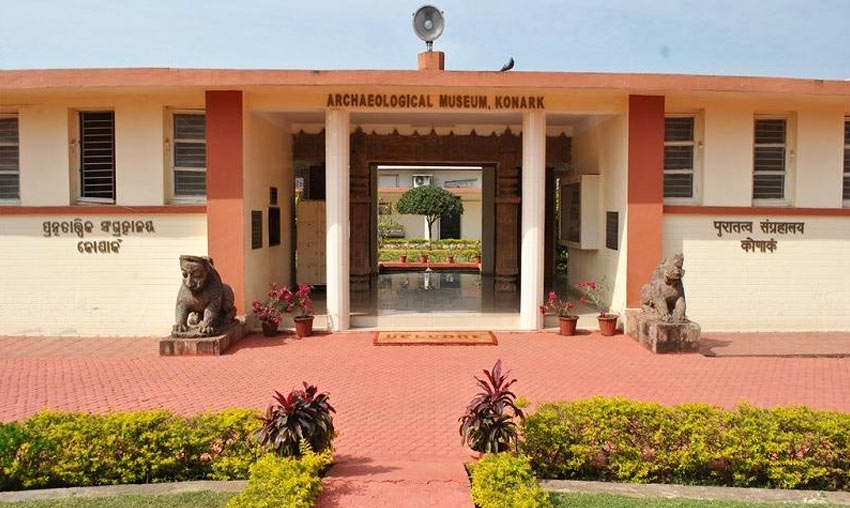
The Archaeological Museum at Konark is an important place for visitors interested in understanding the original appearance and sculptural details of the Sun Temple.
Managed by the Archaeological Survey of India, the museum houses architectural fragments, sculptures and other remains recovered from the temple complex.
These exhibits help visitors understand the craftsmanship, religious iconography and architectural design of the monument.
A visit to the museum can be combined with the main temple visit for a more complete understanding of Konark’s history.
How to Reach Konark Sun Temple
By Road from Puri
Konark Sun Temple is approximately 35 kilometres from Puri by road. The journey generally takes around 45 minutes to 1 hour, depending on traffic and road conditions.
Visitors can hire a taxi, travel by private vehicle or use local transport services from Puri. The route is popular among tourists exploring the Puri-Konark coastal region.
By Road from Bhubaneswar
Konark is approximately 65 kilometres from Bhubaneswar by road. Regular bus and taxi services connect the two destinations.
By Train
Konark does not have a major railway station. Puri Railway Station is the nearest major railway station for most visitors travelling by train.
From Puri, visitors can hire a taxi or take road transport to reach Konark.
By Air
Biju Patnaik International Airport in Bhubaneswar is the nearest major airport. Visitors can travel from the airport to Konark by taxi or continue through Puri depending on their itinerary.
Places to Visit Near Konark Sun Temple
1. Chandrabhaga Beach
Chandrabhaga Beach is one of the most popular coastal attractions near Konark. It is known for its beautiful sunrise views, sandy shoreline and religious importance.
2. Ramachandi Temple and Beach
Ramachandi Temple and Beach is a scenic destination near the Kushabhadra River and the Bay of Bengal. It is dedicated to Goddess Ramachandi and is known for its peaceful natural surroundings.
3. Puri Beach and Golden Beach
Puri Beach and Golden Beach are popular coastal attractions known for sea views, beach activities and the designated Blue Flag-certified beach stretch.
4. Shree Jagannath Temple, Puri
Shree Jagannath Temple is one of the most important pilgrimage destinations in Odisha and a central part of Puri’s religious identity.
5. Raghurajpur Heritage Crafts Village
Raghurajpur Heritage Crafts Village is famous for Pattachitra paintings, palm leaf engravings, traditional masks and other handicrafts of Odisha.
6. Satapada, Chilika Lake
Satapada is a popular nature destination known for Irrawaddy dolphin watching, lagoon boat rides and the Chilika Sea Mouth.
Suggested One-Day Puri to Konark Travel Itinerary
Konark Sun Temple can easily be visited as a day trip from Puri. The following route combines heritage, architecture and coastal attractions.
- 7:00 AM – Depart from Puri: Start early for a comfortable drive towards Konark.
- 8:00 AM – Arrive at Konark Sun Temple: Explore the main temple complex, stone chariot, wheels and sculptures.
- 10:30 AM – Visit Konark Archaeological Museum: Explore the collection of sculptures and architectural remains, subject to museum opening hours.
- 11:30 AM – Visit Chandrabhaga Beach: Enjoy the coastal landscape and sea views.
- 1:00 PM – Lunch: Have lunch at a local restaurant in or around Konark.
- 2:30 PM – Visit Ramachandi Temple and Beach: Explore the riverside and coastal surroundings.
- 4:30 PM – Return to Puri: Drive back to Puri after completing the sightseeing trip.
Visitors planning to attend the Light and Sound Show should check the latest evening schedule and arrange their return transport accordingly.
Travel Tips for Visiting Konark Sun Temple
- Start your visit early to avoid the strongest afternoon sunlight.
- Wear comfortable footwear because the complex requires walking.
- Carry drinking water and sun protection.
- Purchase tickets from authorised ASI counters or official online booking channels.
- Do not climb on restricted structures or touch fragile carvings.
- Follow photography and security instructions displayed at the monument.
- Allow at least two to three hours to explore the temple properly.
- Visit the Archaeological Museum if you are interested in the history of the monument.
- Check the Light and Sound Show schedule in advance.
- Keep the heritage complex clean and avoid littering.
Frequently Asked Questions About Konark Sun Temple
1. Where is Konark Sun Temple located?
Konark Sun Temple is located in Konark town, Puri district, Odisha, approximately 35 kilometres from Puri.
2. Who built Konark Sun Temple?
Konark Sun Temple was commissioned by King Narasimhadeva I of the Eastern Ganga Dynasty during the 13th century.
3. When was Konark Sun Temple built?
The temple was built around 1250 CE, during the 13th century.
4. Why is Konark Sun Temple famous?
The temple is famous for its monumental stone chariot design, 24 intricately carved wheels, horse sculptures, detailed stone carvings and UNESCO World Heritage status.
5. Why is Konark Sun Temple called the Black Pagoda?
It became known as the Black Pagoda because of its dark appearance and its historical prominence as a coastal landmark for European sailors navigating the Bay of Bengal.
6. How many wheels are there in Konark Sun Temple?
The temple has 24 beautifully carved stone wheels, arranged as twelve pairs along the sides of the chariot-shaped platform.
7. How many horses were designed to pull the Sun Temple chariot?
The original architectural concept represents seven horses pulling the celestial chariot of Surya. The surviving sculptures show the remains of this original design.
8. Is Konark Sun Temple a UNESCO World Heritage Site?
Yes. Konark Sun Temple was included in the UNESCO World Heritage List in 1984 because of its outstanding architectural, artistic and historical importance.
9. What are the timings of Konark Sun Temple?
Odisha Tourism lists general visiting hours from 6:00 AM to 8:00 PM. Visitors should confirm the latest schedule before travelling.
10. What is the entry fee for Konark Sun Temple?
According to the ASI Puri Circle’s published ticket tariff, the counter ticket is ₹40 for Indian visitors and ₹600 for foreign visitors. Digital ticket rates may be lower. Children up to 15 years are listed as free. Confirm the current tariff before visiting.
11. What is the best time to visit Konark Sun Temple?
October to February is generally the most comfortable season for exploring the monument. December is especially popular because of the Konark Dance Festival.
12. Is there a Light and Sound Show at Konark Sun Temple?
Yes. The Konark Light and Sound Show, known as Arunodya, uses narration, music and projection mapping to present the monument’s history and legends. Show timings and ticket prices vary by season.
13. How far is Konark Sun Temple from Puri?
Konark Sun Temple is approximately 35 kilometres from Puri by road, and the journey generally takes around 45 minutes to 1 hour.
14. Can Konark Sun Temple be visited in one day from Puri?
Yes. Visitors can comfortably explore Konark Sun Temple, the Archaeological Museum, Chandrabhaga Beach and Ramachandi Temple in a one-day trip from Puri.
15. What is the architectural style of Konark Sun Temple?
The temple follows Kalinga architecture, the traditional temple-building style of Odisha, and is known for its monumental scale and elaborate sculptural decoration.
Explore our complete Places to Visit in Puri travel guide to discover more temples, beaches, heritage villages and nature destinations across Odisha.

Nearby Places to Visit