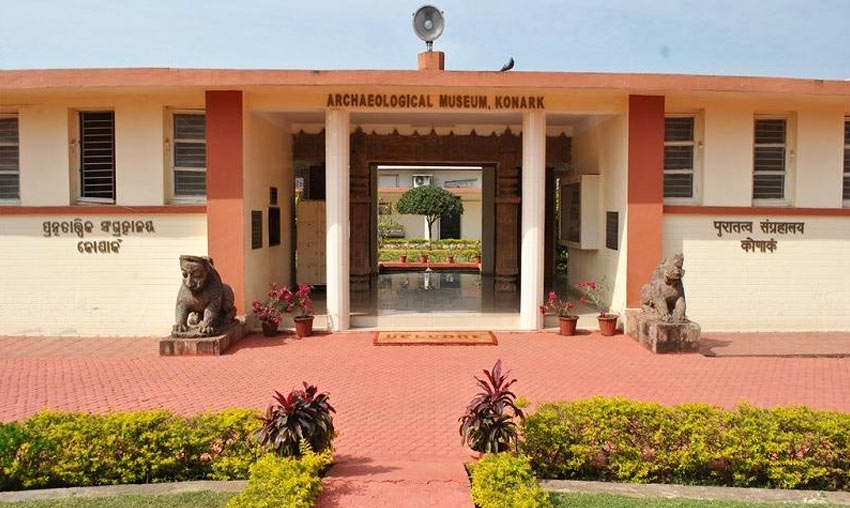
ASI Sun Temple Museum, Konark – History, Timings, Entry Fee and Visitor Guide
The ASI Sun Temple Museum, also known as the Archaeological Museum of Konark, is an important heritage attraction located near the famous Konark Sun Temple in Odisha. Managed by the Archaeological Survey of India (ASI), the museum preserves original sculptures, architectural fragments and stone carvings recovered from the historic Sun Temple complex.
Established in 1968, the museum was created to protect the fallen sculptures and architectural remains of the Sun Temple from weathering and damage. Today, it offers visitors an opportunity to examine these historic objects at close range and understand the artistic achievements of medieval Odisha.
The museum is particularly valuable for history enthusiasts, students, researchers, architecture lovers and travellers who want to explore more than the main monument. Its galleries display important examples of stone sculpture, religious imagery, temple architecture and the cultural heritage of the Eastern Ganga period.
About ASI Sun Temple Museum, Konark
The Archaeological Museum at Konark is a site museum dedicated primarily to the sculptures and architectural remains of the Konark Sun Temple. It is managed by the Archaeological Survey of India under its Puri Circle.
The museum houses objects recovered from the Sun Temple complex, including sculptures, carved stone panels, architectural members and religious images. These objects help visitors understand the original artistic richness of the monument and the craftsmanship of the artisans who worked on it.
The museum is an important part of the Konark heritage experience. After exploring the main temple, visitors can come here to see selected sculptures and fragments preserved in a protected indoor environment.
History of the Archaeological Museum, Konark
The history of the museum is closely connected with the conservation of the Konark Sun Temple. Over time, several architectural components and sculptures from the monument had fallen or become vulnerable to natural weathering and human damage.
Scholars and heritage authorities recognised the need to protect these valuable remains. The idea of establishing a dedicated museum developed as a way to preserve the objects and make them accessible for study and public understanding.
The collection of sculptures and architectural elements was shifted to the present museum building in 1968. The Archaeological Survey of India established the museum as a site museum to safeguard and display these important remains.
According to an Odisha Review article published in December 2014, the museum originally developed with three galleries, while the fourth gallery was opened in 2004. The same article describes the museum’s role in presenting the artistic and cultural heritage of the Sun Temple through scientific display methods.
What Can You See Inside the Konark Museum?
The museum is organised into four galleries and a corridor with an open verandah. Its exhibits include stone sculptures, temple fragments, religious figures and architectural elements recovered from the Sun Temple complex.
Gallery 1 – Surya and Important Sculptures
The first gallery introduces visitors to some of the most significant objects associated with the Sun Temple. Important exhibits described in the Odisha Review include a colossal sandstone image of Surya, a reconstructed stone chariot wheel and sculptures of Varaha, Trivikrama and Narasimha.
These objects offer an insight into the religious imagery and sculptural traditions of the Eastern Ganga period. The reconstructed wheel is particularly useful for understanding the stone craftsmanship associated with the Sun Temple.
Gallery 2 – Temple Sculptures and Architectural Panels
The second gallery displays sculptural and architectural elements that help visitors understand the decorative programme of the original temple. The Odisha Review study describes reconstructed temple-wall scenes, celestial musicians, animal motifs, Dikpala figures and Panchadevatas.
These exhibits reflect the variety of themes represented in Odisha’s medieval temple art, including divine figures, celestial beings and decorative animal forms.
Gallery 3 – Celestial Figures and Religious Imagery
The third gallery contains important sculptures associated with the Sun Temple’s religious and artistic traditions. The Odisha Review article highlights two large celestial female figures, Gajalakshmi panels and representations connected with Surya Narayana.
Another notable exhibit described in the study depicts King Narasimhadeva worshipping a group of deities associated with Shiva, Jagannath and Goddess Durga. This representation is significant for understanding the religious imagery and artistic culture of 13th-century Odisha.
Gallery 4 – Dance, Royal Life and Sculptural Art
The fourth gallery was opened in 2004 and adds another dimension to the museum’s collection. Its exhibits include a king witnessing a dance scene, a Surya image, marching elephants, celestial female figures and other sculptural fragments.
These displays provide an opportunity to study the relationship between temple art, royal patronage, dance traditions and everyday cultural themes represented in medieval sculpture.
Important Sculptures and Artefacts
The museum’s collection is valuable because many of its objects originated from the Konark Sun Temple complex. Some important categories of exhibits include:
- Surya sculptures: Images associated with the Sun God, the principal deity of the Konark temple.
- Temple wheels: Reconstructed stone wheel elements that demonstrate the sculptural craftsmanship of the monument.
- Vishnu sculptures: Images representing forms such as Varaha, Trivikrama and Narasimha.
- Dikpala figures: Guardian deities associated with the directions in traditional Indian temple iconography.
- Celestial musicians: Sculptural representations of divine musicians and performers.
- Gajalakshmi panels: Religious imagery associated with Goddess Lakshmi.
- Animal sculptures: Carved representations of elephants and other decorative animal motifs.
- Architectural fragments: Recovered stone elements that help explain the original design and decoration of the Sun Temple.
The National Mission on Monuments and Antiquities also records individual sculptures from the Ganga period in the Archaeological Museum, Konark, with their provenance linked to the Sun Temple complex.
Why Is the Konark Museum Important?
The Archaeological Museum plays an important role in preserving the heritage of the Konark Sun Temple. While the main monument allows visitors to experience the scale and setting of the historic structure, the museum provides a closer look at selected sculptures and architectural details.
Its importance can be understood through several aspects:
- Conservation: It protects recovered sculptures and architectural remains from further damage.
- Historical understanding: It helps visitors learn about the artistic and religious traditions of medieval Odisha.
- Architectural study: Recovered fragments provide insight into the original decoration and design of the Sun Temple.
- Education: The galleries offer useful learning material for students, researchers and history enthusiasts.
- Cultural preservation: The collection helps preserve the artistic heritage associated with the Eastern Ganga dynasty.
Architecture and Museum Layout
The museum is designed as a display space for archaeological objects rather than as a temple or religious structure. Its galleries and corridors provide an organised setting for viewing sculptures and architectural remains recovered from the Sun Temple.
The Odisha Review description records four galleries, a corridor and an open verandah. Enlarged visual displays of monuments from Odisha are also mentioned in the museum’s layout.
The arrangement allows visitors to move through different groups of exhibits and understand the relationship between the sculptures, the original temple and the wider artistic traditions of the region.
ASI Sun Temple Museum Timings and Entry Fee
The Archaeological Survey of India Puri Circle currently lists the Archaeological Museum, Konark, as a ticketed site museum with an entry fee of ₹10 per visitor. The same tariff is listed for Indian and foreign visitors.
- Museum entry fee: ₹10 per person
- Indian visitors: ₹10
- Foreign visitors: ₹10
- Children up to 15 years: Free admission under the ASI Puri Circle policy
- Ticketing: Counter and digital payment options are listed by ASI Puri Circle
- Visiting hours: Confirm the current museum schedule with ASI before visiting
Older government museum-directory information lists visiting hours of 8:00 AM to 5:00 PM, while other travel listings publish different timings and weekly closing information. As these schedules may have changed, visitors should verify the latest opening hours and weekly closure directly before travelling.
Entry arrangements and ticket tariffs can also change. Check the official ASI Puri Circle ticket page before your visit.
Best Time to Visit ASI Sun Temple Museum
The best period to visit the museum is generally from October to February, when Konark’s weather is more comfortable for sightseeing.
- October to November: Suitable for exploring the museum and the Sun Temple after the monsoon season.
- December to February: Comfortable weather for heritage sightseeing and cultural events in Konark.
- March: A reasonable time for an early visit, although daytime temperatures begin to rise.
- April to June: Summer heat can make outdoor sightseeing uncomfortable, but the indoor museum can provide a useful break from the sun.
- July to September: Monsoon weather may affect travel and outdoor plans. Check local conditions before visiting.
For a convenient visit, combine the museum with the Konark Sun Temple on the same day. Confirm the museum’s operating schedule before finalising your itinerary.
How to Reach ASI Sun Temple Museum, Konark
The Archaeological Museum is located in Konark, close to the Sun Temple. It can be reached by road from Puri and Bhubaneswar.
By Road
Konark is connected to Puri and Bhubaneswar by road. Visitors can use taxis, private vehicles or available bus services to reach the town. Once in Konark, the museum can be reached by local transport or a short journey from the Sun Temple area.
By Train
Konark does not have a major railway station. Puri and Bhubaneswar are the nearest major railway stations. From either station, visitors can continue to Konark by road.
By Air
Biju Patnaik International Airport in Bhubaneswar is the nearest major airport. From the airport, visitors can hire a taxi or use road transport to reach Konark.
Distance from Major Places
- Konark Sun Temple: Located close to the museum
- Konark town centre: A short local journey
- Chandrabhaga Beach: Approximately 3–4 km
- Ramachandi Temple and Beach: Approximately 8 km
- Puri: Approximately 35 km
- Bhubaneswar: Approximately 60–70 km by road
Distances are approximate and may vary according to the route and starting point.
Places to Visit Near ASI Sun Temple Museum
The museum is located in the main Konark heritage area, so visitors can easily combine it with the town’s principal attractions.
1. Konark Sun Temple
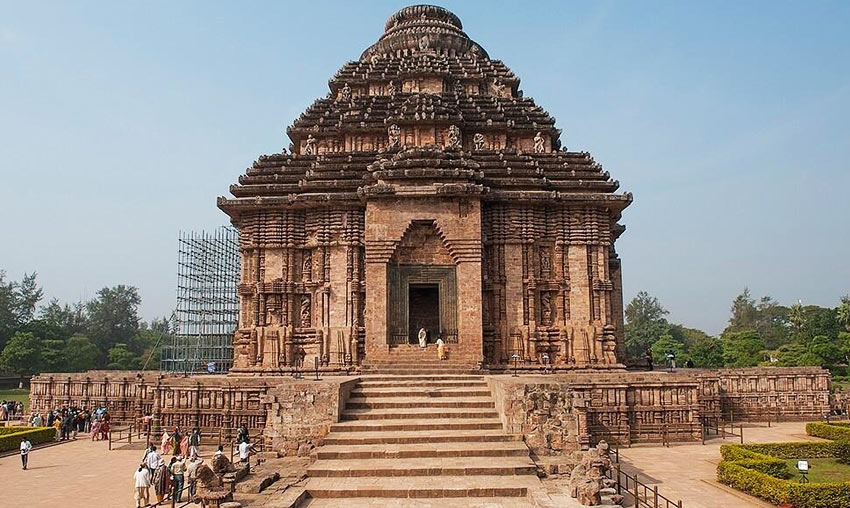
Konark Sun Temple is the principal attraction of the town and a UNESCO World Heritage Site. Its stone chariot design, carved wheels and sculptural decoration make it one of India’s most celebrated historic monuments.
2. Chandrabhaga Beach
Chandrabhaga Beach is a popular coastal attraction near Konark, known for its sunrise views and religious significance.
3. Ramachandi Temple and Beach
Ramachandi Temple and Beach is located along the Puri–Konark Marine Drive. It is known for the shrine of Goddess Ramachandi and the scenic Kushabhadra River landscape.
Suggested Konark Sightseeing Itinerary
The museum can be comfortably included in a half-day or full-day Konark sightseeing plan.
- Morning: Visit the Konark Sun Temple and explore its main architectural features.
- Late morning: Visit the ASI Sun Temple Museum and explore its four galleries.
- Afternoon: Take a break for lunch in Konark.
- Later in the day: Visit Chandrabhaga Beach or Ramachandi Temple and Beach.
Allow sufficient time for the Sun Temple and museum. Check opening hours so that the museum visit is not missed due to an early closing time or weekly holiday.
Visitor Tips for ASI Sun Temple Museum
- Check current museum timings and weekly closing days before travelling.
- Keep your entry ticket until you leave the museum.
- Follow museum rules regarding photography and restricted areas.
- Do not touch sculptures, display cases or archaeological objects.
- Read the exhibit descriptions to understand the historical and artistic background of the objects.
- Allow around 45 minutes to one hour for a general visit, depending on your interest.
- Combine the museum with the Sun Temple because both are important parts of Konark’s heritage.
- Students and researchers may find the galleries particularly useful for understanding Odisha’s medieval sculpture.
Frequently Asked Questions About ASI Sun Temple Museum, Konark
1. Where is ASI Sun Temple Museum located?
The Archaeological Museum is located in Konark, Puri district, Odisha, near the famous Konark Sun Temple.
2. Who manages the Konark Archaeological Museum?
The museum is managed by the Archaeological Survey of India under its Puri Circle.
3. When was the Konark Sun Temple Museum established?
The museum was established in 1968 to preserve sculptures and architectural fragments recovered from the Konark Sun Temple complex.
4. How many galleries are there in the museum?
The museum has four galleries, along with a corridor and an open verandah displaying visual material related to Odisha’s monuments.
5. What can visitors see inside the museum?
Visitors can see sculptures of Surya, Vishnu forms, celestial musicians, Dikpala figures, Gajalakshmi panels, reconstructed architectural elements and other objects recovered from the Sun Temple complex.
6. What is the entry fee for the Konark Archaeological Museum?
The current ASI Puri Circle tariff lists an entry fee of ₹10 per visitor for both Indian and foreign visitors. Children up to 15 years are admitted free under the published ASI policy.
7. What are the museum’s opening hours?
Opening hours and weekly closure should be confirmed with ASI before visiting. Older government directory information lists 8:00 AM to 5:00 PM, but visitors should verify the current schedule.
8. How much time is required to explore the museum?
A general visit may take around 45 minutes to one hour. Visitors with a strong interest in archaeology and sculpture may need additional time.
9. Is the Konark Museum worth visiting after the Sun Temple?
Yes. The museum preserves original sculptures and architectural fragments from the Sun Temple complex and helps visitors understand the monument’s artistic and historical heritage in greater detail.
10. Can the museum and Sun Temple be visited on the same day?
Yes. Both attractions are located close to each other and can easily be included in the same Konark sightseeing itinerary.
Explore More Attractions in Konark
The ASI Sun Temple Museum is an important part of Konark’s heritage experience. Its collection of original sculptures and architectural fragments provides a closer look at the artistic achievements behind the famous Sun Temple.
After exploring the museum, continue your journey through Konark’s heritage and coastline with our complete Konark travel guide, featuring the town’s main attractions, beaches and visitor information.

Nearby Places to Visit