Kuruma Buddhist Archaeological Site – History, Monastery and Travel Guide
Kuruma Buddhist Archaeological Site is an important historical attraction located in Kuruma village, approximately 8 km from Konark in Puri district, Odisha. The site preserves the remains of an ancient Buddhist monastery and offers valuable evidence of the region’s Buddhist heritage.
Dating approximately to the 9th–10th century CE, Kuruma is known for its excavated monastery, monastic cells, brick structures and Buddhist sculptures. Among its most notable discoveries are an image of Buddha in Bhumisparsha Mudra, a sculpture of Avalokitesvara and an image identified as Revanta.
Unlike the monumental Konark Sun Temple, Kuruma offers a quieter archaeological experience. It is an interesting destination for visitors who want to explore the lesser-known history of Buddhism in Odisha while travelling around Konark.
About Kuruma Buddhist Archaeological Site
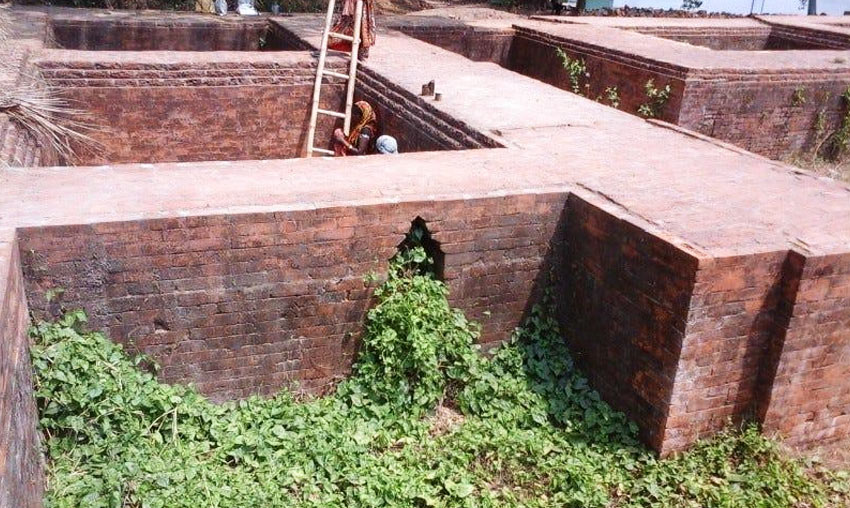
Kuruma is a small village near Konark, known for the remains of an ancient Buddhist monastery, also described as a Buddha Vihar. The excavated site provides evidence of a monastic settlement that once had living spaces for Buddhist monks arranged around a central courtyard.
According to Odisha State Archaeology, the monastery had twelve cells, with three cells arranged along each of the four sides of a large open courtyard. The remains also include a shrine chamber and other structural features associated with the monastery.
The site is particularly important because it provides archaeological evidence of Buddhist religious and monastic activity in the Konark region during the early medieval period.
History of Kuruma Buddhist Site
The archaeological importance of Kuruma came to light in the early 1970s. A local schoolteacher, Brajabandhu Das, noticed a stone slab bearing an image of Buddha in Bhumisparsha Mudra. This discovery drew attention to the village’s archaeological remains.
Following the discovery, the Odisha State Archaeology Department undertook systematic excavations at Kuruma between 1971 and 1975. The excavation exposed remains of a Buddhist monastery, including cells, brick walls, a central courtyard and other structural features.
Based on the recovered objects and architectural remains, the site is generally dated to the 9th–10th century CE. Some research has suggested that Buddhist activity in the area may have been older, but the excavated monastery is commonly assigned to this early medieval period.
The site is also mentioned in the Archaeological Survey of India’s publication, Indian Archaeology – A Review, which records the discovery and excavation work at Kuruma near Konark.
Excavated Buddhist Monastery
The main archaeological feature of Kuruma is the remains of a Buddhist monastery, or Vihara. Its layout provides an idea of how monks may have lived, studied and practised their religious traditions.
Twelve Monastic Cells
The excavated monastery contained twelve cells arranged around the central courtyard, with three cells on each side. These rooms are understood to have served as living spaces for Buddhist monks.
The arrangement around a shared courtyard reflects the traditional planning of monastic settlements, where individual living spaces were connected to a common central area.
Central Courtyard
The open courtyard formed the central space of the monastery. It connected the surrounding cells and provided an open area within the monastic complex.
The courtyard is an important feature for understanding the organisation of the excavated structure and the daily life of its residents.
Shrine Chamber
The monastery also had a sacred shrine chamber associated with Buddhist worship. The discovery of Buddhist images and religious objects provides evidence of the site’s spiritual importance.
Brick Structures and Walls
Excavations revealed ancient brick walls and structural remains. The Puri District Administration specifically mentions a brick wall measuring approximately 17 metres in length.
Other archaeological reports describe additional brick structures, including a square chamber and features associated with the excavated complex. These remains help researchers understand the construction and layout of the ancient settlement.
Important Buddhist Sculptures Found at Kuruma
Kuruma is particularly important for its Buddhist sculptures. The stone images discovered at the site provide insight into the religious iconography and artistic traditions of the region.
1. Buddha in Bhumisparsha Mudra
One of the most important discoveries at Kuruma is a stone image of Buddha seated in Bhumisparsha Mudra, also known as the Earth-Touching Gesture.
In this traditional representation, Buddha is shown seated with his right hand reaching towards the earth. The gesture is associated with the moment of enlightenment, when the earth is called upon to witness the Buddha’s spiritual awakening.
The sculpture is notable for its detailed crown and carved necklace. It is one of the most significant examples of Buddhist sculptural art associated with Kuruma.
2. Avalokitesvara or Padmapani
Another important sculpture found at Kuruma represents Avalokitesvara, also known as Padmapani. Avalokitesvara is a Bodhisattva associated with compassion in Mahayana Buddhism.
The figure is depicted seated on a lotus pedestal. The detailed carving of the lotus and the figure’s posture make this image an important part of the site’s Buddhist sculptural heritage.
3. Revanta Image
A third image associated with the group of sculptures at Kuruma is identified as Revanta. The presence of this image alongside Buddhist figures is an interesting feature of the site’s religious and artistic history.
These three images are especially important because local inhabitants traditionally worship them together as Yamadharma. This local practice reflects the way ancient images can acquire new religious meanings within living community traditions.
Archaeological Discoveries at Kuruma
Excavations at Kuruma revealed more than the remains of a Buddhist monastery. Several archaeological objects were recovered, helping researchers understand the site’s history and its connection with early medieval life.
- Pottery: Red ware pottery fragments were recovered during excavation.
- Beads: Beads were among the objects discovered at the site.
- Coins: Archaeological accounts describe the recovery of coins.
- Seals: Seals and other small objects were reported among the discoveries.
- Palm-leaf manuscripts: Historical accounts mention manuscript material among the recovered antiquities.
- Terracotta objects: Terracotta figurines and other objects contributed to the archaeological understanding of the settlement.
- Brick structures: Walls, chambers and other structural remains were exposed during excavation.
Some recovered antiquities were documented in archaeological publications and museum collections. Visitors should not assume that every excavated object is currently displayed at the site.
Religious and Historical Significance
Kuruma is an important archaeological site for understanding the history of Buddhism in Odisha. Its monastery remains and sculptures provide evidence of Buddhist religious activity in the Konark region during the early medieval period.
The image of Buddha in Bhumisparsha Mudra, the Avalokitesvara sculpture and other archaeological finds demonstrate the artistic and religious traditions associated with the site.
Kuruma is also significant because it adds another dimension to the historical identity of the Konark region. While Konark is internationally known for its Hindu Sun Temple, the Buddhist remains at Kuruma show that the surrounding region also had a Buddhist religious and cultural history.
Kuruma and the Local Yamadharma Tradition
One distinctive feature of Kuruma is the local worship of three images as Yamadharma. These include the crowned Buddha in Bhumisparsha Mudra, Avalokitesvara or Padmapani, and Revanta.
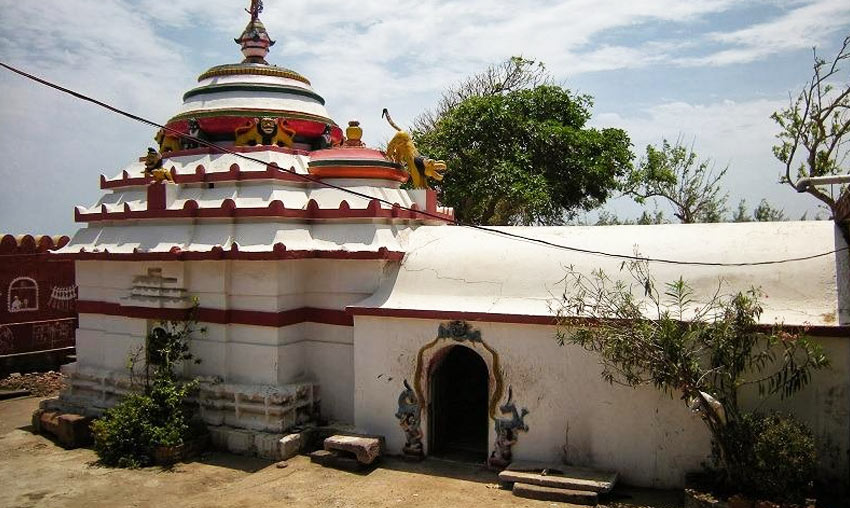
According to the Odisha Review article on Kuruma, the images are housed in a small temple and are jointly worshipped by local people as Yamadharma. This is a living local tradition associated with the ancient sculptures.
The tradition makes Kuruma especially interesting because the site combines archaeological remains with continuing community worship. Visitors should approach the shrine respectfully and follow local customs.
Kuruma Buddhist Site Timings and Entry Information
Visitor information for Kuruma is not as widely published as that for the Konark Sun Temple. Some tourism listings publish visiting hours of 10:00 AM to 5:00 PM, but a consistently updated official public schedule and confirmed entry tariff are not readily available.
- Published visiting hours: Some listings state 10:00 AM to 5:00 PM; confirm locally before visiting.
- Entry fee: No reliably confirmed current general visitor fee found.
- Ideal visit duration: Approximately 30–60 minutes, depending on access and interest.
- Best season: October to February.
- Visitor facilities: Confirm locally; do not assume that a ticket counter, guide service or other facilities are available.
As this is a relatively small archaeological site, visitors should check local access arrangements before making a special journey.
Best Time to Visit Kuruma
The most comfortable time to explore Kuruma is generally from October to February, when the weather in the Konark region is more suitable for outdoor sightseeing.
- October to November: Pleasant post-monsoon weather for exploring the archaeological site.
- December to February: Comfortable temperatures for heritage visits and sightseeing around Konark.
- March: Suitable for an early morning visit, although temperatures begin to rise.
- April to June: Summer heat can make outdoor exploration uncomfortable.
- July to September: Monsoon rainfall may affect local roads and outdoor access. Check conditions before travelling.
Morning visits are generally preferable, particularly during warmer months.
How to Reach Kuruma Buddhist Archaeological Site
Kuruma is located in Puri district, approximately 8 km from Konark according to the Puri District Administration. It can be reached by road through the Konark–Kakatpur route.
By Road from Konark
Konark is the most convenient starting point for visiting Kuruma. Travel along the Konark–Kakatpur road towards Bali Dokan Chowk, then follow the local road towards Kuruma village. The Odisha Tourism travel account describes the village as a short drive from the junction.
By Road from Puri
Visitors travelling from Puri can reach Kuruma by road via the Konark region. The Puri District Administration lists the distance from Puri as approximately 43 km.
By Train
Puri Railway Station is the nearest major railway station. From Puri, visitors can hire a taxi or arrange road transport to Kuruma through Konark.
By Air
Biju Patnaik International Airport in Bhubaneswar is the nearest major airport. From the airport, visitors can travel towards Konark by road and continue to Kuruma village.
Distance from Major Places
- Konark Sun Temple: Approximately 8 km
- Konark town: Approximately 8 km
- Puri: Approximately 43 km
- Puri Railway Station: Approximately 43 km by road
- Bhubaneswar Airport: Approximately 68 km, according to the Puri District Administration
Distances are approximate and may vary according to the starting point and selected route.
Places to Visit Near Kuruma in the Konark Region
Kuruma can be included in a Konark sightseeing plan along with the town’s main heritage attractions.
1. Konark Sun Temple
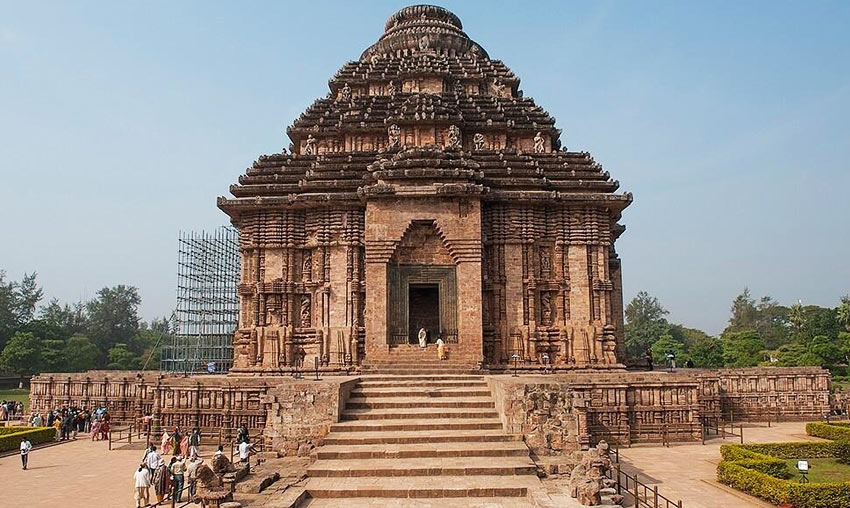
Konark Sun Temple is the region’s principal heritage attraction and a UNESCO World Heritage Site. It is famous for its monumental stone chariot design, carved wheels and detailed sculptures.
2. ASI Sun Temple Museum
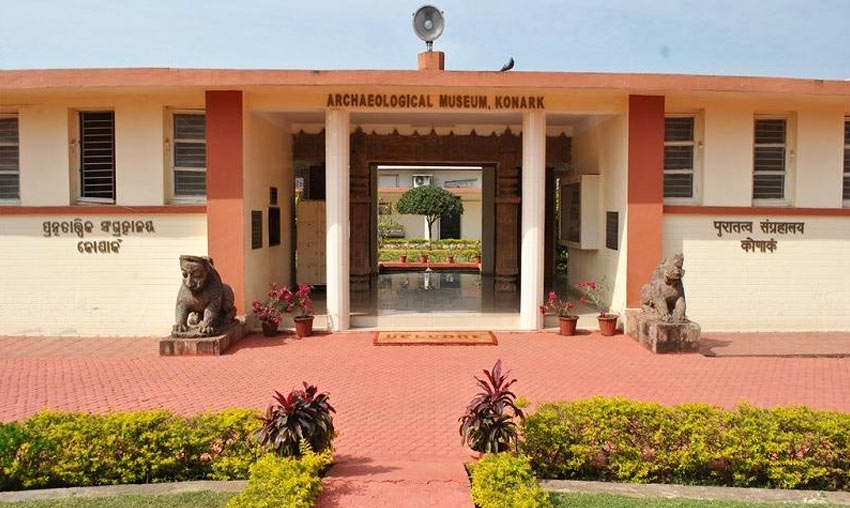
ASI Sun Temple Museum preserves sculptures and architectural fragments recovered from the Konark Sun Temple complex. Its galleries offer visitors a closer look at the region’s medieval stone art.
3. Chandrabhaga Beach
Chandrabhaga Beach is a well-known coastal attraction near Konark, popular for its sunrise views and religious significance.
4. Ramachandi Temple and Beach
Ramachandi Temple and Beach is located along the Puri–Konark Marine Drive and is known for its temple, river landscape and coastal surroundings.
Suggested Konark Sightseeing Itinerary
Kuruma can be included in a full-day Konark heritage itinerary. Because it is a smaller archaeological site, it is best visited along with the main attractions of the region.
- Morning: Start with the Konark Sun Temple and explore its architecture.
- Late morning: Visit the ASI Sun Temple Museum, subject to its opening schedule.
- Afternoon: Travel towards Kuruma village and explore the excavated Buddhist monastery and sculptures, if site access is available.
- Later in the day: Visit Chandrabhaga Beach or Ramachandi, depending on your time and travel plan.
Confirm access to Kuruma locally before including it in a tightly scheduled itinerary.
Visitor Tips for Kuruma Buddhist Archaeological Site
- Check local access and visiting arrangements before travelling.
- Wear comfortable footwear for walking around uneven archaeological remains.
- Do not climb on, remove or disturb ancient brick structures.
- Do not touch or attempt to move sculptures and archaeological objects.
- Respect the local shrine and people who worship there.
- Ask permission before photographing worshippers or religious activities.
- Carry drinking water and sun protection, especially in warmer months.
- Do not litter the site or surrounding village.
- Consider visiting with a knowledgeable local guide if available.
Frequently Asked Questions About Kuruma Buddhist Archaeological Site
1. Where is Kuruma Buddhist Archaeological Site located?
Kuruma is located in Kuruma village, Puri district, Odisha, approximately 8 km from Konark.
2. What is Kuruma famous for?
Kuruma is known for the excavated remains of an ancient Buddhist monastery, its twelve monastic cells, central courtyard and Buddhist sculptures.
3. How old is the Kuruma Buddhist site?
The excavated monastery is generally dated to the 9th–10th century CE based on recovered archaeological material and structural remains.
4. Who discovered the Kuruma Buddhist site?
The site came to attention in the early 1970s after local schoolteacher Brajabandhu Das found a stone slab depicting Buddha in Bhumisparsha Mudra.
5. When was Kuruma excavated?
The Odisha State Archaeology Department carried out systematic excavations between 1971 and 1975.
6. What are the main sculptures found at Kuruma?
Important sculptures include Buddha in Bhumisparsha Mudra, Avalokitesvara or Padmapani and an image identified as Revanta.
7. How many cells were found in the Buddhist monastery?
The excavated monastery is described as having twelve cells arranged around a central courtyard, with three cells on each side.
8. How far is Kuruma from Konark Sun Temple?
Kuruma is approximately 8 km from the Konark Sun Temple.
9. Is there an entry fee for Kuruma?
A confirmed current general entry fee is not reliably published. Visitors should check local arrangements before visiting.
10. Can Kuruma be visited along with Konark Sun Temple?
Yes. Kuruma is close to Konark and can be included in a day trip covering the Sun Temple and other main attractions, provided local access is available.
Explore More Attractions in Konark
Kuruma Buddhist Archaeological Site offers a valuable look into the Buddhist heritage of the Konark region. Its excavated monastery, ancient brick structures and Buddhist sculptures make it an interesting destination for visitors who want to explore the area’s history beyond the famous Sun Temple.
Continue planning your journey with our complete Konark travel guide, featuring the region’s main heritage attractions, beaches and visitor information.
Nearby Places to Visit

Nearby Places to Visit