Ramachandi Temple & Beach, Konark – History, Architecture and Travel Guide
Ramachandi Temple and Beach is a beautiful coastal destination located along the Puri–Konark Marine Drive in Odisha. Known for its sacred shrine dedicated to Goddess Ramachandi, the meeting of the Kushabhadra River and the Bay of Bengal, and its peaceful natural surroundings, this destination offers a combination of spirituality, heritage and coastal beauty.
Located approximately 8 km from the Konark Sun Temple, Ramachandi is an important stop for travellers exploring the Konark region. The area features sandy shores, casuarina trees, river channels and scenic waterways. Visitors can offer prayers at the temple, enjoy the coastal landscape and explore the river by boat when local services and weather conditions permit.
Whether you are planning a short visit from Konark or a road trip along the Puri–Konark Marine Drive, Ramachandi is a worthwhile destination to include in your Odisha travel itinerary.
About Ramachandi Temple and Beach
Ramachandi is named after Goddess Ramachandi, the presiding deity of the local shrine. The temple is an important centre of Shakta worship in the Konark region and is traditionally associated with the religious identity of Arkakshetra, the sacred region surrounding the Sun Temple.
The beach is located near the mouth of the Kushabhadra River, where the river meets the Bay of Bengal. This natural setting creates a distinctive landscape of river channels, sandy banks, coastal vegetation and small riverine islands.
Unlike the busier beaches of Odisha, Ramachandi is known for its relatively peaceful surroundings. It is a suitable destination for visitors interested in temple heritage, photography, nature and coastal scenery.
History of Ramachandi Temple
Ramachandi Temple has a long-standing religious association with the Konark region. Local traditions regard Goddess Ramachandi as the presiding deity of Arkakshetra, the sacred landscape associated with the Sun Temple of Konark.
The Puri District Administration records the local belief that Goddess Ramachandi is the presiding deity of Konark. A detailed architectural study published in Odisha Review in 2007 describes the shrine as an important Shakta temple situated approximately 8 km south of the Konark Sun Temple.
According to one historical tradition discussed in the architectural study, the Goddess was originally worshipped in the south-western corner of the Konark temple courtyard and was later shifted to the present shrine. Different historical and religious accounts describe this association differently, so it is best understood as a traditional account rather than a fully established construction history.
The present temple is a relatively modest structure compared with the monumental Sun Temple. However, its religious importance and association with the coastal landscape have made it an important local place of worship.
Goddess Ramachandi – The Presiding Deity
The main deity of Ramachandi Temple is Goddess Ramachandi, worshipped as a form of Shakti. She is revered by devotees as a protective manifestation of the Divine Mother.
The shrine is associated with the wider Shakta traditions of Odisha, where different forms of Goddess Durga and Chandi are worshipped as manifestations of feminine divine power. Devotees visit the temple to offer prayers and seek blessings for protection, well-being and prosperity.
The temple’s religious identity is closely linked with the coastal region and the sacred landscape around Konark. Its location near the river mouth and the sea gives the shrine a distinctive setting among Odisha’s coastal temples.
Religious Significance of Ramachandi Temple
Ramachandi is considered an important Shakta shrine in the Konark region. The Goddess is traditionally regarded as the presiding deity of Arkakshetra, making the temple an important religious stop for devotees visiting the Sun Temple and nearby sacred places.
The temple is also associated with local festivals and seasonal worship. Devotees from nearby villages visit the shrine throughout the year, while special religious observances attract additional visitors.
For travellers interested in Odisha’s religious heritage, Ramachandi offers an opportunity to explore a local Shakti shrine beyond the better-known monuments of Konark.
Architecture of Ramachandi Temple
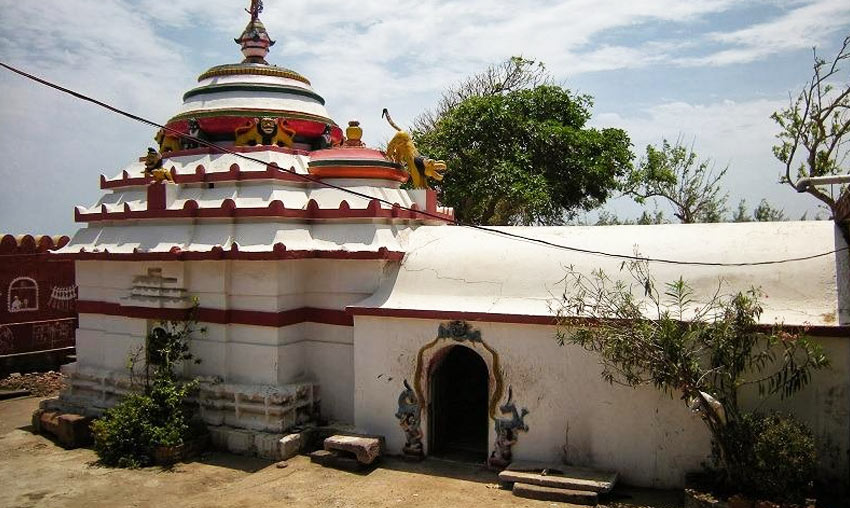
Ramachandi Temple follows the traditional Kalinga architectural style of Odisha. Although it is relatively modest in scale compared with the grand Sun Temple of Konark, it remains an interesting example of the region’s temple-building traditions.
Vimana – Main Shrine
The Vimana is the principal structure containing the sanctum of the Goddess. The architectural study published in Odisha Review describes it as a Pancharatha Pidha Deula, with a height of approximately 30 feet from the temple complex level.
The structure consists of traditional architectural components, including the Pista, Bada, Gandi and Mastaka. These elements reflect the established vocabulary of Odisha temple architecture.
Jagamohana – Assembly Hall
The temple complex includes a Jagamohana, the traditional assembly hall situated in front of the main shrine. The architectural study describes an open, flat-roofed mandapa in front of the Jagamohana.
Temple Materials and Sculptures
The architectural study records the use of sandstone, laterite and bricks in the temple’s construction. It also describes subsidiary deity images and sculptural details on the exterior of the shrine.
Images identified in the study include a headless Buddha figure, a four-armed Devi and Biranchi-Narayana. These sculptures add archaeological interest to the temple and reflect the region’s layered religious history.
Ramachandi Beach – Where the River Meets the Sea
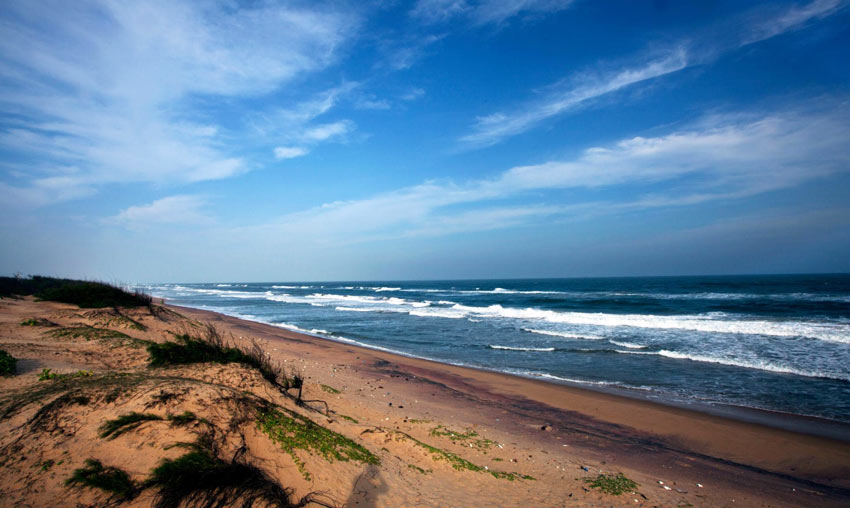
Ramachandi Beach is one of the attractive coastal locations along the Puri–Konark Marine Drive. The beach is known for its natural landscape, where the Kushabhadra River flows towards the Bay of Bengal.
The meeting of river and sea creates a scenic environment with sandy banks, water channels, casuarina vegetation and small islands. The contrast between the river landscape and the open coastline makes the area appealing to photographers and nature lovers.
Odisha Tourism highlights the river-sea landscape, the sacred temple and the peaceful coastal setting as the main attractions of Ramachandi.
Things to See at Ramachandi Beach
- River and sea confluence: Enjoy views of the Kushabhadra River as it approaches the Bay of Bengal.
- Casuarina trees: Explore the coastal vegetation and shaded surroundings.
- Sandy shoreline: Spend time enjoying the natural beach landscape.
- Riverine islands: Observe the small islands and waterways around the river mouth.
- Coastal photography: Capture the sea, river, temple surroundings and natural scenery.
Boating and Water Activities at Ramachandi
Boating on the Kushabhadra River is one of the experiences associated with Ramachandi. Odisha Tourism highlights scenic boat rides through the riverine islands and nearby waterways.
The Puri District Administration also mentions water sports and boating in the Kushabhadra River. These activities can depend on local operators, seasonal arrangements, water conditions and weather.
Availability of particular activities, routes and charges can change. Visitors should confirm the current arrangements locally before planning a boat trip.
Important Water Safety Guidelines
- Use only locally authorised or properly operated boat services.
- Wear a life jacket during boat rides.
- Follow the boat operator’s instructions and avoid overcrowding.
- Do not enter the river mouth or sea during rough weather or strong currents.
- Swimming should not be attempted unless local authorities confirm that conditions are safe.
- Check weather and sea conditions before planning water activities.
Festivals and Religious Celebrations
Ramachandi Temple observes traditional forms of worship associated with Goddess Shakti. The shrine is connected with local religious traditions and seasonal celebrations.
Ramachandi Puja
Ramachandi Puja is dedicated to the presiding Goddess of the temple. Devotees visit the shrine to offer prayers and participate in traditional worship.
Handi Bhanga Yatra
Handi Bhanga Yatra is associated with local celebrations at the Ramachandi shrine. It is a traditional observance connected with the temple and its surrounding community.
Visitors interested in attending the festival should confirm the annual date and programme locally because the schedule may vary.
Durga Puja and Other Shakta Observances
Durga Puja and other traditional observances dedicated to Goddess Shakti are important in the religious culture of the region. Local rituals and temple arrangements may vary during different festival periods.
Ramachandi Temple and Beach Timings & Entry Fee
According to the Odisha Tourism destination listing, Ramachandi Beach is generally open from 5:00 AM to 6:00 PM, with no general entry fee listed for visitors.
- Published visiting hours: 5:00 AM – 6:00 PM
- General entry fee: Free, according to Odisha Tourism
- Ideal visit duration: Approximately 2 hours
- Best visiting season: October to March
- Boat ride charges: Depend on local operator and current availability
Temple worship timings may differ from the beach’s published visiting hours. Visitors should confirm the current darshan schedule locally, especially during festivals and special religious occasions.
Best Time to Visit Ramachandi Temple and Beach
The best time to visit Ramachandi is from October to March, when the weather is generally more comfortable for sightseeing and outdoor activities along the Odisha coast.
- October to November: A pleasant period for temple visits and coastal sightseeing, subject to post-monsoon weather.
- December to February: Comfortable temperatures for exploring the beach, river landscape and nearby attractions.
- March: Suitable for early morning and late afternoon visits, although temperatures begin to rise.
- April to September: Hot, humid and affected by monsoon conditions. Check weather and sea advisories before travelling.
Early morning and late afternoon are generally the most comfortable times to explore the beach. The east-facing coastline also offers opportunities to enjoy sunrise views when weather conditions are clear.
How to Reach Ramachandi Temple and Beach
Ramachandi is located along the Puri–Konark Marine Drive in Puri district, Odisha. It is easily accessible by road from both Konark and Puri.
By Road
Road travel is the most convenient way to reach Ramachandi. The destination lies along the scenic Marine Drive connecting Puri and Konark. Taxis, private cars and local transport can be arranged from either town.
By Train
Puri Railway Station is the nearest major railway station. From the station, visitors can hire a taxi or arrange a private vehicle to reach Ramachandi.
By Air
Biju Patnaik International Airport in Bhubaneswar is the nearest major airport. Visitors can travel from the airport to Puri or Konark by road and continue along the Marine Drive to reach Ramachandi.
Distance from Major Places
- Konark Sun Temple: Approximately 8 km
- Chandrabhaga Beach: Approximately 5–6 km
- Puri town: Approximately 25–30 km
- Puri Railway Station: Approximately 30 km
- Bhubaneswar Airport: Approximately 60–80 km, depending on route
Distances are approximate and may vary according to the route and starting point. Check a live map before departure.
Places to Visit Near Ramachandi Temple and Beach
Ramachandi is surrounded by important attractions in the Konark region. Visitors can combine these destinations into a one-day sightseeing trip.
1. Konark Sun Temple
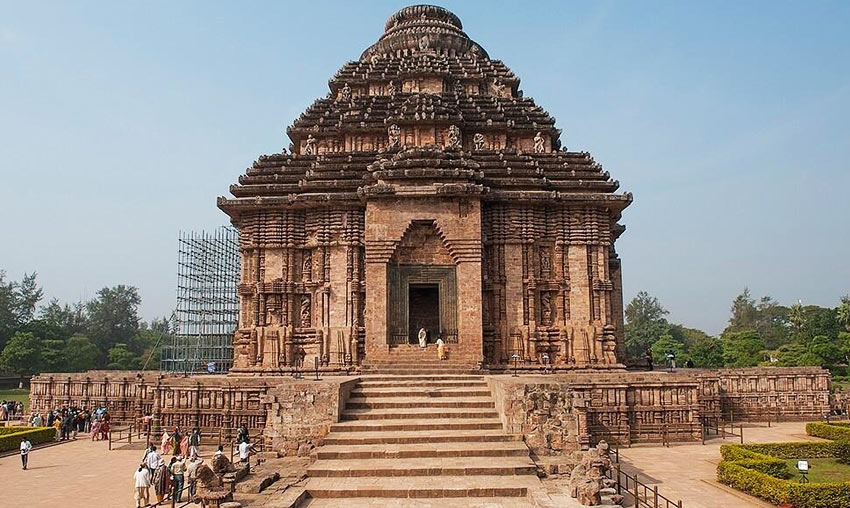
Konark Sun Temple is a UNESCO World Heritage Site famous for its monumental stone chariot design, detailed sculptures and remarkable Kalinga architecture. It is the principal heritage attraction of Konark.
2. Chandrabhaga Beach
Chandrabhaga Beach is known for its sunrise views, coastal scenery and religious significance. It is a popular stop near the Konark Sun Temple.
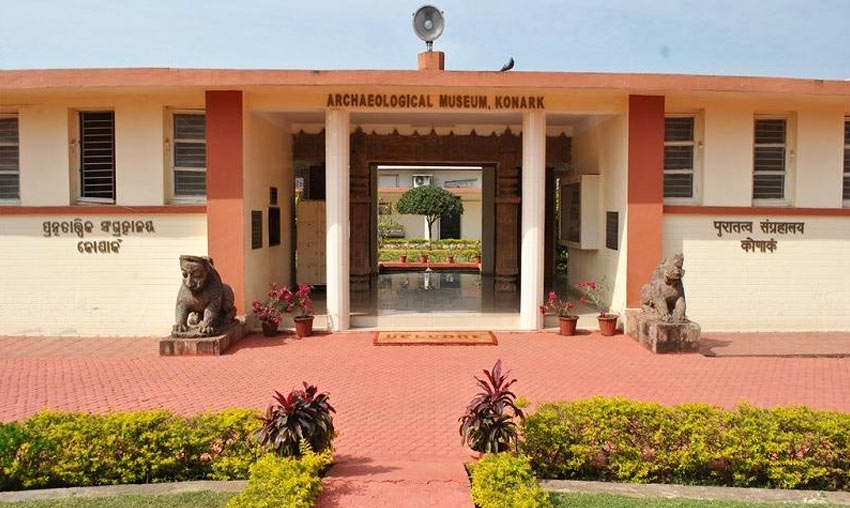
3. ASI Sun Temple Museum
ASI Sun Temple Museum preserves sculptures and architectural fragments recovered from the Konark Sun Temple complex. It is an important stop for visitors interested in the history and art of the monument.
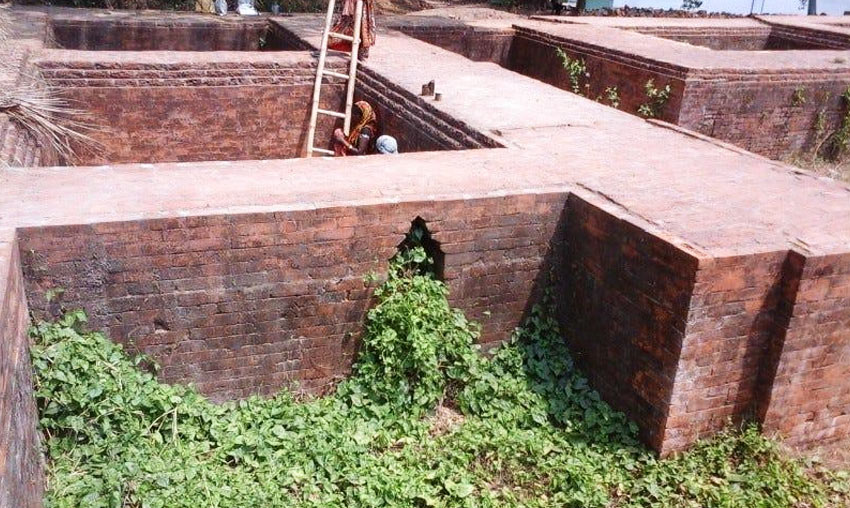
4. Kuruma Buddhist Archaeological Site
Kuruma Buddhist Archaeological Site is known for its excavated monastery remains and Buddhist sculptures dating approximately to the 9th–10th century CE.
Suggested One-Day Itinerary
Ramachandi can be included in a one-day Konark sightseeing plan from Puri or as a short excursion from Konark.
- Morning: Leave Puri and drive along the Puri–Konark Marine Drive.
- First stop: Visit Ramachandi Temple and offer prayers to Goddess Ramachandi.
- Next: Explore the beach and enjoy the river-sea landscape.
- Late morning: If available and conditions permit, enjoy a boat ride on the Kushabhadra River.
- Afternoon: Continue towards Chandrabhaga Beach and Konark Sun Temple.
- Evening: Return to Puri or stay in the Konark area.
Allow additional time for road travel, temple visits and any boat activity. Do not plan a boat ride if local weather or water conditions are unsuitable.
Travel Tips for Visitors
- Carry drinking water, sunscreen, sunglasses and a hat.
- Wear comfortable footwear for walking on sand and uneven ground.
- Dress respectfully when visiting the temple.
- Confirm boat ride availability and charges before boarding.
- Use life jackets during boating and follow local safety instructions.
- Avoid swimming in unfamiliar river or sea waters.
- Do not litter the beach, riverbanks or temple surroundings.
- Respect local worshippers and ask permission before photographing people or temple rituals.
- Check weather advisories during the monsoon and cyclone seasons.
Frequently Asked Questions About Ramachandi Temple and Beach
1. Where is Ramachandi Temple located?
Ramachandi Temple is located near the Kushabhadra River mouth along the Puri–Konark Marine Drive in Puri district, Odisha.
2. How far is Ramachandi from Konark Sun Temple?
Ramachandi is approximately 8 km from Konark Sun Temple by road.
3. Which Goddess is worshipped at Ramachandi Temple?
Goddess Ramachandi, a revered form of Shakti, is the presiding deity of the temple.
4. Why is Ramachandi Beach famous?
Ramachandi Beach is known for its scenic location near the meeting point of the Kushabhadra River and the Bay of Bengal, its peaceful coastal setting and its nearby temple.
5. Can visitors enjoy boating at Ramachandi?
Boating is an activity associated with the Kushabhadra River near Ramachandi. Availability and charges depend on local operators, weather and water conditions.
6. What are the visiting hours of Ramachandi Beach?
Odisha Tourism lists the beach visiting hours as 5:00 AM to 6:00 PM. Temple darshan timings may differ.
7. Is there an entry fee at Ramachandi Beach?
Odisha Tourism lists general entry as free. Boat rides and other locally operated activities may involve separate charges.
8. What is the best time to visit Ramachandi?
October to March is generally the most comfortable season for visiting Ramachandi Temple and Beach.
9. Can Ramachandi be visited with Konark Sun Temple?
Yes. Ramachandi is approximately 8 km from the Sun Temple and can easily be included in the same sightseeing trip.
10. Is swimming safe at Ramachandi Beach?
Visitors should not assume that swimming is safe. River-mouth currents and changing sea conditions can be dangerous. Follow local safety advice and avoid entering the water when conditions are uncertain.
Explore More Attractions in Konark
Ramachandi Temple and Beach offers a memorable combination of religious heritage and coastal scenery. From the sacred shrine of Goddess Ramachandi to the river-sea landscape of the Kushabhadra, the destination provides a peaceful experience along Odisha’s famous Marine Drive.
Continue planning your trip with our complete Konark travel guide, featuring the main attractions, nearby beaches, heritage sites and travel information.
Nearby Places to Visit