Narendra Sarovar, Puri – History, Chandan Yatra, Significance & Travel Guide
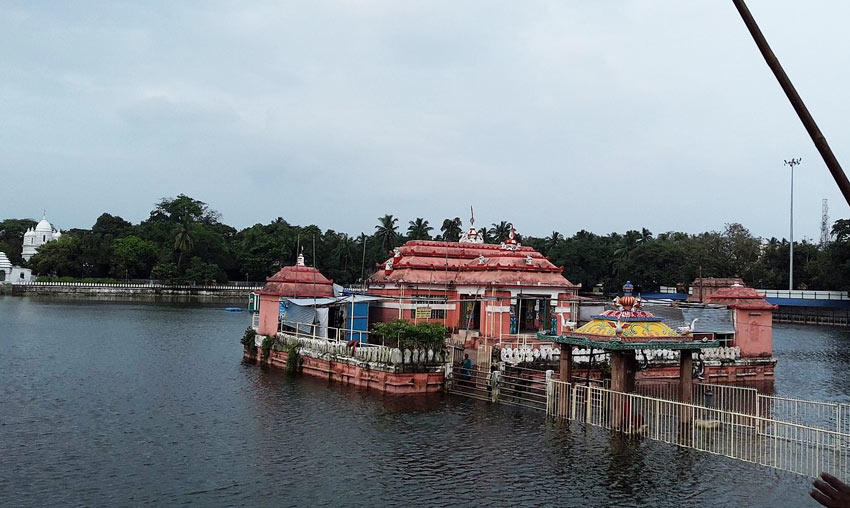
Narendra Sarovar, also known as Narendra Tank or Narendra Pokhari, is one of the most important sacred water bodies in Puri, Odisha. Located near the famous Shree Jagannath Temple, this historic tank holds a special place in the religious traditions and cultural heritage of the city.
The tank is particularly famous for its association with Chandan Yatra, one of the major festivals connected with Lord Jagannath. During the festival, representative deities are brought to Narendra Sarovar in ceremonial processions and taken on decorated boats across the water. This beautiful ritual, known as Chapa Khela, transforms the surroundings into a vibrant centre of devotion, music and traditional celebrations.
With its large water surface, stone ghats and a small temple situated on an island in the centre, Narendra Sarovar is both a spiritual landmark and a peaceful place to explore the heritage of Puri.
Narendra Sarovar Puri – Overview
| Details | Information |
|---|---|
| Name | Narendra Sarovar |
| Other Names | Narendra Tank, Narendra Pokhari, Sri Chandana Pukur |
| Location | Puri, Odisha, India |
| Type | Historic sacred tank |
| Religious Association | Lord Jagannath |
| Famous Festival | Chandan Yatra |
| Famous Ritual | Chapa Khela – ceremonial boat rides |
| Special Feature | Small temple on an island in the tank |
| Nearest Major Attraction | Shree Jagannath Temple |
| Nearest Railway Station | Puri Railway Station |
| Nearest Airport | Biju Patnaik International Airport, Bhubaneswar |
History of Narendra Sarovar
Narendra Sarovar has a long history connected with the religious and cultural development of Puri. It is traditionally associated with the Ganga dynasty period and the royal patronage of the Jagannath Temple.
According to the Incredible India tourism account, the tank was established in the 15th century during the reign of King Narendra Deva, after whom it is named. It became an important setting for religious activities associated with Lord Jagannath.
Historical accounts are not entirely uniform about the tank’s origin. Some traditions and historical discussions also associate its excavation with Narendra Mahapatra, a minister of the Ganga ruler Narasimha Deva. These accounts should be understood as differing historical traditions rather than a single conclusively established construction record.
Over time, Narendra Sarovar became an important part of Puri’s sacred landscape. Its association with Chandan Yatra helped establish it as one of the city’s most significant religious and cultural landmarks.
Why Is Narendra Sarovar Famous?
Narendra Sarovar is best known as the venue for the water-based ceremonies of Chandan Yatra. During this festival, representative images of Lord Jagannath and associated deities are brought to the tank in ceremonial processions.
The deities are taken on beautifully decorated boats across the water as part of traditional rituals. Devotees gather along the ghats to witness the celebrations, which include devotional music, religious activities and traditional performances.
The tank is also known for its central island, where a small temple is dedicated to Lord Jagannath, Lord Balabhadra and Goddess Subhadra. This island shrine adds to the religious importance and distinctive appearance of Narendra Sarovar.
Chandan Yatra at Narendra Sarovar
Chandan Yatra is one of the most important annual festivals associated with Lord Jagannath in Puri. It is traditionally observed during the summer season, generally in the month of Vaishakha, which usually falls in April or May.
The festival is associated with sandalwood paste, ceremonial processions and water-based rituals. The use of sandalwood is traditionally connected with providing a cooling effect during the hot summer months.
During the festival, the representative deity Shri Madan Mohan, along with Bhudevi and Sridevi and other associated deities, is taken in a ceremonial procession to Narendra Sarovar.
Chandan Yatra is traditionally divided into two periods:
1. Bahara Chandan – The Outer Chandan Yatra
The first 21 days are known as Bahara Chandan or the outer Chandan Yatra. During this period, the representative deities are brought from the Jagannath Temple to Narendra Sarovar in ceremonial processions.
The festival includes the traditional boat rituals in which the deities are taken across the tank in decorated boats. The celebrations attract devotees and visitors who gather around the ghats to witness the religious ceremonies.
2. Bhitara Chandan – The Inner Chandan Yatra
The following 21 days are traditionally known as Bhitara Chandan or the inner Chandan Yatra. These rituals are performed within the temple premises rather than as the public boat celebrations at Narendra Sarovar.
The two periods together form the traditional 42-day Chandan Yatra observance associated with Puri.
Chapa Khela – The Traditional Boat Festival
Chapa Khela is one of the most fascinating parts of Chandan Yatra at Narendra Sarovar. The term refers to the ceremonial boat activities performed as part of the festival.
During the celebrations, the representative deities are taken on decorated boats across the tank. The boats move through the water as devotees watch the rituals from the surrounding ghats.
Traditional music, devotional singing and festive activities create a distinctive atmosphere around the water body. The boat ceremonies are not simply recreational activities; they form an important part of the religious traditions associated with Lord Jagannath.
For visitors interested in Odisha’s living cultural heritage, Chapa Khela offers an opportunity to experience a unique aspect of Puri’s temple traditions.
Pancha Pandava and the Chandan Yatra Tradition
The Chandan Yatra at Narendra Sarovar also includes the traditional participation of Shiva images associated with five temples, popularly known as the Pancha Pandava.
According to the Government of Odisha’s description of Chandan Yatra, the representative images of Rama, Krishna, Madanmohan, Sridevi and Bhudevi are taken in procession to Narendra Tank. Shiva images from five temples also accompany them during the outer Chandan period.
These deities participate in the traditional ceremonies and boat rituals at the tank. This reflects the interconnected religious traditions of Puri, where different forms of Hindu worship are represented within the wider Jagannath culture.
Architecture and Layout of Narendra Sarovar
Narendra Sarovar is a large historic water tank with stone ghats along its sides. The stepped edges provide access to the water and form an important part of the traditional design of the sacred water body.
One of its most distinctive features is the small island situated in the centre of the tank. The island houses a temple dedicated to Lord Jagannath, Lord Balabhadra and Goddess Subhadra.
The surrounding ghats and the central island create a visually distinctive setting. During Chandan Yatra, the decorated boats and ceremonial activities add to the beauty and cultural significance of the place.
The Island Temple at Narendra Sarovar
A small temple located on an island in the middle of Narendra Sarovar is one of its most recognisable features. The shrine is dedicated to the three principal deities of the Jagannath tradition – Lord Jagannath, Lord Balabhadra and Goddess Subhadra.
The temple becomes particularly important during Chandan Yatra, when the ceremonial boat activities take place around the island. Its position in the centre of the water body gives Narendra Sarovar a distinctive religious and architectural character.
Religious Significance of Narendra Sarovar
Narendra Sarovar is closely connected with the devotional traditions of Shree Jagannath Temple. Its importance comes from the annual rituals and festivals that bring the deities and devotees together outside the main temple complex.
The Chandan Yatra ceremonies represent an important part of the annual religious calendar of Puri. The festival also demonstrates the tradition of bringing representative deities into public spaces, allowing devotees to participate in celebrations beyond the main temple premises.
The tank is also a place where visitors can observe the relationship between sacred water bodies, temple rituals and community life in Odisha.
Narendra Sarovar Timings and Entry Information
Narendra Sarovar is a public historic water body rather than a conventional temple with a single daily darshan schedule. Public travel listings describe it as generally accessible during daylight hours, but a fixed official opening and closing schedule could not be confirmed.
| Visitor Information | Details |
|---|---|
| Opening Hours | No confirmed fixed official schedule |
| Suggested Visiting Period | Daylight hours |
| Entry Fee | No confirmed official fee information available |
| Best Festival Experience | Chandan Yatra |
| Suggested Visit Duration | Approximately 30–45 minutes outside major festival periods |
Important: Access to the ghats, island shrine and festival areas may vary depending on local arrangements. Confirm current access and any applicable restrictions locally before visiting. Do not assume that boating is available to ordinary visitors; the ceremonial boats are part of the religious festival.
Best Time to Visit Narendra Sarovar
The best time to explore Puri is generally from October to February, when the weather is more comfortable for sightseeing and outdoor activities.
For visitors interested in the religious and cultural importance of Narendra Sarovar, Chandan Yatra is the most special time to visit. The festival usually takes place during April and May, with the outer Chandan celebrations bringing the ceremonial boat rituals to the tank.
Summer temperatures in Puri can be high, so visitors attending Chandan Yatra should plan their travel carefully, stay hydrated and follow local crowd-management instructions.
Outside festival periods, early morning and late afternoon are suitable times to enjoy the surroundings and observe the historic water body in a relatively calm atmosphere.
How to Reach Narendra Sarovar, Puri
By Road
Narendra Sarovar is located within Puri town and can be reached by auto-rickshaw, cycle-rickshaw, taxi or private vehicle. It is situated northeast of the famous Jagannath Temple and is easily included in a local sightseeing trip.
By Train
Puri Railway Station is the nearest major railway station. Visitors can hire an auto-rickshaw or taxi from the station to reach Narendra Sarovar.
By Air
The nearest major airport is Biju Patnaik International Airport in Bhubaneswar. From the airport, visitors can travel to Puri by road or train and then use local transport to reach Narendra Sarovar.
Places to Visit Near Narendra Sarovar
1. Shree Jagannath Temple
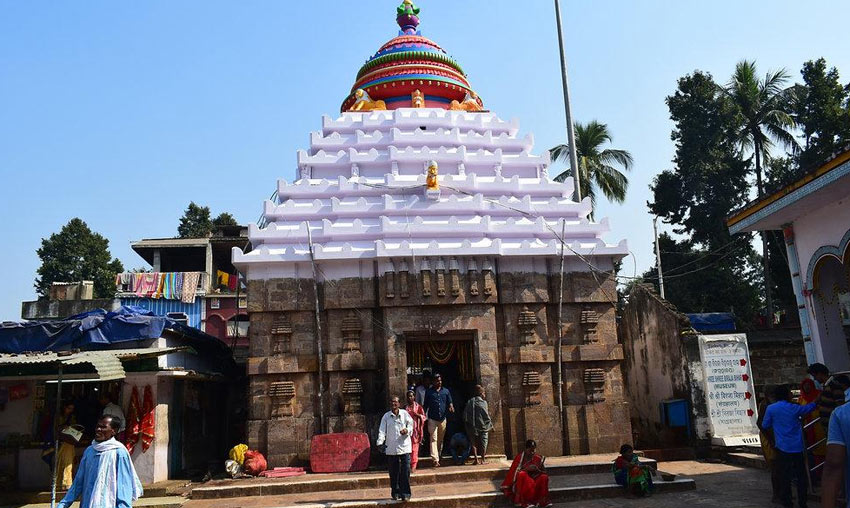
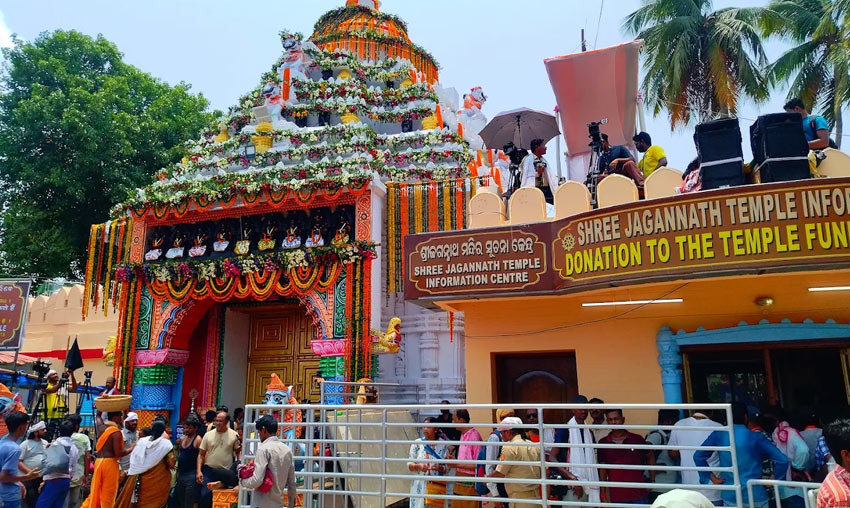
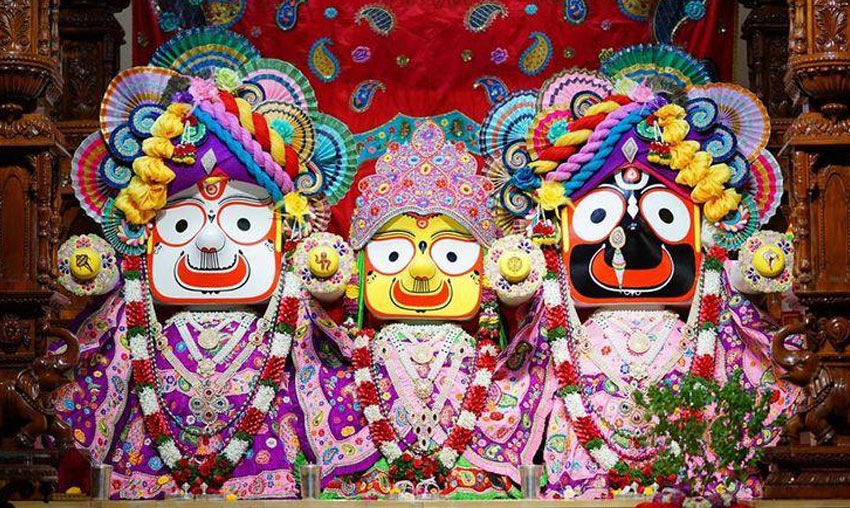
Shree Jagannath Temple is the most famous pilgrimage destination in Puri and the spiritual centre of the city’s religious traditions. The temple is closely associated with the Chandan Yatra ceremonies held at Narendra Sarovar.
2. Gundicha Temple
Gundicha Temple is an important destination associated with the annual Rath Yatra. It is traditionally regarded as the place where the deities stay during the festival.
3. Loknath Temple
Loknath Temple is a major Shiva shrine in Puri. It is famous for its submerged Shiva Lingam and its association with Pankoddhar Ekadashi and Maha Shivaratri.
4. Puri Beach and Golden Beach
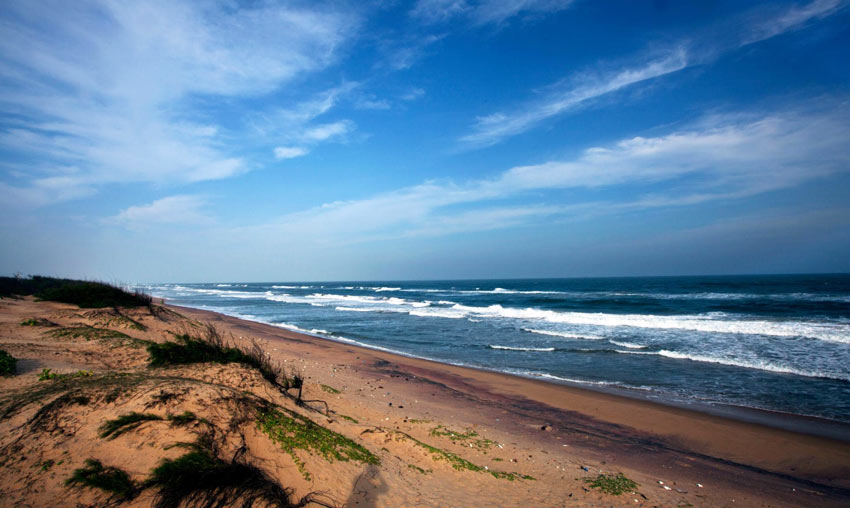
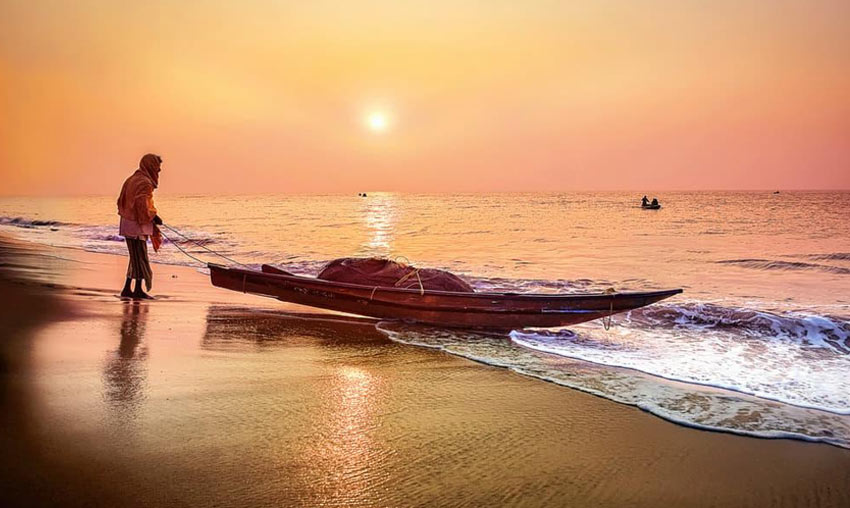
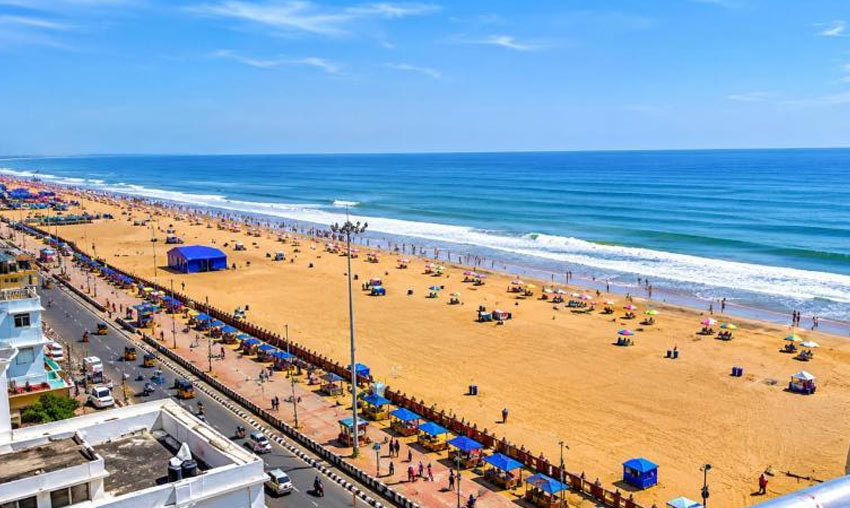
Puri Beach is a popular coastal destination known for its sunrise views, seaside atmosphere and local food. Golden Beach is the designated Blue Flag-certified stretch of the wider Puri coastline.
5. Swargadwar Beach
Swargadwar Beach is a well-known religious and coastal location in Puri, visited by pilgrims and tourists.
Suggested One-Day Puri Sightseeing Itinerary
Visitors interested in Puri’s religious heritage can include Narendra Sarovar in a one-day sightseeing plan.
- Morning: Visit Shree Jagannath Temple, subject to the current darshan schedule.
- Late Morning: Explore Narendra Sarovar and its surrounding ghats.
- Afternoon: Visit Loknath Temple and Gundicha Temple, checking their visiting arrangements in advance.
- Evening: Spend time at Puri Beach or Golden Beach.
If travelling during Chandan Yatra, plan your visit to Narendra Sarovar around the official festival programme. The boat ceremonies may take place during specific evening hours, and crowd conditions can affect the itinerary.
Travel Tips for Visiting Narendra Sarovar
- Visit during daylight hours for a comfortable sightseeing experience.
- Check local access arrangements before visiting the island temple or ghats.
- During Chandan Yatra, arrive early and follow the instructions of the local authorities.
- Do not enter the water unless bathing or access is specifically permitted.
- Avoid littering and help keep the historic water body clean.
- Respect religious ceremonies and avoid obstructing processions or ritual activities.
- Ask for permission before photographing people or restricted religious activities.
- Carry drinking water and sun protection during the summer festival season.
Frequently Asked Questions About Narendra Sarovar Puri
1. Where is Narendra Sarovar located?
Narendra Sarovar is located in Puri, Odisha, near the famous Shree Jagannath Temple. It is also known as Narendra Tank or Narendra Pokhari.
2. Why is Narendra Sarovar famous?
Narendra Sarovar is famous for its association with Chandan Yatra, during which representative deities are taken on ceremonial boat rides across the tank.
3. What is another name for Narendra Sarovar?
Narendra Sarovar is also known as Narendra Tank, Narendra Pokhari and Sri Chandana Pukur.
4. What is Chandan Yatra at Narendra Sarovar?
Chandan Yatra is an important festival associated with Lord Jagannath. During its outer 21-day period, representative deities are brought to Narendra Sarovar for traditional ceremonies and boat rituals.
5. What is Chapa Khela?
Chapa Khela refers to the ceremonial boat activities performed during Chandan Yatra. Decorated boats carry the representative deities across Narendra Sarovar as devotees gather along the ghats.
6. How many days does Chandan Yatra last?
The traditional Chandan Yatra observance lasts 42 days. The first 21 days are known as Bahara Chandan, while the following 21 days are known as Bhitara Chandan.
7. Is there a temple in the middle of Narendra Sarovar?
Yes. A small island in the centre of the tank houses a temple dedicated to Lord Jagannath, Lord Balabhadra and Goddess Subhadra.
8. What is the best time to visit Narendra Sarovar?
October to February is generally comfortable for sightseeing in Puri. Visitors interested in the religious celebrations should consider visiting during Chandan Yatra, usually held in April or May.
9. Is there an entry fee for Narendra Sarovar?
A current official entry fee could not be verified. Visitors should check local arrangements before their visit.
10. Can visitors enjoy boating at Narendra Sarovar?
The best-known boat rides at Narendra Sarovar are ceremonial activities associated with Chandan Yatra. Ordinary tourist boating availability should not be assumed and must be checked locally.
11. How far is Narendra Sarovar from Jagannath Temple?
Narendra Sarovar is located in the vicinity of Shree Jagannath Temple and can be included in the same local sightseeing plan. The exact travel distance depends on the route used.
12. What other places can be visited near Narendra Sarovar?
Visitors can explore Shree Jagannath Temple, Gundicha Temple, Loknath Temple, Puri Beach, Golden Beach and Swargadwar Beach during their stay in Puri.
Explore our complete Places to Visit in Puri travel guide for more information about temples, beaches, cultural attractions and nearby destinations.
Nearby Places to Visit
Nearby Places to Visit