Atharanala Bridge Puri – History, Architecture & Travel Guide
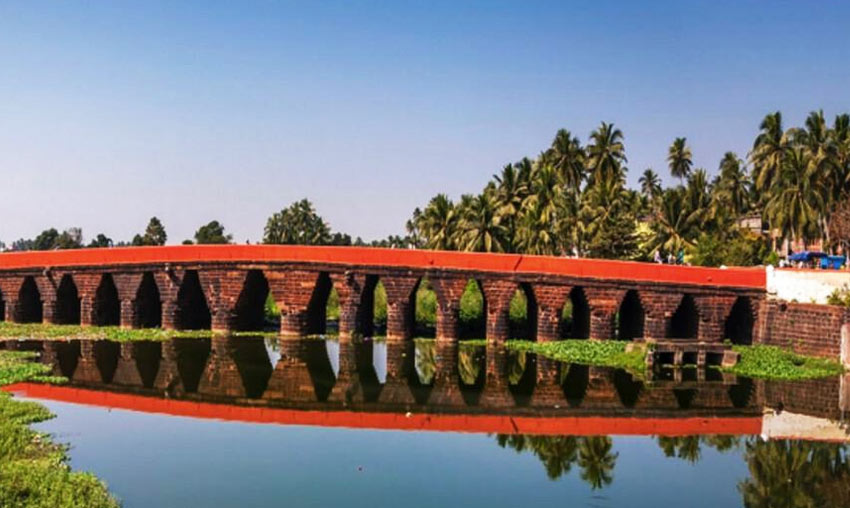
Atharanala Bridge, also known as Atharnala or Hulhuliya Bridge, is a historic architectural landmark in Puri, Odisha. Famous for its distinctive series of arches, the bridge stands near the entrance to the holy city of Puri and has long served as an important route for pilgrims, traders and local residents.
The name Atharanala refers to eighteen channels or openings. Built using traditional stone masonry, the bridge reflects the engineering skills and architectural heritage of Odisha. It is a worthwhile stop for visitors interested in the history of Puri beyond its famous temples and beaches.
Atharanala Bridge – Overview
- Location: Entrance area of Puri, Odisha, India
- Also Known As: Atharnala Bridge, Hulhuliya Bridge
- Famous For: Historic arched bridge and medieval-era architecture
- Structure: Stone bridge with multiple arches and spans
- Timings: Open throughout the day; it is a public bridge
- Entry Fee: No separate tourist entry fee
- Ideal Visit Duration: 15–30 minutes
- Best For: History, architecture and photography
Where Is Atharanala Bridge Located?
Atharanala Bridge is situated near the northern entrance of Puri, on the approach connecting Puri with Bhubaneswar and other parts of Odisha. It crosses a local watercourse and forms an important part of the city’s historic transport landscape.
Many visitors pass over or near the bridge while travelling towards Puri. Its location makes it convenient to include in a sightseeing trip covering Shree Jagannath Temple, Narendra Sarovar and other attractions around the city.
History of Atharanala Bridge
Atharanala Bridge is recognised as an important heritage structure associated with the historical development of Puri. For generations, it has served as a crossing point for people travelling towards the pilgrimage city.
Historical sources differ regarding the exact period in which the present bridge was constructed. An Odisha government tourism description associates it with the Ganga dynasty and the 13th century, while the Archaeological Survey of India’s Puri Circle identifies the existing bridge as a Maratha-period structure dating to approximately the 18th century. Visitors should therefore treat the precise construction date as a matter of differing historical records.
Importance as an Entrance to Puri
Puri has been an important pilgrimage destination for centuries. Atharanala Bridge formed part of the approach used by pilgrims and travellers entering the city. Its position made it an important link in the movement of people and goods.
During the British period, the bridge area was also associated with the collection of pilgrim taxes, according to historical accounts. This reflects the importance of Puri as a major religious destination in the region.
Architecture of Atharanala Bridge
The bridge is known for its traditional stone construction and repeated arched openings. Its design reflects the practical engineering methods used to create durable crossings over waterways before modern concrete bridges became common.
1. Series of Arches
The bridge is popularly associated with eighteen openings, which explain the meaning of its name. The arches and supporting piers form its most recognisable architectural feature.
2. Traditional Stone Construction
Historical descriptions identify laterite and sandstone among the materials used in the bridge. The masonry construction gives the structure its distinctive heritage appearance.
3. Historic Engineering
The bridge demonstrates how traditional builders created stable crossings using masonry piers, arches and carefully arranged stone blocks. Its continued presence makes it an interesting example of historic infrastructure.
4. Heritage Landmark
Atharanala is not simply a transport structure. It is part of the historical landscape of Puri and an important reminder of the city’s development as a centre of pilgrimage and regional exchange.
Why Is Atharanala Bridge Famous?
- It is a historic bridge near the entrance to Puri.
- It is known for its distinctive series of arches.
- It represents traditional stone masonry and engineering.
- It is connected with the historic movement of pilgrims towards Puri.
- It is recognised in government and heritage records as an important local landmark.
Best Time to Visit Atharanala Bridge
Atharanala Bridge can be visited throughout the year because it is a public landmark rather than a ticketed monument with fixed visitor hours.
October to February
This is generally a comfortable period for sightseeing in Puri. Pleasant weather makes it easier to explore the bridge and other nearby attractions.
March to June
Summer temperatures can be high. If you are exploring Puri during this season, plan outdoor sightseeing during the morning or late afternoon.
July to September
Monsoon brings rainfall to the region. The surrounding landscape may look greener, but visitors should take care around wet surfaces and traffic.
Atharanala Bridge Timings and Entry Fee
Atharanala Bridge is a public road bridge and does not have a separate tourist ticket counter. It is generally accessible throughout the day, subject to normal traffic and local restrictions.
- Opening Hours: Public access throughout the day
- Entry Fee: No separate tourist entry fee
- Visit Duration: Approximately 15–30 minutes
- Photography: View and photograph only from safe public areas
As the bridge is part of a road route, visitors should not stop vehicles in moving traffic or stand in unsafe locations for photographs.
How to Reach Atharanala Bridge
By Road
Atharanala Bridge is located on the approach to Puri and can be reached by taxi, auto-rickshaw or private vehicle. Visitors travelling from Bhubaneswar towards Puri may pass through the area.
By Train
Puri Railway Station is the nearest major railway station. From the station, visitors can hire a local taxi or auto-rickshaw to reach Atharanala Bridge.
By Air
Biju Patnaik International Airport in Bhubaneswar is the nearest major airport. Visitors can travel onwards to Puri by road or rail.
Places to Visit Near Atharanala Bridge
1. Shree Jagannath Temple
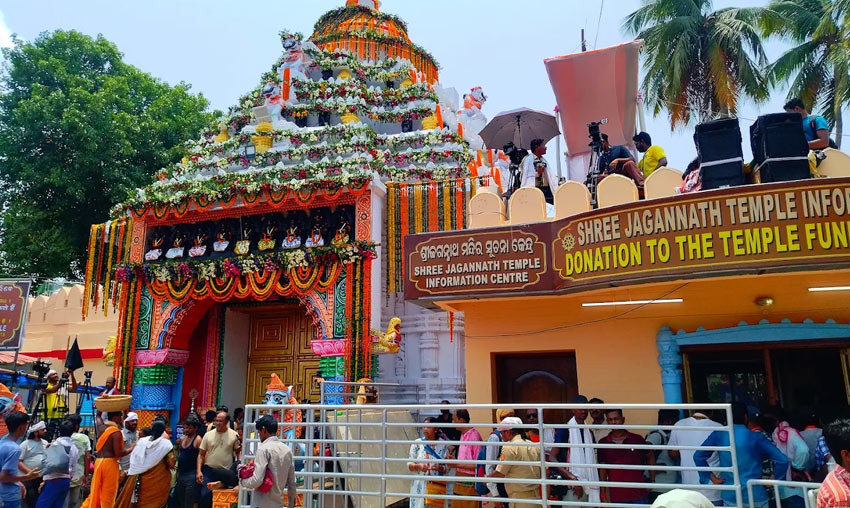
Shree Jagannath Temple is Puri’s most famous religious attraction. Dedicated to Lord Jagannath, Balabhadra and Subhadra, the temple is known for its ancient traditions, Mahaprasad and annual Rath Yatra.
2. Narendra Sarovar
Narendra Sarovar is a sacred water tank associated with Lord Jagannath and the Chandan Yatra festival. It is an important religious and cultural landmark in Puri.
3. Gundicha Temple
Gundicha Temple is an important destination during the annual Rath Yatra. Lord Jagannath, Balabhadra and Subhadra are traditionally brought here during the festival.
4. Loknath Temple
Loknath Temple is a revered shrine dedicated to Lord Shiva. It is known for its submerged Shiva Lingam and religious traditions.
5. Puri Beach and Golden Beach
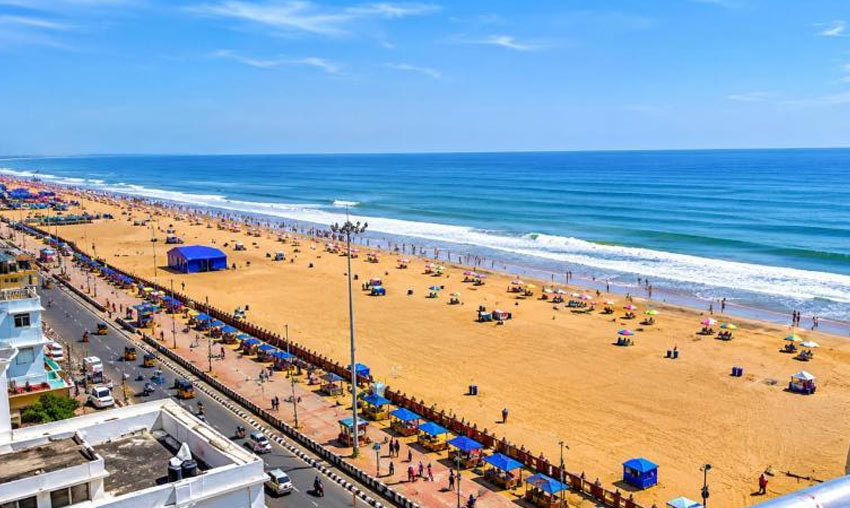
Puri Beach and Golden Beach are popular coastal attractions where visitors can enjoy the Bay of Bengal, beach walks and the designated Blue Flag beach stretch.
Suggested Puri Sightseeing Itinerary
- Morning: Visit Atharanala Bridge and explore its historic architecture.
- Late Morning: Visit Shree Jagannath Temple, subject to temple entry rules and darshan arrangements.
- Afternoon: Explore Narendra Sarovar and Gundicha Temple.
- Evening: Spend time at Puri Beach or Golden Beach.
Temple visits should be planned according to current darshan schedules and local traffic conditions.
Travel Tips for Visiting Atharanala Bridge
- Visit during daylight if you want to observe the bridge’s architectural details.
- Use safe public viewing areas for photography.
- Remember that the bridge is still associated with road movement.
- Do not block traffic or stand in the middle of the road.
- Combine the visit with other historical and religious attractions in Puri.
- Keep the heritage surroundings clean and avoid damaging the structure.
Frequently Asked Questions About Atharanala Bridge
1. Where is Atharanala Bridge located?
Atharanala Bridge is located near the entrance to Puri in Odisha, on the approach connecting the city with other parts of the state.
2. Why is Atharanala Bridge famous?
It is famous for its historic stone construction, series of arches and importance as an old crossing point for travellers entering Puri.
3. What does Atharanala mean?
Atharanala is commonly understood as referring to eighteen channels or openings, reflecting the bridge’s traditional name and architectural identity.
4. Who built Atharanala Bridge?
Historical sources differ. One Odisha government tourism account associates it with the Ganga dynasty, while ASI Puri Circle attributes the existing bridge to the Maratha period. The exact construction history should therefore be treated with caution.
5. Is there an entry fee for Atharanala Bridge?
No separate tourist entry fee is listed for the public bridge.
6. What are the visiting timings?
It is a public bridge and is generally accessible throughout the day, subject to normal traffic and local restrictions.
7. How much time is required to visit Atharanala Bridge?
Most visitors can spend around 15–30 minutes observing the structure and taking photographs from safe public areas.
8. Can Atharanala Bridge be visited along with Jagannath Temple?
Yes. It can be included in a Puri sightseeing itinerary along with Shree Jagannath Temple and other nearby attractions.
Official Heritage Information
For heritage details and historical descriptions, visitors can refer to the following sources:
Nearby Places to Visit




Nearby Places to Visit