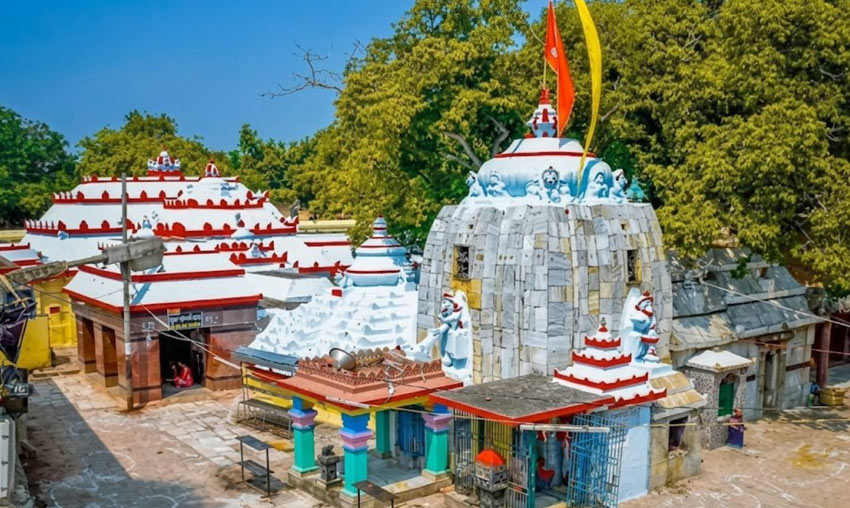
Loknath Temple, Puri – History, Religious Significance, Timings & Travel Guide
Loknath Temple, also known as Lokanath Temple, is one of the most sacred Shiva temples in Puri, Odisha. Dedicated to Lord Shiva, this ancient shrine holds a special place in the religious and cultural traditions of the holy city. While Puri is widely known for the famous Shree Jagannath Temple, Loknath Temple is an equally significant pilgrimage destination for devotees of Lord Shiva.
The temple is particularly famous for its unique Shiva Lingam, which remains submerged under water throughout the year due to a natural water source. Devotees get a special opportunity to see the Lingam when the water is removed on the occasion of Pankoddhar Ekadashi, shortly before Maha Shivaratri. This rare tradition makes Loknath Temple one of the most distinctive religious attractions in Puri.
Located approximately 2.5 kilometres west of Shree Jagannath Temple, Loknath Temple is an important stop for pilgrims exploring the spiritual heritage of Puri.
Loknath Temple Puri – Overview
| Details | Information |
|---|---|
| Temple Name | Loknath Temple (Lokanath Temple) |
| Location | Lokanath Road, Puri, Odisha, India |
| Main Deity | Lord Shiva |
| Religious Significance | One of the important Shaiva shrines of Odisha |
| Famous For | Submerged Shiva Lingam |
| Major Festival | Maha Shivaratri |
| Special Occasion | Pankoddhar Ekadashi |
| Temple Timings | Approximately 5:00 AM to 9:00 PM |
| Distance from Jagannath Temple | Approximately 2.5 km |
| Nearest Railway Station | Puri Railway Station |
| Nearest Airport | Biju Patnaik International Airport, Bhubaneswar |
History of Loknath Temple
Loknath Temple has a long-standing association with the religious history of Puri. It is regarded as one of the most important Shaiva shrines in Odisha and is closely connected with the spiritual traditions of the Jagannath Dham.
The exact date of the temple’s original construction is not firmly established in the available historical records. However, the shrine has been an important centre of Shiva worship for centuries and continues to attract devotees throughout the year.
According to a popular local legend, Lord Rama established the Shiva Lingam at this place while travelling towards Lanka in search of Goddess Sita. During his journey, Lord Rama wished to worship Lord Shiva. Local people from a nearby settlement called Sabarapalli offered him a vegetable known as Lau or Lauka, which reportedly resembled a Shiva Lingam.
Lord Rama is believed to have installed it as a representation of Lord Shiva and offered his prayers. The shrine was traditionally associated with the name Laukanatha, which later became known as Lokanatha or Loknath.
This account is a traditional religious legend rather than a conclusively documented historical event. It remains an important part of the temple’s local belief and devotional identity.
The Unique Submerged Shiva Lingam
The most remarkable feature of Loknath Temple is its Shiva Lingam, which remains submerged under water throughout the year. A natural spring continuously supplies water to the inner sanctum, keeping the Lingam covered.
Because of this unusual arrangement, devotees generally cannot see the complete Lingam during an ordinary visit. They worship Lord Loknath through the traditional arrangements provided at the temple.
The continuous presence of water is closely connected with local religious beliefs and the sacred identity of the shrine. For devotees, it represents a distinctive form of worship of Lord Shiva.
Pankoddhar Ekadashi – The Day When the Shiva Lingam Becomes Visible
Pankoddhar Ekadashi is one of the most important occasions at Loknath Temple. It is observed shortly before Maha Shivaratri, traditionally three days before the festival.
On this special occasion, the water accumulated around the Shiva Lingam is removed from the sanctum. The Lingam, which remains submerged during the rest of the year, becomes visible to devotees.
Thousands of pilgrims visit the temple to receive this rare darshan and offer prayers to Lord Loknath. The occasion is considered highly auspicious and holds immense religious importance among devotees of Lord Shiva.
The annual removal of water and the opportunity to see the Lingam make Pankoddhar Ekadashi one of the most distinctive religious observances in Puri.
Religious Significance of Loknath Temple
Loknath Temple occupies a special position in the spiritual landscape of Puri. Lord Loknath is regarded as an important guardian deity of the sacred city and is closely associated with the traditions of Shree Jagannath Temple.
A representative image of Lord Loknath, known as Bhandara Lokanatha, is also associated with Shree Jagannath Temple. According to temple tradition, Lord Loknath is regarded as the guardian of the Ratna Bhandar, the sacred treasury of Lord Jagannath.
The temple also reflects the religious relationship between Shaivism and Vaishnavism. Lord Shiva and Lord Vishnu are honoured together in several traditions and festivals connected with Puri.
Connection Between Loknath Temple and Jagannath Temple
Loknath Temple shares a deep religious connection with Shree Jagannath Temple. The association is reflected in several rituals and festivals in which Lord Loknath plays an important role.
Lord Loknath is traditionally connected with the protection of the sacred treasures of Lord Jagannath. The Bhandara Lokanatha representation at the Jagannath Temple reflects this relationship.
The Hari-Hara tradition, representing the spiritual unity of Lord Vishnu and Lord Shiva, is also an important part of Puri’s religious culture.
Visitors exploring the spiritual attractions of Puri can plan a visit to Shree Jagannath Temple along with Loknath Temple.
Architecture of Loknath Temple
Loknath Temple follows the traditional architectural arrangement associated with Odisha’s temple heritage. The complex consists of four principal parts, each serving a distinct religious and architectural purpose.
- Vimana: The main shrine where the presiding deity, Lord Loknath, is worshipped.
- Jagamohana: The entrance hall that connects the main shrine with the outer temple spaces.
- Natamandapa: The traditional hall associated with devotional and ceremonial activities.
- Bhogamandapa: The offering hall associated with the presentation of food and ritual offerings.
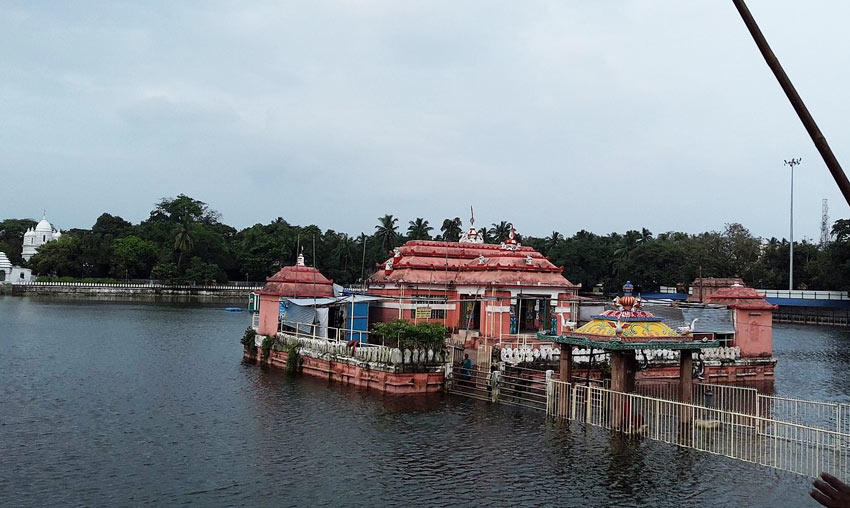
The temple complex also includes Parvati Sagara, a sacred pond situated within the premises. Devotees traditionally use the pond area as part of their visit before proceeding towards the shrine.
The architectural significance of Loknath Temple is complemented by its religious importance, making it a meaningful destination for visitors interested in the temple traditions of Odisha.
Parvati Sagara – The Sacred Pond
Parvati Sagara, also known locally as Parvati Sagar, is an important water body located within the Loknath Temple complex.
The pond is closely connected with the religious environment of the shrine. Devotees traditionally visit the pond and follow local customs before entering the temple area.
The presence of Parvati Sagara adds to the peaceful atmosphere of the temple complex and forms an important part of the visitor experience.
Major Festivals Celebrated at Loknath Temple
1. Maha Shivaratri
Maha Shivaratri is one of the biggest festivals celebrated at Loknath Temple. On this auspicious night, devotees gather in large numbers to worship Lord Shiva, observe fasting and participate in special religious rituals.
The temple becomes an important centre of Shiva devotion, and the festival attracts pilgrims from different parts of Odisha and other regions of India.
2. Pankoddhar Ekadashi
Pankoddhar Ekadashi is particularly famous because the water surrounding the Shiva Lingam is removed, allowing devotees to see the Lingam. It is one of the most significant annual occasions at the temple.
3. Saranti Somavar Fair
Saranti Somavar Fair is another important religious observance associated with Loknath Temple. Devotees visit the shrine and offer prayers to Lord Shiva during this occasion.
4. Chandan Yatra
Loknath Temple is also connected with the Chandan Yatra traditions of Puri. The festival is an important part of the religious calendar associated with Lord Jagannath and the city’s temple culture.
5. Sital Sasthi
Sital Sasthi is a traditional festival celebrating the divine marriage of Lord Shiva and Goddess Parvati. The observance reflects the strong Shaiva traditions of Odisha.
Loknath Temple Timings
According to the Odisha Hindu Religious Endowment Commission, the general temple timing is listed as 5:00 AM to 9:00 PM.
| Activity | Approximate Timing |
|---|---|
| Temple Opening | 5:00 AM |
| Temple Closing | 9:00 PM |
Important: These are general published timings. Daily rituals, special pujas, festival arrangements and local temple administration may affect visitor access. Confirm the current schedule before travelling, particularly during Maha Shivaratri and Pankoddhar Ekadashi.
Entry Fee and Darshan Information
Visitors should confirm the current entry arrangements directly at the temple. A reliable, current official entry-fee schedule was not available for verification while preparing this page.
- Follow the instructions of temple authorities and sevayats.
- Respect the religious customs and traditions of the shrine.
- Ask about photography rules before taking pictures.
- During major festivals, expect larger crowds and possible changes to access arrangements.
- Special darshan of the visible Shiva Lingam is associated with Pankoddhar Ekadashi.
Best Time to Visit Loknath Temple
The most comfortable period to explore Puri is generally from October to February, when the weather is relatively pleasant for sightseeing and temple visits.
For devotees interested in the special religious traditions of Loknath Temple, Maha Shivaratri and Pankoddhar Ekadashi are especially significant occasions. These festivals can attract large crowds, so visitors should plan their journey and accommodation in advance.
Early morning is a good choice for a comparatively peaceful visit on ordinary days. Mondays and other auspicious occasions dedicated to Lord Shiva may also see increased devotional activity.
How to Reach Loknath Temple, Puri
By Road
Loknath Temple is located within Puri town and can be reached by auto-rickshaw, cycle-rickshaw, taxi or private vehicle. It is approximately 2.5 kilometres west of Shree Jagannath Temple.
By Train
Puri Railway Station is the nearest major railway station. From the station, visitors can hire an auto-rickshaw or taxi to reach Loknath Temple.
By Air
The nearest major airport is Biju Patnaik International Airport in Bhubaneswar, approximately 60 kilometres from Puri by road. From the airport, visitors can travel to Puri by taxi or other road transport and continue to the temple.
Places to Visit Near Loknath Temple
1. Shree Jagannath Temple
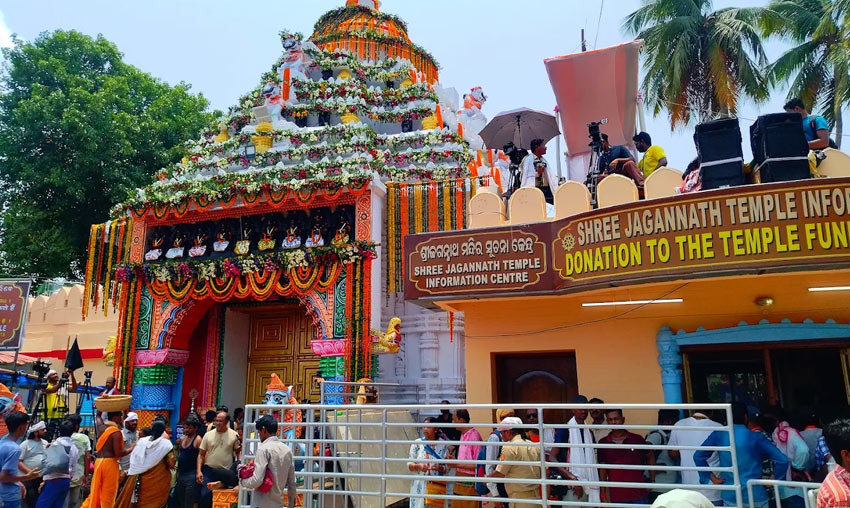
Shree Jagannath Temple is the most famous pilgrimage destination in Puri and one of the Char Dham sites in Hindu tradition. It is located approximately 2.5 kilometres east of Loknath Temple.
2. Gundicha Temple
Gundicha Temple is an important destination associated with the annual Rath Yatra of Lord Jagannath. It is traditionally known as the place where the deities stay during the festival.
3. Puri Beach and Golden Beach
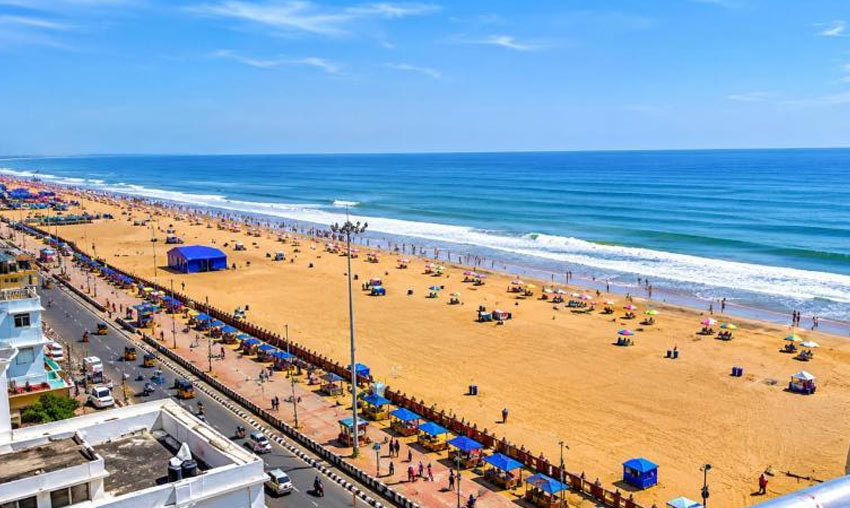
Puri Beach is a popular coastal attraction known for its sea views, sunrise and evening atmosphere. Golden Beach is the designated Blue Flag-certified stretch of the wider Puri coastline.
4. Narendra Sarovar
Narendra Sarovar is a historic sacred water tank associated with the religious traditions of Lord Jagannath and the Chandan Yatra festival.
5. Swargadwar Beach
Swargadwar Beach is another well-known religious and coastal location in Puri, visited by pilgrims and tourists.
Suggested One-Day Puri Temple Visit
Visitors interested in Puri’s religious heritage can include Loknath Temple in a wider temple sightseeing plan. A suggested sequence is:
- Begin the day with a visit to Shree Jagannath Temple, following the applicable darshan arrangements.
- Continue to Loknath Temple for prayers to Lord Shiva.
- Visit Parvati Sagara as part of the Loknath Temple complex.
- Explore Gundicha Temple, subject to its visiting hours and access arrangements.
- End the sightseeing day at Puri Beach or Golden Beach.
Allow sufficient time for darshan, local travel and festival-related crowds. The order can be adjusted according to temple timings and local traffic conditions.
Travel Tips for Visiting Loknath Temple
- Check the latest temple timings before starting your journey.
- Wear modest and comfortable clothing suitable for a religious place.
- Follow the instructions given by temple authorities.
- Keep personal belongings secure, especially during festival crowds.
- Ask before photographing the temple interiors or religious activities.
- For Pankoddhar Ekadashi and Maha Shivaratri, plan transport and accommodation well in advance.
- Do not assume that the submerged Shiva Lingam will be visible during an ordinary visit.
Frequently Asked Questions About Loknath Temple Puri
1. Where is Loknath Temple located?
Loknath Temple is located on Loknath Road in Puri, Odisha, approximately 2.5 kilometres west of Shree Jagannath Temple.
2. Who is the main deity of Loknath Temple?
The main deity of Loknath Temple is Lord Shiva, worshipped in the form of a Shiva Lingam.
3. What is Loknath Temple famous for?
Loknath Temple is famous for its Shiva Lingam, which remains submerged under water throughout the year due to a natural water source.
4. When can devotees see the Shiva Lingam at Loknath Temple?
The water surrounding the Lingam is traditionally removed on Pankoddhar Ekadashi, shortly before Maha Shivaratri. This allows devotees to see the Lingam on this special occasion.
5. What are the timings of Loknath Temple in Puri?
The Odisha Hindu Religious Endowment Commission lists general timings of approximately 5:00 AM to 9:00 PM. Special occasions and daily rituals may affect access, so visitors should confirm the schedule before travelling.
6. Is Loknath Temple connected with Jagannath Temple?
Yes. Lord Loknath is closely associated with the religious traditions of Shree Jagannath Temple and is regarded in local tradition as the guardian of its sacred treasury.
7. What is Parvati Sagara?
Parvati Sagara is a sacred pond situated within the Loknath Temple complex. It forms an important part of the temple’s religious surroundings.
8. Which is the most important festival at Loknath Temple?
Maha Shivaratri is one of the most important festivals at Loknath Temple. Pankoddhar Ekadashi is also especially significant because the submerged Shiva Lingam is revealed to devotees.
9. How far is Loknath Temple from Jagannath Temple?
Loknath Temple is approximately 2.5 kilometres west of Shree Jagannath Temple and can be reached by local transport.
10. Can Loknath Temple be visited along with other attractions in Puri?
Yes. Visitors can combine Loknath Temple with Shree Jagannath Temple, Gundicha Temple, Narendra Sarovar and Puri Beach, depending on the available time and visiting arrangements.
For more information about the city’s temples, beaches and nearby attractions, explore our complete Places to Visit in Puri travel guide.
Nearby Places to Visit



Nearby Places to Visit