Sakhigopal Temple Puri – History, Timings, Anla Navami & Travel Guide
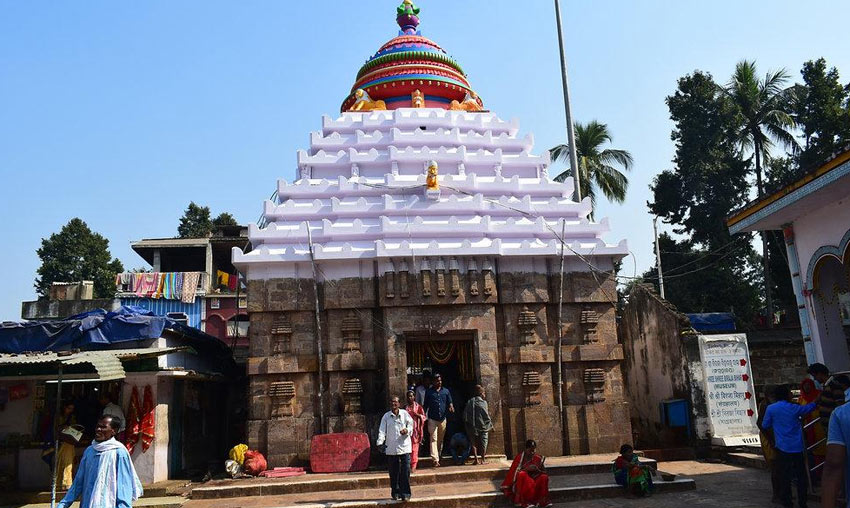
Sakhigopal Temple, also known as Sakshi Gopal Temple or Satyabadi Gopinatha Temple, is an important Hindu pilgrimage destination in the Satyabadi area of Puri district, Odisha. Dedicated to Lord Krishna, the temple is famous for the belief that Gopal once acted as a divine witness to fulfil a promise made by a devotee.
The temple houses beautiful images of Lord Krishna and Goddess Radha and is especially known for its annual Anla Navami celebration. On this occasion, devotees gather for the much-awaited Radha Pada Darshan, when the feet of Goddess Radha are ceremonially revealed for worship. Located around 18 km from Puri, Sakhigopal Temple is an important stop for pilgrims exploring the religious heritage of the district.
Sakhigopal Temple – Overview
- Location: Sakhigopal, Satyabadi, Puri district, Odisha, India
- Also Known As: Sakshi Gopal Temple, Satyabadi Gopinatha Temple
- Presiding Deity: Lord Krishna as Sakshi Gopal, with Goddess Radha
- Famous For: Witness Gopal legend, Radha Pada Darshan and Anla Navami
- Temple Height: Approximately 60 feet, according to Puri District Administration
- Distance from Puri: Approximately 18 km
- Nearest Railway Station: Sakhigopal Railway Station, approximately 1 km
- Architecture: Kalinga-style temple architecture
- Best Time to Visit: October to March
- Ideal Visit Duration: 1–2 hours
Where Is Sakhigopal Temple Located?
Sakhigopal Temple is located in Sakhigopal town, also known as Satyabadi, in Puri district of Odisha. The temple stands along the Bhubaneswar–Puri route and is easily accessible by road and rail.
It is approximately 18 km from Puri and around 42 km from Bhubaneswar, according to the Puri District Administration tourism listing. The nearest railway station is Sakhigopal Railway Station, situated about 1 km from the temple.
Because of its location between Bhubaneswar and Puri, the temple is convenient for pilgrims travelling to the Jagannath Temple and other religious destinations in the region.
History of Sakhigopal Temple
Sakhigopal is a medieval Hindu temple dedicated to Lord Krishna in his form as Gopinatha or Sakshi Gopal. The shrine is an important centre of Vaishnava devotion in the Puri region.
The exact construction date and the complete history of the present temple are not firmly established in all available historical accounts. The Odisha Hindu Religious Endowment Commission identifies it as a medieval temple, while heritage documentation records its Kalinga-style architectural features.
The Name Sakhigopal
The name Sakhigopal comes from two words: “Sakhi” meaning witness and “Gopal” referring to Lord Krishna. The name reflects the famous religious story in which Lord Krishna is believed to have travelled as a witness to support the truth of a devotee’s promise.
Satyabadi, the other name associated with the town, means a place connected with truth. This identity is closely linked to the temple’s devotional tradition.
The Story of the Temple’s Deity
According to local religious tradition, the image of Lord Krishna was originally worshipped at another place before being brought to the present temple. Accounts of the deity’s journey and relocation differ, and the story is preserved mainly through temple tradition and devotional narratives.
The Legend of Sakshi Gopal – Lord Krishna as a Witness
The most famous story associated with Sakhigopal Temple tells how Lord Krishna became a witness to a promise made between two Brahmins.
The Promise Made During a Pilgrimage
According to the popular legend, an elderly Brahmin and a young Brahmin travelled together on a pilgrimage. During the journey, the younger man served the elderly pilgrim with great devotion and care.
Impressed by his service, the elderly Brahmin promised that he would marry his daughter to the young man. The promise was made in the presence of Lord Gopal, whose image was worshipped at the time.
The Promise Is Denied
After returning home, the elderly Brahmin faced opposition from his family. Under pressure, he denied making the marriage promise. The young Brahmin then asked him to honour his word, but the matter remained unresolved.
Lord Krishna Agrees to Become a Witness
The young Brahmin prayed to Lord Gopal and requested Him to confirm the truth. According to the legend, Lord Krishna agreed to accompany him as a witness, on the condition that the young man must not look back while they travelled.
Gopal Appears as the Divine Witness
During the journey, the young Brahmin heard the sound of the deity’s anklets and footsteps behind him. When the sound suddenly stopped, he turned around to check whether Lord Gopal was still following him.
At that moment, the deity stopped moving and remained at that place. Lord Krishna then appeared as the divine witness, confirming the promise and helping establish the truth.
This story is a religious legend rather than a verified historical record. It explains why Lord Krishna is worshipped here as Sakshi Gopal, the divine witness.
Lord Krishna and Goddess Radha – The Main Deities
The temple is dedicated to Lord Krishna, worshipped as Sakshi Gopal or Gopinatha, along with Goddess Radha. The images of the divine couple are the main focus of worship at the shrine.
According to the Puri District Administration, the image of Shri Krishna is approximately 5 feet tall, while the image of Goddess Radha is approximately 4 feet tall.
Devotees visit the temple to offer prayers, seek blessings and experience the spiritual atmosphere associated with the worship of Radha and Krishna.
Radha Pada Darshan – A Unique Temple Tradition
One of the most special traditions at Sakhigopal Temple is Radha Pada Darshan, associated with the annual Anla Navami festival in the Hindu month of Kartika.
On this occasion, the feet of Goddess Radha are ceremonially revealed for devotees. The tradition attracts a very large number of pilgrims from Odisha and other parts of India.
Why Is Radha Pada Darshan Special?
- It is a distinctive annual religious tradition of Sakhigopal Temple.
- Devotees gather to receive darshan of Goddess Radha’s feet.
- The ritual is closely associated with Anla Navami.
- The occasion is considered spiritually significant by devotees.
- Large numbers of pilgrims visit the temple during the celebration.
Visitors should follow temple instructions during the festival, as the large crowds may lead to special arrangements and regulated movement.
Anla Navami Festival at Sakhigopal Temple
Anla Navami, also called Amla Navami, is the most important annual festival associated with Sakhigopal Temple. It falls on the ninth day of the bright fortnight of the Hindu month of Kartika, generally during October or November.
The festival is especially famous for Radha Pada Darshan. Devotees arrive at the temple to participate in prayers and witness the special ritual associated with Goddess Radha.
Major Features of Anla Navami
- Special worship of Lord Krishna and Goddess Radha.
- Radha Pada Darshan, the ceremonial revelation of Radha’s feet.
- Large gatherings of pilgrims and devotees.
- Traditional religious rituals and devotional activities.
- A festive atmosphere throughout the Sakhigopal area.
Anla Navami is an especially busy time at the temple. Visitors planning a trip during this period should allow extra time for travel, parking and darshan.
Other Festivals Celebrated at Sakhigopal Temple
1. Janmashtami
Janmashtami celebrates the birth of Lord Krishna. Devotees visit the temple for special prayers, devotional singing and religious observances.
2. Kartika Purnima
Kartika Purnima is an important religious occasion in Odisha. The month of Kartika is considered sacred by many devotees, and the temple receives visitors during this period.
3. Dola Yatra
Dola Yatra is a traditional festival associated with Lord Krishna and Radha. It is celebrated with devotional activities and festive observances.
4. Rath Yatra
Rath Yatra is closely associated with the religious traditions of Puri and Lord Jagannath. The broader festival season is an important time for pilgrims visiting temples across the district.
Architecture of Sakhigopal Temple
Sakhigopal Temple follows the traditional Kalinga style of temple architecture, which is widely seen in the historic temples of Odisha. The structure reflects the regional tradition of temple construction through its sanctum, assembly hall and decorative architectural elements.
1. Rekha Deula or Vimana
The main sanctum is topped by a curvilinear tower known as the Rekha Deula or Vimana. This is a characteristic feature of Kalinga temple architecture.
2. Jagamohana
The Jagamohana is the assembly hall situated in front of the sanctum. It forms an important part of the temple’s traditional layout.
3. Muktimandapa
The temple complex includes a platform or hall associated with religious and ritual activities. Such spaces form part of the wider architectural and ritual arrangement of Odisha temples.
4. Temple Compound and Entrance
The main shrine is enclosed within a masonry compound wall. Heritage documentation also records an eastern entrance and a Garuda pillar in front of the temple.
The architectural details make the temple an interesting destination for visitors who want to understand the regional temple-building traditions of Odisha.
Religious Significance of Sakhigopal Temple
Sakhigopal Temple holds a special position in the Vaishnava pilgrimage traditions of Odisha. Lord Krishna is worshipped here as the divine witness who stands for truth, promises and righteousness.
Many devotees believe that a visit to Sakhigopal is an important part of a pilgrimage to Puri. The Puri District Administration also describes Sakhigopal as a significant pilgrimage centre in the district.
The temple’s association with truth and devotion gives it a distinctive identity among the religious attractions around Puri.
Sakhigopal Temple Timings and Entry Fee
Published temple timings differ across available sources. The Incredible India listing gives opening hours of 6:00 AM to 9:00 PM. Other temple directories publish different schedules, and the Odisha Hindu Religious Endowment Commission’s listing contains an unclear timing entry.
For this reason, visitors should confirm the current darshan schedule directly with the temple or local authorities before travelling. Ritual timings may also change on festivals and special occasions.
- Published Opening Time: 6:00 AM
- Published Closing Time: 9:00 PM
- Entry Fee: No general entry fee is listed in the visitor information consulted; confirm current rules locally
- Festival Crowds: Especially high during Anla Navami
- Darshan Schedule: May vary according to daily rituals and special occasions
Best Time to Visit Sakhigopal Temple
October to March is generally a comfortable period to visit Sakhigopal Temple. The weather is usually more pleasant for temple visits and sightseeing around Puri district.
Winter Season: October to February
This is a favourable season for visiting the temple. Anla Navami generally falls during October or November, making this period especially important for devotees interested in Radha Pada Darshan.
Summer Season: March to June
Summer can be hot and humid in the region. Visitors should plan temple visits during the cooler morning or evening hours and carry drinking water.
Monsoon Season: July to September
Rainfall may affect road travel and outdoor sightseeing. Check local weather and transport conditions before planning a visit.
How to Reach Sakhigopal Temple
By Road
Sakhigopal Temple is located along the Bhubaneswar–Puri route. Regular bus and taxi services connect Sakhigopal with Puri and Bhubaneswar. From Puri, the temple is approximately 18 km away.
By Train
Sakhigopal Railway Station is the nearest railway station, located approximately 1 km from the temple. Puri Railway Station is another convenient option for visitors travelling from other cities.
By Air
Biju Patnaik International Airport in Bhubaneswar is the nearest major airport. The Puri District Administration lists the temple at approximately 42 km from the airport. Visitors can continue by taxi or road transport.
Approximate Distances
- Puri to Sakhigopal Temple: 18 km
- Sakhigopal Railway Station to Temple: 1 km
- Bhubaneswar to Sakhigopal Temple: Approximately 42 km, as listed by the district administration
- Bhubaneswar Airport to Temple: Approximately 42 km, as listed by the district administration
Actual travel distances and journey times may vary according to the route and starting point.
Places to Visit Near Sakhigopal Temple
1. Shree Jagannath Temple, Puri
Shree Jagannath Temple is one of India’s most important Hindu pilgrimage destinations. Dedicated to Lord Jagannath, Balabhadra and Subhadra, the temple is famous for its annual Rath Yatra, Mahaprasad and ancient religious traditions.
2. Gundicha Temple
Gundicha Temple is closely associated with the annual Rath Yatra. The deities are traditionally brought to this temple during the festival, making it an important religious destination in Puri.
3. Narendra Sarovar
Narendra Sarovar is a sacred water tank associated with Lord Jagannath and the Chandan Yatra festival. It is one of the important cultural and religious attractions within Puri city.
4. Loknath Temple
Loknath Temple is a revered shrine dedicated to Lord Shiva. It is known for its submerged Shiva Lingam and traditional religious celebrations.
5. Sudarshan Crafts Museum
Sudarshan Crafts Museum showcases the traditional sculpture and craft heritage of Odisha, including stone carving, wood carving and other artworks.
Suggested One-Day Puri and Sakhigopal Itinerary
- Early Morning: Start from Puri and travel towards Sakhigopal.
- Morning: Visit Sakhigopal Temple and offer prayers to Lord Krishna and Goddess Radha.
- Late Morning: Explore the temple architecture and local surroundings.
- Afternoon: Return to Puri and visit Narendra Sarovar or Gundicha Temple.
- Evening: Spend time at Puri Beach or explore local markets.
During Anla Navami, allow additional time for darshan and traffic because the temple attracts large crowds.
Travel Tips for Visiting Sakhigopal Temple
- Check the latest temple timings before starting your journey.
- Visit early in the day for a more comfortable darshan experience.
- Wear modest and respectful clothing inside the temple premises.
- Follow temple rules regarding footwear, photography and access to worship areas.
- During Anla Navami, expect large crowds and possible traffic restrictions.
- Keep drinking water with you, especially during summer.
- Use the nearby Sakhigopal Railway Station if travelling by train.
- Respect local customs and avoid disturbing devotees during rituals.
Frequently Asked Questions About Sakhigopal Temple
1. Where is Sakhigopal Temple located?
Sakhigopal Temple is located in Sakhigopal town, also known as Satyabadi, in Puri district of Odisha.
2. How far is Sakhigopal Temple from Puri?
The temple is approximately 18 km from Puri and can be reached by road.
3. Why is Sakhigopal Temple famous?
The temple is famous for Lord Krishna’s role as a divine witness in a popular religious legend and for the annual Anla Navami festival and Radha Pada Darshan.
4. Who is worshipped at Sakhigopal Temple?
Lord Krishna is worshipped as Sakshi Gopal or Gopinatha, along with Goddess Radha.
5. What is Radha Pada Darshan?
Radha Pada Darshan is an annual temple tradition during which the feet of Goddess Radha are ceremonially revealed for devotees, especially on Anla Navami.
6. When is Anla Navami celebrated?
Anla Navami is observed on the ninth day of the bright fortnight of Kartika, generally during October or November.
7. What are the timings of Sakhigopal Temple?
Incredible India lists the timings as 6:00 AM to 9:00 PM. Since published schedules differ, visitors should confirm the current darshan timings locally.
8. Is there an entry fee at Sakhigopal Temple?
No general entry fee is listed in the visitor information consulted. Confirm current entry arrangements with the temple before travelling.
9. Which railway station is nearest to Sakhigopal Temple?
Sakhigopal Railway Station is the nearest station, approximately 1 km from the temple.
10. Can Sakhigopal Temple be visited along with Jagannath Temple?
Yes. Many pilgrims include Sakhigopal Temple in their Puri pilgrimage itinerary along with Shree Jagannath Temple and other religious attractions.
Official Travel Information
For location details, road connectivity and official tourism information, visit the Puri District Administration website:
Satyabadi and Sakhigopal – Puri District Administration
For temple information and religious endowment details, refer to:
Sakhi Gopinath Temple – Odisha Hindu Religious Endowment Commission
Nearby Places to Visit




Nearby Places to Visit