Baliharachandi Temple & Beach, Puri – History, Architecture and Travel Guide
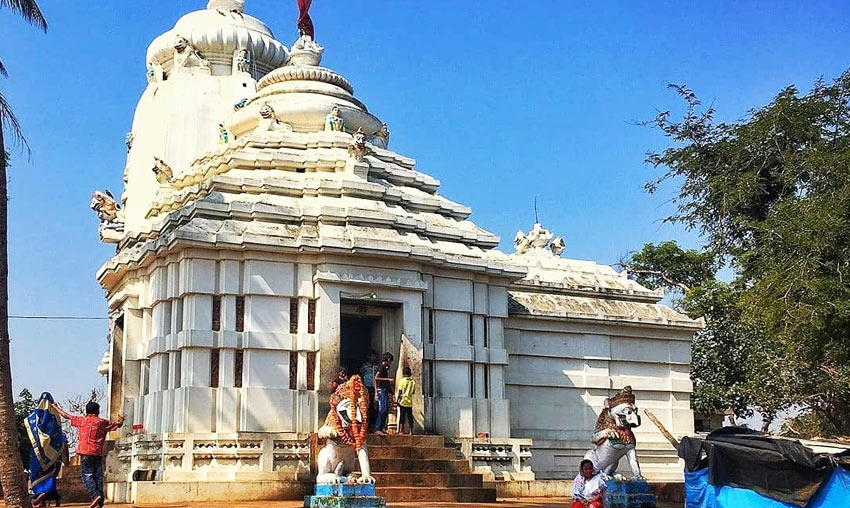
Baliharachandi Temple and Beach is a beautiful coastal destination in the Brahmagiri area of Puri district, Odisha. Located on a raised sand dune close to the Bay of Bengal, this peaceful place brings together spiritual heritage, scenic coastal landscapes and the natural beauty of the eastern Odisha coastline.
The temple is dedicated to Goddess Harachandi, worshipped here as an eight-armed form of Mahishasuramardini Durga. Surrounded by casuarina trees and sandy terrain, the shrine is an important place of Shakti worship in the region. The nearby beach and coastal landscape make it a rewarding stop for pilgrims, history enthusiasts, photographers and travellers exploring places around Puri.
Situated approximately 27 km southwest of Puri town, Baliharachandi is also a convenient excursion for visitors travelling towards Brahmagiri and Satapada. Explore our complete Puri travel guide to discover more temples, beaches and attractions in the district.
About Baliharachandi Temple and Beach
Baliharachandi is known for its distinctive location on a large sand dune overlooking the coastal landscape. Unlike the major temples located in busy urban areas, this shrine has a relatively peaceful natural setting. The temple is associated with Goddess Harachandi, a fierce form of Goddess Durga who is worshipped as Mahishasuramardini, the slayer of the buffalo demon Mahishasura.
The name is commonly associated with the words “Bali”, meaning sand, and “Harachandi”, the name of the presiding Goddess. The temple is recognised as an important Shakta shrine and is traditionally counted among Odisha’s Asta Shaktis.
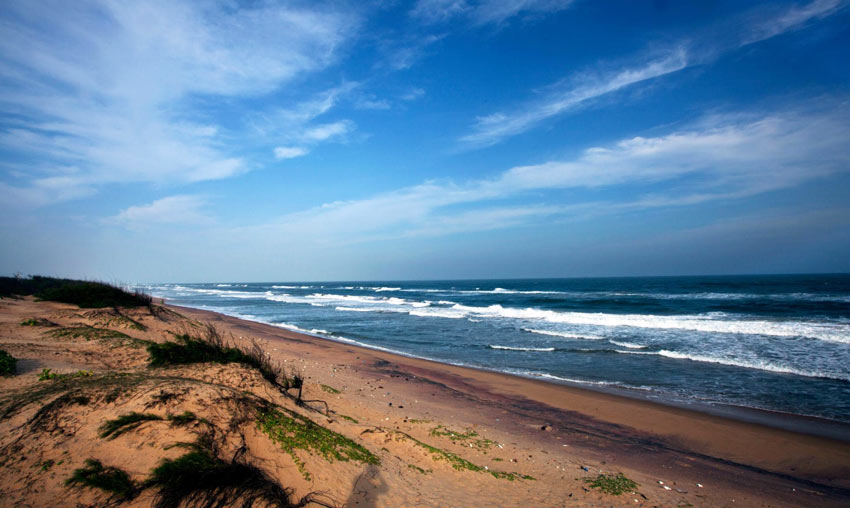
The surrounding area features sandy stretches, casuarina vegetation and coastal views. The beach is close to the temple, making it possible to combine a religious visit with time spent enjoying the natural surroundings.
History of Baliharachandi Temple
Baliharachandi Temple has a long religious and cultural association with the Brahmagiri region of Puri district. It is regarded as an important centre of Goddess worship and is connected with the Shakta traditions of Odisha.
Historical descriptions of the temple contain different dates. The Puri District Administration describes Baliharachandi as an 8th-century shrine, while the Odisha State Archaeology monument listing gives the period of the listed structure as the 19th century. A detailed architectural study published in Odisha Review in 2009 also records the local tradition that the present temple was built over the remains of an earlier dilapidated shrine.
These references suggest that the site may have an older history while the surviving temple structure belongs to a later phase. Visitors should therefore distinguish the traditional antiquity of the sacred site from the date assigned to the present building.
The shrine has also been associated with religious practices connected with the Jagannath Temple of Puri. Its importance is reflected in local worship, seasonal festivals and the continued devotion of people from surrounding villages.
Goddess Harachandi – The Presiding Deity
The main deity of Baliharachandi Temple is Goddess Harachandi, worshipped in the form of Asta-Bhuja Mahishamardini Durga. The principal image is a black chlorite stone sculpture depicting the Goddess with eight arms, shown in the act of defeating Mahishasura.
According to the architectural study published in Odisha Review, the approximately four-foot-high image holds traditional weapons and objects, including a trident, sword, bow, arrow, shield and other attributes. The Goddess is represented with a lion, her traditional vehicle.
The image is significant for devotees because it represents the victory of divine power over evil. Worshippers visit the shrine to offer prayers and seek protection, courage and blessings from the Goddess.
Religious Significance of Baliharachandi Temple
Baliharachandi is regarded as an important Shakta place of worship in Puri district. The Goddess is traditionally considered one of Odisha’s Asta Shaktis, a group of eight important manifestations of divine feminine power.
The temple is also associated with the wider religious traditions of Puri. Devotees visiting the Alarnath Temple at Brahmagiri and other nearby sacred places often include Baliharachandi in their pilgrimage route.
The shrine is especially significant during Durga Puja and other festivals dedicated to the Goddess. Its location near the sea also gives the temple a distinctive identity among the coastal religious sites of Odisha.
Architecture of Baliharachandi Temple
Baliharachandi Temple is an example of Odisha’s traditional Kalinga temple architecture. Its location on a raised sandy ridge gives the structure a distinctive appearance against the surrounding trees and coastal landscape.
Vimana – Main Temple Tower
The main shrine, known as the Vimana, houses the presiding deity. The Odisha Review architectural study describes it as a Pancharatha Rekha Deula, with a curvilinear tower rising above the sanctum. The study records its height as approximately 75 feet from ground level.
Jagamohana – Assembly Hall
The temple complex includes a Jagamohana, the traditional assembly hall situated in front of the sanctum. It provides the architectural transition between the outer area and the main shrine.
Stone Sculptures and Decorative Details
The architectural study records the use of sandstone in the temple structure and describes sculptural details, subsidiary deity figures and traditional decorative elements. Images of goddesses such as Varahi, Karali and Bhairavi are described in the temple’s architectural programme.
The temple’s simple coastal setting, traditional tower and sculptural features make it an interesting stop for visitors interested in the religious architecture of Odisha.
Baliharachandi Beach – Coastal Beauty Near the Temple
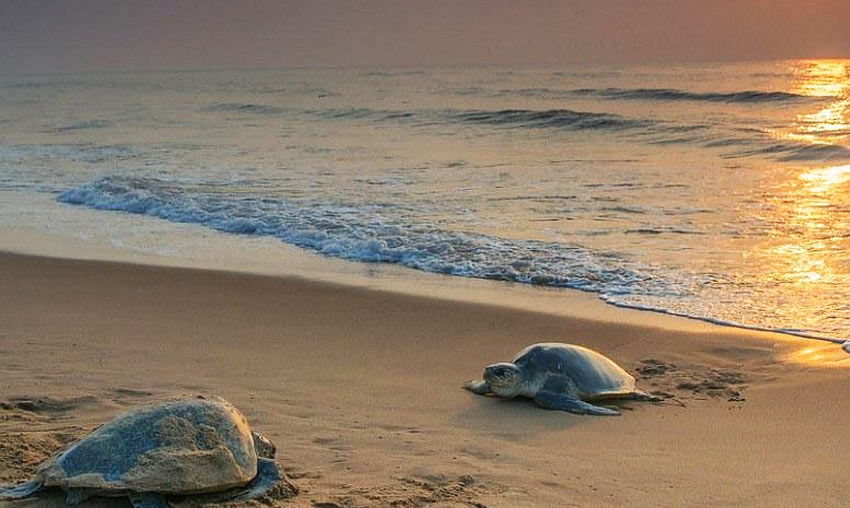
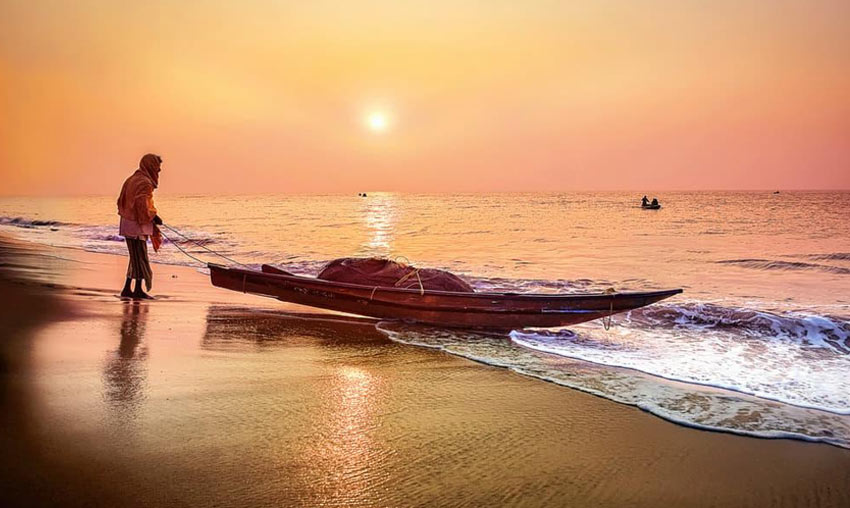
Baliharachandi Beach is one of the main attractions of this destination. The coastal landscape features stretches of sand, casuarina trees and views of the Bay of Bengal. Its relatively peaceful surroundings make it a pleasant place for a short break away from the busier beaches of Puri.
The beach is particularly attractive to visitors who enjoy nature, coastal photography and quiet outdoor experiences. The nearby river-mouth landscape adds to the area’s scenic character.
Things to Do at Baliharachandi Beach
- Enjoy coastal views: Spend time looking out over the Bay of Bengal and the surrounding sandy landscape.
- Photography: Capture the temple, casuarina trees, sand dunes and coastal scenery.
- Visit the temple: Offer prayers at the shrine of Goddess Harachandi.
- Enjoy a peaceful walk: Explore the accessible sandy areas while respecting local religious spaces.
- Experience nature: Observe the coastal vegetation and the changing light during the morning and late afternoon.
Swimming is not recommended unless local authorities or lifeguards confirm that conditions are safe. Coastal currents, changing tides and the nearby river mouth can make the water unpredictable.
Festivals Celebrated at Baliharachandi Temple
Festivals dedicated to Goddess Durga and other forms of divine feminine power are important occasions at Baliharachandi Temple. Devotees from nearby villages and different parts of Puri district visit the shrine during these celebrations.
Durga Puja
Durga Puja is one of the major annual celebrations at the temple. Special rituals and worship are performed during the festival, with Mahanavami and Vijayadashami being particularly important days.
Navratri
Navratri is observed with prayers and devotional activities dedicated to the Goddess. The festival celebrates the power of Durga and her victory over evil.
Ramanavami and Other Religious Observances
Ramanavami and other traditional observances are also mentioned among the festivals celebrated at the shrine. Local customs and ritual schedules may vary, so visitors planning a festival visit should confirm the programme with the temple locally.
Baliharachandi Temple Timings and Entry Fee
There is no consistently published official public timetable or confirmed general entry fee available for visitors. Temple darshan timings may vary according to daily worship, festivals and local arrangements.
- Temple timings: Confirm locally before visiting.
- Entry fee: No confirmed general visitor entry fee found; check at the site.
- Beach access: Check local conditions and any temporary restrictions.
- Best visiting period: October to March is generally more comfortable for exploring the Puri coast.
Visitors should carry some cash for local transport, refreshments or other small expenses. Do not assume that facilities such as changing rooms, lifeguards, food stalls or public toilets will always be available.
Best Time to Visit Baliharachandi Temple and Beach
The best time to visit Baliharachandi is generally from October to March, when the weather in coastal Odisha is more suitable for sightseeing and outdoor activities.
- October to November: A good period for pleasant weather and festive visits around the Durga Puja season, depending on the annual calendar.
- December to February: Comfortable weather for temple visits, photography and exploring the coast.
- March: Often suitable for an early morning or late afternoon visit, although temperatures begin to rise.
- April to September: Summer heat, humidity and monsoon weather can make outdoor visits less comfortable. Check weather and coastal conditions before travelling.
For the best experience, plan to reach the temple in the morning or late afternoon. Avoid spending extended periods on exposed sand during the hottest part of the day.
How to Reach Baliharachandi Temple and Beach
Baliharachandi is located in the Brahmagiri area of Puri district, along the Puri–Brahmagiri–Satapada road. The shrine is approximately 27 km southwest of Puri town, although the exact travel distance depends on the starting point and route.
By Road
Road travel is the most convenient way to reach Baliharachandi. Visitors can hire a taxi, arrange a private vehicle or use local transport from Puri. The route towards Brahmagiri and Satapada leads to the area near the temple.
By Train
Puri Railway Station is the nearest major railway station. From the station, visitors can hire a taxi or local vehicle to reach Baliharachandi.
By Air
Biju Patnaik International Airport in Bhubaneswar is the nearest major airport. From the airport, visitors can travel to Puri by road and continue towards Brahmagiri and Baliharachandi.
Distance from Major Places
- Puri town: Approximately 27 km
- Puri Railway Station: Approximately 27–30 km, depending on the route
- Alarnath Temple, Brahmagiri: Around 12–15 km, depending on the route
- Satapada, Chilika Lake: A further drive from Baliharachandi; check the route before combining both destinations
- Bhubaneswar: Approximately 85–90 km by road, depending on the route
Distances are approximate and should be checked on a live map before departure.
Places to Visit Near Baliharachandi Temple and Beach
Visitors can combine Baliharachandi with other religious, cultural and natural attractions in Puri district. These places can make a rewarding day trip from Puri.
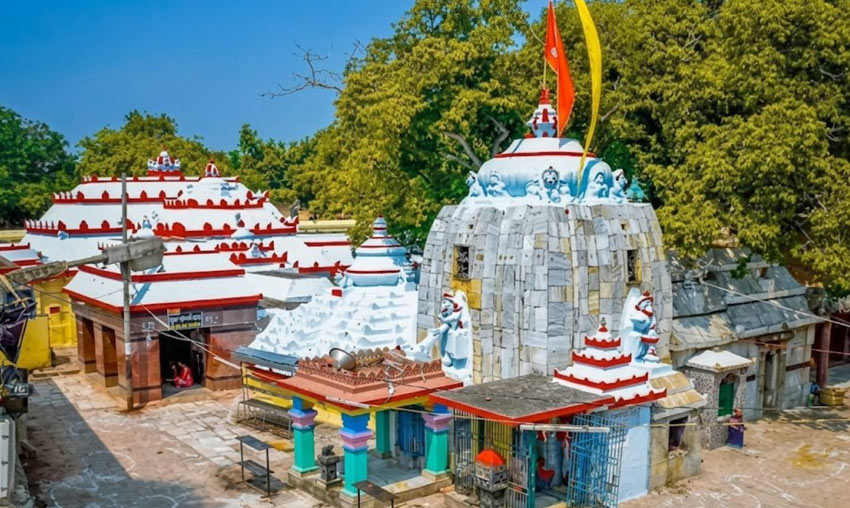
1. Alarnath Temple, Brahmagiri
Alarnath Temple is an important shrine dedicated to Lord Vishnu in Brahmagiri. It is especially visited during the Anasara period of Lord Jagannath at Puri.
2. Satapada, Chilika Lake
Satapada is known for boat trips and opportunities to observe Irrawaddy dolphins in Chilika Lake. Dolphin sightings are not guaranteed, and visitors should follow responsible wildlife-viewing practices.
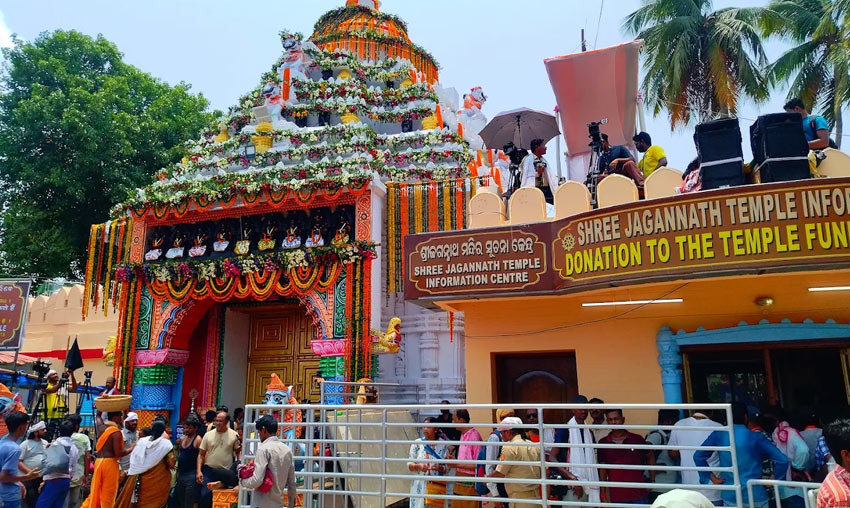
3. Shree Jagannath Temple, Puri
Shree Jagannath Temple is the most important pilgrimage attraction in Puri and one of India’s Char Dham destinations.
4. Puri Beach and Golden Beach
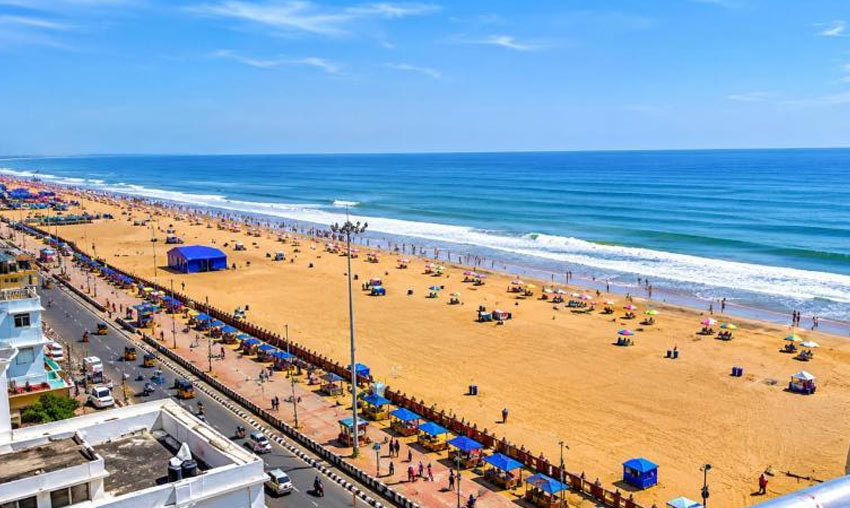
Puri Beach and Golden Beach offer a different coastal experience, with the designated Blue Flag beach stretch and facilities for visitors.
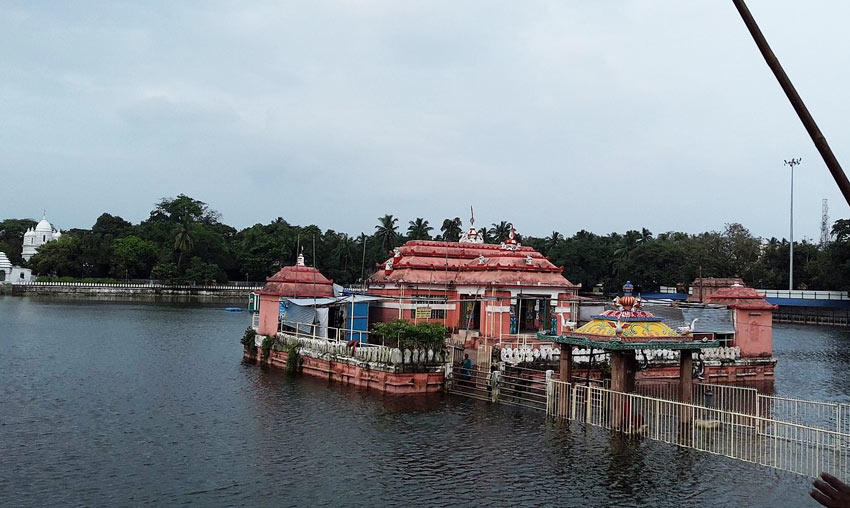
5. Narendra Sarovar
Narendra Sarovar is a sacred water tank associated with Lord Jagannath’s Chandan Yatra and traditional ceremonial boat rituals.
Suggested One-Day Itinerary from Puri
Baliharachandi can be included in a day trip from Puri, especially for visitors interested in temples and coastal scenery.
- Morning: Leave Puri and travel towards Brahmagiri.
- First stop: Visit Alarnath Temple and explore its religious significance.
- Late morning: Continue to Baliharachandi Temple and offer prayers to Goddess Harachandi.
- Afternoon: Spend some time enjoying the nearby coastal landscape, subject to weather and sea conditions.
- Later in the day: Return to Puri or continue towards Satapada if you have arranged sufficient time and transport.
If you plan to include Satapada, confirm the total travel time and boat schedule in advance. Avoid trying to fit too many stops into a short day.
Travel Tips for Visitors
- Wear comfortable footwear for walking on sandy and uneven ground.
- Dress respectfully while entering the temple and follow local customs.
- Check temple access and darshan timings before travelling.
- Carry drinking water, sun protection and basic essentials.
- Do not litter the beach or temple surroundings.
- Avoid swimming in unfamiliar coastal waters, especially near river mouths.
- Respect local worshippers and ask permission before photographing people or rituals.
- Check weather forecasts and local advice during the monsoon season.
Frequently Asked Questions About Baliharachandi Temple and Beach
1. Where is Baliharachandi Temple located?
Baliharachandi Temple is located in the Brahmagiri area of Puri district, Odisha, near the Puri–Brahmagiri–Satapada road and the Bay of Bengal.
2. How far is Baliharachandi from Puri?
The temple is approximately 27 km southwest of Puri town. The actual distance and travel time depend on the route and traffic conditions.
3. Which Goddess is worshipped at Baliharachandi Temple?
Goddess Harachandi is worshipped here as Asta-Bhuja Mahishamardini Durga, an eight-armed form of Goddess Durga.
4. Why is Baliharachandi Temple famous?
The temple is known for its coastal location on a sand dune, its religious importance as a Shakta shrine, its eight-armed image of Goddess Harachandi and its scenic surroundings.
5. Is Baliharachandi Beach near the temple?
Yes. The beach is close to the temple, allowing visitors to explore the shrine and the nearby coastal landscape during the same trip.
6. What is the best time to visit Baliharachandi?
October to March is generally the most comfortable period for visiting. Morning and late afternoon are preferable for outdoor sightseeing.
7. Is there an entry fee for Baliharachandi Temple?
A confirmed general visitor entry fee is not consistently published. Visitors should check with the temple or local authorities before travelling.
8. Can Baliharachandi be visited from Puri in one day?
Yes. It can be visited as a half-day or one-day excursion from Puri. Visitors can also combine it with Alarnath Temple or plan a longer trip towards Satapada.
9. Is swimming safe at Baliharachandi Beach?
Visitors should not assume that swimming is safe. Sea currents and changing coastal conditions can be dangerous, particularly near river mouths. Follow local safety advice and avoid entering the water if conditions are uncertain.
10. What is the historical period of Baliharachandi Temple?
Published sources give differing dates. The Puri District Administration describes the shrine as an 8th-century site, while the Odisha State Archaeology listing assigns the surviving monument to the 19th century. An Odisha Review study records a tradition that the present temple was built over an earlier shrine.
Explore More Places in Puri
Baliharachandi Temple and Beach is a distinctive destination where Odisha’s coastal landscape meets its Shakta religious traditions. Its sand-dune setting, historic shrine and peaceful surroundings make it a worthwhile addition to a Puri sightseeing plan.
Continue exploring the region with our complete guide to the best places to visit in Puri, including famous temples, beaches, heritage villages and nearby natural attractions.
Nearby Places to Visit
Nearby Places to Visit