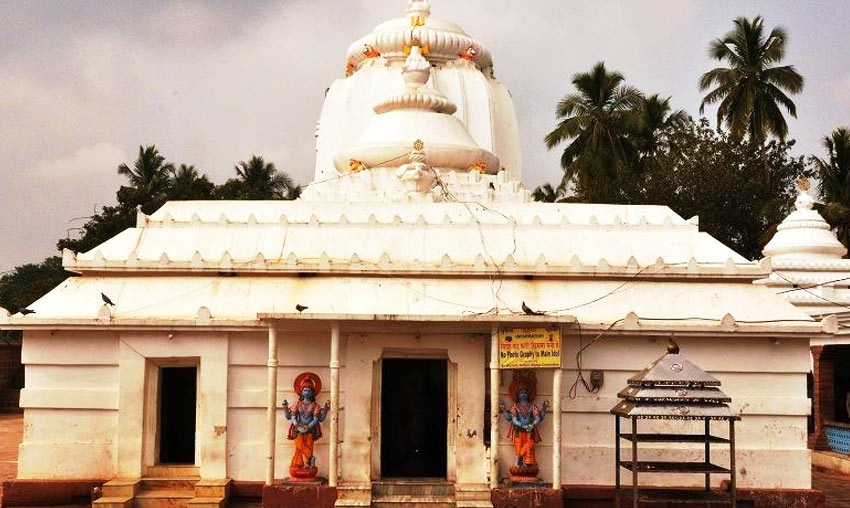
Alarnath Temple Brahmagiri – History, Anasara, Kheeri Bhog & Travel Guide
Alarnath Temple is a famous Hindu pilgrimage destination located in Brahmagiri, in Puri district of Odisha. Dedicated to Lord Vishnu, the temple holds special religious importance among devotees of Lord Jagannath. It is particularly known for the Anasara period, when pilgrims visit Alarnath to seek the blessings of Lord Vishnu while public darshan of Lord Jagannath at Puri remains suspended according to temple tradition.
The temple is also associated with the visit of Chaitanya Mahaprabhu, the famous Vaishnava saint, who is traditionally believed to have worshipped Lord Alarnath during Anasara. Another major attraction is the temple’s famous Kheeri Bhog, a sweet rice pudding offered to the deity and loved by devotees. Surrounded by a peaceful religious atmosphere, Alarnath Temple is an important spiritual destination for visitors exploring the Puri region.
Alarnath Temple – Overview
- Location: Brahmagiri, Puri district, Odisha, India
- Presiding Deity: Lord Vishnu as Alarnath
- Temple Type: Hindu Vaishnava Temple
- Famous For: Anasara Darshan, Chaitanya Mahaprabhu and Kheeri Bhog
- Distance from Puri: Approximately 20–25 km
- Nearest Railway Station: Puri Railway Station
- Nearest Airport: Biju Patnaik International Airport, Bhubaneswar
- Architecture: Traditional Kalinga-style temple architecture
- Best Time to Visit: October to March; Anasara period for special religious significance
- Ideal Visit Duration: 1–2 hours
Where Is Alarnath Temple Located?
Alarnath Temple is situated in Brahmagiri town, around 20–25 km from Puri in Odisha. It lies on the road connecting Puri with Satapada and Chilika Lake, making it a convenient stop for pilgrims and tourists travelling towards the Chilika region.
The temple is accessible by road from Puri and Bhubaneswar. Visitors can hire a taxi, take a local bus or use private transport to reach Brahmagiri. Its location also makes it possible to combine a visit with Satapada, Chilika Lake and other attractions around Puri.
History of Alarnath Temple
Alarnath Temple is an important Vaishnava shrine dedicated to Lord Vishnu. The temple has a long association with the religious traditions of Odisha and is especially connected with the worship of Lord Jagannath during the Anasara period.
Historical records describe different phases of the temple’s development. The Puri District Administration’s tourism account associates the temple with 1610 AD. However, heritage documentation by the Indira Gandhi National Centre for the Arts records that the present structure was constructed over the remains of an earlier temple dating to the 13th century. These accounts indicate that the site has an older architectural history and underwent later reconstruction.
Association with Vaishnava Tradition
Alarnath is an important centre of Vaishnava worship. Lord Vishnu is worshipped here in a form known as Alarnath, and the shrine has a close devotional connection with Lord Jagannath of Puri.
The temple is also associated with the visit of the Vaishnava saint Ramanujacharya to Odisha, according to Odisha State Archaeology’s temple description. The shrine is regarded as one of the important pilgrimage centres in the Vaishnava tradition.
Why Is Alarnath Temple Famous During Anasara?
One of the most important reasons devotees visit Alarnath Temple is its association with the Anasara period of Lord Jagannath at Puri.
Every year, after the famous Snana Yatra or Snana Purnima, the deities of Shree Jagannath Temple are traditionally kept away from public view for a period of approximately fifteen days. This interval is known as Anasara or Anavasara.
During this time, devotees cannot have the usual public darshan of Lord Jagannath, Balabhadra and Subhadra at the main temple in Puri. According to religious belief, Lord Jagannath manifests as Lord Alarnath at Brahmagiri during this period.
Why Do Devotees Visit Alarnath During Anasara?
- Public darshan of the main deities at the Jagannath Temple remains suspended during Anasara.
- Devotees believe that Lord Jagannath can be worshipped in the form of Lord Alarnath during this period.
- The temple becomes a major pilgrimage destination for Jagannath devotees.
- Special worship and offerings are performed during the period.
- The famous Kheeri Bhog attracts pilgrims and visitors.
This belief is an important part of Odisha’s Jagannath tradition. Thousands of devotees visit Brahmagiri during Anasara to seek the blessings of Lord Alarnath.
Chaitanya Mahaprabhu and Alarnath Temple
Alarnath Temple has a special connection with Chaitanya Mahaprabhu, the 16th-century Vaishnava saint and spiritual leader.
According to the Puri District Administration, Chaitanya Mahaprabhu stayed at Alarnath during the Anasara period in 1610 AD. He was deeply devoted to Lord Jagannath and regularly visited the temple at Puri.
During Anasara, when the deities were not available for public darshan, Chaitanya Mahaprabhu is believed to have visited Alarnath Temple and worshipped Lord Vishnu here. Tradition says that he experienced the divine presence of Lord Jagannath in the form of Alarnath.
The Sacred Stone Associated with Chaitanya Mahaprabhu
Local religious tradition associates a stone slab at the temple with Chaitanya Mahaprabhu. It is believed that he performed devotional singing and sankirtana at this spot.
According to a popular devotional account, the stone is believed to have softened or melted under the intensity of his devotion. The sacred stone is remembered by devotees as an important part of the temple’s spiritual heritage.
This account is a religious tradition and should be understood as devotional belief rather than a scientifically established event.
Lord Alarnath – The Presiding Deity
The main deity of Alarnath Temple is Lord Vishnu, worshipped in a form known as Alarnath. The deity is traditionally represented as a four-armed form of Vishnu, holding divine attributes associated with Vaishnava worship.
The temple complex also has other associated images and shrines. Published accounts describe the worship of deities including Lakshmi, Narasimha, Madanmohan and other forms connected with Vaishnava tradition.
Devotees visit the temple throughout the year to offer prayers to Lord Alarnath. However, the number of pilgrims increases considerably during the annual Anasara period.
Famous Kheeri Bhog of Alarnath Temple
One of the most popular features of Alarnath Temple is its traditional Kheeri Bhog. Kheeri is a sweet rice pudding prepared with rice and milk, often sweetened with jaggery or sugar according to the preparation.
The offering is associated especially with the Anasara period, when large numbers of devotees visit the temple. After the offering and temple rituals, devotees seek the sacred prasad as part of their pilgrimage.
Why Is Alarnath Kheer So Famous?
- It is a traditional offering associated with Lord Alarnath.
- It is especially popular during the Anasara period.
- Devotees visit the temple to receive the sacred Kheeri Bhog.
- It is an important part of the temple’s food and devotional tradition.
- Its popularity makes it one of the memorable experiences of visiting Brahmagiri.
Availability and distribution arrangements may vary according to the temple’s daily rituals and festival crowds. Visitors should follow the temple’s instructions when purchasing or receiving prasad.
Anasara Festival at Alarnath Temple
Anasara is the most important religious period associated with Alarnath Temple. It begins after Snana Purnima, the ceremonial bathing festival of Lord Jagannath, and continues until the deities return to public view around the time of Rath Yatra.
During this period, devotees from different parts of Odisha and other states travel to Brahmagiri for darshan of Lord Alarnath.
What Happens During Anasara?
- Devotees visit Alarnath Temple for special darshan.
- Special rituals and offerings are performed for Lord Alarnath.
- The famous Kheeri Bhog receives special attention.
- Large crowds gather around the temple premises.
- Local authorities may arrange crowd management and additional facilities.
The exact dates of Anasara change every year according to the Hindu calendar and the Jagannath Temple ritual schedule. Visitors should check the annual dates before planning their journey.
Architecture of Alarnath Temple
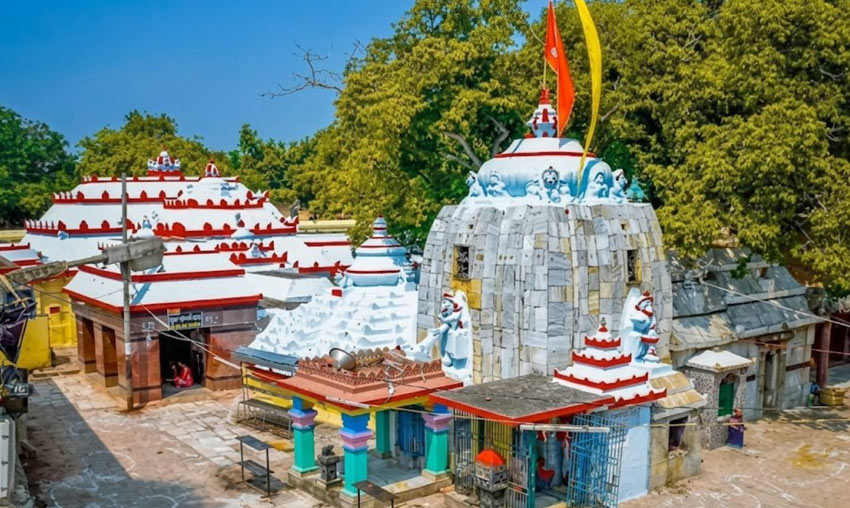
Alarnath Temple follows the traditional Kalinga style of temple architecture, which is characteristic of many historic temples in Odisha. Its structure reflects the regional tradition of temple construction and religious design.
According to heritage documentation by the Indira Gandhi National Centre for the Arts, the temple complex includes a Rekha Vimana, a Pidha Jagamohana and a Natamandapa.
1. Rekha Vimana
The main sanctum is topped by a curvilinear tower known as the Rekha Vimana. This is a defining feature of Kalinga temple architecture and marks the sacred space where the principal deity is worshipped.
2. Pidha Jagamohana
The Jagamohana is the assembly hall located in front of the sanctum. Its stepped pyramidal roof is characteristic of the Pidha Deula style used in Odisha temples.
3. Natamandapa
The Natamandapa is an architectural space associated with devotional and ceremonial activities. It forms part of the temple’s traditional layout.
4. Sculptural Details
The temple’s architectural elements reflect the artistic traditions of the region. Visitors interested in heritage architecture can observe the structure, its decorative features and the traditional arrangement of its spaces.
Other Religious Traditions and Festivals
Although Anasara is the most famous period at Alarnath Temple, the shrine remains an active centre of worship throughout the year.
1. Snana Yatra
Snana Yatra is the annual bathing festival of Lord Jagannath, Balabhadra and Subhadra at Puri. It marks the beginning of the Anasara period, during which Alarnath Temple receives a large number of devotees.
2. Anasara Yatra
Anasara is the most significant annual religious period at the shrine. Devotees visit Lord Alarnath while the main deities at Puri are traditionally kept away from public darshan.
3. Ekadashi Observances
Ekadashi days are important in Vaishnava worship. The temple also observes religious occasions and rituals connected with the Hindu calendar.
4. Other Vaishnava Festivals
Devotional festivals associated with Lord Vishnu and Krishna are observed in the temple according to its ritual calendar. The dates and arrangements may vary from year to year.
Alarnath Temple Timings and Entry Fee
Incredible India’s visitor information lists Alarnath Temple’s darshan hours as 6:00 AM to 9:30 PM. However, temple schedules may change according to daily rituals, seasonal arrangements and festival occasions.
- Published Opening Time: 6:00 AM
- Published Closing Time: 9:30 PM
- Entry Fee: No general entry fee confirmed in the official visitor information consulted
- Special Period: Anasara, after Snana Purnima
- Famous Prasad: Kheeri Bhog
Visitors should confirm current darshan timings, entry arrangements and prasad availability locally before travelling. During Anasara, crowd management arrangements and darshan schedules may be different from normal days.
Best Time to Visit Alarnath Temple
October to March is generally a comfortable period for visiting Alarnath Temple and exploring the attractions around Puri. However, devotees interested in the temple’s special Jagannath connection may prefer visiting during Anasara.
October to March – Comfortable Weather
This period is suitable for sightseeing, temple visits and road trips around Brahmagiri and Puri. The weather is generally more comfortable than the summer months.
June to July – Anasara Period
This is the most significant religious period at Alarnath Temple. It attracts large numbers of Jagannath devotees because of the traditional association between Lord Jagannath and Lord Alarnath during Anasara.
Visitors should be prepared for large crowds, longer waiting times and special local arrangements during this period.
March to June – Summer Season
Temperatures can be high and humidity may make outdoor travel uncomfortable. If visiting during summer, plan the temple visit during the cooler hours and carry drinking water.
How to Reach Alarnath Temple
By Road
Alarnath Temple is located in Brahmagiri, around 20–25 km from Puri. Regular local transport, taxis and private vehicles can be used to reach the temple. The route towards Satapada and Chilika Lake also passes through the Brahmagiri region.
By Train
Puri Railway Station is the nearest major railway station. Visitors arriving by train can hire a taxi or local vehicle to reach Alarnath Temple in Brahmagiri.
By Air
Biju Patnaik International Airport in Bhubaneswar is the nearest major airport. From the airport, visitors can travel to Puri and continue towards Brahmagiri by road.
Approximate Distances
- Puri to Alarnath Temple: Approximately 20–25 km
- Bhubaneswar to Alarnath Temple: Approximately 80 km by road
- Satapada to Alarnath Temple: Route and distance depend on the starting point and road selected
- Puri Railway Station to Alarnath Temple: Approximately 20–25 km by road
Travel distances are approximate and can vary according to the route and starting location.
Places to Visit Near Alarnath Temple
1. Satapada and Chilika Lake
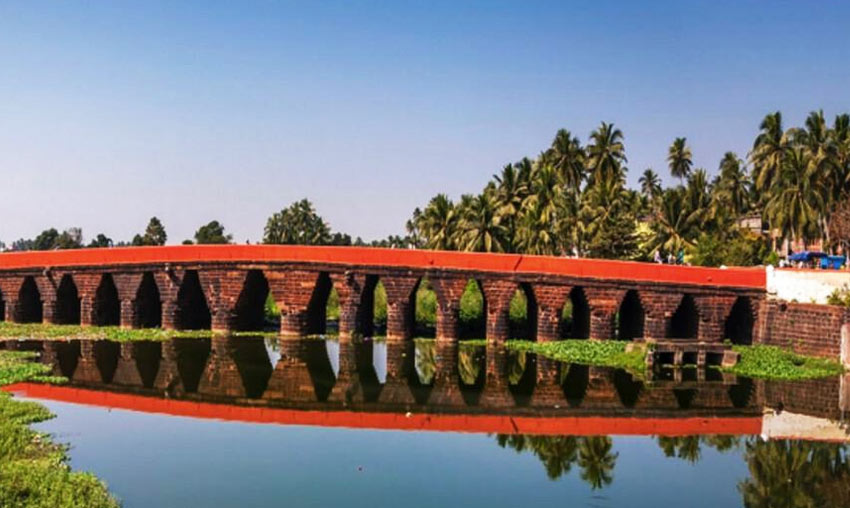
Satapada, Chilika Lake is a popular excursion destination near Puri. It is known for boat rides, Irrawaddy dolphin watching and views of the Chilika lagoon. Visitors can combine Brahmagiri and Satapada in a wider day trip, subject to travel time.
2. Shree Jagannath Temple, Puri
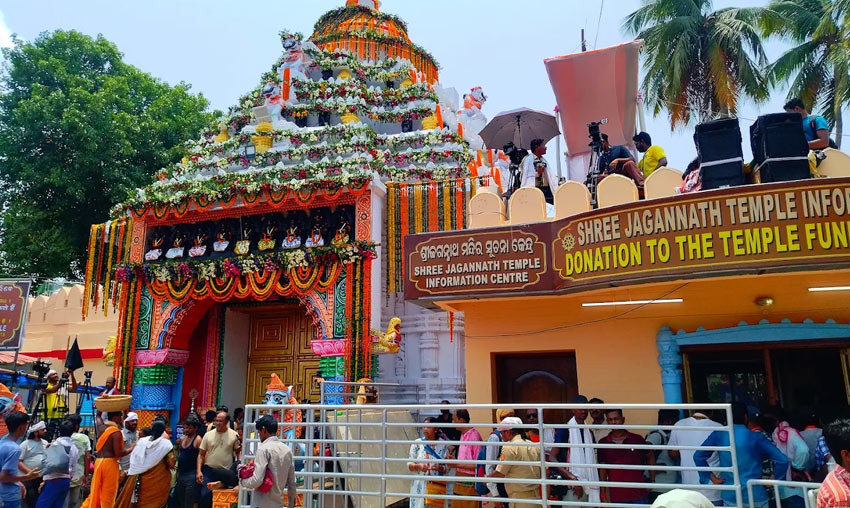
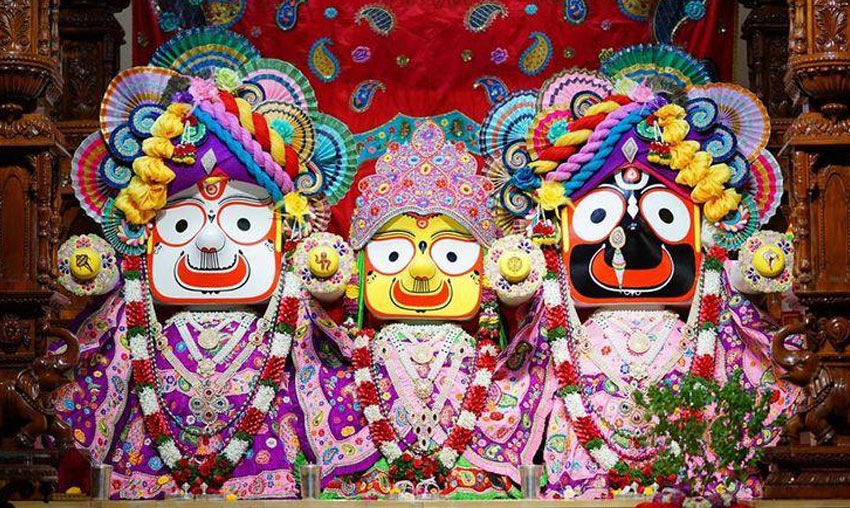
Shree Jagannath Temple is one of the most important Hindu pilgrimage destinations in India. Dedicated to Lord Jagannath, Balabhadra and Subhadra, the temple is famous for its Rath Yatra and Mahaprasad traditions.
3. Narendra Sarovar
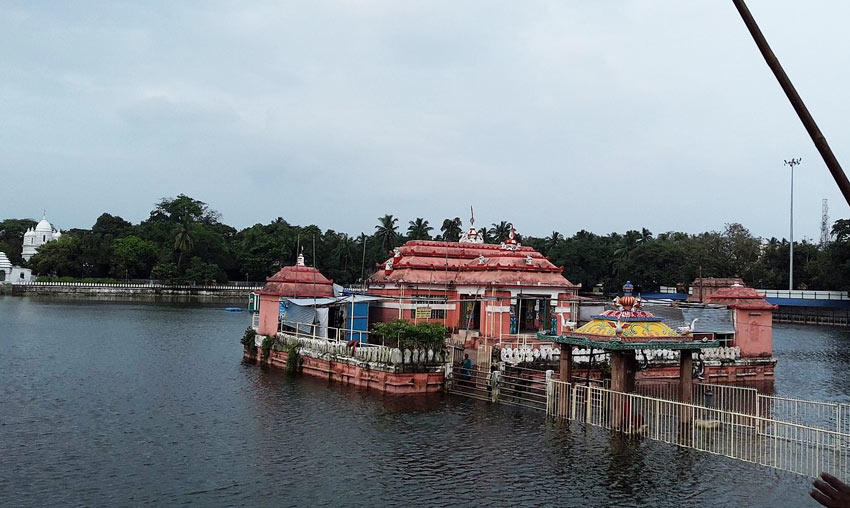
Narendra Sarovar is a sacred water tank in Puri associated with Lord Jagannath and the Chandan Yatra festival.
4. Puri Beach and Golden Beach
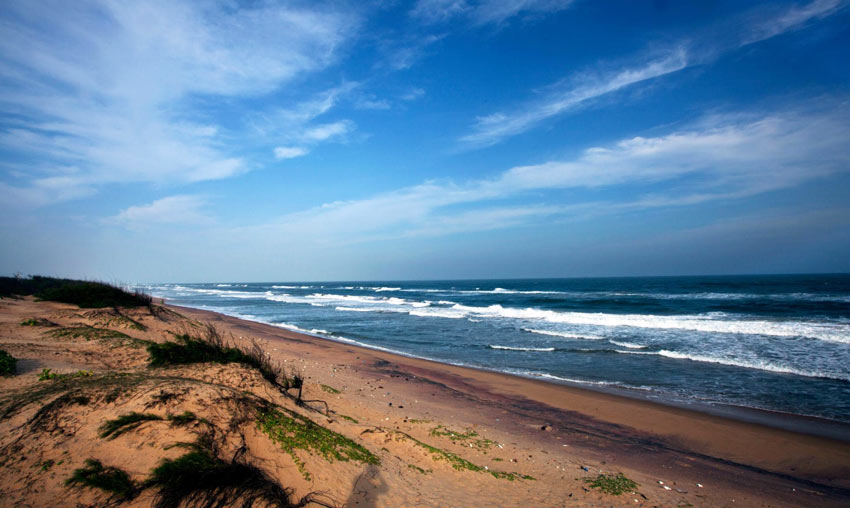
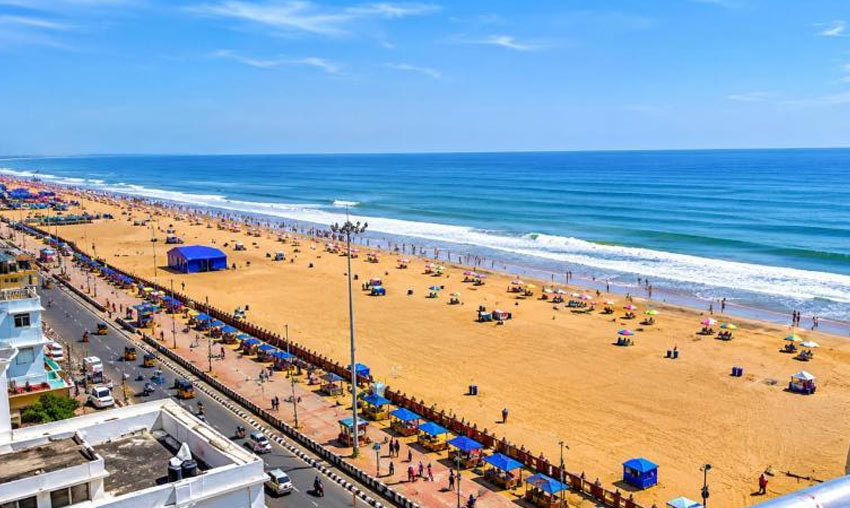
Puri Beach and Golden Beach are popular coastal attractions where visitors can enjoy seaside views, beach walks and the atmosphere of the Bay of Bengal.
5. Sakhigopal Temple
Sakhigopal Temple is an important Krishna temple in Satyabadi, Puri district. It is famous for the legend of Lord Krishna as a divine witness and its annual Anla Navami celebration.
Suggested One-Day Brahmagiri and Chilika Itinerary
- Early Morning: Start from Puri and travel to Alarnath Temple in Brahmagiri.
- Morning: Offer prayers and explore the temple’s architecture and religious traditions.
- Late Morning: Enjoy the famous Kheeri Bhog, subject to availability and temple arrangements.
- Afternoon: Continue towards Satapada and Chilika Lake for a boat excursion, if time and weather permit.
- Evening: Return to Puri.
During Anasara, allow additional time for temple darshan because of the large number of devotees. A separate day for Satapada may be more comfortable if you want to explore Chilika Lake in detail.
Travel Tips for Visiting Alarnath Temple
- Check the latest temple darshan timings before starting your journey.
- Visit early during the Anasara period to avoid the busiest hours.
- Carry drinking water, especially during summer.
- Wear modest clothing and follow temple customs.
- Remove footwear at designated places before entering the temple areas.
- Ask temple authorities about prasad availability and distribution arrangements.
- Expect large crowds during Anasara and follow local administration instructions.
- Respect religious rituals and avoid disturbing devotees during worship.
- Plan additional travel time if combining the temple visit with Satapada and Chilika Lake.
Frequently Asked Questions About Alarnath Temple
1. Where is Alarnath Temple located?
Alarnath Temple is located in Brahmagiri, Puri district, Odisha, approximately 20–25 km from Puri town.
2. Which God is worshipped at Alarnath Temple?
Lord Vishnu is worshipped here in the form of Lord Alarnath. The temple is also closely connected with the religious traditions of Lord Jagannath.
3. Why is Alarnath Temple famous?
The temple is famous for its association with Lord Jagannath’s Anasara period, Chaitanya Mahaprabhu’s visit and the traditional Kheeri Bhog.
4. What is Anasara at Alarnath Temple?
Anasara is the period following Snana Purnima when the deities of Shree Jagannath Temple remain away from public view. Devotees traditionally visit Alarnath Temple during this time.
5. Why do devotees visit Alarnath during Anasara?
According to religious belief, Lord Jagannath manifests as Lord Alarnath at Brahmagiri during Anasara. Devotees visit the temple to seek His blessings during this period.
6. What is the famous prasad of Alarnath Temple?
The temple is famous for its Kheeri Bhog, a traditional sweet rice pudding offered to Lord Alarnath.
7. What is the connection between Chaitanya Mahaprabhu and Alarnath Temple?
According to the temple’s devotional tradition and the Puri District Administration account, Chaitanya Mahaprabhu visited and worshipped Lord Alarnath during the Anasara period.
8. What are the timings of Alarnath Temple?
Incredible India lists darshan hours as 6:00 AM to 9:30 PM. Visitors should confirm the current schedule locally because timings can change during festivals and daily rituals.
9. Is there an entry fee at Alarnath Temple?
No general entry fee is confirmed in the official visitor information consulted. Check locally for current entry and special arrangements.
10. Can Alarnath Temple and Satapada be visited on the same day?
Yes. Both destinations are in the wider Puri–Chilika region and can be combined in a day trip. Allow enough time for temple darshan and the boat excursion at Satapada.
Official Travel and Heritage Information
For official visitor information and details about Alarnath Temple, refer to the following sources:
Nearby Places to Visit


Nearby Places to Visit