Raghurajpur Heritage Crafts Village, Puri – History, Pattachitra Art, Culture & Travel Guide
Raghurajpur Heritage Crafts Village is one of the most remarkable cultural destinations near Puri, Odisha. Located on the southern bank of the Bhargavi River, this traditional artisan village is famous for its centuries-old Pattachitra paintings, palm leaf engravings, wooden toys, traditional masks and vibrant folk art.
Recognised as India’s first heritage crafts village, Raghurajpur offers visitors an opportunity to experience Odisha’s traditional art forms in their original setting. Almost every household in the village is associated with some form of traditional craftsmanship, making it a living centre of artistic heritage rather than an ordinary tourist attraction.
The village is particularly known for Pattachitra, a traditional painting style that depicts stories from Hindu mythology, religious themes, Lord Jagannath, Lord Krishna and scenes from the Ramayana and Mahabharata. Visitors can walk through its narrow lanes, admire colourful wall murals, meet local artists and watch traditional paintings being created by hand.
Raghurajpur is also associated with the famous Gotipua dance tradition and is the birthplace of celebrated Odissi dancer Guru Kelucharan Mohapatra. For travellers exploring Puri, this heritage village offers a fascinating experience of Odisha’s art, culture and village life.
Raghurajpur Heritage Crafts Village – Overview
| Details | Information |
|---|---|
| Name | Raghurajpur Heritage Crafts Village |
| Location | Raghurajpur, Puri District, Odisha, India |
| Distance from Puri | Approximately 12–14 km |
| Famous For | Pattachitra paintings and traditional handicrafts |
| Major Art Forms | Pattachitra, Tala Pattachitra, Tussar painting, wood carving and papier-mâché |
| Traditional Dance | Gotipua |
| Heritage Recognition | Recognised as India’s first heritage crafts village |
| Nearby River | Bhargavi River |
| Best Time to Visit | October to March |
| Suggested Visit Duration | 2–3 hours |
| Nearest Railway Station | Puri Railway Station |
| Nearest Airport | Biju Patnaik International Airport, Bhubaneswar |
History of Raghurajpur Heritage Village
Raghurajpur has a long-standing association with Odisha’s traditional painting and handicraft culture. The village is home to generations of Chitrakars, traditional artists who specialise in painting religious stories and mythological subjects on cloth, palm leaves and other surfaces.
The artistic identity of Raghurajpur developed around traditional forms of painting and craftsmanship that were passed from one generation to another. The village became particularly well known for its Pattachitra paintings, which have an important connection with the religious traditions of Lord Jagannath.
In 2000, Raghurajpur received recognition as India’s first heritage crafts village through the efforts of heritage conservation and tourism initiatives. This recognition helped highlight the importance of preserving the village’s traditional crafts, artisan households and cultural identity.
Development initiatives by Odisha Tourism and the Ministry of Tourism helped promote Raghurajpur as a cultural tourism destination. The village became an important example of how traditional crafts and community-based tourism can support local livelihoods.
Today, Raghurajpur attracts art lovers, cultural researchers, photographers and tourists who want to understand the traditional craftsmanship of Odisha.
Why Is Raghurajpur Called India’s First Heritage Crafts Village?
Raghurajpur is known as India’s first heritage crafts village because of its concentration of traditional artists, the continuity of its craft practices and the cultural character of its settlement.
Unlike a conventional museum where artworks are displayed behind glass, Raghurajpur allows visitors to experience the craft tradition within the village itself. Artists create paintings, engravings, masks and other handicrafts in their homes and workshops.
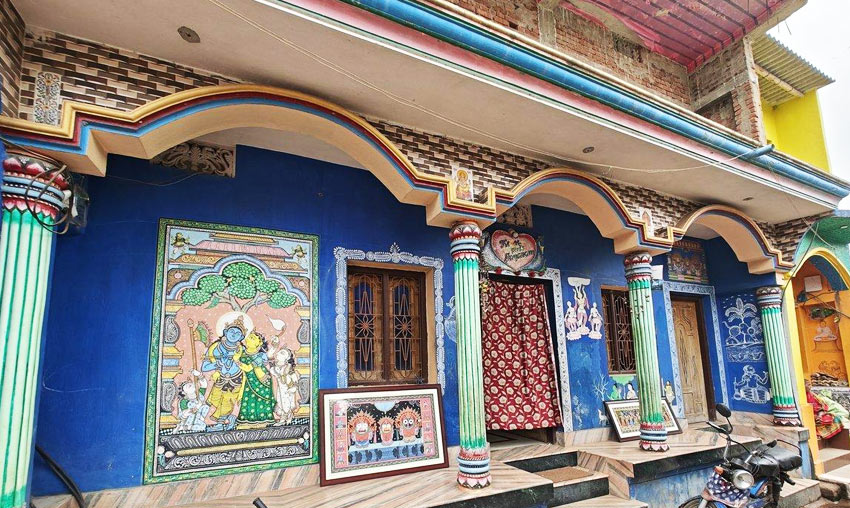
The village is also known for its painted houses. Many homes feature colourful murals depicting Hindu deities, mythological stories and traditional motifs. These paintings give the village a distinctive appearance and make a walk through its lanes a cultural experience.
The heritage recognition has helped bring attention to the importance of protecting traditional knowledge, supporting artisans and encouraging visitors to purchase authentic handmade products directly from the creators.
Pattachitra Art – The Most Famous Craft of Raghurajpur
Pattachitra is the most famous traditional art form associated with Raghurajpur. The word Pattachitra comes from two Sanskrit-derived words: “Patta”, meaning cloth or canvas, and “Chitra”, meaning picture or painting.
It is a traditional painting style known for its intricate lines, decorative borders, vibrant colours and detailed mythological themes. Artists create compositions depicting Lord Jagannath, Lord Balabhadra, Goddess Subhadra, Lord Krishna, Lord Vishnu and episodes from Hindu epics.
Traditional Pattachitra paintings are created on specially prepared cloth known as Patta. The surface is carefully treated to provide a suitable base for painting. Artists then draw the composition, fill it with colours and add detailed decorative patterns.
Traditional natural colours have historically been an important part of this craft. Depending on the artist and the work, pigments may be prepared from natural materials and minerals.
Common Themes in Pattachitra Paintings
- Lord Jagannath, Lord Balabhadra and Goddess Subhadra
- Stories of Lord Krishna and Radha
- Episodes from the Ramayana
- Scenes from the Mahabharata
- Dashavatara – the ten incarnations of Lord Vishnu
- Traditional Hindu deities and religious symbols
- Decorative floral patterns and mythological compositions
Each painting reflects the artist’s skill, patience and knowledge of traditional storytelling through visual art.
How Pattachitra Paintings Are Made
Traditional Pattachitra painting involves several stages of preparation and detailed artistic work. The process requires patience, precision and years of practice.
1. Preparing the Canvas
The artist prepares a cloth surface known as Patta. Traditionally, the cloth is treated with a mixture involving tamarind seed paste and chalk-based material to create a smooth painting surface.
2. Drawing the Outline
After preparing the surface, the artist sketches the main figures, decorative borders and background elements. The composition is carefully planned to maintain balance and symmetry.
3. Applying Colours
Colours are added to the figures and background. Traditional Pattachitra uses strong, contrasting colours to make the characters and decorative patterns stand out.
4. Adding Fine Details
Artists create fine lines, facial expressions, jewellery, clothing patterns and ornamental borders. These details give Pattachitra its distinctive visual identity.
5. Final Finishing
The painting is completed through final detailing and finishing work. Depending on the design and size, a detailed Pattachitra may take several days or longer to complete.
Other Traditional Art Forms of Raghurajpur
Although Pattachitra is the village’s most famous craft, Raghurajpur is also known for several other traditional art forms. These crafts reflect the creativity and diverse skills of local artisan families.
1. Tala Pattachitra – Palm Leaf Engraving
Tala Pattachitra is a traditional art form created on dried palm leaves. Artists use a pointed tool or stylus to engrave fine lines and figures onto prepared palm leaves.
Several palm leaves may be arranged together to create a larger composition. The finished artwork often depicts mythological stories, religious figures and decorative patterns.
This craft is especially admired for its fine detailing and the patience required to create intricate designs on a natural surface.
2. Tussar Silk Painting
Tussar silk painting is another artistic tradition associated with the region. Artists create decorative paintings on Tussar silk fabric, often featuring religious themes, traditional motifs and mythological characters.
The natural texture of the silk gives these artworks a distinctive appearance and makes them popular among collectors and visitors.
3. Papier-Mâché Masks and Toys
Raghurajpur artisans also create papier-mâché masks, toys and decorative objects. These items are made using paper-based materials shaped into different forms and decorated with colourful designs.
Traditional masks often represent mythological characters, animals and figures from folk stories.
4. Wooden Toys and Wood Carving
Wood carving is another traditional craft practised by artisans in the village. Wooden toys, decorative objects and religious figures are created using hand tools and traditional techniques.
These items showcase the skill of local craftsmen and are often purchased by visitors as handmade souvenirs.
5. Stone Carving
Some artisans also work with stone to create traditional decorative and religious objects. Stone carving requires specialised tools, patience and knowledge of form and proportion.
6. Decorative Painting on Everyday Objects
Traditional painting techniques have also been adapted to different surfaces such as coconuts, betel nuts, clay pots and other decorative objects. These products demonstrate how traditional artistic knowledge continues to evolve while retaining its cultural identity.
Gotipua Dance – The Living Performing Art of Raghurajpur
Raghurajpur is also associated with Gotipua, a traditional dance form of Odisha. In this style, young boys perform graceful dance movements while dressed in traditional costumes and ornaments.
Gotipua performances combine expressive gestures, rhythmic footwork, acrobatic movements and devotional themes. The dance is traditionally associated with the worship of Lord Jagannath and Lord Krishna.
Gotipua is also recognised for its historical relationship with the development of Odissi dance. The expressive movements, body techniques and artistic elements of Gotipua have contributed to the broader cultural development of Odisha’s classical dance traditions.
Visitors may occasionally find cultural performances arranged in or around Raghurajpur. However, these performances are not necessarily available every day. Travellers interested in watching a Gotipua presentation should check with local tourism organisers or artisan groups in advance.
Famous Personalities Associated with Raghurajpur
Guru Kelucharan Mohapatra
Raghurajpur is the birthplace of Guru Kelucharan Mohapatra, one of the most influential figures in the history of Odissi dance.
He played a major role in shaping and popularising Odissi as a recognised classical dance form. His contribution to Indian performing arts earned him the Padma Vibhushan, one of India’s highest civilian honours.
His association with Raghurajpur adds to the cultural importance of the village and its contribution to Odisha’s artistic heritage.
Guru Maguni Charan Das
Raghurajpur is also associated with Guru Maguni Charan Das, a celebrated Gotipua dance exponent. He received the Padma Shri for his contribution to traditional performing arts.
His work helped preserve and promote the Gotipua dance tradition, which remains an important part of Odisha’s cultural identity.
Village Layout and Traditional House Murals
One of the most interesting features of Raghurajpur is its traditional village layout. The settlement is arranged in rows of houses facing one another, with narrow lanes connecting the artisan households.
The village is located on the southern bank of the Bhargavi River and is surrounded by tropical vegetation, including coconut, palm, mango and jackfruit trees.
Many houses are decorated with colourful murals showing Hindu gods, mythological scenes, traditional patterns and religious stories. The paintings on the walls, doors and entrances create a distinctive visual identity.
At the centre of the village are small temples and Bhagabat Tungi, a traditional community gathering place. The village temples are associated with deities such as Radha Mohan, Gopinath, Raghunath, Laxminarayan, Gouranga and the village goddess Bhuasuni.
This combination of traditional houses, temples, murals and artisan workshops makes Raghurajpur an excellent destination for visitors interested in heritage architecture and rural culture.
Things to Do at Raghurajpur Heritage Crafts Village
1. Walk Through the Traditional Village Lanes
Explore the narrow lanes and admire the colourful murals painted on the houses. A village walk offers an opportunity to understand the everyday surroundings of the artisan community.
2. Watch Pattachitra Artists at Work
Visit artisan workshops and observe how traditional paintings are created. You can learn about canvas preparation, drawing, colouring and detailed finishing techniques.
3. Explore Palm Leaf Engraving
See how artists use traditional tools to engrave intricate designs on dried palm leaves. The process is particularly interesting for visitors who enjoy detailed handmade crafts.
4. Meet Local Artisans
Interact respectfully with local artists and learn about their craft traditions, family workshops and the stories behind their artwork.
5. Buy Authentic Handmade Souvenirs
Visitors can purchase Pattachitra paintings, palm leaf engravings, wooden toys, masks and other handmade products directly from artisan households.
6. Experience Traditional Gotipua Culture
If a performance is organised during your visit, watching Gotipua dance can provide a deeper understanding of Odisha’s traditional performing arts.
Shopping at Raghurajpur Heritage Village
Raghurajpur is one of the best places near Puri to purchase authentic traditional handicrafts directly from the artists who create them.
Popular products include:
- Pattachitra paintings on cloth
- Palm leaf engraved artworks
- Lord Jagannath paintings
- Radha Krishna and mythological paintings
- Tussar silk paintings
- Papier-mâché masks
- Traditional wooden toys
- Decorative handicrafts and souvenirs
Prices depend on the size, materials, complexity, detailing and time required to create each artwork. Small decorative pieces may be more affordable, while detailed traditional paintings can command higher prices.
Buying directly from an artisan household helps support local craft traditions and provides income to the people who preserve these skills.
How to Identify Authentic Pattachitra Art
Visitors interested in purchasing Pattachitra paintings should take time to understand the artwork before making a purchase.
- Ask the artist about the material used for the painting surface.
- Look closely at the fine outlines, decorative borders and detailing.
- Ask about the traditional colours and techniques used.
- Understand whether the artwork is painted on cloth, palm leaf or another material.
- Ask about the artist’s name and the story represented in the painting.
- Request information about the care and storage of the artwork.
Remember that handmade artworks may have small variations. These differences are often part of the character of traditional craftsmanship.
Raghurajpur Heritage Village Timings and Entry Fee
Raghurajpur is a living village rather than a gated monument. Visitors can generally walk through the village and explore its artisan lanes without purchasing a conventional entry ticket.
Odisha Tourism lists the village’s visiting hours as 9:00 AM to 6:00 PM, while other official tourism material has published a 6:00 AM to 6:00 PM schedule. Individual artisan households may follow their own working hours.
| Visitor Information | Details |
|---|---|
| Published Tourism Timings | Generally 9:00 AM to 6:00 PM |
| Entry Fee | No general village entry fee listed by Odisha Tourism |
| Ideal Visit Duration | 2–3 hours |
| Best Time of Day | Late morning to early afternoon |
| Shopping | Directly from local artisan households |
| Special Performances | Subject to local arrangements and availability |
Important: The village is a residential community. Visitors should ask permission before entering private homes, taking photographs of artisans or arranging demonstrations. A special workshop or cultural performance may involve a separate charge.
Best Time to Visit Raghurajpur Heritage Crafts Village
The best time to visit Raghurajpur is generally from October to March, when the weather in Puri district is more comfortable for walking and exploring the village.
Late morning is a good time to visit because many artisans may be working in their home workshops or verandahs. This gives visitors a better chance to observe painting, engraving and other traditional craft activities.
During the summer months, temperatures can become high, so visitors should carry drinking water and avoid spending long periods walking in direct sunlight.
For a quieter experience, visitors can plan their trip on a regular weekday, although individual artisan availability may vary.
How to Reach Raghurajpur Heritage Crafts Village
By Road
Raghurajpur is located approximately 12–14 kilometres from Puri, near Chandanpur on the Puri–Bhubaneswar road. Visitors can travel by taxi, auto-rickshaw or private vehicle.
From Puri, travel towards Chandanpur and follow the local road leading to Raghurajpur village. Local directions can help identify the village entrance.
By Train
Puri Railway Station is the nearest major railway station for visitors travelling from other cities. From the station, hire a taxi or local vehicle to reach Raghurajpur.
Sakhigopal Railway Station is another nearby railhead mentioned in local district tourism information, but visitors should check train availability and onward transport before planning their journey.
By Air
Biju Patnaik International Airport in Bhubaneswar is the nearest major airport. From the airport, visitors can travel towards Puri by road and continue to Raghurajpur via Chandanpur.
Places to Visit Near Raghurajpur Heritage Village
1. Shree Jagannath Temple, Puri
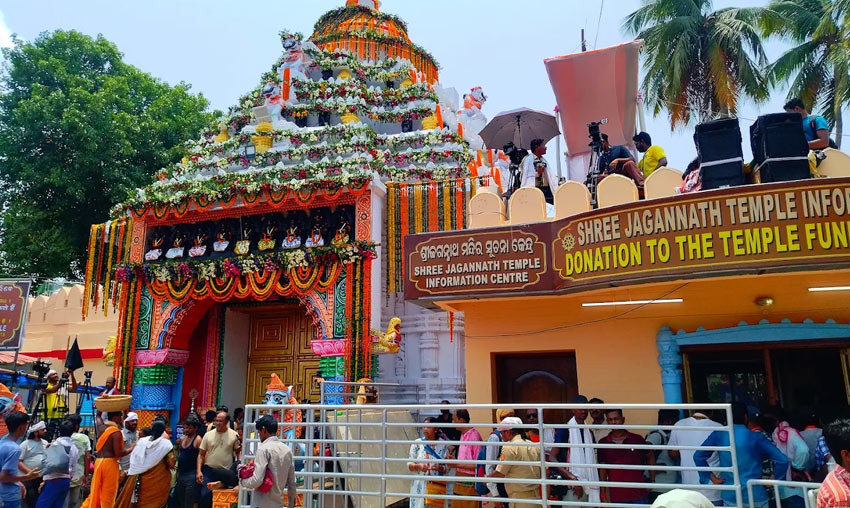
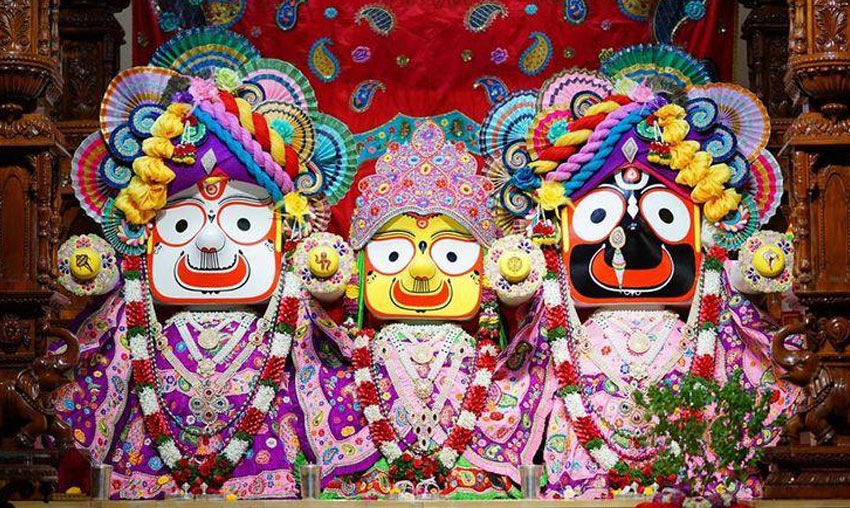
Shree Jagannath Temple is the most famous pilgrimage destination in Puri and one of the sacred Char Dham sites in Hindu tradition. It is closely connected with the Pattachitra art tradition because many paintings depict Lord Jagannath and the holy trinity.
2. Puri Beach and Golden Beach
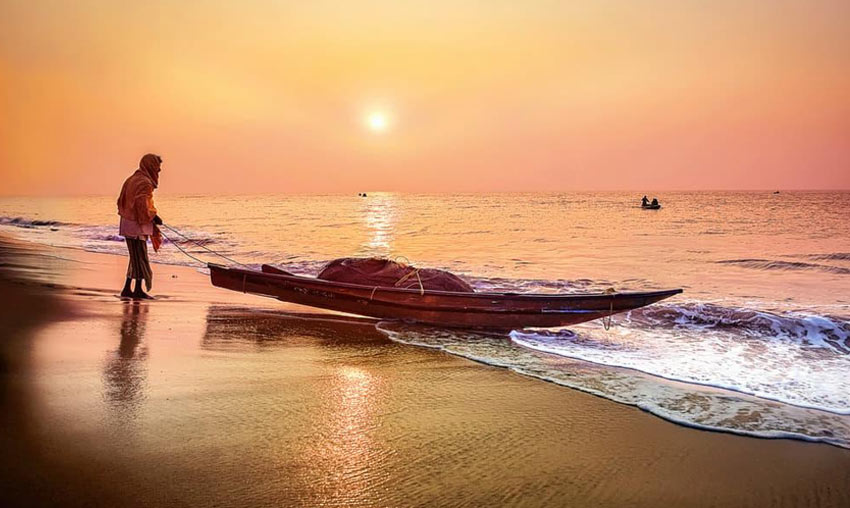
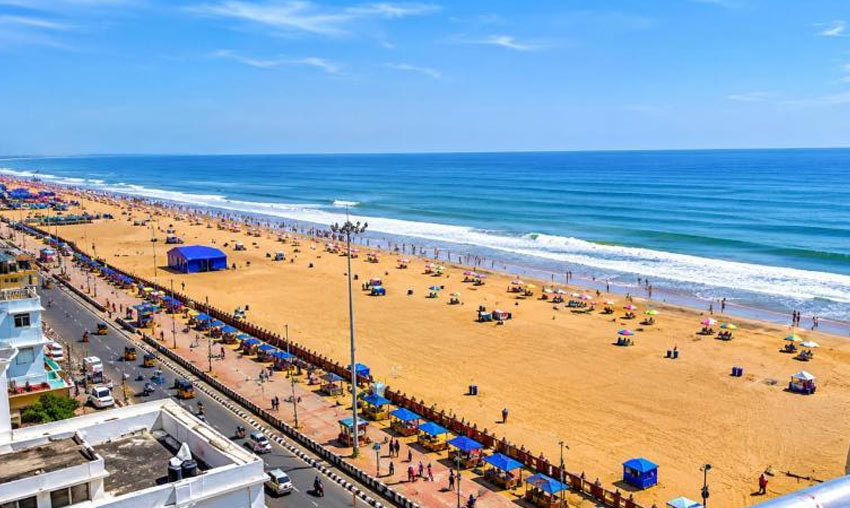
Puri Beach and Golden Beach are popular coastal attractions known for their seaside atmosphere, sunrise views and Blue Flag beach facilities at the designated Golden Beach stretch.
3. Gundicha Temple
Gundicha Temple is an important shrine associated with the annual Rath Yatra of Lord Jagannath.
4. Narendra Sarovar
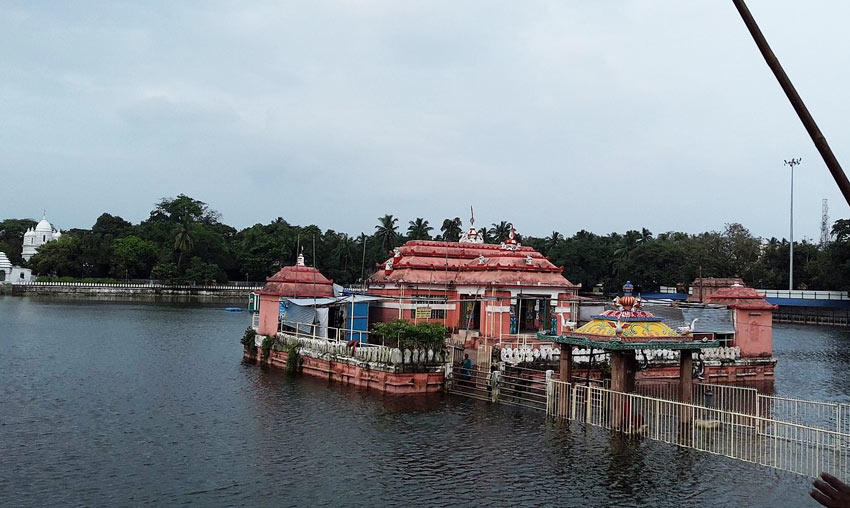
Narendra Sarovar is a historic sacred tank associated with Lord Jagannath’s Chandan Yatra and traditional ceremonial boat rituals.
5. Loknath Temple
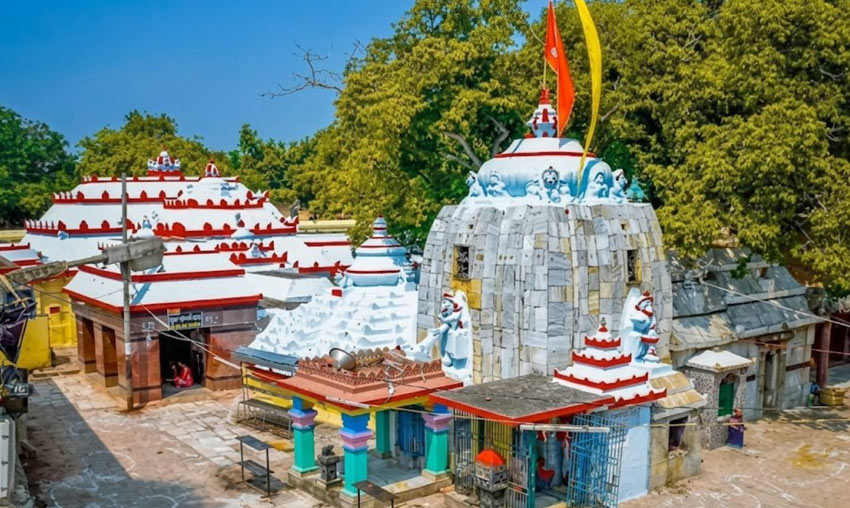
Loknath Temple is an important Shiva shrine in Puri, famous for its submerged Shiva Lingam and religious traditions.
6. Pipili Applique Village
Pipili is a famous handicraft town known for colourful applique work. Visitors can explore decorative fabric products, umbrellas, wall hangings and traditional textile crafts.
Suggested Half-Day Raghurajpur Visit Plan
Raghurajpur can be comfortably explored in approximately two to three hours. The following plan offers a simple way to experience the village:
- Arrival: Reach the village in the late morning and begin with a walk through the traditional lanes.
- Explore the Murals: Admire the colourful paintings on village houses and observe the traditional layout.
- Visit Artisan Workshops: Meet local artists and watch Pattachitra painting or palm leaf engraving, subject to availability.
- Discover Other Crafts: Explore wooden toys, masks, Tussar paintings and other handmade products.
- Shopping: Purchase authentic artwork directly from the artisan households.
- Departure: Continue towards Puri or combine the trip with another nearby attraction.
Travel Tips for Visiting Raghurajpur
- Allow at least two to three hours to explore the village properly.
- Visit during late morning if you want a better chance of seeing artisans at work.
- Ask permission before entering private houses and workshops.
- Respect the privacy of residents while taking photographs.
- Buy handicrafts directly from artists whenever possible.
- Ask about the materials, painting technique and story behind an artwork before purchasing.
- Carry cash as some small artisan households may not accept digital payments.
- Keep drinking water with you, particularly during warmer months.
- Do not litter the village lanes or disturb the local community.
- Confirm the availability of Gotipua performances in advance if watching a dance show is important to your visit.
Frequently Asked Questions About Raghurajpur Heritage Crafts Village
1. Where is Raghurajpur Heritage Crafts Village located?
Raghurajpur is located in Puri district, Odisha, on the southern bank of the Bhargavi River, near Chandanpur. It is approximately 12–14 kilometres from Puri.
2. Why is Raghurajpur famous?
Raghurajpur is famous for its traditional Pattachitra paintings, palm leaf engravings, wooden toys, papier-mâché masks, Tussar paintings and Gotipua dance tradition.
3. Why is Raghurajpur called India’s first heritage crafts village?
Raghurajpur received recognition as India’s first heritage crafts village in 2000. The recognition highlights its traditional artisan community, historic craft practices and cultural heritage.
4. What is Pattachitra art?
Pattachitra is a traditional painting style of Odisha, usually created on specially prepared cloth. It is known for detailed line work, decorative borders and mythological themes, particularly stories related to Lord Jagannath and Lord Krishna.
5. What is Tala Pattachitra?
Tala Pattachitra is a traditional palm leaf engraving art. Artists use pointed tools to create detailed drawings and patterns on prepared dried palm leaves.
6. What is Raghurajpur famous for besides Pattachitra?
The village is also known for palm leaf engraving, Tussar silk painting, wooden toys, stone carving, papier-mâché masks and the Gotipua dance tradition.
7. Is there an entry fee for Raghurajpur Heritage Village?
Odisha Tourism lists no general entry fee for the village. However, individual workshops, demonstrations or cultural performances may involve separate charges.
8. What are the visiting hours of Raghurajpur?
Odisha Tourism lists visiting hours of approximately 9:00 AM to 6:00 PM. Individual artisan households may have different working schedules, so late morning is a suitable time to visit.
9. How much time is needed to explore Raghurajpur?
Approximately two to three hours are suitable for walking through the village, visiting artisan workshops, observing traditional crafts and shopping.
10. Can visitors watch Pattachitra artists working?
Yes. Visitors can often observe artisans creating traditional paintings in their home workshops or verandahs. Availability depends on the artists’ schedules and daily work.
11. Is Raghurajpur associated with Odissi dance?
Yes. Raghurajpur is the birthplace of Guru Kelucharan Mohapatra, one of the most influential figures in the history of Odissi dance. The village is also associated with the traditional Gotipua dance form.
12. Can visitors buy Pattachitra paintings directly from artists?
Yes. Visitors can purchase traditional Pattachitra paintings, palm leaf artworks, masks and other handicrafts directly from artisan households in the village.
13. What is the best time to visit Raghurajpur?
October to March is generally the most comfortable season to explore the village. Late morning is a suitable time to see artisans at work.
14. Can Raghurajpur be visited from Puri in one day?
Yes. Raghurajpur is close to Puri and can easily be visited as a half-day excursion. Visitors can combine it with Puri’s temples, beaches and other nearby attractions.
Explore our complete Places to Visit in Puri travel guide to discover more temples, beaches, heritage destinations and cultural attractions in Odisha.
Nearby Places to Visit
Nearby Places to Visit