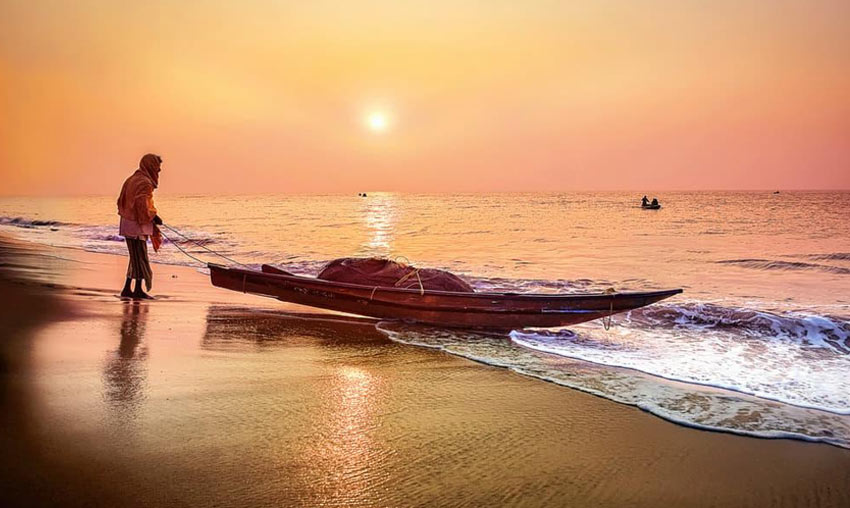
Swargadwar Beach, Puri – History, Religious Significance, Timings & Travel Guide
Swargadwar Beach is one of the most well-known coastal and religious landmarks in Puri, Odisha. Located along the Bay of Bengal, this part of Puri’s coastline is closely associated with Hindu religious traditions, pilgrimage and the spiritual identity of the city.
The name “Swargadwar” means “Gateway to Heaven”. The place is particularly significant because the nearby Swargadwar cremation ground is regarded as a sacred location for performing the last rites of Hindu families. A traditional belief holds that cremation at this holy place helps the departed soul attain salvation.
The nearby seashore is also known as Mahodadhi, the sacred ocean in Puri’s religious tradition. Pilgrims visit the area to offer prayers and take a ritual dip in the sea. At the same time, the beach is part of the wider Puri coastline, where visitors can experience the sea breeze, coastal atmosphere and local life.
Swargadwar is not simply a sightseeing location. It is a place of faith, remembrance and religious practice. Visitors should understand its cultural importance and approach the cremation area with dignity and respect.
Swargadwar Beach Puri – Overview
| Details | Information |
|---|---|
| Name | Swargadwar Beach |
| Location | Swargadwar, Puri, Odisha, India |
| Coastline | Bay of Bengal |
| Local Religious Name of the Sea | Mahodadhi |
| Meaning of Swargadwar | Gateway to Heaven |
| Religious Association | Hindu pilgrimage and last rites traditions |
| Nearby Sacred Site | Swargadwar Cremation Ground |
| Nearby Major Attraction | Shree Jagannath Temple |
| Nearest Railway Station | Puri Railway Station |
| Nearest Airport | Biju Patnaik International Airport, Bhubaneswar |
| Best Time to Visit Puri | October to March |
History of Swargadwar, Puri
Swargadwar has been an important part of Puri’s religious and cultural landscape for generations. The sacred identity of this coastal area is closely connected with the traditions of Lord Jagannath and the religious importance of the Bay of Bengal.
In the religious geography of Puri, the sea is known as Mahodadhi, meaning the great ocean. The coastline is not viewed only as a natural landscape but also as a sacred part of the holy city.
According to traditional Hindu belief, Swargadwar is a sacred gateway associated with the journey of the soul after death. This belief made the location one of the most important cremation grounds for Hindu families in Odisha and beyond.
Swargadwar has also remained connected with the customs of the local Sevayat community. Historical descriptions record a special tradition in which the funeral fire for deceased Sevayats was brought from the kitchen of Lord Jagannath’s temple. This practice reflects the deep connection between the temple and the religious life of Puri.
While the religious traditions are centuries old, the exact date of the establishment of Swargadwar as a cremation ground is not firmly documented in the sources consulted.
Why Is Swargadwar Called the Gateway to Heaven?
The word Swargadwar is formed from two Sanskrit-derived words: “Swarga”, meaning heaven, and “Dwar”, meaning gateway. Together, the name translates to “Gateway to Heaven”.
According to a widely held Hindu belief, performing the last rites of a person at Swargadwar is spiritually auspicious and helps the departed soul attain salvation or liberation from the cycle of birth and rebirth.
This belief is an important part of the religious identity of Puri. Families from different parts of Odisha and other regions of India bring the mortal remains of their loved ones to Swargadwar for the final rites.
The significance of the place is therefore rooted in faith, traditional funeral customs and the Hindu understanding of life, death and liberation.
Religious Significance of Swargadwar Beach
Swargadwar is one of the most spiritually significant places along the Puri coastline. Its importance is connected with the sacred sea, the nearby cremation ground and the religious traditions of Lord Jagannath.
1. Sacred Mahodadhi
The Bay of Bengal along Puri is traditionally known as Mahodadhi, or the great ocean. In Hindu religious practice, the sea near Swargadwar is considered sacred.
Pilgrims visit the shore to take a ritual bath, offer prayers and remember their ancestors. The act of bathing in the sacred waters is traditionally associated with spiritual purification.
2. Connection with Lord Jagannath
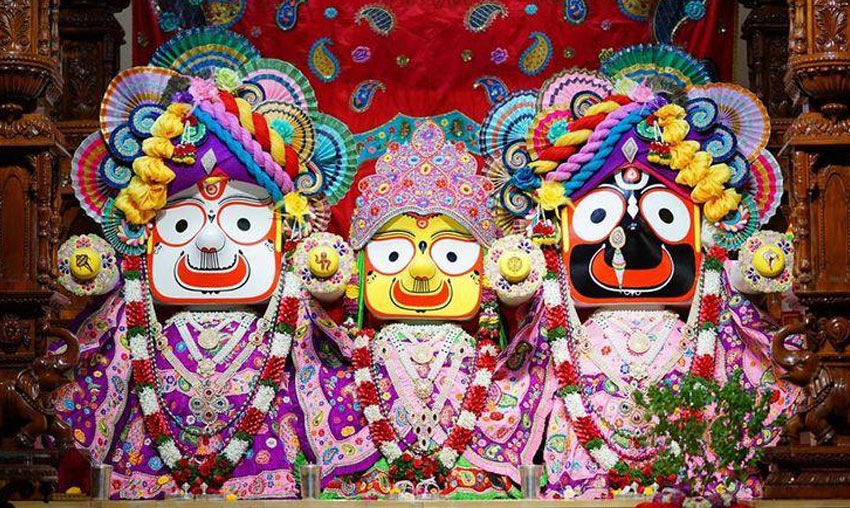
Swargadwar forms part of the wider sacred geography of Puri, which is centred around Shree Jagannath Temple. The religious life of the city connects its temples, pilgrimage routes, sacred water bodies and coastal areas.
Traditional accounts also describe a special relationship between Lord Jagannath and the sea. On Amavasya, the new-moon day, Lord Jagannath is traditionally associated with a visit to Mahodadhi in the form of Amavasya Narayan.
3. Association with Sri Chaitanya Mahaprabhu
Swargadwar Beach is also associated with Sri Chaitanya Mahaprabhu, the revered Vaishnava saint and devotee of Lord Krishna. According to local belief, this coastal area was a place where he came to bathe.
This association adds another layer of religious importance to the beach and connects it with the Bhakti traditions of Puri.
4. Ritual Bathing and Prayers
Many pilgrims visit the Mahodadhi bathing area near Swargadwar to take a ritual dip in the sea. Some devotees also offer prayers for the peace and spiritual well-being of their departed family members.
These customs are part of the wider pilgrimage culture of Puri, where sacred bathing and remembrance of ancestors hold an important place.
Swargadwar Cremation Ground – A Place of Faith and Final Rites
The Swargadwar cremation ground is one of the most recognised Hindu cremation sites in Odisha. It is located close to the beach and has immense religious significance for families who wish to perform the last rites of their loved ones at this sacred place.
According to traditional belief, cremation at Swargadwar is considered especially auspicious and is associated with the attainment of salvation by the departed soul.
The cremation ground has undergone modernisation to improve the facilities and arrangements available to grieving families. Swargadwar Seva Samiti is associated with its management, while Swargadwar Seva Kendra provides support for families coming to perform the final rites.
The cremation ground is an active religious and funeral facility, not a conventional tourist attraction. Visitors should avoid treating cremation ceremonies as entertainment or taking photographs and videos of grieving families or funeral activities.
Swargadwar Seva Samiti and Facilities
Swargadwar Seva Samiti is associated with the management and improvement of the cremation facilities at Swargadwar.
Following redevelopment and modernisation, facilities were introduced to help families perform the final rites in a more organised manner. Swargadwar Seva Kendra provides assistance and coordination for people arriving from different parts of the country.
The purpose of these arrangements is to support families during a difficult time and maintain dignity in the performance of last rites.
What to Experience Around Swargadwar Beach
The coastal area around Swargadwar is part of the wider Puri Beach stretch. Visitors can experience the natural coastline and observe the religious and cultural character of the area while respecting the nearby cremation activities.
1. Enjoy the Sea View
The Bay of Bengal creates a beautiful coastal setting along Puri. Visitors can enjoy views of the sea, listen to the waves and experience the refreshing coastal breeze from appropriate public beach areas.
2. Observe Local Coastal Life
The wider Puri coastline reflects the daily life of a traditional seaside town. Depending on the time of day, visitors may see local fishermen, vendors and pilgrims moving along the beach.
3. Experience the Religious Atmosphere
The area around Swargadwar is closely connected with Puri’s pilgrimage culture. Visitors can learn about the sacred importance of Mahodadhi and the traditional beliefs associated with the location.
4. Explore the Nearby Beach Stretch
Swargadwar is part of Puri’s wider coastal landscape. Visitors interested in spending more time by the sea can also explore the designated Golden Beach area and other public beach stretches, following local safety instructions.
Swargadwar Beach Timings and Entry Fee
The public beach area is part of Puri’s coastline, and a single official fixed visiting schedule for Swargadwar Beach could not be verified from the sources consulted.
| Visitor Information | Details |
|---|---|
| Beach Access | Public coastal area; follow local access and safety rules |
| Official Fixed Timings | No confirmed fixed schedule available |
| Beach Entry Fee | No confirmed separate entry fee found |
| Suggested Time for Coastal Views | Early morning or late afternoon |
| Cremation Ground | Active religious facility; not a sightseeing area |
Important: Beach access, safety arrangements and local restrictions may change. Follow instructions issued by local authorities. The cremation ground has its own operational arrangements and should not be treated as an ordinary visitor attraction.
Best Time to Visit Swargadwar Beach
The best time to explore Puri is generally from October to March, when the weather is more comfortable for coastal sightseeing and outdoor activities.
Early mornings are suitable for enjoying the sea view and observing the peaceful atmosphere of the coastline. Late afternoons are also pleasant, although visitors should be mindful of local conditions and beach safety.
During the summer months, temperatures and humidity can be high. Visitors should carry drinking water, use sun protection and avoid prolonged exposure to direct sunlight.
During major religious festivals and pilgrimage periods, Puri can become crowded. Plan transport and accommodation in advance, especially around Rath Yatra and other important temple occasions.
How to Reach Swargadwar Beach, Puri
By Road
Swargadwar is located in the southern part of Puri’s coastal area and can be reached by auto-rickshaw, cycle-rickshaw, taxi or private vehicle. It is approximately 2 kilometres from Shree Jagannath Temple, depending on the route.
By Train
Puri Railway Station is the nearest major railway station. From the station, visitors can use local transport to reach Swargadwar Beach.
By Air
The nearest major airport is Biju Patnaik International Airport in Bhubaneswar. It is approximately 60 kilometres from Puri by road. Visitors can continue their journey by taxi, bus or train.
Places to Visit Near Swargadwar Beach
1. Shree Jagannath Temple
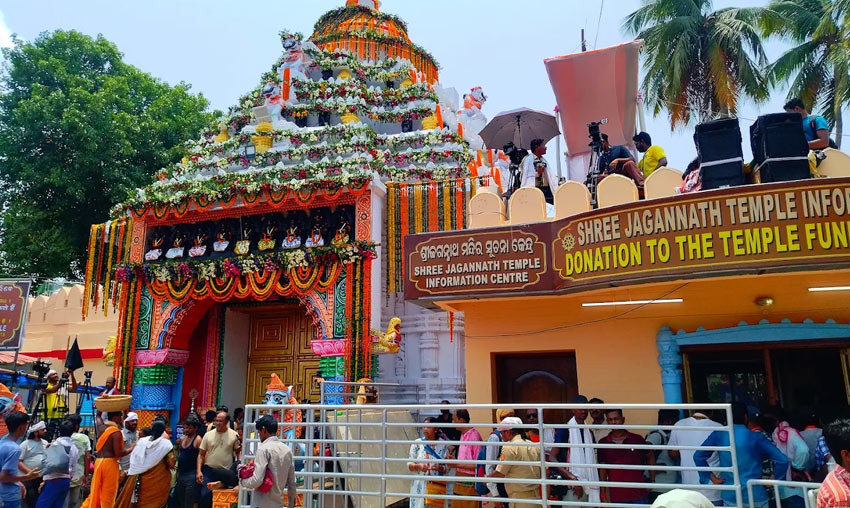
Shree Jagannath Temple is the most important pilgrimage destination in Puri and one of the sacred Char Dham sites in Hindu tradition. The temple is closely connected with the religious identity of the entire city.
2. Puri Beach and Golden Beach
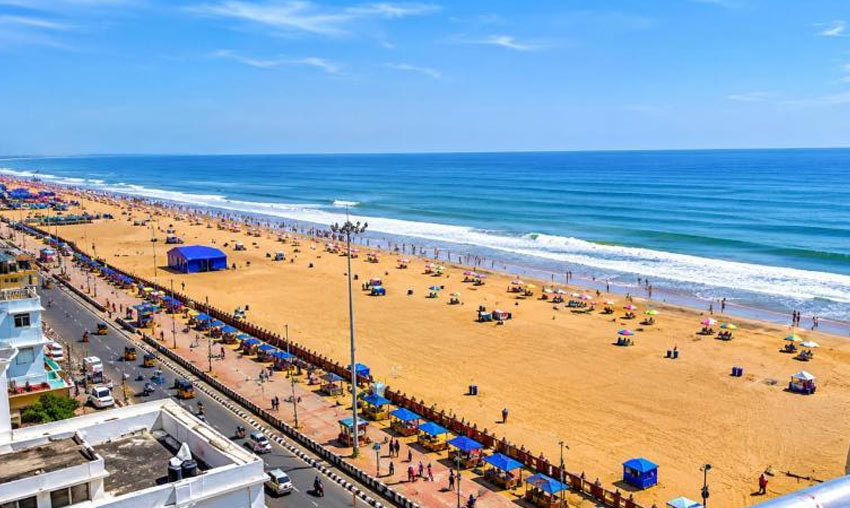
Puri Beach and Golden Beach are among the most popular coastal attractions in the city. Golden Beach is the designated Blue Flag-certified stretch of the wider Puri coastline.
3. Loknath Temple
Loknath Temple is an important Shiva shrine known for its submerged Shiva Lingam and association with Pankoddhar Ekadashi and Maha Shivaratri.
4. Narendra Sarovar
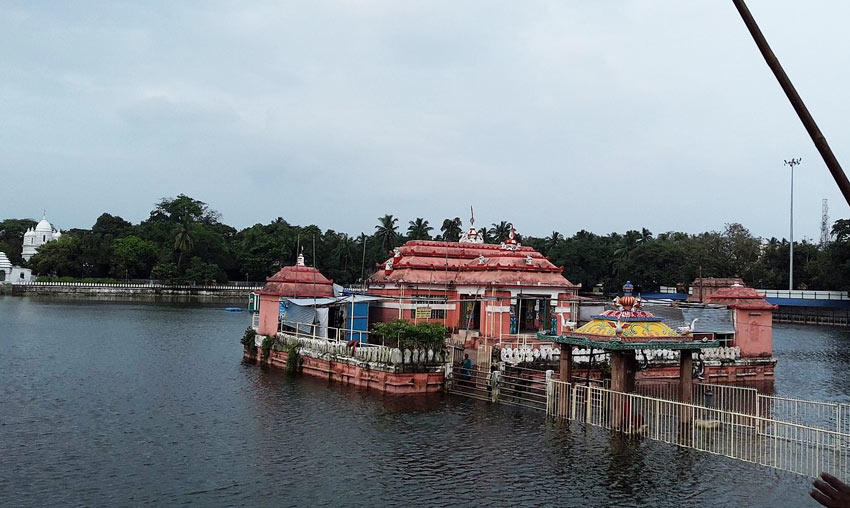
Narendra Sarovar is a historic sacred tank associated with Lord Jagannath’s Chandan Yatra and traditional ceremonial boat rituals.
5. Gundicha Temple
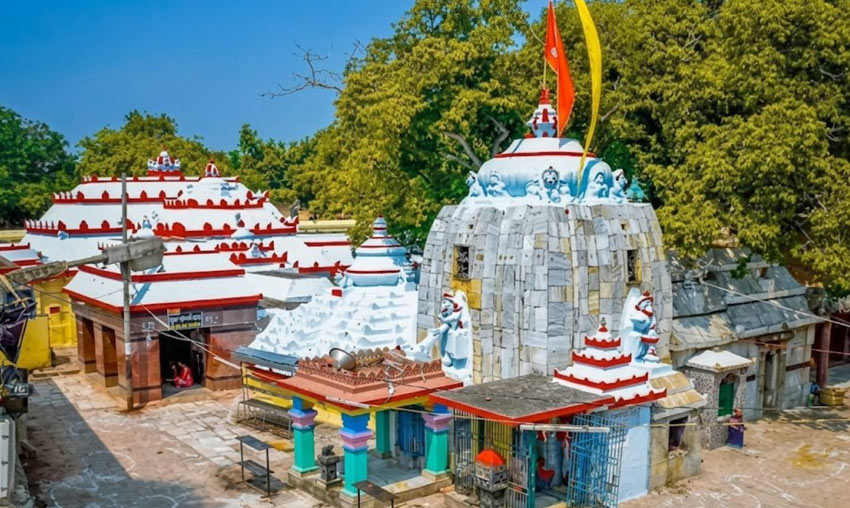
Gundicha Temple is an important shrine associated with the annual Rath Yatra. It is traditionally known as the destination where the deities stay during the festival.
Suggested One-Day Puri Sightseeing Itinerary
Visitors exploring Puri can include Swargadwar Beach in a wider sightseeing plan. The following is a suggested route:
- Morning: Visit Shree Jagannath Temple, subject to the current darshan schedule.
- Late Morning: Explore Narendra Sarovar and its historic surroundings.
- Afternoon: Visit Loknath Temple and Gundicha Temple, checking their visiting arrangements in advance.
- Late Afternoon: Explore appropriate public areas of the Puri coastline near Swargadwar.
- Evening: Visit Golden Beach or another suitable public beach stretch, depending on local access and safety conditions.
Keep in mind that Swargadwar is an active cremation site. Plan your beach visit respectfully and avoid obstructing funeral processions or families performing last rites.
Travel Tips for Visiting Swargadwar Beach
- Understand the religious significance of Swargadwar before visiting.
- Wear comfortable clothing and footwear suitable for the beach.
- Follow local beach safety instructions and avoid entering the sea during rough conditions.
- Do not enter restricted areas of the cremation ground.
- Never photograph or record funeral ceremonies, grieving families or cremation activities without permission.
- Maintain silence and respect when passing near the cremation area.
- Do not litter the beach or leave plastic waste behind.
- Carry drinking water and sun protection during hot weather.
- Check local conditions and transport arrangements during major festivals.
Frequently Asked Questions About Swargadwar Beach Puri
1. Where is Swargadwar Beach located?
Swargadwar Beach is located along the Bay of Bengal in Puri, Odisha. It is situated near the southern part of Puri’s coastal area and close to the famous Shree Jagannath Temple.
2. What does Swargadwar mean?
Swargadwar means “Gateway to Heaven”. The name reflects the religious belief associated with the nearby cremation ground and the spiritual significance of the location.
3. Why is Swargadwar famous?
Swargadwar is famous for its religious importance, its association with Hindu funeral traditions and its location beside the sacred Mahodadhi, the Bay of Bengal at Puri.
4. Is Swargadwar Beach and Swargadwar cremation ground the same place?
No. They are closely connected parts of the same coastal area, but the public beach and the active cremation ground serve different purposes. The cremation ground is a sacred place for performing last rites and should be approached with dignity and respect.
5. Why do Hindu families bring cremations to Swargadwar?
According to a traditional Hindu belief, cremation at Swargadwar is spiritually auspicious and helps the departed soul attain salvation. This belief makes it an important cremation destination for Hindu families.
6. What is Mahodadhi in Puri?
Mahodadhi means the great ocean. It is the traditional religious name for the Bay of Bengal along the Puri coastline.
7. Is there an entry fee for Swargadwar Beach?
No separate official beach entry fee could be verified from the sources consulted. Visitors should follow local access and safety arrangements.
8. What is the best time to visit Swargadwar Beach?
October to March is generally the most comfortable period for visiting Puri. Early morning and late afternoon are suitable times for enjoying the coastal views.
9. How far is Swargadwar from Jagannath Temple?
Swargadwar is approximately 2 kilometres from Shree Jagannath Temple, depending on the route taken.
10. Can tourists visit the Swargadwar cremation ground?
Swargadwar is an active cremation ground, not a conventional tourist attraction. Visitors should respect its purpose, avoid restricted areas and never disturb families performing last rites.
11. Which places can be visited near Swargadwar Beach?
Nearby attractions include Shree Jagannath Temple, Puri Beach, Golden Beach, Loknath Temple, Narendra Sarovar and Gundicha Temple.
12. Is Swargadwar suitable for swimming?
Visitors should not assume that the sea near Swargadwar is safe for swimming. Follow local lifeguard and beach authority instructions, check sea conditions and avoid entering the water when conditions are unsafe.
Explore our complete Places to Visit in Puri travel guide to discover more temples, beaches, heritage sites and nearby attractions in Odisha.
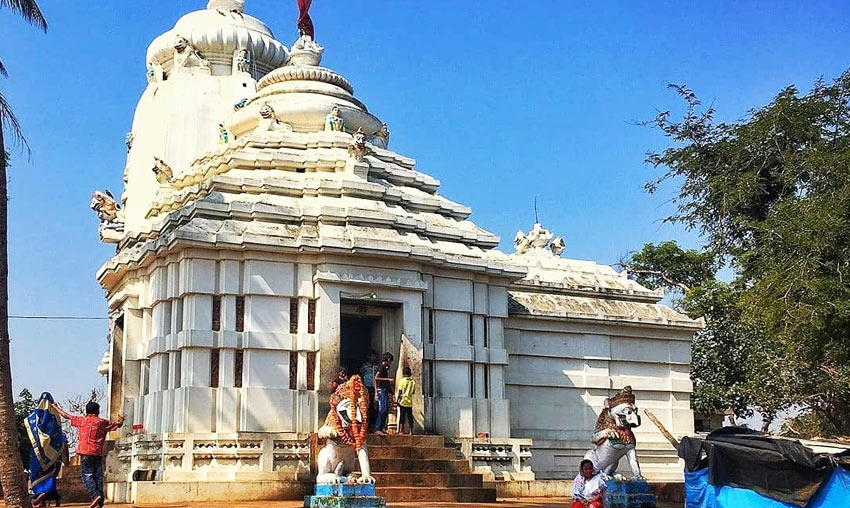
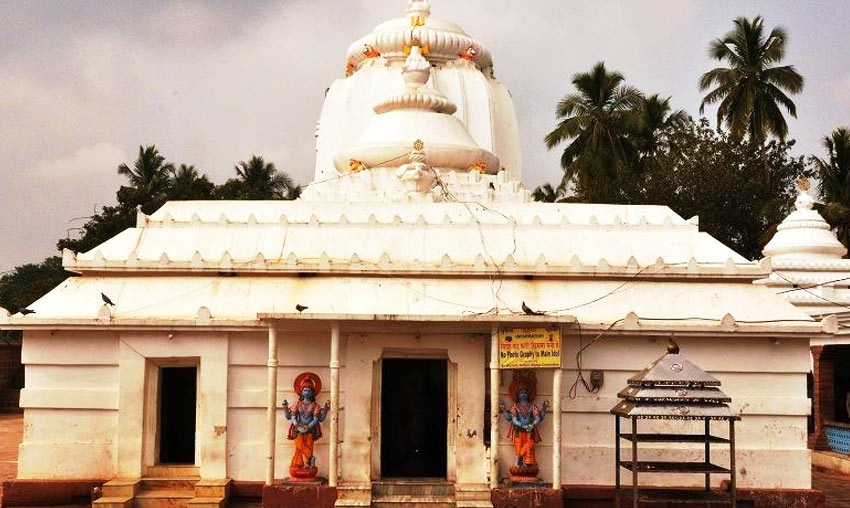
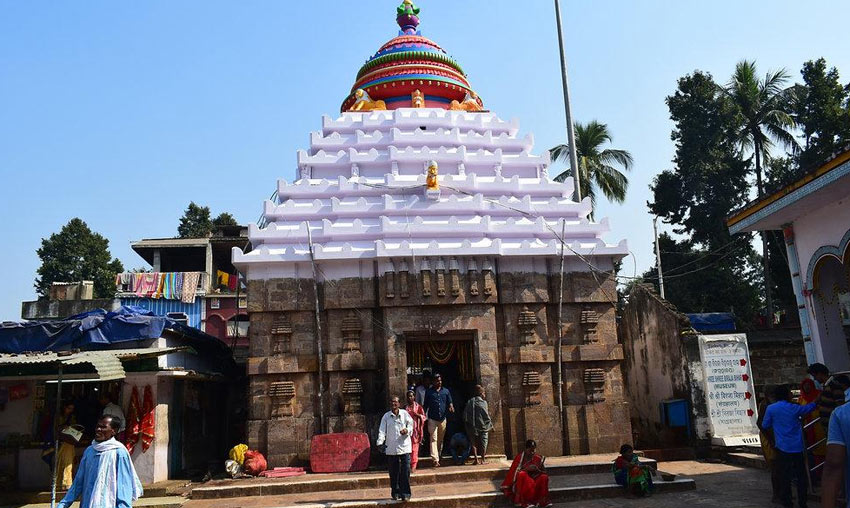
Nearby Places to Visit


Nearby Places to Visit