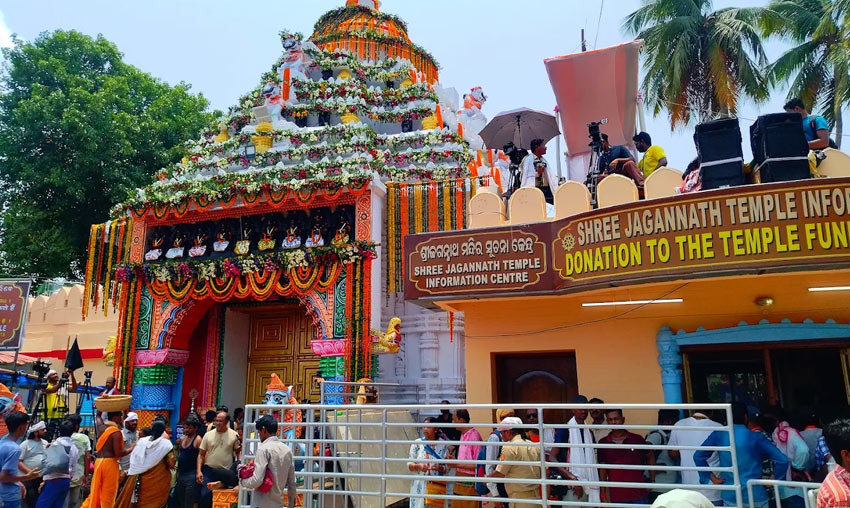
Gundicha Temple, Puri – History, Religious Significance, Rath Yatra Connection, Timings & Visitor Guide
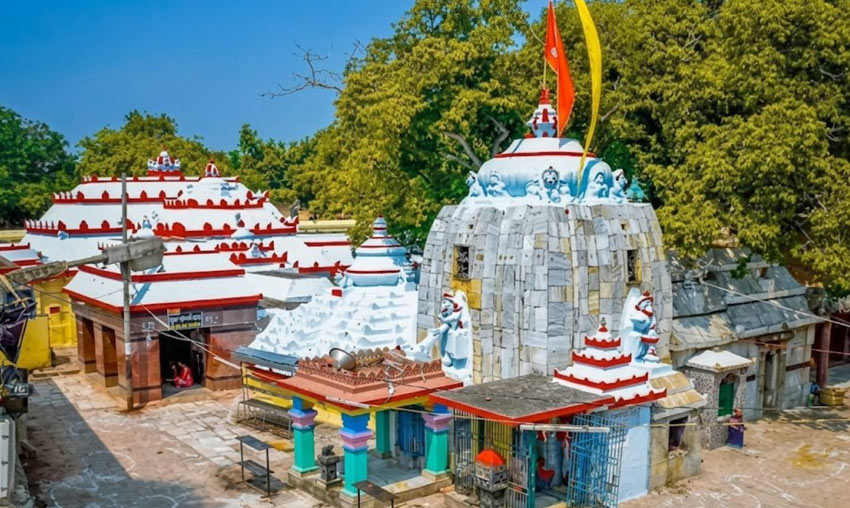
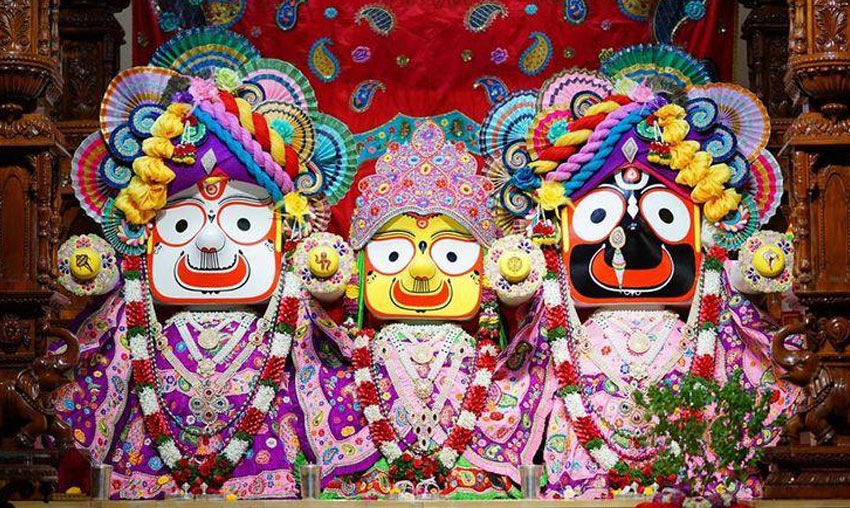
Gundicha Temple is one of the most important religious attractions in Puri, Odisha. Located at the northern end of the famous Bada Danda (Grand Road), this sacred temple is closely associated with the annual Rath Yatra of Lord Jagannath, Lord Balabhadra and Devi Subhadra.
Often described as the Garden House or the aunt’s house of Lord Jagannath, Gundicha Temple becomes the centre of one of India’s largest religious celebrations every year. During Rath Yatra, the three deities leave the main Jagannath Temple in their decorated chariots and travel to Gundicha Temple, where they stay for a traditional period before beginning their return journey.
The temple is known for its religious traditions, Kalinga-style architecture, peaceful garden surroundings and its special place in the Jagannath culture of Odisha. It is an important destination for pilgrims and travellers exploring the spiritual heritage of Puri.
Gundicha Temple – Location and Visitor Information
| Information | Details |
|---|---|
| Temple Name | Gundicha Temple |
| Location | Puri, Odisha, India |
| Dedicated To | Lord Jagannath, Lord Balabhadra and Devi Subhadra during Rath Yatra |
| Religious Association | Rath Yatra and Gundicha Yatra |
| Distance from Jagannath Temple | Approximately 2.6–3 km |
| Darshan Timings | 6:00 AM to 5:00 PM (reported by temple administration in September 2026) |
| Entry Fee | ₹10 per person (reported in September 2026) |
| Best Time to Visit | October to March; Rath Yatra season for festival experience |
| Recommended Visit Duration | Approximately 45 minutes to 1 hour |
Important: The timings and entry fee above reflect the public reopening announcement of 30 September 2026. Check the latest instructions from Shree Jagannath Temple Administration before visiting, as arrangements may change.
History of Gundicha Temple
Gundicha Temple is an important part of the historic religious landscape of Puri. It is situated at the northern end of Bada Danda, the Grand Road connecting it with Shree Jagannath Temple.
The temple is traditionally associated with King Indradyumna and Queen Gundicha. According to popular religious tradition, Queen Gundicha was a devoted follower of Lord Jagannath, and the annual journey of the deities to this temple is associated with her devotion.
The temple’s historical and religious identity is closely linked with the development of Jagannath worship and the Rath Yatra tradition. It has remained an important destination in Puri’s annual festival calendar for centuries.
Gundicha Temple is built in the Kalinga style of temple architecture. Its complex includes a sanctum, an assembly hall, a Natamandapa and a Bhogamandapa. The main structures are traditionally described as being constructed from light-coloured sandstone.
The Odisha Review article on the significance of Gundicha Temple describes its garden setting, Ratnavedi and role in the annual Car Festival. The temple is also known as the Garden House of Lord Jagannath.
Why Is Gundicha Temple Called the Garden House of Lord Jagannath?
Gundicha Temple is popularly known as the Garden House of Lord Jagannath because of its traditional association with the annual visit of the deities during Rath Yatra.
According to one popular tradition, the temple represents the home of Queen Gundicha, the wife of King Indradyumna. Another devotional belief describes it as the home of Lord Jagannath’s aunt, where the deities are lovingly welcomed during their annual journey.
The temple is surrounded by a garden-like setting with trees and plants. Its peaceful atmosphere and traditional association with the divine visit give it a special identity among Puri’s temples.
Religious Significance of Gundicha Temple
Gundicha Temple holds a unique position in the Jagannath tradition because it is the destination of the annual Rath Yatra. Unlike the main Jagannath Temple, where the deities are worshipped throughout the year, Gundicha Temple receives the principal deities during their annual journey.
- Connection with Lord Jagannath: The temple is the traditional destination of the annual Rath Yatra procession.
- Gundicha Yatra: The journey of the deities to this temple is also known as Gundicha Yatra, Ghosa Yatra and Nava Dina Yatra.
- Adapa Darshan: Devotees get an opportunity to see the deities at Gundicha Temple during their stay.
- Spiritual Tradition: The temple represents the close relationship between Lord Jagannath and his devotees.
- Festival Importance: It is one of the central locations in Puri’s annual Rath Yatra celebrations.
Gundicha Temple and Rath Yatra – The Sacred Connection
The most important event associated with Gundicha Temple is the world-famous Rath Yatra of Puri. Every year, during the Hindu month of Ashadha, Lord Jagannath, Lord Balabhadra and Devi Subhadra leave the main temple in three beautifully decorated wooden chariots.
The chariots travel along Bada Danda, the Grand Road, towards Gundicha Temple. This ceremonial journey is one of the largest and most significant religious events in Odisha.
The Three Chariots of Rath Yatra
- Nandighosha: The grand chariot of Lord Jagannath.
- Taladhwaja: The chariot of Lord Balabhadra.
- Darpadalana: The chariot of Devi Subhadra.
The chariots are newly constructed for the annual festival using traditional methods and prescribed designs. Devotees gather along Bada Danda to witness the procession and participate in the sacred chariot-pulling tradition.
The Journey to Gundicha Temple
During Rath Yatra, the deities are ceremonially brought out of Shree Jagannath Temple through the Pahandi ritual and placed on their respective chariots. The chariots are then pulled along the Grand Road towards Gundicha Temple.
The journey symbolises the annual visit of Lord Jagannath and his siblings to their aunt’s abode, according to popular religious tradition.
Seven-Day Stay of the Deities
After reaching Gundicha Temple, the deities traditionally remain there for seven days. During this period, devotees get the opportunity to have Adapa Darshan, a special form of darshan associated with the deities’ stay at the temple.
The period at Gundicha Temple is one of the most important parts of the annual Rath Yatra celebrations.
Important Rituals Associated with Gundicha Temple
1. Gundicha Marjana
Gundicha Marjana is the traditional cleaning ceremony of Gundicha Temple before the arrival of the deities for Rath Yatra. Devotees and temple servitors participate in cleaning the temple premises as part of the preparations.
The ritual represents cleanliness, devotion and the preparation of the sacred place to welcome Lord Jagannath and his siblings.
2. Adapa Darshan
Adapa Darshan refers to the special opportunity for devotees to have darshan of Lord Jagannath, Lord Balabhadra and Devi Subhadra while they stay at Gundicha Temple during Rath Yatra.
This darshan is considered especially auspicious by devotees and is an important reason why pilgrims visit Gundicha Temple during the festival period.
3. Hera Panchami
Hera Panchami is an important ritual observed during the Rath Yatra period. It is traditionally associated with Goddess Lakshmi’s visit to Gundicha Temple while Lord Jagannath is away from the main shrine.
The ritual is an important part of the religious stories and ceremonies connected with the festival.
4. Bahuda Yatra
Bahuda Yatra is the return journey of Lord Jagannath, Lord Balabhadra and Devi Subhadra from Gundicha Temple towards the main Jagannath Temple.
The deities travel back on their respective chariots along Bada Danda. The return procession is an important part of the Rath Yatra festival.
Architecture of Gundicha Temple
Gundicha Temple is an example of the traditional Kalinga style of temple architecture. The temple complex is surrounded by a boundary wall and has a garden-like setting that contributes to its distinctive appearance.
The temple has four principal architectural components, each serving a different religious or ceremonial purpose.
1. Vimana
The Vimana is the main sanctum structure of the temple. During Rath Yatra, it becomes the sacred place where Lord Jagannath, Lord Balabhadra and Devi Subhadra are worshipped.
2. Jagamohana
The Jagamohana is the assembly hall in front of the sanctum. It forms an important part of the traditional Kalinga temple layout.
3. Natamandapa
The Natamandapa is the ceremonial hall associated with devotional and religious activities.
4. Bhogamandapa
The Bhogamandapa is the hall associated with the presentation of food offerings and other ritual activities.
Ratnavedi – The Sacred Throne of the Deities
Inside Gundicha Temple is a raised stone platform known as Ratnavedi. During the annual Rath Yatra, the three principal deities are placed and worshipped on this sacred platform.
The Ratnavedi is an important feature of the temple because it becomes the temporary seat of Lord Jagannath, Lord Balabhadra and Devi Subhadra during their stay at Gundicha Temple.
Outside the Rath Yatra period, the platform and sanctum are generally not occupied by the principal deities in the same way as during the festival.
Gundicha Temple Timings and Entry Fee
Gundicha Temple reopened for public visits on 30 September 2026 after remaining closed to visitors since the COVID-19 pandemic period. The reopening was announced by the Shree Jagannath Temple Administration.
At the time of reopening, the temple administration announced the following public visiting arrangements:
| Visitor Information | Details Announced in September 2026 |
|---|---|
| Opening Time | 6:00 AM |
| Closing Time | 5:00 PM |
| Entry Fee | ₹10 per person |
| Senior Citizens | Visitors aged 80 years and above – free entry |
| Young Children | Children aged 5 years or below – free entry |
| Festival Period | Special arrangements may apply |
The temple administration stated that the entry fee was intended to meet regulatory and visitor-management expenses.
Important visitor note: These are the arrangements announced at the reopening on 30 September 2026. Check with the temple administration before travelling to confirm the current fee, exemptions, opening hours and any special closure or festival arrangements.
Best Time to Visit Gundicha Temple
The best time to visit Puri is generally from October to March, when the weather is more comfortable for temple visits and sightseeing.
October to March
This period is suitable for visitors who want to explore the temple in comparatively pleasant weather. It is also a good time to combine Gundicha Temple with other attractions in Puri.
Rath Yatra Season
For devotees interested in the temple’s special religious significance, the Rath Yatra period is the most important time to visit. The deities’ annual arrival and stay at Gundicha Temple make this a particularly sacred occasion.
However, Rath Yatra attracts very large crowds. Visitors should plan accommodation, transport and darshan arrangements well in advance.
How to Reach Gundicha Temple, Puri
By Road
Puri is well connected by road to Bhubaneswar, Cuttack, Konark and other major destinations in Odisha. Taxis, buses and private vehicles can be used to reach the city.
By Train
Puri Railway Station is the nearest major railway station. Visitors can hire an auto-rickshaw, taxi or other local transport to reach Gundicha Temple.
By Air
Biju Patnaik International Airport in Bhubaneswar is the nearest major airport, approximately 60 km from Puri by road. Taxis and other road transport options are available from the airport.
Local Transport
Auto-rickshaws, cycle-rickshaws, taxis and local vehicles are commonly used for travelling within Puri. The temple is located along Bada Danda and is approximately 2.6–3 km from Shree Jagannath Temple.
Places to Visit Near Gundicha Temple
Visitors can explore several important religious and tourist attractions while visiting Gundicha Temple.
- Puri Travel Guide – Explore the complete destination guide to Puri.
- Shree Jagannath Temple – The main shrine from which the annual Rath Yatra begins.
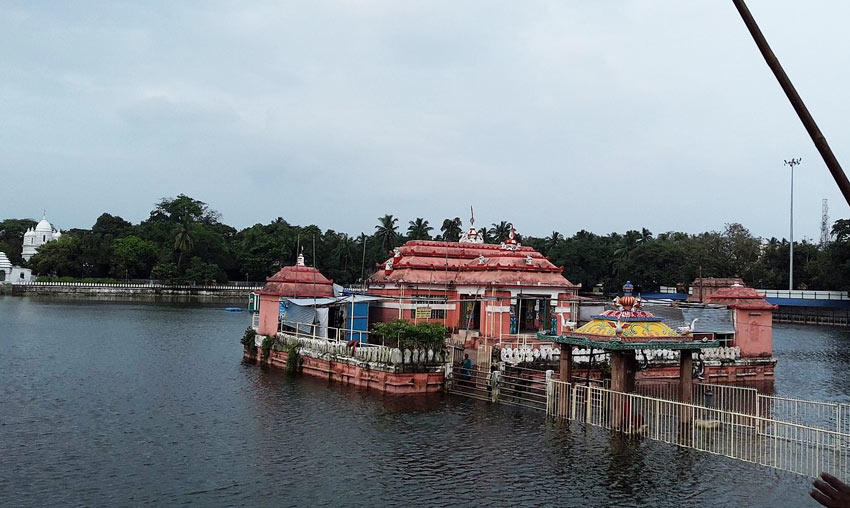
- Narendra Sarovar – A historic sacred water tank associated with Chandan Yatra.
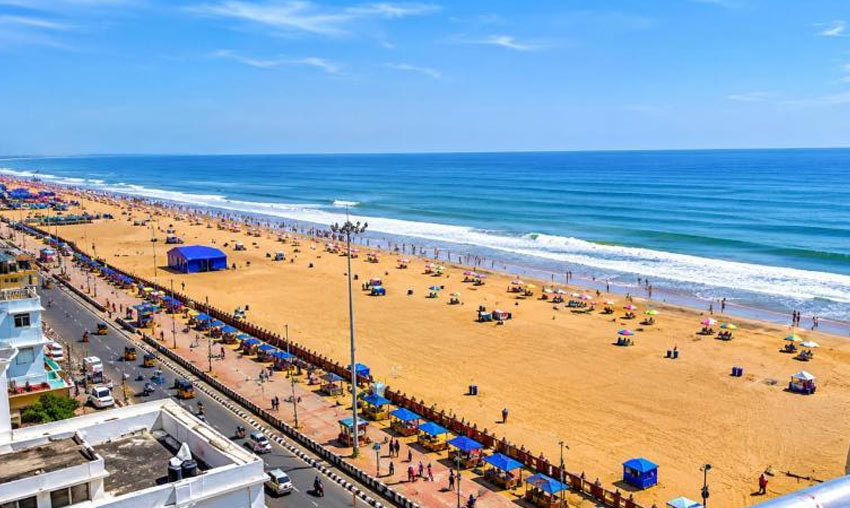
- Puri Beach and Golden Beach – Popular coastal attractions along the Bay of Bengal.
- Swargadwar Beach – A well-known religious and coastal area of Puri.
- Loknath Temple – An important temple dedicated to Lord Shiva.
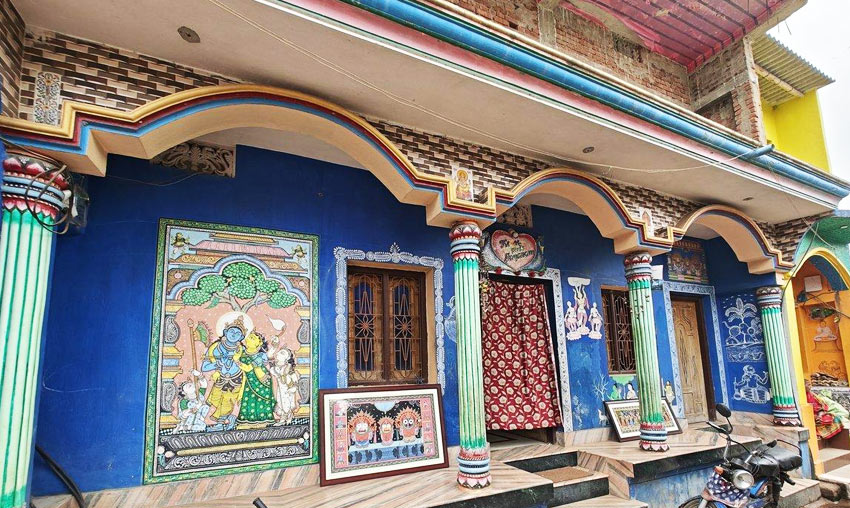
- Raghurajpur Heritage Craft Village – Famous for traditional Pattachitra paintings and handicrafts.
Suggested Puri Temple Visit Itinerary
Morning
- Visit Gundicha Temple during its published public visiting hours.
- Explore the temple architecture and Ratnavedi area, subject to access rules.
- Learn about the temple’s Rath Yatra traditions.
Late Morning
- Visit Shree Jagannath Temple, subject to its entry rules and darshan schedule.
- Explore the surrounding traditional markets.
Afternoon or Evening
- Visit Puri Beach or Golden Beach.
- Explore Narendra Sarovar or other nearby attractions if time permits.
Allow additional travel time during Rath Yatra and other major festivals because traffic restrictions and crowd-management arrangements may affect movement around the city.
Visitor Guidelines and Travel Tips
- Check the latest opening hours and entry fee before visiting.
- Follow temple staff instructions regarding footwear and entry arrangements.
- Wear modest and comfortable clothing suitable for a religious place.
- Do not touch or disturb temple structures, sacred objects or ritual areas.
- Photography may be restricted in certain parts of the temple; follow displayed instructions.
- Keep the temple premises clean and avoid littering.
- During Rath Yatra, follow official traffic, crowd and security instructions.
- Book accommodation early if visiting during the festival period.
- Allow enough time for security checks and local travel.
Frequently Asked Questions About Gundicha Temple, Puri
1. Where is Gundicha Temple located?
Gundicha Temple is located in Puri, Odisha, at the northern end of Bada Danda, the Grand Road associated with the annual Rath Yatra.
2. Why is Gundicha Temple famous?
Gundicha Temple is famous as the destination of the annual Rath Yatra, when Lord Jagannath, Lord Balabhadra and Devi Subhadra travel from the main Jagannath Temple to stay here.
3. Why is Gundicha Temple called the Garden House of Lord Jagannath?
It is traditionally regarded as the garden residence or aunt’s house of Lord Jagannath, where the deities visit during the annual Rath Yatra.
4. How far is Gundicha Temple from Jagannath Temple?
Gundicha Temple is approximately 2.6–3 km from Shree Jagannath Temple along Bada Danda.
5. What are the opening timings of Gundicha Temple?
The temple administration announced public visiting hours of 6:00 AM to 5:00 PM when the temple reopened on 30 September 2026. Visitors should confirm the latest schedule before travelling.
6. What is the entry fee for Gundicha Temple?
The entry fee announced at reopening in September 2026 was ₹10 per person. Visitors aged 80 years and above and children aged 5 years or below were announced as eligible for free entry. Confirm current rules with the temple administration.
7. How many days do the deities stay at Gundicha Temple?
According to the traditional Rath Yatra schedule, the deities stay at Gundicha Temple for seven days before the return journey known as Bahuda Yatra.
8. What is Adapa Darshan?
Adapa Darshan is the special opportunity for devotees to see Lord Jagannath, Lord Balabhadra and Devi Subhadra while they stay at Gundicha Temple during Rath Yatra.
9. What is Gundicha Marjana?
Gundicha Marjana is the traditional cleaning ceremony performed at the temple before the deities arrive for Rath Yatra.
10. Which festival is most important at Gundicha Temple?
Rath Yatra is the most important festival associated with Gundicha Temple. The temple becomes the destination of the grand chariot procession from Shree Jagannath Temple.
11. Can visitors visit Gundicha Temple throughout the year?
Public access depends on the temple administration’s operating schedule and special arrangements. The temple reopened for public visits in September 2026 after a prolonged closure. Check the latest information before visiting.
12. What are the nearby attractions of Gundicha Temple?
Nearby attractions include Shree Jagannath Temple, Narendra Sarovar, Puri Beach, Golden Beach, Swargadwar Beach and Loknath Temple.
Nearby Places to Visit



Nearby Places to Visit