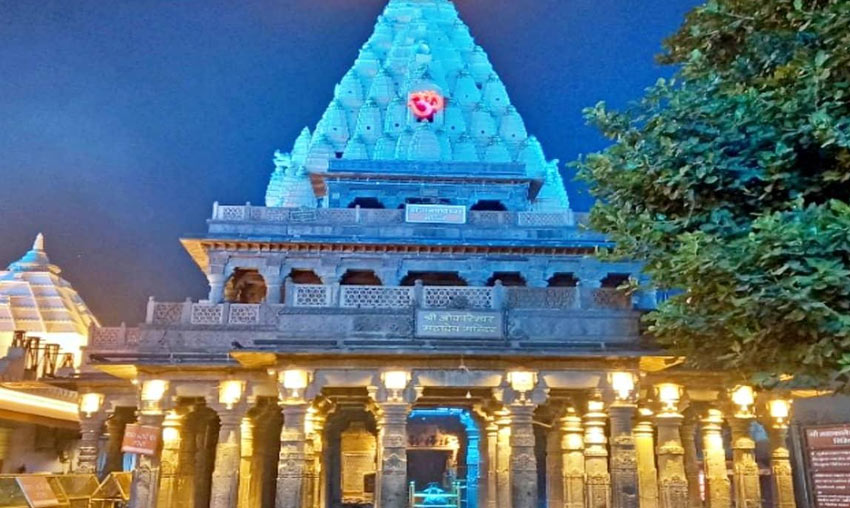
Mahakaleshwar Jyotirlinga Temple Ujjain – History, Timings, Bhasma Aarti and Darshan Guide
Shri Mahakaleshwar Jyotirlinga Temple is one of the most sacred Hindu temples in India, located in the ancient city of Ujjain in Madhya Pradesh. Dedicated to Lord Shiva, the temple is one of the twelve revered Jyotirlingas and holds immense religious significance for devotees across the country. Situated near the banks of the holy Shipra River, Mahakaleshwar Temple is famous for its unique south-facing Shiva Lingam, traditional Bhasma Aarti and centuries-old religious heritage.
Lord Shiva is worshipped here as Mahakal, the divine ruler of time. Devotees believe that Mahakal protects the city of Ujjain and blesses those who visit the sacred shrine with peace, strength and spiritual fulfilment. The temple is an important destination for Shiva devotees, pilgrims, spiritual travellers and tourists exploring Madhya Pradesh.
One of the most distinctive experiences at the temple is the early-morning Bhasma Aarti, a special ritual performed according to traditional temple customs. The temple complex also houses several other shrines, including the Omkareshwar shrine and the famous Nagchandreshwar Temple, which opens for public darshan only on Nag Panchami.
Whether you are planning a pilgrimage, attending the Bhasma Aarti, exploring the temple’s history or visiting Ujjain with your family, this complete guide covers Mahakaleshwar Temple history, religious significance, darshan timings, Bhasma Aarti booking, temple rituals, travel information and nearby attractions.
Mahakaleshwar Jyotirlinga Temple – Quick Information
| Temple Name | Shri Mahakaleshwar Jyotirlinga Temple |
|---|---|
| Location | Ujjain, Madhya Pradesh, India |
| Presiding Deity | Lord Shiva as Mahakal |
| Religious Significance | One of the twelve Jyotirlingas |
| Unique Feature | South-facing Jyotirlinga |
| Famous Ritual | Bhasma Aarti |
| River | Shipra River |
| Temple Architecture | Bhoomija, Chalukya and Maratha influences |
| Nearest Airport | Devi Ahilya Bai Holkar Airport, Indore |
| Nearest Railway Station | Ujjain Junction |
| Best Time to Visit | October to March |
| Major Festivals | Mahashivratri, Shravan Month and Nag Panchami |
| Official Website | shrimahakaleshwar.mp.gov.in |
Where is Mahakaleshwar Jyotirlinga Temple Located?
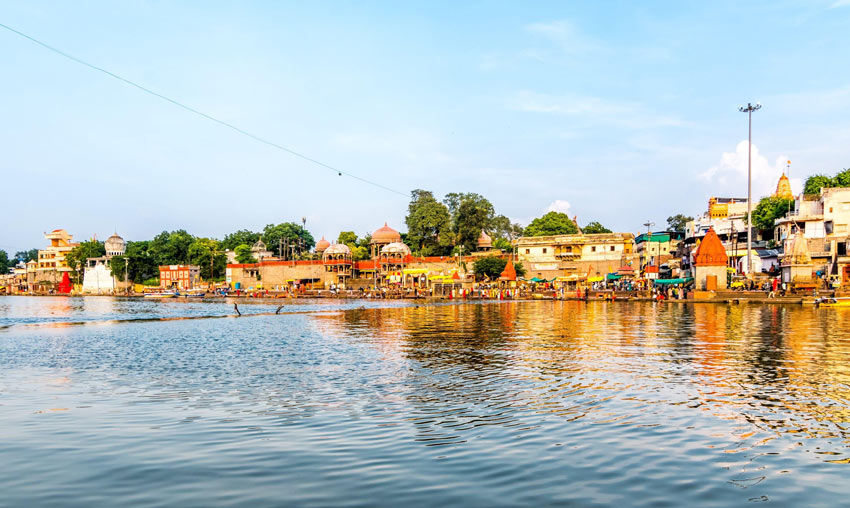
Mahakaleshwar Jyotirlinga Temple is located in the heart of Ujjain, in the Malwa region of Madhya Pradesh. Ujjain is one of India’s ancient sacred cities and is situated on the banks of the Shipra River.
The temple is an important landmark in the old city and is surrounded by religious sites, traditional markets and other famous temples. Mahakal Lok, Harsiddhi Mata Temple and Ram Ghat are among the popular attractions that visitors can explore during the same trip.
The temple is accessible by road from Ujjain Junction and other parts of the city. Visitors arriving by air generally travel from Indore, which has the nearest major airport.
History of Mahakaleshwar Jyotirlinga Temple
The history of Mahakaleshwar Temple is deeply connected with the ancient religious traditions of Ujjain. The temple’s origins are rooted in Hindu scriptures, Puranic traditions and local legends. Its exact original construction date is not established, but historical references indicate that the shrine has been an important centre of worship for many centuries.
Ancient traditions associate the temple with the religious and cultural importance of Ujjain, historically known as Ujjayini. The city was an important centre of the ancient Avanti region and was known for its learning, astronomy, trade and spiritual traditions.
Historical accounts associated with the temple mention King Chandapradyota and administrative references dating to the ancient period. During the Paramara period, the temple became an important centre of pilgrimage and architectural development.
The medieval period brought significant challenges to the temple. Historical accounts describe the destruction of the earlier temple structure during the invasion of Ujjain by Sultan Iltutmish in 1235 CE. Despite these events, the religious importance of the Mahakal shrine continued among devotees.
The present temple structure reflects the major reconstruction and renovation activities carried out during the Maratha period in the eighteenth century. Ramchandra Baba Shenvi, an official associated with the Scindia administration, played an important role in rebuilding the temple.
Today, Mahakaleshwar Temple remains one of India’s most important Shiva pilgrimage destinations and continues to preserve its distinctive religious traditions.
Religious Significance of Mahakaleshwar Jyotirlinga
Mahakaleshwar is one of the twelve Jyotirlingas of Lord Shiva mentioned in Hindu religious tradition. These sacred shrines are associated with the divine manifestation of Shiva as an infinite pillar of light.
The word Mahakal is formed from two Sanskrit terms: Maha, meaning great, and Kaal, meaning time. Lord Shiva is worshipped here as the supreme power beyond time, representing the eternal nature of creation and existence.
According to the Shiva Purana tradition, the people of Ujjain prayed to Lord Shiva when they were troubled by a demon named Dushan. In response to their devotion, Shiva appeared in a powerful form, defeated the demon and remained in Ujjain as Mahakaleshwar.
The temple is particularly significant because its main Jyotirlinga is traditionally described as Swayambhu, meaning self-manifested. It is also known for its south-facing orientation, called Dakshinamurti, a distinctive feature associated with Mahakaleshwar among the twelve Jyotirlingas.
What Makes Mahakaleshwar Temple Unique?
1. One of the Twelve Jyotirlingas
Mahakaleshwar Temple is one of the twelve sacred Jyotirlinga shrines dedicated to Lord Shiva. Devotees from different parts of India visit the temple as part of their spiritual journeys.
2. South-Facing Jyotirlinga
The Mahakaleshwar Jyotirlinga is known for its south-facing orientation, traditionally called Dakshinamurti. This is considered a distinctive feature of the shrine.
3. Swayambhu Jyotirlinga
According to religious belief, the Mahakal Lingam is Swayambhu, or self-manifested. Devotees regard it as a powerful sacred presence of Lord Shiva.
4. Famous Bhasma Aarti
The temple is renowned for its daily Bhasma Aarti, an ancient ritual in which the Shiva Lingam is worshipped with sacred ash according to established temple traditions.
5. Nagchandreshwar Temple
The Nagchandreshwar shrine is situated on the upper level of the temple complex. It is traditionally opened for public darshan only once a year on the occasion of Nag Panchami, subject to the temple’s announced arrangements.
6. Five-Storey Temple Structure
The temple complex is known for its multi-level structure and combination of architectural influences. The main Mahakal shrine is located on the lower level, while other important shrines occupy upper levels.
Bhasma Aarti at Mahakaleshwar Temple
Bhasma Aarti is the most famous and distinctive religious ritual performed at Mahakaleshwar Jyotirlinga Temple. It takes place early in the morning and is attended by devotees who come from different parts of India to witness this traditional ceremony.
During the ritual, the Shiva Lingam is worshipped with sacred ash, accompanied by Vedic mantras, devotional prayers and traditional temple ceremonies. The ritual symbolises the eternal nature of Shiva and the spiritual understanding that all worldly existence is temporary.
The Bhasma Aarti is closely associated with the identity of Mahakaleshwar Temple. It is one of the most sought-after religious experiences for pilgrims visiting Ujjain.
Why is Bhasma Aarti Performed?
In Hindu philosophy, ash is associated with the temporary nature of physical existence and the eternal truth represented by Lord Shiva. Bhasma is also connected with traditional Shaiva worship practices.
The ritual reflects the belief that Lord Shiva is beyond birth, death and the passage of time. For devotees, witnessing the Bhasma Aarti is a deeply spiritual experience.
Bhasma Aarti Timings
The official temple timetable lists Bhasma Aarti from 4:00 AM to 6:00 AM. Devotees should confirm the latest schedule before visiting because temple timings and arrangements can change during special occasions.
How to Book Bhasma Aarti Online
Bhasma Aarti booking is managed through the official Shri Mahakaleshwar Temple website. Devotees should use the authorised online booking system rather than unofficial agents or unknown websites.
- Visit the official website of Shri Mahakaleshwar Temple.
- Open the online services or Bhasma Aarti booking section.
- Log in or register using the details requested by the official portal.
- Select the available date and follow the booking instructions.
- Enter the required devotee information accurately.
- Complete the booking process as instructed by the portal.
- Save the booking confirmation and follow the reporting instructions.
Official booking website: Shri Mahakaleshwar Temple Official Website.
The temple website publishes advance and Tatkal booking information. The opening dates and availability can change, so check the booking notice for your selected date before making travel arrangements.
Important Guidelines for Bhasma Aarti Visitors
- Complete the booking process only through the official temple website.
- Carry the required identification and booking confirmation.
- Reach the temple according to the reporting time mentioned on your booking.
- Follow the dress code and other instructions displayed by the temple administration.
- Do not carry prohibited belongings into restricted areas.
- Photography and mobile phone rules may apply in designated areas.
- Follow instructions from temple staff and security personnel.
Mahakaleshwar Temple Darshan Timings
Mahakaleshwar Temple follows a daily schedule of darshan and aarti ceremonies. The official timetable lists the following aarti timings for two seasonal periods.
| Aarti | Chaitra Krishna Pratipada to Ashwin Purnima | Kartik Krishna Pratipada to Phalgun Purnima |
|---|---|---|
| Bhasma Aarti | 4:00 AM – 6:00 AM | 4:00 AM – 6:00 AM |
| Dadyodak Aarti (Bal Bhog) | 7:00 AM – 7:45 AM | 7:30 AM – 8:15 AM |
| Bhog Aarti | 10:00 AM – 10:45 AM | 10:30 AM – 11:15 AM |
| Sandhya Aarti | 7:00 PM – 7:45 PM | 6:30 PM – 7:15 PM |
| Shayan Aarti | 10:30 PM – 11:00 PM | 10:30 PM – 11:00 PM |
Note: These are the aarti timings published on the official temple timetable. Darshan access, entry arrangements and special-day schedules may differ. Always verify the current schedule before travelling.
Check the latest updates here: Official Mahakaleshwar Temple Timings.
Other Important Aartis and Rituals at Mahakaleshwar Temple
Dadyodak Aarti
Dadyodak Aarti, also known as Bal Bhog, is a morning ritual performed as part of the daily worship schedule. It is associated with the traditional offering of food to the deity.
Bhog Aarti
Bhog Aarti is performed during the late morning hours. Devotional prayers and offerings are made to Lord Mahakal as part of the daily temple routine.
Sandhya Aarti
Sandhya Aarti is the evening worship ceremony performed at the temple. It provides devotees with an opportunity to participate in prayers and experience the evening devotional atmosphere.
Shayan Aarti
Shayan Aarti is the night-time worship ceremony associated with the concluding rituals of the day. It is performed according to the temple’s daily schedule.
Sawari of Lord Mahakal
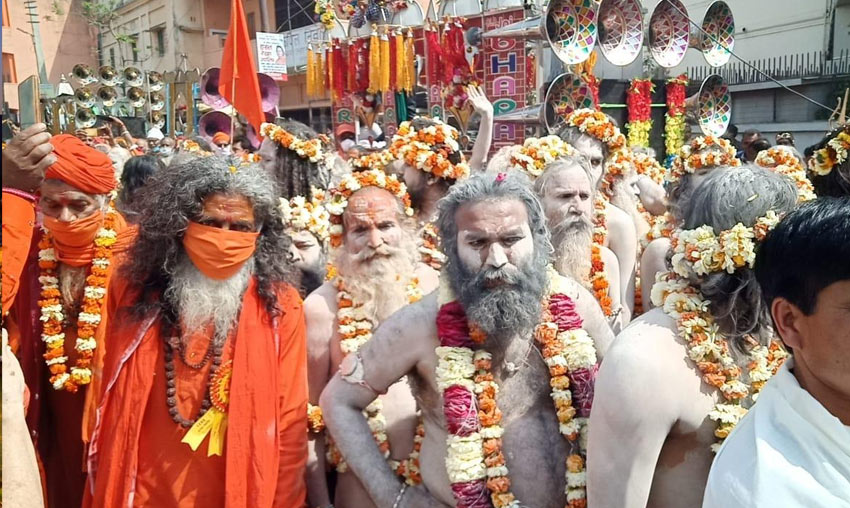
During the holy month of Shravan and other designated occasions, the traditional Sawari procession of Lord Mahakal is organised in Ujjain. The deity is taken through the city in a ceremonial procession accompanied by devotional music, prayers and religious participation.
Architecture of Mahakaleshwar Jyotirlinga Temple
Mahakaleshwar Temple is known for its distinctive architectural design and combination of traditional Indian temple styles. The temple reflects Bhoomija, Chalukya and Maratha architectural influences.
The structure has developed through different historical periods, with renovations and reconstruction shaping the present complex. Its multi-storey layout, ornate pillars, traditional shrines and decorative elements make it an important architectural landmark in Ujjain.
The Main Mahakal Shrine
The principal shrine houses the Mahakaleshwar Jyotirlinga on the lower level of the temple. Devotees visit this sacred area to offer prayers and seek blessings from Lord Shiva.
Omkareshwar Shrine
The Omkareshwar Shiva shrine is located on the level above the Mahakal shrine. It is another important part of the temple complex.
Nagchandreshwar Shrine
The Nagchandreshwar shrine is located on the upper level of the temple. Its public darshan is traditionally available only on Nag Panchami, making it a special occasion for devotees.
Other Deities in the Temple Complex
The temple complex also includes shrines and images associated with Lord Ganesha, Goddess Parvati, Lord Karttikeya and Nandi. These sacred installations form part of the wider religious experience of the temple.
Festivals Celebrated at Mahakaleshwar Temple
Mahashivratri
Mahashivratri is one of the most important festivals at Mahakaleshwar Temple. Thousands of devotees visit Ujjain to worship Lord Shiva, participate in prayers and attend special religious ceremonies. The temple remains a major centre of devotion during the festival.
Shravan Month
The month of Shravan is considered especially sacred for Lord Shiva. Mahakaleshwar Temple receives a large number of devotees during this period. Special worship and the traditional Sawari processions are important features of Shravan celebrations.
Nag Panchami
Nag Panchami is particularly important because the Nagchandreshwar shrine on the upper level of the temple is traditionally opened for public darshan on this occasion. Large numbers of devotees may visit, and special crowd-management arrangements can apply.
Harihara Milan
Harihara Milan is a traditional religious observance associated with the meeting of Lord Shiva and Lord Vishnu in their symbolic forms. It is connected with the religious processions and traditions of Ujjain.
Simhastha Kumbh Mela
Ujjain hosts the Simhastha Kumbh Mela according to a traditional astrological cycle. During this major religious gathering, Mahakaleshwar Temple becomes an important destination for pilgrims and visitors. The next Simhastha is planned for 2028, with final arrangements and schedules subject to official announcements.
Best Time to Visit Mahakaleshwar Temple
The best time to visit Mahakaleshwar Temple is generally from October to March, when the weather in Ujjain is more comfortable for temple visits and sightseeing.
October to February
These months are generally suitable for visiting the temple and exploring other attractions in Ujjain. Winter mornings can be cold, especially for devotees attending the early-morning Bhasma Aarti.
March
March is a good time for temple visits and sightseeing before the summer heat becomes more intense. Mahashivratri dates vary according to the Hindu calendar and can bring large crowds.
April to June
Summer temperatures in Ujjain can be high. Visitors should plan temple visits early in the morning or later in the evening and carry drinking water during outdoor sightseeing.
July to September
The monsoon season coincides with the holy month of Shravan in many years, making it a significant period for Shiva devotees. However, temple crowds can increase considerably, and visitors should check weather conditions and local arrangements.
How to Reach Mahakaleshwar Jyotirlinga Temple
Mahakaleshwar Temple is located in central Ujjain and can be reached by air, rail and road. The nearest major airport is in Indore, while Ujjain has its own railway station.
By Air
The nearest major airport is Devi Ahilya Bai Holkar Airport in Indore, approximately 53 kilometres from Ujjain by road according to the Ujjain district tourism information.
After reaching Indore, visitors can hire a taxi or use available bus services to travel to Ujjain. Travel time depends on traffic and road conditions.
By Train
Ujjain Junction is the nearest major railway station. It is connected to several important Indian cities through regular train services.
After reaching Ujjain Junction, visitors can hire an auto-rickshaw, taxi or other local transport to reach the Mahakaleshwar Temple area.
By Road
Ujjain is connected by road to Indore, Bhopal, Ratlam, Gwalior and other destinations in Madhya Pradesh. Regular buses, taxis and private vehicles are available.
Approximate Distances to Ujjain
| City | Approximate Road Distance |
|---|---|
| Indore | 53 km |
| Bhopal | 183 km |
| Ahmedabad | 402 km |
| Delhi | 774 km |
| Mumbai | 655 km |
Distances are approximate and can vary according to the route selected.
Temple Rules and Important Visitor Guidelines
Mahakaleshwar Temple is an important religious site with specific entry, security and worship arrangements. Visitors should respect temple customs and follow the latest instructions issued by the temple administration.
- Follow the designated entry and exit routes.
- Check the latest dress code and ritual-specific instructions before visiting.
- Carry valid identification where required for online bookings.
- Follow instructions regarding mobile phones, cameras and personal belongings.
- Do not carry prohibited items into restricted areas.
- Maintain cleanliness and respect the sanctity of the temple.
- Do not obstruct worship ceremonies or the movement of other devotees.
- Arrive according to the reporting time mentioned on your booking confirmation.
- Use official booking channels for special darshan and aarti services.
- During festivals, follow security checks and crowd-management instructions.
Accommodation Near Mahakaleshwar Temple
Ujjain offers different accommodation options for pilgrims and tourists visiting Mahakaleshwar Temple. Visitors can choose from temple guest houses, budget hotels, dharamshalas, guest houses and premium hotels.
Temple Guest Houses
The Shri Mahakaleshwar Temple Management Committee provides guest-house accommodation options for devotees. Availability, booking rules and room facilities should be checked through the official temple website.
Hotels Near the Temple
Several hotels and guest houses are available in the areas surrounding the temple. Staying nearby can be convenient for devotees planning early-morning darshan or Bhasma Aarti.
Dharamshalas and Ashrams
Ujjain has religious accommodation facilities for pilgrims. These may provide simple rooms and basic services, depending on availability and the rules of the institution.
Accommodation Booking Tips
- Book accommodation in advance during Mahashivratri and Shravan.
- Confirm the distance from the temple and available transport facilities.
- Check check-in and check-out times before booking.
- Confirm whether parking, meals and other facilities are available.
- Use verified hotel or official booking platforms.
Places to Visit Near Mahakaleshwar Temple
Visitors can explore several important temples, ghats and cultural attractions near Mahakaleshwar Temple. These places can be included in a one-day or two-day Ujjain sightseeing itinerary.
1. Mahakal Lok
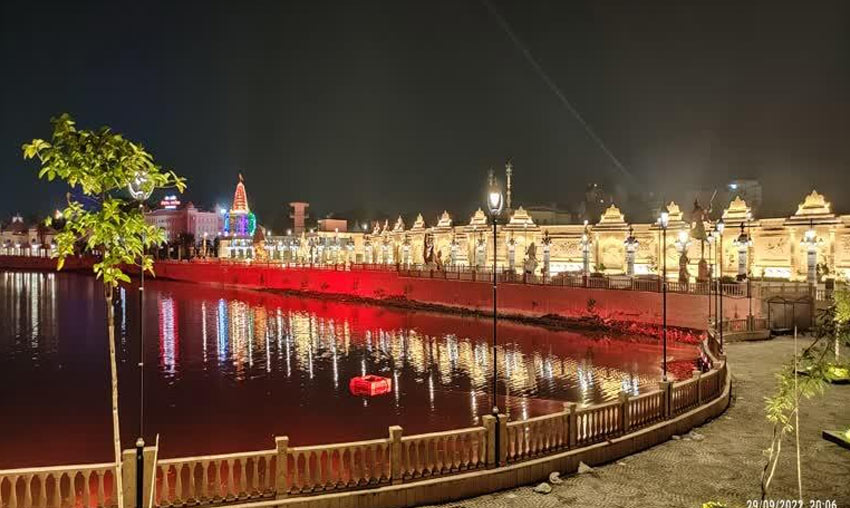
Mahakal Lok is a grand temple corridor featuring sculptures, artistic installations and landscaped pathways dedicated to the stories and traditions of Lord Shiva.
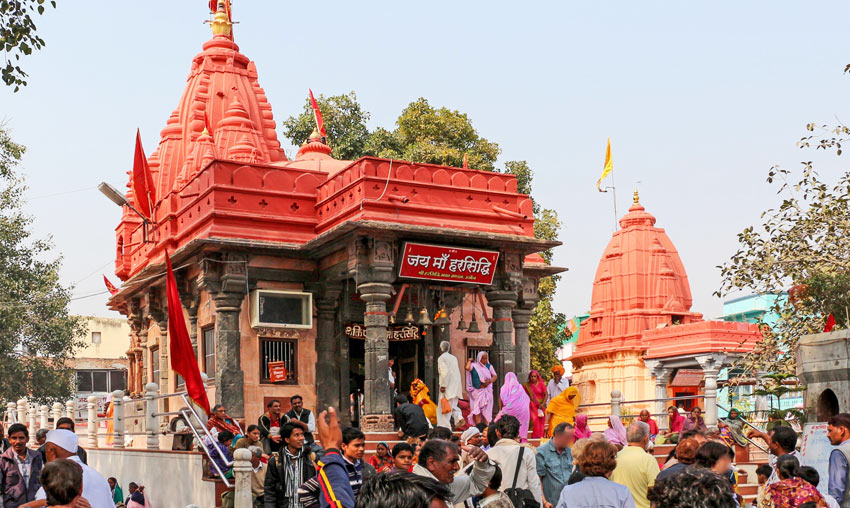
2. Harsiddhi Mata Temple
Harsiddhi Mata Temple is an important Shakti shrine in Ujjain, famous for its tall lamp pillars that are illuminated during special religious occasions.
3. Ram Ghat
Ram Ghat is a sacred bathing ghat on the Shipra River and an important location for religious rituals and river worship.
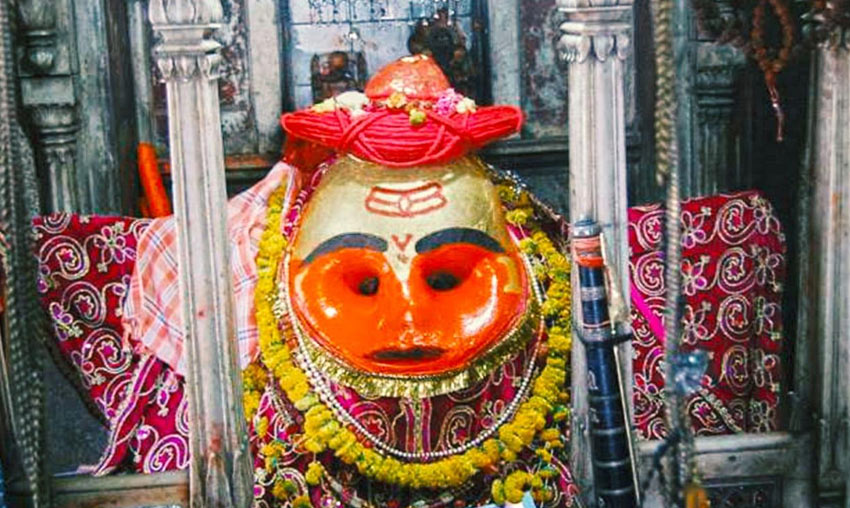
4. Kal Bhairav Temple
Kal Bhairav Temple is a famous shrine dedicated to a powerful form of Lord Shiva. It is known for its distinctive traditional offering ritual.
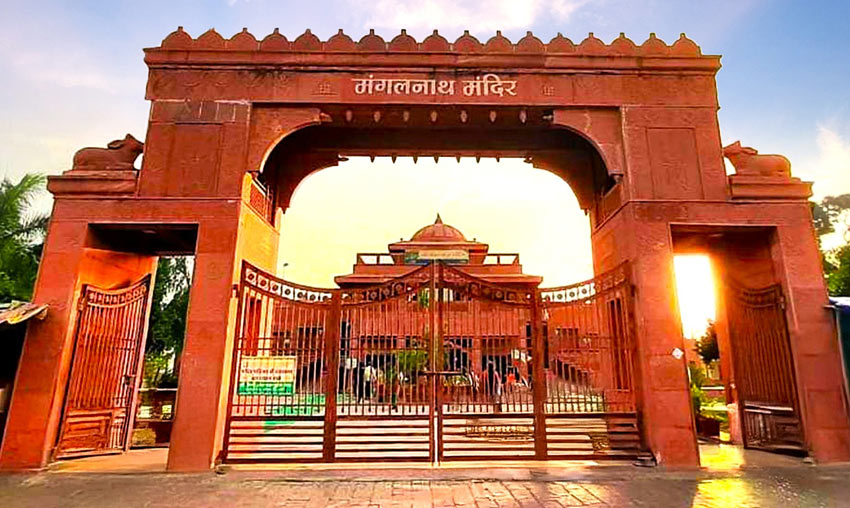
5. Mangalnath Temple
Mangalnath Temple is associated with Lord Mangal and is an important religious destination for devotees interested in traditional Hindu astrology and worship.
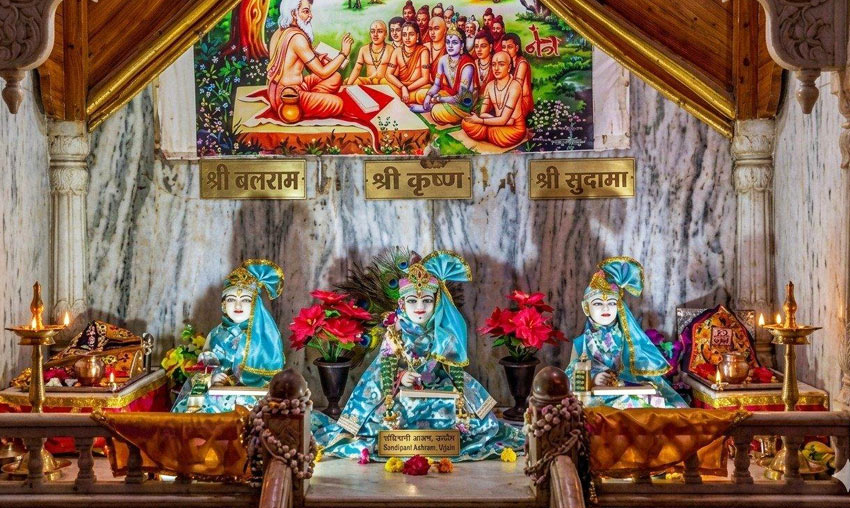
6. Sandipani Ashram
Sandipani Ashram is traditionally associated with the education of Lord Krishna, Balram and Sudama under Guru Sandipani.
7. Chintaman Ganesh Temple
Chintaman Ganesh Temple is an important shrine dedicated to Lord Ganesha, where devotees visit to seek blessings and pray for the removal of obstacles.
Explore more attractions through our Ujjain travel and attractions guide.
Suggested One-Day Itinerary for Mahakaleshwar Temple
Early Morning
- Reach Mahakaleshwar Temple according to your darshan or Bhasma Aarti booking.
- Attend the morning ritual if you have the required booking and entry permission.
- Complete darshan and spend time in the temple complex.
Morning
- Explore Mahakal Lok.
- Visit Harsiddhi Mata Temple.
- Explore the nearby old-city religious markets.
Afternoon
- Have lunch at a local restaurant.
- Visit Gopal Mandir or another nearby religious attraction.
Evening
- Visit Ram Ghat on the Shipra River.
- Experience the riverfront devotional atmosphere and aarti if organised.
- Return to your hotel or continue exploring Ujjain.
This is an indicative itinerary. Actual travel time depends on temple queues, festival crowds, access restrictions and local traffic arrangements.
Contact Information and Official Booking
For darshan, Bhasma Aarti, pujan, accommodation and other temple-related services, visitors should use the official Shri Mahakaleshwar Temple website.
| Temple Management | Shri Mahakaleshwar Temple Management Committee |
|---|---|
| Location | Shri Mahakaleshwar Jyotirlinga Karyalay, Prashasnik Bhawan, Ujjain, Madhya Pradesh |
| Telephone | 0734-2550563 |
| Additional Telephone | 0734-2559277 |
| Toll-Free Helpdesk | 1800-233-1008 |
| office@mahakaleshwar.nic.in | |
| Official Website | www.shrimahakaleshwar.mp.gov.in |
Contact numbers and online services should be reconfirmed through the official website before travel.
Frequently Asked Questions About Mahakaleshwar Jyotirlinga Temple
1. Where is Mahakaleshwar Jyotirlinga Temple located?
Mahakaleshwar Jyotirlinga Temple is located in Ujjain, Madhya Pradesh, India, near the banks of the sacred Shipra River.
2. Is Mahakaleshwar one of the twelve Jyotirlingas?
Yes. Mahakaleshwar Temple is one of the twelve sacred Jyotirlingas dedicated to Lord Shiva.
3. Why is Mahakaleshwar Temple famous?
The temple is famous for its south-facing Jyotirlinga, the daily Bhasma Aarti, its religious history and its importance as one of India’s major Shiva pilgrimage destinations.
4. What is the Bhasma Aarti timing at Mahakaleshwar Temple?
The official temple timetable lists Bhasma Aarti from 4:00 AM to 6:00 AM. Visitors should check the latest schedule before travelling.
5. How can I book Bhasma Aarti at Mahakaleshwar Temple?
Bhasma Aarti booking is available through the official Shri Mahakaleshwar Temple website. Devotees should check the current advance and Tatkal booking instructions online.
6. Is advance booking required for Bhasma Aarti?
Booking availability and requirements are managed by the temple administration. Check the official portal for the current booking process and available dates.
7. What is special about the Mahakaleshwar Jyotirlinga?
The Mahakaleshwar Jyotirlinga is traditionally believed to be Swayambhu and is known for its south-facing orientation, called Dakshinamurti.
8. What is the meaning of Mahakal?
Mahakal refers to the great ruler of time. The name represents Lord Shiva as the divine power beyond time and death.
9. When does the Nagchandreshwar Temple open?
The Nagchandreshwar shrine in the Mahakaleshwar Temple complex traditionally opens for public darshan once a year on Nag Panchami. Visitors should check the official announcement for that year’s arrangements.
10. What is the best time to visit Mahakaleshwar Temple?
October to March is generally suitable for visiting the temple because the weather is more comfortable. The holy month of Shravan and Mahashivratri are also significant, but they can attract very large crowds.
11. Which airport is nearest to Mahakaleshwar Temple?
Devi Ahilya Bai Holkar Airport in Indore is the nearest major airport, approximately 53 kilometres from Ujjain by road.
12. Which railway station is nearest to Mahakaleshwar Temple?
Ujjain Junction is the nearest major railway station. Local taxis and auto-rickshaws are available to reach the temple.
13. Can I visit Mahakal Lok and Mahakaleshwar Temple on the same day?
Yes. Mahakal Lok is located near Mahakaleshwar Temple, and visitors can generally include both attractions in the same visit, subject to crowd and access arrangements.
14. Is there accommodation near Mahakaleshwar Temple?
Yes. Ujjain offers hotels, guest houses, dharamshalas and temple-managed accommodation options. Booking in advance is recommended during major festivals.
15. What are the major festivals celebrated at Mahakaleshwar Temple?
Mahashivratri, the Shravan month celebrations, Nag Panchami and the traditional Sawari processions are among the important religious occasions associated with the temple.
16. Is photography allowed inside Mahakaleshwar Temple?
Photography and mobile phone permissions depend on the temple’s current rules and designated areas. Follow the instructions displayed by the temple administration.
17. How much time is required for Mahakaleshwar Temple darshan?
The time required depends on the crowd, darshan arrangements, festival dates and security checks. Visitors should keep sufficient time, especially during weekends and major religious occasions.
Plan Your Visit to Mahakaleshwar Jyotirlinga Temple, Ujjain
Mahakaleshwar Jyotirlinga Temple is one of the most important spiritual destinations in India. Its ancient traditions, unique south-facing Jyotirlinga, famous Bhasma Aarti and deep connection with the history of Ujjain make it a memorable destination for devotees and travellers.
From attending the early-morning Bhasma Aarti to exploring the magnificent Mahakal Lok and visiting the sacred ghats of the Shipra River, a trip to Mahakaleshwar offers a meaningful experience of India’s spiritual heritage.
Before travelling, check the official temple website for the latest darshan timings, Bhasma Aarti booking availability, entry guidelines and special festival arrangements. Plan your journey in advance and experience the divine presence of Lord Mahakal in Ujjain.
Explore more temples, heritage sites and tourist attractions through our complete Ujjain travel guide.
Nearby Places to Visit