Ujjain Simhastha Kumbh Mela 2028 – Complete Guide to Dates, Shahi Snan, Temples & Travel
Ujjain Simhastha Kumbh Mela 2028 will be one of India’s most significant religious gatherings, bringing millions of devotees, saints, spiritual leaders and pilgrims to the sacred city of Ujjain in Madhya Pradesh. Celebrated on the banks of the holy River Shipra, Simhastha is deeply connected with Hindu mythology, ancient traditions and the spiritual heritage of India.
Also known as Ujjain Kumbh Mela 2028, this grand religious event is expected to take place from 27 March to 27 May 2028, according to the proposed government planning window. During this period, devotees will visit sacred ghats, participate in holy bathing rituals, attend religious processions and seek blessings at the famous Mahakaleshwar Jyotirlinga Temple.
Ujjain is one of the seven sacred cities (Sapta Puri) in Hindu tradition and holds a special place in Shaivism because of the presence of Shri Mahakaleshwar Jyotirlinga. The Simhastha gathering brings together India’s different spiritual traditions, including saints, Naga Sadhus, Akharas and religious organisations.
Whether you are planning a religious pilgrimage, a family trip or a cultural journey, this complete guide to Ujjain Simhastha Kumbh Mela 2028 covers the proposed dates, Shahi Snan, bathing ghats, temples, travel routes, accommodation, religious activities and important visitor information.
Ujjain Simhastha Kumbh Mela 2028 – Important Highlights
| Travel Information | Details |
|---|---|
| Event Name | Ujjain Simhastha Kumbh Mela 2028 |
| Location | Ujjain, Madhya Pradesh, India |
| Event Period | 27 March to 27 May 2028 (proposed) |
| Main River | River Shipra (Kshipra) |
| Main Bathing Ghat | Ram Ghat |
| Shahi Snan Dates | Final dates awaited |
| Proposed Main Bathing Period | 9 April to 8 May 2028 |
| Major Religious Attraction | Shri Mahakaleshwar Jyotirlinga Temple |
| Other Important Attractions | Mahakal Lok, Harsiddhi Temple, Kal Bhairav Temple |
| Nearest Airport | Devi Ahilya Bai Holkar Airport, Indore |
| Nearest Railway Station | Ujjain Junction |
| Organising Authority | Government of Madhya Pradesh and Simhastha Mela Administration |
| Official Information | https://ujjain.nic.in/ |
What Is Ujjain Simhastha Kumbh Mela?
Simhastha Kumbh Mela is a major Hindu religious gathering held in Ujjain on the banks of the River Shipra. It is one of the four traditional Kumbh Mela destinations in India, along with Haridwar, Prayagraj and Nashik.
The name Simhastha is associated with the astrological alignment of Jupiter in Leo, known as Simha Rashi. According to Hindu religious traditions, this celestial configuration is connected with the auspicious timing of the Ujjain Kumbh gathering.
The festival attracts millions of devotees who participate in sacred bathing ceremonies, religious processions, spiritual discourses and temple visits. Saints from different Akharas gather in Ujjain to participate in traditional rituals and share spiritual teachings.
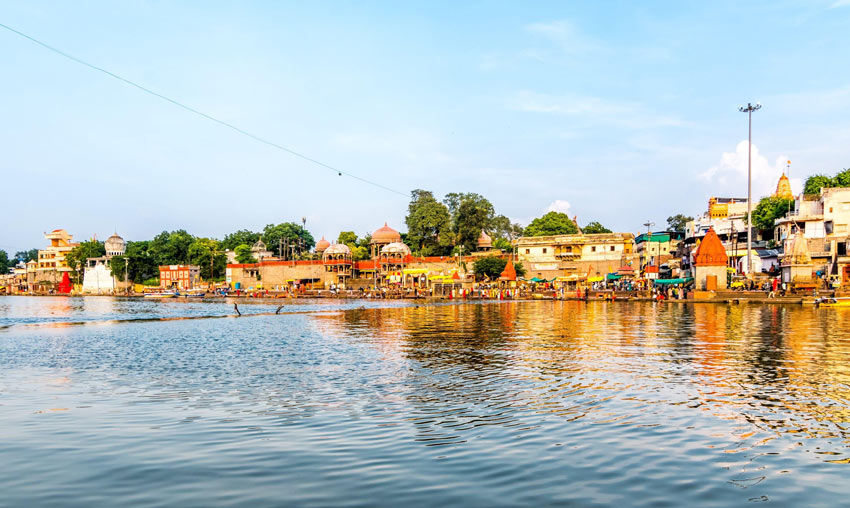
Ram Ghat on the River Shipra is the principal bathing location associated with the Simhastha. The surrounding areas of Ujjain become important centres of religious activities, pilgrimage services and cultural celebrations during the event.
Why Is Ujjain Simhastha Kumbh Mela Celebrated?
According to Hindu mythology, the origin of Kumbh Mela is associated with Samudra Manthan, the legendary churning of the cosmic ocean by the Devas and Asuras.
During the churning, a divine pot containing Amrit, the nectar of immortality, emerged from the ocean. A struggle followed between the celestial beings over the possession of the sacred nectar.
According to traditional beliefs, drops of Amrit fell at four sacred locations: Haridwar, Prayagraj, Ujjain and Nashik. These places subsequently became important centres for Kumbh Mela celebrations.
Ujjain’s Simhastha is traditionally associated with the auspicious astrological position of Jupiter in Leo. Devotees believe that taking a holy dip in the Shipra River during the sacred bathing period brings spiritual purification and religious blessings.
The festival also represents the coming together of different Hindu spiritual traditions, saints, religious organisations and devotees from across the country.
Ujjain Simhastha Kumbh Mela 2028 Dates and Schedule
The Madhya Pradesh government has proposed organising Ujjain Simhastha Kumbh Mela from 27 March to 27 May 2028. The proposed two-month period is intended to accommodate major bathing occasions, religious processions and spiritual gatherings.
The earlier planning proposal included three Shahi Snan and seven Parva Snan occasions during the main bathing period between 9 April and 8 May 2028. However, the exact bathing dates have not yet been confirmed through a final official notification.
Visitors should avoid relying on unverified bathing calendars circulating online. The final Shahi Snan dates and timings should be checked through the Madhya Pradesh government and Ujjain district administration.
Important Ujjain Simhastha 2028 Date Information
| Event | Date / Status |
|---|---|
| Proposed Simhastha Opening | 27 March 2028 |
| Proposed Main Bathing Period Begins | 9 April 2028 |
| Proposed Main Bathing Period Ends | 8 May 2028 |
| Proposed Number of Shahi Snan | 3 |
| Proposed Number of Parva Snan | 7 |
| Proposed Simhastha Closing | 27 May 2028 |
| Final Shahi Snan Dates | Awaiting official confirmation |
Important: The dates above represent the proposed planning window, not a final confirmed bathing calendar. Shahi Snan dates, auspicious bathing timings and ghat arrangements should be updated when officially announced.
What Is Shahi Snan During Ujjain Simhastha?
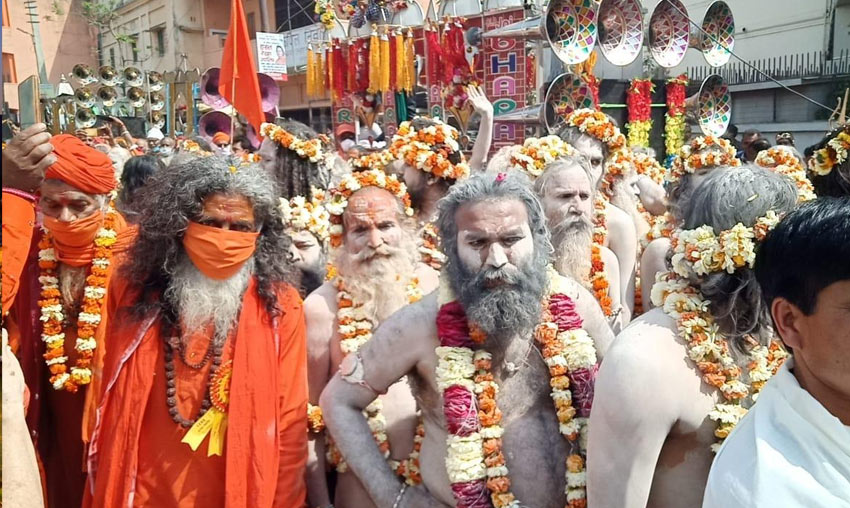
Shahi Snan, traditionally known as the royal bath, is one of the most significant ceremonies during Simhastha Kumbh Mela. It is associated with the participation of saints and religious leaders from different Akharas in ceremonial processions followed by sacred bathing rituals in the Shipra River.
During Shahi Snan, religious processions move towards designated bathing ghats. Naga Sadhus, Mahamandaleshwars, spiritual leaders and members of various Akharas participate in traditional ceremonies.
The processions are known for their religious flags, traditional music, devotional chants and distinctive spiritual customs. Thousands of devotees gather to witness these ceremonies and participate in the religious atmosphere of the Mela.
At Ujjain, Ram Ghat is the principal bathing location associated with Simhastha. Other ghat arrangements may be designated by the Mela administration according to Akhara traditions and crowd-management requirements.
Shahi Snan Dates in Ujjain 2028
The government planning proposal includes three Shahi Snan occasions during the main bathing period between 9 April and 8 May 2028. However, the individual dates and timings have not been officially finalised in the published bathing calendar available for this guide.
Visitors should check the official district administration announcements before booking travel specifically for Shahi Snan.
Ram Ghat – The Main Bathing Ghat of Ujjain Simhastha
Ram Ghat is the most important and historically significant bathing ghat in Ujjain. Located on the banks of the River Shipra in the old city, it is the central location for religious bathing rituals during Simhastha Kumbh Mela.
The ghat holds great importance in Hindu traditions and is visited by pilgrims throughout the year. During Simhastha, it becomes a major centre for sacred bathing, religious ceremonies and processions of saints.
Ram Ghat is also known for its beautiful riverfront atmosphere, traditional temples and evening religious ceremonies. Devotees visit the ghat to offer prayers, light lamps and participate in rituals dedicated to the River Shipra.
The surrounding area is closely connected with other important religious attractions, including Harsiddhi Temple and Mahakaleshwar Temple.
River Shipra – The Sacred River of Simhastha
The River Shipra, also known as Kshipra, is one of the most sacred rivers in Madhya Pradesh. It flows through Ujjain and holds immense importance in Hindu religious traditions.
The river is the spiritual centre of Ujjain Simhastha Kumbh Mela. Devotees from different parts of India visit its banks to perform holy bathing rituals, offer prayers and participate in religious ceremonies.
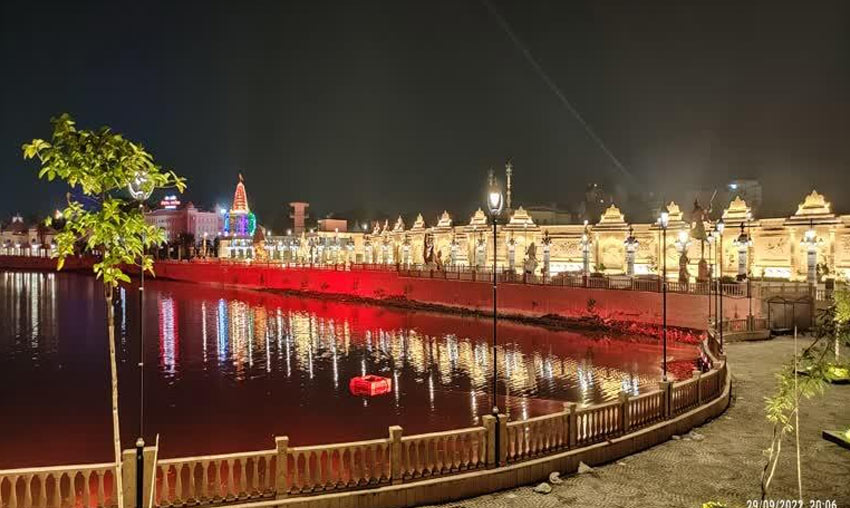
During the Simhastha preparations, the Madhya Pradesh government has planned extensive development of the Shipra riverfront, including new bathing ghats, river infrastructure and water-management projects.
These developments are intended to improve bathing facilities, accommodate large numbers of pilgrims and enhance the overall experience of the religious gathering.
Important Ghats to Visit During Ujjain Simhastha Kumbh Mela
Ujjain has several important bathing ghats along the River Shipra. These locations are associated with religious traditions, sacred bathing and temple visits.
1. Ram Ghat
Ram Ghat is the principal bathing ghat of Ujjain Simhastha. It is one of the most important religious destinations in the city and attracts large numbers of devotees during major bathing festivals.
2. Triveni Ghat
Triveni Ghat is an important religious bathing location associated with the confluence of sacred waters in Hindu tradition. Devotees visit the area to perform prayers and religious rituals.
3. Dutt Akhara Ghat
Dutt Akhara Ghat is an important bathing location associated with the traditional Akhara system during Simhastha. It holds significance in the organisation of religious bathing ceremonies.
4. Gau Ghat
Gau Ghat is situated along the Shipra River and is visited by devotees for traditional bathing rituals and religious activities.
5. Mangalnath Ghat
Mangalnath Ghat is associated with the sacred Mangalnath Temple area. It attracts pilgrims interested in religious rituals and the astrological significance of Ujjain.
6. Siddhavat Ghat
Siddhavat is a sacred religious destination known for its ancient banyan tree and traditional Hindu rituals. Pilgrims visit this area for religious ceremonies and prayers.
During Simhastha 2028, the availability and use of individual ghats will depend on the official bathing plan, security arrangements and local administration instructions.
Important Temples to Visit During Ujjain Simhastha 2028
Ujjain is one of India’s most important pilgrimage destinations and is famous for its ancient temples. Visitors attending Simhastha can explore several important religious attractions in addition to participating in the sacred bathing ceremonies.
1. Shri Mahakaleshwar Jyotirlinga Temple
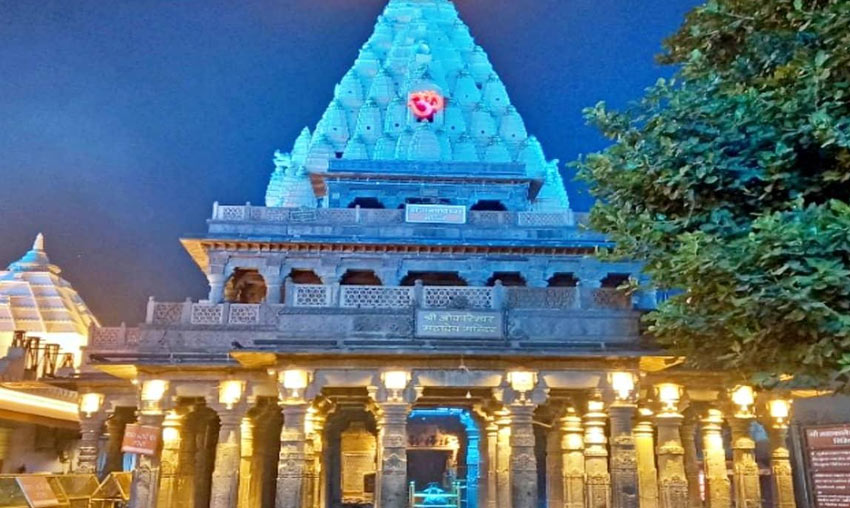
Shri Mahakaleshwar Temple is the most famous religious attraction in Ujjain and one of the twelve sacred Jyotirlingas of Lord Shiva. The temple is dedicated to Lord Mahakal, who is worshipped as the supreme form of time and destruction.
The temple is particularly famous for its Bhasma Aarti, a unique early-morning religious ceremony performed according to traditional rituals. Devotees from across India visit the temple to seek blessings and experience its spiritual atmosphere.
During Simhastha, the temple is expected to receive a very large number of pilgrims. Special darshan arrangements, security procedures and booking rules may apply.
2. Mahakal Lok Corridor
Mahakal Lok is an impressive spiritual and cultural corridor developed around the Mahakaleshwar Temple complex. It features beautifully designed pathways, sculptures, artistic installations and representations of stories from Hindu mythology.
The corridor has become one of the major attractions in Ujjain and provides visitors with an opportunity to explore the city’s religious heritage in a modern and beautifully designed environment.
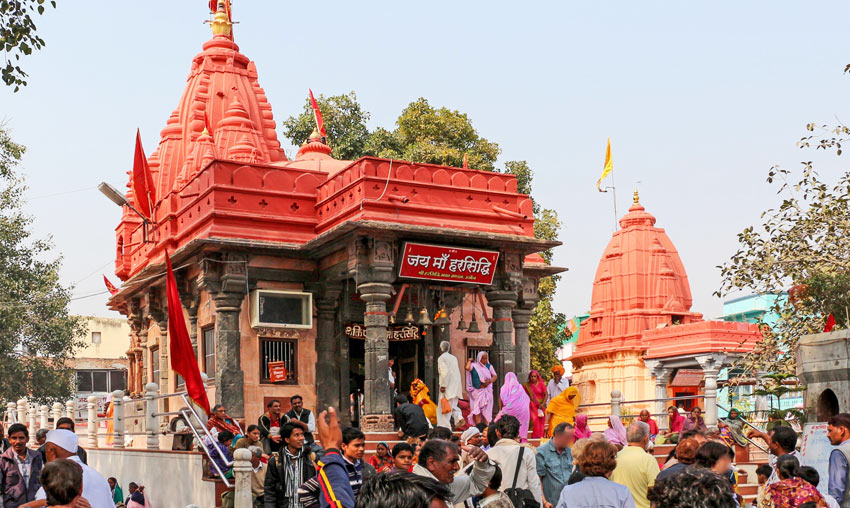
3. Harsiddhi Mata Temple
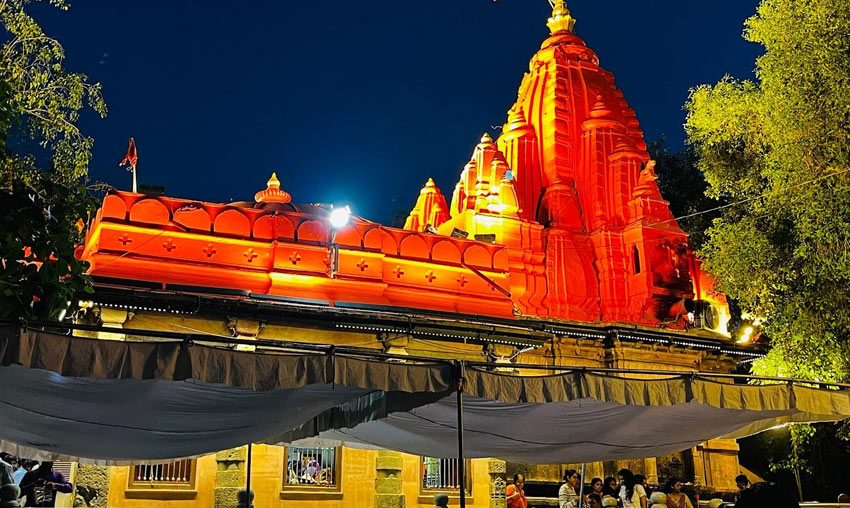
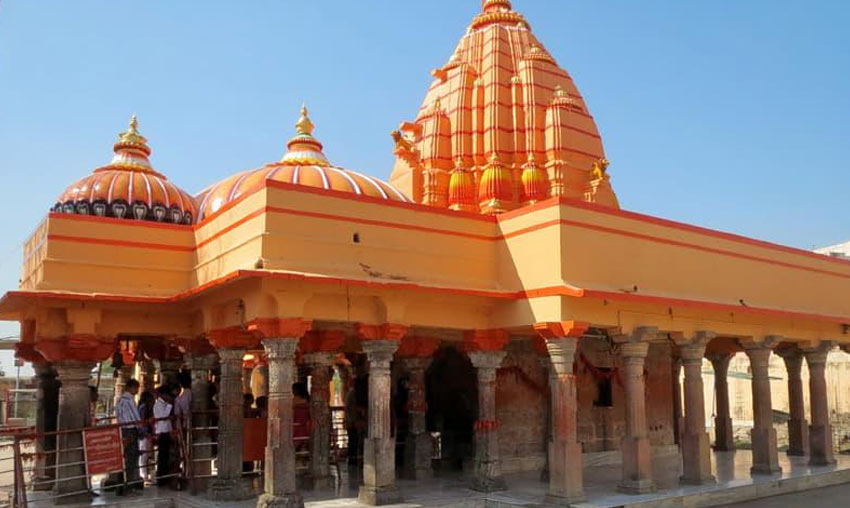
Harsiddhi Mata Temple is one of the most important Shakti temples in Ujjain. Dedicated to Goddess Harsiddhi, the temple is associated with ancient religious traditions and is considered an important Shakti Peetha in local belief.
The temple is especially known for its impressive deepstambhas, or lamp pillars, which create a beautiful atmosphere when illuminated during evening rituals.
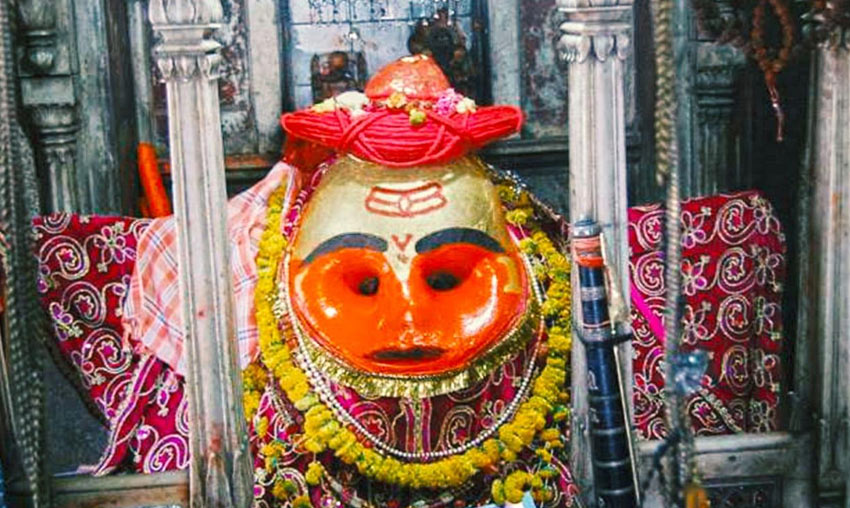
4. Kal Bhairav Temple
Kal Bhairav Temple is a unique and famous religious shrine dedicated to Lord Kal Bhairav, a fierce manifestation of Lord Shiva. The temple is known for its distinctive rituals and strong spiritual traditions.
It is one of the most visited religious destinations in Ujjain and attracts devotees throughout the year.
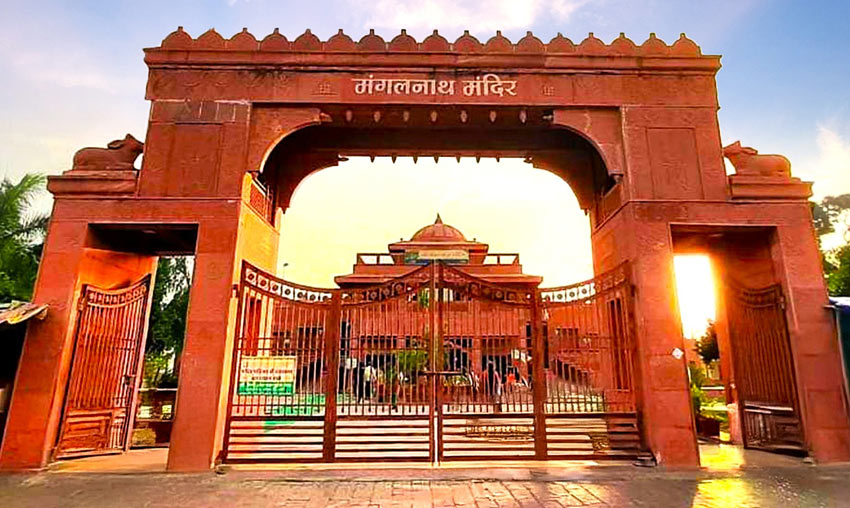
5. Mangalnath Temple
Mangalnath Temple is an important religious destination associated with Lord Shiva and traditional astrological beliefs. It is widely known for its connection with Mangal Graha and attracts devotees for special religious rituals.
The temple is situated in a scenic area overlooking the Shipra River and is an important stop for pilgrims exploring Ujjain.
6. Chintaman Ganesh Temple
Chintaman Ganesh Temple is an ancient shrine dedicated to Lord Ganesha. Devotees visit the temple to seek blessings for the removal of obstacles and the fulfilment of their wishes.
The temple is an important part of Ujjain’s religious heritage and is popular among local residents and visiting pilgrims.
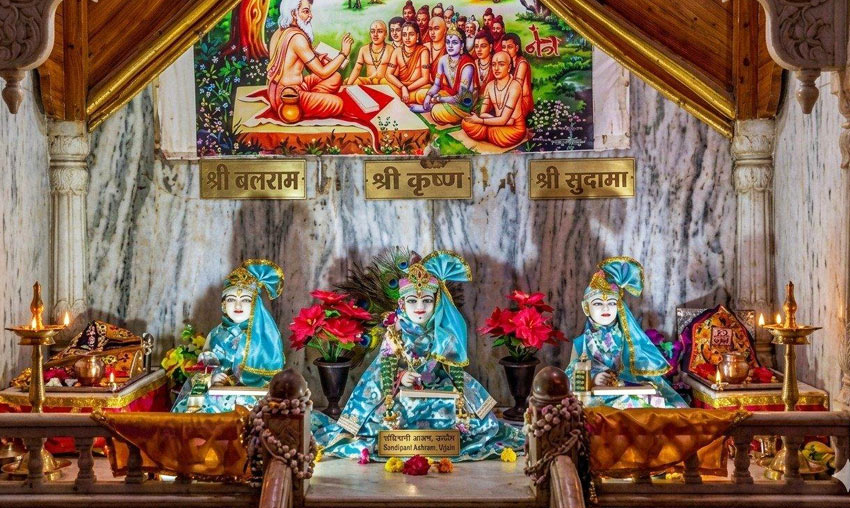
7. Sandipani Ashram
Sandipani Ashram is traditionally associated with the education of Lord Krishna and his brother Balarama under Guru Sandipani. It is an important destination for visitors interested in Hindu mythology and the ancient Gurukul tradition.
8. Gadkalika Temple
Gadkalika Temple is dedicated to Goddess Kalika and is associated with the religious and cultural heritage of Ujjain. The temple is also traditionally connected with the legendary poet Kalidasa.
Akharas and Naga Sadhus During Simhastha Kumbh Mela
Akharas are traditional religious institutions that play an important role in organising and participating in Kumbh Mela celebrations. They represent different spiritual traditions and groups of Hindu ascetics.
During Ujjain Simhastha, members of different Akharas gather in the city to participate in religious ceremonies, spiritual discussions and Shahi Snan processions.
Naga Sadhus are among the most recognisable participants of the Kumbh gathering. Known for their ascetic lifestyle and traditional religious practices, they are closely associated with Shaivite spiritual traditions.
Their ceremonial processions, religious flags and traditional customs are an important part of the cultural and spiritual identity of Simhastha.
Visitors should respect the religious practices of saints and ask permission before taking close-up photographs of individuals or private ceremonies.
Major Religious Activities During Ujjain Simhastha
1. Sacred Shipra Snan
The holy dip in the River Shipra is the central religious activity of Simhastha. Devotees visit designated bathing ghats during auspicious occasions to perform traditional rituals and seek spiritual purification.
2. Shahi Snan Processions
Shahi Snan processions feature the participation of Akharas, Naga Sadhus, Mahamandaleshwars and spiritual leaders. These ceremonies are among the most significant events of the Simhastha gathering.
3. Bhasma Aarti at Mahakaleshwar
The famous Bhasma Aarti at Shri Mahakaleshwar Temple is one of the most distinctive spiritual experiences in Ujjain. Devotees should check the official temple website for booking requirements and darshan arrangements during Simhastha.
4. Ganga and Shipra Aarti
Traditional river aarti ceremonies are performed along the Shipra River. Devotees gather near the ghats to participate in prayers and observe the beautiful lamp-lighting rituals.
5. Bhajan and Kirtan
Devotional singing, bhajans and kirtans form an important part of the religious atmosphere. Temples, ashrams and religious camps may organise spiritual programmes throughout the Mela period.
6. Spiritual Discourses and Pravachans
Saints and spiritual teachers conduct discourses on Hindu scriptures, religious philosophy, meditation and spiritual practices. These programmes provide opportunities for devotees to learn about India’s ancient spiritual traditions.
7. Yajnas and Religious Ceremonies
Different religious organisations may organise traditional yajnas, havans and special worship ceremonies during the Simhastha gathering.
Things to Do During Ujjain Simhastha Kumbh Mela 2028
- Take a sacred dip in the River Shipra at an officially designated bathing ghat.
- Witness traditional Shahi Snan processions of different Akharas.
- Visit Shri Mahakaleshwar Jyotirlinga Temple.
- Explore the magnificent Mahakal Lok Corridor.
- Attend religious ceremonies and spiritual discourses.
- Visit Harsiddhi Mata Temple and Kal Bhairav Temple.
- Explore the ancient Ram Ghat and other sacred locations along the Shipra River.
- Experience devotional music, bhajans and kirtans.
- Explore traditional markets and purchase religious souvenirs.
- Discover Ujjain’s ancient history, architecture and spiritual heritage.
Ujjain Simhastha 2028 Infrastructure and Development Projects
The Madhya Pradesh government is undertaking large-scale infrastructure development projects to prepare Ujjain for Simhastha Kumbh Mela 2028.
These projects are intended to improve transportation, bathing facilities, public infrastructure, sanitation and crowd management for the expected large gathering of pilgrims.
Development of New Shipra River Ghats
One of the major development initiatives involves the construction and improvement of bathing ghats along the River Shipra. The planned riverfront development is expected to provide additional space for pilgrims and improve access to sacred bathing locations.
Roads and Bridges
Road infrastructure, bridges and improved connectivity are important components of the Simhastha preparation programme. These projects are designed to improve movement between the city’s railway station, bus terminals, temples and bathing areas.
Water Management and River Conservation
River management projects, including the Kanh River diversion initiative, are intended to improve water quality and support the availability of water in the Shipra River during the gathering.
Command and Control Centre
Technology-based monitoring and surveillance infrastructure is being developed to support crowd management, public safety and emergency coordination during Simhastha.
Temporary Accommodation and Tent City
The government has also discussed the development of a large temporary tent city to accommodate pilgrims. Accommodation availability, locations and booking procedures should be checked through official announcements closer to the event.
Infrastructure plans and construction deadlines may change. Visitors should check the latest government updates before travelling.
Best Time to Visit Ujjain Simhastha Kumbh Mela 2028
The proposed Simhastha period is from late March to late May 2028. The best time to visit depends on whether you want to attend the major bathing ceremonies, experience the spiritual activities or explore Ujjain’s temples and historical attractions.
March 2028
The proposed opening of Simhastha is scheduled for 27 March 2028. Visitors arriving during this period can experience the beginning of the religious gathering and explore Ujjain’s major temples and ghats.
April 2028
April is expected to be an important month for the major bathing ceremonies, as the earlier government proposal places the main bathing period between 9 April and 8 May 2028. Visitors should wait for the final Shahi Snan calendar before selecting their travel dates.
Temperatures can be high in Ujjain during April, so carry light clothing, sunscreen and sufficient drinking water.
May 2028
The Simhastha gathering is proposed to continue until 27 May 2028. Visitors can explore temples, spiritual camps and religious attractions, depending on the final event schedule and local arrangements.
Late May can be particularly hot in Madhya Pradesh. Early morning and evening sightseeing is generally more comfortable.
How to Reach Ujjain Simhastha Kumbh Mela 2028
Ujjain is well connected to major cities in Madhya Pradesh and other parts of India through railway and road networks. Visitors can reach the city using trains, buses, private vehicles or air travel through Indore.
By Air
The nearest major airport is Devi Ahilya Bai Holkar Airport in Indore, approximately 55–60 km from Ujjain by road. Visitors can hire a taxi or use available bus services to reach Ujjain.
During Simhastha, special transportation arrangements may be introduced to manage the expected movement of pilgrims.
By Train
Ujjain Junction is the main railway station serving the city. It is connected to several important destinations, including Indore, Bhopal, Delhi, Mumbai and other major cities.
Indian Railways may announce special trains and additional passenger services during Simhastha. Visitors should check official railway announcements before booking tickets.
By Road
Ujjain is connected to major destinations in Madhya Pradesh and neighbouring states through national and state highways.
- Indore to Ujjain: Approximately 55–60 km.
- Bhopal to Ujjain: Approximately 190–200 km.
- Omkareshwar to Ujjain: Approximately 140–150 km.
- Ratlam to Ujjain: Approximately 100–105 km.
- Delhi to Ujjain: Approximately 750–800 km.
Distances are approximate and may vary depending on the selected route. During Simhastha, special traffic diversions, vehicle restrictions and parking arrangements may affect travel time.
Accommodation During Ujjain Simhastha Kumbh Mela 2028
Accommodation planning is an important part of visiting Ujjain during Simhastha. The city offers hotels, guest houses, dharamshalas and religious accommodation options. Temporary tent accommodation is also part of the government’s planning for the event.
Hotels and Guest Houses
Ujjain has accommodation options across different budgets. Visitors who prefer private rooms and modern facilities should consider booking in advance once verified booking channels become available.
Dharamshalas
Dharamshalas are popular among pilgrims visiting Ujjain. They generally provide basic accommodation and are suitable for travellers seeking economical religious stays.
Ashrams
Several spiritual institutions and ashrams in Ujjain offer accommodation according to their individual policies. Availability may be limited during major bathing occasions.
Simhastha Tent City
A temporary tent city has been discussed as part of the Simhastha accommodation plan. The government has indicated plans for facilities to accommodate visiting pilgrims, but final locations, operators, rates and booking channels should be confirmed before making reservations.
Visitors should avoid paying unknown agents or unverified websites claiming to offer guaranteed Simhastha accommodation.
Food and Prasad During Ujjain Simhastha
Ujjain offers a variety of traditional vegetarian food options for pilgrims and tourists. Visitors can explore local snacks, sweets, North Indian meals and religious prasad during their visit.
Religious organisations and community groups may organise bhandaras and free food distribution programmes during the Simhastha period.
Visitors should choose hygienic food establishments, drink safe water and follow local health advisories, particularly during crowded bathing festivals.
Travel Tips for Ujjain Simhastha Kumbh Mela 2028
- Plan your travel well in advance, especially for the major bathing occasions.
- Check the final Shahi Snan calendar before booking transport and accommodation.
- Carry a valid government-issued photo identification document.
- Follow the official traffic diversions and designated parking arrangements.
- Use authorised bathing ghats and follow police instructions.
- Wear comfortable clothing and footwear for long walks.
- Carry drinking water, sunscreen and essential medicines.
- Keep children and elderly family members under supervision.
- Keep your mobile phone charged and save important emergency numbers.
- Avoid carrying unnecessary valuables in crowded areas.
- Follow temple darshan rules and official booking procedures.
- Maintain cleanliness and avoid throwing waste into the Shipra River.
- Respect religious customs and the privacy of saints and devotees.
- Check weather conditions before planning outdoor sightseeing.
Safety and Security During Ujjain Simhastha 2028
Managing a large religious gathering requires extensive preparation and coordination among government departments, police, health services and emergency response teams.
The Madhya Pradesh government is planning modern surveillance systems, crowd-management facilities, road infrastructure and emergency coordination arrangements for Simhastha 2028.
Visitors should follow official instructions and avoid restricted areas, particularly around the main bathing ghats during major religious ceremonies.
Important Emergency Numbers
- 112: National emergency response number.
- 108: Ambulance emergency service.
- 101: Fire emergency service.
- 1098: Child helpline.
- 181: Women helpline.
Save emergency numbers before starting your journey and follow announcements made by local authorities during the event.
Nearby Tourist Attractions Around Ujjain
Ujjain offers several important religious, historical and cultural attractions that visitors can explore during their Simhastha pilgrimage. Travellers can also plan short excursions to nearby destinations in Madhya Pradesh.
1. Shri Mahakaleshwar Jyotirlinga Temple
Mahakaleshwar Temple is the most famous religious destination in Ujjain and one of the twelve Jyotirlingas of Lord Shiva. It is a must-visit attraction for devotees and spiritual travellers.
2. Mahakal Lok
Mahakal Lok is a beautifully developed spiritual corridor featuring sculptures, artistic installations and representations of Hindu mythology. It is one of the major sightseeing attractions near the Mahakaleshwar Temple.
3. Harsiddhi Mata Temple
Harsiddhi Mata Temple is an important Shakti shrine known for its religious significance and distinctive lamp pillars. It is located close to the Mahakaleshwar Temple and Ram Ghat area.
4. Kal Bhairav Temple
Kal Bhairav Temple is one of Ujjain’s most distinctive religious destinations, attracting devotees interested in the traditional worship of Lord Bhairav.
5. Mangalnath Temple
Mangalnath Temple is associated with Lord Shiva and traditional astrological beliefs. Its location near the Shipra River makes it an interesting stop during Ujjain sightseeing.
6. Sandipani Ashram
Sandipani Ashram is traditionally associated with Lord Krishna’s education under Guru Sandipani. It is a popular destination for visitors interested in Hindu mythology and ancient Indian traditions.
7. Chintaman Ganesh Temple
Chintaman Ganesh Temple is a famous shrine dedicated to Lord Ganesha. Devotees visit the temple to seek blessings and offer prayers.
8. Omkareshwar Jyotirlinga
Omkareshwar is another important Jyotirlinga destination in Madhya Pradesh, located on an island in the River Narmada. Visitors planning an extended pilgrimage can consider adding Omkareshwar to their travel itinerary.
Suggested Two-Day Ujjain Simhastha Travel Itinerary
Visitors planning a short pilgrimage can explore the major temples and religious attractions of Ujjain over two days. The itinerary should remain flexible because traffic diversions, temple access and bathing arrangements may change during Simhastha.
Day 1: Mahakaleshwar and Old Ujjain
- Arrive in Ujjain and check into your accommodation.
- Visit Shri Mahakaleshwar Jyotirlinga Temple according to the available darshan arrangements.
- Explore Mahakal Lok Corridor.
- Visit Harsiddhi Mata Temple.
- Explore Ram Ghat and the Shipra riverfront, subject to access permissions.
- Experience the evening religious atmosphere near the river.
Day 2: Spiritual and Historical Sightseeing
- Visit Kal Bhairav Temple.
- Explore Mangalnath Temple.
- Visit Sandipani Ashram.
- Explore Chintaman Ganesh Temple.
- Visit Gadkalika Temple or Siddhavat, depending on available time.
If your visit coincides with Shahi Snan, follow the official bathing schedule and crowd-management arrangements rather than relying on a regular sightseeing itinerary.
Official Information and Updates for Ujjain Simhastha 2028
Visitors should use government sources to follow the latest announcements regarding the Simhastha dates, bathing ceremonies, travel arrangements, security and accommodation.
- Ujjain District Administration – Official Website
- Government of Madhya Pradesh
- Shri Mahakaleshwar Temple Official Website
The official district website is an important source for local administrative announcements. Visitors should check for a dedicated Simhastha 2028 portal or official mobile application as the event approaches.
Frequently Asked Questions About Ujjain Simhastha Kumbh Mela 2028
1. When will Ujjain Simhastha Kumbh Mela 2028 take place?
The proposed event period is from 27 March to 27 May 2028, according to the Madhya Pradesh government’s planning window. Visitors should check official notifications for final confirmation.
2. Where is Simhastha Kumbh Mela organised?
Ujjain Simhastha is organised in Ujjain, Madhya Pradesh, primarily along the banks of the sacred River Shipra.
3. Why is Ujjain Simhastha called Kumbh Mela?
It is part of the traditional Kumbh Mela cycle and is associated with the sacred astrological alignment of Jupiter in Leo, or Simha Rashi.
4. What are the Shahi Snan dates for Ujjain Kumbh 2028?
The final Shahi Snan dates have not yet been officially confirmed in the published bathing calendar available for this guide. An earlier planning proposal included three Shahi Snan occasions during the period from 9 April to 8 May 2028.
5. Which river is associated with Ujjain Simhastha?
The River Shipra, also known as Kshipra, is the sacred river associated with Ujjain Simhastha Kumbh Mela.
6. Which is the main bathing ghat in Ujjain?
Ram Ghat is the principal bathing ghat associated with Simhastha and is one of the most important religious locations in Ujjain.
7. Is Mahakaleshwar Temple part of Simhastha?
Mahakaleshwar Temple is one of the most important religious attractions in Ujjain. Devotees visiting for Simhastha often combine sacred bathing rituals with temple darshan.
8. How many Shahi Snan will take place during Ujjain Simhastha 2028?
The earlier government planning proposal included three Shahi Snan and seven Parva Snan occasions. The final programme is subject to official notification.
9. Is there an entry fee for Ujjain Simhastha Kumbh Mela?
Visitors should check the official administration announcements for any registration or access requirements. Do not assume that a paid general entry ticket is required. Accommodation, transport and private services may have separate charges.
10. How can I reach Ujjain for Simhastha 2028?
Ujjain can be reached by train and road. The nearest major airport is in Indore, approximately 55–60 km away by road.
11. Where can visitors stay during Ujjain Simhastha?
Visitors can explore hotels, guest houses, dharamshalas and ashrams. The government has also discussed temporary tent accommodation for pilgrims, subject to final arrangements.
12. Is online registration required for Simhastha 2028?
Registration requirements should be confirmed through the official administration. Visitors should avoid relying on unverified booking links or agents.
13. Can families and senior citizens visit Ujjain Simhastha?
Yes, families and senior citizens can visit the gathering. They should plan transport and accommodation carefully, avoid extremely crowded bathing periods when necessary and follow official safety guidance.
14. What are the major temples to visit during Ujjain Simhastha?
Important temples include Mahakaleshwar Jyotirlinga, Harsiddhi Mata Temple, Kal Bhairav Temple, Mangalnath Temple, Chintaman Ganesh Temple and Gadkalika Temple.
15. What is the best time to visit Ujjain during Simhastha?
The event is proposed from 27 March to 27 May 2028. Visitors interested in Shahi Snan should wait for the final official calendar, while those interested in sightseeing can choose dates based on weather and crowd conditions.
Experience the Spiritual Grandeur of Ujjain Simhastha Kumbh Mela 2028
Ujjain Simhastha Kumbh Mela 2028 will offer a remarkable opportunity to experience one of India’s most important religious traditions. From sacred bathing rituals on the banks of the River Shipra to the grand processions of Akharas and the spiritual atmosphere of Mahakaleshwar Temple, the gathering represents the depth of India’s cultural and religious heritage.
Whether you are visiting to participate in a holy dip, seek blessings at one of the twelve Jyotirlingas, attend religious discourses or explore the ancient temples of Ujjain, Simhastha promises a memorable spiritual journey.
Plan your pilgrimage in advance, follow official government announcements and discover the sacred traditions and cultural attractions of Ujjain during Simhastha 2028.
Nearby Places to Visit