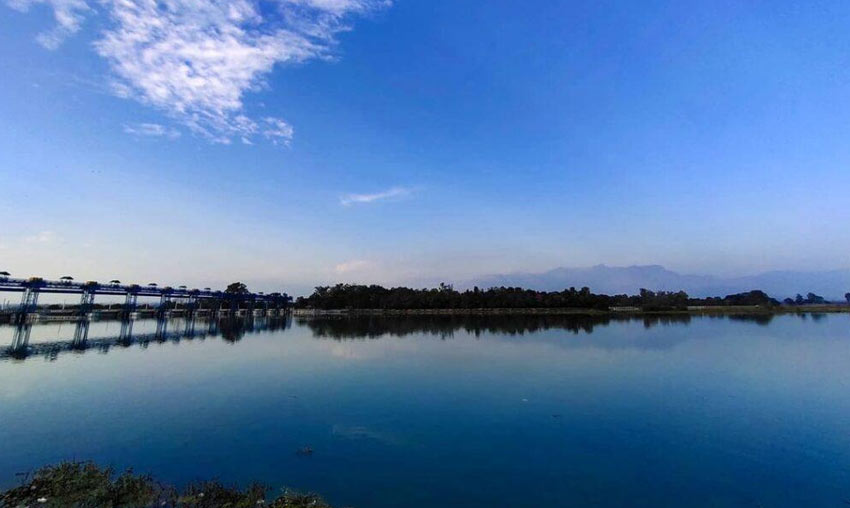
Asan Conservation Reserve: Explore Uttarakhand’s First Ramsar Site
Asan Conservation Reserve is one of the most important wetland destinations in Uttarakhand, located near the confluence of the Asan and Yamuna rivers in Dehradun district. Known for its rich birdlife, freshwater habitat and peaceful natural surroundings, this beautiful wetland attracts birdwatchers, photographers, nature enthusiasts and travellers throughout the year.
Also popularly associated with Asan Barrage, the reserve is especially famous for migratory birds that arrive during the winter season. Visitors can enjoy birdwatching, observe different waterbird species and experience the scenic landscape of the wetland surrounded by vegetation and distant hills.
Asan Conservation Reserve holds special importance because it became Uttarakhand’s first Ramsar Site in 2020, recognising its international significance as a wetland habitat.
About Asan Conservation Reserve
Asan Conservation Reserve is situated in the western part of Dehradun district, near Dhalipur and Herbertpur. It covers approximately 444.4 hectares and includes a freshwater wetland system associated with the Asan River and its confluence with the Yamuna.
The Asan Barrage was constructed in 1967. The formation of the reservoir and the accumulation of sediment helped create suitable habitats for aquatic vegetation, fish and waterbirds. Over time, the wetland developed into an important ecological area supporting resident and migratory wildlife.
The reserve was notified as a Conservation Reserve in 2005 and was designated a Ramsar Site on 21 July 2020. It is managed by the Uttarakhand Forest Department.
Why Is Asan Conservation Reserve Famous?
Asan Conservation Reserve is particularly famous for its avian diversity and its importance as a habitat for migratory waterbirds. During winter, birds travel from different parts of Central Asia and other northern regions to find suitable feeding and resting grounds in the wetland.
The reserve is also recognised for its freshwater ecosystem, biodiversity and contribution to wetland conservation. Its natural landscape makes it one of the most interesting birdwatching destinations near Dehradun.
Top Attractions and Things to Do at Asan Conservation Reserve
1. Birdwatching at Asan Wetland
Birdwatching is the main attraction of Asan Conservation Reserve. The wetland provides suitable habitats for numerous resident and migratory bird species, making it a popular destination for bird lovers and wildlife photographers.
Visitors can observe birds around the reservoir, along the wetland edges and in areas where aquatic vegetation provides food and shelter. Carrying binoculars or a camera with a zoom lens can make the experience more rewarding.
2. Migratory Birds During Winter
Winter is the most exciting season for birdwatching at Asan Conservation Reserve. Migratory birds arrive at the wetland from distant regions, creating an impressive natural spectacle.
Some bird species recorded at the reserve include:
- Ruddy Shelduck
- Red-crested Pochard
- Common Pochard
- Bar-headed Goose
- Northern Pintail
- Gadwall
- Common Coot
- Indian Cormorant
- Various species of herons and egrets
- Kingfishers and other wetland birds
Bird sightings depend on the season, weather and availability of suitable habitat. Visitors may see different species on different days.
3. Asan Barrage and Reservoir Views
Asan Barrage is an important part of the wetland landscape. The reservoir formed by the barrage provides a habitat for aquatic life and attracts several species of waterbirds.
The broad water surface, green vegetation and surrounding landscape create beautiful views, particularly during the early morning and late afternoon. Visitors interested in landscape photography can capture attractive views of the wetland and its natural surroundings.
4. Boating Experience
Boating is one of the recreational activities associated with the Asan Conservation Reserve area. Limited boating facilities, including paddle boating, have been offered through the nearby Asan Conservation Resort managed by Garhwal Mandal Vikas Nigam (GMVN).
Boating access and operating arrangements may depend on weather, water conditions and conservation requirements. Activities are restricted to designated areas to minimise disturbance to birds and their habitats.
5. Nature Photography
Asan Conservation Reserve is an attractive destination for nature and wildlife photography. The wetland provides opportunities to photograph migratory birds, water reflections, vegetation and scenic landscapes.
Winter mornings are particularly rewarding for photographers because bird activity is often noticeable around the water and wetland edges. A telephoto lens or binoculars can help visitors observe birds without approaching or disturbing them.
6. Explore the Wetland Ecosystem
The reserve is not only important for birds but also supports a variety of aquatic and terrestrial life. Its freshwater environment provides habitat for fish, amphibians, reptiles, mammals and invertebrates.
The wetland also plays an ecological role by supporting aquatic food chains, providing feeding and breeding habitats and contributing to the health of the surrounding landscape.
Wildlife and Biodiversity of Asan Conservation Reserve
Asan Conservation Reserve supports a rich variety of biodiversity. Official wetland and wildlife records document hundreds of bird species, along with numerous fish and other animal species.
The wetland is particularly important for waterbirds that use the area as a wintering ground, feeding habitat and resting place during migration. Some globally threatened bird species have also been recorded in the reserve.
Among its notable birdlife are the red-headed vulture, white-rumped vulture and Baer’s pochard. The presence of these species highlights the importance of protecting the wetland and maintaining suitable habitats for wildlife.
Fishing is prohibited within the reserve to help protect its aquatic biodiversity and ecological balance.
Ramsar Site: International Importance of Asan Wetland
Asan Conservation Reserve became Uttarakhand’s first Ramsar Site on 21 July 2020. The Ramsar Convention is an international agreement focused on the conservation and wise use of wetlands.
This designation recognises the ecological importance of Asan Wetland, particularly its role in supporting waterbirds and maintaining freshwater biodiversity.
The recognition has increased awareness about wetland conservation and the need to protect natural habitats from pollution, encroachment and human disturbance.
Best Time to Visit Asan Conservation Reserve
The best time to visit Asan Conservation Reserve depends on the activities you want to enjoy. For birdwatching, the winter season is generally the most rewarding because migratory waterbirds arrive at the wetland during this period.
- October to November: A good period to observe the arrival of migratory birds and enjoy the changing wetland landscape.
- December to February: The peak winter period for birdwatching, with opportunities to spot several migratory waterbird species.
- March to June: Suitable for enjoying the landscape and observing resident birdlife, although the number and variety of migratory birds may be lower.
- July to September: The monsoon season brings changes to the wetland environment. Visitors should check local weather and access conditions before planning a trip.
For birdwatching and photography, early morning is generally a good time to visit. Visitors should maintain a quiet environment and avoid activities that may disturb the birds.
Asan Conservation Reserve Timings and Entry Fee
Asan Conservation Reserve is a protected wetland rather than a conventional amusement park. Access arrangements, visitor facilities and activity timings may vary depending on the area and the managing authority.
- Location: Asan Barrage, Dhalipur, Dehradun district, Uttarakhand
- Nearest Town: Herbertpur
- Wetland Area: Approximately 444.4 hectares
- Ramsar Designation: 21 July 2020
- Management Authority: Uttarakhand Forest Department
- Best Season for Birdwatching: October to February
- Entry Fee: Confirm local access and applicable charges before visiting
- Boating: Availability and charges should be confirmed with the operator
There is no single verified visitor tariff or uniform opening schedule available for every part of the reserve. Visitors should confirm local arrangements before travelling.
How to Reach Asan Conservation Reserve
By Road
Asan Conservation Reserve is located near Dhalipur and Herbertpur in Dehradun district. It can be reached by road from Dehradun through Herbertpur. Visitors travelling from Paonta Sahib in Himachal Pradesh can also reach the reserve by road.
Taxis and private vehicles are convenient options for reaching the wetland. Visitors should check the route and local road conditions before starting their journey.
By Train
Dehradun Railway Station is the nearest major railway station for visitors arriving by train. From the railway station, visitors can hire a taxi or arrange road transport to reach Asan Conservation Reserve.
By Air
Jolly Grant Airport in Dehradun is the nearest airport. Visitors can hire a taxi from the airport and travel towards Herbertpur and Dhalipur to reach the reserve.
Visitor Tips for Asan Conservation Reserve
- Plan your visit during winter if your main interest is migratory birdwatching.
- Arrive early in the morning for a peaceful birdwatching experience.
- Carry binoculars or a camera with a zoom lens.
- Wear comfortable shoes and carry drinking water.
- Maintain silence and avoid sudden movements near bird habitats.
- Never feed birds or other wildlife.
- Do not throw plastic, food waste or other rubbish into the wetland.
- Follow instructions from Forest Department staff and local authorities.
- Use only authorised boating facilities and designated activity areas.
- Respect restricted zones and avoid disturbing nesting or feeding birds.
Places to Visit Near Asan Conservation Reserve
Visitors planning a trip to Asan Conservation Reserve can explore other attractions in Dehradun and nearby areas. Some popular places to include in a wider travel itinerary are:
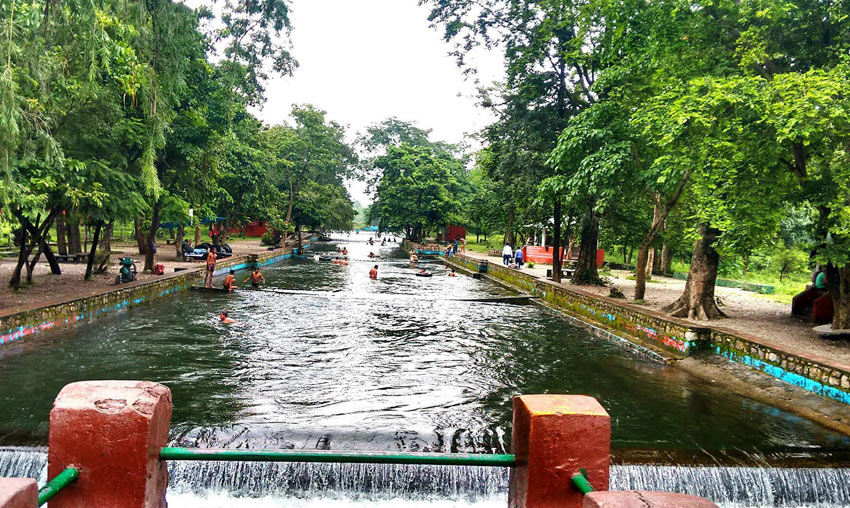
- Lachhiwala Nature Park – A green picnic destination known for its forest surroundings and seasonal water pools.
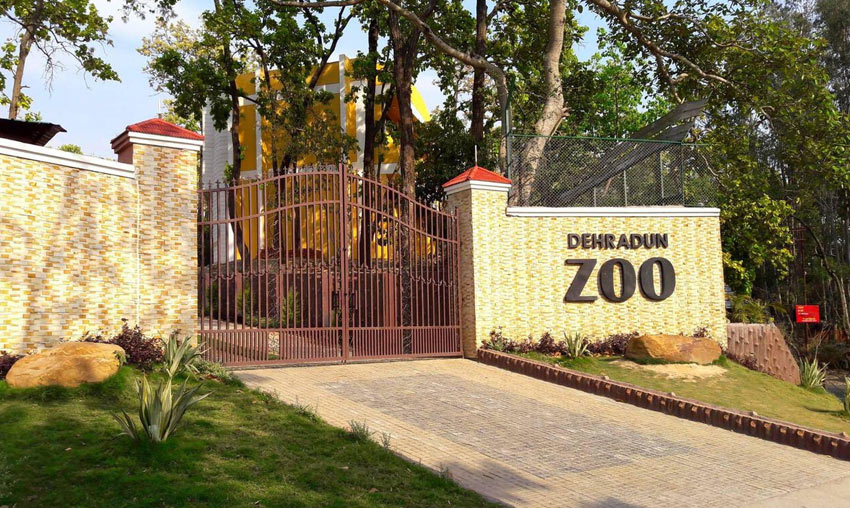
- Dehradun Zoo (Malsi Deer Park) – A mini zoological park offering a wildlife and nature experience.
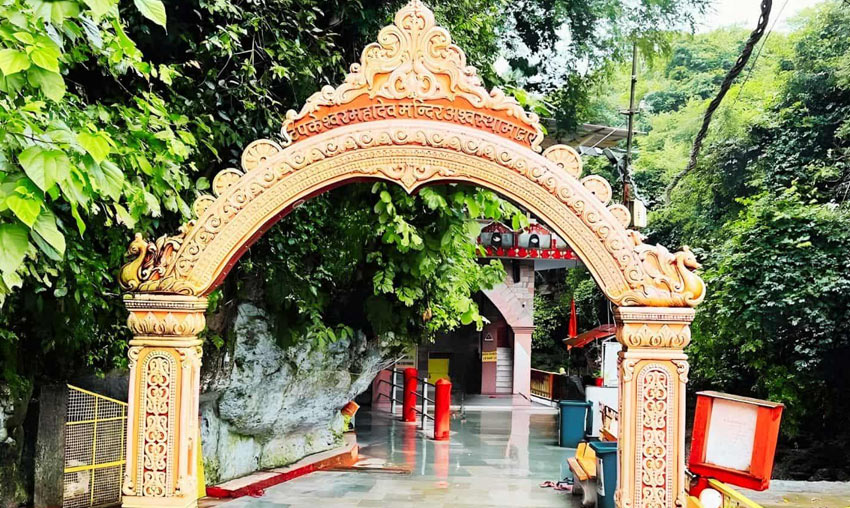
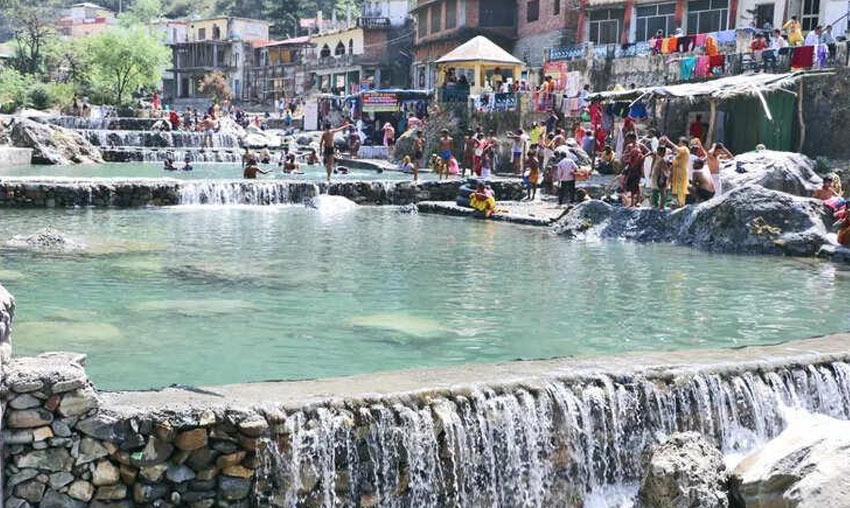
- Sahastradhara – A popular natural attraction featuring waterfalls, springs and limestone formations.
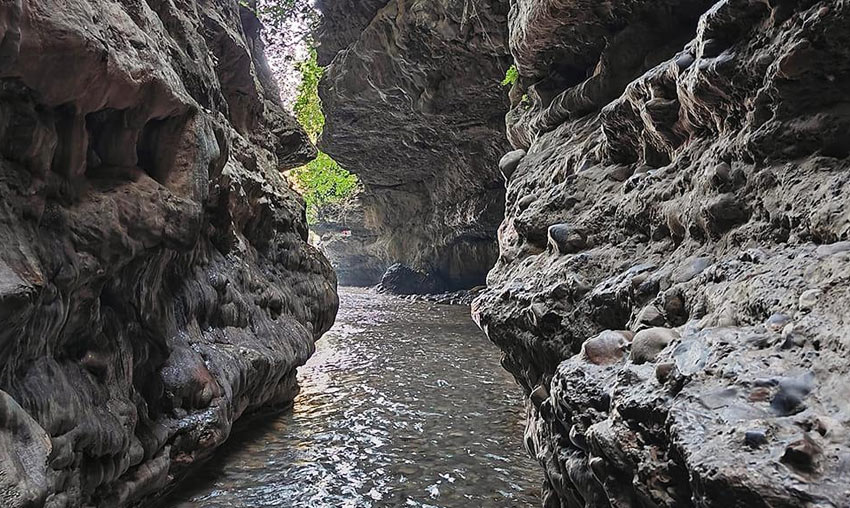
- Robber’s Cave (Gucchupani) – A scenic rocky gorge with a flowing stream.
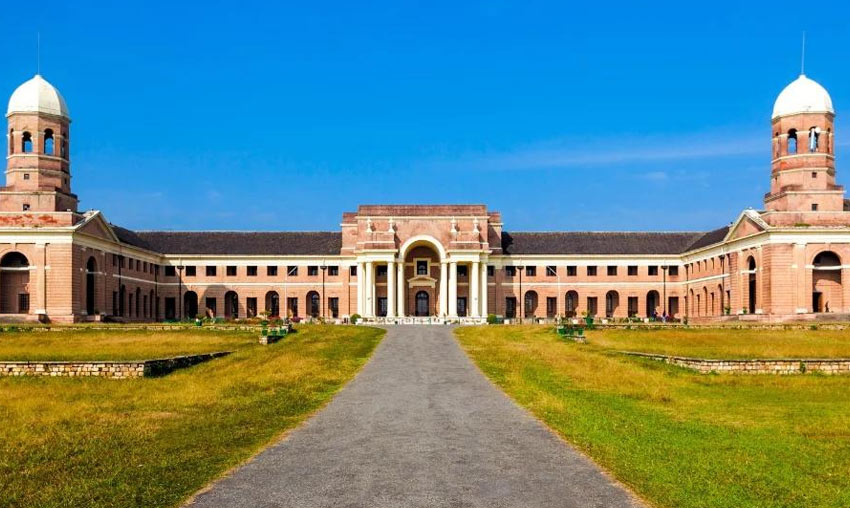
- Forest Research Institute – A famous architectural landmark with museums and landscaped grounds.
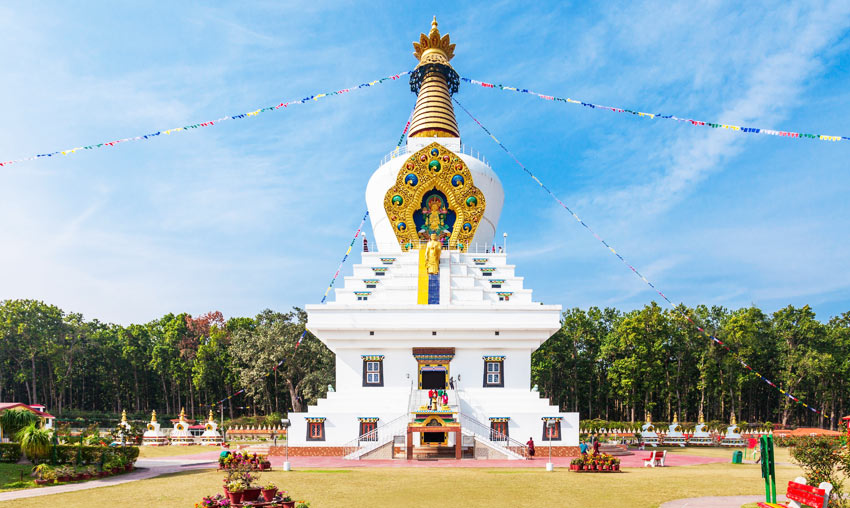
- Mindrolling Monastery – A prominent Buddhist monastery known for its Great Peace Stupa.
For more attractions, sightseeing ideas and travel information, explore our complete Dehradun travel guide.
Frequently Asked Questions About Asan Conservation Reserve
1. Where is Asan Conservation Reserve located?
Asan Conservation Reserve is located near Dhalipur and Herbertpur in Dehradun district, Uttarakhand, close to the confluence of the Asan and Yamuna rivers.
2. Why is Asan Conservation Reserve famous?
It is famous for its rich bird diversity, migratory waterbirds, freshwater wetland ecosystem and recognition as Uttarakhand’s first Ramsar Site.
3. When did Asan Conservation Reserve become a Ramsar Site?
Asan Conservation Reserve was designated a Ramsar Site on 21 July 2020, recognising its international importance as a wetland.
4. What is the best time for birdwatching at Asan Wetland?
October to February is generally the best period for birdwatching, with December and January being particularly popular months for observing migratory waterbirds.
5. Which migratory birds can be seen at Asan Conservation Reserve?
Visitors may observe birds such as Ruddy Shelduck, Red-crested Pochard, Bar-headed Goose, Northern Pintail, Gadwall and other waterbird species. Sightings depend on the season and conditions.
6. Is boating available at Asan Conservation Reserve?
Limited boating facilities, including paddle boating, have been offered through the nearby GMVN Asan Conservation Resort. Visitors should confirm current availability and operating conditions before planning a boating experience.
7. How much time is required to explore Asan Conservation Reserve?
Around 2–3 hours can be planned for a short visit and birdwatching experience. Bird enthusiasts and photographers may prefer to spend longer observing the wetland and its wildlife.
8. Is Asan Conservation Reserve suitable for family visits?
Yes, families interested in nature, birds and outdoor experiences can visit the reserve. Children should remain supervised, and visitors must follow conservation guidelines.
9. Is Asan Conservation Reserve the same as Asan Barrage?
Asan Barrage is an important structure associated with the wetland. The wider Asan Conservation Reserve includes the protected wetland area and its surrounding habitats.
Asan Conservation Reserve is a remarkable natural destination near Dehradun and an important wetland for migratory birds and freshwater biodiversity. Its Ramsar recognition, scenic reservoir and diverse birdlife make it one of the most significant nature destinations in Uttarakhand.
Whether you are a birdwatcher, wildlife photographer or traveller looking for a peaceful escape, Asan Conservation Reserve offers an opportunity to experience the natural beauty and ecological importance of Uttarakhand’s wetlands.
Nearby Places to Visit
Nearby Places to Visit