Guru Ram Rai Darbar Sahib: A Historic Religious and Architectural Landmark in Dehradun
Guru Ram Rai Darbar Sahib is one of the most important historical and religious landmarks in Dehradun, Uttarakhand. Located in Jhanda Mohalla in the heart of the city, this magnificent complex is dedicated to Shri Guru Ram Rai Ji Maharaj, the eldest son of the seventh Sikh Guru, Guru Har Rai Ji. Known for its beautiful architecture, historic wall paintings and spiritual significance, the Darbar Sahib attracts devotees, history enthusiasts and tourists throughout the year.
The history of Guru Ram Rai Darbar Sahib is closely connected with the origin of Dehradun itself. In 1676, Guru Ram Rai Ji established his dera, or camp, in the Doon Valley. Over time, the settlement around this camp became known as Dehradun. Today, the Darbar Sahib stands as a reminder of this important chapter in the city’s history.
The complex is particularly famous for its annual Jhanda Mela, during which thousands of devotees gather to participate in religious ceremonies and witness the traditional hoisting of the sacred flag known as Jhanda Ji.
About Guru Ram Rai Darbar Sahib
Guru Ram Rai Darbar Sahib is situated in Jhanda Mohalla, Dehradun. It is a major religious and cultural institution associated with Shri Guru Ram Rai Ji Maharaj and the tradition established by him in the Doon Valley.
Guru Ram Rai Ji was the eldest son of Guru Har Rai Ji, the seventh Sikh Guru. He arrived in the Doon Valley in 1676 and established his camp here with the support of the contemporary Garhwal ruler, Raja Fateh Shah.
The Darbar Sahib complex developed into an important centre of religious activity and community service. Its historical buildings, courtyards, sacred spaces and traditional artwork reflect a distinctive combination of religious and architectural influences.
The complex is also associated with educational, healthcare and social welfare activities through the Shri Guru Ram Rai Education Mission.
History of Guru Ram Rai Darbar Sahib
The history of Guru Ram Rai Darbar Sahib dates back to 1676, when Shri Guru Ram Rai Ji arrived in the Doon Valley and established his dera. The word “Dera” refers to a camp or settlement, while “Dun” refers to the valley. The name Dehradun is traditionally connected with this historic settlement.
According to the Darbar Sahib’s official historical account, Mughal Emperor Aurangzeb was impressed by Guru Ram Rai Ji and asked the contemporary Raja of Garhwal, Fateh Shah, to extend support to him.
An initial religious establishment was built at Dhamawala. The present Darbar Sahib building was completed in 1707, after the passing of Guru Ram Rai Ji in 1687.
After his passing, the affairs of the Darbar Sahib were managed by his wife, Mata Punjab Kaur. She played an important role in maintaining the institution and establishing the tradition of Shri Mahants, who continue to oversee its religious and administrative activities.
Shri Aud Dass Ji became the first Mahant in 1687. The institution has continued through a succession of Mahants, preserving its religious traditions and social activities.
Who Was Shri Guru Ram Rai Ji Maharaj?
Shri Guru Ram Rai Ji Maharaj was the eldest son of Guru Har Rai Ji, the seventh Sikh Guru. He is remembered for establishing a religious centre in the Doon Valley in the seventeenth century.
His arrival in 1676 became an important event in the history of Dehradun. The settlement associated with his dera gradually developed, and the Darbar Sahib became a major centre of religious and community life.
Guru Ram Rai Ji’s legacy continues through the religious institution, the annual Jhanda Mela and the educational and social welfare activities carried out under the Darbar Sahib.
Top Attractions and Things to See at Guru Ram Rai Darbar Sahib
1. Main Darbar Sahib Building
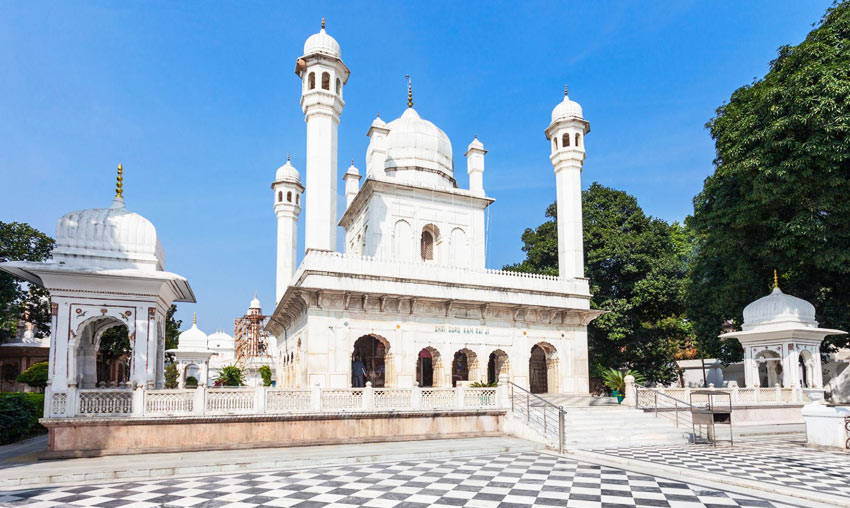
The main Darbar Sahib building is the central attraction of the complex. Its historic structure, decorative architectural details and religious importance make it one of the most recognisable heritage landmarks in Dehradun.
The building features high minarets, rounded pinnacles, domed elements and decorative arches. Its architecture reflects a distinctive combination of regional artistic traditions and influences associated with Mughal and Islamic architectural styles.
Visitors interested in heritage architecture can observe the exterior design, courtyards and decorative details that give the complex its unique identity.
2. Historic Wall Paintings and Murals
One of the most remarkable features of Guru Ram Rai Darbar Sahib is its collection of historic wall paintings and murals. These artworks depict religious figures, saints, sages, gods, goddesses, animals, birds, flowers and scenes from traditional stories.
The paintings reflect a blend of artistic influences associated with Rajasthani, Mughal and Pahari traditions. Decorative patterns, colourful figures and detailed compositions make the complex particularly interesting for art lovers and students of Indian painting.
Many of these murals are important examples of the historical painting traditions that developed in the Himalayan foothills. Their preservation is an important part of the heritage conservation work undertaken at the Darbar Sahib.
3. Sacred Jhanda Sahib
Jhanda Sahib is one of the most important religious symbols associated with Guru Ram Rai Darbar Sahib. The sacred flag is a central feature of the complex and represents the religious tradition established by Guru Ram Rai Ji.
The flag-hoisting ceremony is especially significant during the annual Jhanda Mela. Devotees gather in large numbers to witness the traditional ceremony and participate in prayers and religious activities.
The Jhanda Sahib tradition is closely connected with the history of Guru Ram Rai Ji’s arrival in Dehradun in 1676.
4. Historic Courtyards and Decorative Arches
The courtyards and architectural details of Darbar Sahib offer visitors an opportunity to explore the traditional design of the historic complex.
The arches feature decorative paintings and artistic motifs, including floral patterns, figures and other traditional designs. The combination of open courtyards, gateways and painted surfaces creates a distinctive heritage atmosphere.
Visitors should explore these spaces respectfully and follow the instructions provided by the Darbar Sahib authorities.
5. The Historic Talab
A large historic water tank, or talab, is located in front of the Darbar Sahib. According to the institution’s official history, the tank measures approximately 230 by 80 feet.
The talab had dried up over the years and was affected by waste dumping. It has since been renovated and revived as part of the restoration and improvement work undertaken at the complex.
The restored water feature adds to the historic character of the Darbar Sahib and reflects the importance of preserving traditional structures.
6. Religious Prayers and Spiritual Atmosphere
Guru Ram Rai Darbar Sahib remains an active religious centre where devotees gather for prayers, religious observances and spiritual activities.
Visitors can experience the peaceful atmosphere of the complex and learn about the traditions associated with Shri Guru Ram Rai Ji Maharaj. The Darbar Sahib welcomes visitors who wish to explore its religious and historical significance respectfully.
7. Langar and Community Service
Community service is an important part of the Darbar Sahib’s activities. The institution operates a community kitchen, known as Langar, where meals are served to visitors and devotees.
According to the official Darbar Sahib website, nearly 1,000 people partake of prasad daily. The community kitchen reflects the institution’s emphasis on service, sharing and social welfare.
Visitors should follow the instructions of the volunteers and respect the arrangements made for serving meals.
Jhanda Mela: The Famous Annual Fair of Dehradun
Jhanda Mela is one of the most important religious and cultural events associated with Guru Ram Rai Darbar Sahib. Held every year in Dehradun, the fair commemorates the arrival of Shri Guru Ram Rai Ji in the Doon Valley and celebrates his birth anniversary.
The annual celebration begins on the fifth day of Chaitra, following Holi. This date is associated with the historic arrival of Guru Ram Rai Ji in Dehradun in 1676.
During the fair, devotees from Uttarakhand, Punjab, Haryana, Uttar Pradesh, Delhi and other regions travel to Dehradun. Many arrive several days before the main ceremony to participate in the religious celebrations.
Major Highlights of Jhanda Mela
- Jhanda Ji Hoisting: The traditional raising of the sacred flag is the main event of the fair.
- Religious Gatherings: Thousands of devotees gather at the Darbar Sahib to participate in prayers and ceremonies.
- Arrival of Sangat: Groups of devotees, known as Sangat, arrive from different parts of India and abroad.
- Nagar Parikrama: A traditional religious procession forms part of the celebrations.
- Community Service: Food and accommodation arrangements are made for visiting devotees through the institution’s facilities and volunteers.
Jhanda Mela is not just a religious gathering; it is also an important part of Dehradun’s cultural identity. The event brings together people from different regions and communities.
Architecture of Guru Ram Rai Darbar Sahib
The architecture of Guru Ram Rai Darbar Sahib is one of its most distinctive features. The complex combines elements associated with Mughal, Islamic, Pahari and regional artistic traditions.
The main building features high minarets, rounded pinnacles, decorative arches and domed architectural elements. The use of painted surfaces and traditional ornamental motifs adds to its visual appeal.
The wall paintings are particularly important because they preserve a variety of artistic styles and religious themes. Images of gods, goddesses, saints, sages, animals and birds appear alongside floral and decorative designs.
The Darbar Sahib is an important destination for visitors interested in heritage architecture, traditional Indian mural painting and the history of Dehradun.
Social and Educational Contributions of Darbar Sahib
Guru Ram Rai Darbar Sahib is not only a religious institution but also an organisation involved in education, healthcare and community welfare.
The Shri Guru Ram Rai Education Mission was established in 1952 to support educational development, particularly for students from economically weaker backgrounds.
Under its wider institutional network, the mission operates educational institutions, healthcare facilities, schools and colleges. Its activities reflect the philanthropic objectives associated with the Darbar Sahib.
The institution also supports healthcare and community services through its associated organisations, contributing to the social development of Dehradun and surrounding regions.
Best Time to Visit Guru Ram Rai Darbar Sahib
Guru Ram Rai Darbar Sahib can be visited throughout the year. However, the most interesting time for visitors who want to experience its major religious celebration is during the annual Jhanda Mela.
- March: The annual Jhanda Mela is generally held around this period, with its exact date determined by the Hindu calendar and the date of Holi.
- October to February: Pleasant weather makes this a comfortable period for exploring the historic complex and surrounding parts of Dehradun.
- March to June: Visitors can explore the Darbar Sahib, although afternoons can become warm during summer.
- July to September: The monsoon brings rainfall to Dehradun. Visitors should check local weather conditions before planning their trip.
For a peaceful visit, ordinary weekdays and morning hours are generally a good choice. Visitors who wish to attend Jhanda Mela should expect large crowds and plan their travel accordingly.
Guru Ram Rai Darbar Sahib Timings and Entry Fee
Guru Ram Rai Darbar Sahib is an active religious institution. Visitors should confirm the latest visiting hours and access arrangements directly with the Darbar Sahib before planning their visit.
- Location: Jhanda Mohalla, Dehradun, Uttarakhand
- Religious Association: Shri Guru Ram Rai Ji Maharaj
- Historic Arrival: 1676 AD
- Present Building Completed: 1707 AD
- Famous Festival: Annual Jhanda Mela
- Entry Fee: No general admission ticket is normally required; confirm local arrangements
- Suggested Visit Duration: Around 1–2 hours
Timings for religious activities and access to individual sections may vary. Photography inside religious areas should be undertaken only where permitted.
Visitor Guidelines for Guru Ram Rai Darbar Sahib
- Dress modestly and maintain a respectful attitude within the religious complex.
- Remove your footwear wherever required by the Darbar Sahib authorities.
- Cover your head when entering designated prayer areas, following local customs.
- Maintain silence and avoid disturbing people during prayers.
- Ask for permission before taking photographs inside religious spaces.
- Do not touch or damage historic murals and decorative surfaces.
- Follow the instructions of volunteers and religious staff.
- Keep the courtyards and surroundings clean.
- During Jhanda Mela, expect large gatherings and allow additional time for travel and entry.
How to Reach Guru Ram Rai Darbar Sahib
By Road
Guru Ram Rai Darbar Sahib is located in Jhanda Mohalla in central Dehradun. It is accessible by local roads from the Clock Tower, Saharanpur Chowk and other central parts of the city.
Visitors can reach the Darbar Sahib by taxi, auto-rickshaw or private vehicle. During the annual Jhanda Mela, traffic restrictions and diversions may apply in the surrounding streets.
By Train
Dehradun Railway Station is approximately 4 kilometres from the Darbar Sahib. Visitors can hire a taxi or auto-rickshaw from the railway station to reach Jhanda Mohalla.
By Air
Jolly Grant Airport is the nearest airport, approximately 30 kilometres from Dehradun according to event travel information published by the Ministry of Tourism. Taxis are available from the airport to reach the Darbar Sahib.
Places to Visit Near Guru Ram Rai Darbar Sahib
After visiting Guru Ram Rai Darbar Sahib, travellers can explore other popular attractions in Dehradun. Some places worth including in your sightseeing itinerary are:
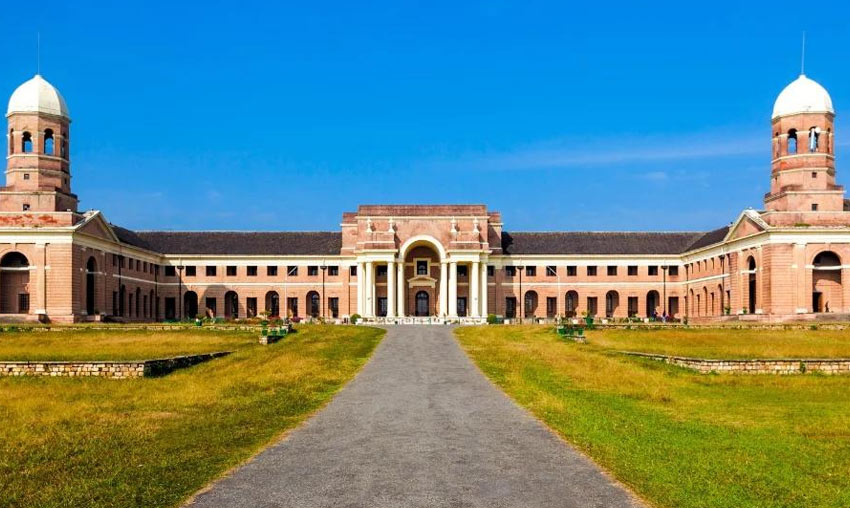
- Forest Research Institute – A famous architectural landmark known for its colonial-era building, museums and landscaped campus.
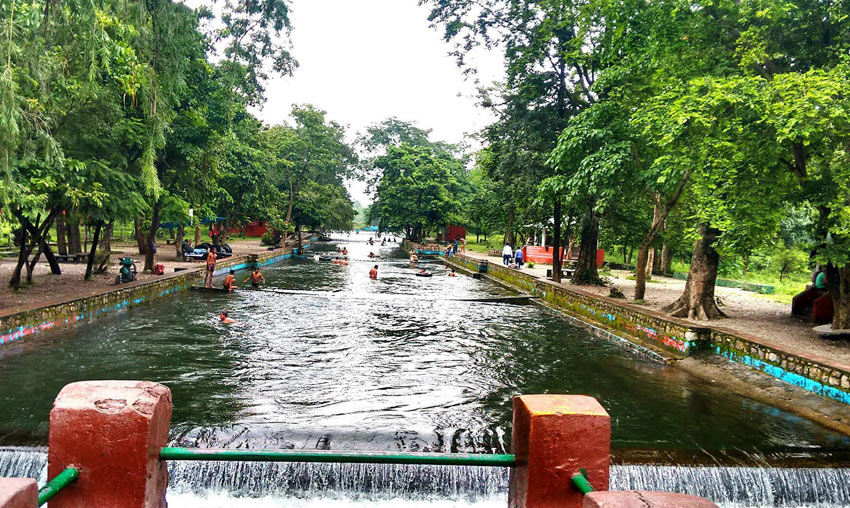
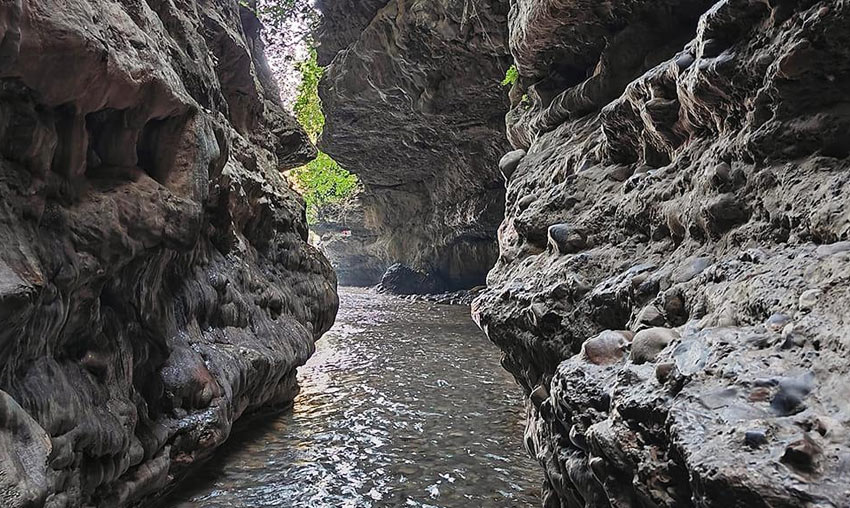
- Robber’s Cave (Gucchupani) – A natural rocky gorge with a flowing stream and scenic surroundings.
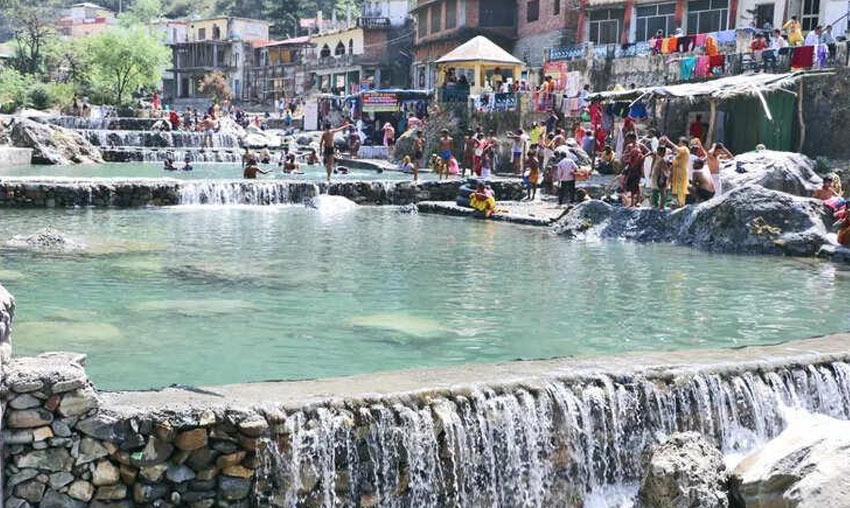
- Sahastradhara – A popular natural destination known for waterfalls, springs and limestone formations.
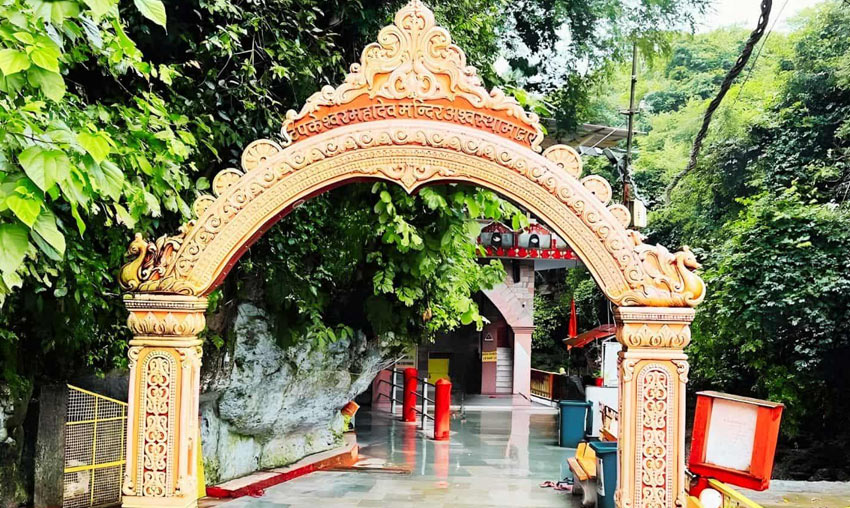
- Tapkeshwar Mahadev Temple – A cave temple dedicated to Lord Shiva.
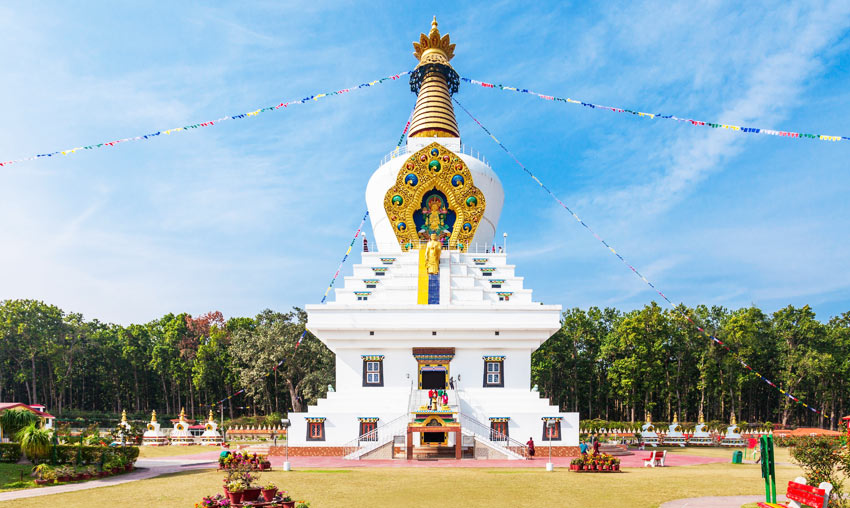
- Mindrolling Monastery – A prominent Buddhist monastery famous for its Great Peace Stupa and spiritual atmosphere.
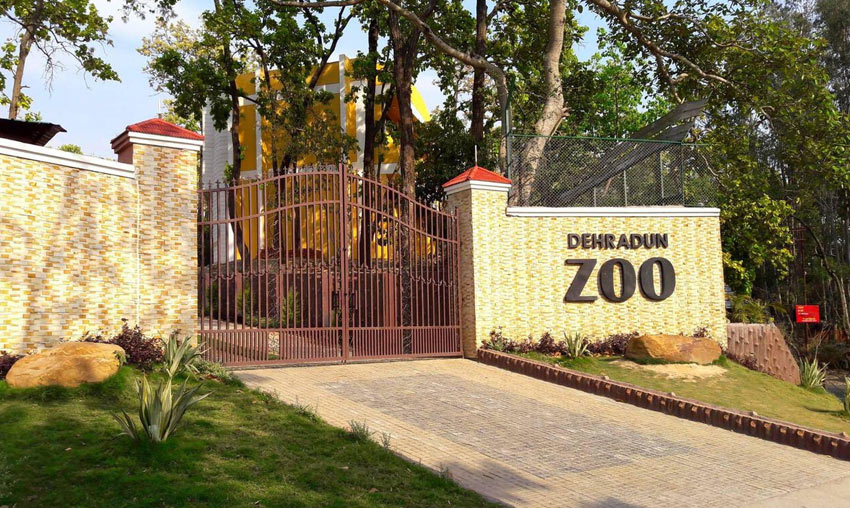
- Dehradun Zoo (Malsi Deer Park) – A mini zoological park surrounded by green natural surroundings.
For more attractions, sightseeing ideas and travel information, explore our complete Dehradun travel guide.
Frequently Asked Questions About Guru Ram Rai Darbar Sahib
1. Where is Guru Ram Rai Darbar Sahib located?
Guru Ram Rai Darbar Sahib is located in Jhanda Mohalla, near Jhanda Bazar on Tilak Road in Dehradun, Uttarakhand.
2. Who established Guru Ram Rai Darbar Sahib?
The religious establishment is associated with Shri Guru Ram Rai Ji Maharaj, the eldest son of Guru Har Rai Ji, the seventh Sikh Guru. He established his dera in the Doon Valley in 1676.
3. When was Guru Ram Rai Darbar Sahib built?
The initial religious establishment was built in Dhamawala. According to the official Darbar Sahib history, construction of the present building was completed in 1707.
4. Why is Dehradun named after Guru Ram Rai Ji?
The traditional history of the city connects its name with Guru Ram Rai Ji’s dera in the Doon Valley. The words “Dera” and “Dun” are associated with the name Dehradun.
5. What is Jhanda Mela famous for?
Jhanda Mela is famous for the annual hoisting of the sacred Jhanda Sahib, religious ceremonies, gatherings of devotees and the traditional celebrations associated with Guru Ram Rai Ji’s arrival in Dehradun.
6. When is Jhanda Mela celebrated?
Jhanda Mela begins on the fifth day of Chaitra, after Holi. The exact Gregorian calendar date changes every year.
7. What is special about the paintings at Darbar Sahib?
The Darbar Sahib is known for its historic murals depicting religious figures, saints, sages, animals, birds and floral designs. The paintings reflect a combination of Rajasthani, Mughal and Pahari artistic influences.
8. Is there an entry fee for Guru Ram Rai Darbar Sahib?
A general admission ticket is normally not required for visitors to the religious complex. Visitors should follow local access rules and any special arrangements during religious events.
9. How much time is required to explore Guru Ram Rai Darbar Sahib?
Visitors can plan around 1–2 hours to explore the complex, observe its architecture and learn about its history. More time may be needed during religious events.
10. Can tourists visit Guru Ram Rai Darbar Sahib?
Yes, visitors interested in history, architecture and religious heritage can visit the Darbar Sahib. They should respect the customs of the religious complex and follow the instructions of the authorities.
Guru Ram Rai Darbar Sahib is a remarkable historical and religious landmark that represents an important part of Dehradun’s origin and cultural identity. Established through the legacy of Shri Guru Ram Rai Ji Maharaj, the complex is known for its historic architecture, beautiful murals, spiritual traditions and famous annual Jhanda Mela.
Whether you are interested in religious heritage, traditional Indian art, historic architecture or the history of Dehradun, a visit to Guru Ram Rai Darbar Sahib offers a meaningful experience. Its continued role in community service and education makes it an important institution beyond its historical and spiritual significance.
Nearby Places to Visit
Nearby Places to Visit