Forest Research Institute Dehradun – Explore the Historic FRI Campus and Museums
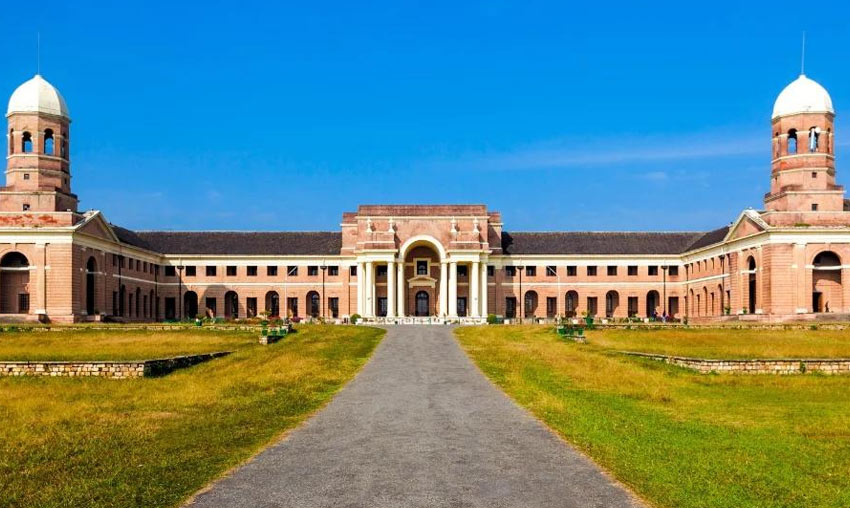
Located on Chakrata Road in Dehradun, Uttarakhand, the Forest Research Institute (FRI) is one of India’s most impressive institutional landmarks and a major tourist attraction. Known for its grand Greco-Roman architecture, expansive green campus and specialised forestry museums, FRI offers visitors a unique combination of architectural beauty, scientific heritage and natural surroundings.
Established as the Imperial Forest Research Institute in 1906, the institution has played an important role in the development of forestry research and education in India. Its magnificent main building, completed in 1929, is among the most recognisable architectural landmarks in Dehradun. Surrounded by landscaped lawns and forested surroundings, the campus provides a beautiful setting for visitors interested in history, architecture, photography and environmental science.
Whether you are an architecture enthusiast, a student, a nature lover or a traveller exploring Dehradun, Forest Research Institute deserves a place on your Uttarakhand travel itinerary.
About Forest Research Institute (FRI), Dehradun
Forest Research Institute is a premier institution dedicated to forestry research, education and the scientific management of forest resources. It operates under the Indian Council of Forestry Research and Education (ICFRE), which functions under the Ministry of Environment, Forest and Climate Change, Government of India.
The institute was originally established in 1906 as the Imperial Forest Research Institute to organise and advance forestry research in the country. After India’s independence, it became known as the Forest Research Institute. In 1988, FRI and its research centres came under the administrative umbrella of ICFRE.
The institute is situated in the New Forest area of Dehradun and occupies an extensive green campus of approximately 450 hectares. Its landscape includes the historic main building, research facilities, laboratories, gardens and forestry-related museum galleries.
Although FRI is primarily a research and educational institution, its architectural importance and museums have made it one of the most popular sightseeing destinations in Dehradun.
History of Forest Research Institute
The history of Forest Research Institute is closely connected with the development of scientific forestry in India. Its roots date back to 1906, when the Imperial Forest Research Institute was established to organise forestry research and provide scientific support for forest management.
During the colonial period, the institution became an important centre for forestry education, research and the training of forest officers and rangers. It contributed to the development of organised forestry practices and scientific understanding of forest resources across the Indian subcontinent.
Following India’s independence, the institution continued its research and educational activities under the name Forest Research Institute. It gradually expanded its research facilities, museums and academic programmes.
In 1988, FRI and its research centres were brought under the Indian Council of Forestry Research and Education (ICFRE). The institute continues to work in areas such as forest ecology, biodiversity, forest protection, tree improvement, forest products and sustainable forest management.
Today, FRI represents an important part of India’s scientific and environmental heritage while remaining an active research institution.
Architecture of Forest Research Institute
The main building of Forest Research Institute is one of the most striking examples of institutional architecture in Dehradun. Completed in 1929, the structure combines Greco-Roman and colonial architectural influences, creating an impressive appearance that attracts visitors from across India.
The building was designed by architect C.G. Blomfield. Its symmetrical layout, grand columns, arched entrances, long corridors and decorative details give it a distinctive architectural character.
The central portion of the building is particularly impressive, with its monumental entrance and carefully designed architectural features. The long wings extend across the landscaped campus, creating a balanced and visually appealing structure.
The surrounding lawns, mature trees and open spaces further enhance the beauty of the building. On clear days, the outer Himalayan ranges provide a scenic backdrop to the campus.
The architecture of FRI makes it a favourite location for photographers, heritage enthusiasts and visitors interested in colonial-era institutional buildings.
Main Attractions at Forest Research Institute
Forest Research Institute offers more than an impressive building. Its campus and museums provide visitors with opportunities to explore forestry, biodiversity, natural resources and the history of scientific research in India.
1. The Main FRI Building
The main building is the most recognisable attraction within the Forest Research Institute campus. Completed in 1929, it is known for its Greco-Roman and colonial architectural design.
Its grand façade, imposing columns, symmetrical structure and expansive setting make it one of Dehradun’s most photographed landmarks. Visitors can admire the architecture and enjoy views of the building from the designated visitor areas.
The building also houses important institutional facilities, including research and administrative spaces. Access to certain areas may be restricted because FRI remains an active research and educational institution.
2. FRI Museum Galleries
The museums at Forest Research Institute are among the most educational attractions on the campus. They introduce visitors to different aspects of forestry, forest resources, biodiversity and environmental conservation.
The museum galleries display specimens, models, photographs, exhibits and informative panels related to forest science. They help visitors understand the importance of forests, the diversity of plant and animal life and the scientific work involved in protecting natural resources.
FRI has specialised museum collections covering areas such as silviculture, entomology, forest pathology, timber and non-wood forest products.
3. Silviculture Museum
The Silviculture Museum explains the science of forest cultivation, regeneration and management. Its displays introduce visitors to the evolution of forests, forest growth, silvicultural systems and the importance of sustainable forest management.
The gallery includes informative panels, models, samples of seeds, roots and bark, and exhibits explaining different forest ecosystems. Visitors can also learn about threats such as deforestation, forest fires, invasive plants, pests and diseases.
It is particularly interesting for students, nature enthusiasts and anyone interested in understanding how forests are managed and protected.
4. Entomology Museum
The Entomology Museum focuses on insects associated with forest ecosystems and agricultural and forestry environments. It displays specimens representing different insect groups and explains their role in forest health.
Visitors can learn about insect pests, their life stages, the damage they cause to trees and the importance of scientific research in managing forest pests.
The exhibits provide an educational introduction to the relationship between insects, trees and forest ecosystems.
5. Forest Pathology Museum
The Forest Pathology Museum introduces visitors to diseases affecting trees and other forest plants. It displays specimens and educational material related to plant diseases, fungi, timber decay and other forest health problems.
The gallery explains how diseases can affect the growth, quality and survival of trees. It also highlights the importance of forest pathology research in identifying and managing diseases that threaten forest resources.
6. Timber Museum
The Timber Museum showcases different types of wood and their uses. Visitors can explore wood specimens, understand variations in timber characteristics and learn about the commercial and practical importance of different tree species.
The exhibits provide information about timber identification, wood properties and the relationship between forest resources and industries that depend on wood.
This gallery is especially interesting for students, researchers and visitors who want to understand the importance of sustainable timber utilisation.
7. Non-Wood Forest Products Museum
The Non-Wood Forest Products Museum focuses on useful forest products other than timber. These include various plant-based materials and resources collected from forests and used in everyday life and traditional industries.
The exhibits introduce visitors to the importance of forest products such as medicinal plants, natural fibres, resins, gums and other non-timber resources.
The museum also helps explain how forests support livelihoods and provide valuable resources while highlighting the importance of responsible and sustainable use.
8. Social Forestry Museum
The Social Forestry Museum focuses on the relationship between forests and local communities. It introduces visitors to the role of trees and forest resources in supporting rural livelihoods, environmental protection and community-based forestry initiatives.
Its educational displays highlight the importance of tree planting, community participation, forest conservation and the sustainable use of natural resources.
Visitors can gain a better understanding of how forestry programmes contribute to environmental improvement and the well-being of communities.
Green Campus and Natural Surroundings
The expansive campus of Forest Research Institute is another important part of its appeal. Spread across approximately 450 hectares, the estate offers a combination of landscaped lawns, mature trees, plantations and research areas.
The greenery creates a peaceful atmosphere that contrasts with the busy streets of Dehradun. Visitors can appreciate the open spaces and the beautiful setting of the main building while learning about the institute’s work in forestry and environmental science.
The campus also includes research-related facilities such as laboratories, a library, herbarium collections, arboreta and experimental areas. These facilities support the institute’s educational and scientific activities.
Access to different campus areas depends on visitor permissions and institutional regulations. Visitors should remain within designated public areas and follow instructions from the institute administration.
Photography at Forest Research Institute
Forest Research Institute is a popular photography destination because of its impressive architecture and landscaped surroundings. The main building provides a striking backdrop for architectural photography, while the green lawns and mature trees create attractive outdoor compositions.
Visitors often photograph the symmetrical façade, columns, long building wings and surrounding greenery. The open campus also offers opportunities for landscape photography.
Photography permissions and restrictions may apply to certain buildings, museum galleries and institutional areas. Visitors should check the latest rules at the entrance and avoid photographing restricted locations or research facilities.
Best Time to Visit Forest Research Institute
Forest Research Institute can be visited throughout the year, although the experience changes with the seasons. The months from October to April are generally comfortable for exploring the campus and enjoying its architecture.
March to April – Pleasant Spring Weather
Spring is a comfortable period for visiting FRI. The weather is generally suitable for walking around the campus, exploring the museum galleries and enjoying the green surroundings.
May to June – Summer Season
Summer is a popular period for sightseeing in Dehradun. Visitors can explore the main building and museums during the designated visiting sessions. It is advisable to plan the visit earlier in the day and carry drinking water.
July to September – Monsoon Season
The monsoon season brings greenery to the campus and surrounding landscape. However, rain may affect outdoor exploration and photography. Visitors should carry umbrellas or rain protection and check the institute’s visitor arrangements during heavy rainfall.
October to November – Autumn Season
Autumn is one of the pleasant periods to visit Forest Research Institute. The weather is generally comfortable for exploring the campus, admiring the architecture and visiting the museum galleries.
December to February – Winter Season
Winter brings cooler temperatures to Dehradun. Visitors can enjoy the peaceful campus environment, although mornings and evenings may be cold. Warm clothing is recommended.
Forest Research Institute Timings
Forest Research Institute has designated visitor sessions for entry into the campus. According to the institute’s visitor circular dated 23 May 2026, effective from 25 May 2026, the visitor sessions are:
- Session 1: 10:00 AM to 1:30 PM
- Session 2: 1:30 PM to 5:00 PM
Visitors should note that entry is organised by session. The campus is an active research and educational institution, so public access may be restricted during holidays, administrative closures or special events.
Before travelling, check the latest notices on the official Forest Research Institute website.
Forest Research Institute Entry Fee
The Forest Research Institute revised its visitor entry charges through an official circular dated 23 May 2026, effective from 25 May 2026. The circular supersedes earlier visitor fee orders.
Campus Entry Charges
- Indian nationals: Rs. 100 per person, per session.
- Foreign nationals: Rs. 1,000 per person, per session.
Vehicle Entry Charges
- Scooter or bike: Rs. 50 per session.
- Private car or taxi: Rs. 150 per session.
- Auto-rickshaw: Rs. 100 per session.
- Bus or truck: Rs. 300 per session.
Museum Entry Charges
- Indian adult visitors: Rs. 150 per person.
- Foreign adult visitors: Rs. 1,500 per person.
- School children and groups: Rs. 30 per person.
- College children and groups: Rs. 50 per person.
Museum charges are additional to campus entry charges. Applicable taxes and any subsequent revisions should be confirmed with the institute before visiting.
These rates are based on the official FRI circular issued on 23 May 2026. Visitors should check the latest official notice for any changes, special arrangements or temporary closures.
How Much Time Is Required to Explore Forest Research Institute?
Visitors can plan approximately two to three hours for a general visit to Forest Research Institute. This allows time to admire the main building, explore the accessible campus areas and visit the museum galleries.
Visitors particularly interested in forestry, architecture or museum collections may prefer to spend more time exploring the exhibits. Since the institute operates in designated visitor sessions, it is important to plan the visit according to the available time slot.
Location of Forest Research Institute
Forest Research Institute is located in the New Forest area on Chakrata Road in Dehradun, Uttarakhand. The campus is approximately 5 to 7 kilometres from central Dehradun, depending on the starting point.
The institute is accessible by road from different parts of the city. Visitors can use taxis, auto-rickshaws or private vehicles to reach the main entrance.
Address: Forest Research Institute, New Forest, Dehradun, Uttarakhand 248006, India.
How to Reach Forest Research Institute
By Air
The nearest airport is Jolly Grant Airport, also known as Dehradun Airport. It is approximately 30 kilometres from the Forest Research Institute, depending on the route. Visitors can hire a taxi from the airport to reach the institute.
By Train
Dehradun Railway Station is the nearest major railway station. It is connected with several cities across northern India, including Delhi. From the station, visitors can hire a taxi or use local transport to reach the FRI campus.
By Road
Forest Research Institute is located on Chakrata Road and is easily accessible from the main parts of Dehradun. Visitors travelling from Delhi, Haridwar, Rishikesh and other cities can first reach Dehradun by road and continue towards the institute.
Local taxis and other transport options are available for reaching the campus. Travel time depends on traffic and the starting location.
Travel Tips for Visiting Forest Research Institute
- Check the latest visitor sessions before planning your visit.
- Arrive with enough time to complete the campus and museum visit within your selected session.
- Keep a valid identity document available if required at the entrance.
- Follow all campus security instructions and visitor regulations.
- Check museum availability and additional entry charges before entering the galleries.
- Wear comfortable footwear because the campus involves walking.
- Carry drinking water, especially during warmer months.
- Respect the research and educational environment of the institute.
- Do not enter restricted laboratories, offices or research areas.
- Check photography rules before taking pictures inside buildings and museums.
- Confirm temporary closures and holiday schedules on the official website.
Places to Visit Near Forest Research Institute
Visitors can combine Forest Research Institute with other attractions in Dehradun. The city offers natural landscapes, spiritual destinations and historical landmarks that can be included in a wider sightseeing itinerary.
Robber’s Cave (Gucchupani)
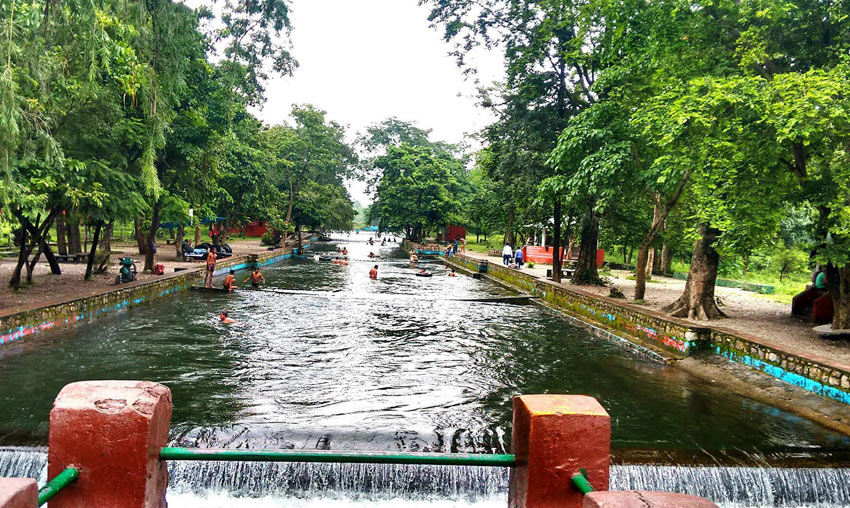
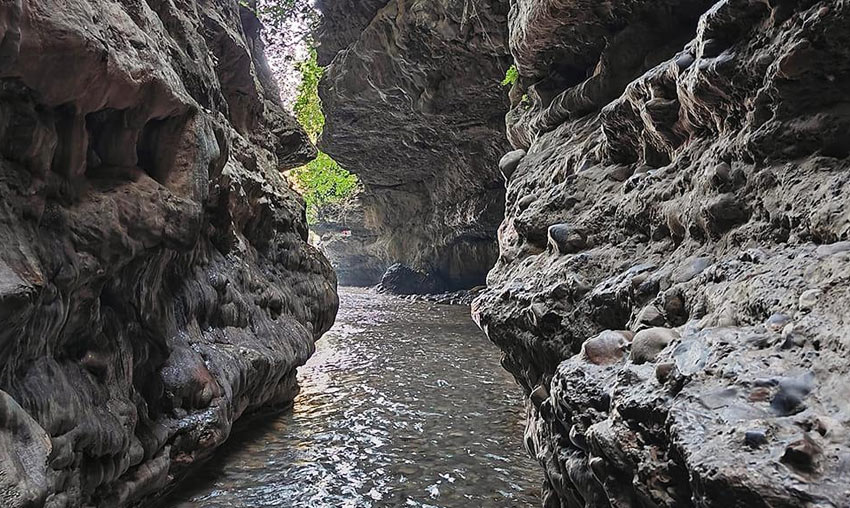
Robber’s Cave, also known as Gucchupani, is a natural rocky gorge where a stream flows through narrow rock walls. Visitors can explore the accessible water passages and enjoy the unusual natural landscape. Read our detailed Robber’s Cave Dehradun travel guide.
Sahastradhara
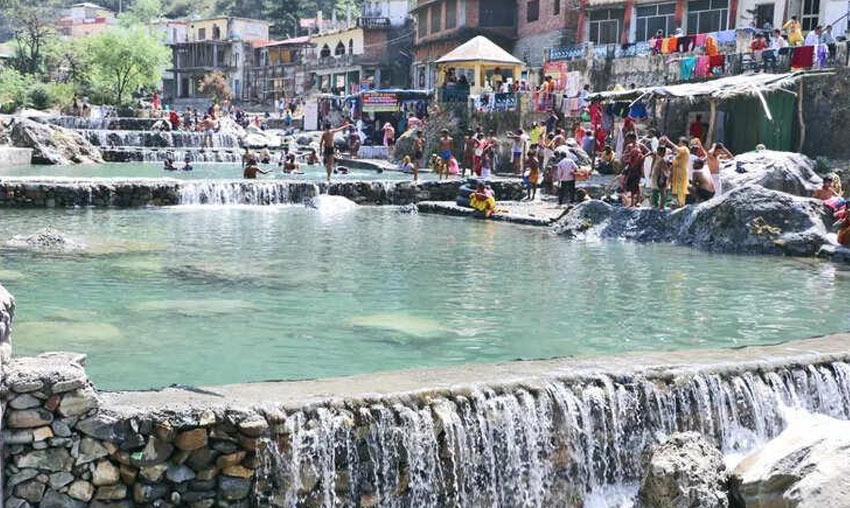
Sahastradhara is famous for its natural waterfalls, sulphur-rich springs, limestone formations and ropeway. It is one of the popular nature attractions around Dehradun. Explore our Sahastradhara Dehradun guide.
Tapkeshwar Mahadev Temple
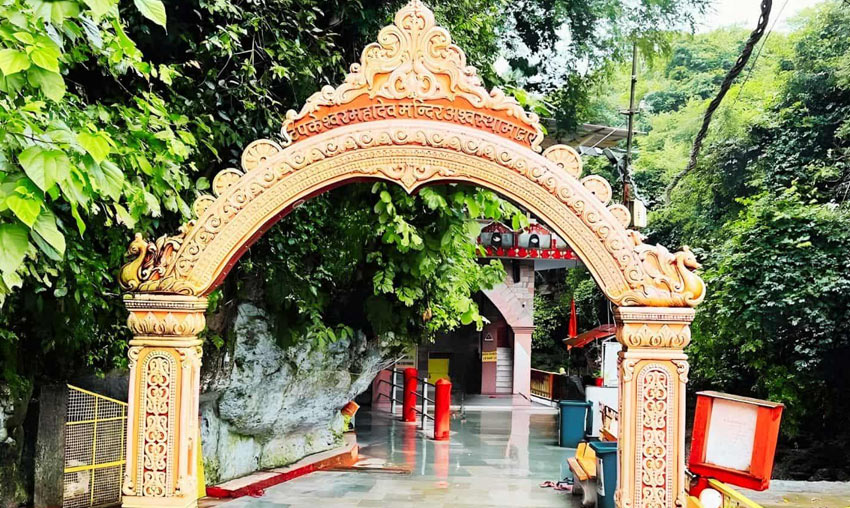
Tapkeshwar Mahadev Temple is an important Shiva shrine situated inside a natural cave. It is known for water droplets falling from the cave ceiling onto the Shiva Lingam and attracts devotees throughout the year.
Mindrolling Monastery
Mindrolling Monastery in Clement Town is a prominent Buddhist centre known for Tibetan-style architecture, prayer halls and the Great Stupa. Visitors interested in Buddhist traditions and architecture can include it in their Dehradun itinerary.
For more travel information, sightseeing ideas and destination details, explore our complete Dehradun Travel Guide.
Frequently Asked Questions About Forest Research Institute
1. Where is Forest Research Institute located?
Forest Research Institute is located in the New Forest area on Chakrata Road in Dehradun, Uttarakhand, India.
2. When was Forest Research Institute established?
Forest Research Institute was originally established in 1906 as the Imperial Forest Research Institute. Its main building was completed in 1929.
3. Why is Forest Research Institute famous?
FRI is famous for its Greco-Roman and colonial architectural design, extensive green campus, forestry research and specialised museum galleries.
4. What are the visiting timings of FRI Dehradun?
According to the official visitor circular effective from 25 May 2026, the sessions are 10:00 AM to 1:30 PM and 1:30 PM to 5:00 PM. Confirm current arrangements before visiting.
5. What is the entry fee for Forest Research Institute?
The official circular dated 23 May 2026 lists campus entry at Rs. 100 per Indian visitor and Rs. 1,000 per foreign visitor, per session. Museum entry is charged separately. Fees may change, so check the latest official circular.
6. How many museums are there at FRI Dehradun?
FRI has specialised museum galleries covering subjects such as silviculture, entomology, forest pathology, timber, non-wood forest products and social forestry. Check the institute’s current museum access arrangements before visiting.
7. How much time is required to explore FRI?
Approximately two to three hours is a useful estimate for visiting the main building and museum galleries. Visitors interested in the exhibits may require more time.
8. Is photography allowed at Forest Research Institute?
Photography may be permitted in designated visitor areas, subject to current institute rules. Visitors should check the photography policy at the entrance and avoid restricted areas.
9. Is Forest Research Institute suitable for families?
Yes. Families can explore the historic building, landscaped campus and educational museums. Children can learn about forests, wildlife, timber and environmental conservation through the exhibits.
10. Can Forest Research Institute be visited with Robber’s Cave and Sahastradhara?
Yes. Visitors can include FRI, Robber’s Cave and Sahastradhara in a wider Dehradun sightseeing plan. However, allow enough time for each location and check FRI’s designated visitor sessions.
Conclusion – Discover the Heritage and Scientific Legacy of FRI Dehradun
Forest Research Institute is one of the most distinctive attractions in Dehradun, bringing together architectural heritage, scientific research and natural surroundings. Its impressive main building, expansive green campus and specialised forestry museums offer visitors a unique opportunity to explore India’s forestry heritage.
Whether you are interested in colonial architecture, environmental science, educational museums or photography, FRI provides an enriching experience for visitors of different interests.
Include Forest Research Institute in your Dehradun sightseeing itinerary and explore this remarkable landmark of Uttarakhand. For more travel inspiration, discover other attractions through our complete Dehradun destination guide on VisitPlacesIndia.
Nearby Places to Visit

Nearby Places to Visit