Kalsi Ashokan Rock Edict: Discover the Ancient Inscriptions of Emperor Ashoka
Kalsi Ashokan Rock Edict is one of the most historically significant archaeological monuments in Uttarakhand. Located near the banks of the Yamuna River in Kalsi, Dehradun district, this ancient monument preserves the inscriptions of Emperor Ashoka, one of the most influential rulers of the Mauryan Empire.
Dating back to the 3rd century BCE, the rock edict contains the fourteen Major Rock Edicts of Ashoka, engraved in the ancient Brahmi script and Prakrit language. These inscriptions communicate the emperor’s ideas about morality, compassion, non-violence, religious tolerance and responsible governance.
Kalsi is particularly important because it is the only known site in North India where the complete set of fourteen Major Rock Edicts of Ashoka is preserved together. Protected by the Archaeological Survey of India (ASI), the monument offers visitors a fascinating glimpse into India’s ancient history and the development of early written records.
About Kalsi Ashokan Rock Edict
The Ashokan Rock Edict is situated near the small town of Kalsi, approximately 44 kilometres from Dehradun. It stands on the western bank of the Yamuna River and is an important archaeological landmark in the region.
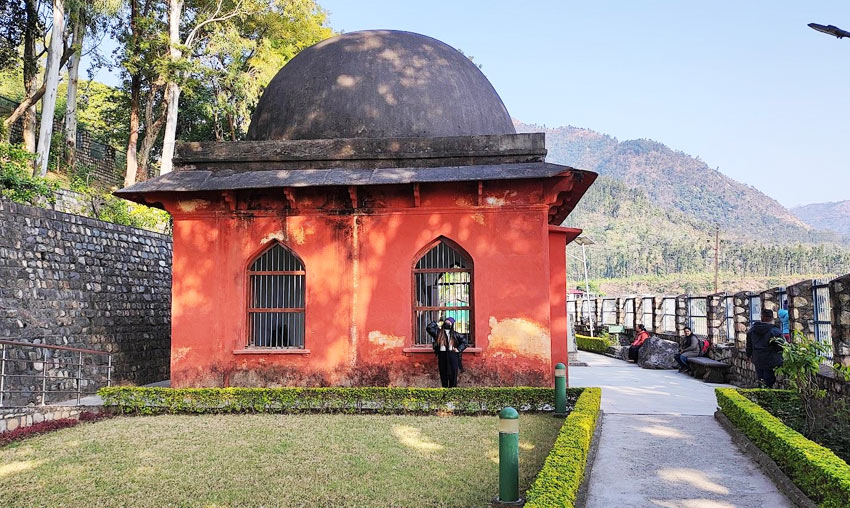
The inscriptions are engraved on a large natural quartzite rock. The monument is protected inside a covered domical structure that helps shield the ancient stone from weather conditions and environmental damage.
The rock carries the fourteen Major Rock Edicts of Emperor Ashoka. These inscriptions explain the principles of Dhamma, which formed an important part of Ashoka’s approach to public administration and social welfare.
The monument is maintained and conserved by the Archaeological Survey of India. It was officially notified as a protected monument on 23 November 1909.
History of Kalsi Ashokan Rock Edict
The Kalsi Rock Edict belongs to the Mauryan period and dates to the 3rd century BCE, during the reign of Emperor Ashoka. Ashoka ruled a large part of the Indian subcontinent and is remembered for his transformation after the Kalinga War.
According to historical accounts, the suffering caused by the Kalinga War deeply affected Ashoka. Following this experience, he increasingly promoted Dhamma, a set of ethical principles emphasising compassion, self-control, respect for others and non-violence.
To communicate these ideas across his empire, Ashoka ordered inscriptions to be engraved on rocks and pillars at different locations. These messages were intended to make his principles of governance and public conduct known to ordinary people and officials.
The Kalsi inscription is an important example of this tradition. It preserves the Major Rock Edicts and provides valuable information about Ashoka’s policies, moral teachings and administrative vision.
The Fourteen Major Rock Edicts of Ashoka
The Kalsi monument is especially significant because it preserves the fourteen Major Rock Edicts of Emperor Ashoka. Together, these inscriptions communicate the principles of Dhamma and explain how the emperor wanted people and officials to conduct themselves.
1. Protection of Living Beings
The first edict discusses restrictions on the unnecessary killing of animals and encourages compassion towards living beings. It reflects Ashoka’s concern for reducing cruelty and promoting respect for life.
2. Welfare of People and Animals
The second edict refers to welfare measures for humans and animals, including medical care and the provision of useful facilities. It reflects the importance Ashoka placed on public welfare.
3. Moral Conduct and Respect
The third edict encourages moral behaviour, respect for parents, generosity and proper conduct. It also highlights the responsibilities of officials in communicating these principles.
4. Compassion and Good Conduct
The fourth edict emphasises the importance of Dhamma and good conduct. It reflects Ashoka’s preference for moral improvement over violence and unnecessary suffering.
5. Appointment of Dhamma Officials
The fifth edict describes the appointment of officers known as Dhamma Mahamatras, who were associated with promoting moral welfare and supporting different sections of society.
6. Communication with Officials
The sixth edict highlights the importance of public administration and the need for officials to remain attentive to the concerns and welfare of the people.
7. Religious Tolerance
The seventh edict promotes harmony and respect among different religious communities. It reflects Ashoka’s interest in encouraging mutual understanding and peaceful coexistence.
8. Dhamma-based Journeys
The eighth edict describes Ashoka’s preference for journeys connected with Dhamma and moral instruction rather than celebrations focused only on entertainment and royal pleasures.
9. Meaningful Ceremonies
The ninth edict questions the value of certain traditional ceremonies and encourages people to focus on acts that bring genuine moral and social benefits.
10. True Glory of a Ruler
The tenth edict explains that a ruler’s true honour should come from promoting Dhamma and good conduct rather than seeking fame and recognition.
11. Generosity and Dhamma
The eleventh edict describes Dhamma as a valuable form of giving and encourages kindness, respect and moral behaviour towards others.
12. Respect for Different Beliefs
The twelfth edict strongly emphasises religious tolerance. It encourages people to respect other traditions and avoid praising their own beliefs by unnecessarily criticising others.
13. The Kalinga War and Conquest by Dhamma
The thirteenth edict is among the most historically important inscriptions associated with Ashoka. It refers to the Kalinga War and the suffering caused by the conflict. It communicates Ashoka’s remorse and his preference for conquest through Dhamma rather than military expansion.
14. Explanation of the Rock Edicts
The fourteenth edict explains that Ashoka’s messages were engraved in different forms and at different places according to local circumstances. It provides context for the wider tradition of royal inscriptions.
Language and Script of the Kalsi Inscription
The Kalsi Rock Edict is written in the Prakrit language using the Brahmi script. These inscriptions are among the important surviving examples of early Indian writing.
Brahmi was one of the earliest widely used writing systems in ancient India. Its later forms contributed to the development of several scripts used across the Indian subcontinent.
The language and script make the Kalsi inscription an important source for historians and researchers studying the Mauryan period, ancient administration and the spread of Ashoka’s ideas.
The Elephant Carving on the Kalsi Rock
One of the distinctive features of the Kalsi monument is an engraved outline of an elephant on the northern face of the rock. The figure is accompanied by an inscription commonly read as “Gajatama”.
The elephant carving adds to the archaeological importance of the monument and makes it visually distinctive among the ancient Ashokan inscriptions.
Visitors should observe the carving from the designated viewing area and avoid touching the protected stone surface.
Architectural and Physical Features of the Monument
The Kalsi Rock Edict is engraved on a large quartzite boulder located on the western bank of the Yamuna River. According to the National Monuments Authority’s documentation, the rock measures approximately 3 metres in height, 3 metres in width and 2.4 metres in depth at its base.
The inscription occupies prepared surfaces of the natural rock, following its contours. The protected monument is housed inside a domical shelter designed to safeguard the historic inscription from environmental exposure.
The monument’s simple natural setting makes it an interesting destination for visitors interested in ancient architecture, epigraphy and archaeological heritage.
Why Is Kalsi Ashokan Rock Edict Important?
Kalsi Ashokan Rock Edict is important not only because of its age but also because of the historical messages preserved on its surface.
- Ancient Indian History: The monument provides valuable information about the Mauryan Empire and the reign of Emperor Ashoka.
- Fourteen Major Rock Edicts: It preserves the complete set of fourteen Major Rock Edicts associated with Ashoka in North India.
- Early Indian Writing: Its Prakrit language and Brahmi script make it an important source for the study of ancient inscriptions.
- Message of Non-Violence: The inscriptions communicate compassion, restraint and concern for living beings.
- Religious Harmony: Ashoka’s messages encourage respect and tolerance among different religious communities.
- Protected Heritage: The monument is preserved by the Archaeological Survey of India as a site of national importance.
Best Time to Visit Kalsi Ashokan Rock Edict
The best time to visit Kalsi is generally from October to March, when the weather in the Dehradun region is more comfortable for sightseeing and road travel.
- October to November: Pleasant weather and suitable conditions for exploring the monument and surrounding landscape.
- December to February: Cool weather makes this a comfortable season for heritage sightseeing, although mornings can be cold.
- March to June: Visitors can explore the monument, but afternoon temperatures may become warm during summer.
- July to September: The monsoon brings rainfall to the region. Visitors should check road and weather conditions before travelling.
Morning and late afternoon visits are generally more comfortable for exploring the site and photographing the monument’s surroundings.
Kalsi Ashokan Rock Edict Timings and Entry Fee
Kalsi Ashokan Rock Edict is a centrally protected archaeological monument maintained by the Archaeological Survey of India. Visitors should confirm the current visiting hours and access arrangements with the ASI Dehradun Circle or at the monument before travelling.
- Location: Kalsi, Dehradun district, Uttarakhand
- Monument Type: Ancient rock inscription
- Historical Period: 3rd century BCE
- Protected By: Archaeological Survey of India
- Notification Date: 23 November 1909
- Entry Fee: Confirm current admission arrangements locally
- Suggested Visit Duration: Around 30–60 minutes
Published travel listings have reported free entry, but a current official ticket notice was not established. Visitors should verify the latest access and entry arrangements before planning their visit.
How to Reach Kalsi Ashokan Rock Edict
By Road
Kalsi is located approximately 44 kilometres from Dehradun on the Vikasnagar–Chakrata road. Visitors can reach the monument by taxi or private vehicle from Dehradun. It can also be included in a wider road trip towards Dakpathar and Chakrata.
By Train
Dehradun Railway Station is the nearest major railway station, approximately 44 kilometres from the monument. Visitors can hire a taxi or arrange local road transport from the railway station to Kalsi.
By Air
Jolly Grant Airport is the nearest airport, approximately 75 kilometres from the monument according to National Monuments Authority documentation. Visitors can hire a taxi from the airport to reach Kalsi.
Visitor Tips for Kalsi Ashokan Rock Edict
- Check the latest visiting hours and access arrangements before starting your journey.
- Allow enough travel time from Dehradun, as the monument is outside the main city area.
- Read the available information boards to understand the historical importance of the inscriptions.
- Do not touch, scratch or mark the ancient rock surface.
- Follow the instructions displayed by the Archaeological Survey of India.
- Carry drinking water and wear comfortable footwear.
- Keep the monument and its surroundings clean.
- Photography should follow the site’s displayed rules and restrictions.
Places to Visit Near Kalsi Ashokan Rock Edict
Visitors can combine a visit to Kalsi with other destinations in the western part of Dehradun district. Some places worth considering include:
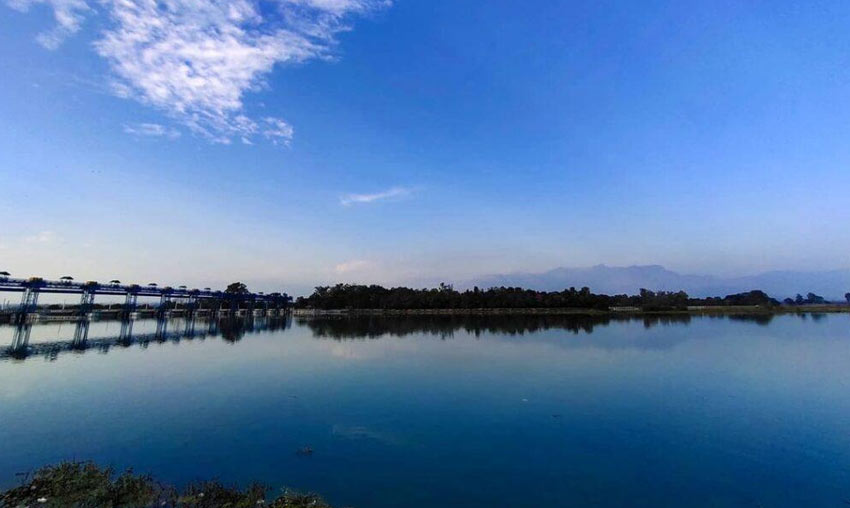
- Dakpathar: A scenic destination near Vikasnagar known for its barrage, river views and surrounding landscape.
- Chakrata: A beautiful hill destination known for forests, mountain views and peaceful surroundings.
- Asan Conservation Reserve: A significant wetland near Dhalipur, famous for migratory birds and its Ramsar Site status. Explore our Asan Conservation Reserve travel guide.
- Dehradun: Explore the city’s popular attractions, heritage sites and natural destinations through our Dehradun travel guide.
Frequently Asked Questions About Kalsi Ashokan Rock Edict
1. Where is Kalsi Ashokan Rock Edict located?
Kalsi Ashokan Rock Edict is located in Kalsi town, Dehradun district, Uttarakhand, on the western bank of the Yamuna River.
2. Who built the Kalsi Rock Edict?
The inscriptions were commissioned by Emperor Ashoka of the Mauryan Empire during the 3rd century BCE. They were engraved to communicate his principles of Dhamma and governance.
3. What is written on the Kalsi Ashokan Rock?
The rock contains the fourteen Major Rock Edicts of Ashoka. They discuss non-violence, compassion, public welfare, moral conduct, religious tolerance and responsible administration.
4. Which language and script are used in the Kalsi inscription?
The inscription is written in the Prakrit language using the Brahmi script.
5. Why is Kalsi Ashokan Rock Edict famous?
It is famous for preserving the fourteen Major Rock Edicts of Emperor Ashoka and for being the only site in North India where this complete set is found together.
6. What is the historical period of the Kalsi Rock Edict?
The inscription dates back to the 3rd century BCE, during the reign of Emperor Ashoka.
7. What is the elephant carving on the Kalsi rock?
The northern face of the rock contains an engraved outline of an elephant with an accompanying inscription commonly read as “Gajatama”.
8. How far is Kalsi from Dehradun?
Kalsi is approximately 44 kilometres from Dehradun by road. Travel time depends on traffic and road conditions.
9. Who maintains the Kalsi Ashokan Rock Edict?
The Archaeological Survey of India is responsible for the conservation and maintenance of the protected monument.
10. How much time is required to visit Kalsi Ashokan Rock Edict?
Around 30–60 minutes can be planned to see the monument and understand its historical significance. Visitors interested in ancient inscriptions may wish to spend additional time exploring the information available at the site.
Kalsi Ashokan Rock Edict is an extraordinary historical monument that connects visitors with the ancient Mauryan Empire and the ideas of Emperor Ashoka. Its fourteen Major Rock Edicts, engraved in Prakrit using the Brahmi script, preserve important messages about compassion, non-violence, religious tolerance and public welfare.
Located near the Yamuna River in Dehradun district, Kalsi is a worthwhile destination for history enthusiasts, students, researchers and travellers interested in India’s archaeological heritage. A visit to this protected monument offers a meaningful opportunity to understand one of the most important chapters of ancient Indian history.
Nearby Places to Visit
Nearby Places to Visit