Mindrolling Monastery Dehradun – Explore the Great Stupa and Tibetan Buddhist Temple
Located in Clement Town, Dehradun, Mindrolling Monastery is one of the most important Tibetan Buddhist centres in India and a remarkable attraction in Uttarakhand. Also popularly known as Buddha Temple, this spiritual complex is famous for its magnificent Great Peace Stupa, impressive golden Buddha statue, beautifully decorated prayer halls and traditional Tibetan Buddhist architecture.
Surrounded by landscaped gardens and peaceful surroundings, Mindrolling Monastery offers visitors an opportunity to experience Buddhist culture, spirituality and artistic heritage. Its large prayer halls, colourful murals and intricate religious artwork reflect the rich traditions of Tibetan Buddhism.
The monastery attracts Buddhist pilgrims, international visitors, architecture enthusiasts and travellers looking for peaceful places to explore in Dehradun. Whether you are interested in religious heritage, meditation, Buddhist art or beautiful architecture, Mindrolling Monastery deserves a place on your Uttarakhand travel itinerary.
About Mindrolling Monastery
Mindrolling Monastery is a prominent centre of the Nyingma tradition of Tibetan Buddhism. The original monastery was established in Tibet in 1676 by Rigzin Terdak Lingpa, an important Buddhist master and spiritual teacher.
Following the political changes in Tibet during the twentieth century, the monastery was re-established in India in 1965 under the guidance of Khochhen Rinpoche and other senior monks. The institution was developed as a centre for Buddhist learning, religious practice, meditation and preservation of Tibetan spiritual traditions.
The monastery is situated in the Tibetan settlement of Clement Town in Dehradun. Its extensive complex includes the Buddha Temple, prayer halls, educational facilities, landscaped gardens and the magnificent Great Peace Stupa.
Mindrolling Monastery is not simply a tourist attraction. It remains an active religious and educational institution where monks continue their spiritual studies and Buddhist practices. Visitors are welcome in designated public areas, provided they respect the monastery’s customs and guidelines.
History of Mindrolling Monastery
The history of Mindrolling Monastery dates back to 1676, when Rigzin Terdak Lingpa established the original institution in Tibet. It became an important centre of the Nyingma school of Tibetan Buddhism and was recognised for its teachings, religious practices, scholarship and preservation of Buddhist knowledge.
Over the centuries, Mindrolling developed a strong reputation as a centre of Buddhist education. It became particularly known for its religious studies, rituals, meditation practices and preservation of sacred texts.
During the twentieth century, political changes in Tibet forced many Tibetan religious leaders and communities to leave their homeland. In 1965, Mindrolling Monastery was re-established in Dehradun, India, under the leadership of senior teachers and monks who worked to preserve its spiritual traditions.
The new monastery gradually developed into an important centre for Tibetan Buddhism in India. Its educational activities, religious institutions and architectural complex helped establish Mindrolling as a major Buddhist destination.
One of its most remarkable developments was the construction of the Great Peace Stupa, which was inaugurated on 28 October 2002 in the presence of the Dalai Lama. Today, Mindrolling Monastery represents an important part of India’s Tibetan Buddhist heritage.
Main Attractions of Mindrolling Monastery
Mindrolling Monastery has several important attractions within its religious complex. From the magnificent Great Peace Stupa to the golden Buddha statue and beautifully decorated prayer halls, each part of the monastery reflects the spiritual traditions and artistic heritage of Tibetan Buddhism.
1. The Great Peace Stupa
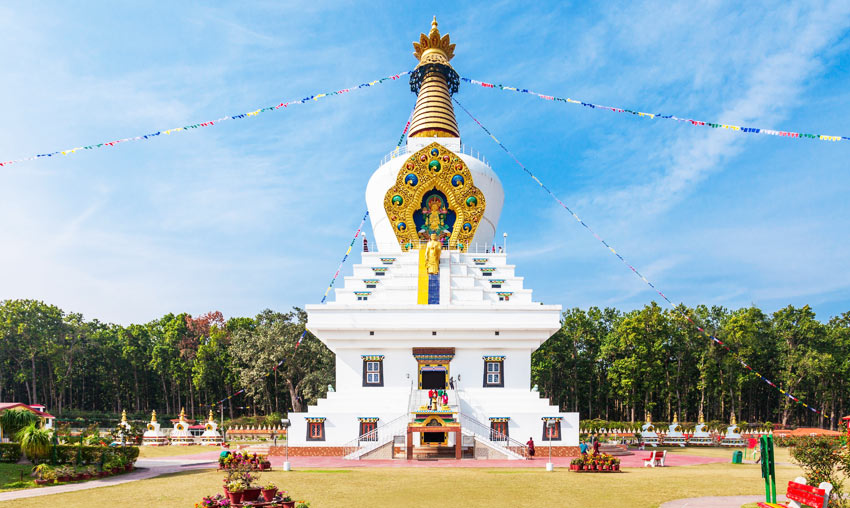
The Great Peace Stupa is the most recognisable landmark of Mindrolling Monastery and one of its biggest attractions. Officially known as the Great Peace Stupa, this magnificent Buddhist monument stands approximately 185 feet tall and is surrounded by a beautifully landscaped garden.
The stupa is an impressive example of traditional Tibetan Buddhist architecture. Its exterior features detailed religious artwork and sacred imagery associated with Buddhist teachings.
The facade includes a beautifully painted representation of Maitreya, the future Buddha, while the descending staircase features imagery associated with Shakyamuni Buddha. These artistic elements carry important spiritual symbolism in Buddhist traditions.
Inside the stupa are several shrine rooms decorated with intricate murals and religious artwork. Sacred relics are also enshrined within the monument, making it an important place for Buddhist devotion and contemplation.
The Great Peace Stupa is not only an architectural attraction but also a symbol of peace, compassion and Buddhist spiritual heritage.
2. Buddha Temple
The Buddha Temple is one of the principal religious structures within Mindrolling Monastery. It is known for its impressive Tibetan-style architecture, richly decorated interiors and peaceful spiritual atmosphere.
The temple houses important Buddhist religious images and prayer spaces where devotees and monks participate in traditional worship and meditation practices.
The colourful decorations, sacred artwork and detailed architectural elements make the Buddha Temple an interesting place for visitors who want to understand Tibetan Buddhist culture.
Visitors should maintain silence, follow the monastery’s instructions and respect the religious activities taking place inside the temple.
3. The Grand Buddha Statue
One of the most striking attractions at Mindrolling Monastery is its magnificent gilded statue of Lord Buddha. According to Uttarakhand Tourism, the statue is approximately 35 metres high and is among the most impressive features of the Buddha Temple complex.
The statue represents Buddha Shakyamuni, the historical Buddha whose teachings form the foundation of Buddhism. Its serene expression and golden appearance create a powerful visual presence within the temple complex.
The statue is an important object of reverence for Buddhist devotees and also attracts visitors interested in religious art and architecture.
Visitors can admire the statue and its surroundings while following the rules applicable to the prayer and shrine areas.
4. Prayer Halls and Meditation Spaces
The prayer halls at Mindrolling Monastery provide spaces for Buddhist worship, meditation and religious gatherings. They are decorated with traditional artwork, sacred images and religious symbols associated with Tibetan Buddhist traditions.
Monks use these spaces for prayers, chanting, religious teachings and meditation practices. The atmosphere inside the prayer halls is generally peaceful and encourages visitors to observe the monastery’s spiritual environment respectfully.
The prayer spaces are an important part of the monastery’s daily religious life and offer an opportunity to understand the role of meditation and devotional practices in Tibetan Buddhism.
5. Tibetan Buddhist Murals and Wall Paintings
The murals and wall paintings at Mindrolling Monastery are among the most fascinating examples of Tibetan Buddhist religious art in Dehradun.
The interiors feature colourful paintings depicting scenes from the life of Buddha, Buddhist teachers, sacred figures and important religious stories. These paintings are created using traditional artistic styles and contain symbolic elements that communicate Buddhist philosophy and teachings.
The detailed artwork, vibrant colours and religious imagery make the monastery an interesting destination for visitors who appreciate traditional art, painting and cultural heritage.
Some murals and shrine areas may have specific photography restrictions. Visitors should follow the signs and ask monastery staff before taking photographs indoors.
6. Landscaped Gardens and Stupa Grounds
The landscaped gardens surrounding the Great Peace Stupa add to the peaceful character of Mindrolling Monastery. The open spaces, greenery and carefully maintained surroundings create an attractive setting for the monumental structure.
The gardens provide visitors with an opportunity to admire the stupa from different viewpoints and enjoy the calm atmosphere of the monastery complex.
The stupa grounds are also suitable for quiet reflection and observing the architectural details of the monument. Visitors should maintain cleanliness and avoid disturbing people engaged in prayer or meditation.
Architecture of Mindrolling Monastery
Mindrolling Monastery is known for its impressive Tibetan Buddhist architecture, which combines traditional religious symbolism with elaborate decorative artwork. The buildings feature colourful exteriors, ornate entrances, sacred motifs and detailed interior paintings.
The Great Peace Stupa is the most prominent architectural structure within the complex. Its monumental scale, religious artwork and carefully designed shrine rooms reflect the artistic traditions of Tibetan Buddhism.
The Buddha Temple is another important example of the monastery’s architectural character. Its prayer spaces, decorative details and religious imagery create an environment closely connected with Buddhist spiritual practices.
Visitors can also observe the artistic importance of Tibetan murals, statues and symbolic designs throughout the public areas of the monastery.
Religious and Spiritual Importance of Mindrolling Monastery
Mindrolling Monastery holds an important position in the Nyingma tradition of Tibetan Buddhism. It is recognised for its role in preserving Buddhist teachings, religious practices and scholarly traditions.
The monastery serves as a centre for Buddhist learning, meditation, prayers and spiritual activities. Monks study traditional Buddhist philosophy, sacred texts, rituals and practices under the guidance of experienced teachers.
The Great Peace Stupa is particularly significant as a symbol of Buddhist wisdom, compassion and peace. Devotees visit the monument to offer prayers, pay respects and reflect on Buddhist teachings.
For travellers, visiting Mindrolling Monastery provides an opportunity to understand Tibetan Buddhist culture and experience a peaceful spiritual environment within Dehradun.
Things to Do at Mindrolling Monastery
Visitors can enjoy several cultural and spiritual experiences while exploring Mindrolling Monastery. The complex is best explored at a relaxed pace so that visitors can appreciate its architecture, artwork and religious atmosphere.
- Explore the Great Peace Stupa: Admire the impressive monument and observe its traditional Buddhist artwork and religious symbolism.
- Visit the Buddha Temple: Explore the designated public prayer areas and experience the peaceful spiritual atmosphere.
- Admire the Buddha statue: Observe the magnificent gilded statue and learn about its importance in Buddhist traditions.
- Explore Tibetan murals: Appreciate the colourful religious paintings and artistic details where public access is permitted.
- Enjoy the landscaped gardens: Spend time in the peaceful outdoor areas surrounding the stupa.
- Learn about Tibetan Buddhist culture: Observe the monastery’s religious architecture, symbols and traditions.
- Photography: Capture the exterior architecture, stupa and landscaped grounds in areas where photography is permitted.
Mindrolling is an active religious institution. Visitors should avoid loud conversations, respect prayer sessions and follow all instructions displayed within the complex.
Best Time to Visit Mindrolling Monastery
Mindrolling Monastery can be visited throughout the year. However, October to March is generally a comfortable period for exploring the monastery and enjoying the outdoor areas around the Great Peace Stupa.
March to April – Spring Season
Spring offers pleasant weather for exploring the monastery complex. Visitors can comfortably admire the architecture, explore the landscaped grounds and spend time around the Great Peace Stupa.
May to June – Summer Season
Summer is a popular period for sightseeing in Dehradun. The monastery can be explored during the public visiting hours, although afternoons may become warm. Visitors may prefer an earlier visit during the day.
July to September – Monsoon Season
The monsoon season brings rainfall and greenery to Dehradun. The monastery remains an interesting cultural destination, but visitors should carry rain protection and check for any weather-related access changes.
October to November – Autumn Season
Autumn is one of the comfortable periods for visiting Mindrolling Monastery. The weather is generally pleasant, making it suitable for exploring the outdoor grounds and appreciating the architecture.
December to February – Winter Season
Winter brings cooler temperatures to Dehradun. Visitors can enjoy a peaceful monastery visit, although mornings and evenings may be cold. Warm clothing is recommended.
Mindrolling Monastery Timings
Mindrolling Monastery has different visitor arrangements for the Great Peace Stupa and other areas of the monastery complex.
- Great Peace Stupa: The official Mindrolling visitor information states that daytime visits begin at 9:00 AM every day. Advance arrangements are not required for ordinary daytime visits to the stupa.
- Buddha Temple public visiting hours: The official Buddha Temple information lists public hours from 10:00 AM to 5:00 PM.
Access to particular shrine rooms, religious buildings and other monastery facilities may vary. Extended visits, overnight stays and visits for purposes other than ordinary sightseeing require advance contact with the monastery.
Visitors should check the latest notices before travelling, particularly during religious events or special monastery activities.
Mindrolling Monastery Entry Fee
The official visitor information for Mindrolling Monastery does not list a general admission ticket price for ordinary daytime visits to the Great Peace Stupa.
Visitors should check the latest notices at the entrance for any special arrangements, restricted areas or charges associated with particular activities. Donations for the monastery may be made voluntarily where permitted.
Do not assume that all religious buildings or special events have the same visitor access arrangements. Follow the monastery’s instructions when entering different areas of the complex.
How Much Time Is Required to Explore Mindrolling Monastery?
Most visitors can plan approximately one-and-a-half to two-and-a-half hours for exploring Mindrolling Monastery, depending on their interest in architecture, religious artwork and the Great Peace Stupa.
Visitors who want to explore the stupa grounds, admire the Buddha statue and spend time appreciating the Buddhist murals may prefer a longer visit.
Those interested in attending religious activities or learning more about the monastery’s spiritual traditions should contact the monastery in advance to understand visitor permissions and schedules.
Location of Mindrolling Monastery
Mindrolling Monastery is located in Clement Town, Dehradun, Uttarakhand. It is situated within the Tibetan settlement and is popularly known locally as Buddha Temple.
The monastery is approximately 10 kilometres from central Dehradun, depending on the starting point and route. It is accessible by road and can be reached by taxi, auto-rickshaw or other local transport options.
Address: 3 Buddha Temple Road, New Basti, Clement Town, Dehradun, Uttarakhand 248002, India.
How to Reach Mindrolling Monastery
By Air
The nearest airport is Jolly Grant Airport, also known as Dehradun Airport. Visitors can hire a taxi from the airport to reach Clement Town and Mindrolling Monastery. Travel time depends on traffic and road conditions.
By Train
Dehradun Railway Station is the nearest major railway station. It is connected with several important cities across northern India. From the railway station, visitors can hire a taxi or use local transport to reach the monastery.
By Road
Mindrolling Monastery is located in Clement Town and is accessible from the main parts of Dehradun. Visitors travelling from Delhi, Haridwar, Rishikesh and other cities can first reach Dehradun by road and continue towards Clement Town.
Taxis, auto-rickshaws and local transport services are available for reaching the monastery. The official monastery information also identifies Dehradun’s ISBT bus terminal as an option for visitors arriving by bus.
Travel Tips for Visiting Mindrolling Monastery
- Dress modestly and respectfully when visiting the monastery.
- Maintain silence inside prayer halls and other religious spaces.
- Remove footwear wherever required before entering designated shrine areas.
- Follow the monastery’s instructions and respect restricted-access signs.
- Ask for permission before photographing monks, visitors or religious ceremonies.
- Check photography restrictions inside the temple and stupa shrine rooms.
- Keep the gardens and monastery grounds clean.
- Avoid disturbing people who are praying, meditating or participating in religious activities.
- Check the latest visiting hours before travelling.
- Contact the monastery in advance if you require an extended visit or wish to stay at its guesthouse.
Places to Visit Near Mindrolling Monastery
Visitors can combine Mindrolling Monastery with other attractions in Dehradun. The city offers a variety of natural, spiritual and heritage destinations that can be included in a wider sightseeing itinerary.
Robber’s Cave (Gucchupani)
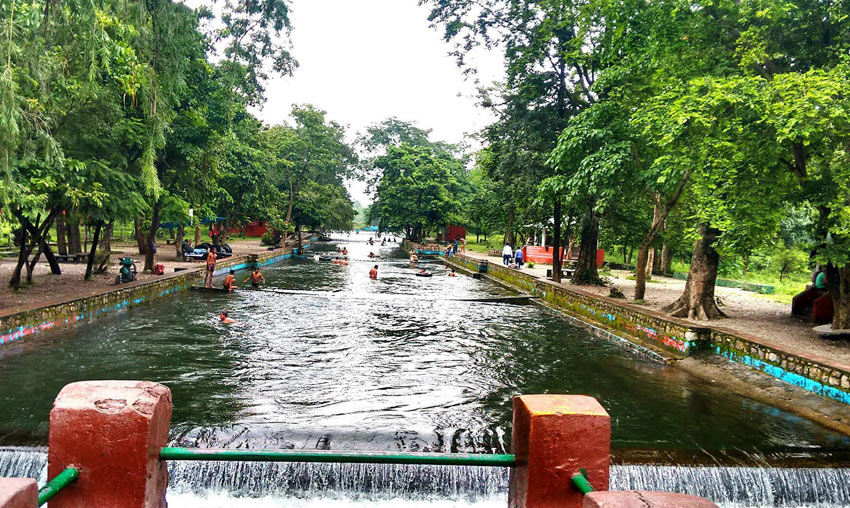
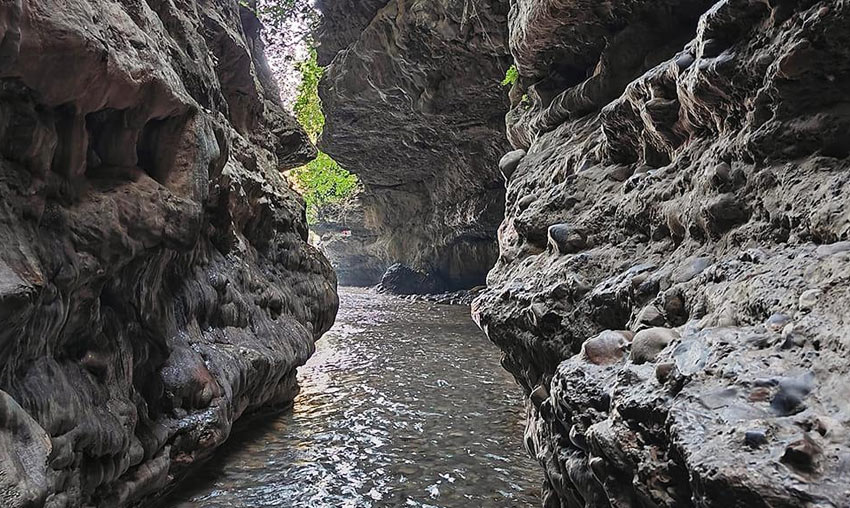
Robber’s Cave, also known as Gucchupani, is a natural rocky gorge famous for its flowing stream and narrow rock passages. Visitors can explore the accessible water sections and enjoy its unusual geological landscape. Read our detailed Robber’s Cave Dehradun travel guide.
Sahastradhara
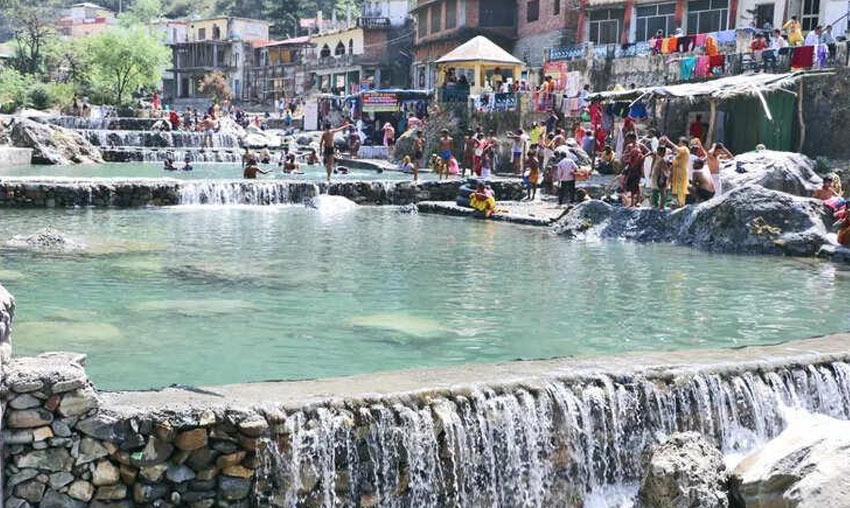
Sahastradhara is a popular natural attraction known for its waterfalls, sulphur-rich springs, limestone formations and ropeway. It is a good destination for visitors interested in nature and scenic valley views. Explore our Sahastradhara Dehradun guide.
Forest Research Institute
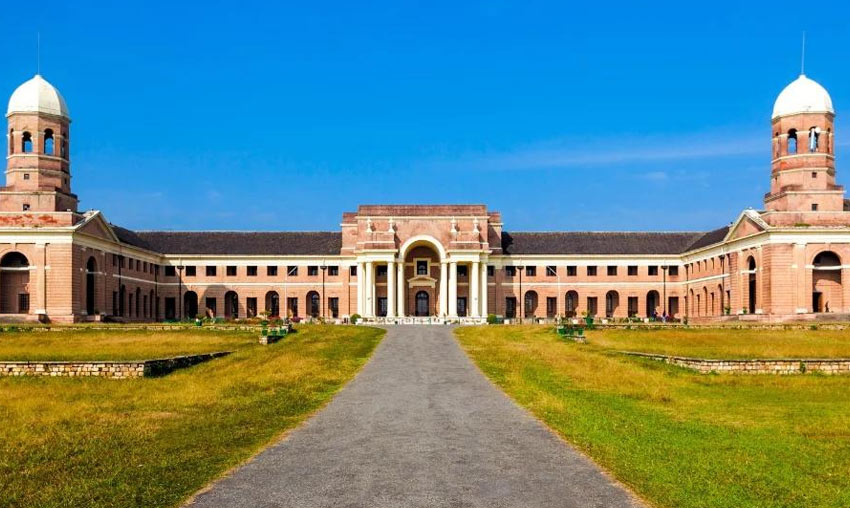
Forest Research Institute is one of Dehradun’s most recognisable architectural landmarks. It is famous for its impressive Greco-Roman architecture, landscaped campus and specialised forestry museums. Explore our Forest Research Institute Dehradun guide.
Tapkeshwar Mahadev Temple
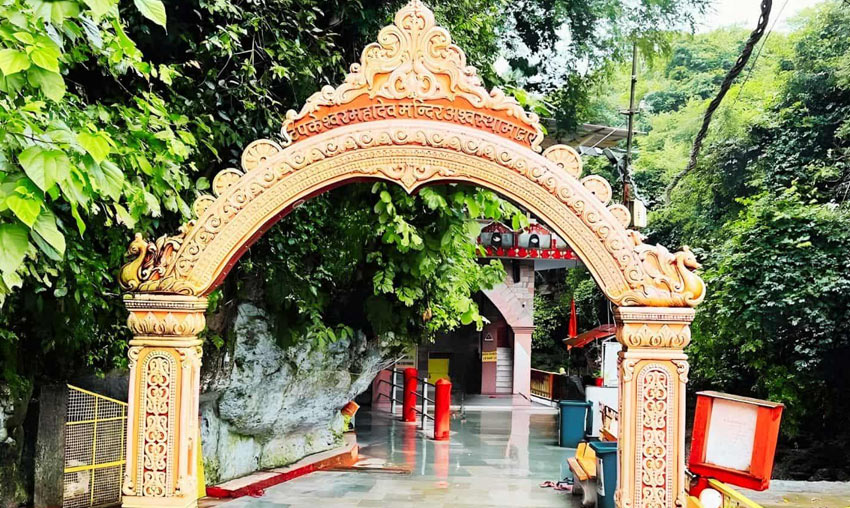
Tapkeshwar Mahadev Temple is a sacred cave shrine dedicated to Lord Shiva. It is known for its natural Shivling, water droplets falling from the cave ceiling and association with the story of Guru Dronacharya. Read our Tapkeshwar Mahadev Temple travel guide.
For more sightseeing ideas and travel information, explore our complete Dehradun Travel Guide.
Frequently Asked Questions About Mindrolling Monastery
1. Where is Mindrolling Monastery located?
Mindrolling Monastery is located in Clement Town, Dehradun, Uttarakhand. It is situated within the Tibetan settlement and is also popularly known as Buddha Temple.
2. Why is Mindrolling Monastery famous?
Mindrolling Monastery is famous for its Great Peace Stupa, large gilded Buddha statue, Tibetan Buddhist architecture, prayer halls and colourful religious murals.
3. When was Mindrolling Monastery established?
The original Mindrolling Monastery was established in Tibet in 1676. It was re-established in Dehradun, India, in 1965.
4. How tall is the Great Peace Stupa?
According to the monastery’s official information, the Great Peace Stupa is approximately 185 feet tall.
5. Is there a large Buddha statue at Mindrolling Monastery?
Yes. The monastery complex features a magnificent gilded Buddha statue approximately 35 metres high, as described by Uttarakhand Tourism.
6. What are the timings of Mindrolling Monastery?
The official visitor information states that daytime visits to the Great Peace Stupa begin at 9:00 AM every day. The Buddha Temple public information lists visiting hours from 10:00 AM to 5:00 PM. Access to different areas may vary.
7. Is there an entry fee at Mindrolling Monastery?
The official visitor page does not list a general admission charge for ordinary daytime visits to the Great Peace Stupa. Visitors should check the latest access information at the monastery.
8. How much time is needed to explore Mindrolling Monastery?
Approximately one-and-a-half to two-and-a-half hours is a useful estimate for exploring the Great Peace Stupa, public temple areas and landscaped grounds.
9. Can tourists visit Mindrolling Monastery?
Yes. Visitors can explore designated public areas, including the Great Peace Stupa, during the permitted visiting hours. Certain religious and residential areas may have restricted access.
10. Is photography allowed at Mindrolling Monastery?
Photography rules may differ between outdoor areas, shrine rooms and religious buildings. Visitors should follow displayed instructions and ask monastery staff before taking photographs inside.
Discover the Buddhist Heritage of Mindrolling Monastery
Mindrolling Monastery is one of the most remarkable spiritual and cultural attractions in Dehradun. Its magnificent Great Peace Stupa, impressive Buddha statue, beautifully decorated prayer halls and Tibetan Buddhist artwork make it a memorable destination for visitors interested in religion, architecture and heritage.
Beyond its architectural beauty, the monastery represents centuries of Buddhist learning and spiritual traditions. Its peaceful gardens and sacred spaces provide visitors with an opportunity to experience the cultural richness of Tibetan Buddhism in India.
Whether you are visiting Dehradun for sightseeing, cultural exploration or a spiritual journey, include Mindrolling Monastery in your travel itinerary. For more travel inspiration, explore our complete Dehradun destination guide and discover other beautiful places across Uttarakhand with VisitPlacesIndia.
Nearby Places to Visit
Nearby Places to Visit