Krishna’s Butter Ball, Mahabalipuram – History, Facts and Travel Guide
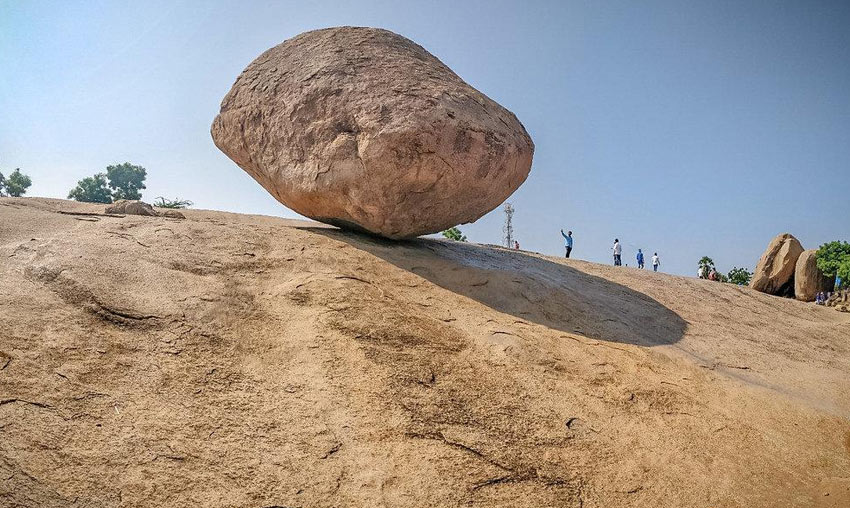
Krishna’s Butter Ball is one of the most unusual and fascinating attractions in Mahabalipuram, Tamil Nadu. This enormous natural granite boulder is famous for its extraordinary balancing position on a sloping rock surface. Despite appearing as though it could roll down at any moment, the massive stone has remained in place for centuries.
Located in the historic monument area of Mahabalipuram, Krishna’s Butter Ball attracts tourists, photographers and history enthusiasts from across India and around the world. Its unusual appearance, geological character and connection with local legends make it a popular stop during a sightseeing tour.
The boulder is part of the heritage landscape of Mahabalipuram, a destination internationally recognised for its Pallava-era monuments. If you are exploring the best places to visit in Mahabalipuram, Krishna’s Butter Ball is an attraction worth including in your itinerary.
What Is Krishna’s Butter Ball?
Krishna’s Butter Ball is a massive natural granite boulder that appears to balance on a small section of a sloping rock surface. Its rounded shape and unusual position create the impression that the stone could roll down at any moment.
The boulder is a natural geological formation rather than a sculpture created by ancient artisans. Its remarkable position has made it one of the most photographed landmarks in Mahabalipuram.
The attraction is especially popular among families and visitors who enjoy unusual natural formations. Many tourists also try different camera angles to capture the boulder in creative photographs.
Why Is It Called Krishna’s Butter Ball?
The name Krishna’s Butter Ball comes from Hindu mythology and the childhood stories of Lord Krishna. According to popular tradition, Lord Krishna loved butter and was known for playfully stealing it from homes.
Because of its large, round shape, the granite boulder is popularly compared to a giant ball of butter. This association gave the natural formation its memorable name.
The name is based on local tradition and popular imagination. The boulder itself is a natural geological formation and is not an ancient religious sculpture.
History and Local Stories of Krishna’s Butter Ball
Krishna’s Butter Ball has been a well-known landmark in Mahabalipuram for generations. Although its exact geological age has not been established in popular historical accounts, the boulder is recognised as a natural feature of the area’s granite landscape.
Over time, several local stories have developed around the unusual position of the rock. Its apparent stability has made it a subject of curiosity among travellers, historians and visitors.
The monument area is also associated with the wider history of Mahabalipuram, which developed as an important centre of art and architecture under the Pallava dynasty. The surrounding region is famous for its ancient temples, monolithic monuments and rock-cut sculptures.
The Mystery Behind Its Balancing Position
The most fascinating feature of Krishna’s Butter Ball is the way it appears to balance on a relatively small contact area. The boulder rests on a sloping granite surface, creating a dramatic visual effect.
Its stability can be understood through the principles of gravity, the distribution of mass and the shape of the supporting rock surface. Although the boulder looks unstable, its centre of mass and contact with the underlying rock help explain why it remains in position.
The natural formation has become an interesting example of how geological processes can create unusual landscapes that appear almost impossible at first glance.
Did the Pallava Kings Try to Move Krishna’s Butter Ball?
One popular local story claims that attempts were made in the past to move the enormous boulder, but it could not be shifted. The story is often repeated by guides and visitors as part of the attraction’s mystery.
Another well-known account connects the boulder with an attempt made during the reign of a Pallava ruler. However, these stories should be treated as local legends rather than fully verified historical events.
Today, the boulder remains one of the most recognisable natural landmarks in Mahabalipuram.
Things to See at Krishna’s Butter Ball
- Giant Granite Boulder: Observe the enormous rounded stone resting on the sloping rock surface.
- Unusual Balancing Position: See how the boulder appears to defy gravity while remaining stationary.
- Natural Rock Landscape: Explore the surrounding granite formations and open heritage grounds.
- Photography Spots: Capture creative photographs that highlight the unusual shape and position of the boulder.
- Local Legends: Learn about the stories associated with Lord Krishna and the famous rock formation.
Best Time to Visit Krishna’s Butter Ball
The best time to visit Krishna’s Butter Ball is generally from November to February, when Mahabalipuram experiences relatively pleasant weather.
Early morning and late afternoon are comfortable times to explore the area. These periods also offer softer natural light for photography.
During summer, temperatures can become high, so visitors should carry drinking water, sunscreen and a hat. The open rocky surroundings can become particularly hot during midday.
Krishna’s Butter Ball Timings
Krishna’s Butter Ball is located within the protected monument area of Mahabalipuram. The commonly listed visiting hours for the monument complex are:
- Opening Time: 6:00 AM
- Closing Time: 6:00 PM
- Visiting Days: Generally open daily
Entry arrangements and timings may change. Visitors should confirm the latest details through official tourism or Archaeological Survey of India information before travelling.
Krishna’s Butter Ball Entry Fee
Krishna’s Butter Ball is situated in the heritage monument area of Mahabalipuram. Entry arrangements and ticket requirements may depend on the applicable monument access rules.
Visitors should check current ASI ticket information and any combined ticket arrangements before planning their visit.
Best Photography Tips at Krishna’s Butter Ball
Krishna’s Butter Ball is one of the most popular photography locations in Mahabalipuram because of its unusual shape and balancing position.
- Try wide-angle photographs to capture the entire boulder and surrounding landscape.
- Use low camera angles to highlight the apparent balancing position.
- Visit early in the morning or late afternoon for softer lighting.
- Take photographs from different viewpoints to show the boulder’s unusual shape.
- Maintain a safe distance and follow all visitor instructions around the rock.
Places to Visit Near Krishna’s Butter Ball
Krishna’s Butter Ball is located in the main heritage area of Mahabalipuram. Several famous monuments and attractions can be explored during the same sightseeing trip.
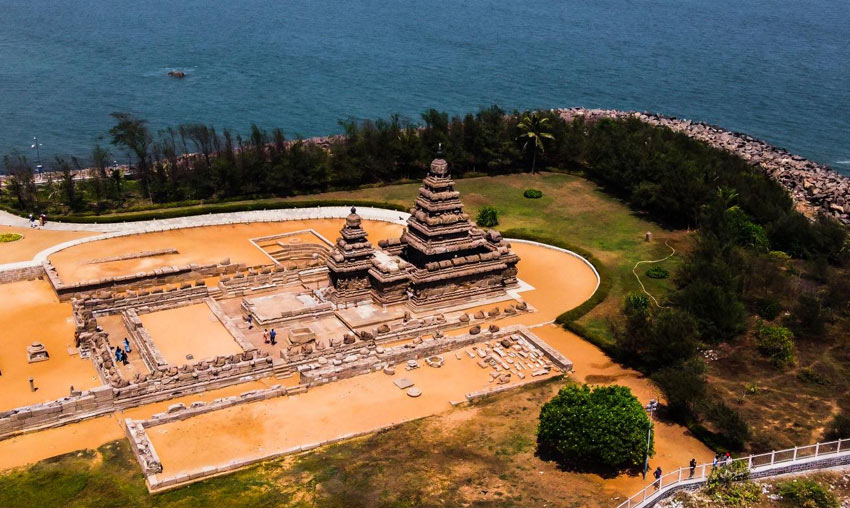
- Shore Temple – A famous seaside temple known for its Pallava architecture and historic granite structures.
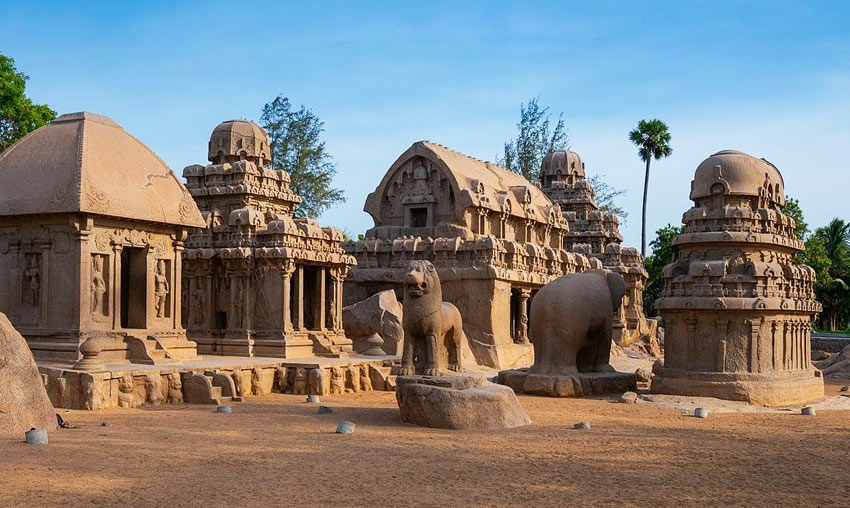
- Pancha Rathas – Five monolithic monuments carved from single granite rocks.
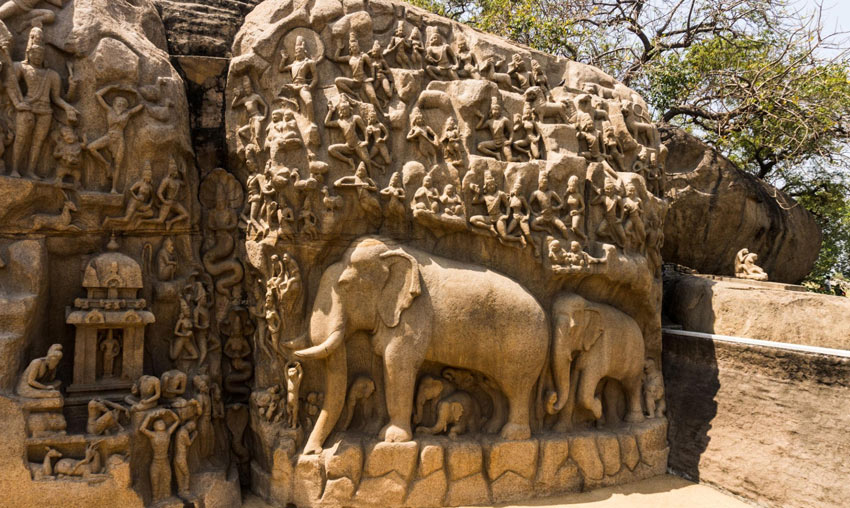
- Arjuna’s Penance – A magnificent open-air rock relief featuring detailed mythological sculptures.
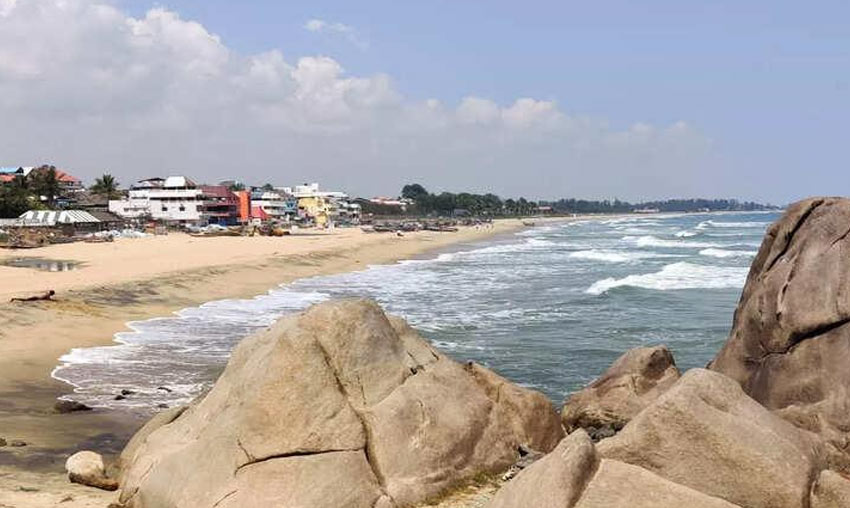
- Mahabalipuram Beach – A beautiful coastal destination along the Bay of Bengal.
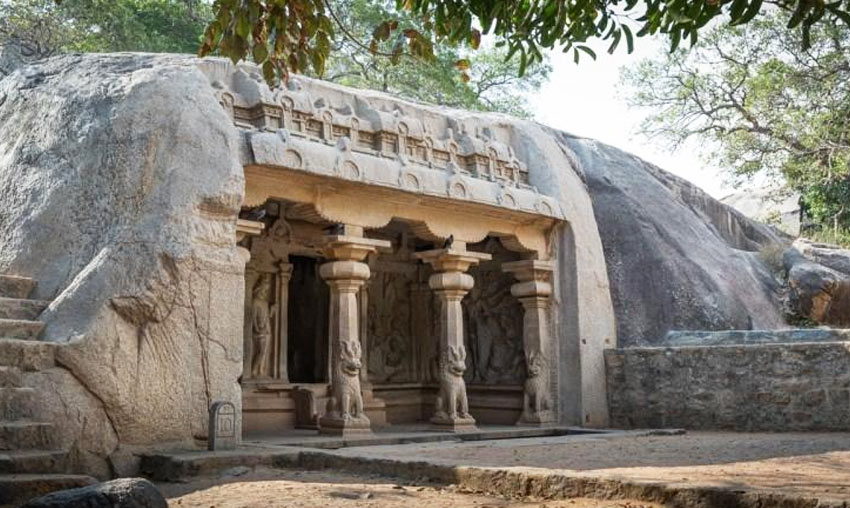
- Varaha Cave Temple – An ancient rock-cut temple featuring detailed Pallava carvings.
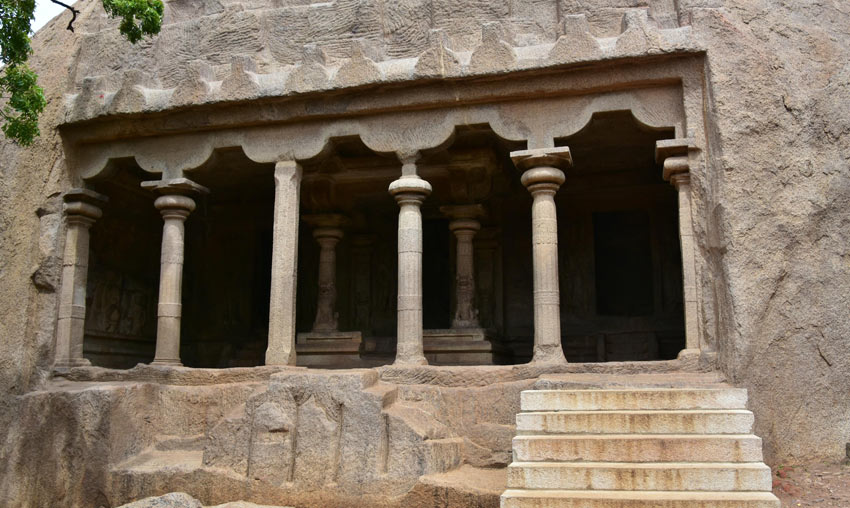
- Mahishasuramardini Cave Temple – A historic cave temple famous for its sculpture of Goddess Durga.
How to Reach Krishna’s Butter Ball
- By Road: Mahabalipuram is connected to Chennai through the East Coast Road (ECR). Taxis, local transport and private vehicles can be used to reach the heritage area.
- By Train: Chengalpattu Junction is a nearby major railway station. Visitors can continue their journey to Mahabalipuram by road. Chennai railway stations are also convenient depending on the route.
- By Air: Chennai International Airport is the nearest major airport. Taxis and private transfers are available to reach Mahabalipuram.
Travel Tips for Visiting Krishna’s Butter Ball
- Visit early in the morning or late afternoon to avoid excessive heat.
- Wear comfortable footwear while walking around the rocky surroundings.
- Carry water, sunscreen and a hat during warmer months.
- Do not attempt to climb, push or disturb the boulder.
- Follow safety instructions and respect the protected heritage surroundings.
- Allow time to explore nearby monuments and attractions.
- Keep the site clean and avoid leaving litter behind.
Frequently Asked Questions About Krishna’s Butter Ball
1. Where is Krishna’s Butter Ball located?
Krishna’s Butter Ball is located in Mahabalipuram, also known as Mamallapuram, in Tamil Nadu.
2. Why is Krishna’s Butter Ball famous?
It is famous for its enormous rounded shape and unusual balancing position on a sloping granite surface.
3. Is Krishna’s Butter Ball natural?
Yes. It is a natural granite boulder and not a sculpture made by ancient artisans.
4. Why is it called Krishna’s Butter Ball?
The name comes from its round shape and the popular association with Lord Krishna’s love for butter in Hindu mythology.
5. Does Krishna’s Butter Ball really defy gravity?
It appears to defy gravity, but its position can be explained through the principles of balance, gravity and the distribution of mass.
6. What are the visiting hours of Krishna’s Butter Ball?
The commonly listed visiting hours for the monument area are 6:00 AM to 6:00 PM. Visitors should confirm the latest information before travelling.
7. How much time is required to visit Krishna’s Butter Ball?
Approximately 20 to 30 minutes is generally enough to see the boulder, explore the surroundings and take photographs.
Explore the Natural Wonder of Krishna’s Butter Ball
Krishna’s Butter Ball is one of the most unusual attractions in Mahabalipuram. Its enormous size, fascinating balancing position and connection with local legends make it a memorable destination for visitors of all ages.
Whether you are interested in geology, photography, local stories or simply exploring unusual natural landmarks, this giant granite boulder offers a unique experience. Discover more historic monuments and coastal attractions with our complete Mahabalipuram travel guide.
Nearby Places to Visit