Shore Temple, Mahabalipuram – History, Architecture and Travel Guide
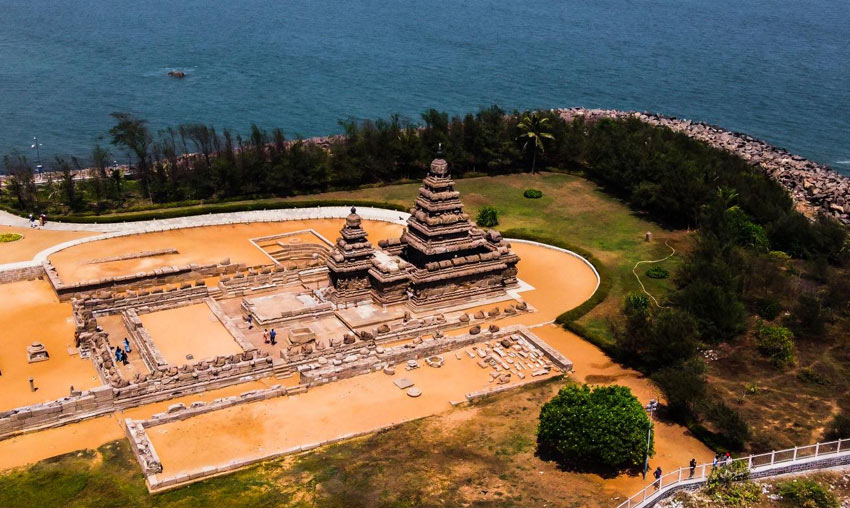
The Shore Temple is one of the most iconic historical landmarks of Mahabalipuram, Tamil Nadu. Located along the beautiful coastline of the Bay of Bengal, this ancient temple is famous for its magnificent Pallava architecture, granite structures and stunning seaside setting. It is one of the most remarkable examples of early structural stone temple architecture in South India.
Built during the reign of Pallava king Narasimhavarman II, also known as Rajasimha, the Shore Temple dates back to the early 8th century. Its impressive towers, beautifully carved sculptures and historic shrines make it a major attraction for history lovers, architecture enthusiasts and travellers.
The Shore Temple is part of the UNESCO World Heritage-listed Group of Monuments at Mahabalipuram. If you are exploring the best places to visit in Mahabalipuram, this remarkable coastal monument should be at the top of your travel itinerary.
History of Shore Temple
The Shore Temple was constructed during the Pallava dynasty, most likely under the patronage of King Narasimhavarman II, who was popularly known as Rajasimha. His reign is generally dated to around 700–728 CE. The temple represents an important stage in the development of South Indian temple architecture.
Unlike many other monuments in Mahabalipuram that were carved directly out of large rock formations, the Shore Temple was constructed using carefully cut granite blocks. This makes it one of the earliest surviving examples of large-scale structural stone temple architecture in the region.
During the Pallava period, Mahabalipuram was an important port and maritime centre. The Shore Temple stood prominently beside the sea and became a significant religious and architectural landmark.
Over many centuries, the temple faced the effects of coastal winds, salt spray and sea erosion. Conservation efforts have helped protect this historic monument and preserve its architectural remains for future generations.
UNESCO World Heritage Status
The Shore Temple is part of the Group of Monuments at Mahabalipuram, which was inscribed on the UNESCO World Heritage List in 1984.
This heritage group includes several remarkable Pallava monuments, such as the Pancha Rathas, rock-cut cave temples, mandapas and large open-air rock reliefs. Together, these structures represent the artistic excellence and architectural achievements of the Pallava dynasty.
The UNESCO recognition highlights the outstanding cultural and historical importance of Mahabalipuram as one of India’s most valuable heritage destinations.
Architecture of Shore Temple
The Shore Temple is a beautiful example of early Dravidian-style structural architecture. It is built primarily from granite blocks and stands on a raised platform overlooking the Bay of Bengal.
The temple complex is known for its pyramidal towers, carved stone walls, decorative sculptures and traditional architectural elements. Its two prominent towers create a distinctive silhouette against the coastal landscape.
The exterior walls feature sculptures of Hindu deities and mythological figures. Rows of Nandi sculptures, the sacred vehicle of Lord Shiva, can also be seen around the temple complex.
The combination of ancient stone craftsmanship and its dramatic seaside location makes the Shore Temple one of the most photographed monuments in Tamil Nadu.
Temples and Shrines Inside the Shore Temple Complex
The Shore Temple complex is particularly interesting because it contains shrines associated with both Shaivite and Vaishnavite traditions.
1. Main Shiva Shrine
The larger eastern-facing shrine is dedicated to Lord Shiva. It contains a Shiva Lingam in its sanctum and is one of the most important parts of the temple complex. Its orientation towards the east creates a striking visual connection with the rising sun over the Bay of Bengal.
2. Western Shiva Shrine
Another shrine dedicated to Lord Shiva is located towards the western side of the complex. It is associated with the Pallava ruler Rajasimha and forms an important part of the temple’s distinctive architectural arrangement.
3. Reclining Vishnu Shrine
Between the two main Shiva shrines is a smaller shrine dedicated to Lord Vishnu in a reclining posture, known as Anantashayana. This shrine adds to the religious significance of the complex and reflects the presence of both Shaivite and Vaishnavite traditions within the monument.
Legend of the Seven Pagodas
The Shore Temple is also connected with the famous legend of the Seven Pagodas. According to local tradition, seven magnificent temples once stood along this coastline. Over time, six of them were believed to have disappeared beneath the sea, leaving the Shore Temple as the surviving monument.
The story became widely known among European travellers and writers, who referred to Mahabalipuram as the Land of the Seven Pagodas. The legend continues to add mystery and fascination to the history of the coastal town.
Although the story is part of local tradition and historical accounts, the exact number and location of any submerged temples remain subjects of archaeological interest.
Best Time to Visit Shore Temple
The best time to visit the Shore Temple is generally between November and February, when the weather in Mahabalipuram is more comfortable for sightseeing.
Early morning is a particularly pleasant time to explore the monument. The soft sunlight, coastal breeze and beautiful views of the Bay of Bengal create an excellent atmosphere for photography and sightseeing.
Late afternoon is another good option, especially for visitors who want to enjoy the coastal scenery and see the temple in changing natural light.
Shore Temple Timings
The commonly published visiting hours for the Shore Temple are:
- Opening Time: 6:00 AM
- Closing Time: 6:00 PM
- Visiting Days: Generally open daily
Opening hours, ticket arrangements and entry conditions may change. Visitors should confirm the latest information with the Archaeological Survey of India or the official tourism authorities before planning their visit.
Shore Temple Entry Fee
Entry to the Shore Temple is ticketed as part of the protected monument complex. Ticket prices may differ for Indian and international visitors, and applicable rates can change over time.
Visitors should check the latest ticket prices and any combined monument ticket arrangements at the official ticket counter or through authorised booking channels before visiting.
Things to See at Shore Temple
- Granite Temple Towers: Admire the distinctive pyramidal towers that represent early Dravidian temple architecture.
- Shiva Shrines: Explore the two shrines associated with Lord Shiva.
- Reclining Vishnu: See the historic representation of Lord Vishnu in a reclining posture.
- Nandi Sculptures: Observe the stone sculptures of Nandi arranged around the temple complex.
- Coastal Views: Enjoy the beautiful setting beside the Bay of Bengal.
- Stone Carvings: Discover the intricate sculptures and architectural details created by Pallava craftsmen.
Places to Visit Near Shore Temple
Mahabalipuram has several important historical monuments and coastal attractions located close to the Shore Temple. Visitors can explore these destinations during the same sightseeing trip.
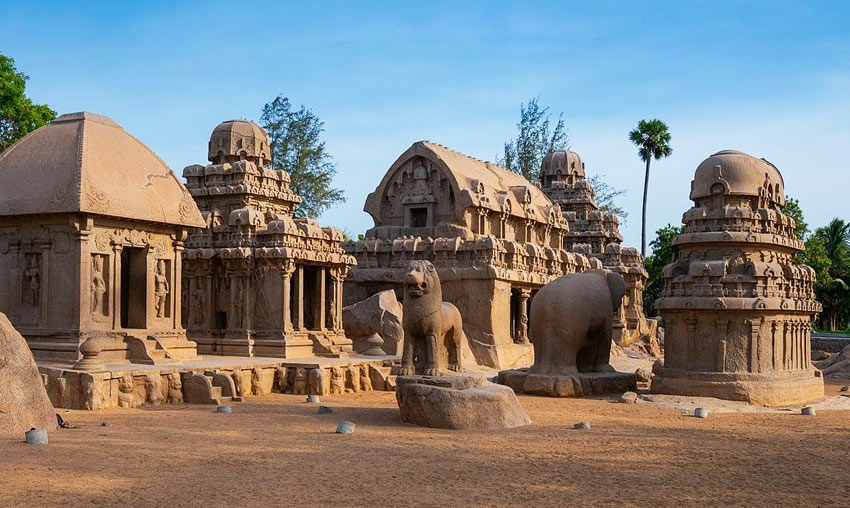
- Pancha Rathas – A collection of five remarkable monolithic monuments carved from single blocks of stone.
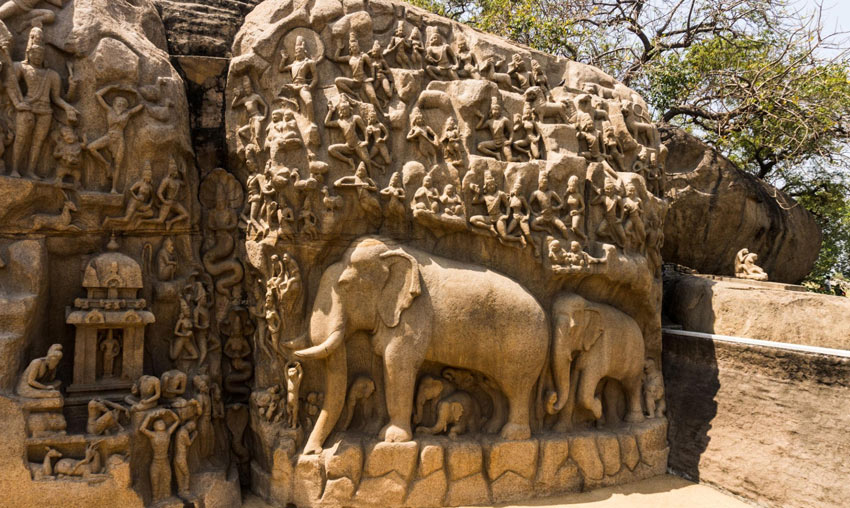
- Arjuna’s Penance – A magnificent open-air rock relief depicting scenes from Hindu mythology.
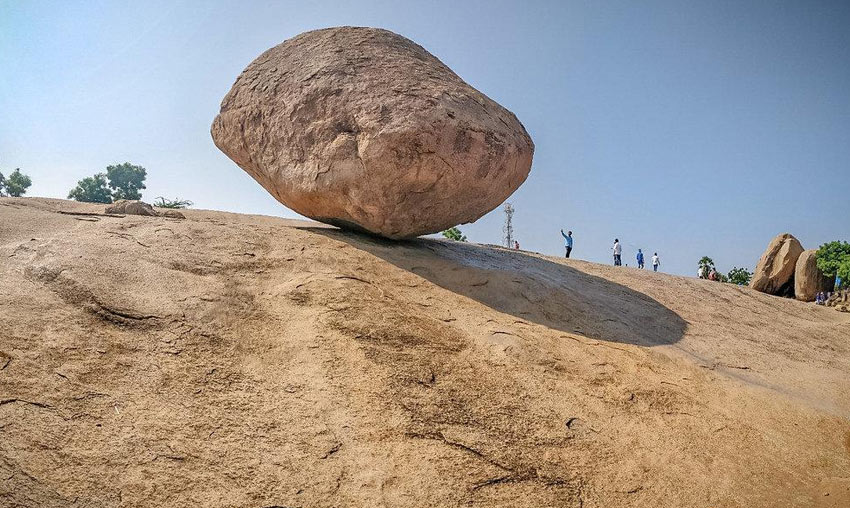
- Krishna’s Butter Ball – A huge natural granite boulder famous for its unusual balancing position.
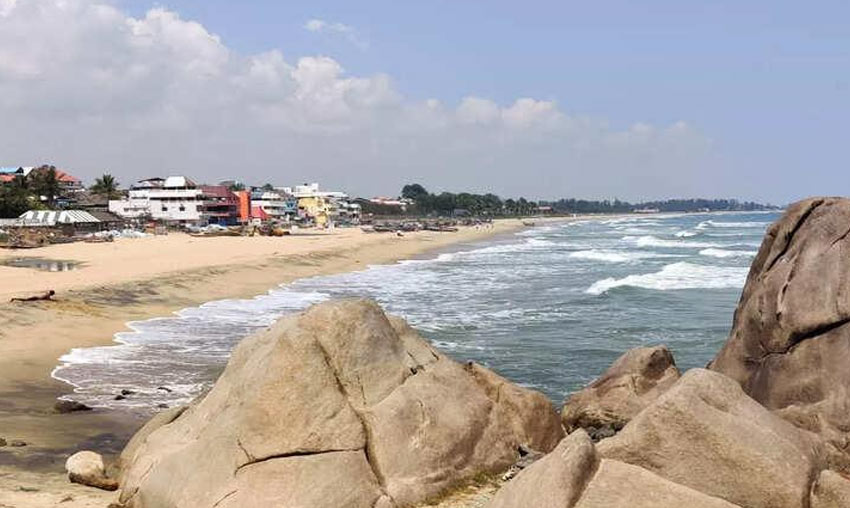
- Mahabalipuram Beach – A scenic coastal destination along the Bay of Bengal.
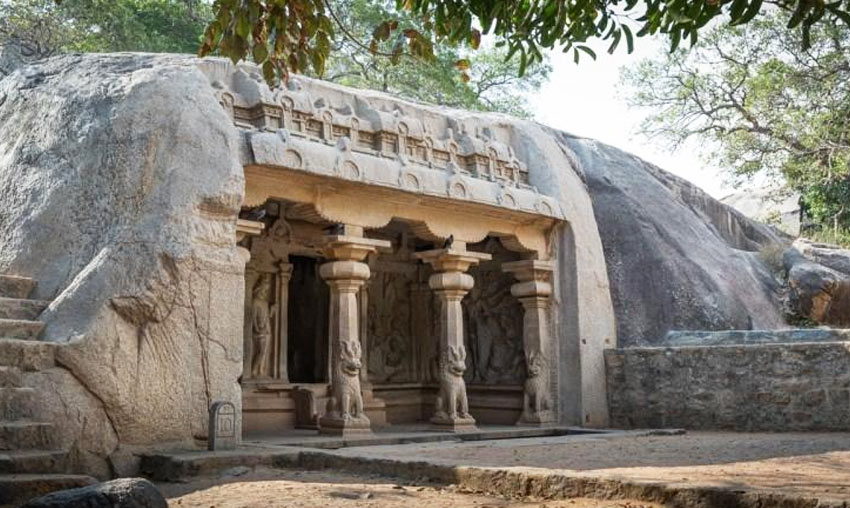
- Varaha Cave Temple – An ancient rock-cut cave temple featuring beautiful sculptures.
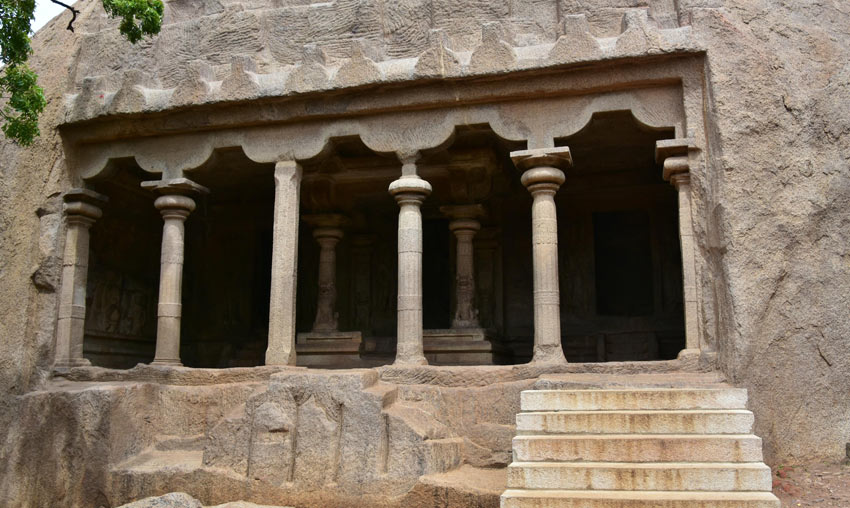
- Mahishasuramardini Cave Temple – A historic cave temple known for its impressive sculpture of Goddess Durga.
How to Reach Shore Temple
- By Road: Mahabalipuram is well connected to Chennai through the East Coast Road (ECR). Visitors can reach the Shore Temple by taxi, private vehicle or local transport.
- By Train: Chengalpattu Junction is a nearby major railway station. Visitors can continue to Mahabalipuram by road. Chennai railway stations are also useful depending on the travel route.
- By Air: Chennai International Airport is the nearest major airport. Taxis and private transfers are available to reach Mahabalipuram.
Travel Tips for Visiting Shore Temple
- Visit early in the morning or later in the afternoon for a more comfortable sightseeing experience.
- Carry drinking water, sunscreen and a hat, especially during summer.
- Wear comfortable footwear while exploring the monument complex.
- Respect the protected heritage structures and do not climb on restricted areas.
- Follow photography and monument entry rules displayed at the site.
- Check ticket prices and visiting hours before travelling.
- Combine your visit with other nearby attractions to make the most of your Mahabalipuram trip.
Frequently Asked Questions About Shore Temple
1. Where is Shore Temple located?
The Shore Temple is located in Mahabalipuram, also known as Mamallapuram, in Tamil Nadu, on the coast of the Bay of Bengal.
2. Who built the Shore Temple?
The Shore Temple was built during the reign of Pallava king Narasimhavarman II, also known as Rajasimha, around the early 8th century.
3. Why is Shore Temple famous?
The Shore Temple is famous for its ancient Pallava architecture, granite construction, historic shrines and beautiful location beside the Bay of Bengal.
4. Is Shore Temple a UNESCO World Heritage Site?
Yes. It is part of the Group of Monuments at Mahabalipuram, which was included in the UNESCO World Heritage List in 1984.
5. Which gods are worshipped at Shore Temple?
The temple complex contains shrines dedicated to Lord Shiva and Lord Vishnu. The Vishnu shrine features the deity in a reclining posture.
6. What are the Shore Temple visiting hours?
The commonly published visiting hours are 6:00 AM to 6:00 PM. Visitors should confirm the latest schedule before travelling.
7. How much time is required to visit Shore Temple?
Most visitors can explore the main monument in approximately 45 minutes to one hour, depending on their interest in architecture, history and photography.
Explore the Historic Shore Temple of Mahabalipuram
The Shore Temple is a remarkable symbol of the artistic and architectural achievements of the Pallava dynasty. Its ancient granite structures, beautiful sculptures, historic shrines and spectacular coastal setting make it one of the most memorable attractions in Mahabalipuram.
Whether you are interested in ancient Indian history, temple architecture or cultural heritage, a visit to the Shore Temple offers a fascinating experience. Explore this magnificent monument and discover more attractions with our complete Mahabalipuram travel guide.
Nearby Places to Visit