Arjuna’s Penance, Mahabalipuram – History, Sculptures and Travel Guide
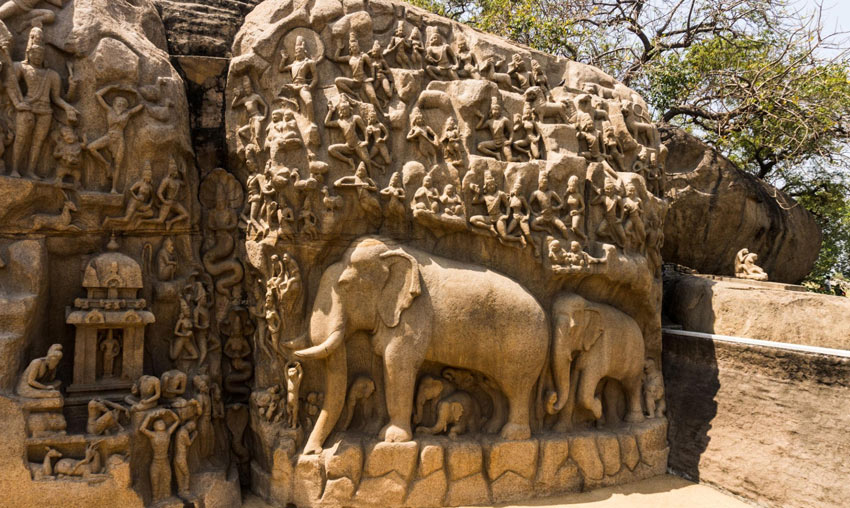
Arjuna’s Penance is one of the most extraordinary historical attractions in Mahabalipuram, Tamil Nadu. This magnificent open-air rock relief is famous for its detailed stone carvings depicting Hindu mythology, celestial beings, sages and animals. Carved directly into two enormous granite boulders, the monument is considered one of the finest masterpieces of ancient Indian sculpture.
Also known as the Descent of the Ganges, this remarkable artwork dates back to the Pallava period and reflects the artistic excellence of the 7th-century sculptors. Measuring approximately 29 metres in length and 13 metres in height, the relief transforms a natural rock formation into a spectacular storytelling canvas.
Arjuna’s Penance is part of the UNESCO World Heritage-listed Group of Monuments at Mahabalipuram. It is a must-visit attraction for anyone interested in Indian history, mythology, architecture and traditional stone craftsmanship. Explore it during your visit to Mahabalipuram.
History of Arjuna’s Penance
Arjuna’s Penance dates back to the 7th century CE and is associated with the Pallava dynasty, which ruled parts of South India. The monument is generally connected with the artistic development of Mahabalipuram during the reign of Pallava king Narasimhavarman I, also known as Mamalla.
The Pallava rulers encouraged the creation of impressive rock-cut monuments, cave temples and sculptural panels. Skilled artisans transformed natural granite formations into detailed works of religious and artistic expression.
Arjuna’s Penance is one of the finest examples of this tradition. Instead of constructing a monument using separate stones, the sculptors carved hundreds of figures directly into the surface of two adjoining rock formations.
The artwork is especially important because it combines religious storytelling with representations of nature, animals, human life and celestial figures.
Why Is It Called Arjuna’s Penance?
The monument is popularly known as Arjuna’s Penance because one interpretation of its central scene connects it with the Mahabharata. According to this story, Arjuna, one of the five Pandava brothers, performed intense penance to please Lord Shiva and obtain the powerful divine weapon known as the Pashupatastra.
The central figure standing on one leg with raised arms is traditionally interpreted as Arjuna performing austerities. Lord Shiva is depicted nearby, blessing the devotee and responding to his penance.
This interpretation gives the monument its popular name and connects the sculpture with one of the important episodes of the Mahabharata.
Descent of the Ganges – Another Interpretation
Arjuna’s Penance is also known as the Descent of the Ganges. According to another widely recognised interpretation, the sculpture represents the legend of King Bhagiratha, who performed severe penance to bring the sacred River Ganga from heaven to earth.
According to Hindu mythology, Lord Shiva received the powerful river in his matted hair to control its force before allowing it to flow down to the earth. The descent of the Ganges was believed to bring spiritual purification and salvation to Bhagiratha’s ancestors.
The natural cleft between the two granite boulders is an important part of this interpretation. It is believed to have represented the path of the descending river, with water possibly flowing through the cleft during earlier times.
Scholars have discussed both interpretations, and the exact meaning of the entire sculptural composition remains a subject of academic interest.
Magnificent Stone Carvings at Arjuna’s Penance
One of the most fascinating features of Arjuna’s Penance is the enormous collection of figures carved across the rock surface. The relief brings together gods, goddesses, sages, celestial beings, animals and scenes from everyday life.
Each figure contributes to the larger visual story, making the monument an extraordinary example of ancient Indian sculptural art.
1. Arjuna or the Ascetic Figure
A prominent standing ascetic figure is located near the centre of the relief. The figure stands on one leg with both arms raised, traditionally interpreted as Arjuna performing severe penance to obtain Lord Shiva’s blessing.
2. Lord Shiva
Lord Shiva appears near the central ascetic figure. His presence is important to both major interpretations of the monument, whether understood as Arjuna’s penance or the descent of the Ganges.
3. Nagas and Nagins
The central natural cleft contains beautifully carved serpent beings known as Nagas and Nagins. Their placement is especially significant in the interpretation of the relief as the descent of the sacred River Ganga.
4. Elephants and Their Calves
One of the most impressive sections features a family of elephants, including adult elephants and smaller calves. These naturalistic sculptures display remarkable attention to animal anatomy, movement and detail.
5. Sages and Celestial Beings
The relief also features sages engaged in meditation, celestial beings, divine attendants and other figures. Their expressions and postures create a sense of movement and devotion across the enormous rock surface.
6. The Meditating Cat
One of the most interesting details is a cat standing in a posture of penance, surrounded by mice. This unusual scene is often interpreted as a humorous reference to false asceticism and the contrast between outward religious appearance and inner intentions.
Architecture and Artistic Importance
Arjuna’s Penance is a remarkable example of Pallava rock relief sculpture. The entire composition is carved directly into two large granite rock formations, creating a massive open-air artwork.
The sculptors used the natural shape of the rocks and the central cleft to organise the composition. Instead of treating the two boulders as separate surfaces, they created a connected visual narrative that brings together numerous characters and scenes.
The monument demonstrates the Pallava artists’ understanding of proportion, depth, movement and storytelling. The detailed figures and naturalistic animal sculptures make it one of the most celebrated sculptural works in Mahabalipuram.
UNESCO World Heritage Status
Arjuna’s Penance is part of the Group of Monuments at Mahabalipuram, which was included in the UNESCO World Heritage List in 1984.
The heritage group includes rock-cut cave temples, monolithic rathas, structural temples and large open-air reliefs. These monuments represent the exceptional artistic achievements of the Pallava dynasty during the 7th and 8th centuries.
UNESCO recognition highlights the cultural and historical importance of Mahabalipuram and its contribution to the development of classical Indian architecture.
Best Time to Visit Arjuna’s Penance
The best time to visit Arjuna’s Penance is generally between November and February, when the weather in Mahabalipuram is more comfortable for outdoor sightseeing.
Early morning and late afternoon are suitable times to explore the monument. The softer natural light also helps visitors observe the details of the stone carvings and capture photographs.
During summer, temperatures can be high, so visitors should carry drinking water, sunscreen and a hat.
Arjuna’s Penance Timings
The commonly listed visiting hours for Arjuna’s Penance are:
- Opening Time: 6:00 AM
- Closing Time: 6:00 PM
- Visiting Days: Generally open daily
Visitors should confirm the latest entry arrangements and timings through the official tourism or Archaeological Survey of India information before travelling.
Arjuna’s Penance Entry Fee
Arjuna’s Penance is part of the protected monument complex at Mahabalipuram, managed by the Archaeological Survey of India. Entry is subject to the applicable monument ticket.
Ticket prices may vary for Indian and international visitors and can change over time. Check the latest rates and any combined monument ticket arrangements through authorised ASI booking channels before your visit.
Things to See at Arjuna’s Penance
- Observe the central ascetic figure traditionally identified as Arjuna.
- Look for the sculpture of Lord Shiva near the central scene.
- Admire the beautifully carved elephants and their calves.
- Notice the Nagas and Nagins in the natural cleft between the boulders.
- Discover the unusual cat performing penance surrounded by mice.
- Explore the detailed figures of sages, celestial beings and divine attendants.
- Study how the natural rock formation has been transformed into a continuous sculptural composition.
Places to Visit Near Arjuna’s Penance
Several famous historical monuments and attractions are located close to Arjuna’s Penance. Visitors can combine these places in one sightseeing trip around Mahabalipuram.
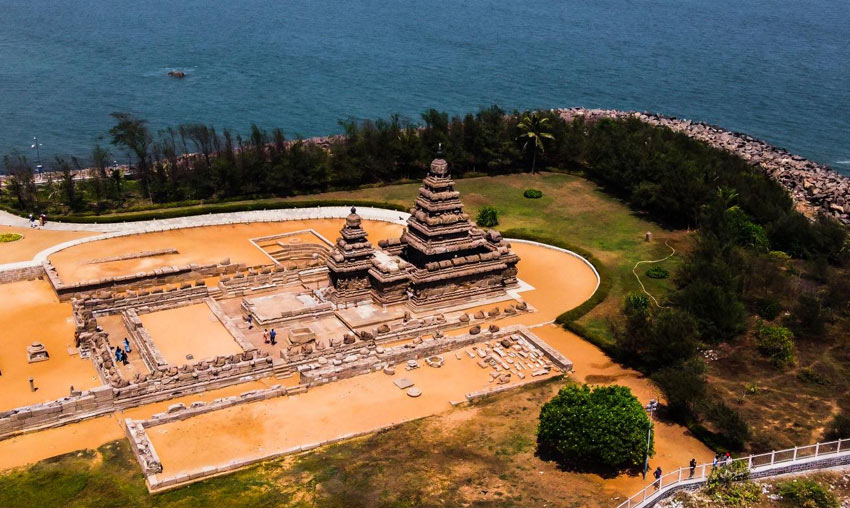
- Shore Temple – An iconic seaside temple famous for its ancient Pallava architecture and granite structures.
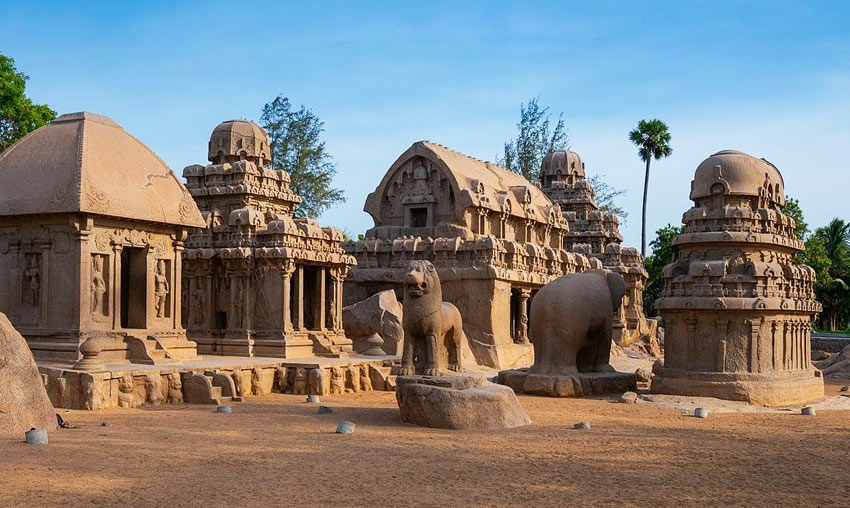
- Pancha Rathas – Five remarkable monolithic structures carved from single granite rocks.
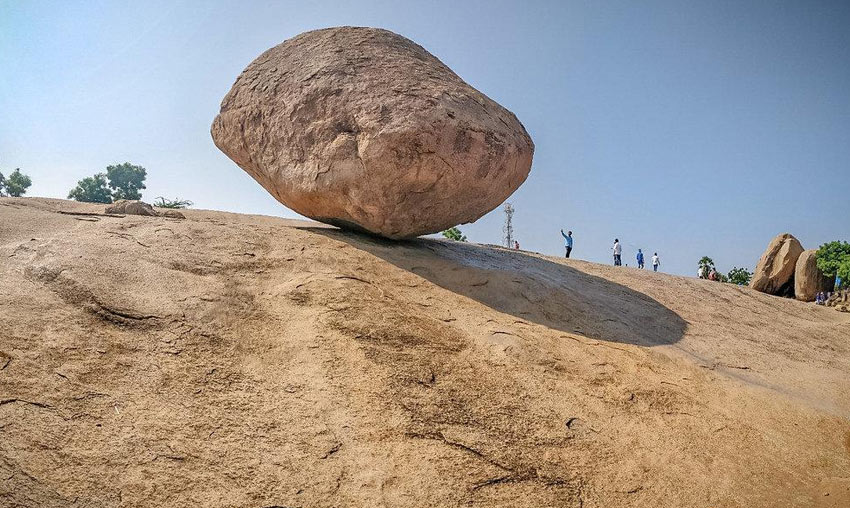
- Krishna’s Butter Ball – A giant natural granite boulder known for its unusual balancing position.
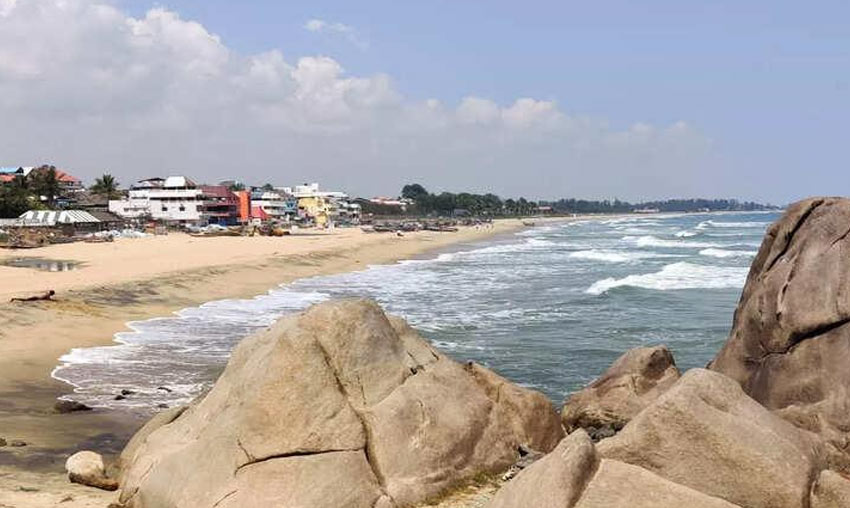
- Mahabalipuram Beach – A scenic coastal destination along the Bay of Bengal.
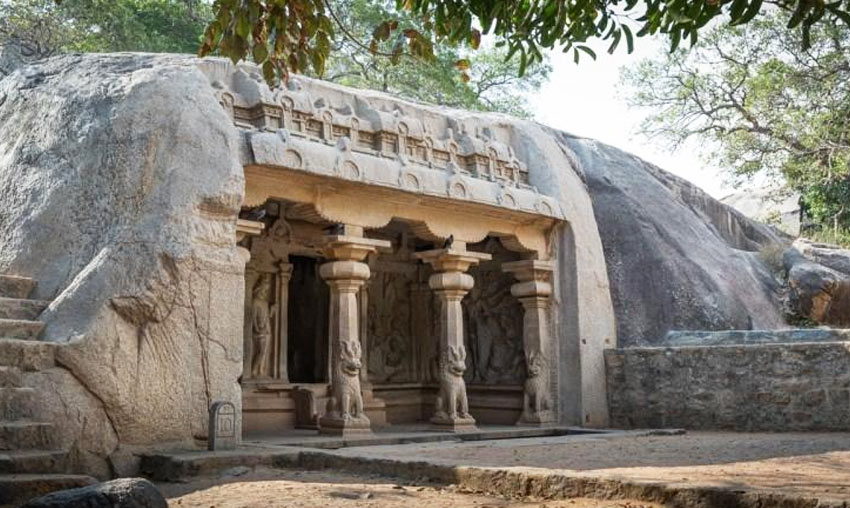
- Varaha Cave Temple – An ancient rock-cut cave temple featuring detailed Pallava sculptures.
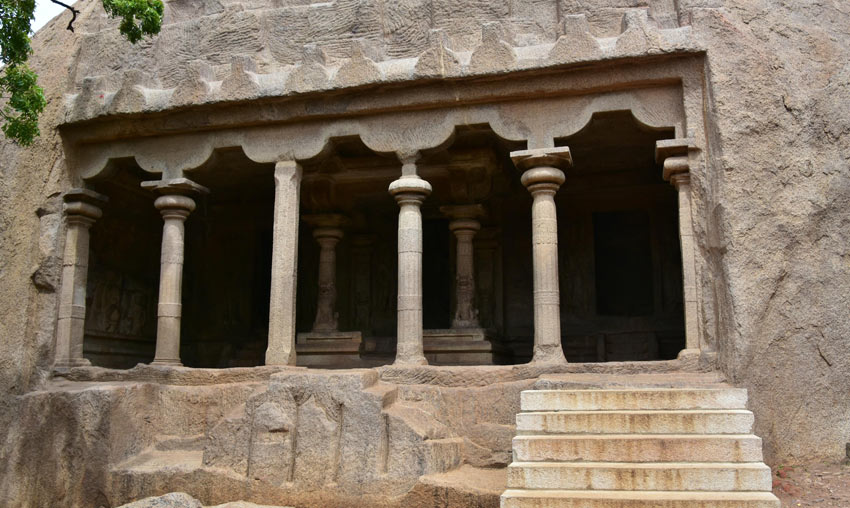
- Mahishasuramardini Cave Temple – A historic cave temple known for its impressive sculpture of Goddess Durga.
How to Reach Arjuna’s Penance
- By Road: Mahabalipuram is connected to Chennai through the East Coast Road (ECR). Taxis, private vehicles and local transport can be used to reach the monument.
- By Train: Chengalpattu Junction is a nearby major railway station. Visitors can continue to Mahabalipuram by road. Chennai railway stations are also convenient depending on the travel route.
- By Air: Chennai International Airport is the nearest major airport. Taxis and private transfers are available to reach Mahabalipuram.
Travel Tips for Visiting Arjuna’s Penance
- Visit early in the morning or late afternoon for a comfortable sightseeing experience.
- Carry water, sunscreen and a hat, especially during summer.
- Wear comfortable footwear while exploring the heritage area.
- Do not climb on or touch the protected rock carvings.
- Take time to observe the smaller sculptures and details across the entire relief.
- Follow the monument’s photography and conservation rules.
- Combine the visit with nearby attractions to explore more of Mahabalipuram.
Frequently Asked Questions About Arjuna’s Penance
1. Where is Arjuna’s Penance located?
Arjuna’s Penance is located in Mahabalipuram, also known as Mamallapuram, in Tamil Nadu, along the Coromandel Coast.
2. Who built Arjuna’s Penance?
The monument dates back to the Pallava period of the 7th century CE and is associated with the artistic tradition developed under the Pallava rulers.
3. Why is Arjuna’s Penance famous?
It is famous for its enormous open-air rock relief, detailed sculptures, mythological scenes and impressive carvings of animals, sages and celestial beings.
4. What is the other name of Arjuna’s Penance?
It is also known as the Descent of the Ganges because one major interpretation connects the artwork with the legend of King Bhagiratha bringing the sacred River Ganga to earth.
5. What story does Arjuna’s Penance depict?
The relief is interpreted either as Arjuna performing penance to obtain Lord Shiva’s divine weapon or as King Bhagiratha’s penance to bring the River Ganges from heaven to earth.
6. How large is Arjuna’s Penance?
The rock relief measures approximately 29 metres in length and 13 metres in height.
7. Is Arjuna’s Penance a UNESCO World Heritage Site?
Yes. It is part of the Group of Monuments at Mahabalipuram, recognised as a UNESCO World Heritage Site in 1984.
8. What are the visiting hours of Arjuna’s Penance?
The commonly listed visiting hours are 6:00 AM to 6:00 PM. Visitors should confirm the latest timings before travelling.
Explore the Ancient Rock Sculptures of Mahabalipuram
Arjuna’s Penance is an extraordinary example of India’s ancient artistic heritage. Its enormous rock surface, detailed mythological scenes, naturalistic animal carvings and fascinating stories make it one of the most memorable attractions in Mahabalipuram.
Whether you are interested in the Mahabharata, Hindu mythology, Pallava history or ancient Indian sculpture, this monument offers a unique experience. Explore more historic attractions and coastal destinations with our complete Mahabalipuram travel guide.
Nearby Places to Visit